












buy propecia 5mgbuy accutane with no prescriptionbuy zithromax onlinebuy cialis overnight
|
Posted by geri
|
|
Friday, 12 March 2010 |
Sydney's ''miracle'' Asian elephant calf, born alive two days after he was declared dead in the womb, is the first elephant known to have survived such a protracted and difficult labor.
The doctor had announced the death of the calf after a week of labor in which the baby had been in an ''upside down'' position never before seen by vets. He apparently went into a coma for the nine-day ordeal.
The keepers at Taronga Zoo had been amazed the calf was born alive. ''The looks of disbelief on our faces were quite a picture. We couldn't believe that this could be true."
He is well on his way to a normal life, having taken his first steps and nursed with his mum.
(READ More in the Sydney Morning Herald) Thanks to Jackie for submitting the link!
|
|
|
Posted by geri
|
|
Wednesday, 10 March 2010 |
Pond scum is a type of algae that makes water unsafe for drinking, swimming, fishing or watering crops. It's a big problem in the developing world, and algal blooms are becoming more common.
Now, genetically engineered tobacco plants could offer a solution. The tobacco's powers came from implanted genes that produce antibody proteins, which bind to toxins and make them less dangerous.
The technique could be an efficient way to clean up all sorts of environmental pollutants.
(READ More in Discovery News)
|
|
|
Posted by geri
|
|
Tuesday, 09 March 2010 |
|
A species of frog thought to have been extinct for 30 years has been found in rural Australian farmland, officials said last week.
A fisheries conservation officer stumbled across one of the frogs and has since identified a colony of around 100 yellow-spotted bell frogs.
The discovery is 'as significant in the amphibian world as it would be to discover the Tasmanian tiger, said Frank Sartor, minister for environment and climate change.
(READ More of the AP story at the Wash. Post)
Photo by David Hunter, New South Wales National Parks and Wildlife Service
|
|
|
Posted by Jim Kelly
|
|
Tuesday, 09 March 2010 |
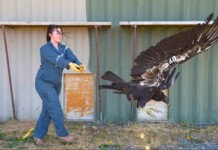
Since their comeback from the brink of extinction in the 1960's, bald eagles have been flocking to this park every winter, attracting bird-watchers by the bus load.
300 to 1,000 eagles from California, Oregon and as far as the Northwest Territories of Canada arrive at Trinity Lake to rest and feed among old-growth ponderosa pines and Douglas firs.
The number of tourists to the Klamath Basin area swells during Presidents Day weekend and the annual Winter Wings Festival in January and February. They come to watch the national symbol, one of the most successful environmental comebacks of all time.
(READ the story in the Contra Costa Times)
|
|
|
Posted by geri
|
|
Tuesday, 09 March 2010 |
|
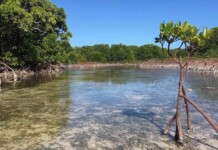
Salt is precious in poverty-stricken coastal West Africa, but conservation experts say efforts to extract it are laying waste to mangrove swamps, causing erosion and ravaging fish stocks.
In Sierra Leone, one of Africa's poorest nations still recovering from a 1991-2002 civil war, lawmakers are preparing a bill to join a seven-nation charter to protect the region's mangrove forests.
Environmental groups are trying to encourage salt producers to use other methods of extracting the salt, including solar drying, to reduce the strain on mangroves.
(READ More at Reuters)
Photo: Planting mangroves
|
|
|
|
<< Start < Prev 1 2 3 4 5 6 7 8 9 10 Next > End >>
|
| Results 1 - 9 of 640 |