












Reprinted with permission from World At Large, a news website of nature, politics, science, health, and travel.
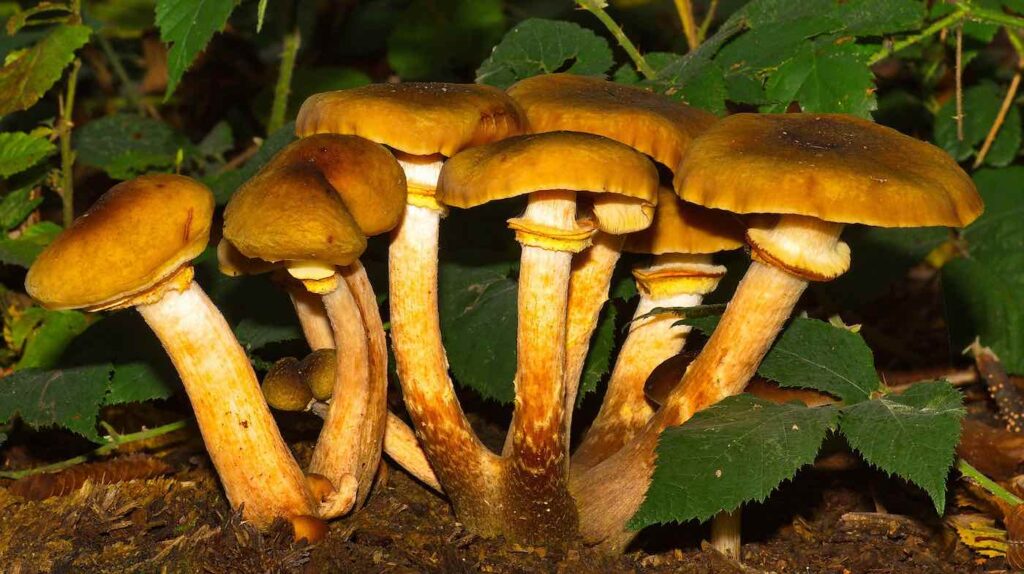
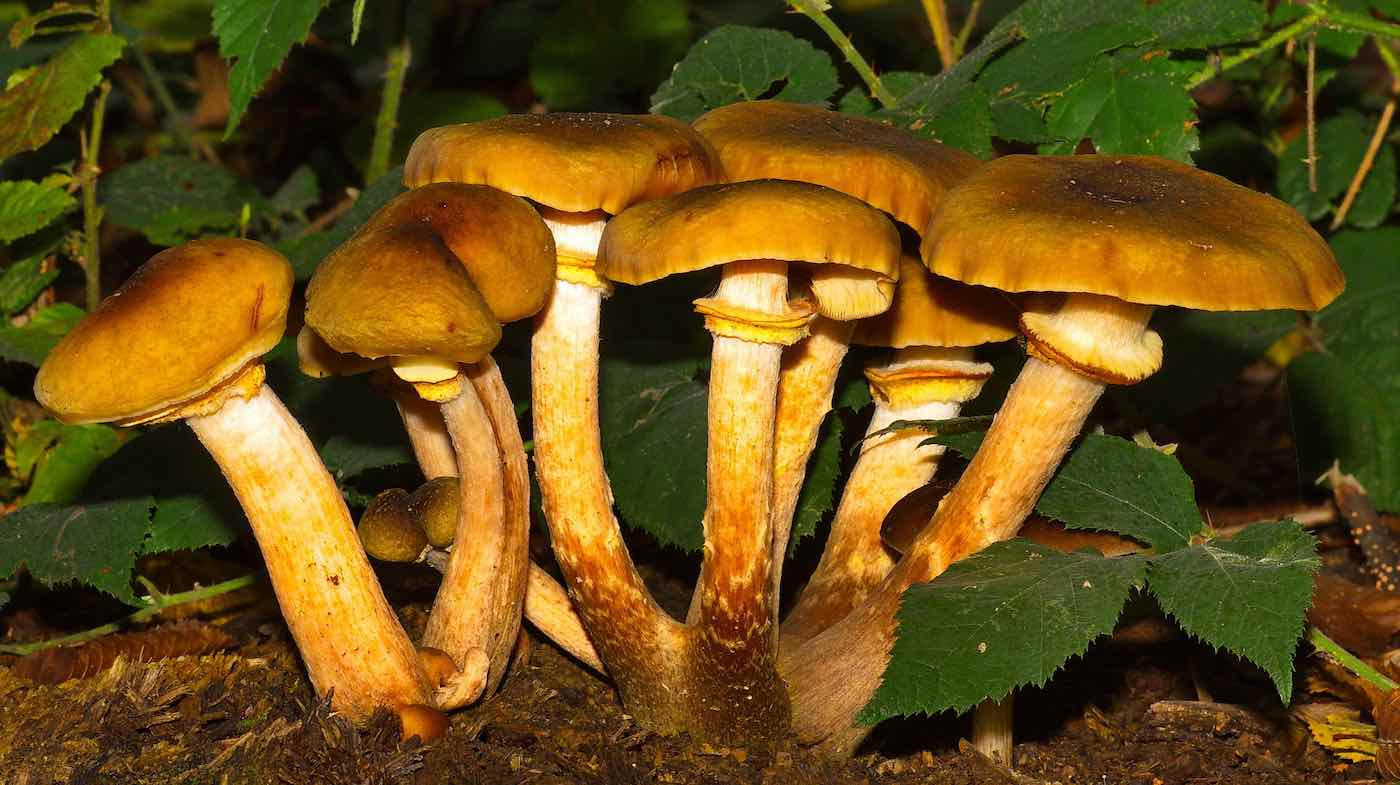
A pair of anthropological forces are driving humans towards the consumption of wild mushrooms, a trend that deserves both examination and celebration as wild mushrooms not only represent a nutrient-dense food source, but also a connection to forests and ancestral traditions.
The first is that regardless of the fact that during the 19th and 20th centuries, 12 crops and 14 animal species came to provide what is today around 98% of the world’s dietary content, reported incidence of wild mushroom foraging has increased globally by about 2100% over the last 56 years.
The second is that forest ecosystems are beginning to be preserved for their roles as centers of production for nutrient dense foods that are often difficult to cultivate, or are at minimum easier to do so in a forest system. The International Union of Forest Research Organizations estimates that a third of the global population rely on forested biomes for their food, fuel, and medicine.
Mushrooms are one of these foods, and the 90 species that are commercially cultivated in a $50 billion-a-year industry, pale in comparison to recent catalogues of edible mushrooms which total 2,000 that can be picked up and eaten—and an additional 200 that are nutritious but which require pretreatment of some kind.
With this wild mushroom harvesting boom comes the advice of every father in America about how “80% of mushrooms are poisonous”. On the bright side, many edible mushrooms have a poisonous doppelganger, and so the differences between them are normally well-documented.
In his book, Wild Edible Fungi author Eric Boa details how the vast majority of recognized edible mushrooms cannot be cultivated, and must therefore be gathered from the woods by hand, making it prized as food and an income source for locals in Northern Italy and the hills of China alike.
Nutrient dense and unique
Furthermore, long-term studies of mushroom picking in the mountains of Switzerland have shown that picking wild mushrooms has no impact on future harvests. That’s partly because mycelial structures are dramatically resilient.
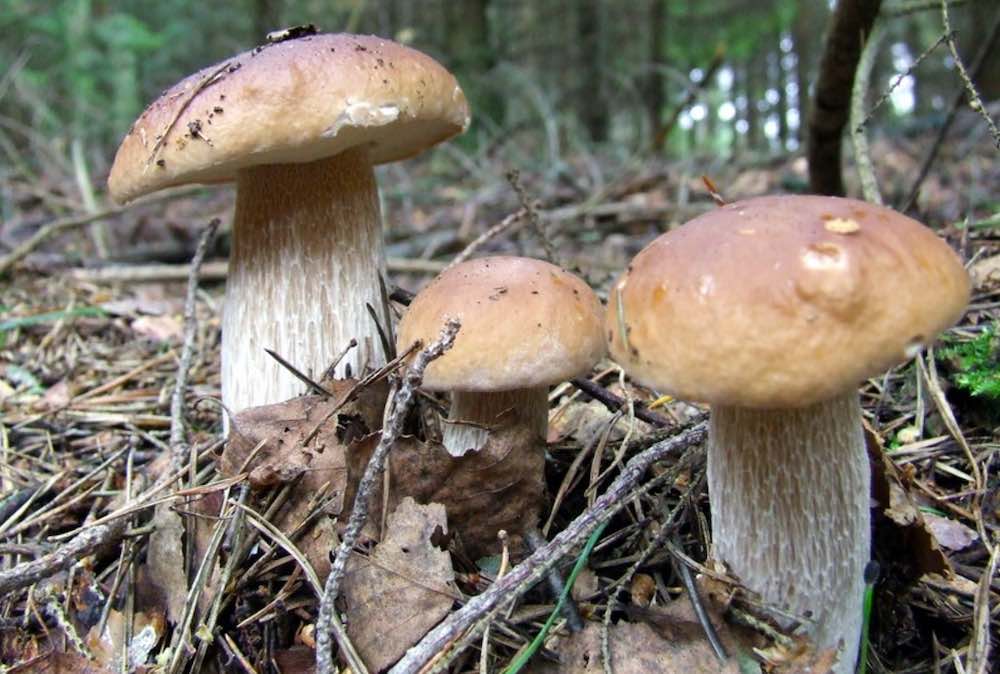
Like a bio-internet, mycelial networks represent the main bulk of the biomass of the fungal kingdom, one of the six kingdoms of life. They weave through the soil and connect trees, soil microbes, and other plants to the animals above through the deployment of the mycelium’s fruiting body, that which we call the mushroom.
This incredible form of life has been shown to transfer information and nutrients between plants, taking payment in the form of carbohydrates from trees in order to protect them from pests and bacteria.
As a food item they are excellent sources of many important micronutrients and phytonutrients such as vitamin B2, 3, and 5, a host of minerals like copper and selenium, and a variety of carotenoids, indoles and polyphenols, which serve as anticancer, antioxidant, and anti-inflammatory agents.
Mushrooms cultivated for the supermarket likely contain negligible amounts of vitamin D, but due to the fungal presence of a substance called ergosterol, a wild mushroom which has exposure to UV light can contain up to 1,500 IUs of vitamin D3 and D2, something which is very rare in most unfortified foods.
Medicinal effects
A study of 663 elderly Chinese found that those who consumed two servings of mushrooms per week had a reduced risk of mild cognitive impairment, while two epidemiological studies found a prevention in the growth of amyloid proteins in the brains of older people which cause Alzheimer’s.
That’s only what Harvard decided to note on their website, but the depth of medical studies on mushrooms is breathtaking.
Studies have shown that Reishi mushroom, which is considered a valuable remedy in Chinese medicine, protects the liver, significantly inhibits allergic reactions, and activates immune cells, particularly ones which kill tumor cells.
A South Korean study found that white blood cells treated with the chaga mushroom showed 40% less DNA damage than those which didn’t. Like the scratching of a disk, DNA damage drives many of the chronic diseases in our society.
In the journal Agriculture and Food Chemistry Lion’s Mane mushroom, commonly sold as a supplement in stores, was shown to confer too many protective effects to list, and was described as having exceptional nutritional and health-promoting aspects.
These are just some of the species cultivated for commercial sale and consumption. Like animals, fungi evolved special defense mechanisms against pathogens, like penicillin, and those which live in a wild environment—rather than a controlled one—are likely to be far-richer in these health-promoting compounds.
Gathering mushrooms is a wonderful excuse to go walking in the forest—and joining local community foraging groups to learn first hand from experts about mushroom species is a wonderful way to start foraging, instead of looking at a guidebook.
SHARE This to Organize a Mushroom Hike With Friends and Local Experts…