












All News - Page 669 of 1730 - Good News Network
Home Blog Page 669

Researchers Teleport Information to Be Stored Within a Diamond

Photo by Yokohama National University

Researchers have successfully teleported quantum information securely within the confines of a diamond – and the study has big implications for quantum information technology, the future of how sensitive information is shared and stored.

The researchers from the Yokohama National University published their results earlier this week in Communications Physics.

According to the American Physical Society’s physics page, quantum information is spy-proof. When an eavesdropper attempts to intercept a message encoded in a quantum state, the message is altered by the eavesdropper’s measurement. Quantum bits, or “Qubits”, also cannot be copied – any attempt to do so instead creates an entangled state.

“Quantum teleportation permits the transfer of quantum information into an otherwise inaccessible space,” said Hideo Kosaka, a professor of engineering at Yokohama National University and an author on the study. “It also permits the transfer of information into a quantum memory without revealing or destroying the stored quantum information.”

The “inaccessible space”, in this case, consisted of carbon atoms in diamond. Made of linked, yet individually contained, carbon atoms, a diamond holds the perfect ingredients for quantum teleportation.

LOOK: Researchers Have Successfully Made First-Ever Robotic Arm That Can Be Controlled By Your Mind

A carbon atom holds six protons and six neutrons in its nucleus, surrounded by six spinning electrons. As the atoms bond into a diamond, they form a notoriously strong lattice. Diamonds can have complex defects, though, when a nitrogen atom exists in one of two adjacent vacancies where carbon atoms should be. This defect is called a nitrogen-vacancy center.

Surrounded by carbon atoms, the nucleus structure of the nitrogen atom creates what Kosaka calls a nanomagnet.

To manipulate an electron and a carbon isotope in the vacancy, Kosaka and the team attached a wire about a quarter the width of a human hair to the surface of a diamond. They applied a microwave and a radio wave to the wire to build an oscillating magnetic field around the diamond. They shaped the microwave to create the optimal, controlled conditions for the transfer of quantum information within the diamond.

WATCH: Students Design Beach Vacuum That Can Suck Up Microplastics While Leaving All the Sand

Kosaka then used the nitrogen nanomagnet to anchor an electron. Using the microwave and radio waves, Kosaka forced the electron spin to entangle with a carbon nuclear spin – the angular momentum of the electron and the nucleus of a carbon atom. The electron spin breaks down under a magnetic field created by the nanomagnet, allowing it to become susceptible to entanglement. Once the two pieces are entangled, meaning their physical characteristics are so intertwined they cannot be described individually, a photon which holds quantum information is applied and the electron absorbs the photon. The absorption allows the polarization state of the photon to be transferred into the carbon, which is mediated by the entangled electron, demonstrating a teleportation of information at the quantum level.

“The success of the photon storage in the other node establishes the entanglement between two adjacent nodes,” Kosaka said. Called quantum repeaters, the process can take individual chunks of information from node to node, across the quantum field.

MORE: Robert Downey Jr. is Creating a Foundation That Will Use Robots to Clean Up the Environment

“Our ultimate goal is to realize scalable quantum repeaters for long-haul quantum communications and distributed quantum computers for large-scale quantum computation and metrology,” Kosaka added.

The National Science Foundation says that quantum effects have already been used to create unbeatable codes. Previous studies have also shown that the defects in a diamond’s atomic structure could be used to store vast amounts of data similarly to how CDs and DVDs store information on their discs.

Since one of a diamond’s atomic defects measuring just billionths of a meter wide could be used to store data, researchers say that diamonds could very well be the future of computer storage – and now with the research from Yokohama National University, they could be the future of cyber security as well.

Be Sure And Share The Fascinating News With Your Friends On Social MediaFile photo by Jurvetson, CC

Mom Rains Praise On Airplane Passenger for Showing Compassion Towards Her Autistic Son Flying Solo

An airline passenger is being praised for showing bottomless kindness and patience towards a boy with autism who was traveling alone for the very first time.

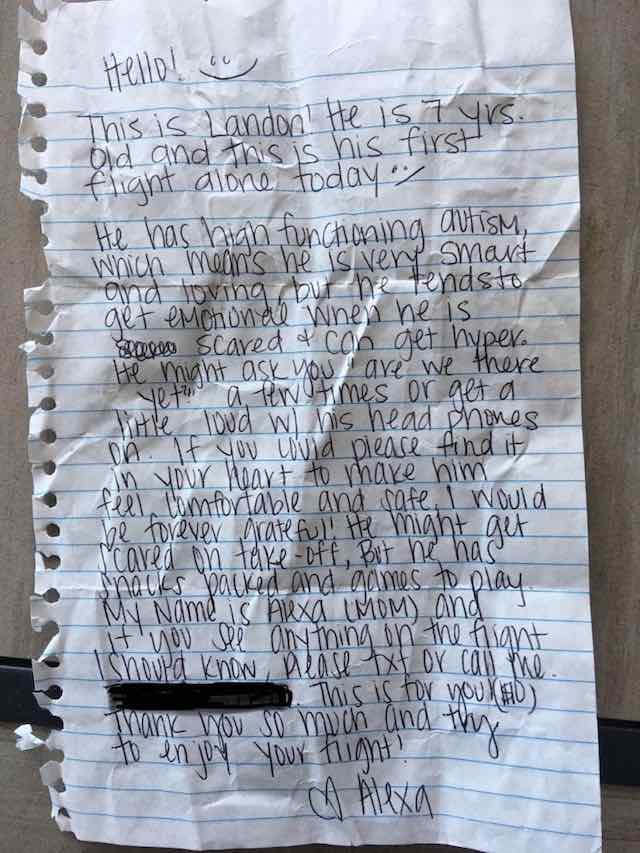
7-year-old Landon was flying solo from Las Vegas to Portland in order to visit his father earlier this week. His mother, Alexa Bjornson, was concerned for her son’s safety – so she wrote out a note for Landon to give to whomever sat next to him on the plane.

In the note, Bjornson explained how her son had high-functioning autism and he may be prone to asking “Are we there yet?” during the flight. She went on to reassure the reader that although he sometimes got anxious during takeoff, she had packed plenty of snacks and games to keep him busy throughout the rest of the trip.

RELATED: Uber Driver Changed Veteran’s Life After She Took Him Home and Saw His ‘Deplorable’ Living Conditions

“If you could please find it in your heart to make him feel comfortable and safe, I would be forever grateful!” she added.

In addition to including her phone number, Bjornson folded a $10 bill into the letter in hopes that it would incentivize the passenger to be extra patient with Landon.

When Landon’s plane finally arrived in Portland, she received a text message that brought her to tears.

LOOK: Guys Who Befriended Solitary Widow Have ‘Vowed’ to Make Time for Her – ‘I already feel like we’re her grandkids’

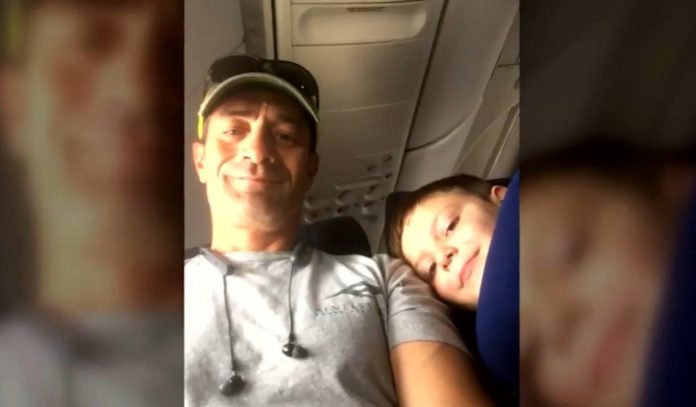
The text was from a man named Ben Pedraza who had sat next to Landon on the plane. When Landon gave him the note, he was more than happy to accommodate the youngster.

Pedraza detailed how he and Landon had chatted, played some video games, and cracked jokes throughout the flight. After snapping a selfie with his new friend, Pedraza sent the photo to Bjornson to reassure her that everything had gone smoothly.

Not only that, he said that he donated the $10 to the Autism Society.

Pedraza later told Yahoo! Lifestyle that he was particularly moved to befriend the youngster after Landon mentioned that he was often bullied for having autism.

“I have a nephew with facial cranial deformities and he hates school for this very reason,” Pedraza told the news outlet. “I think more needs to be discussed and done to thwart this behavior by other children and adults. It starts at home, I believe.”

WATCH: When 7-Foot-Tall ‘Gentle Giant’ With Autism Outgrows His Swing Set, Handyman Steps in for Free

Needless to say, Bjornson was overwhelmed with gratitude for Pedraza’s compassion. She later published a screenshot of his text to Facebook in order to highlight his compassion, and the post has already been shared thousands of times.

“I am so grateful to this individual, and that there are still kind people in the world who make a difference like I try myself to do as well,” wrote Bjornson.

Be Sure And Share The Sweet Story Of Kindness With Your Friends On Social MediaPhoto by Ben Pedraza

Another Victory Against Plastic: These Water Brands Will Soon Be Packaged in Aluminum Cans

PepsiCo has just announced that they will begin using more sustainable packaging for their water brands as soon as 2020.

Starting next year, the company’s LIFEWTR product will be bottled in containers made of 100% rPET (recycled polyethylene terephthalate), while their Aquafina and Bubly sparkling water brands will soon be sold in aluminum cans in US food service outlets.

The changes are expected to eliminate more than 8,000 metric tons of virgin plastic and approximately 11,000 metric tons of greenhouse gas emissions in the company’s pursuit of contributing towards a more circular and sustainable economy.

According to data from a 2017 EPA report, aluminum cans are successfully recycled by consumers almost twice as often as plastic bottles. Furthermore, metal cans are typically made out of 70% recycled materials while plastic bottles only use about 3%.

RELATED: First UK Supermarket Chain to Eliminate Plastic From Produce Will Save 1,300 Tons of Plastic From Landfill

This latest initiative reinforces and advances PepsiCo’s goals of making 100% of its packaging recyclable, compostable, or biodegradable and use 25% recycled plastic content in all its plastic packaging before 2025.

PepsiCo is reportedly one of the largest users of food-grade recycled PET in the world, and the company is also working to help reliably increase the supply needed to meet its packaging goals in tandem with current suppliers and partners like The Recycling Partnership, Loop Industries, Alliance to End Plastic Waste, and the World Economic Forum’s Global Plastic Action Partnership (GPAP).

“We are really excited to evolve our packaging across PepsiCo’s water portfolio to make a positive impact,” says Stacy Taffet, Vice President Water portfolio for PepsiCo. “We created LIFEWTR to be an inspirational and purpose-driven brand, and we’re expanding that vision by using recycled packaging to deliver our premium water. At the same time, Bubly, our sparkling water brand that is full of flavor and personality, has already shaken up the sparkling water category and will continue to do so with this bold move.”

Package Up The Positivity By Sharing The Good News With Your Friends On Social MediaFile photo by Mark Hillary, CC

Turtle Rescuers Have Been Using Recycled Bra Clasps to Save Injured Turtles

A clever wildlife rescue group is showing that bras can support much more than just women’s bodies – they can also support the shells of injured turtles.

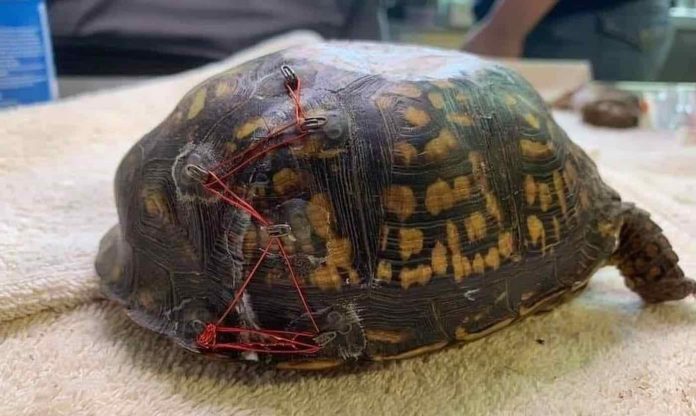
The Carolina Waterfowl Rescue has been recycling worn-out bras by using the clasps to secure cracked and broken turtle shells.

It can take anywhere from 6 to 8 weeks for a fractured turtle shell to heal completely. Over the course of the last month, the organization says that they have been treating about 40 turtles every week.

Many of the turtles have suffered damage to their shell after being hit by a lawnmower, car, or motorized vehicle. Thankfully, the rescuers have managed to fix the reptile shells by gluing the pieces together and using bra clasps to secure the shell with wire.

LOOK: When Bird Rescuers Ask for Help During Nesting Season, Thousands of People Donate Hand-Knitted Nests

This is not the first time that the Carolina Waterfowl Rescue has come up with a clever solution for wildlife medical treatment. In April, the group asked their supporters to send them hand-knitted nests for rescued baby birds who had been abandoned or injured during nesting season.

The rescue organization, which is based out of Indian Trail, North Carolina, recently made a Facebook post asking if women could send in their old bras for recycling – but since news outlets began sharing the group’s innovative medical technique, rescuers say that they have been inundated with old bras.


The group has reassured concerned Facebook readers that they only use the clasps from bras that are no longer suitable for everyday use. If they receive any bras that still seem to be in relatively good shape, then the reptile rescuers simply donate them to charity.

“We work closely with our friends at Common Heart who run a thrift store and a food pantry,” writes the Waterfowl Rescue Facebook page. “If we get any bras and they are usable, they will be donated there. Unusable ones will have the clasps recycled for the turtles.”

That being said, the Carolina Waterfowl Rescue asks that readers support their rescue mission by either sponsoring a rescued turtle or making a donation on their website.

Save Your Friends From Negativity By Sharing The News To Social Media…

“Beware negative people; they have a problem for every solution.” – Anonymous

Quote of the Day: “Beware negative people; they have a problem for every solution.” – Anonymous

Photo: by James Broad, CC license

With a new inspirational quote every day, atop the perfect photo—collected and archived on our Quotes page—why not bookmark GNN.org for a daily uplift?

Correction: We previously incorrectly attributed the quote to Albert Einstein.


Man Tells Heartfelt Story About How His Father’s Wrinkled Hands Sparked Their Reconnection (MOTH Monday)

Today is MOTH Monday on Good News Network: In partnership with The Moth, a nonprofit dedicated to the art of storytelling, we bring you the most uplifting speakers from live stages across the world.

Harwood Taylor has always had a difficult relationship with his father – especially since his father struggled with bipolar disorder.

So when Taylor’s father was eventually diagnosed with Alzheimer’s disease, he was faced with the challenge of trying to reconnect with his dad and overcome the weight of their past.

Thankfully, Taylor describes how he was finally able to reconnect with his father through a very simple gesture in the car.

Listen to his inspiring story below…

The Moth gives people an opportunity to tell a true story in front of a live audience, and sometimes their stories are chosen to air on the radio show, now celebrating its tenth year, and broadcasting on 485+ public radio stations—and on The Moth podcast, which is downloaded over 52 million times a year.

The Moth’s third book, Occasional Magic: True Stories About Defying the Impossible is now available for purchase through your favorite booksellers.

Be Sure And Share The Inspiring Tale With Your Friends On Social Media…

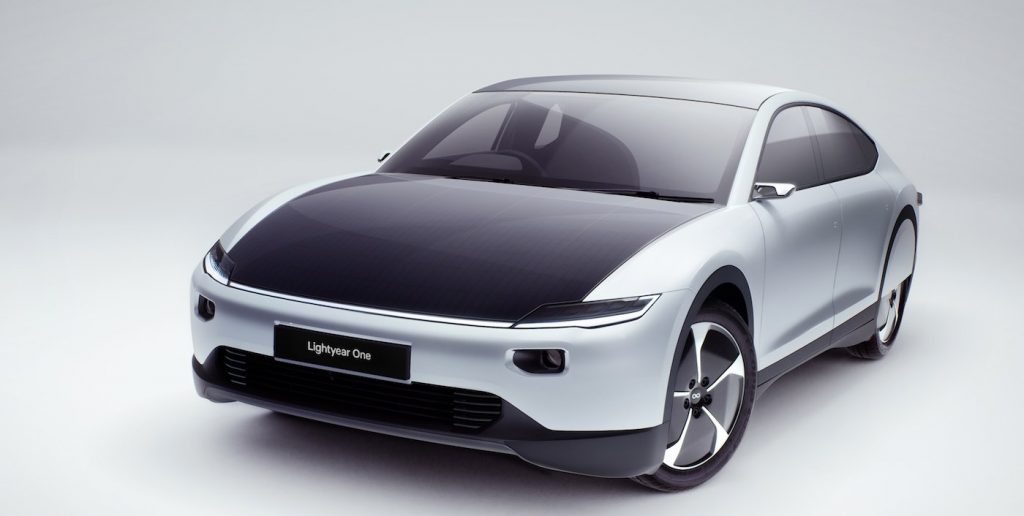
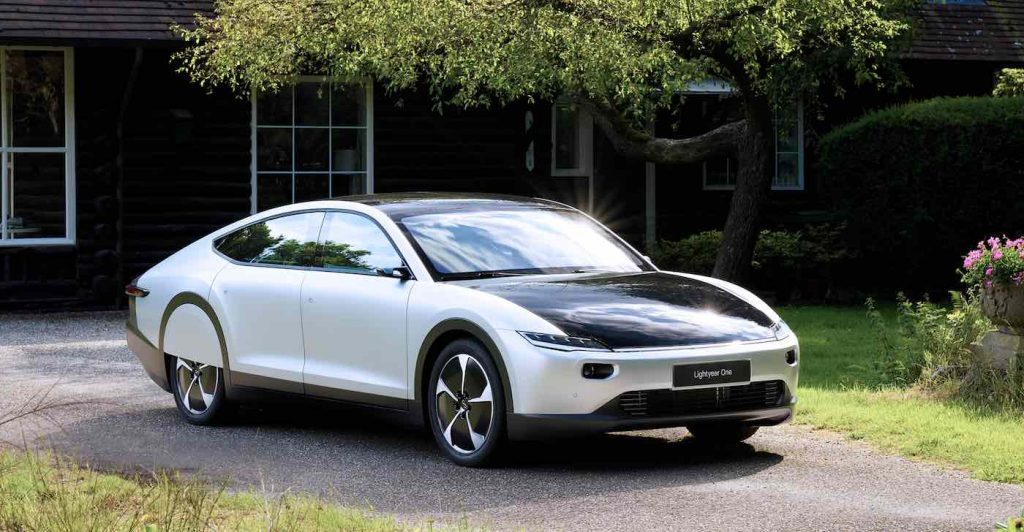
Dutch Company Unveils the World’s First Long-Range Solar Car – The 4-Passenger Lightyear One

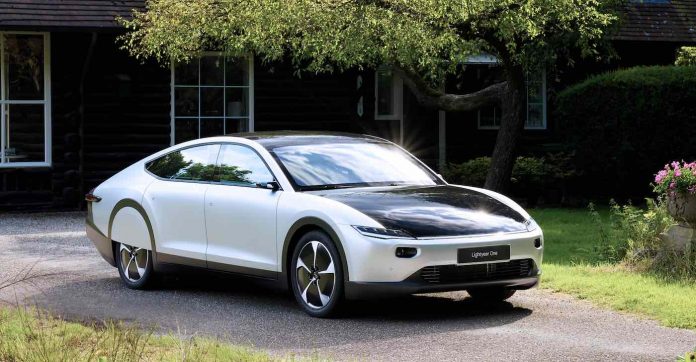
The group from Eindhoven whose prototype car won the Bridgestone World Solar Challenge for three years, just introduced the world’s first long-range solar car—the four-passenger all-electric vehicle called Lightyear One.

The prototype, which has already sold 100 orders to be filled in 2021, was presented to a select audience of investors, customers, partners, and press last week at the break of dawn in the Netherlands.

“This moment represents a new era of driving,” said Lex Hoefsloot, CEO and co-founder of Lightyear. “Two years of dreaming, thinking and working hard have led to this milestone, which is a giant leap towards achieving our mission of making clean mobility available to everyone.”

Lightyear was founded in 2016 after receiving enough accolades, grants, and investment that they were able to develop their working prototype in just two years.

RELATED: Tesla’s Solar Roof May Actually Be Cheaper Than Your Own Roof

The Lightyear One has been engineered using only the principles of physics to produce maximum efficiency for their plug-in car to get “the most out of every ray of sunshine.”

They were able to produce a 4-passenger luxury car that requires only half the energy consumption of other cars in its class—with a battery two-thirds the size of a Tesla S but providing longer range, up to 800 kilometers (497 miles) if driving in full sun.

The Lightyear One two door, four-passenger car

Hoefsloot continued, “The main goal of the car is to fill in where electric cars fall short. Research has shown that range and the lack of charging options are still the top concerns that people have when considering electric cars.”

RELATED: Germany Debuts First Overhead Power Lines for Keeping Electric Trucks Charged on the Highway

It can charge directly from the sun, but also can be plugged in. So effectively, you charge a lot faster from any power outlet. You can charge up to 400 km (248 miles) at night from an ordinary household electrical outlet.

  • The car is constructed from high-tech materials to have the lowest weight possible while maintaining stringent passenger safety.
  • The roof and hood are comprised of five square meters of integrated solar cells in safety glass so strong that a fully-grown adult can walk on them without causing dents.
  • Lightyear One is propelled by four independently driven wheels, so no energy is lost in transit from the engine to the wheel.
  • In addition to solar power, Lightyear One can be charged at a (fast)charging station or a regular outlet.
  • Crash testing has yet to be undertaken, but they’re looking forward to crashing one ”for science.”

Hoefsloot and his team of international engineers—some coming from Ferrari and Tesla—believe that with advancements in solar cars, making them cheaper in the future, they can make a big dent in world CO2 emissions.

Since new technology has a high unit cost at the beginning, they have to start in an exclusive market—the first production vehicles cost $127,000. But the next models Lightyear plans to develop will have a significantly lower purchase price.

ALSO: Tesla’s Record-Breaking Mega Battery–Installed on a Bet–Saves Australia $40 Million in Its First Year

Combined with the low operating costs of the vehicle—a low price per kilometer—the third, final step will be to provide truly sustainable cars that are more affordable to use than the cost of gas you would need to drive a combustion car.

“This will prove to be our most important tipping point in the near future, and it will pave the way for a car fleet that is one hundred percent sustainable.”

They have yet to ramp up production of the Lightyear One in their new facility in Helmond, but buyers can reserve one of the 500 electric vehicles for a reservation fee of €119,000 on their website (with expected delivery in 2021).

(WATCH the car driving in the video below)

Race to Be the First to Post About This New Solar Car on Social Media…

Hearts Are Melting Over This Photo of Little Boy Hugging His Tearful Youngster Sister: ‘I’m just so happy’

This adorable photo of a little boy proudly embracing his tearful younger sister is melting hearts across social media.

The children’s mother, Aundrea Smith, described the sweet moment in an Instagram post last week.

The Connecticut parent says that her 5-year-old daughter Charlee had just finished her honorary Pre-K graduation ceremony when she was approached by her 8-year-old brother Derek.

In her Instagram post, Smith writes: “After the ceremony, my son walked up to her and gave her a hug. ‘I’m just so proud of you,’ he said.

LOOK: Nine Years After Mother’s Death, Man Has Amazing Encounter With Yellow Butterfly Right When He Needed It

“Then of course my daughter started crying. As we wiped away our tears, my husband asked her, ‘Pumpkin, why are you crying?’ She responded, ‘I’m just so happy.’”

Since publishing the photo to Instagram, it has been shared thousands of times across social media and national news outlets.

Smith says that she posted the photo in hopes of inspiring other people to express their emotions as fearlessly and honestly as her kids – and based on the amount of positive feedback she has received on social media since publishing the picture, her wish has come true.

Be Sure And Share This Sweet Story Of Sibling Love With Your Friends On Social Media…

Las Vegas is Now Allowing Drivers to Pay Off Parking Tickets By Donating School Supplies

The city of Las Vegas has launched an innovative new initiative that is putting their parking tickets to good use.

The city council unanimously approved a month-long program that will allow motorists to pay off their parking tickets and driving infractions by donating school supplies and educational materials.

As long as a driver has not been fined for a public safety-related incident, they are free to eliminate their debt by donating supplies such as pencils, pens, erasers, dry erase markers, paper towels, copy paper, rulers, scissors, and pencil sharpeners.

Since the program launched on June 19th, it is set to run until July 19th. All donations must be made within 30 days of the infractions and all of the supplies must be “new, unwrapped school supplies of equal or greater value to their fine to the Parking Services Offices.”

MORE: People Can Pay Their Parking Fines With Cans of Food for the Hungry

All of the supplies will be donated to the Teachers Exchange, a nonprofit that is associated with the Public Education Foundation.

This is not the first time that the city has replaced parking fees with charitable donations. In July of 2016, the city council adopted an ordinance authorizing the establishment of this occasional program allowing for charitable donations in lieu of payment for parking fines.

That being said, city council members hope that the initiative will inspire other municipalities to pass similar initiatives to benefit their community.

Be Sure And Pass On The Good News To Your Friends On Social MediaFile photo by Kemberly Groue / U.S. Air Force

After Bear Cub Was Rescued From Life in a Basement, Watch Him Experience Grass for the First Time

This adorable little bear cub had never felt grass beneath his paws before he was recently rescued from a dark basement enclosure in Kosovo.

Someone had been keeping the cub as a pet, which is against the law – but after he was transported to his new home, he finally got the chance to roam free and experience the joys of nature.

The rescue was carried out by animal welfare group Four Paws International and the Kosovo authorities before he was brought to the Bear Sanctuary Prishtina. This specialized sanctuary is already home to many bears who were saved from neglectful conditions.

“We thank Ministry of Environment and Agency for Environment Protection for the trust in our professionalism to continue with the right treatment for the cub,” said Afrim Mahmuti, who manages the Bear Sanctuary Prishtina.

MORE: 17 Years After Being Declared Extinct in the Wild, Turtle Species is Saved by Caretakers of Hindu Temple

After a through medical examination to make sure that the cub was in good health, it was time to let him explore the sanctuary grounds. Being able to run through the grass at the sanctuary and feel the sun on his face, it’s easy to tell that the cub is loving his new home.

Four Paws International will care for the cub for at least the next six months until he matures into adolescence. At that time, it will be decided if the bear can be released into the wild – but until then, it seems he is perfectly happy bouncing around the sanctuary, eager to explore his new home.

(WATCH the video below)

Be The Bearer Of Good News: Share This Sweet Story With Your Friends On Social Media…

“Forgiveness is not the act of condoning irresponsible, hurtful behavior. It is the finishing of old business that allows us to experience the present, free of contamination from the past.” – Joan Borysenko

Forever is a long time to live with forgiveness.

Quote of the Day: “Forgiveness is not the act of condoning irresponsible, hurtful behavior. It is the finishing of old business that allows us to experience the present, free of contamination from the past.” – Joan Borysenko

Photo: by cygnoir, CC license

With a new inspirational quote every day, atop the perfect photo—collected and archived on our Quotes page—why not bookmark GNN.org for a daily uplift?


Watch Ugandan Woman’s Joyous Reaction When She is Given Her First-Ever Pair of Shoes, Thanks to a Stranger

Sometimes the smallest objects in life can bring us the most joy – at least that was the case for this Ugandan woman who was gifted her first ever pair of shoes.

Laura Grier felt compelled to give this woman the shoes off of her own feet as she was being driven through Bwindi National Park earlier this month.

RELATED: African Children Hear a Fiddle for the First Time and Their Reaction is Priceless

Grier’s driver then stopped and helped put the shoes on the woman’s feet – and after they ended up being the perfect fit for her feet, she immediately burst into the most infectiously joyous happy dance.

“When I saw the woman on the side of the road barefoot, I urged my driver to stop,” Grier told Newsflare. “The woman was barefoot and had never owned shoes before, so we stopped the car to pull over and give them to her, and her reaction to wearing the shoes was priceless!”

(WATCH the video below)

Be Sure And Share This Sweet Happy Dance With Your Friends On Social Media…

Families Choose Road Trips Over Airfare to Spend More Time Together – Here’s a Checklist and Some Car Games to Play

According to new research, the average American is choosing to hit the road with their family this summer, instead of flying – and it’s not just because of the money saved.

The poll of 2,000 Americans found that driving allows them to see things and experience more together, and offers the opportunity to spend quality family time with one another—and 45% are taking their pet along for the fun.

It’s this quality time that Americans seem to enjoy. In fact, 78% of those surveyed revealed they have very fond memories of family road trips in the past.

During the average car ride this year, folks will play three car games and hear three clamors of ‘Are we there yet?’

LOOK: This Breathtaking Café Made Entirely Out of Cardboard Shows Just How Eco-Friendly Architecture Can Be

The license plate game was chosen as the number one car game played by Americans — with 43% enjoying the pastime of searching for out-of-state vehicle plates as they travel to their vacation destination.

Another fun game is going around the car with everyone naming as many cities or countries that begin with ‘A’, until someone is stumped before moving on to ‘B’.

THE TOP 5 CAR GAMES ARE… SURVEY SAYS:
1. License plate game
2. I spy
3. 21 questions
4. Phone/tablet games
5. Bingo

“From Memorial Day to Labor Day, families take a break from school and work to come together and vacation with loved ones,” said Jaclyn Chastain, the Marketing Manager for Quaker State, which sponsored the OnePoll survey. “Spending time with family, especially in the car, provides some of the best time for bonding.”

MORE: Epic New Trail Will Allow Cyclists and Hikers to Travel 3,700 Miles Across America From Coast to Coast

But that’s not all that goes down during a long car ride to a vacation destination.

For half the respondents, Rock and Pop topped the list of summer song genres to listen to in the car.

71% are big fans of eating in the car while traveling, and 66% don’t mind stopping for snacks and food.

67% like a nice bathroom break stop, even while driving an average of only three hours.

LOOK: Traveling Baby Daughter is About to Own a World Record at 5 Months Old – and the Pictures Are Adorable

To make sure the old Chevrolet makes it safely to their destinations, Americans prepare with pre-trip essentials—the top task being checking their car’s tires (68%).

Though family road trips are enjoyable for 77% of those polled, that doesn’t mean they don’t come with their share of stressful moments—heavy traffic being the number one irritant.

Another 62% admitted bad weather has caused stress while traveling by car and a further 39% got stressed out making sure the car was working properly whenever they travel long distances with the family. Keeping the kids entertained was reported as stressful by 38%.

5 PRE-ROAD TRIP ESSENTIALS? … SURVEY SAYS:
1. Checking the car’s tires 68%
2. Making sure enough gas is in the car 68%
3. Checking the oil in the car 62%
4. Getting an oil change 54%
5. Making sure enough snacks/food are packed 54%

5 MOST COMMON ROAD TRIP EXPERIENCES? … SURVEY SAYS:
1. Getting lost/taking a wrong turn 53%
2. Getting a flat tire 43%
3. Someone in the car getting car sick 35%
4. Losing cell reception at a crucial moment 31%
5. Having a child who won’t stop crying 30%

Make sure everyone has gone to the toilet, and is hydrated and fed before you leave—and remember that having a good attitude before you enter the car ensures a great start.

Drive These Fun Facts Over To Your Friends On Social Media…

Researchers Have Successfully Made First-Ever Robotic Arm That Can Be Controlled By Your Mind

Photo by College of Engineering, Carnegie Mellon University

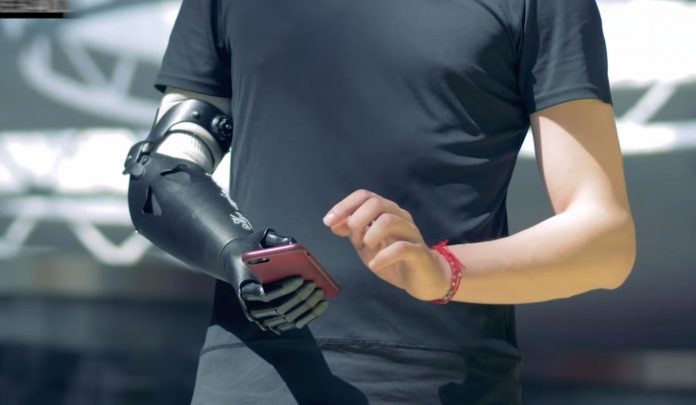
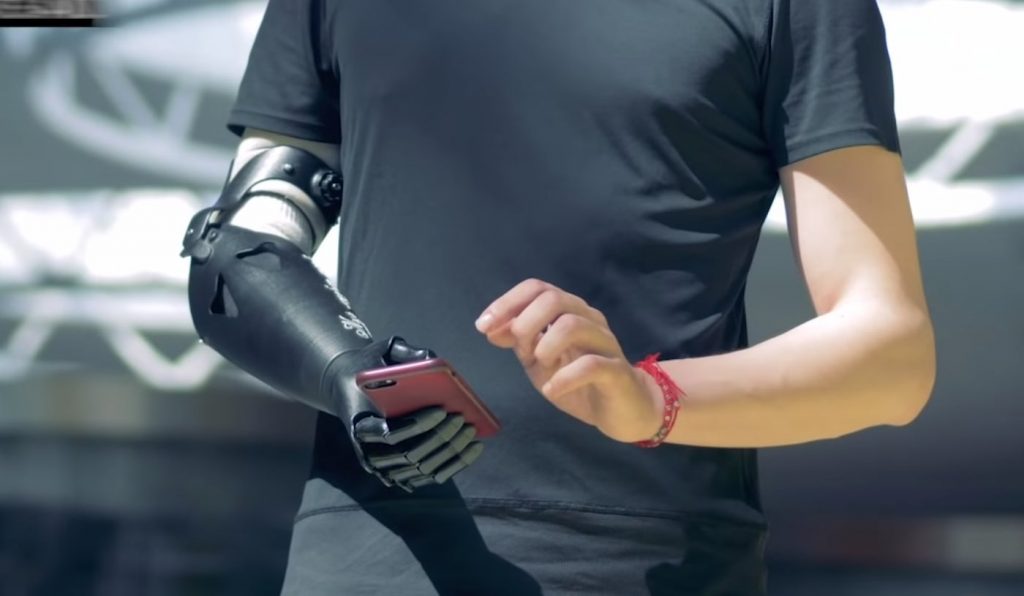
Researchers have accomplished a groundbreaking new technological feat by developing the first-ever successful mind-controlled robotic arm exhibiting the ability to continuously track and follow a computer cursor controlled by one’s thoughts.

Being able to non-invasively control robotic devices using only thoughts will have broad applications, in particular benefiting the lives of paralyzed patients and those with movement disorders.

The team of researchers from Carnegie Mellon University in collaboration with the University of Minnesota made their breakthrough using a noninvasive brain-computer interface (BCI).

BCIs have been shown to achieve good performance for controlling robotic devices using only the signals sensed from brain implants. When robotic devices can be controlled with high precision, they can be used to complete a variety of daily tasks. Until now, however, BCIs that have been successful in controlling robotic arms have used only invasive brain implants. These implants require a substantial amount of medical and surgical expertise to correctly install and operate, not to mention cost and potential risks to subjects, and as such, their use has been limited to just a few clinical cases.

MORE: Robert Downey Jr. is Creating a Foundation That Will Use Robots to Clean Up the Environment

A grand challenge in BCI research is to develop less invasive or even totally noninvasive technology that would allow paralyzed patients to control their environment or robotic limbs using their own “thoughts.” Such noninvasive BCI technology, if successful, would bring such much needed technology to numerous patients and even potentially to the general population.

However, BCIs that use noninvasive external sensing, rather than brain implants, receive “dirtier” lower-resolution signals, leading to less precise control. Thus, when using only the brain to control a robotic arm, a noninvasive BCI hadn’t been able to stand up to using implanted devices. Despite this, BCI researchers forged ahead, their eye on the prize of a less- or non-invasive technology that could help patients everywhere on a daily basis—until they achieved a breakthrough.

Bin He, Trustee Professor and Department Head of Biomedical Engineering at Carnegie Mellon University, is achieving the ultimate goal, one key discovery at a time.

LOOK: First Smartphone App to Detect Ear Infections in Children Could Save Unnecessary Doctor’s Visits

“There have been major advances in mind controlled robotic devices using brain implants. It’s excellent science,” says He. “But noninvasive is the ultimate goal. Advances in neural decoding and the practical utility of noninvasive robotic arm control will have major implications on the eventual development of noninvasive neurorobotics.”

Using novel sensing and machine-learning techniques, he and his lab have been able to access signals deep within the brain, achieving a high resolution of control over a robotic arm. With noninvasive neuroimaging and a novel continuous pursuit paradigm, He is overcoming the noisy EEG signals leading to significantly improve EEG-based neural decoding, and facilitating real-time continuous 2D robotic device control. (See the video below…)

Using a noninvasive BCI to control a robotic arm that’s tracking a cursor on a computer screen, for the first time ever, He has shown in human subjects that a robotic arm can now follow the cursor continuously. Whereas robotic arms controlled by humans non-invasively had previously followed a moving cursor in jerky, discrete motions – as though the robotic arm was trying to “catch up” to the brain’s commands – now, the arm follows the cursor in a smooth, continuous path.

WATCH: Tree-Planting Drones Have Successfully Planted Thousands of Saplings – and They’re About to Plant More

In a paper published in Science Robotics, the team established a new framework that addresses and improves upon the “brain” and “computer” components of BCI by increasing user engagement and training, as well as spatial resolution of noninvasive neural data through EEG source imaging.

The paper shows that the team’s unique approach to solving this problem not only enhanced BCI learning by nearly 60% for traditional center-out tasks, it also enhanced continuous tracking of a computer cursor by over 500%.

RELATED: New ‘Smart Toilet Seat’ Could Save Thousands and Monitor Vital Signs From Comfort of Home

The technology also has applications that could help a variety of people, by offering safe, noninvasive “mind control” of devices that can allow people to interact with and control their environments. The technology has, to date, been tested in 68 able-bodied human subjects (up to 10 sessions for each subject), including virtual device control and controlling of a robotic arm for continuous pursuit. The technology is directly applicable to patients, and the team plans to conduct clinical trials in the near future.

“Despite technical challenges using noninvasive signals, we are fully committed to bringing this safe and economic technology to people who can benefit from it,” says He. “This work represents an important step in noninvasive brain-computer interfaces, a technology which someday may become a pervasive assistive technology aiding everyone, like smartphones.”

Reprinted from Carnegie Mellon University – College of Engineering

(WATCH the video below)

Give Your Friends A Hand By Sharing This Groundbreaking News To Social Media…

Watch Exquisite New Short Film of a Child Living in One of the Highest, Most Magical Places On Earth

It took a determined filmmaker an entire year to film this mini-documentary about a 9-year-old girl and her life on the grasslands of Tibet – and the results are breathtaking.

Martin Buzora is the cinematic mastermind behind the 5-minute film “The Story of Pema”. The short film, which he says is the first Western film of its kind to come out of Tibet, portrays the simple life and beliefs of a Tibetan girl named Pema.

“Peace is all around me,” proclaims the young girl whose happy nomadic family lives off the land.

Buzora told Good News Network that he was inspired to make the documentary after spending years of his life dreaming about the magical nature of the region. Since it was released last month, the director hopes his creation has given people an understanding of the cultural significance of the Tibet and its people.

WATCH: When Filmmaker Sits Down With Neo-Nazis to See if They Would ‘Hate in-Person’, She Had Extraordinary Experience

“I wanted to pay respects to a culture I love very much,” Buzora wrote in an email. “It has been my fever dream since I was a boy reading ‘The Adventures of Tintin’ to visit this enchanted and mysterious land—and getting the opportunity to make a film in Tibet has been the greatest opportunity of my career.

“With the continual modernization of China, the nomadic cultures of the Tibetan grasslands are rapidly disappearing,” he added. “This documentary portrait about Pema is not only a love song to an ancient nomadic way of life, but also an anthropological record of a culture whose survival into the future is unclear.”

If you want to check out Buzora’s other cinematic works and world travels, you can check out his website or Instagram page.

(WATCH the gorgeous mini-doc below)

Be Sure And Share The Incredible Story With Your Friends On Social Media…

“Let go of those grand fantasies that make us strive to be perfect, instead of compassionate.” – Mark Nepo

Quote of the Day: “Let go of those grand fantasies that make us strive to be perfect instead of compassionate.” – Mark Nepo

Photo: by zervas, CC license

With a new inspirational quote every day, atop the perfect photo—collected and archived on our Quotes page—why not bookmark GNN.org for a daily uplift?


Researchers ‘Shocked’ by Discovery That ALS-Diseased Neurons Show Incredible Resilience if Given Glucose

The researchers observed brain lobes of ALS-affected fruit flies under a microscope. Pictured is a nerve cord, populated with green-stained motor neurons, expressing human glucose transporters. Areas of neurotransmitter release are shown in red, while muscles are shown in blue. (Courtesy of the Zarnescu Lab)

Increased glucose, transformed into energy, could give people with ALS improved mobility and a longer life, according to a new study.

Physicians have long known that people with ALS experience changes in their metabolism that often lead to rapid weight loss in a relentless cycle called hypermetabolism, according to the University of Arizona-led research team.

People with ALS use more energy while resting, compared to those without the disease, while simultaneously they often struggle to effectively make use of glucose, the precise ingredient a body needs to make more energy. Experts have not known exactly what happens in a patient’s cells to cause this dysfunction or how to alleviate it.

“This project was a way to parse out those details,” said the study’s lead author Ernesto Manzo, who described the results, published online in eLife, as “truly shocking.”

MORE: Dogs Detecting Lung Cancer With 97% Accuracy May Spell the End of Expensive Screening Methods

The study revealed that when ALS-affected neurons are given more glucose, they turn that power source into energy. With that energy, they’re able to survive longer and function better. Increasing glucose delivery to the cells, then, may be one way to meet the abnormally high energy demands of ALS patients.

“These neurons were finding some relief by breaking down glucose and getting more cellular energy,” Manzo said.

ALS is almost always a progressive disease, eventually taking away patients’ ability to walk, speak and even breathe. The average life expectancy of an ALS patient from the time of diagnosis is two to five years.

CHECK OUT: Be Sure and Floss! Researchers Say Good Dental Health ‘Substantially’ Decreases Risk of Alzheimer’s

Previous studies on metabolism in ALS patients have focused primarily on what happens at the whole-body level, not the cellular level, explained Daniela Zarnescu, UA professor of molecular and cellular biology and senior author on the study.

The researchers observed brain lobes of ALS-affected fruit flies under a microscope. Pictured is a nerve cord, populated with green-stained motor neurons, expressing human glucose transporters. Areas of neurotransmitter release are shown in red, while muscles are shown in blue. (Courtesy of the Zarnescu Lab)

“The fact that we uncovered a compensatory mechanism surprised me,” Zarnescu said. “These desperate, degenerating neurons showed incredible resilience. It is an example of how amazing cells are at dealing with stress.”

The novelty of the findings partially lies in the fact that metabolism in ALS patients has remained poorly understood, Zarnescu said.

“It’s difficult to study, in part because of limited accessibility to the nervous system,” she said.

CHECK OUT: Broccoli Isn’t Just Good For You; Scientists Find It Holds Molecule That Could Be the ‘Achilles’s Heel’ of Cancer

Because scientists can’t scrape away neurons from the brain without causing irreparable damage to a patient, the researchers used fruit flies as a model.

“Fruit flies can teach us a lot about human diseases,” Manzo said.

In the lab, he and Zarnescu used high-powered microscopes to observe the motor neurons of fruit flies in their larval state, paying close attention to what happened as they provided more glucose.

They found that when they increased the amount of glucose, the motor neurons lived longer and moved more efficiently. When the researchers took glucose away from the neurons, the fruit fly larva moved more slowly.

WATCH: Success of Advanced-Stage Parkinson’s Treatment is ‘Beyond Researcher’s Wildest Dreams’

Their findings were consistent with a pilot clinical trial, which found a high carbohydrate diet was one possible intervention for ALS patients with gross metabolic dysfunction.

“Our data essentially provide an explanation for why that approach might work,” Zarnescu said. “My goal is to convince clinicians to perform a larger clinical trial to test this idea.”

Reprinted from the University of Arizona

Treat Your Friends To The Good News By Sharing It To Social Media…

Check Out These Breathtaking Photos of Poppy Field’s First Bloom in Years

SWNS
SWNS

These breathtaking new photographs show a sprawling English countryside bursting with color after hundreds of thousands of poppies bloomed for the first time in years.

The landscape is a lush sea of dazzling red flowers against a backdrop of mist gathering over the rolling Worcestershire hills.

The stunning snaps were taken by photographer Verity Milligan on farmland near Bewdley just before dawn of the day after the summer solstice.

LOOK: Husband Plants Field of Flowers for Blind Wife to Smell, So Spectacular it Gets Visitors

36-year-old Milligan said the poppy field has returned to its former glory after it had been dug up in 2013. The blossoms will only be in bloom for a couple of weeks.

“I got up super early, around 2:25AM, and there was a one-hour drive from Birmingham,” said Milligan.

“There was mist on the valley which was great – we photographers are always chasing mist.

SWNS

“I looked round to find the best vantage point and then waited for the sunrise at around 4:40AM.

“They have been like this for a good week, but they will probably only be around for another week. They are looking their best about now.


SWNS

“We have had a lot of rain, so they may well hang around a bit longer than usual.

“There used to be poppies every year. Its a truly magical sight and I was delighted with the result,” she added.


SWNS

Plant Some Positivity Amongst Your Friends By Sharing These Gorgeous Photos To Social Media…

Coffee Could Be Used to Fight Obesity, Says ‘Pioneering’ New Study

Scientists have published an intriguing new study on how coffee may be relied upon to do much more than just wake us up in the morning.

Researchers from the University of Nottingham have discovered that drinking a cup of coffee can stimulate “brown fat”, the body’s own fat-fighting defenses, which could be the key to tackling obesity and diabetes.

The study, published earlier this week in the journal Scientific Reports, is one of the first to be carried out in humans to find components which could have a direct effect on “brown fat” functions, an important part of the human body which plays a key role in how quickly we can burn calories as energy.

Brown adipose tissue (BAT), also known as brown fat, is one of two types of fat found in humans and other mammals. Initially only attributed to babies and hibernating mammals, it was discovered in recent years that adults can have brown fat too. Its main function is to generate body heat by burning calories (as opposed to white fat, which is a result of storing excess calories).

CHECK OUT: Managing Your Gut Bacteria Shown to Alleviate Anxiety, Says New Research

People with a lower body mass index (BMI) therefore have a higher amount of brown fat.

“Brown fat works in a different way to other fat in your body and produces heat by burning sugar and fat, often in response to cold,” said Professor Michael Symonds, from the School of Medicine at the University of Nottingham who co-directed the study.

“Increasing its activity improves blood sugar control as well as improving blood lipid levels and the extra calories burnt help with weight loss. However, until now, no one has found an acceptable way to stimulate its activity in humans.

MORE: Broccoli Isn’t Just Good For You; Scientists Find It Holds Molecule That Could Be the ‘Achilles’s Heel’ of Cancer

“This is the first study in humans to show that something like a cup of coffee can have a direct effect on our brown fat functions. The potential implications of our results are pretty big, as obesity is a major health concern for society and we also have a growing diabetes epidemic and brown fat could potentially be part of the solution in tackling them.”

The team started with a series of stem cell studies to see if caffeine would stimulate brown fat. Once they had found the right dose, they then moved on to humans to see if the results were similar.

The team used a thermal imaging technique, which they’d previously pioneered, to trace the body’s brown fat reserves. The non-invasive technique helps the team to locate brown fat and assess its capacity to produce heat.

CHECK OUT: What You Never Learned About Fiber and Why It May Be Exactly What You Need for Stubborn Ailments

“From our previous work, we knew that brown fat is mainly located in the neck region, so we were able to image someone straight after they had a drink to see if the brown fat got hotter,” said Professor Symonds.

“The results were positive and we now need to ascertain that caffeine as one of the ingredients in the coffee is acting as the stimulus or if there’s another component helping with the activation of brown fat. We are currently looking at caffeine supplements to test whether the effect is similar.

“Once we have confirmed which component is responsible for this, it could potentially be used as part of a weight management regime or as part of glucose regulation program to help prevent diabetes.”

Reprinted from the University of Nottingham

Power Up With Positivity By Sharing This Intriguing News With Your Friends On Social Media…

This Circus Uses Elaborate Hologram Light Show in Response to Mistreatment of Performing Animals

This German circus has replaced their animal performances with a stunning animal-themed hologram light show – and they hope that it will inspire other circuses to do the same.

According to German news outlets, the Circus Roncalli has been entertaining audiences since 1976, yet they started phasing out the use of performing animals in the 1990s.

Recently, the circus decided to employ a production team to create an elaborate new hologram show that uses the images of animals.

MORE: India Gets Its First Ever Hospital for Abused Elephants – and They’ve Already Treated Dozens

It takes 11 different projectors to display the 360º light show, and audiences have been enthralled. The show depicts dazzling herds of horses, a performing elephant, and even a massive golden goldfish in the middle of the stage.

Animal rights activists are hailing the circus as a role model for eliminating the exploitation of live performing animals, while still giving audiences a look at their magnificence.

With various states and countries implementing legislative bans on the use of animals as performers, Circus Roncalli provides a stellar example that others can— follow.

(WATCH the holograms in action in the video below) – Photo by Optoma EMEA

Be Sure And Share The News With Your Friends On Social Media…