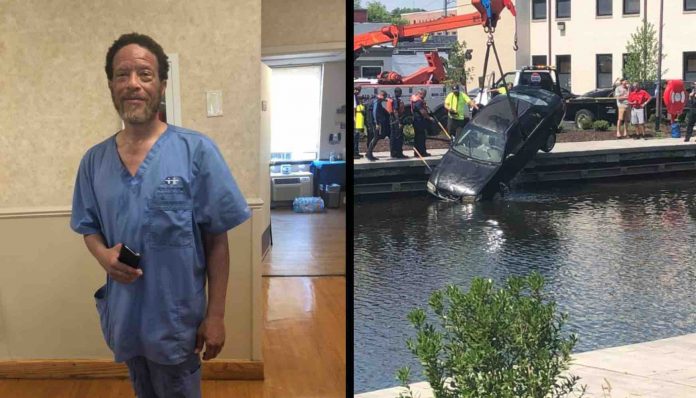
Thanks to the quick thinking of an Anchorage Nursing Home employee, the 55 yo operator of this vehicle only suffered minor injuries as a result of accidentally backing into the Wicomico River from the Anchorage Nursing home side of the river. pic.twitter.com/AEXIbWdrmq
Just minutes before a Maryland man was preparing to go into this workplace, he dove into a river and saved an injured driver.
52-year-old Andrew Lunn was just about to begin his shift at the Anchorage Nursing and Rehabilitation Center when he saw a nearby driver accidentally reverse their car into the Wicomico River – and without hesitation, Lunn leaped into action.
Lunn quickly told his colleagues to fetch some life preservers and call 911. He ran to the river’s edge and told the male driver to stay calm and unbuckle his seatbelt.
The nursing home staffer then grabbed one of the retrieved life preservers and dove into the water so he could pull the injured driver out of the car window.
“I didn’t have the option of waiting for 911 because within the response time, the car would have been underwater,” Lunn told USA Today. “I had to assess the situation to figure out the best way that both of us could have made it out of there alive.”
Social media users and law enforcement officers are now hailing Lunn as a hero – but the Good Samaritan simply said that he was happy he was in the right place at the right time.
Be Sure And Share This Inspiring Story With Your Friends On Social Media…
Quote of the Day: “The amount of satisfaction you get from life depends largely on your own ingenuity, self-sufficiency, and resourcefulness.” – William A. Menninger
Image: by Joshua Zamrycki, CC license
With a new inspirational quote every day, atop the perfect photo—collected and archived on our Quotes page—why not bookmark GNN.org for a daily uplift?
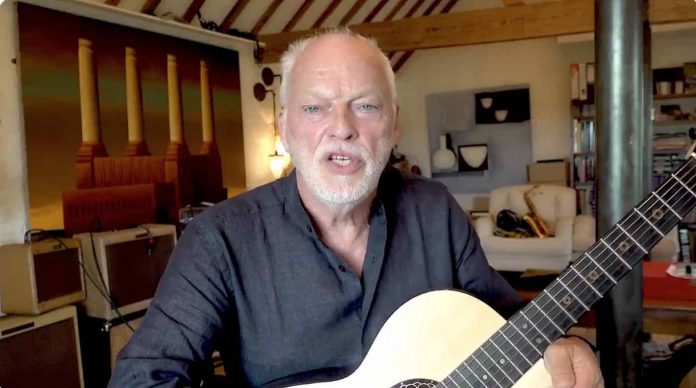
Earlier this week, legendary Pink Floyd guitarist and songwriter David Gilmour auctioned off dozens of his guitars – and he sold them all so he could donate the proceeds to charity.
In total, Gilmour auctioned off 126 of his guitars at Christie’s, raking in a whopping total of $21 million.
The most notable guitar to hit the auctioneer’s block was the iconic black Stratocaster that Gilmour used to record “Comfortably Numb,” “Shine on You Crazy Diamond,” and “Money”, according to Guitar World.
The axe ended up fetching a hefty $4 million after it was purchased by the owner of the Indianapolis Colts.
The English rock star says that he will be donating every penny of the auction’s sales to environmental nonprofit ClientEarth.
“The global climate crisis is the greatest challenge that humanity will ever face, and we are within a few years of the effects of global warming being irreversible,” tweeted Gilmour.
“We need a civilized world that goes on for all our grandchildren and beyond in which these guitars can be played and songs can be sung.”
James Thornton, ClientEarth CEO, said: “I’d like to express my deep and heartfelt gratitude to David Gilmour for this utterly remarkable gift. David has a long history of supporting charities and I am honored that he has chosen ClientEarth to benefit from this landmark auction.”
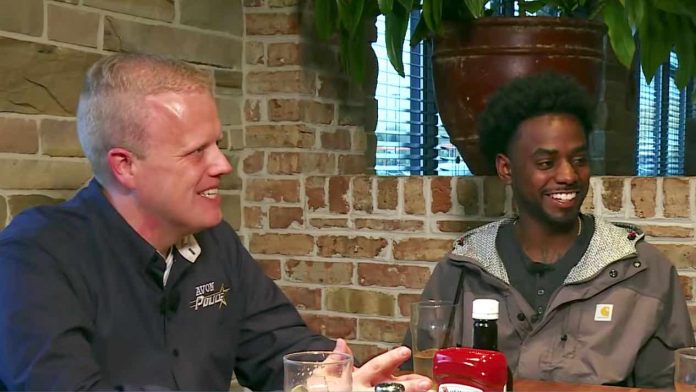
Years after he was convicted and imprisoned for armed robbery, Rameil Pitamber found an unlikely mentor in the very cop who arrested him.
Pitamber was only 17 years old when he was left reeling from the death of his father in 2013. Spurred by grief, the troubled teen attempted to rob a restaurant at gunpoint. He was arrested, convicted for armed robbery, and sentenced to 11 years in prison.
Deputy Police Chief Brian Nugent was the officer who arrested Pitamber – but even after helping to put the youngster behind bars, Pitamber’s mother stayed in touch with the policeman so she could convince him that her son was not just another criminal.
Pitamber was eventually released early from prison on good behavior, and he knew that he did not want to repeat the mistakes of his past – but he also knew that he would need a mentor if he wanted to succeed.
As fate would have it, Pitamber was working at a Goodwill store in Avon, Indiana when Nugent was dropping off some donated goods.
Pitamber then asked Nugent if he would fulfill the role of being his mentor – and the conversation ended up blossoming into a meaningful connection.
“He treated me with compassion and understanding, and he never treated me less than, not once. To this day, he still builds my worth and self esteem,” Pitamber told CBS News. “With him in my corner, I can do anything.”
(WATCH the video below)
Be Sure And Share The Inspiring Story Of Transformation With Your Friends On Social Media…
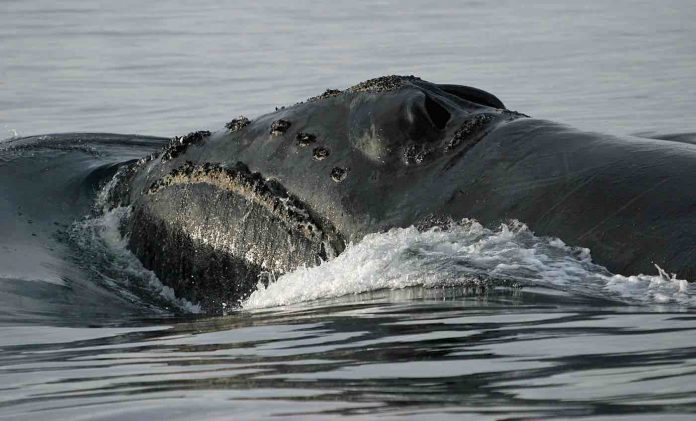
For the first time in history, researchers have captured an audio recording of one of the rarest whale species on the planet.
Unlike some of their famously musical relatives, right whales are known to restrict their vocalizations to individual calls rather than the patterned phrasing that is singing. This has been well documented for Southern and North Atlantic right whales.
But new findings suggest that the rarest whale of them all, the eastern North Pacific right whale, is breaking into song.
“During a summer field survey in 2010, we started hearing a weird pattern of sounds,” explains Jessica Crance, Marine Mammal Laboratory, NOAA Fisheries’ Alaska Fisheries Science Center. “We thought it might be a right whale, but we didn’t get visual confirmation. So we started going back through our long-term data from moored acoustic recorders and saw these repeating patterns of gunshot calls. I thought these patterns look like song. We found them again and again, over multiple years and locations, and they have remained remarkably consistent over eight years.”
Gunshot calls are part of the right whale’s known repertoire, along with upcalls, screams, and warbles. But they had never before been heard as part of a repeating pattern.
While Crance’s team suspected that the songs were produced by a right whale, they had only the acoustic recordings, with no visual confirmation—until two summers ago.
“We heard these same songs during a summer survey in 2017, and were able to localize the songs to male right whales,” says Crance. “We can now definitively say these are right whales, which is so exciting because this hasn’t been heard yet in any other right whale population.”
“Why is this population of right whales singing? Do the other populations also sing, and it just hasn’t been documented yet, or is this unique to our population?” asks Crance. “Working in the very remote, harsh, and large Bering Sea, getting the answers will be very difficult. That is one of our biggest challenges—our population has fewer than 30 whales.”
Crance speculates that these songs are a reproductive display. “We have direct evidence of male right whales singing, and we think this may be exclusive to males, but we have very limited data on vocalizing female right whales.”
As to why North Pacific right whales sing, Crance theorizes that their extreme rarity gives them reason to sing.
“With only 30 animals, finding a mate must be difficult. Lone male right whales tend to gunshot more frequently than females. Perhaps the 2:1 male ratio in the North Pacific has led to our males singing to attract females. But we may never be able to test that or know for sure.”
“Our next step will be to look at the evolution of the songs over time, and their seasonality, to determine if certain songs are produced at specific times. We also want to find out whether these songs contain individual-specific information,” says Crance. “There is so much I would love to know.”
This heart-melting photo proves that dogs are not just man’s best friend – they can also be his hero.
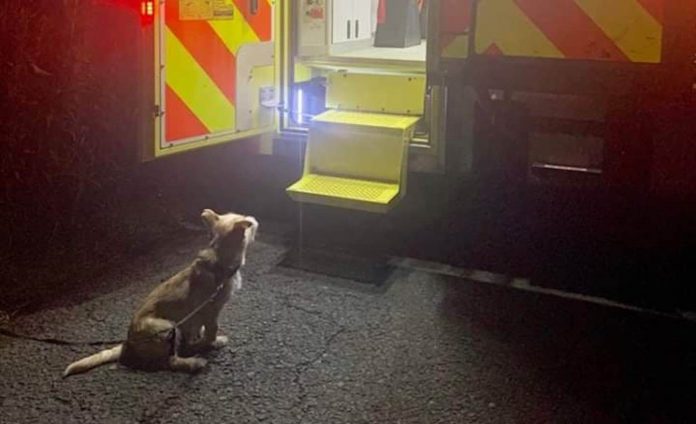
An elderly Irishman was out on a walk with his dog Jack through Portarlington earlier this week when the senior fell into a ditch and failed to recover – thankfully, Jack never left his side.
In a Twitter post that was posted by the Garda Síochána, the officers describe how they arrived on the scene and were unable to locate where the senior had fallen.
Jack then rushed over to the Garda officers and led them over to where his beloved owner had fallen.
“Even when ambulance arrived Jack wouldn’t rest unless he could see him!” wrote the Garda officers.
The Garda Twitter page reported that Jack and his owner are now safe and sound at home – and social media users have been doting over the adorable photo of Jack awaiting his owner’s return.
Man's best friend.
Elderly man out walking his dog last night near Portarlington fell into the ditch & couldn’t get out. Jack the Dog stayed by his side & showed Gardaí where he was. Even when ambulance arrived Jack wouldn’t rest unless he could see him! Owner and Jack home now pic.twitter.com/QqDNpB3CKr
Quote of the Day: “Summer afternoon; to me those have always been the two most beautiful words in the English language.” – Henry James (on the first day of Summer for half the world)
Image: by Luis Hernandez, CC license
With a new inspirational quote every day, atop the perfect photo—collected and archived on our Quotes page—why not bookmark GNN.org for a daily uplift?
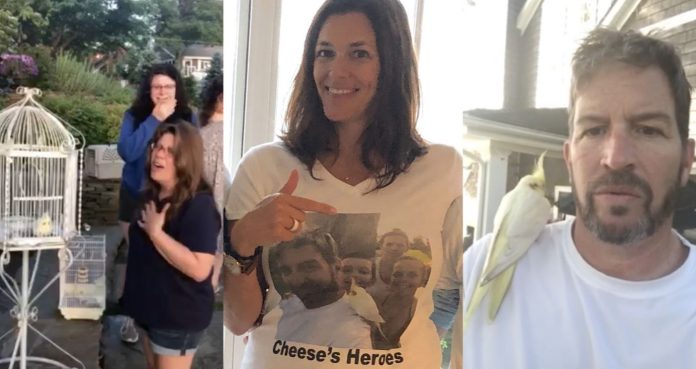
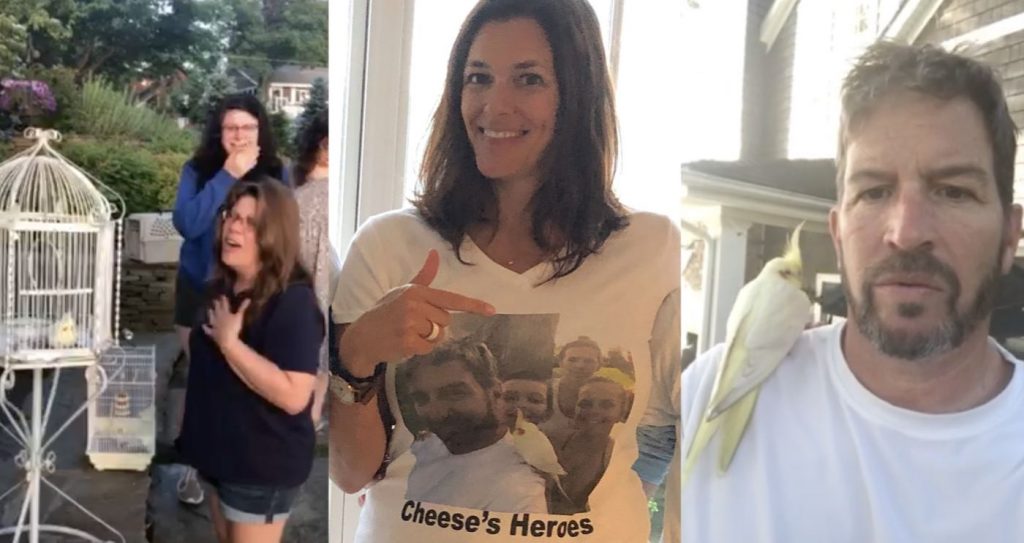
Michael Esposit (right) and his wife Amy (center) reunited ‘Cheesy’ with the family worried sick by the loss of their bird.
‘Cheesy’ the cockatiel landed on a little boy’s shoulder in Newburgh, New York, and didn’t want to leave.
Sam Esposito didn’t know it, but the bird had been flying for four days and lost over a third of its body weight—so probably had reached the end of the line.
In fact a veterinarian later said that Cheesy likely would have survived only one more day in the wild, if it hadn’t been for the kind family in Orange Lake.
“We freaked out,” Sam’s father Michael told Good News Network, “because we were all sitting outside and the bird flew right near our heads.”
He noticed the coloring didn’t seem normal for a wild bird, and when it landed on Sam, they guessed correctly that it was an escapee.
“We posted it on Facebook and a friend of ours 11 miles away knew the people in her town that had lost the bird four days previously,” recalled Michael. “Such a fun story for all of us.”
Michael Esposit (right) and his wife Amy (center) reunited ‘Cheesy’ with the family worried sick by the loss of their bird.
The owners from Cornwall, Michelle and Matt Napolitano, had offered a $1,000 dollar reward for its return, but the Esposito family told them to “just pay it forward.”
After the tearful reunion with their pet cockatiel, the Napolitanos sent surprise t-shirts they had created just for the Espositos, dubbing them ‘Cheese’s Hereos.’
Though many western countries have come to embrace equal rights and protections for LGBTQ citizens, other world governments have not been so progressive – but that’s where the Rainbow Railroad comes in.
Similarly to how the Underground Railroad helped African-American slaves escape to freedom, the Rainbow Railroad is a nonprofit that has been helping hundreds of LGBTQ people from around the world escape their oppressive governments.
Over the course of the last 5 years, the organization has facilitated the evacuation, transportation, and resettlement of almost 550 people. In 2018 alone, the group helped to rescue 198 people.
“In countries all over the world, lesbian, gay, bisexual, trans, queer, and intersex (LGBTQI) people live in basic fear for their freedom, their safety, and their lives,” reads the organization’s website. “They often have nowhere to turn because their government and police not only tolerate but encourage this brutality.
“Rainbow Railroad exists to help these people get out of danger to somewhere safe,” it continues. “In the spirit of and with homage to the Underground Railroad, the mission of Rainbow Railroad is to help LGBTQI people as they seek safe haven from state-enabled violence … or persecution.”
(WATCH the video below)
Be Sure And Share The News With Your Friends On Social Media For Pride Month…
Photo by Professor Sian Harding / Imperial College London
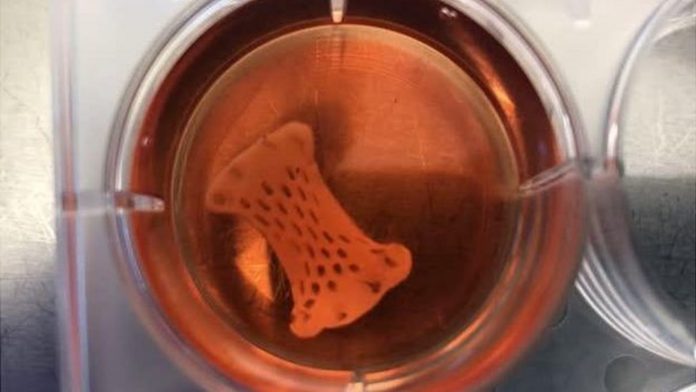
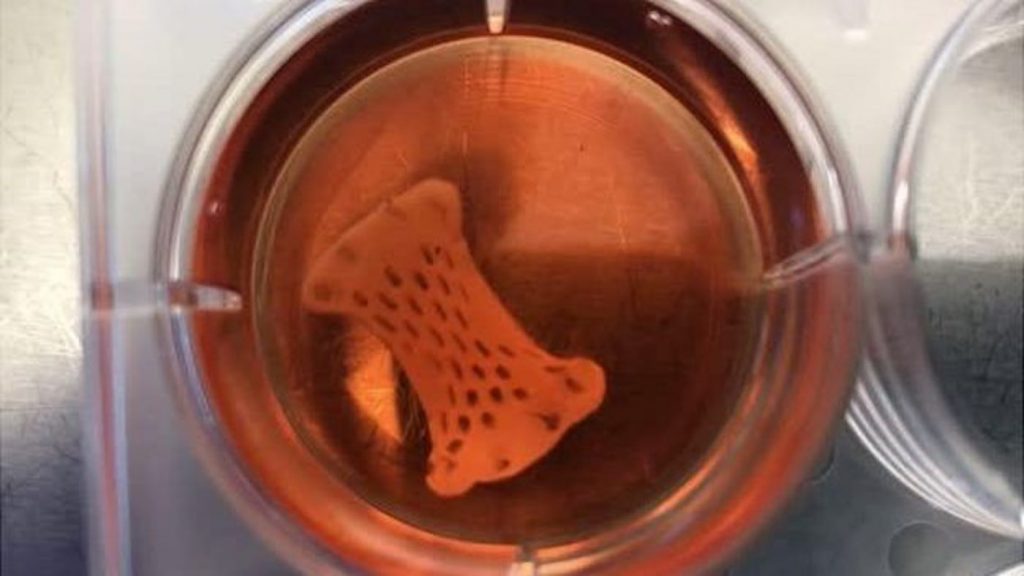
Researchers have shown that heart “patches” grown in the lab are now safe and ready for human trials for people who have had their hearts damaged by a heart attack.
These patches could one day cure debilitating heart failure, which affects an estimated 920,000 people in the UK and is on the rise as more and more people survive heart attacks.
Researchers led by Professor Sian Harding at Imperial College London have developed a way to grow thumb-size patches of heart tissue (3 centimeters x 2 centimeters) that contain up to 50 million human stem cells. The stem cells are programmed to turn into working heart muscle that can be seen “beating”. One or more of these patches could be implanted on to the heart of someone after they’ve had a heart attack to limit, and even reverse, the loss of the heart’s pumping ability.
During a heart attack, the heart is starved of vital nutrients and oxygen, killing off parts of the heart muscle. This weakens the heart and can eventually lead to heart failure, a debilitating condition that makes even every day simple tasks, like climbing the stairs or getting dressed, exhausting.
In this latest study, these patches have been shown to be safe in rabbits and to lead to an improvement in the function of the heart after a heart attack. After a period of up to 4 weeks, detailed heart scans showed that the hearts’ left ventricle (the chamber responsible for pumping blood out to the body through the aorta) was recovering without developing any abnormal heart rhythms – a potential side effect of other stem cell delivery methods. Importantly, the patches appeared to be nourished by blood vessels growing into them from the recipient heart.
Once sewn in place, the patches are intended to physically support the damaged heart muscle and help it pump more efficiently, while also releasing natural chemicals that stimulate the heart cells to repair and regenerate. Eventually, the patches would hopefully be incorporated into the damaged heart muscle and repair it.
This technology creates patches that start to beat spontaneously after three days and start to mimic mature heart tissue within one month. They can then be implanted into damaged hearts to help repair the muscle and recover the heart’s vital pumping function.
Photo by Professor Sian Harding / Imperial College London
The results of the patch research were presented earlier this month at the British Cardiovascular Society (BCS) Conference in Manchester. Using these results, the researchers will now design clinical trials for humans, first to test safety and then to see whether similar levels of heart repair could be achieved in people.
“This is a prime example of world-leading research that has the potential to mend broken hearts and transform lives around the globe. If clinical trials can show the benefits of these heart patches in people after a heart attack, it would be a great leap forward for regenerative medicine,” said Professor Metin Avkiran, Associate Medical Director of the British Heart Foundation.
“Due in large part to research we’ve funded, more people are surviving heart attacks than ever before. But that means there’s a growing number of people at risk of heart failure, as their hearts can’t recover from the damage caused by the heart attack.
“Heart failure is a debilitating and life-changing condition with no cure, making everyday tasks incredibly difficult. If we can patch the heart up and help it heal, we could transform the outlook for these people.”
The patches were developed in response to somewhat disappointing results from around the world when stem cells were just directly injected into damaged heart muscle. Without a fixed “patch”, stem cells are quickly cleared from the heart and aren’t able to cause significant levels of repair.
That being said, researchers from King’s College London experienced similar success with heart regeneration after they used a small piece of genetic material on the hearts of pigs – and it was the first demonstration of how cardiac regeneration can be achieved by administering an effective genetic drug that stimulates cardiac regeneration in a large animal, with heart anatomy and physiology like that of humans.
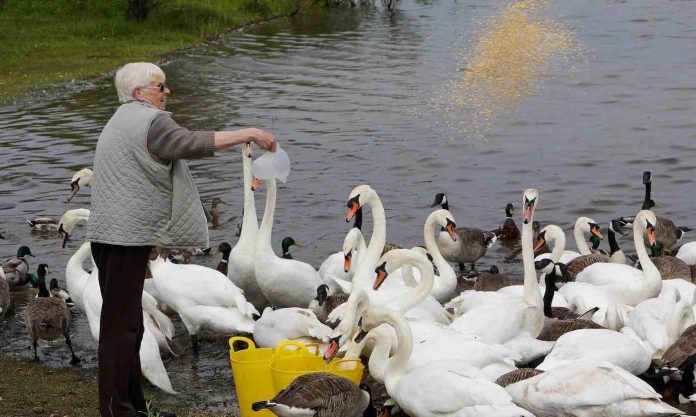
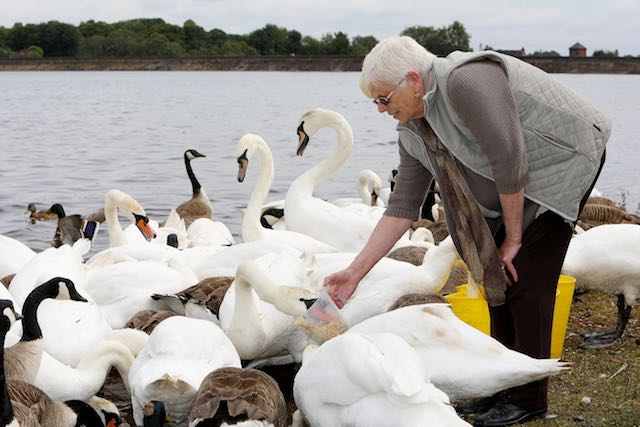
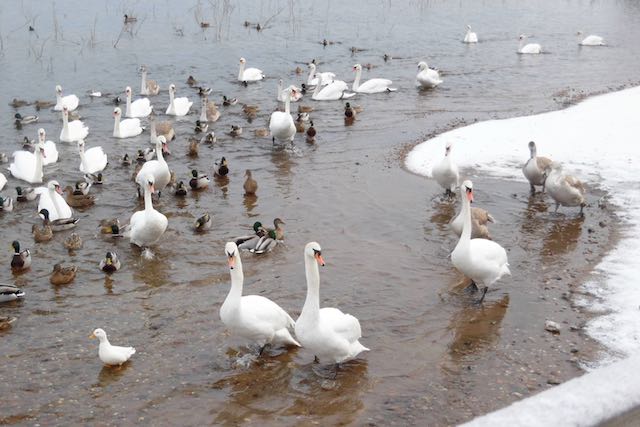
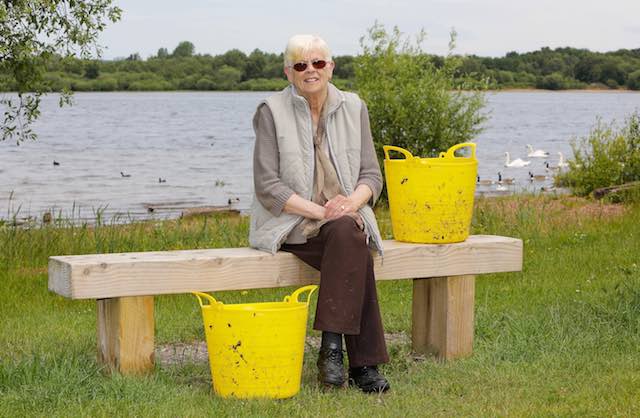
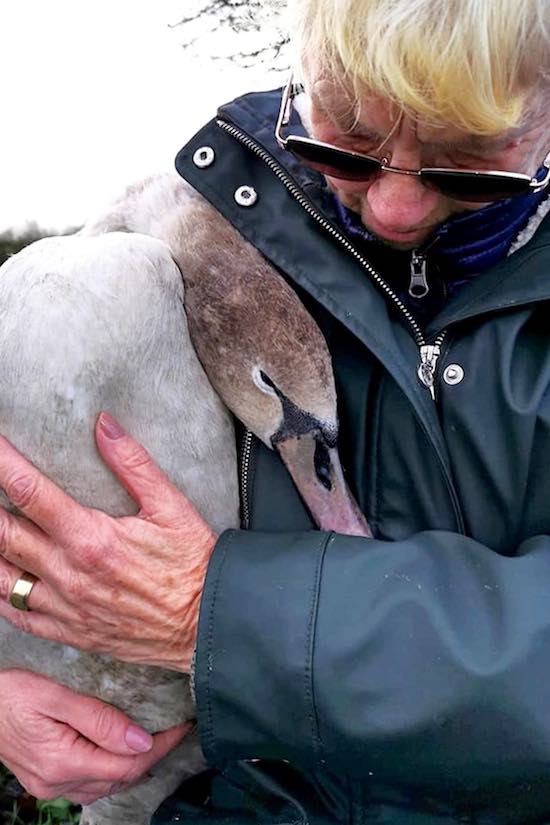
Her devotion to the flock at Chasewater pool in Staffordshire, England has also led her to being affectionately nicknamed “Swan Lady Chasewater”.
The retired pharmacy worker started feeding the swans after the pools were drained in 2009 to build a dam and improve the surrounding country park.
As a result of the work, the pond lost many of its small fish, tadpoles, and mollusks, leaving many of the swans struggling to find food.
SWNS
“I used to go just to visit the swans because they are so beautiful and gave me peace,” recalls Hodges. “They are so serene and the place is so beautiful.
“After the pool was drained to build a dam, they lost many of their feeding reserves and I became really concerned for them. The maintenance work was unavoidable but it almost destroyed the swans’ habitat.
“I knew the fish which they depend on had been taken away and I was worried either that the swans would starve or would fly away,” she added. “I was desperate not to let that happen so I decided to help them stay put by feeding them.
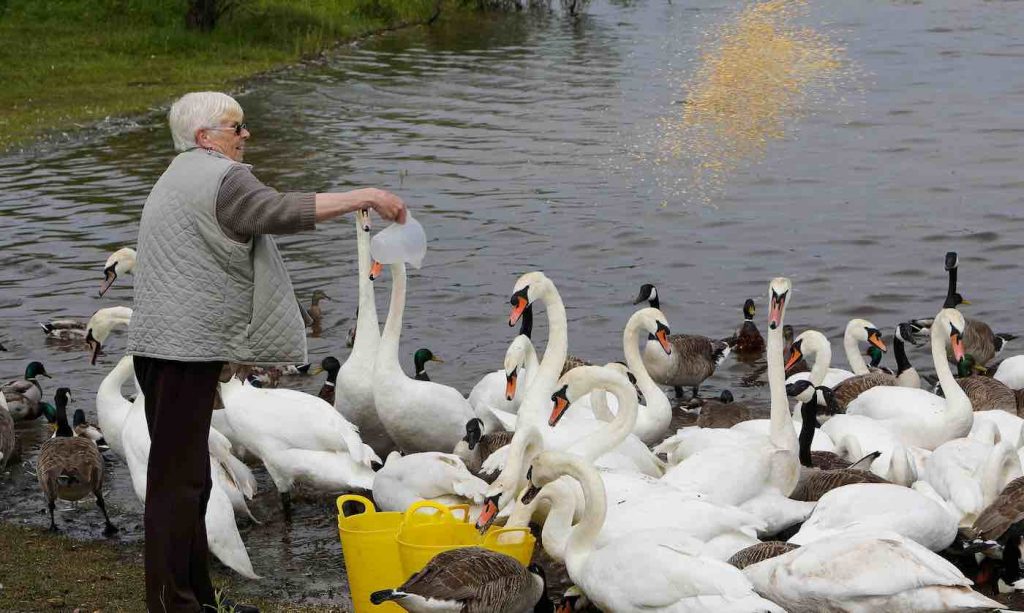
“I did some research and found out the seed and pellets they like and just started bringing it in buckets to the pool at the same time each day.
SWNS
“It went from there and every morning I just went along to make sure they were fed.
“It did the trick and none of them flew away and now there are more than 50 swans
thriving at the pool.”
The specialist food, which costs her about $190 (£150) every month, is partially funded by donations – although it is largely financed by her adoring 70-year-old husband Barrie, who works part-time at a builder’s yard.
“Barrie should have retired five years ago but he still works two days a week just to earn enough to pay for the feed,” says Hodges. “The fat pellets we give them in winter, especially if the water freezes, are expensive. They need the fat to keep warm.
SWNS
“They’re there waiting each morning. They know the time I get there which is about 11am every day.
“The swans aren’t aggressive towards me. I walk in between them. But if anyone else comes, they flap their wings.
“I’m quite realistic about the relationship I have with them though and I know they don’t like me personally – it’s the food I bring,” she said with amusement.
Hodges, who has two grown-up children and two grandchildren, says she has no plans to stop feeding the swans.
“I don’t have a week’s holiday. I’m too dedicated. Christmas Day and Boxing Day I’m here through rain or snow,” she said. “We must love and look after our animals.”
SWNS
Birds Of A Feather… Be Sure And Share This Sweet Story With Your Own Social Media Flock
The richest man in Hong Kong has pledged to pay the full tuition of every incoming college student who will be attending Shantou University.
According to a statement from his foundation, Li Ka Shing will be paying roughly $14 million every year for the next four to five years in order to cover the full cost of every undergraduate’s tuition.
90-year-old Shing, who Forbes says is worth over $30.4 billion, has also been sustaining the university’s development through several multi-million dollar grants.
“The Foundation hopes this scheme can alleviate financial burdens for families and encourage the pursuit of personal interests and further learning to better prepare graduates for the challenges of an increasingly complex global economy,” the foundation said in a statement.
The Li Ka Shing Foundation is also renowned for donating over $3.2 billion to various health care-related organizations and educational initiatives across China.
The donation is a welcomed follow-up to billionaire Robert F. Smith’s recent announcement that he would be donating over $40 million in order to wipe out the student loan debt of an entire class of graduates.
Be Sure And Share The Incredible Story Of Kindness With Your Friends On Social Media – File photo by EdTech Stanford University School of Medicine, CC
Quote of the Day: “Greatness comes from fear. Fear can either shut us down, and we go home, or we fight through it.” – Lionel Richie (born 70 years ago today)
Image: by Thomas, CC license
With a new inspirational quote every day, atop the perfect photo—collected and archived on our Quotes page—why not bookmark GNN.org for a daily uplift?
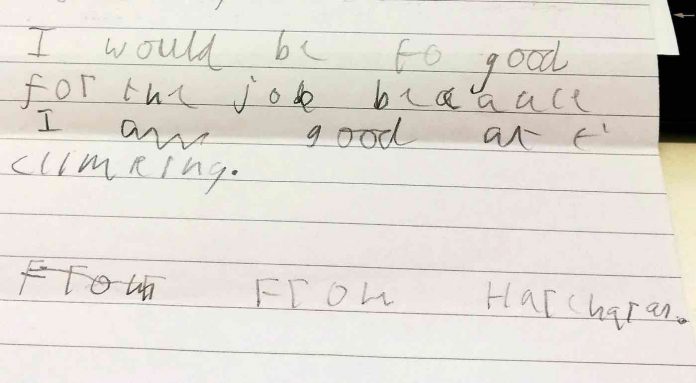
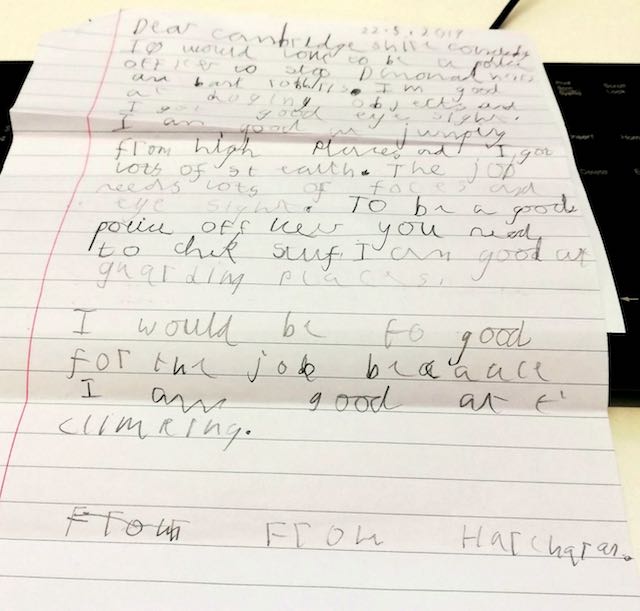
A 7-year-old boy recently sent a letter to his local police department explaining why he thinks he would make an excellent officer – and his resumé is adorable.
Primary school student Harcharan wrote to the Sawston Police Station earlier this week listing all of the qualities he had which would make him a good crime fighters.
“Dear Cambridgeshire Constabulary,” reads the letter. “I would love to be a police officer to stop diamond heists and bank robberies. I’m good at dodging objects and I got good eye sight. I am good at jumping from high places and I got lots of stealth.
“The job needs lots of focus and eye sight. To be a good police officer you need to check stuff. I am good at guarding places. I would be good for the job because I am good at climbing,” he finished.
The pupil from Morley Memorial Primary School in Cambridge, England wrote the letter as part of a persuasive writing exercise – and it apparently worked quite effectively.
Unfortunately for Harcharan, he has to wait ten years before he can become a member of the team since job seekers must be 18 to apply.
However, the Policing Cambridge City’s Facebook page published a photo of the letter along with some words of encouragement for others who might hope to join the force.
“We are definitely persuaded!” wrote the police department. “If, like Harcharan, you believe that you’ve got what it takes – we are currently recruiting Special Constables.[Although] jumping from high places not strictly necessary.”
Be Sure And Share The Sweet Letter With Your Friends On Social Media…
Three beagles successfully showed they are capable of identifying lung cancer by scent, a first step in identifying specific biomarkers for the disease – and researchers say the dogs’ abilities may lead to the development of a safe, effective, and inexpensive means for mass cancer screening.
After eight weeks of training, the beagles – chosen for their superior olfactory receptor genes – were able to distinguish between blood serum samples taken from patients with malignant lung cancer and healthy controls with 97% accuracy. The double-blind study is published in the July edition of The Journal of the American Osteopathic Association.
“We’re using the dogs to sort through the layers of scent until we identify the tell-tale biomarkers,” says Thomas Quinn, professor at Lake Erie College of Osteopathic Medicine and lead author on this study. “There is still a great deal of work ahead, but we’re making good progress.”
The dogs were led into a room with blood serum samples at nose level. Some samples came from patients with non-small cell lung cancer; others were drawn from healthy controls. After thoroughly sniffing a sample, the dogs sat down to indicate a positive finding for cancer or moved on if none was detected.
Dr. Quinn and his team are nearing completion of a second iteration of the study. This time the dogs are working to identify lung, breast and colorectal cancer using samples of patients’ breath, collected by the patient breathing into a face mask. Researchers say findings suggest the dogs are as effective detecting cancer using this method.
The next step will be to further fractionate the samples based on chemical and physical properties, presenting them back to the dogs until the specific biomarkers for each cancer are identified. The goal is to develop an over-the-counter screening product, similar to a pregnancy test, in terms of cost, simplicity and availability. Dr. Quinn envisions a device that someone can breathe into and see a color change to indicate a positive or negative finding.
Lung cancer is the leading cause of cancer death worldwide for both women and men, and more than 200,000 people annually in the United States receive a diagnosis of lung cancer. The five-year survival rate for stage IA non-small cell lung cancer (NSCLC) is 92%. That drops to 13% in stage IIIC NSCLC, and after metastasis, the five-year survival rates range from 10% to less than 1%, depending on the stage.
Additionally, screening and imaging for lung cancer is costly and not always reliable. Chest X-rays have a high false-negative rate, while CT scans with computer-aided diagnosis have a high false-positive rate. Previous studies indicated that 90% of missed lung cancers occur when using chest X-rays, and CT scans have difficulty identifying small, central, juxtavascular lung cancers.
Dr. Quinn believes his research can lead to better screening and diagnosis solutions, potentially creating a change in cancer detection.
“Right now it appears dogs have a better natural ability to screen for cancer than our most advanced technology,” says Dr. Quinn. “Once we figure out what they know and how, we may be able to catch up.”
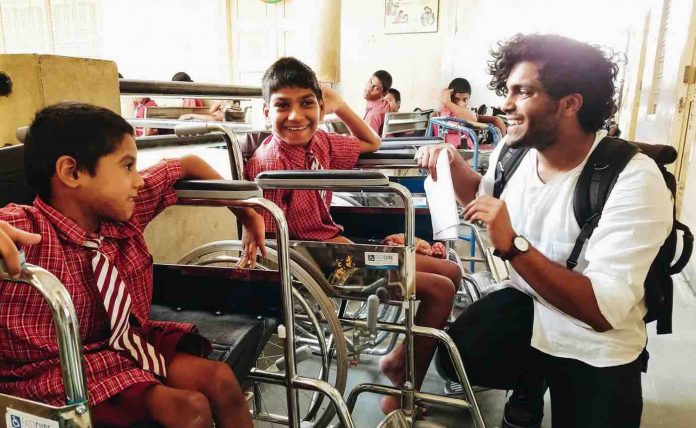
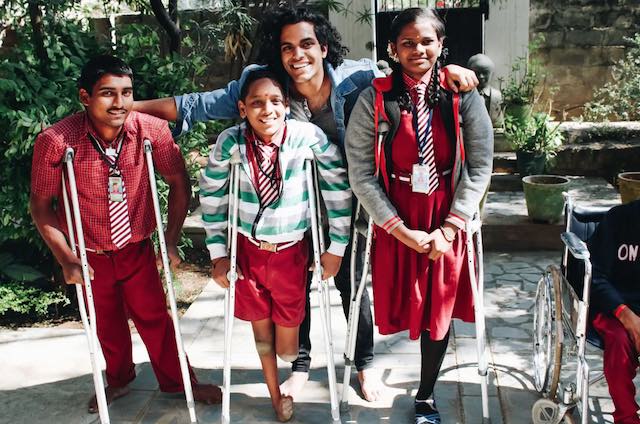
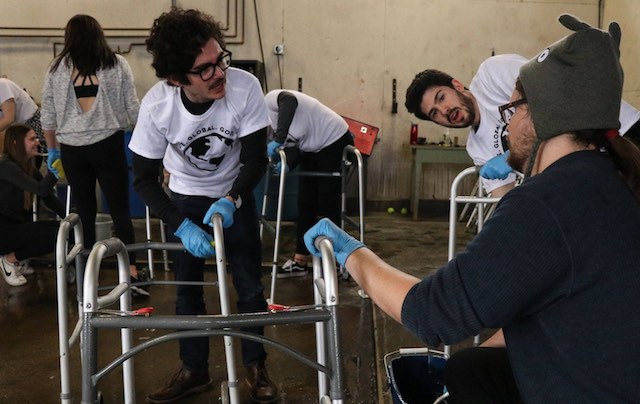
A compassionate college student has been on a mission to rescue abandoned medical equipment so he can send them to people who need them.
Mohan Sudabattula is the mastermind behind Project Embrace: a nonprofit that collects secondhand crutches, wheelchairs, orthotic braces, walkers, slings, and rehabilitative gear for reuse.
The 23-year-old student and his team of volunteers collect the equipment by scouring the dusty shelves of thrift stores and accepting personal donations from community members. After the gear is cleaned and refurbished, the group sends it to disadvantaged medical facilities around the world.
“For somebody whose spouse used a wheelchair or walker before they passed away, it’s hard to think of that equipment going into the trash,” one of the nonprofit volunteers told The Washington Post. “When they give it to us, they feel like they’ve given it a second life. And then to see the recipient’s face light up — that’s extremely rewarding.”
Sudabattula was first inspired to launch his labor of love several years ago while he was studying at the University of Utah and simultaneously volunteering in the prosthetics department at a nearby hospital.
Whenever one of the patients outgrew a prosthetic, the device would simply be thrown away. Prosthetics can’t be reused because they are specifically fitted to each patient, but Sudabattula couldn’t help but wonder if he could rescue other medical equipment from the trash.
Photo by Project Embrace
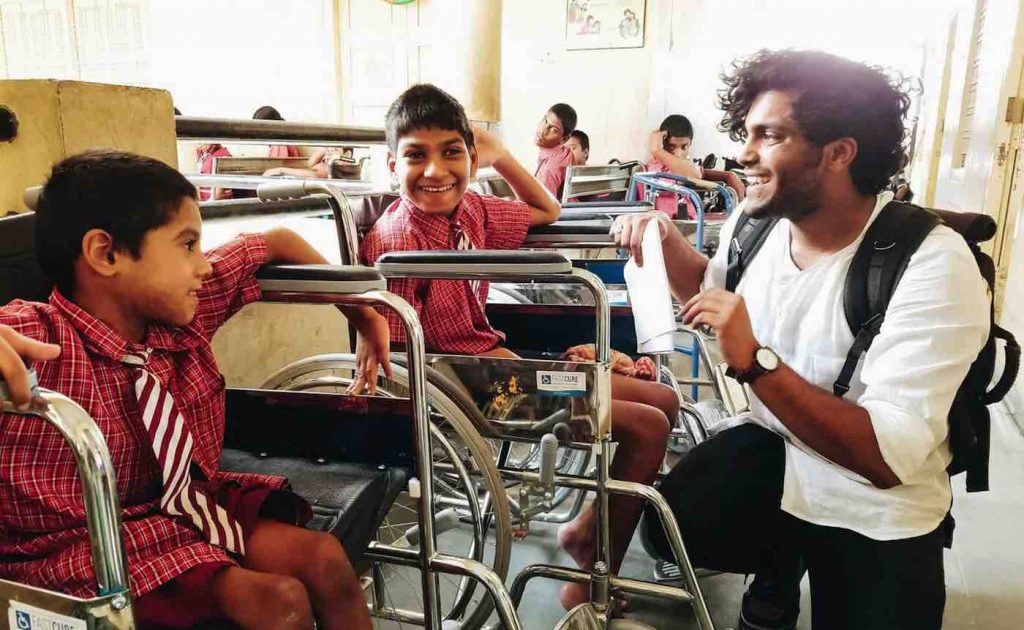
He was reminded of a trip that he had taken to India with his parents in 2006 when they brought him to an orphanage for disabled children. Since the youngsters didn’t have access to medical equipment, they had fashioned makeshift wheelchairs out of lawn furniture and bicycle wheels.
Ten years later, Sudabattula returned to the very same orphanage so he could donate several dozen wheelchairs and crutches – all of which were courtesy of Project Embrace.
Since launching the nonprofit from his apartment in 2016, the group has donated over 900 refurbished medical devices to low-income hospitals in India and the United States.
Just last month, Project Embrace volunteers made their second trip to the Utah-Arizona border so they could donate dozens of wheelchairs and walkers to a rural Navajo Nation hospital.
Photo by Project Embrace
“Often times when it comes to healthcare innovation and design, people tend to opt out of professional conversations because they don’t feel qualified enough to contribute to the discussion,” Sudabattula said in a blog post. “This is ironic because access to healthcare (and healthcare innovation) affects everyone — naturally, everyone should then be involved.
“We give our community an opportunity to get involved and by tracking where individual donations end up going, we can show our community exactly where their impact is being made.
“There have been a lot of slip ups along the road, but founding a cause where everyone feels welcome to contribute to greater health will always be the greatest decision I’ve ever made as a student.”
(WATCH the video below)
Be Sure And Share This Sweet Story Of Kindness With Your Friends On Social Media…
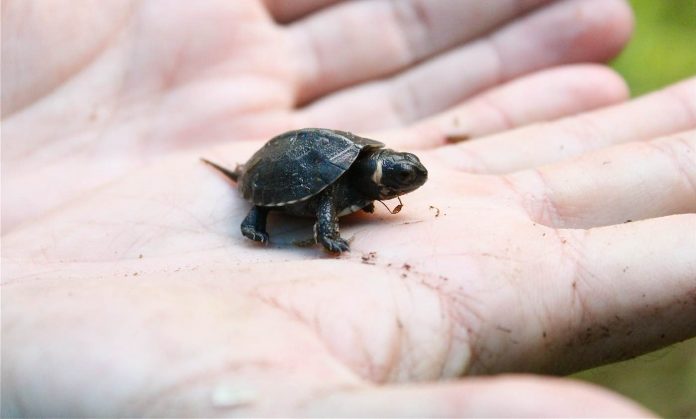
It has been 17 years since the black softshell turtle species was declared extinct in the wild – but thanks to the caretakers of a Hindu temple in India, the tiny reptile has been given a chance at recovery.
Due to habitat loss and over-exploitation as a food source, the turtle species disappeared from the northeastern state of Assam, prompting the International Union for the Conservation of Nature to declare the turtle “extinct in the wild” in 2002.
However, the caretakers of the Hayagriva Madhav temple have been nurturing dozens of the little turtles in the ponds around the centuries-old temple.
The temple’s religious residents say they feel called to protect the species because the turtles are believed to be the reincarnation of the Hindu god Vishnu.
“The population of the turtle in Assam has gone down by a great extent,” turtle rescuer Jayaditya Purkayastha told AFP. “So we thought we needed to intervene and do something to save the species from extinction.”
The devote conservationists have been helping to breed the turtles by collecting newly-laid eggs from around the pond and warming them in an incubator until they hatch.
Temple caretakers recently partnered with conservational group Good Earth to officially launch a turtle breeding program as a means of reintroducing the species into the wild. Their efforts finally came to fruition in January when the organization successfully released 35 turtle hatchlings – 16 of which were raised at the temple – into the waters of a local wildlife sanctuary.
“This is a milestone in Assam’s turtle conservation history, and it would not have been possible without the interest shown by the temple authorities in the artificial breeding program,” said Mr. Purkayastha, according to The Hindu.
The coalition is now working to expand the breeding program to 18 other ponds around the temple so they can offer sanctuary to other endangered turtle species.
Protect Your Friends From Negativity By Sharing The Good News To Social Media – File photo by USFWS
A compassionate cop is being hailed as a hero after he managed to talk a suicidal young man off of a bridge by offering him a hug.
The incident occurred back in March when a 26-year-old man climbed over the safety rail of a highway overpass in Phoenix, Arizona with the intention of jumping.
After Officer Aaron Little of the Chandler Police Department arrived on the scene, he comforted the man and offered to give him a hug.
In an emotional video that was released by the police department earlier this week, Little can be heard saying: “I’ll hug you, man. I don’t care. I just want to talk to you. I swear.”
Finally after two minutes of encouragement and conversation, Little convinces the man to climb back over the safety rail and return to safety – and true to his word, Little gave the tearful young man a big hug.
Little then tells his fellow officers that the man is safe before putting his arm around the rescued civilian and guiding him back to the parking lot.
(WATCH the emotional video below)
Save Your Friends From Negativity By Sharing The Emotional Story To Social Media…
Quote of the Day: “The first responsibility of love is to listen.” – Paul Tillich
Image: by Michael Taggart Photography, CC license
With a new inspirational quote every day, atop the perfect photo—collected and archived on our Quotes page—why not bookmark GNN.org for a daily uplift?
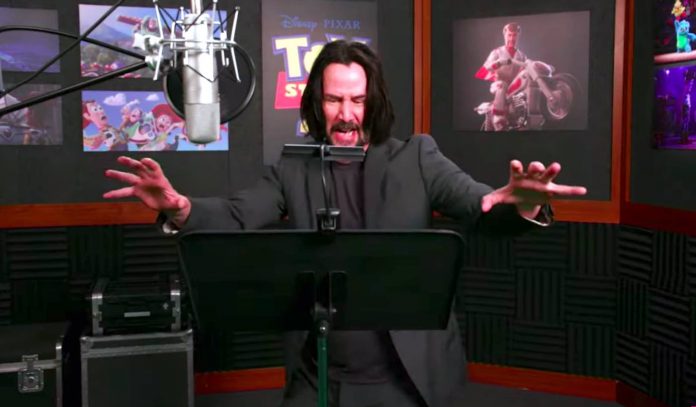
Just in case you needed one more reason to adore Keanu Reeves, Disney has just released footage of the Hollywood dreamboat voicing the character of his new role in Toy Story 4 – and the results are as funny as they are charming.
In the newest installment of the beloved children’s movie series, Reeves is set to voice character of the toy Canadian stuntman Duke Caboom.
The movie is set to be released on June 21st – and if it’s anywhere close to being as sweet as the previous films in the Toy Story franchise, this movie is bound to be a huge hit.
(WATCH the video below)
Be Sure And Share This With Your Friends To Infinity And Beyond…