











An Australian zoo credited with saving 7 native species from extinction aims to continue its vital work by rewilding a 3,050-acre tract of farmland.
The aim of planting a Box-Gum tree fores across the cleared land that would act as a corridor to help connect existing wildlife habitats.
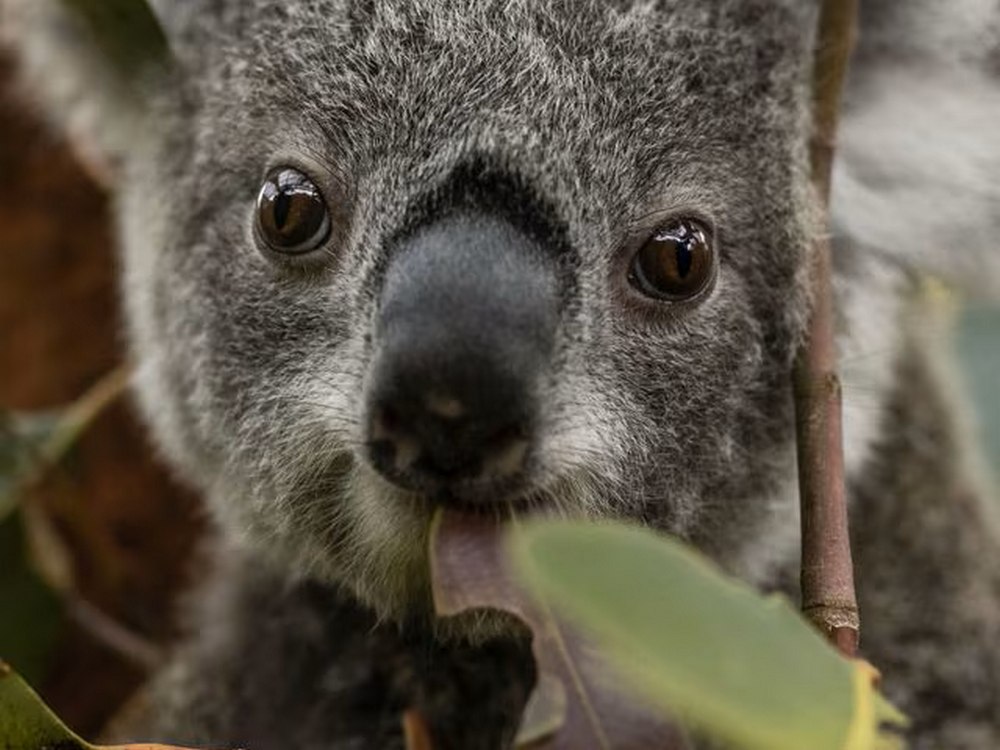
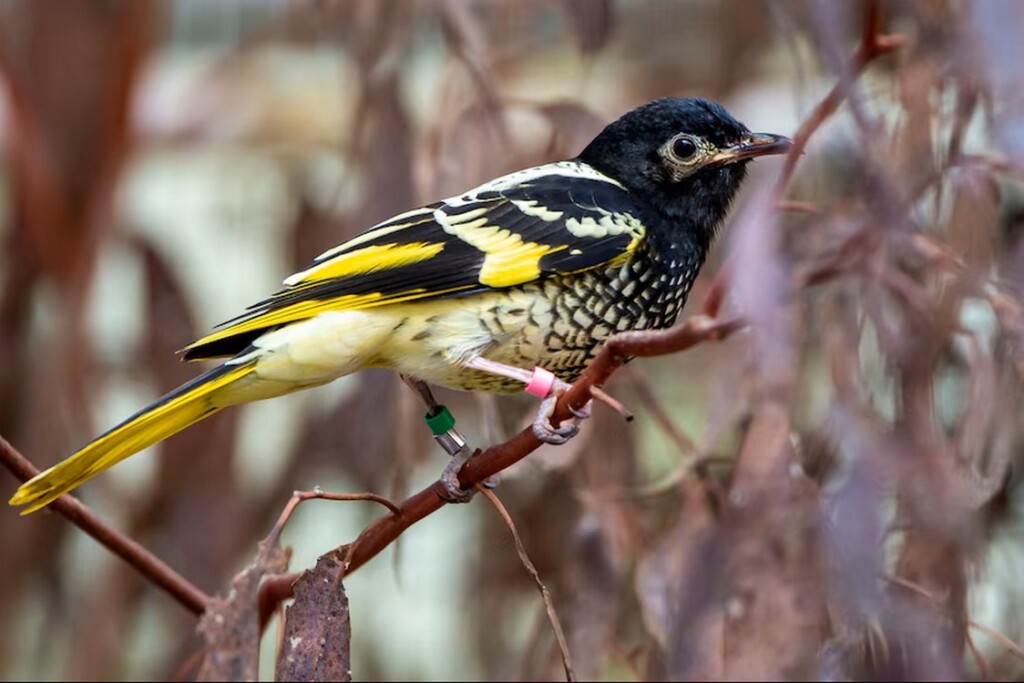
The Taronga Zoo Conservation Society (TZCS) then plans to release platypus, koalas, spotted quols, and the Endangered regent honeyeater bird.
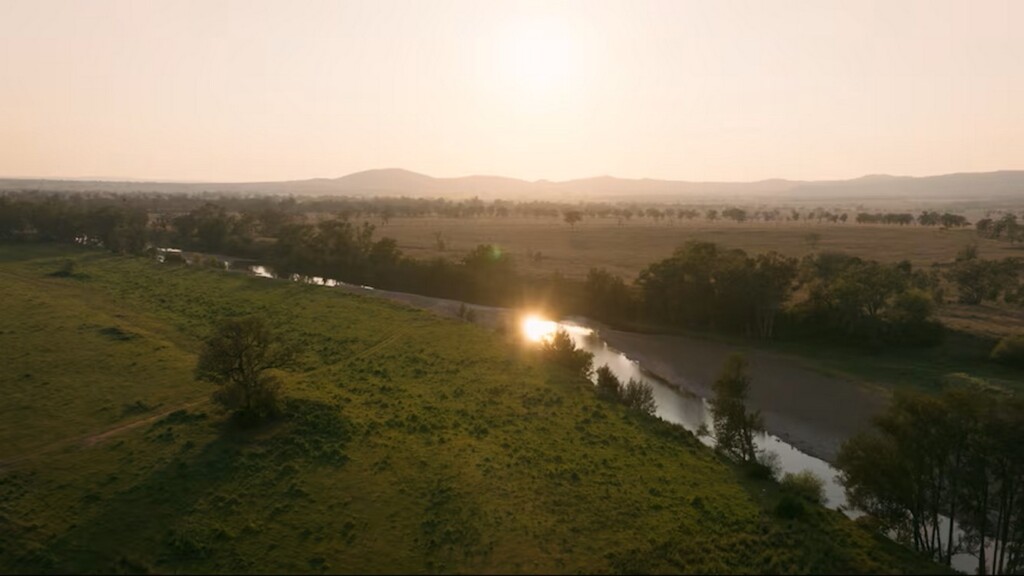
The farmland can be found on the Nandewar Range, part of the Australian continent’s Great Dividing Range, in New South Wales. It’s about 100-times bigger than the zoo the society maintains in the Sydney Harbor.
The TZCS estimates that around 1 million seedlings will be needed to return native tree cover, after which they suspect some species will come back quickly.
CEO Cameron Kerr told ABC News AU that experts would then monitor the manner in which these native species recolonize the area, and decide how to manage the species that would be expected to need a decade or more to fully reclaim their ancestral territory.
“What we are going to do is first of all establish the habitat and get the ecosystem looking after itself so that pest management and weed management will decline over time as the habitat becomes healthy,” Mr. Kerr said.
“At the right time we will assess what wildlife is coming in from outside and what wildlife we need to re-introduce.”
TZCS has a large body of experience in reintroducing native species. ABC claims that 60,000 animals, from tadpoles to larger mammals like koalas, have been bred, reared, and released through the society’s 16 targeted breeding programs.
AUSSIE LAND CONSERVATION:
- AI-Guided Robot Plants ‘Baby Corals’ Across the Great Barrier Reef
- A Melbourne Sewage Farm Has Become a Haven for 300 Species of Birds
- Aboriginal Elders Lead Prescribed Burn–and Rare Orchids Appear by Thousands
At the same time, rewilding landscapes will be a first for the zoo, and the Nandewar Rangeland is the only such project since it transformed 300 acres into the Western Plains Zoo in Dubbo.
Directors of the program are aware that the landscape isn’t free of invasive predatory animals like foxes and pigs, so feral animal control will have to be incorporated into plans. Kerr said that Australia can no longer rely on the forest landscapes it has left to protect native, threatened wildlife.
The nation has to actively start to restore native forests if citizens want the continent’s panoply of curious, native animals to survive long into the future.
SHARE This Important Project In New South Wales With Your Friends…