










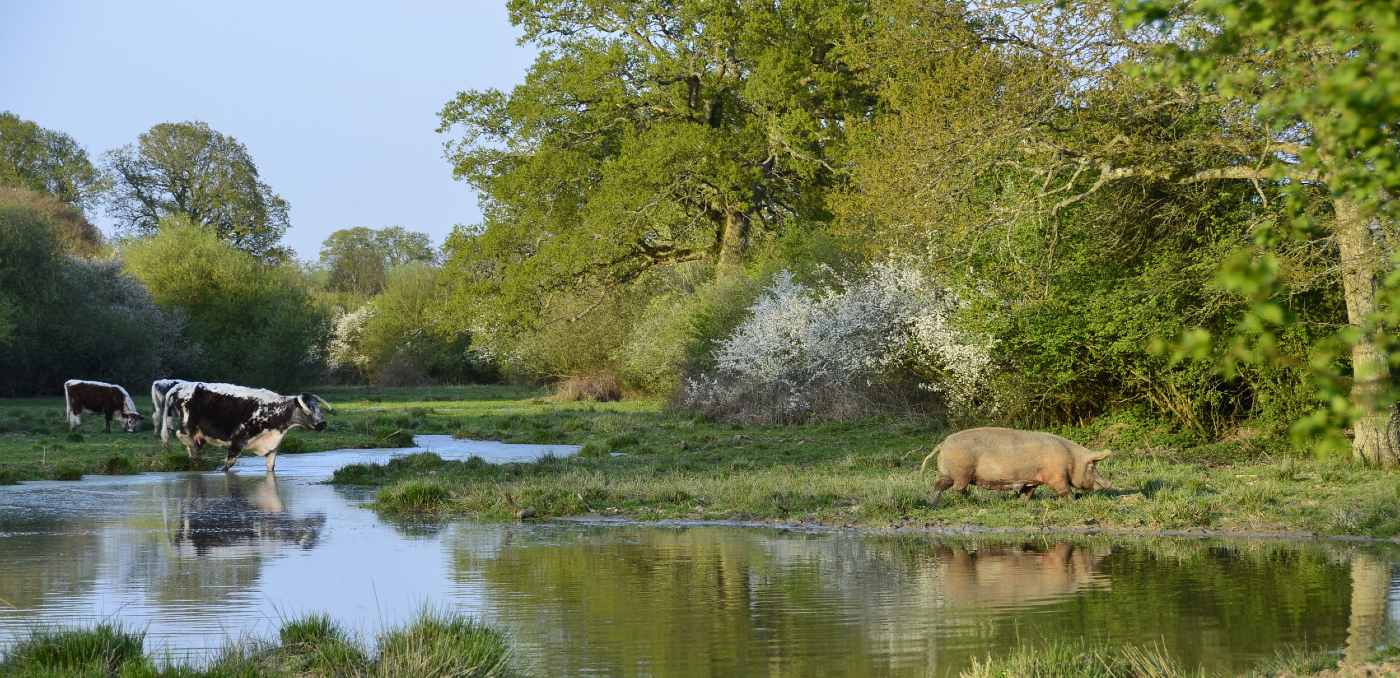
Birdwatchers can’t believe what’s been appearing through their binoculars on a small landholding in West Sussex, England, where the nation’s premier rewilding project continues to compound on its already staggering achievements.
The Knepp Estate has increased the number of breeding birds from just 55 individuals of 22 species in 2007, to 559 individuals of 51 species in 2025, a recent survey determined.
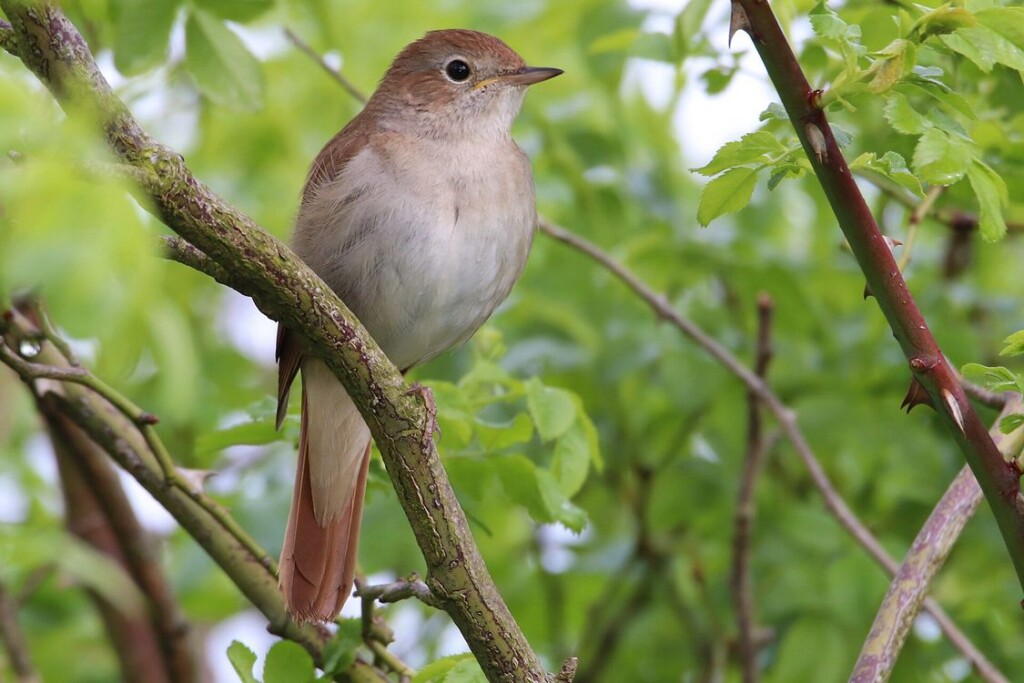
More than a dozen of these species are threatened with extinction nationally, and the tiny estate is now home to 1% of the entire British nightingale population.
The Knepp Estate stretches across a measly 3,500 acres of once-fallow farmland 41 miles outside of London, where owners Charlie Burrell and his wife Isabella Tree decided in 2000 to take radical action after years of failed crops.
The rewilding project at Knepp has created one of the most biodiverse areas in all of Britain, and it was achieved by “taking our hands off the wheel,” Tree said, in 2021. The estate grounds act as home to nearly all English megafauna, as well as the rarest mammal in Europe, the barbastelle bat.
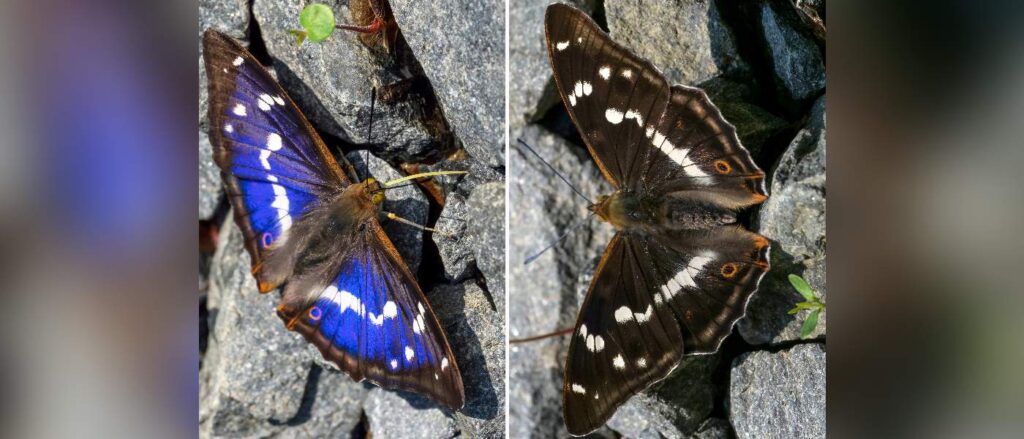
Rare birds such as turtle doves, peregrine falcons, white storks, and all five species of owls found in Great Britain inhabit the grounds, while one summer the Butterfly Conservatory counted 87 male purple emperor butterflies, an exceptional number for anywhere in England.
At the heart of the Knepp Estate is the River Adur, which was restored to a natural state in 2011 with help from the British government by removing four separate weirs and filing in agricultural drainage canals.
The restored wetlands surrounding the river’s natural meandering path play host to wading birds, amphibians, water insects, sea trout, and other fish, and important endangered wetland plants like the black poplar.
For Charlie and Isabella, their monetary problems disappeared like their once-fallow fields, and along with controlling the herbivore population with free-range organic wild meat, the estate offers camping and “glamping” in a shepherd’s hut, nomad’s yurt, and tree houses. They also offer safari tours of the grounds, fishing, photography workshops, and rewilding courses.
OTHER REWILDING SUCCESSES:
- Kazakhstan Efforts to Restore Last Wild Equine Species Receive Huge Boost of 150 Horses
- England’s Largest Bird Sanctuary Grows by 30%: ‘It’s incredible, the place just swarms with birdlife’
- Inspired by Avatar and His Asthma, Indian Man Creates ‘Biosphere’ to Connect Adjacent Land to National Park
Having just completed their quarter-century of management, this recent bird richness review provides a lovely postage stamp moment for the couple, who have demonstrated that even a small pocket of land, when restored to a wild, native habitat, can have an outsized impact on the overall conservation landscape.
Insects have gotten a boost too. Earlier were mentioned purple emperor butterflies, well in 2025, a single day’s counting recorded 283 individuals. Dragonflies and damselflies showed an 871% increase between 2005 and 2025, with species diversity up 53%. Red-eyed damselflies alone surged 2,000% over five years.
Visitors routinely describe seeing wild encounters with nature, such as a white-tailed eagle getting mobbed by kites, and beavers bumping into wading storks on the River Adur.
SHARE This Incredible Progress With Your Friends Who Love Nature…