












The population of one of England’s most-elusive birds is flourishing again thanks to conservation efforts in the south of the country.
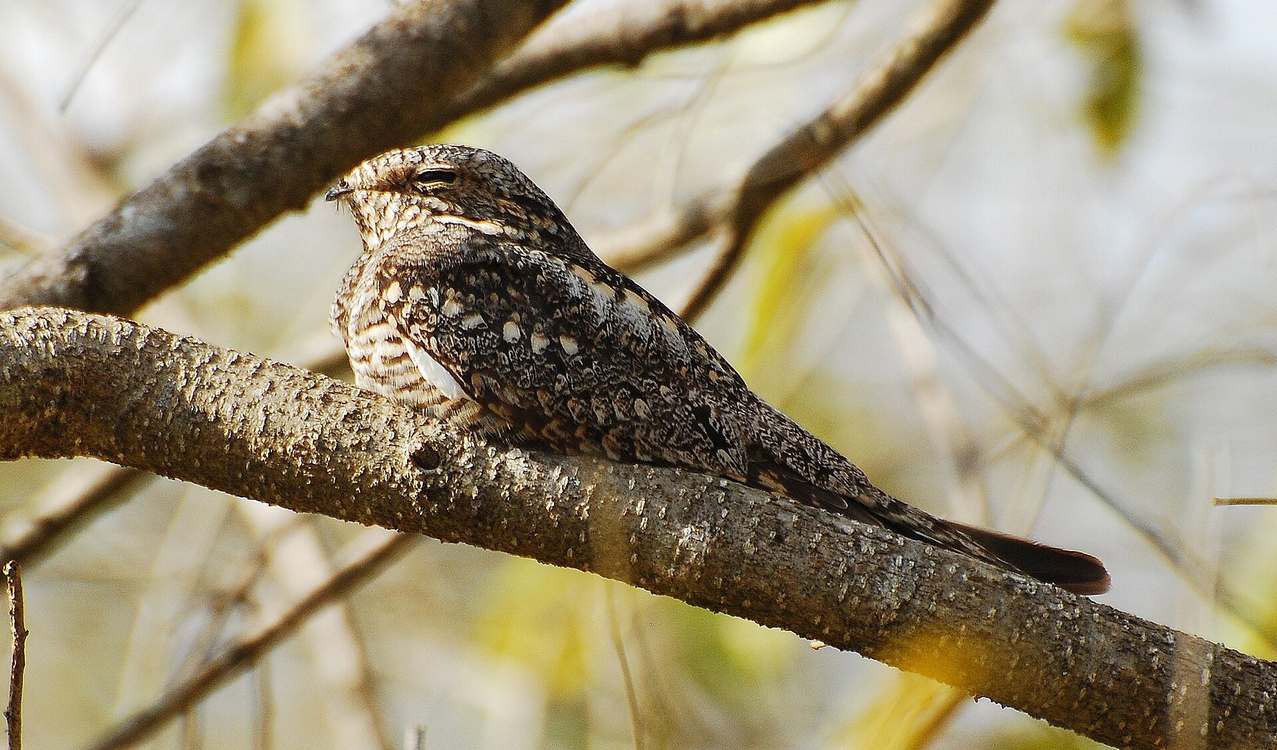
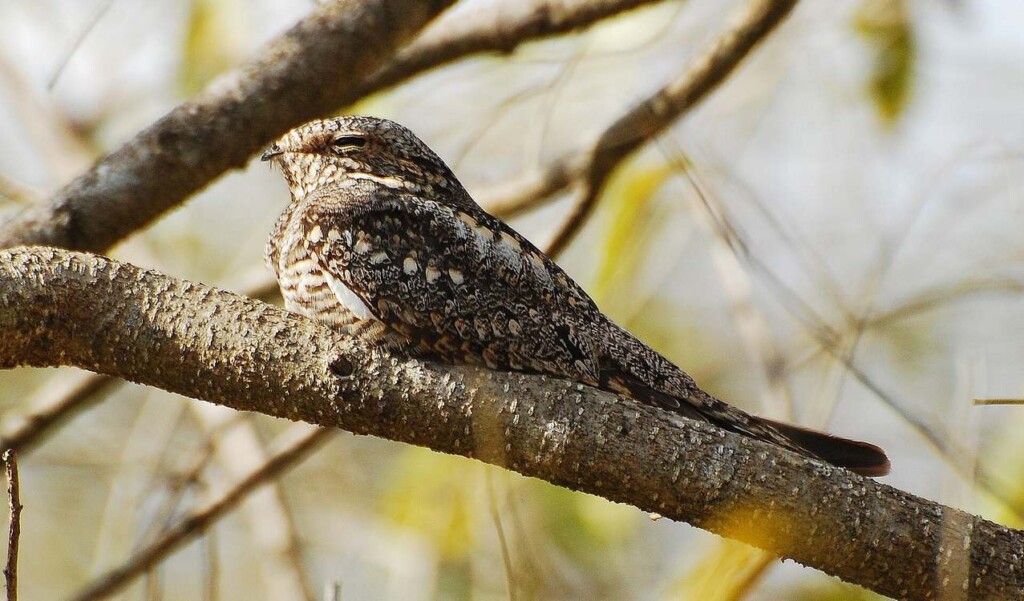
The nightjar, sometimes called the nighthawk, becomes active at twilight, and they’re famous for their chortling calls and fantastic camouflage.
Their numbers declined some 51% between the 1970s and 2000s after substantial forest loss.
The UK’s South Downs National Park stretches across the areas of Hampshire, West Sussex, and East Sussex, and it’s among the lowland heath and forests that nightjars have staged a remarkable population recovery.
A nightjar survey in the park last year counted more than 70 birds, which is believed to mark a doubling over the last 5 years. The animals migrate 4,000 miles north from the Democratic Republic of the Congo to reside in the UK between April and August. Meanwhile, forest and heathland restoration efforts have raised the number of good nesting habitats to 109 across Britain.
The birds nest on the ground, so conservation work has specifically focused on communication with visitors to places like South Downs. They’re encouraged to keep their dogs on leashes, stay on marked trails, and avoid bushwhacking so as not to disturb or destroy the sensitive nesting areas.
MORE ENGLISH SONGSMITHS:
- Astonishing 916% Increase in Breeding Birds Seen at England’s Premier Rewilding Project
- UK’s Rarest Breeding Birds Raise Chicks for First Time in Six Years
- England’s Largest Bird Sanctuary Grows by 30%: ‘It’s incredible, the place just swarms with birdlife’
“It’s wonderful to hear the nightjars churring away as dusk falls and we’re looking forward to continuing this incredibly positive conservation work alongside local communities and our partners,” South Downs ranger Kirsty Murray told the BBC.
Murray called good nightjar habitat “as rare as rainforest” in Britain, and thought it was the best thing in the world that the animal was repopulating the park.
The nightjar is an extremely versatile and successful species. They inhabit all continents but Antarctica, and can live at virtually any elevation within reason. They steer clear of extremely arid regions, and can migrate long or short distances.
TWEET About This Beautiful Bird’s Return To Britain…