










The Quapaw Nation of Oklahoma has brought one of the most contaminated areas in America back into agricultural production, and is now ranching cattle and growing wheat and corn.
Taking over the remediation efforts in 2013 which began 20 years earlier, the Quapaw have done most of the work to clean up the old mining site, starting with bulldozers and ending with cultivators.
Mining isn’t what it used to be. North American mining companies are held and indeed hold themselves to rigorous industry standards for pollution control and reclamation responsibility.
Environmental stewardship is all over mining today. One example is the South African company DRD Gold, which produced over 4,0000 pounds of gold last fiscal year entirely from re-processing old mine tailings: the giant mounds of ground-up stone that can contain toxic heavy metals left over from stone and ore milling. They power the re-treatment process with a 40 megawatt solar farm.
Junior developer Free Gold Ventures hired specialized metallurgists for its Golden Summit project, who pioneered a mineral recovery method that extracts the gold from the ore body while simultaneously turning the dangerous arsenic it contains into harmless, sci-fi looking sheets of glass.
In the 20th century, this proactive stewardship was rarely observed, and was certainly never observed at the zinc and lead mines in northeast Oklahoma which came to be called the Tar Creek Superfund site.
Mining in the area boomed after a major ore discovery near what became Picher, Oklahoma.
“Picher Field,” covering areas of Oklahoma and Kansas, was mined for over 70 years. Excavations from the area were primarily used to make ammunition. Over 75% of American bullets and shells used in both World Wars could be traced back to this area. In fact, at one time, nearly 55% of the world’s heavy metals came from Pitcher.
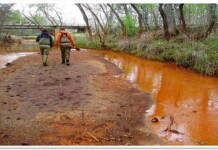
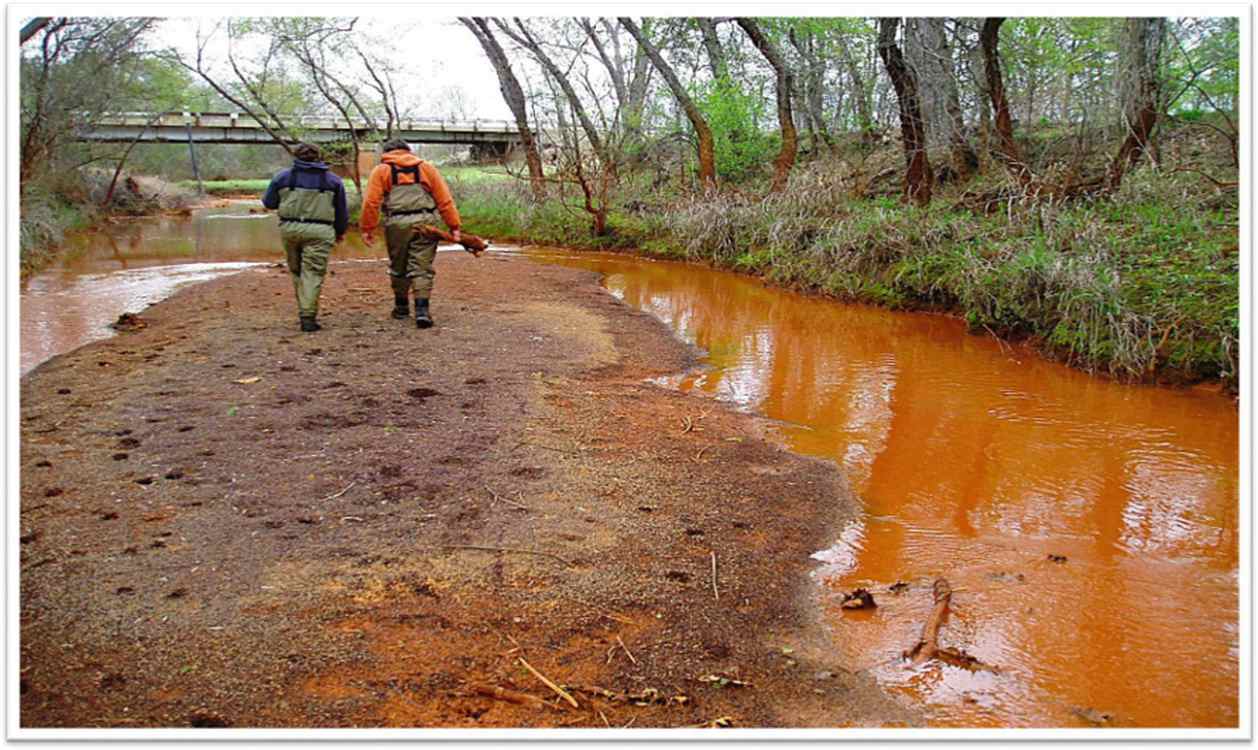
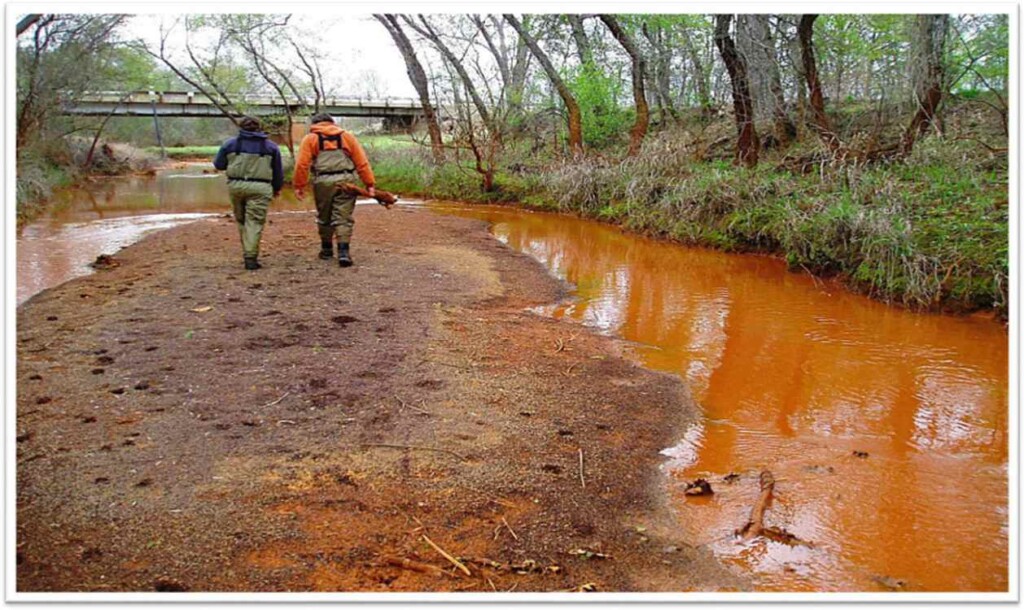
However, profits declined with the depletion of ores in the 1960s and the mines were completely abandoned by 1974. In 1979, the nearby Tar Creek turned bright orange. What had once been a water source and gathering place for the community quickly became the first sign of serious environmental issues.
Acidic water flowing from the mineshafts dumped toxic elements like lead, zinc, arsenic, and cadmium into the creek, killing plant and animal life downriver and sickening the community.
Sinkholes became a common hazard, dragging infrastructure, cars, and even a house or two, down into abandoned mineshafts. Above ground, man-made mountains of mine tailings, contaminated with similar heavy metals, glowered over the landscape.
The Quapaw Nation has lived in the area since 1834, long before lead was first discovered and mining operations began. Between 1997 and 2013, the nation worked in close partnership with the EPA to receive the training needed to clean up the whole area, for which they would be compensated by the agency.
In 2013 they embarked on their first remediation effort alone: a sensitive, 40-acre area named “Catholic 40” after the Catholic indoctrination school set up to “civilize” the Quapaw. In this way, the nation looked to dress two wounds with one bandage.
“We started cleaning up the land, we found topsoil to dress the land back up, we seeded, we mulched it, we tallied our expenses and sent a bill to the EPA,” Chris Roper, who during the time learning from the EPA, worked as the tribe’s director of construction and agriculture. He told the Guardian about the experience.
MORE STORIES LIKE THIS: First of its Kind Medical School in Cherokee Nation Graduates First Class of Doctors
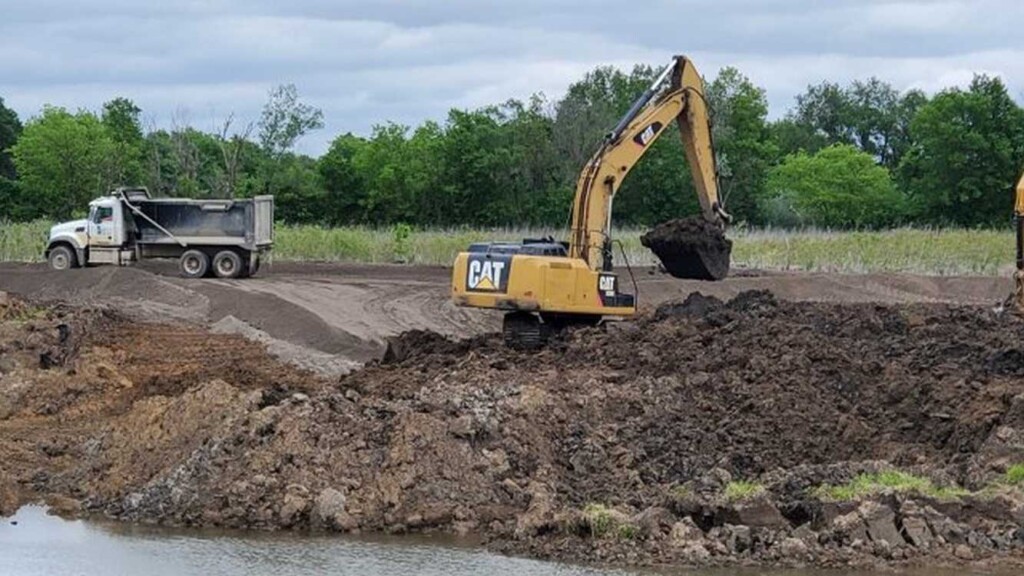
In less than a year of cleanup efforts (and ahead of schedule), the Quapaw Nation excavated, hauled, and disposed of over 107,000 tons of mine tailings within the Catholic 40.
A decade later and the tribe had become a remediating machine, says Summer King, an environmental scientist with the Quapaw.
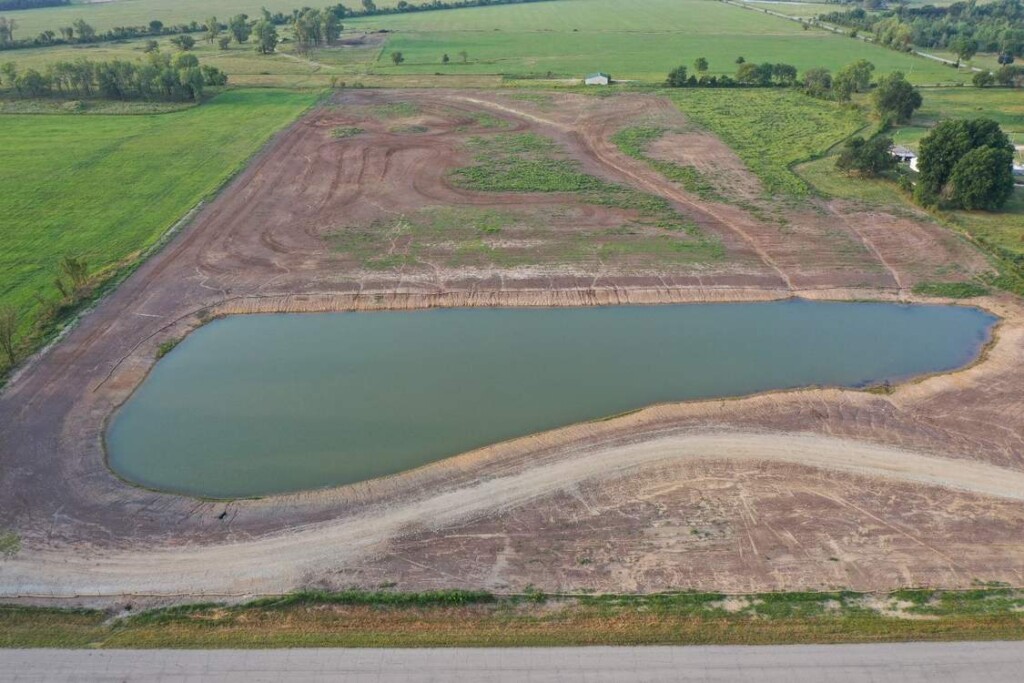
“The Quapaw Nation Environmental Office (QNEO) has overseen the removal of more than 7 million tons of mine waste from Tar Creek and remediated more than 600 acres of land,” she said in a statement 3 years ago.
CRITICAL CLEAN-UPS: Toronto River Once So Polluted it Caught on Fire Now Is Flush with Fish
“Our construction department has doubled in size, and the Nation has invested in new and upgraded equipment. On the technical side, QNEO environmental scientists have learned about soil amendments that bind metals in-situ and reduce the amount of waste that needs to be removed from a site. They have designed and overseen construction of wetlands and planted thousands of native plants and seeds.”
One of those soil amendments has been mushroom compost, the Guardian reported, which various scientists have investigated for its potential to clean up toxic waste, from lead to nuclear radiation.
NATIVE TRIUMPHS: Yurok Tribe Celebrates Again as Ancestral Homelands are Returned–in Wake of Historic Dam Removal
There is now enough good grassland in the Quapaw Nation to run a herd of 400 cattle on a rotational basis, as well as bison. It’s expected the budding agriculture division will turn a profit this year for the first time since clean-up efforts began.
“Working in the Superfund field can be backbreaking and heart-wrenching. But seeing a site change from actively hazardous to a beautiful green pasture is all the reward needed. I won’t live to see this site completely clean, but I can train the next generation who may be lucky enough to see that day,” King said.
SHARE This Story Of A Tribe Reclaiming Land And Heritage With Your Friends…