













While Bad Bunny may have remained the highlight of Super Bowl LX’s post-mortem, GNN got in touch with the event organizers to unwrap a little of the full-time good behind half-time’s Bad.
The National Football League’s environmental program, NFL Green, contracted ENGIE Impact, a sustainable resource management company, to work with national and local partners in the Bay Area to ensure that carbon emissions from the event were offset, all stadium waste was recycled, and stadium power was green and renewable.
ENGIE Impact also helped organize the NFL Green’s sustainability operations during the last Super Bowl in New Orleans, and a case study on the efforts shows how one of the biggest commercial events in the country can actually have a very small footprint.
250 tons of materials, including trash but also reusable items, were recovered, representing a 5-fold increase from the previous Super Bowl. ENGIE Impact also delivered a carbon-neutral Super Bowl, with funding from the NFL going to purchase offsets for approximately 3,000 additional tons of CO2.
While such precise figures aren’t yet available for this year’s event at Levi’s Stadium in Santa Clara, California, early indications are that similar successes were achieved.
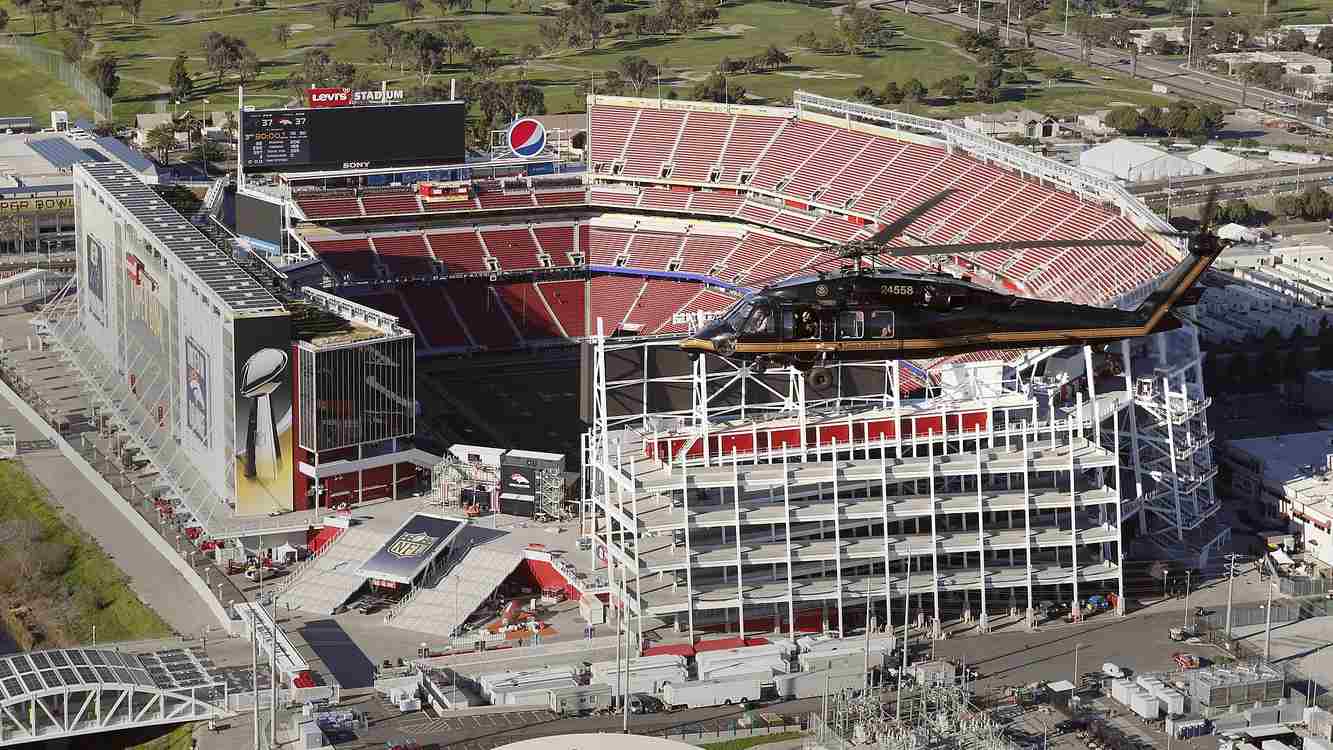
Levi’s Stadium already possess a 3-color waste bin system for the entire complex, and ENGIE Impact ensured that staff would be on hand to answer any questions attending fans might have about where to throw their trash.
ENGIE Impact also organized a fantastic material collection drive far beyond just paper/metal/plastic waste, and GNN got in touch with Ryan Schlar, Director of Sustainable Mobile Operations at ENGIE Impact, to hear what was going on behind the scenes.
“This year, we donated fence mesh that lined the stadium to parks and recreation departments; leftover carpets from tailgate parties were given to schools to repurpose as carpet squares in classrooms; and wayfinding signage with blank back sides was given to artists, as it provides a great canvas for new projects,” he told GNN via email.
“In addition, sometimes materials that are not branded or unique to the event, like scaffolding, can be left and reused for future events. Some banner holders will stay in place at Levi’s Stadium to support FIFA signage for the World Cup this summer.”
Schlar said that this effort was also ongoing in New Orleans last year, and that donations look different for each event depending on what community organizations are in need of.
“We always try to work with and prioritize organizations that can offer a large communal benefit.”
MORE STORIES LIKE THIS: Soccer Team from George Clooney’s Holiday Town Donates Tournament Winnings to Flood Relief
Schlar said that Levi’s Stadium is almost entirely solar powered, while the diesel generators that handle the climate control for the stadium complex use biodiesel which has lower emission rates.
“Success looks different every year because we set the bar based on the stadium’s preexisting baseline,” Schlar said.
ALSO TWO YEARS AGO: NFL Scores Touchdown for Renewables: The Super Bowl Was 100% Solar Powered
ENGIE Impact again organized the purchase of additional carbon offsets—which can come in various forms, such as tree-planting or direct-air capture plants like this one in Iceland—to balance out the carbon emissions generated by the power consumed in the stadium, but being that it’s mostly solar-powered already, the event may have actually been a net-negative emitter.
SHARE This Responsible Event Management Efforts On The Sport’s Biggest Day…