












Researchers in Brazil have demonstrated that ultrasonic waves can be used to extract polyphenolic nutrients from leftover cocoa bean husks, as long as you add honey first.
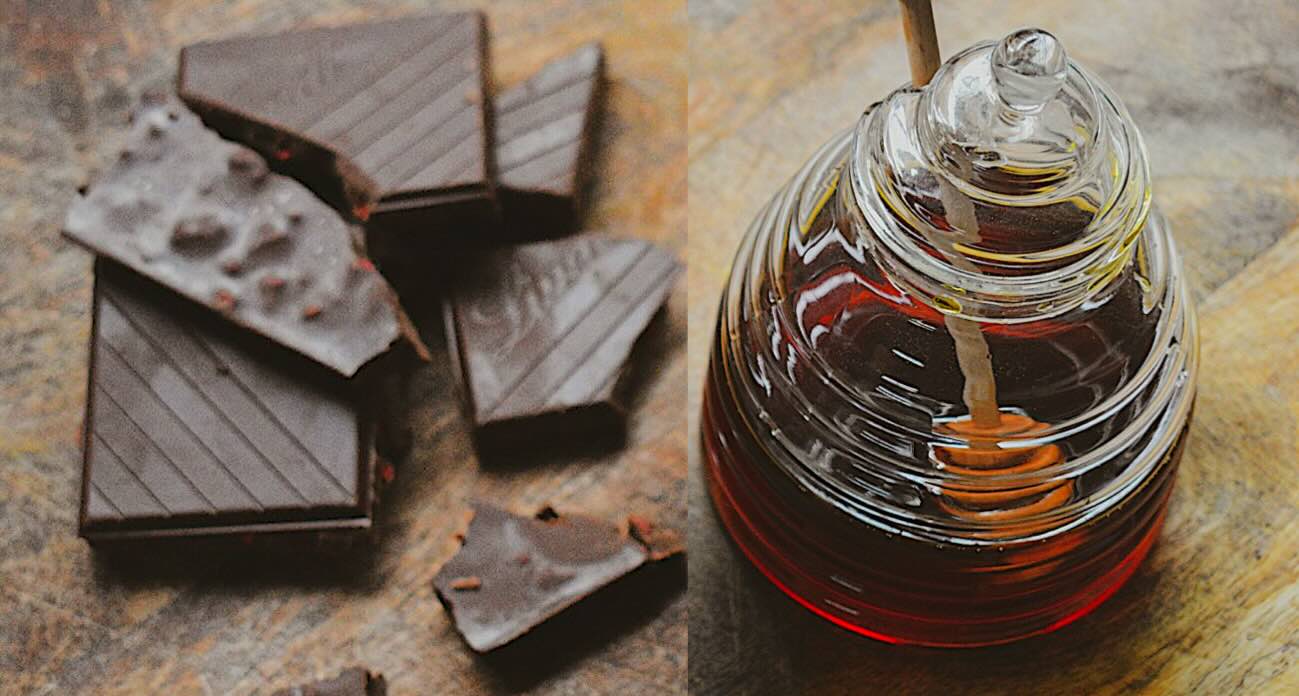
Few things are tastier than dark chocolate dipped in honey, but the researchers weren’t only creating a tasty dessert. Rather, they demonstrated how the vast majority of cocoa cultivation waste can be used to create nutritionally-enriched honey.
Cocoa beans contain a variety of phyto or plant nutrients, such as heart-healthy polyphenols, alkaloids like theobromine, and stimulants like caffeine. They’re obviously grown in mass to create chocolate, but the majority of the biomass of the cocoa harvest is in the husk and other bits that are thrown out as waste.
Nonetheless, the husks contain similar quantities of phytonutrients as the beans that go on to make chocolate. If cultivators had a way to utilize them, it would mean more profit with less waste, and that’s where a team from State University of Campinas (UNICAMP) in the state of São Paulo, Brazil, come in.
They utilized “green chemistry” to breakdown cocoa waste in such a way that not only enhanced nutrient extraction, but avoided degrading the finished product like other methods.
Solvents, often made of harmful chemicals like hexane, are used in processed food production to draw various compounds out of ingredients. For example, hexane is used to draw polyunsaturated fats out of cotton seeds to make cottonseed oil.
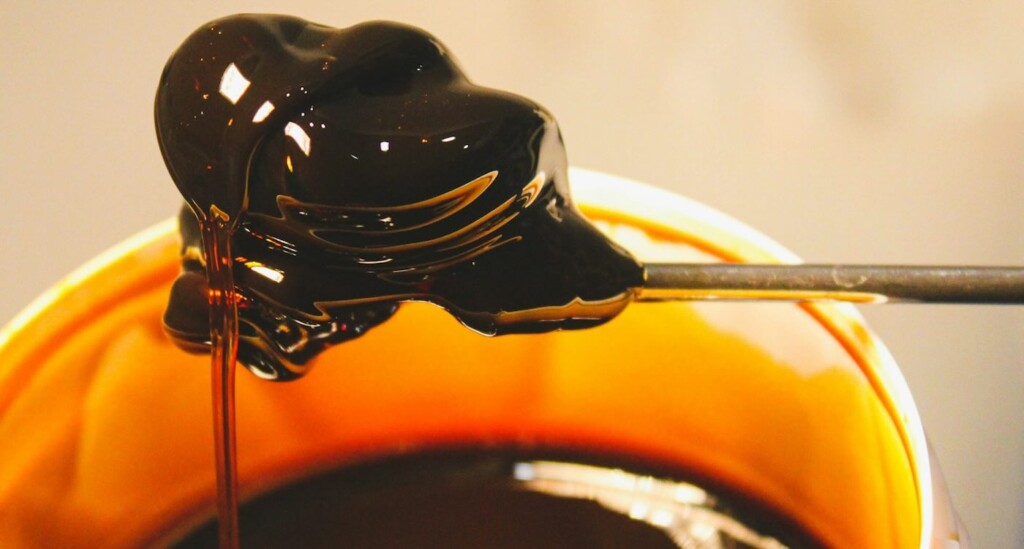
In this case the ‘solvent’ is just honey, making the finished product not only a neat chemistry demonstration, but delicious, uniquely healthy, and a better sugar substitute.
“Of course, the biggest appeal to the public is the flavor, but our analyses have shown that it has a number of bioactive compounds that make it quite interesting from a nutritional and cosmetic point of view,” Felipe Sanchez Bragagnolo, the first author of the study, told Agência FAPESP.
MORE FOOD SCIENCE: British Columbia Hazelnut Forests Were Actually Forest Farms Cultivated by First Nations 7,000 Years Ago
By inserting an ultrasonic wave emitter into a vat of native, stingless bee honey and cocoa husks and shells, the soundwaves broke down the plant waste. The team from UNICAMP also believe that the soundwaves killed off existing microbes in the honey that, for purposes of commercial production and sale, would otherwise have had to be removed through pasteurization or limited through refrigeration.
The honey from 5 different species of native, Brazilian bees were tested, as they are higher in liquids and lower in viscosity than the European honeybee which is responsible for most commercial honey production. The native bee called mandaguari (Scaptotrigona postica) was eventually selected, but the authors of the research argued that cocoa plantations could use any native species near them.
BUZZ FEED: Scientists Engineer Yeast to Create Honey Bee Superfood – Colonies Grew 15-Fold
“We believe that with a device like this, in a cooperative or small business that already works with both cocoa and native bee honey, it’d be possible to increase the portfolio with a value-added product, including for haute cuisine,” said Professor Mauricio Rostagno, a coordinator of the study and developer of the Path2Green software that assessed the “greenness” of the ultrasonic technology used.
SHARE These Scientists’ Delicious Discovery With Your Hive…