














Not all diseases are caused nutrient deficiencies, but they often do come with one.
A deficiency of vitamin D, for example, is found most cases of illness, from cancer to upper-respiratory tract infections to sepsis and osteoporosis.
Recently, researchers at the renowned Salk institute for Biological Studies have identified that a simple amino acid called methionine, one which we all get from our diets mostly through animal-sourced foods, plays a key role in ameliorating the risk of death from infections.
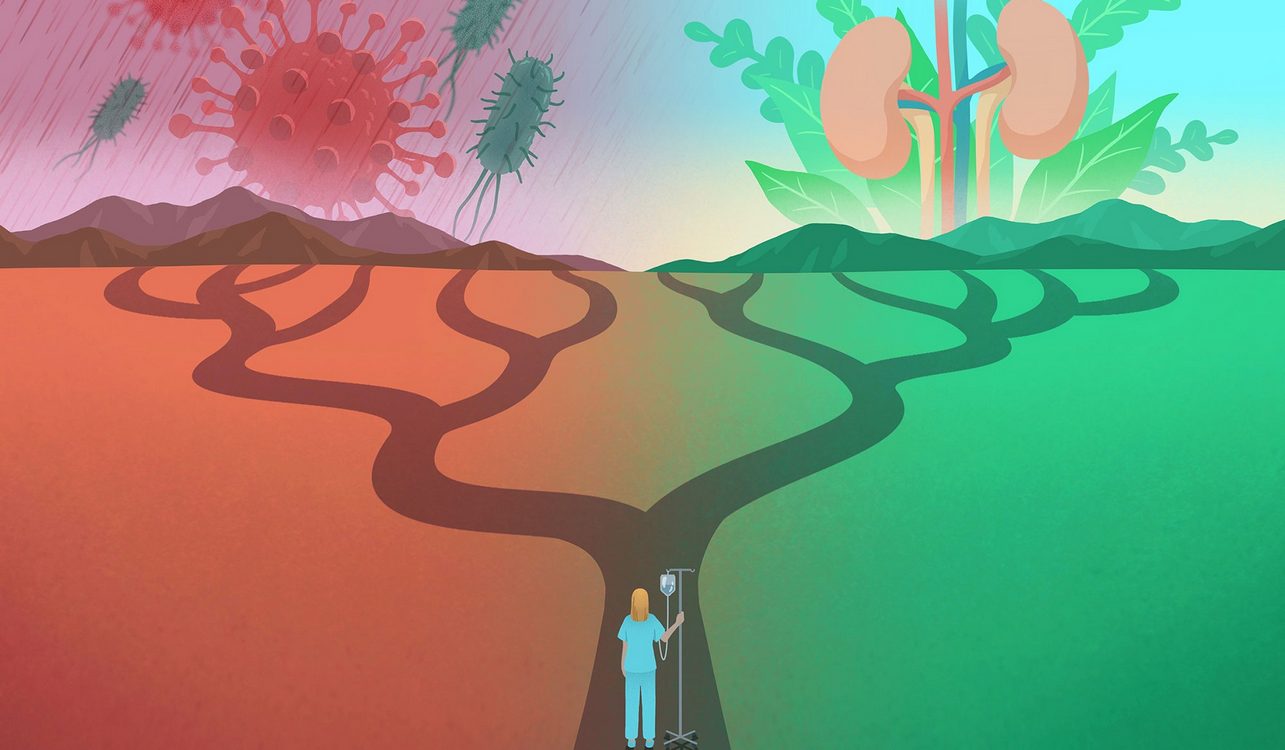
Ambitiously, the Salk team were investigating what’s known as “disease trajectory” which describes the process from which an infection is contracted, or injury sustained, to the point at which the patient recovers or dies. Salk scientist Janelle Ayres, PhD, has spent decades researching why some patients go down the former track and others the latter.
Inflammation, she presents, is a key decider, and that the kidneys play an underappreciated role in clearing inflammation from the body when it’s important role in the healing process is finished.
“Our study indicates that small biological differences, including dietary factors, can have large effects on disease outcomes,” says senior author Ayres.
“Our discovery of a kidney-driven mechanism that limits inflammation, together with the protective effects of methionine supplementation in mice, points toward the potential of nutrition as a mechanistically informed medical intervention that can direct and optimize the paths people take in response to insults that cause disease.”
Inflammation is the immune system’s response to any invader. Whether that is a pathogen inside you or a splinter in your finger, immune cells rush to the scene to facilitate the healing process. As those immune cells arrive, they amplify the invader alarms using proteins called pro-inflammatory cytokines.
“Pro-inflammatory cytokines are ultimately what leads to sickness and death in a lot of cases,” says first author Katia Troha, PhD, a postdoctoral researcher in Ayres’s lab. “The immune system has to balance inflammation to attack the invader without harming healthy cells in the body. Our job is to find the mechanisms it uses to do that, so that we can target them to improve patient outcomes.”
To understand how the body regulates its cytokine levels, the researchers used a mouse model of systemic inflammation induced by the pathogen Yersinia pseudotuberculosis. The first thing they noticed was that the infected mice were not eating as much—a sign of likely metabolic changes. To asses nutritional status, the researchers looked at the levels of circulating amino acids, which are protein building blocks that support cellular health throughout the body.
Infected mice showed depressed methionine levels—an essential amino acid found in our everyday diets. Curious, Troha decided to feed a new batch of mice with methionine-supplemented chow, and surprisingly, these mice were protected against the infection.
ALSO CHECK OUT: Vitamin K Used in ‘Groundbreaking’ Prospective Treatment for Neurodegenerative Diseases
Further experiments showed that methionine reduced circulating cytokine levels by partnering with a surprising ally: the kidneys. Methionine increased the kidneys’ filtration capacity, improving blood flow and helping the body excrete pro-inflammatory cytokines through the urine. Importantly, this methionine-kidney effect cleared excess cytokines without hindering other key aspects of the immune response.
Curious whether methionine’s effect was present in other conditions, the researchers also looked at sepsis and kidney injury models. They found that methionine was also protective for these mice, supporting that methionine may be a useful tool in other inflammatory disease settings.
By supplementing their diets with methionine, Salk scientists were able to give infected mice entirely different disease trajectories. The amino acid boosted the animals’ kidney function and protected them against wasting, blood-brain barrier dysfunction, and death without hindering their bodies’ ability to fight and kill Yersinia pseudotuberculosis.
MORE NUTRITIONAL ANCHORS: Another Study Shows Daily Multivitamin for People Over 60 Slows Memory Decline That Comes With Aging
And the sepsis and kidney injury models show these effects extend to other infections and inflammatory conditions, too, making methionine a potentially useful tool for the treatment of infectious diseases, particularly in cases of kidney disease or failure, or for patients undergoing dialysis.
“Our findings add to a growing body of evidence that common dietary elements can be used as medicine,” says Ayres. “By studying these basic protective mechanisms, we reveal surprising new ways to shift individuals that are fated to develop disease and die onto trajectories of health and survival.”
SHARE This Perfect Reason To Eat A Bit More Meat Or Consider A Methionine Supplement…