












A group of Australian biologists have discovered that a giant snail species considered extinct hasn’t gone the way of the dodo.
They undertook one of the largest captive snail breeding and reintroduction efforts in Australian, and perhaps world history.
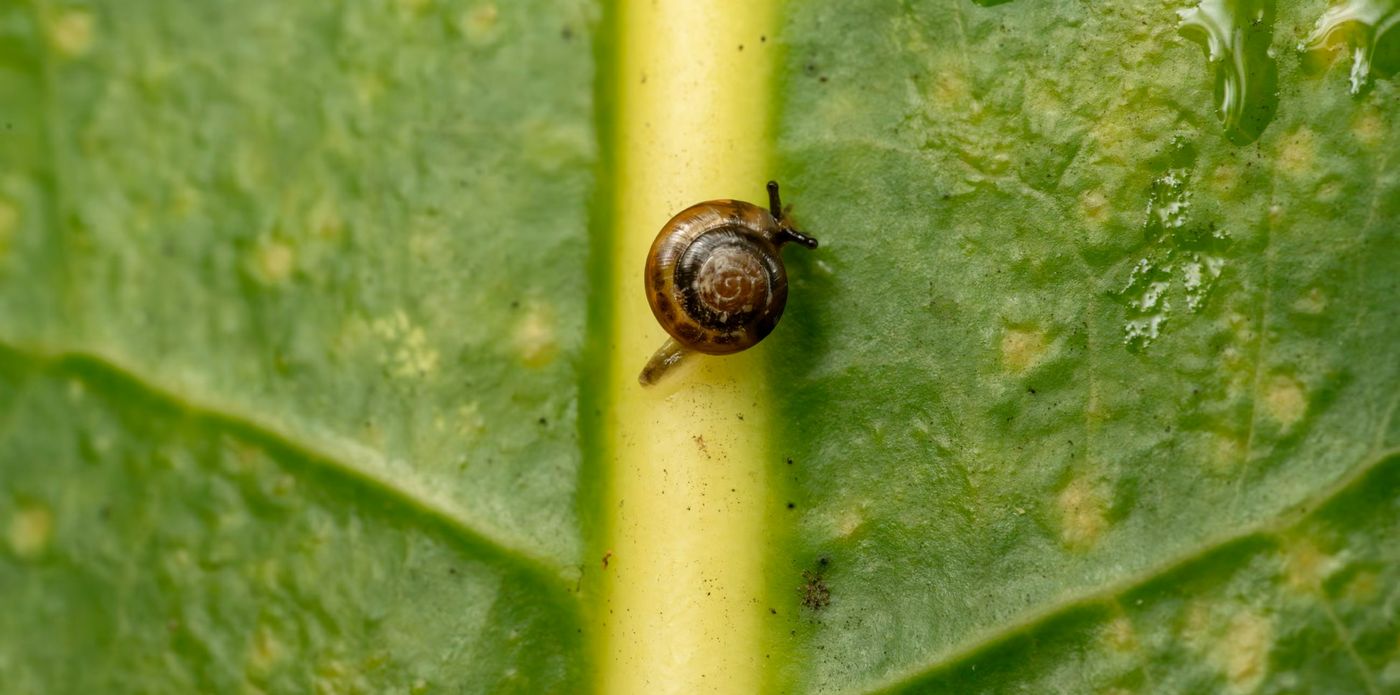
Campbell’s keeled glass snail was listed as Extinct by the IUCN in 1996 after several surveys couldn’t locate it, or traces of it, across its home on Norfolk Island, a territory controlled by Australia located between the continent and New Zealand.
In 2020, snail biologist Dr. Isabel Hyman received a photo from a Norfolk local named Mark—it was an unusually large snail, which Hyman immediately recognized.
“Large” in relative sense, the Campbell’s keeled glass snail measures just 2 centimeters. This is still more than 10 times the size of the smallest island snails.
While Australia and New Zealand were instituting some of the most draconian lockdown measures of the COVID-19 pandemic, Dr. Hyman nevertheless secured permission to visit the island to search for these rare brown beauties.
In a sheltered valley, Dr. Hyman and her colleagues found their quarry: a small assortment of Campbell’s snails, which they transported back to the Taronga Zoo in Sydney with hopes of beginning a captive breeding program.
Through tragedy and triumph, death and birth, the zoo amassed a collection of some 800 snails and took them to Norfolk this year for a reintroduction attempt.
ISLAND INTERESTS: Endangered Chick Appears in ‘Christmas Miracle’ Hatching to Parents Thought Infertile
“Invertebrates are a whole group of animals that are probably underrepresented when it comes to conservation,” said Melinda Wilson, natural resources program manager at Norfolk Island national park, whose rangers helped to reestablish the snail’s presence by conducting monitoring work and pest control, as the island still hosts invasive rats and chickens that would make a meal out of the snails.
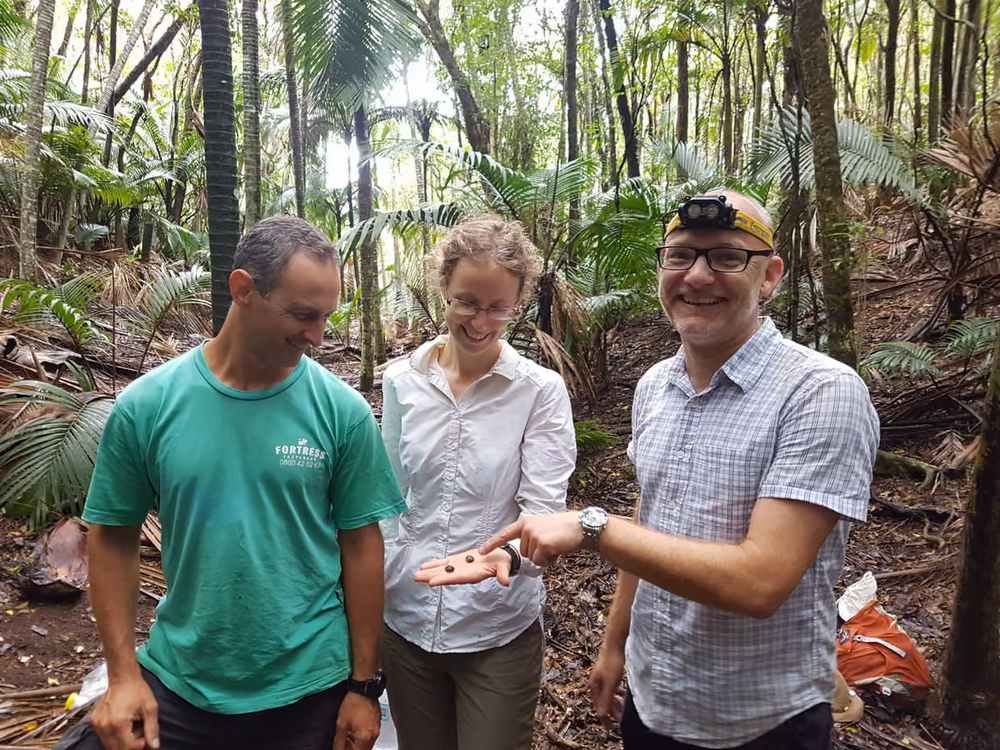
In a different, yet equally sheltered valley, surrounded by palms and native hardwoods, the Campbell’s snails were released—each and every one of which were painstakingly tagged for tracking their movements. A primitive irrigation system was also set up in the valley to ensure that if the snails faced an unusually-long dry season, they’d have the necessary moisture to survive.
BEAUTIFUL SNAILS FROM CUBA: Photographer Unites With Cuban Scientists to Save the World’s Most Beautiful Snail
Over time, the Guardian reports, the snails gradually became harder and harder to find, which is somewhat in line with previous invertebrate conservation programs. The belief is that, rather than having gone extinct again, they have spread out beyond the confines of their valley, and then given a good rainfall, will become more visible as their numbers grow.
“To have these snails front and center as part of our conservation actions … has been really rewarding,” Wilson told the Guardian.
SHARE The Story Of This Little Lost And Unloved Critter With Your Friends…