














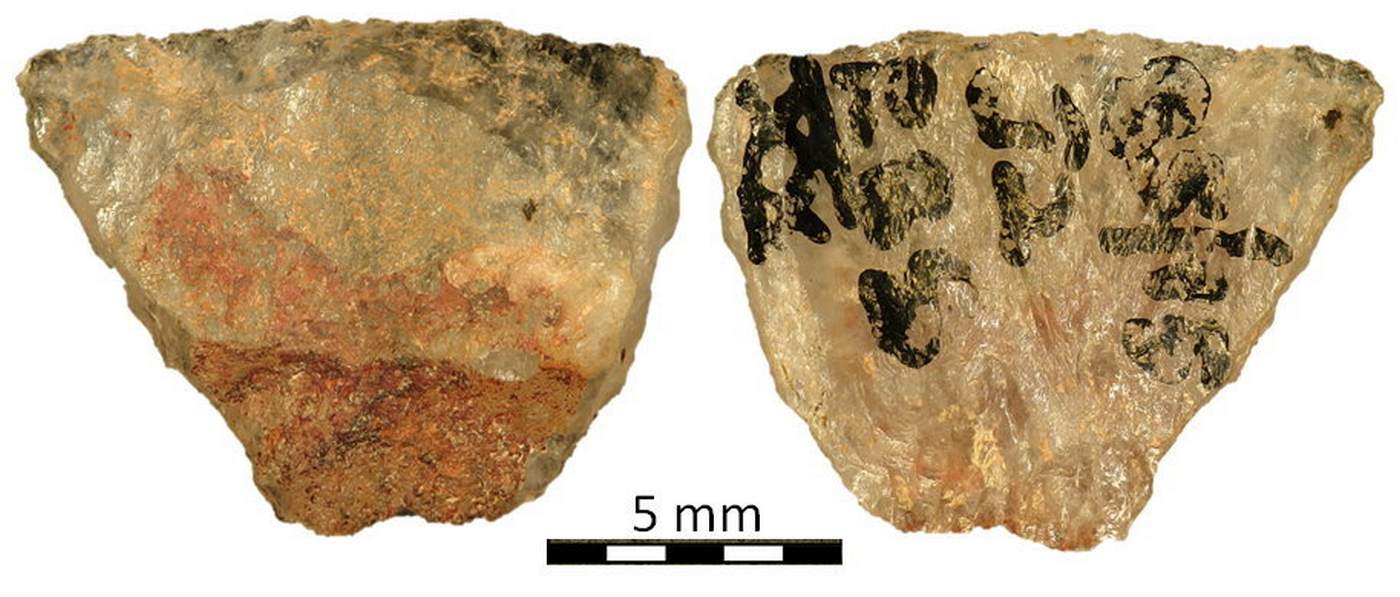
Scientists identified traces of a poison from the South African plant gifbol on Stone Age arrowheads dating back 60,000 years, making it the oldest known arrow poison discovered anywhere in the world.
The researchers say the find shows that people in southern Africa had already developed advanced knowledge of toxic substances and how they could be used for hunting long before anyone had anticipated.
Scientists from South Africa and Sweden made the discovery on 60,000-year-old quartz arrowheads from Umhlatuzana Rock Shelter in KwaZulu-Natal.
The research team identified chemical residues of poison from gifbol, a poisonous plant still used by traditional hunters in the region.
Stockholm University Professor Sven Isaksson, an expert in the analysis of organic residues in archaeological materials, conducted the chemical analysis.
“Being able to identify the world’s oldest arrow poison together has been a complex undertaking and is incredibly encouraging for continued research,” said. Isaksson, adding that it’s the result of years of collaboration.
Isaksson’s colleague, Professor Marlize Lombard of the Palaeo-Research Institute at the University of Johannesburg, South Africa, added that the residue “shows that our ancestors in southern Africa not only invented the bow and arrow much earlier than previously thought, but also understood how to use nature’s chemistry to increase hunting efficiency.”
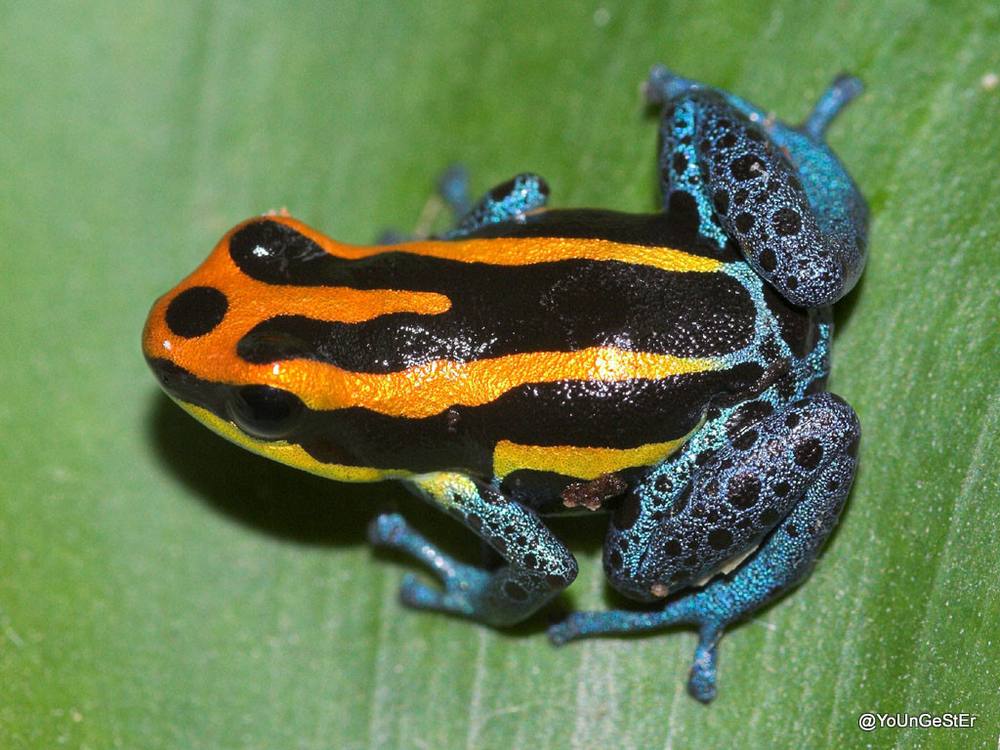
In South America, hunters have long used the colorful warning of poison arrow frogs as a clue to their toxic secretions. In the Amazon Basin, denizens have rubbed their wooden arrow tips on the skin of the frogs to apply the same poison for who-knows-who-many centuries.
In contrast, the gifbol plant—also known as the “poisonous onion”—is renowned among local hunters for its highly toxic properties, but has no such bright colors to clue anyone in. The toxicity must have been established through trial and error or other observations.
A chemical analysis on the arrowhead, published in the journal Science Advances, revealed the presence of the alkaloids buphanidrine and epibuphanisine, both found in the gifbol. Similar substances were also found on 250-year-old arrowheads in Swedish museums, which were collected by travelers during the 18th Century.
The fact that the same plant poison was used in both historical and prehistoric times indicates a long continuity of knowledge and tradition, according to the research team.
OTHER STORIES FROM OUR STORY: Early Human Ancestor Found in Morocco Dates Back 700,000 Years May Be Major Missing Link
“Finding traces of the same poison on both prehistoric and historical arrowheads was crucial,” said Isaksson. “By carefully studying the chemical structure of the substances and thus drawing conclusions about their properties, we were able to determine that these particular substances are stable enough to survive this long in the ground.”
“It’s also fascinating that people had such a deep and long-standing understanding of the use of plants.”
It implies early hunters also had both technical skills and advanced planning abilities—that they didn’t just hunt constantly hoping for the best, but instead took time to prepare their equipment to maximize their chances of success.
ALSO CHECK OUT: Early Man Was Building Lincoln Log-like Structures 500,000 Years Ago, New Preserved Wood Shows
“Using arrow poison requires planning, patience, and an understanding of cause and effect,” said Professor Anders Högberg, of Linnaeus University. “It is a clear sign of advanced thinking in early humans.”
Perhaps we’re not giving ourselves enough credit. We know from skeletal findings that Homo sapiens have been alive in our current form and faculty for at least 330,000 years; that’s probably enough to learn which plants in our environment are poisonous, but somehow also doesn’t make this discovery any less amazing.
SHARE The Capability Of Our Hunting Ancestors With Your Friends…