














Here are the Top Ten Innovations from 2009 that will lead us, with chin up, into the next decade. From new technologies that strip pollution from our oceans and air, to household devices that cut carbon emissions; from a possible cure for honeybee colony collapse, to a breakthrough on Alzheimer’s, these bright innovations will ignite hope in even the most cynical. All these stories appeared on the Good News Network in 2009:
Rain Forest Botanical Possible ‘Miracle’ for Alzheimer’s Disease
A biotech firm in Washington recently announced an overwhelmingly positive response to compounds from a rain forest botanical for treating Alzheimer’s Disease, along with its intention to safeguard the very forests that provide such a remarkable pharmacopeia. In talking with Advana Science CEO Peter Leighton, I realized he just might have the hoped-for promise that millions were seeking — a natural compound that could disrupt the amyloid proteins and prevent them from binding. What’s more, nature was pulling off what drugs could not. The plant compound was so complex in its polysaccharide constituents that it could never be duplicated by any drug. (www.megjordan.com)
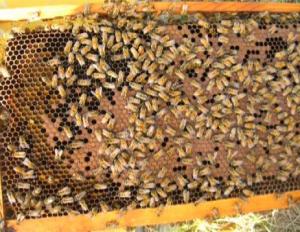 New Vaccine Could Save Bees from Colony Collapse Disorder
An Israeli company has developed a revolutionary new drug that could solve the problem of Colony Collapse Disorder, the disturbing syndrome that has been wiping out bee communities and threatening agricultural production all over the world. The drug, Remembee, which was developed by Beeologics, has completed successful clinical trials on millions of bees in North America. Not only has it proved effective in maintaining bee health, but it also improved the longevity of bees and increased the honey in the hives. Based on Nobel prize-winning RNAI technology, the drug helps bees overcome IAVP virus, which has been associated with colony collapse.
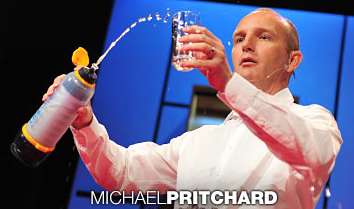
Revolutionary Water Filtration System Designed to Save Lives
Inventor and water-treatment expert Michael Pritchard was inspired after the devastating Asian tsunami and hurricane Katrina, which left so many without clean drinking water, to develop the Lifesaver bottle. The revolutionary water-filtration method could drastically reduce the suffering worldwide due to the lack of access to clean water.

Groundbreaking Solar Shingles Unveiled
The Dow Chemical Company today unveiled its line of DOW Powerhouse Solar Shingles, revolutionary photovoltaic solar panels in the form of solar shingles that can be integrated into rooftops with standard asphalt shingle materials. Putting the power of solar electricity generation directly and conveniently in the hands of homeowners, Dow will distribute the shingles in limited quantities by mid-2010, and broaden their availability in 2011.
Latest Product by Dyson a Fan Without Blades
Sir James Dyson, the inventor who revolutionized the bagless vacuum cleaner, revealed his latest invention: a fan with no blades. The Dyson fan works very differently to conventional fans. With no blades or grill, it’s completely safe, effortless to clean. It uses Air Multiplier™ technology to draw in air and amplify it 15 times, producing an uninterrupted stream of smooth air that doesn’t cause unpleasant buffeting. (Video)
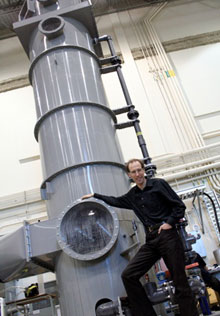 New Technologies Suck Carbon Right Out of Air
A variety of new technologies are gearing up to grab climate-warming carbon right out of the air. This is different from trapping carbon dioxide as it comes out of pollution sources like factories and power plants. University of Calgary climate change researchers say they are close to figuring out how to commercialize the capture of carbon dioxide directly from the air with a simple system that could be set up anywhere in the world. Chemicals giant BASF and glass and ceramics firm Corning are also working with a team at Columbia University on a company called Global Thermostat to develop a similar device.
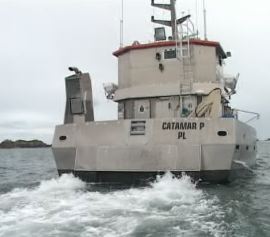
Sea-Going ‘Vacuum Cleaner’ Sucks up Water Pollution
An innovative new anti-pollution ship has hit the high seas off western France. The ‘Catamar’ can collect debris and more importantly help clean up oil slicks, straining several hundred cubic meters of oil per hour from the water.
More than 40 smaller boats have already been purchased to help clean up lakes. The company hopes larger boats will soon be mopping up the open seas. (AFP Video)
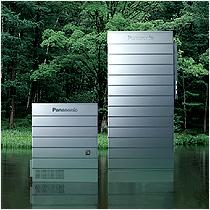 Hydrogen in Every Home: Japanese Slash Energy Use and CO2 Emissions
Trials by companies including Panasonic and Toyota are underway at 3,000 homes throughout Japan, to bring mini hydrogen power plants into backyards that will provide heat and power while emitting a fraction of the carbon dioxide of normal energy sources by using a hydrogen fuel cell to convert natural gas into electricity. It’s called a fuel cell cogeneration system.
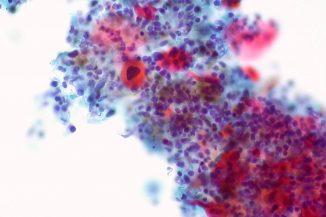
New Cancer Drug Zaps Cells Before They Spread
A cancer drug that destroys the deadly cells which give birth to tumors has been developed by U.S. scientists. It has already worked against breast cancer and offers hope to those with cancer of the prostate, skin or bowel. The drug selectively kills cancer stem cells which help tumors grow and spread the disease through the body. Unlike other cancer cells, stem ‘mother’ cells are resistant to radiotherapy and chemotherapy, allowing cancer to return after treatment. In laboratory tests, the new drug, salinomycin, was 100 times more effective at destroying stem cells than the powerful chemo treatment Taxol. The U.S. researchers believe dozens of drugs with similar properties could be developed over the next few years. The treatment is around a decade away from the market.

New Solar-Powered Stadium
A new solar-powered stadium designed not only to power, cool and water itself, but also to withstand the island’s typhoons and earthquakes. The world’s first completely solar-powered stadium, located in Taiwan, is set to be completed in time for July’s World Games. Every inch of the massive roof is covered in solar panels — enough to power the structure’s 3,300 lights, two huge TV screens, and maybe sell some electricity back to the grid. It even incorporates the ancient art of Feng Shui. (AP Video)
SHARE the Innovations on Social Media!
Looks like I missed a few of these. Wow! I will be fwd these to my friend in the environmental field. Thanks Geri!
TO SHARE THIS STORY, use the link in our Most Popular News section:
https://www.goodnewsnetwork.org/most-popular/general/top-10-innovations-2009.html
All the links there are free to non-subscribers, and easily share-able on Facebook and Twitter.
(The Most Popular section changes every week!)
https://www.goodnewsnetwork.org/most-popular/general/
I didn’t know that about the Most Popular News section .. good to know! Thanks, Geri. 🙂
They’re all amazing but I’m totally blown away by the water filtration system. That can save millions of lives!
Since I am an ovarian cancer survivor, I especially like the cancer treatment story. This innovation will give many hope!
This is going to be our best decade, yet!