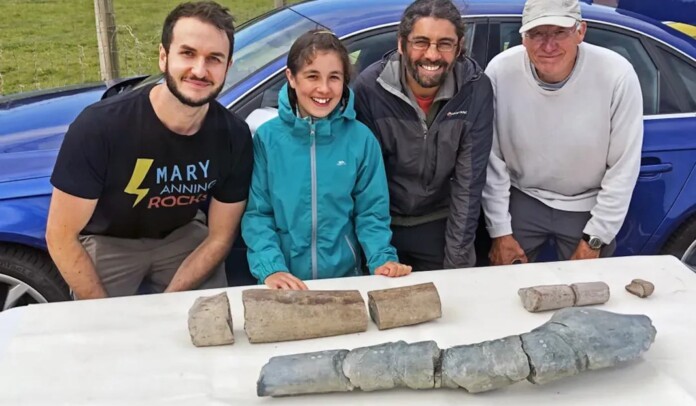
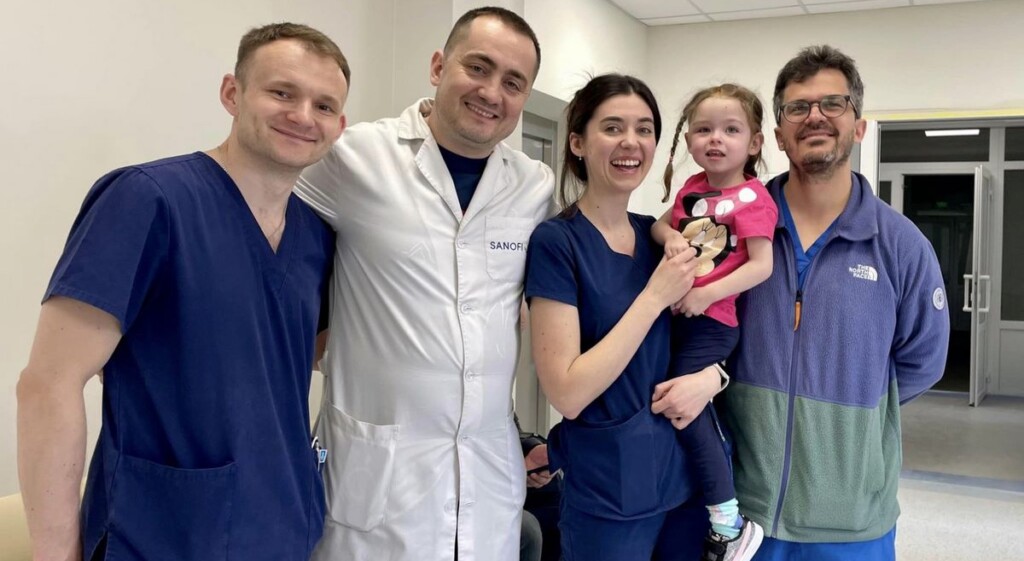
Dean Lomax, Ruby Reynolds, Justin Reynolds and Paul de la Salle with ichthyosaur fossil – Courtesy of Dean Lomax
Dean Lomax, Ruby Reynolds, Justin Reynolds, and Paul de la Salle with ichthyosaur fossil – Courtesy of Dean Lomax
While these fossils may not look like much, they are part of the jawbone of what is now believed to be the largest marine reptile ever to swim in the seas.
The beast could have measured 82 feet long—as big as a humpback whale—but with a long narrow mouth bristling with teeth used to hunt prey much larger than krill.
Discovered in a bed of rocks near the River Severn in England, they were found in 2020 by an 11-year-old fossil-hunting enthusiast named Ruby Reynolds who frequented the area with her father, Justin.
After finding bone fragments embedded in the rock, one of which was around 8 inches long, they contacted a fossil hunter they knew named Paul de la Salle and paleontologist Dean Lomax at the University of Bristol.
As the three returned to the area in 2022, they found additional fragments that allowed them to piece together the animal’s jawbone. When they were finished, they knew it belonged to an ichthyosaur, but the jawbone itself was seven feet long.
While singular in terms of its size, this ichthyosaur is similar to one found in a UK town called Lilstock, and being that both share a unique morphology from the late Triassic period, de la Salle and Lomax argue in a paper published on their discovery that this warrants the establishment of a new genus, which the authors, including Ruby Reynolds, now 15, named Ichthyotitan severnensis, or giant fish lizard of the Severn.
Evidence of crisscrossed collagen fibers inside the bones not only confirmed it was an ichthyosaur but also that it was still growing when it died at 82 feet (25 meters). Modern large-bodied reptiles like crocodiles and pythons tend to grow slowly and without end until they die.
Over 100 species of ichthyosaur have been identified, many of which were first found in England including the first by, coincidentally, a young girl named Mary Anning.
SHARE This Young Woman’s Incredible Contribution To The Scientific Record…
Quote of the Day: “We have all the light we need, we just need to put it in practice.” – Albert Pike
Photo by: Dollar Gill
With a new inspirational quote every day, atop the perfect photo—collected and archived on our Quotes page—why not bookmark GNN.org for a daily uplift?
Last November, one of NASA’s most famous craft, Voyager 1, stopped transmitting messages to the great anxiety of those responsible for receiving them.
It wasn’t all stress though, because mission controllers could tell the spacecraft was still receiving their commands and otherwise operating normally.
Now however, the most distant object from the Earth made by humans is again sending data on the health and status of its onboard engineering systems as it drifts through interstellar space.
It’s been 46 years and 7 months since Voyager 1 left Earth, and 11 years and 8 months since it bade Pluto farewell and left our solar system.
In March 2024, mission control for Voyager 1 at NASA’s Jet Propulsion Laboratory at California Technical Institute, managed to hone in on the issue that was preventing two-way communication with the probe.
The team at JPL discovered that a single chip responsible for storing a portion of the flight data subsystem (FDS) memory—including some of the FDS computer’s software code—wasn’t, and still isn’t, working anymore.
The loss of that code rendered the science and engineering data unusable. Unable to repair the chip, the team decided to place the affected code elsewhere in the FDS memory. But no single location is large enough to hold the section of code in its entirety.
So they devised a plan to divide the affected code into sections and store those sections in different places in the FDS. To make this plan work, they also needed to adjust those code sections to ensure, for example, that they all still function as a whole. Any references to the location of that code in other parts of the FDS memory needed to be updated as well.
Once they had everything sorted out, they sent the modified code to its new location in the FDS memory on April 18th. A radio signal takes about 22 ½ hours to reach Voyager 1, which is over 15 billion miles (24 billion kilometers) from Earth, and another 22 ½ hours for a signal to come back to Earth.
Voyager spacecraft – NASA
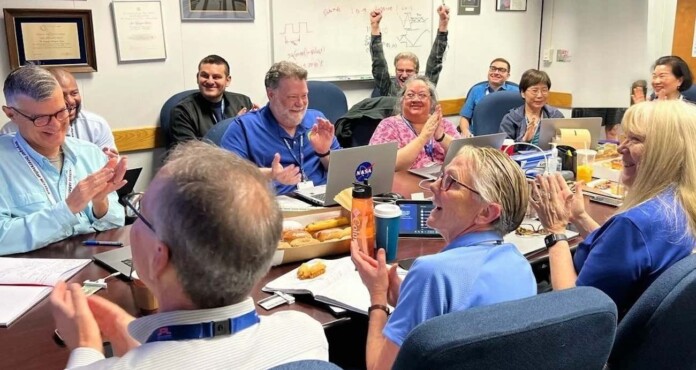
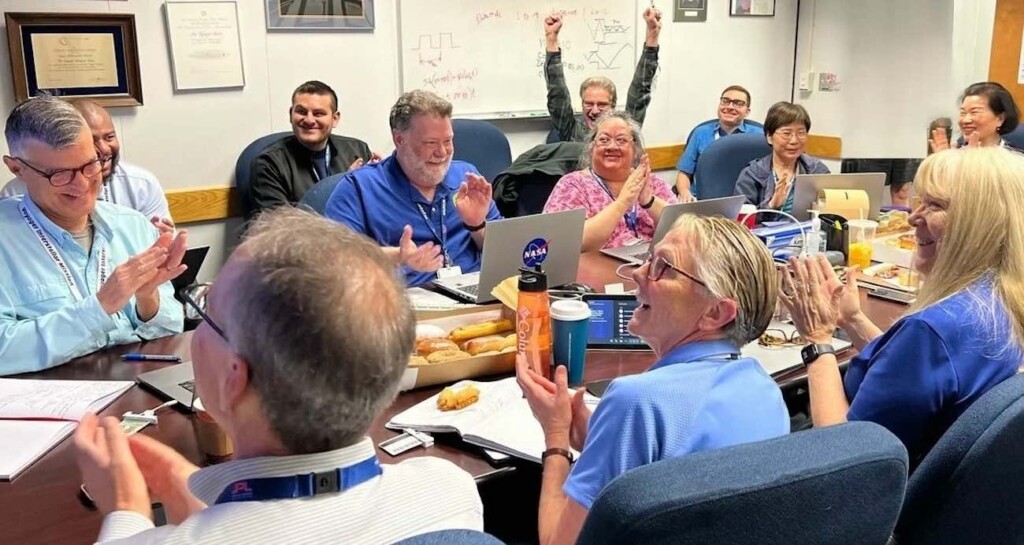
When the mission flight team heard back from the spacecraft on April 20th, they saw that the modification worked: For the first time in five months, they were able to check the health and status of the spacecraft.
Of the remaining scientific instruments on board, Voyager can still study the nature of cosmic rays and magnetic fields in interstellar space, but in as little as one year or perhaps just a little longer, even these will have to be powered off. By 2036, the probe will depart the Deep Space Network and be beyond all communications.
SHARE This Great News From An Old Interstellar Friend…
On I-94 in Minnesota, a team of good samaritans and highway rescue personnel bandied together to save a stranger trapped unconscious inside a burning car.
Simply incredible dash camera footage shows 5 or 6 people pulling over and leaping out of their cars after an SUV runs off the highway and bursts into flames.
They fail in their team effort to open the doors as the flames rise, but a member of the Minnesota Department of Transportation’s Freeway Incident Response Safety Team—formerly called the Highway Helper—arrived in time to smash the window glass and pull the man out to safety.
It all started when 71-year-old Sam Orbovich, lost consciousness behind the wheel of his Honda. When color and motion returned to his vision, the Highway Helper had smashed the glass.
“I am alive today because several good Samaritans and professional first responders saved my life,” Orbovich said of the Thursday night incident.
“It is incredibly heroic when people driving down the highway choose to put themselves at risk by running toward the flames to extract a stranger from a burning car that could explode at any moment.”
The doors were unlocked, but blocked from opening by the highway guardrail. Team efforts to bend the rail out far enough away from the doors failed, as did one man’s effort to put out the fire with an extinguisher, and another’s attempt to break the window.
Orbovich suffered minor injuries, and the footage has gone viral.
“The State Patrol is grateful that the driver is OK due to the heroic actions of the individuals who stopped to help,” Lt. Jill Frankfurth told the Star Tribune. “The actions of those who pulled this motorist from the burning car demonstrates the importance and willingness of people throughout Minnesota looking out for each other. We are thankful everyone remained safe.”
WATCH the most exciting dash cam footage you’ve ever seen…
SHARE This Minnesota Kindness Toward A Neighbor In Need On Social Media…
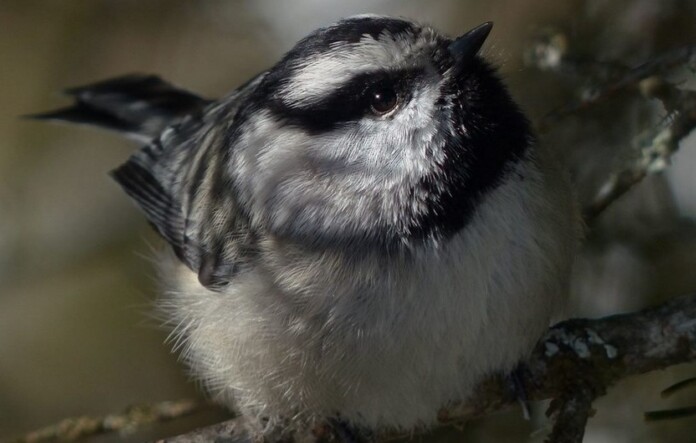
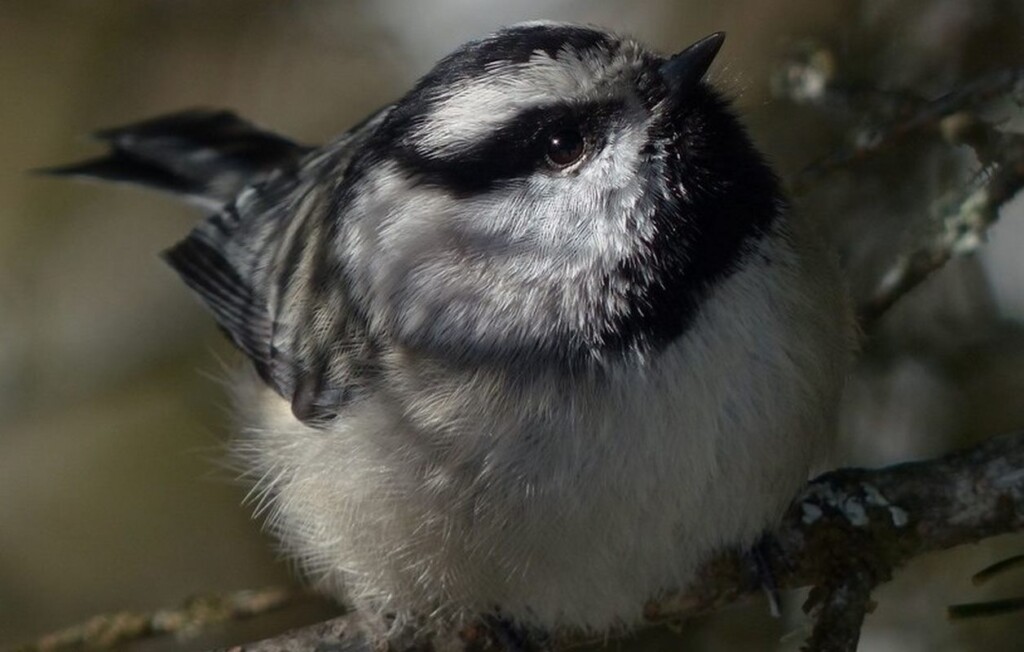
Lost your keys? Can’t remember where you parked the car? If only you had the memory of a mountain chickadee.
These half-ounce birds, with brains slightly larger than a pea, stash tens of thousands of food items like seeds in tree bark, under dead leaves, and inside pinecones across the mountains and can remember their locations with pinpoint accuracy.
When winter arrives, they can recall the exact locations of their caches, a skill that helps them survive the bitter cold and deep snow of their mountain homes in Colorado’s Rocky Mountains.
In a new study published April 17 in the journal Current Biology, researchers at CU Boulder and the University of Nevada, Reno identify nearly a hundred genes associated with the birds’ spatial memory, or ability to recall the locations of objects.
The paper also suggests a potential trade-off may exist between having a solid long-term memory and being able to quickly ditch old memories to form new ones. One clue was how many of these genes result in disorders in other animals.
“Chickadees are impressive birds,” said Scott Taylor, the director of CU Boulder’s Mountain Research Station and associate professor in the Department of Ecology and Evolutionary Biology. “Their spatial memory is much more developed than many other birds that don’t have to have this strategy to survive cold winters.”
To evaluate the spatial memory of wild mountain chickadees, Taylor’s collaborators at the University of Nevada, Reno, led by biologist Vladimir Pravosudov, designed a clever test. They hung multiple feeder arrays, each with eight bird feeders with seeds in California’s Sierra Nevada mountains.
Each feeder has a gate with a radio frequency reader that can detect a tag researchers put on chickadees. The team then programmed each gate to only open to certain birds, so that the chickadees had to remember the location of the feeders that would open to them.
Pravosudov and his team then counted how many times each chickadee landed on the wrong feeders before they recalled the right one. The theory is that birds with better spatial memory would have a lower error rate.
Using blood samples, the team at CU Boulder also sequenced the entire genome of 162 tagged chickadees, creating the largest dataset ever collected for evaluating the genetic basis of chickadee cognitive ability. By comparing the birds’ genomes with their performance on the feeder test, the team identified 97 genes associated with chickadees’ spatial learning and memory. Birds with specific variants of these genes made fewer wrong attempts before landing on their designated feeders.
A large proportion of these variants are associated with neuron formation in the hippocampus, a part of the brain that’s responsible for learning and memory, according to paper co-author Sara Padula, a doctoral student in the Department of Ecology and Evolutionary Biology.
“We found in previous literature that many of these genetic variants in chickadees are associated with behavioral disorders in other animals. So this finding can help us better understand animal behaviors in general,” Semenov said.
Chickadees that have exceptional spatial memory can live up to nine years, which is a long time for a small bird. But the study suggests that having good long-term memory may come at a price.
After running the initial task for a few days, Pravosudov’s team assigned new feeders to the birds.
To the team’s surprise, chickadees that performed better in the initial test tended to struggle with switching to the new feeder. They seemed to have a harder time abandoning their initial memories and creating new ones.
“In a more variable environment, what our collaborators found suggests that chickadees with good long-term memory may have a disadvantage. For example, if there is an unexpected snowstorm, these birds may keep trying to visit caches that have been buried in the snow, rather than forgetting them and looking for other caches,” Padula said.
For the last one million years, the mountain chickadees in the Rocky Mountains have evolved independently from those in the Sierra Nevada Mountains. The team hopes to investigate whether the two groups of birds have evolved spatial memory in the same way across different geographic regions.
The team is also interested in learning if black-capped chickadees, which coexist with mountain chickadees in the Rocky Mountains, exhibit different spatial memory skills. They’ll continue the feeder experiment at the Mountain Research Station during the upcoming winters to collect more data.
WATCH the experiment in action below…
SHARE This Story With Any Bird Brained Friends Of Yours…
Mom Ceri and her son Lloyd at the opening of the race - released to the press by family
Mom Ceri and her son Lloyd at the opening of the race – released to the press by family
19-year-old Lloyd Martin has become the youngest person ever to finish the London Marathon with Down Syndrome.
Receiving a Guinness World Records plaque at the finishing line, Martin says it’s a dream come true, and celebrated the 26.4 miles with some pretty fly dance moves for someone with impaired motor function.
He ran continuously for the first 14 miles—a personal best—before switching to bouts of walking and jogging.
“In Lloyd’s words, it’s achieving his dream,” said his mom, Ceri Hooper. “Really anything is possible if you put your mind to it. With a bit of work, you can achieve it.”
Hooper represented Wales internationally in track and field competitions, and ensured that her son Lloyd had all the training and motivation he needed when he set his mind on the task of a marathon.
He had developed his strength and stamina mainly through 5k races.
She herself has run six marathons in her life: 4x in London, the Boston Marathon, and the Chicago edition.
The Special Olympics organization for Great Britain helped Lloyd get everything prepared for the race, where he became the youngest person ever to finish in the intellectual impairment category.
WATCH Lloyd’s elation upon crossing the finish line…
SHARE This Inspiring Youth Athlete With Your Friends…
Quote of the Day: “Cherish all your happy moments; they make a fine cushion for old age“ – Booth Tarkington
Photo by: Surface
With a new inspirational quote every day, atop the perfect photo—collected and archived on our Quotes page—why not bookmark GNN.org for a daily uplift?
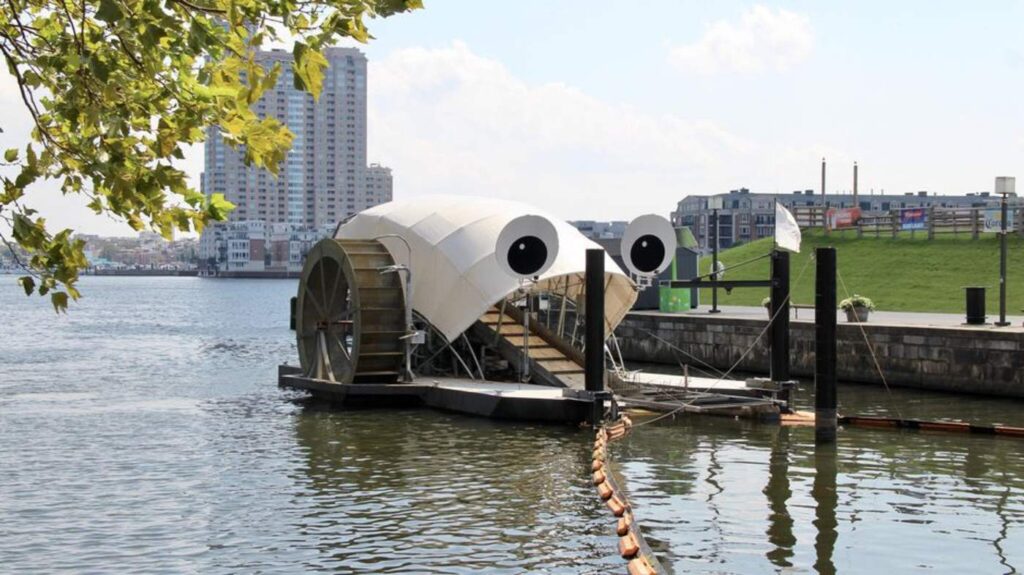
The Baltimore Harbor’s most beloved resident is celebrating his decennial, and what better way to look back on his years of service than listing a few of his achievements?
Mr. Trash Wheel is a national icon. Since his installment in the Inner Harbor in 2014, his popularity led to the installment of other trash-collecting wheels, like Gwynnda the Good Wheel of the West, which have formed his ‘family’ of four.
5.2 million pounds have floated onto their conveyor belt tongues, been carried up into their water wheel gullets, and dropped into the floating dumpsters behind them.
Mr. Trash Wheel boasts an extensive fan club: the Order of the Wheel, which welcomes in anyone willing to pledge a reduced reliance on single-use plastics and an intent to occasionally clean up their community. 3,000 members have joined the Order’s ranks.
Approximately 45,000 homes have been powered with electricity generated from the incineration of biological waste captured by Mr. Trash Wheel and his family.
The Trash Wheels clean a total of 123 square miles of water catchment. Gwynnda and Mr. Trash Wheel each clean 60, while Professor Trash Wheel covers 2 square miles and Captain Trash Wheel has 1.
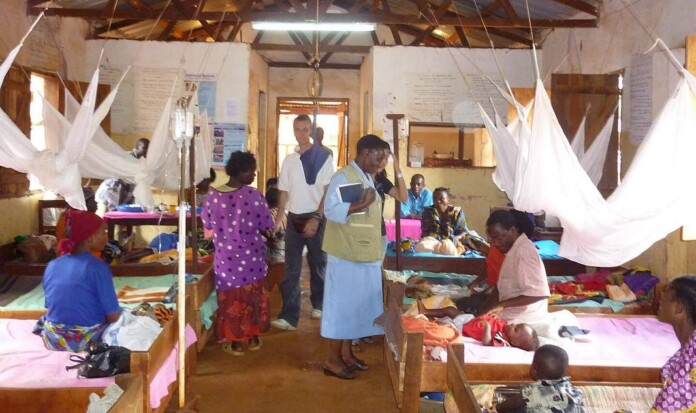
Malaria hospital in Tanzania - credit Olympia Wereko-Brobby, SMS for Life
Malaria hospital in Tanzania – credit Olympia Wereko-Brobby, SMS for Life
For years, aid workers knew that among all the billions being poured into aid foundations for Africa, if a measly few million could be spent on providing insecticide-treated mosquito nets for people to sleep under, it could do the same as a decade of pharmacological research looking for malaria treatments.
It actually did more: with one program that distributed 54 million nets over 3 years having saved 24,600 lives and prevented 13 million cases of malaria across 16 countries, according to estimates.
Called the New Nets Project, funded and implemented by Unitaid, Global Fund, and Innovative Vector Control Consortium, it aimed to rapidly distribute a pair of new mosquito nets, the first treated with chlorfenapyr, and the second pyroproxyfen—two next-generation insecticides that when combined with previous insecticides, proved to be more effective than standard nets.
Like bacteria developing resistance to antibiotics, some mosquito genera have developed resistance to insecticides that coat mosquito net thread. The nets still provide a barrier from physical entry, but only for a short time because the tight, lightweight weave tears easily.
According to a statement from Global Fund, between 2019 and 2022, the New Nets Project supported the distribution of 38.4 million mosquito nets across sub-Saharan Africa, while Global Fund’s collaboration with the office of the President of the United States saw the number increased to 56 million nets in Nigeria and 16 other countries.
In countries that reported insecticide resistance, the new nets increased control of the spread of the parasite by 20 to 50%.
The reduction in malaria cases and deaths from using the nets, compared to a standard net, equated to a potential $28.9 million in financial savings to health systems.
“We are delighted to see that the dual active ingredient insecticide-treated nets have demonstrated exceptional impact against malaria,” said Peter Sands, Executive Director of the Global Fund.
“The success of the New Nets Project is proof that, by fostering collaboration across global health partners, harnessing innovation, and using market-shaping approaches, we can fight insecticide resistance, make our interventions highly cost-effective, and accelerate progress against malaria.”
SHARE This Incredible, Underreported Progress With Your Friends…
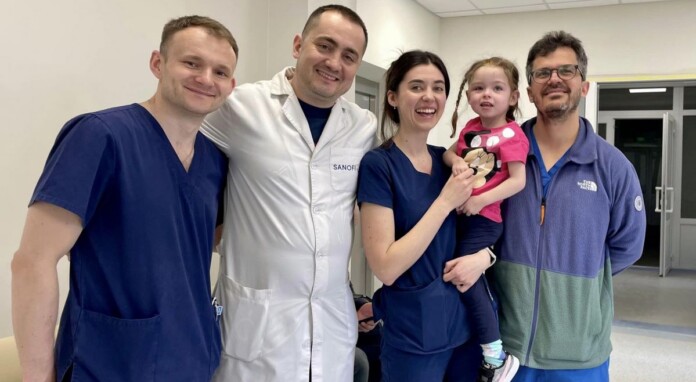
Credits St. Nicholas Children’s Hospital’s Facebook
Credits St. Nicholas Children’s Hospital’s Facebook
How far would you go to access the medical care your child needed to live a normal life? Would you enter a warzone? Would you allow your daughter to undergo brain surgery in a city under threat from air strikes?
The answer to all these questions from the Gribben family of Northern Ireland was yes, since at the St. Nicholas Children’s Hospital in L’viv, Ukraine, 4-year-old Rachel had the chance to be cured of severe epileptic seizures that were causing developmental delays.
Since Russia’s invasion and occupation of eastern Ukraine in February of 2022, L’viv, a cosmopolitan city close to the Polish border in the far west of the country, has largely gone unmolested.
Still, attacks on Ukrainian electrical infrastructure have intensified in the last 6 months, and missiles can also go off course.
Renowned American neurosurgeon Dr. Luke Tomich was in L’viv advising the neurosurgeons at St. Nicholas. His expertise in the surgery that young Rachel required meant that for the N. Irish family, a 1,800-mile journey awaited them.
Diagnosed with epilepsy and epileptic spasms when she was 18 months old, Rachel’s neurosurgeon Dr. Mykhailo Lovga and his team removed a small section of brain tissue that was the root of the problem, and which she should be able to function without.
“We carefully opened the skull, found the abnormal tissue, and slowly separated it before removing it completely. Because this tissue was close to the area that controls movement, we worked with neurologists and used very advanced technology during the surgery,” Dr. Lovga told United 24 Media, a Ukrainian news agency.
SHARE This Four-Year-Old’s Incredible Journey With Your Friends…
Flowers of the Puya alpestris, and Alberto - credit Birmingham Botanical Gardens.
Flowers of the Puya alpestris, and Alberto Trinco – credit Birmingham Botanical Gardens.
At the Birmingham Botanical Gardens (BBG), a plant that most people will never see flower has sprouted its azure blooms for the first time in over 10 years.
This incredibly rare event has turned the plant, a bromeliad called Puya alpestris into a “sapphire tower.”
Native to the Chilean Andes at altitudes above 6,000 feet, P. alpestris is a distant relative of the pineapple. Brought to the Arid Glasshouse at the BBG almost 20 years ago, this is the first time the plant has flowered.
It isn’t an endangered species, but the flowering of the specimen at the BBG is allowing botanists to hand-pollinate other members by gently tapping the stamens with a paintbrush.
In the wild, the plant relies on hummingbirds to pollinate it, who come to feast on the sapphire tower’s nectar-rich flowers.
“Each flower only lasts a few days, giving us a limited window of time to give nature a helping hand. In the absence of its natural pollinators, we will attempt some hand pollination instead,” says Senior Glasshouse Horticulturist, Alberto Trinco.
“It is very slow-growing, so to witness its spectacular blooms is both exciting and rare,” he adds. “Hopefully, pollinating the flowers with the brush to obtain seeds will allow us to secure the presence of this amazing species in our collection for future generations to come and admire.”
There are many plants that bloom in multi-year intervals. Scientists often don’t know why.
Like a solar eclipse or a comet, visitors to the BBG have the opportunity to see this plant flower now, but may have to wait another decade for another chance.
SHARE This Beautiful Phenomenon Of Nature With Your Friends…
2023 Supreme Court Justices – By Fred Schilling, Collection of the Supreme Court of the United States
Quote of the Day: “A pure hand needs no glove to cover it.” – Nathaniel Hawthorne (The Scarlet Letter)
Photo by: By Fred Schilling, Collection of the Supreme Court of the United States (2023)
With a new inspirational quote every day, atop the perfect photo—collected and archived on our Quotes page—why not bookmark GNN.org for a daily uplift?
Becky Arbaugh, a manager at the Taco Bell in Richboro, PA, saved a woman's 11-week-old son in the drive-thru by performing CPR - credit, Taco Bell, released.
Becky Arbaugh, a manager at the Taco Bell in Richboro, PA, saved a woman’s 11-week-old son in the drive-thru by performing CPR – credit, Taco Bell, released.
At the Richboro Taco Bell, outside of Philadelphia, manager Becky Arbaugh wasn’t working the lunch rush, but was around nevertheless.
She heard a scream coming from the drive-through window, followed by the harrowing words ‘call 911 the baby isn’t breathing!'”
The phone would have to wait, as Arbaugh threw off her headset and rushed to see the situation. Just outside the drive-through window, she saw Natasha Long holding the lifeless blue body of her 11-week-old son Myles.
“The mom was panicked,” Arbaugh told Good Morning America. “I told her to give him to me and I performed CPR. I was trying to calm her down and comfort her and reassure her that he will be fine.”
“The baby finally started to breathe. The ambulance came pretty quickly and then they took over,” Arbaugh said. “The EMT said I saved his life.”
The circumstances could not have been more fortunate for Myles, because Arbaugh, a mother to four children herself, has already restarted the heart of her daughter a few times owing to medical complications.
In an emailed statement to ABC News, a spokesperson for Taco Bell said: “We are incredibly proud of Becky for her heroic act earlier this week. We are getting in touch to express appreciation for her quick actions and kindness.”
As for her “Taco Bell family” GMA said that store members and those in other locations have showered her with messages of appreciation, while mother Natasha spoke with Arbaugh on the phone the next day to express what the mothers reading can only imagine would be heartfelt gratitude.
WATCH the video below from GMA…
SHARE This Woman’s Rapid Response That Saved A Life…
DonnaJean Wilde setting the plank record - Guinness World Records
DonnaJean Wilde setting the plank record – Guinness World Records
A woman in Alberta just set a new world record for the longest time spent in an abdominal plank position, managing 4 hours, 30 minutes, and 11 seconds.
DonnaJean Wilde realized that a plank was an excellent exercise to do in a cast after she broke her wrist 10 or so years ago and needed something to do to get her heart rate up.
Strangely enough, the previous record was also held by a Canadian who was also from Alberta and also named Dana, who managed 4 hours, 19 minutes, and 55 seconds.
“Growing up, whenever we woke up, our mom had already run 4 miles. And that just progressed,” said Ray Wilde, DonnaJean’s son.
“If I’m going to watch a movie and she wants to watch a movie with me, she’ll watch it in the plank position,” said her husband, Randy Wilde.
“She did her entire master’s degree planking,” said daughter Laura Stevenson.
When the mother of 5 with 12 grandchildren went to university about 20 years ago for the masters, she contracted something called transverse myelitis, which manifests in pain and numbness.
Where? You guessed in—the arms, hands, and shoulders. Husband Randy says dealing with that pain every day actually what allows her to deal with the pain of sitting in an abdominal plank for so long.
She said it feels like a dream come true: we can only imagine.
WATCH the record being set below…
SHARE This Motivational Grandmother With Abs of Titanium On Social Media…
A pandemic among frogs has been going on worldwide for years—the culprit: a fungal infection that has affected amphibians on nearly every continent.
But now, the discovery of a virus that has evolved to replicate inside this fungus could be the key to saving nearly 500 species of frogs that have experienced declines due to this amphibian pandemic.
Viruses are the smallest organisms we know about, and researchers at Univ. of California, Riverside weren’t out looking for one when they found it embedded in the fungus DNA.
The fungus Batrachochytrium dendrobatidis or Bd, wasn’t prevalent until the late 1990s, when suddenly frogs just started dropping dead all over the world.
“We wanted to see how different strains of fungus differ in places like Africa, Brazil, and the U.S., just like people study different strains of COVID-19,” said UCR microbiology professor Jason Stajich.
To do this, Stajich and colleagues used DNA sequencing technology. As they examined the data, they noticed some sequences that did not match the DNA of the fungus.
“We realized these extra sequences, when put together, had the hallmarks of a viral genome,” Stajich said.
The team found that the virus—a single-strand DNA virus which literally is the smallest known organism—is integrated into the nuclear genome in some strains of Bd.
Attempts to cure virus-positive isolates were unsuccessful; however, differences between naturally virus-positive and virus-negative Bd isolates suggested that this virus decreases the growth of its host in vitro, the authors write.
They speculate that if the virus could be replicated and then engineered to further reduce this growth, biologists may have a method of saving amphibians like the harlequin frogs of Ecuador which have been heavily affected by Bd.
The scientists say that a lot more research is needed before such a cure might be manufactured, including for questions like how this virus infects its host.
SHARE This Spark Of Hope For Our Amphibian Brothers And Sisters…
Elena Mozhvila - unsplash; David Bowie - CC 3.0. Roger Woolman
Elena Mozhvila – unsplash; David Bowie – CC 3.0. Roger Woolman
Today is the 54th edition of Earth Day. A coalition of major music streamers and the UN have had a stroke of inspiration that will hopefully channel millions to conservation.
Entitled “Sounds Right,” artists who utilize stock recordings of animals or weather will have the option of putting a ‘feat. Nature’ credit on any of their songs on services like Spotify and Apple Music to channel the royalties to conservation, restoration, and pollution control associations.
Whether it’s the blackbirds singing on Paul McCartney’s iconic 1968 track of the same name, the crack of thunder to open Enya’s Storm’s in Africa II, or the crow’s cawing in advance of Florence + the Machine’s Dreaming, nature sounds add pivotal touches to an artist’s vision.
Even pop stars like Missy Elliot have used birds and weather for their pieces.
The initiative is being directed by Brian Eno, the legendary Roxy Music producer who produced albums for David Bowie, Peter Gabriel, Coldplay, and the Talking Heads, on behalf of the Museum of the United Nations.
“You have to make a decision about whether you are going to make them sound more like instruments, or whether you’re going to pull the music towards those things. And I think the second option is, actually, kind of more interesting,” Eno told the BBC on the occasion of both Sounds Right and the release of a David Bowie remix that includes animal sounds like pigs and hyenas.
“Hopefully it’ll be a river, or a torrent, or a flood of royalties—and then what we do is distribute that among groups of people who are working on projects to help us deal with the future.”
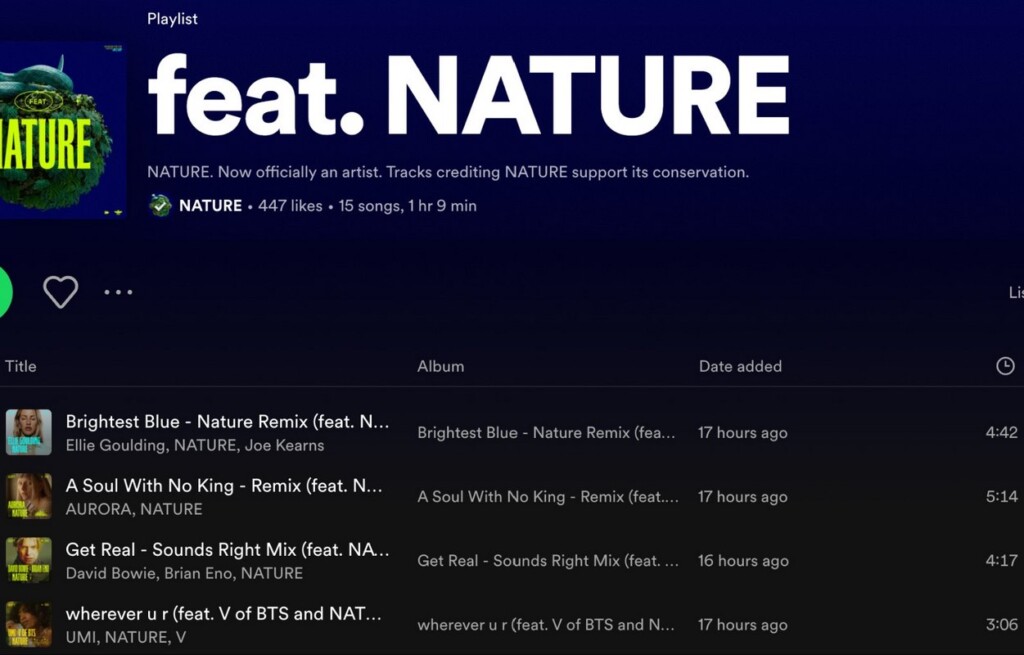
a screengrab of the Nature playlist – credit, Spotify.
The first group of artists who have given featuring credits to Nature include Bowie, London Grammar, MØ, Tom Walker, Ellie Goulding, and Aurora. Check out the playlists here on Spotify.
The fund is anticipated to draw in $40 million in revenue from 600 million streams. At the moment, exactly how the money will be spent is unclear, however a group of conservation and ecosystem consultants have identified several at-risk and irreplaceable ecosystems that will benefit from ‘feat. Nature’ credits.
These include Madagascar and the Indian Ocean Islands, Indo-Burma, Borneo, Sumatra, the Philippines, the tropical elevations of the Andes Mountains; and the Atlantic Forest biome in Brazil.
SHARE This Innovative Attempt To Raise Money For Protecting The World…
Quote of the Day: “If people sat outside and looked at the stars each night, I’ll bet they’d live a lot differently.” – Bill Watterson (Happy Earth Day!)
Photo by: Aron Visuals
With a new inspirational quote every day, atop the perfect photo—collected and archived on our Quotes page—why not bookmark GNN.org for a daily uplift?
Aerial shot of maze at Bolton Castle, North Yorkshire – SWNS
Head gardener Jason Haslip and woodsman Mike Hanslip, maintaining the maze at Bolton Castle, North Yorkshire – SWNS
Beautiful aerial photos captured gardeners perfecting a maze of garden hedges at a Six-Century-old British castle.
Pruners were hard at work trimming the box hedging around the medieval maze following wet weather at Bolton Castle, near Leyburn, North Yorkshire.
The impressive stone labrynth was commissioned by Sir Richard le Scrope, Lord Chancellor of England to Richard II, and finished in 1399, reportedly at a cost of 18,000 marks.
Today it remains in the private ownership of one of Sir Richard’s descendants, Thomas Peter Algar Orde-Powlett, the ninth Baron of Bolton.
And the impressive gardens are now open to the public, with thousands flocking to the well-preserved estate each year, including its bowling green and rose arbor.
The castle is also occasionally used as a filming location, with Channel 5’s ‘Anne Boleyn’ shot on its grounds back in 2021.
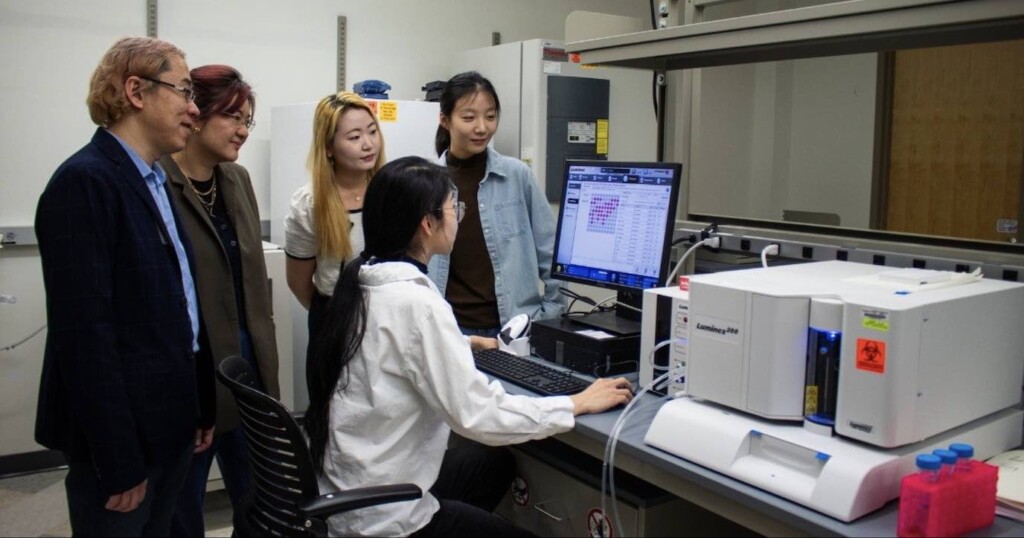
Cancer research team gathers around Luminex 200 machine used to analyze tumor cytokine levels – Virginia Tech / SWNS
Cancer research team gathers around Luminex 200 machine used to analyze tumor cytokine levels – Virginia Tech / SWNS
A new way to safely boost immune cells to fight cancer—avoiding harmful side-effects such as hair loss—has been developed.
Scientists at Virginia Tech devised the ground-breaking immunotherapy to localize cancer-killing cytokines in tumors, improving the effectiveness of current treatments.
Immunotherapy involves harnessing the power of the body’s immune system to fight potentially deadly cancer cells. The researchers at the school’s College of Engineering have found a way to revamp a treatment procedure into an innovative practice.
Their approach involves activating the immune cells in the body and “reprogramming” them to attack and destroy the cancer cells.
The method is frequently implemented with the protein cytokine. Cytokines are small protein molecules that act as “intercellular biochemical messengers” and are released by the body’s immune cells to coordinate their response.
“Cytokines are potent and highly effective at stimulating the immune cells to eliminate cancer cells,” explained chemical engineering Professor Rong Tong (pictured above, left).
“The problem is they’re so potent that if they roam freely throughout the body, they’ll activate every immune cell they encounter, which can cause an overactive immune response and potentially fatal side effects.”
Unlike previous methods, the new technique ensures that the immune cell-stimulating cytokines effectively localize within the tumors for weeks while preserving the cytokine’s structure and reactivity levels.
Stimulating the body’s immune system to attack tumors has been for years a promising alternative to traditional cancer treatments, like chemotherapy, which can’t distinguish between healthy cells and cancer cells
Prof. Tong says the delivery of cytokines can “jump-start” immune cells in the tumor, but overstimulating healthy cells can also cause severe side effects.
“Scientists determined a while ago that cytokines can be used to activate and fight against tumors, but they didn’t know how to localize them inside the tumor while not exposing toxicity to the rest of the body.
“Chemical engineers can look at this from an engineering approach and use their knowledge to help refine and elevate the effectiveness of the cytokines so they can work inside the body effectively.”
The team’s goal was to strike a balance between killing cancer cells while sparing healthy cells, by creating specialized particles with distinctive sizes that help determine where the drug is going.
The micro-particles are designed to stay within the tumor environment after being injected into the body.
Materials science and engineering Professor Wenjun ‘Rebecca’ Cai and her students worked on measuring the particles’ surface properties.
“Surface engineering and characterization, along with particle size, play important roles in controlled drug delivery, ensuring prolonged drug presence and sustained therapeutic effectiveness,” explained Prof. Tong.
“Our strategy not only minimizes cytokine-induced harm to healthy cells, but also prolongs cytokine retention within the tumor. This helps facilitate the recruitment of immune cells for targeted tumor attack.”
She says the next step involves combining the new, localized cytokine therapy method with commercially available, FDA-approved checkpoint blockade antibodies, which reactivate the tumor immune cells that have been silenced—so they can fight back the cancer cells.
“When there is a tumor inside the body, the body’s immune cells are being deactivated by the cancer cells.
“The FDA-approved checkpoint blocking antibody helps ‘take off the brakes’ that tumors put on immune cells, while the cytokine molecules ‘step on the gas’ to jump-start the immune system and get an immune cell army to fight cancer cells. These two approaches work together to activate immune cells.”
Engineering a target to take down cancer cells
Combining the checkpoint antibodies with the particle-anchored cytokine proved to successfully eliminate many tumors in the study, which was published in the journal Science Advances.
The team believes the new approach of attaching cytokines to particles also could be used to deliver other types of immuno-stimulatory drugs.
“The whole class of drugs that are employed to jump-start the immune system to fight cancer cells has largely not yet succeeded. Our goal is to create novel solutions that allow researchers to test these drugs with existing FDA-approved therapeutics, ensuring both safety and enhanced efficacy.”
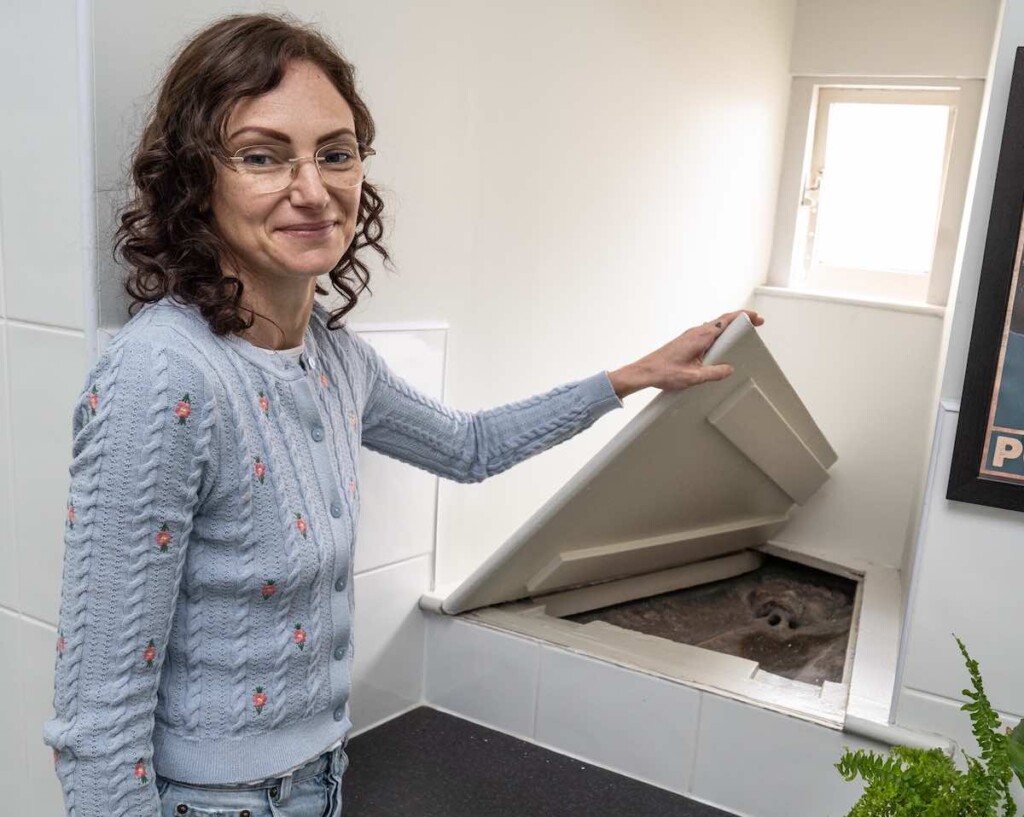
Tracy Vorster of Lincoln who found a 14th Century stone Imp under a secret trap door in her bathroom. Release date – April 18th, 2024. A couple found an ancient gargoyle imp believed to be from the Middle Ages hidden under the loo in their new home. Shocked homeowners Tracy and Rory Vorster were initially stumped when they first uncovered the stone-carved sprite on Sunday. Cyber security worker Rory, 41, was tasked with cleaning the couple’s new bathroom when he made the ‘grotesque’ find under what was believed to be a shelf behind their toilet. The couple took to social media for answers after removing the wooden panel in their Grade I -listed home to reveal a drainage hole. But experts at Lincoln Cathedral revealed the ghoulish mask forms part of a historical drainage system dating back to the 14th century. The couple only moved into the 700-year-old home on March 1 but lived a few doors down in another home which Tracy says was ‘haunted’.
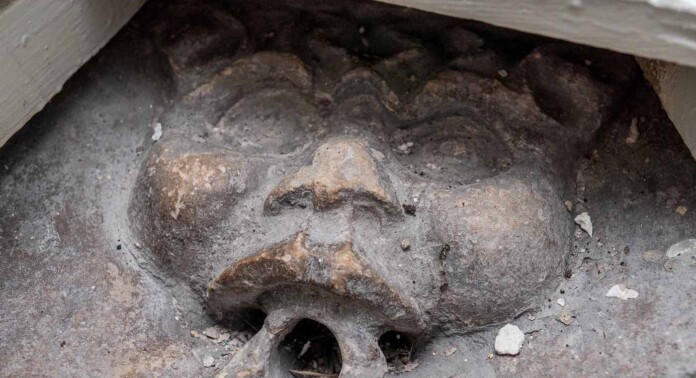
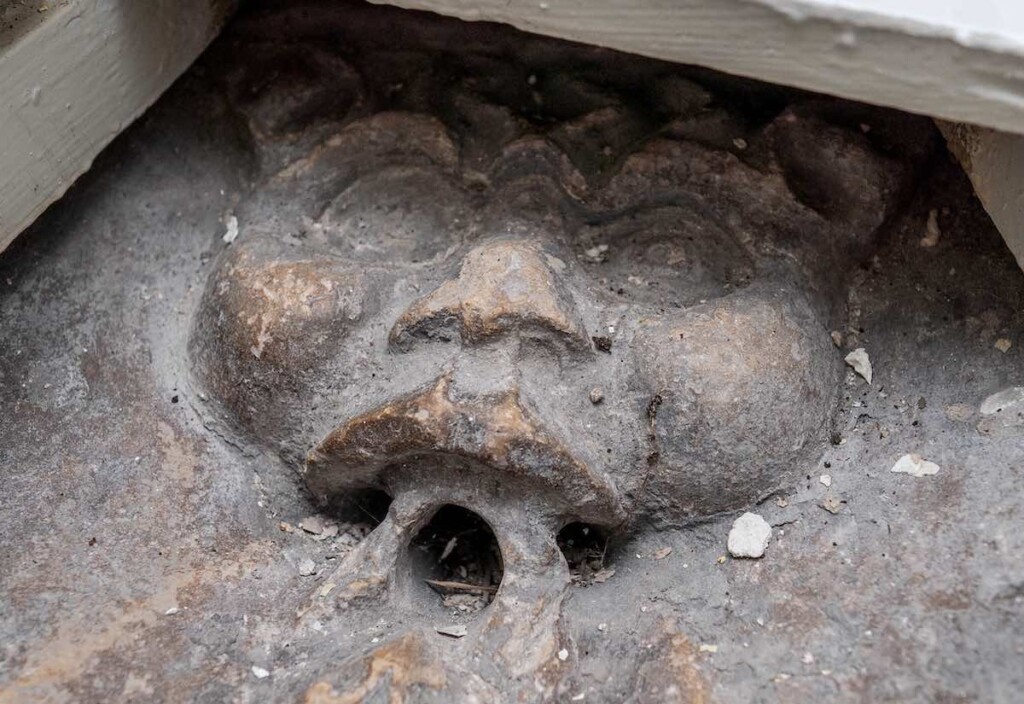
A Lincoln couple found a 14th Century stone gargoyle under a counter in the bathroom – SWNS
A British couple was left stunned when they found a medieval gargoyle hidden inside their bathroom.
Tracy and Rory Vorster were cleaning their bathroom when they made the “grotesque” discovery—a stone-carved sprite concealed under a wooden panel.
The couple searched for answers after removing the shelf in their Grade-I listed rental home (a building or site listed as having exceptional national, architectural, or historical importance).
Experts at Lincoln Cathedral believe the ghoulish figure forms part of a historical drainage system dating back to the 14th century.
“I couldn’t believe it,” said the father of three. “I shouted up to my wife and said ‘I’ve found a thing’.
“The whole of the house has kind of a hollow walling, so we immediately thought there could be more. In fact we’re almost certain now.
“The previous occupant had been here for over 20 years, so surely they knew, but we had absolutely no clue it was there.”
Tracy Vorster with the gargoyle in her bathroom – SWNS
The couple just moved in on March 1 and Tracy just thought it was a shelf, and wasn’t sure why people decided to cover it up.
Their home on Vicars Court is owned by Lincoln Cathedral and is believed to be the home of a former vicar.
“It was well documented (back) to the 14th century but not that many people around here know it. It would have been for a vicar (and) I think it was like a kitchen sink.”
A Survey of Ancient Houses in Lincoln Vol. II says: Houses to the South and West of the Minster in 1887 first recorded the carving as a “grotesque mask which forms the drain.”