In a win for public health, pollinators, and the environment, the U.S. Ninth Circuit Court of Appeals ruled this month in favor of farmworkers and public-interest groups that called for reversing the Environmental Protection Agency’s (EPA) approval of a human antibiotic for use as a pesticide on citrus crops.
In the ruling, the court determined the EPA’s 2021 decision to allow spraying of streptomycin on citrus crops to be unlawful under the Federal Insecticide, Fungicide, and Rodenticide Act, and the Endangered Species Act. The court also held that the issue’s seriousness required that the EPA vacate its approval of the ‘pesticide’.
The decision directs the EPA to bolster its analysis of the potential risks to pollinators and assess whether streptomycin is actually effective for this purpose.
Streptomycin is used to treat serious human illnesses ranging from tuberculosis to urinary tract infections. The overuse of medically-important antibiotics has contributed to increased antibiotic resistance in bacteria, a pressing public health crisis causing more than 35,000 deaths each year in the United States, according to the Natural Resources Defense Council.
“We don’t need to blast medically important antibiotics into the environment,” said Allison Johnson, Senior Attorney at the NRDC. “We do not have to choose between a stable food supply AND pollinators–we need both.”
“Organic producers show that we do not have to sacrifice one for the other by building healthy farm ecosystems without wanton antibiotic usage.”
Also involved in the lawsuit was the Farmworker Association of Florida, which sought to protect agriculture workers who toil in the fields and deserve to be free from such avoidable threats to their health—especially when the spraying of antibiotics “has not been proven effective in treating citrus diseases,” according to the advocates for both the environment and workers’ heath.
Operation Christmas Drop with 2022 patch – Photo by US Indo-Pacific Command (CC license)
Operation Christmas Drop 2023 – DOD USAF photo
You’ve heard about Christmas gifts coming down a chimney, but did you know they also float down from airplanes attached to parachutes?
Since 1952, the U.S. Army has been dropping huge packages every year for the holidays while flying over islands in the Pacific.
The tradition of giving, called Operation Christmas Drop, has become the longest-running U.S. Department of Defense mission in full operation—bringing joy and supplies to Micronesia.
It doubles as a training mission, teaching new troops how to deliver humanitarian supplies from cargo airplanes, to be prepared in case of disaster.
Each parachuted crate contains 400 pounds (180 kg) of toys, school supplies, and items such as clothing, shoes, powdered milk, canned goods, and fishing nets and gear.
They arrive in the water just off shallow beaches in order to avoid hitting the locals.
Money is raised for the operation by sponsored activities like golf tournaments and sponsored runs, and though donations from local businesses. Volunteers assemble the boxes in Guam at Andersen Air Force Base, with crew and aircraft coming also from the 36th Airlift Squadron at Yokota Air Base in Japan.
Operation Christmas Drop volunteers pack relief supplies – DOD / USAF
In 1951, the aircrew of a WB-29 aircraft from the Guam base, was flying a mission over the Micronesian atoll of Kapingamarangi when they saw the islanders waving to them. The crew quickly gathered some items they had on the plane, placed them in a container with a parachute attached and dropped the cargo as they circled again.
“We saw these things come out of the back of the airplane and I was yelling, ‘There are toys coming down,’” said a witness to the first drop on the island of Agrigan.
At the time the island had no electricity or running water, and the islands were periodically hit by typhoons. Some of the first containers failed to arrive where intended, and islanders swam out to retrieve some, while others were discovered months later some miles away.
By 2006, 59 islands were the recipients of 140 boxes, using repurposed parachutes. The 2011 operation included dropping 25 boxes of IV fluids to Fais Island in order to combat a local outbreak of dengue fever.
Operation Christmas Drop with 2022 patch – Photo by US Indo-Pacific Command (CC license)
In 2015, the Japan Air Self-Defense Force and the Royal Australian Air Force participated in the operation for the first time. The two countries each provided one C-130 plane to join the three provided by the United States—and continued their participation in future missions.
This year in during six days in early December, the Royal Canadian Air Force supplied Secret Santas for the first time, working with crews that included The Republic of Korea and The Philippines. They delivered 210 bundles of supplies inside crates decorated with holiday scenes to benefit more than 42,000 residents of 58 islands throughout Micronesia and Palau.
The story of Operation Christmas Drop became a 2020 Netflix rom-com film, too. Watch a video dropped this month by the USAF about this year’s operation…
SEND THIS CHRISTMAS MIRACLE to Friends on Social Media…
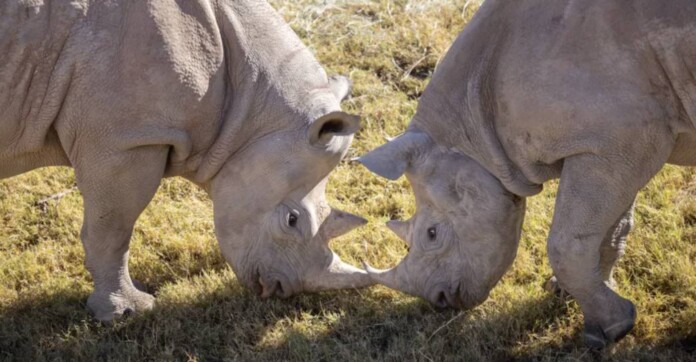
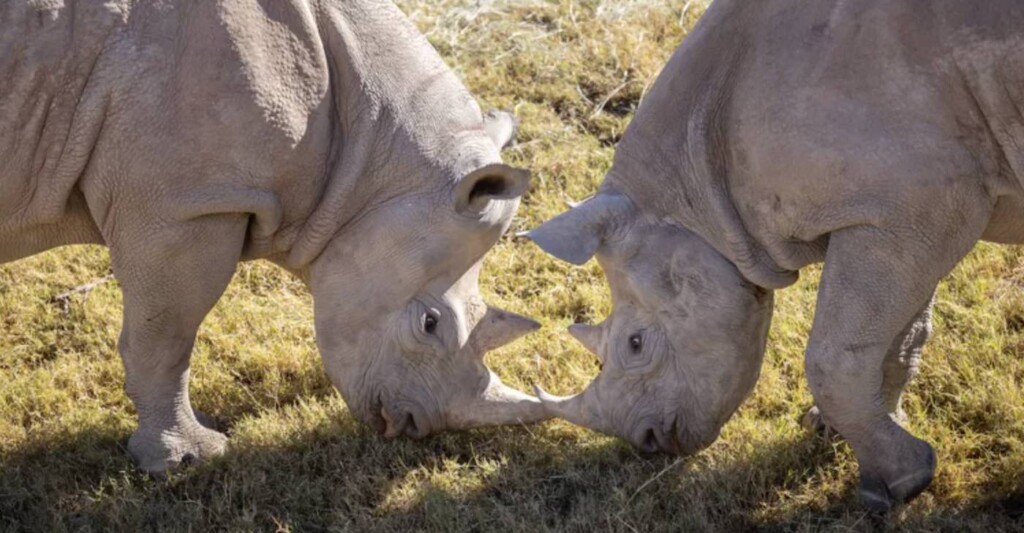
A black rhino looks like it has found a mate in time for the holidays—and, in time to help save a species.
The 4-year-old, which was born on Christmas Eve in 2019, has just reached maturity after being moved from a zoo in Lansing, Michigan to a newly designed home in Palm Desert, California.
Newly captured videos shows the triumphant day when Jaali was first introduced to Nia—a female black rhino from the Cleveland Zoo that was also moved following a match-making appeal from the Association of Zoo and Aquariums’ Species Survival Plan.
Their first interactions are precious, but also critical. African Black Rhinos are classified as critically endangered and the pair’s new caretakers at The Living Desert Zoo and Gardens are devoutly committed to the conservation of this species.
“This first introduction between Jaali and Nia is the culmination of 4 years of habitat design research and construction to build the perfect home for this pair of endangered black rhinos,” said Allen Monroe, the zoo’s president.
The California team hopes that, with a little luck—and after a 15-month gestation period—they will have at least one more to add to the species’ diminished numbers.
“It’s amazing to see the first steps of rhino courtship now that Jaali and Nia have reached maturity.”
The animal matchmaking experts behind the Species Survival Plan knew that this particular female and male were underrepresented genetically in the population, and needed to get together—and the new ‘Rhino Savannah’ in the Palm Dessert zoo would be a prime environment for procreation.
“Black rhinos are solitary by nature. The general thought is that absence makes the heart grow fonder. So we had Jaali on one side of the habitat and Nia on the other. They can see each other,” Monroe told People.
Female rhinos have a short reproductive period—three days out of the month—so caretakers will time their interactions for that peak breeding time.
“Our fingers are crossed that sometime in the coming year these introductions will result in a pregnancy and bouncing baby rhino.”
Quote of the Day: “Knowing trees, I understand the meaning of patience. Knowing grass, I can appreciate persistence.” – Hal Borland
Photo by: Mick Haupt
With a new inspirational quote every day, atop the perfect photo—collected and archived on our Quotes page—why not bookmark GNN.org for a daily uplift?
An estimated 500,000 stars shine in this image of the Sagittarius C (Sgr C) region - credit NASA, ESA, CSA, STScI, and S. Crowe (University of Virginia).
An estimated 500,000 stars shine in this image of the Sagittarius C (Sgr C) region – credit NASA, ESA, CSA, STScI, and S. Crowe (University of Virginia).
The James Webb Space Telescope recently took a picture of the C region of the Sagittarius constellation, deep in the galactic center of the Milky Way in order to find what’s going on inside.
Located about 300 light years from the supermassive black hole at the center of the galaxy, and 25,000 light years from Earth, Sag. C is a star-forming region that is filled with yet unexplained phenomena.
“The galactic center is the most extreme environment in our Milky Way galaxy, where current theories of star formation can be put to their most rigorous test,” said Professor Jonathan Tan, an astronomer at the University of Virginia.
The image was generated with Webb’s NIRCam (Near-Infrared Camera) instrument, which color-coded some of the interesting features as a result of seeing the light in such long wavelengths.
The great mess of cyan-colored material in the center is ionized hydrogen, which happens when some energetic particle collides with a hydrogen atom and causes it to become positively charged via a loss of its electron. The collision in the image could be coming from the blacker region that seems to be driving a wedge into the cyan color.
That black wedge is deceiving, for though it may appear to be emptiness, it’s actually the result of the material inside it being so dense that light from stars behind it can’t shine through. The material in question will coalesce into stars in the coming millennia.
At the center of this regional collision lies a bright magenta protostar, just one of 500,000 estimated to be present in this image of Sag. C. This specimen is 30 times the mass of the Sun, and much of the darker areas will eventually be filled up by these bright characters.
– credit NASA, ESA, CSA, STScI, and S. Crowe (University of Virginia).
One unexplainable phenomenon are the bright streaks of cyan that seem to be oriented in random directions. At present, neither Tan nor his colleagues have any idea what they are.
“The galactic center is a crowded, tumultuous place. There are turbulent, magnetized gas clouds that are forming stars, which then impact the surrounding gas with their outflowing winds, jets, and radiation,” said Rubén Fedriani, a co-investigator of the project at the Instituto Astrofísica de Andalucía in Spain.
“Webb has provided us with a ton of data on this extreme environment, and we are just starting to dig into it.”
SHARE This Galactic Insight With Your Friends Who Love The Webb Telescope…
Bellevue Chopin Housing Development - MMC Development Ltd.
Bellevue Chopin Housing Development – MMC Development Ltd.
In 2017, the Caribbean nation of Dominica needed to think of some way to recover from Hurricane Maria which devastated the whole of the country, and do so in a manner that could protect them from future storm damage of the like.
Now, thousands of storm-proof homes have been built for locals who had lost everything. They sit in elegant and not-too-crowded developments in the hills, paid for by enthusiastic foreigners who were willing to pay for near-instant citizenship to the island.
The need was great. Tropical Storm Erika eliminated 90% of the country’s productive capacity, while the damage from the following Hurricane Maria resulted in total damages of 226% of the country’s GDP.
Instead of rushing to the IMF for a bailout that would plunge the relatively prosperous Caribbean nation into debt, the government created the Integrated Housing Development plan which was funded by the Citizenship by Investment program.
Established in 1993, the Dominica Economic Citizenship Program legally offers individuals and families worldwide irrevocable second citizenship and passports in only four to six months with no visit to the country required. It requires that prospective residents make a large investment into a government fund, or purchase real estate on the island.
“Dominica is one of the most beautiful islands in the Caribbean with perfectly unspoiled nature,” reads the Citizenship by Investment program. “Americans are retiring to the country in record numbers, drawn to the island’s natural beauty and peaceful way of life.”
It’s not a boast, and soon the money from the program was completing housing units all over the country.
Resettlement for displaced families started in December 2018, reports Caribbean News Now, at the Bellevue Chopin Housing Development; consisting of 350 residential units, a 28-unit commercial complex, a community center, medical facilities, and sports areas.
These sorts of developments have been popping up all over the island, and over 2,000 housing units have been built in 23 different districts. All utilities are underground, and the buildings have reinforced concrete walls, storm drains, protected sewage, and stormproof window panes.
“The units are granted, not sold nor rented, and are awarded to beneficiaries through a selection system based on dire and social needs, with particular consideration for single mothers,” reports Caribbean News Now.
WATCH drone footage of the housing developments below…
SHARE This Story Of Brilliant Government Management With Your Friends…
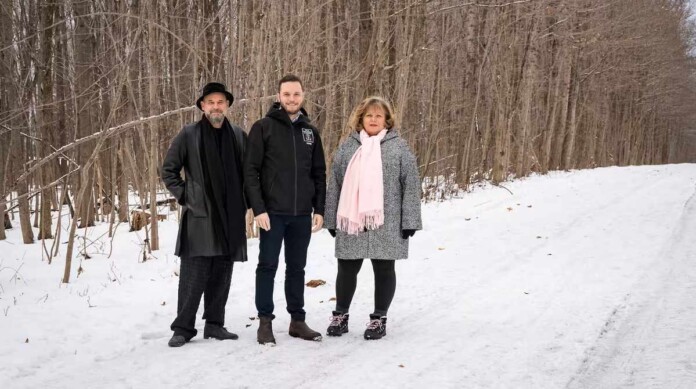
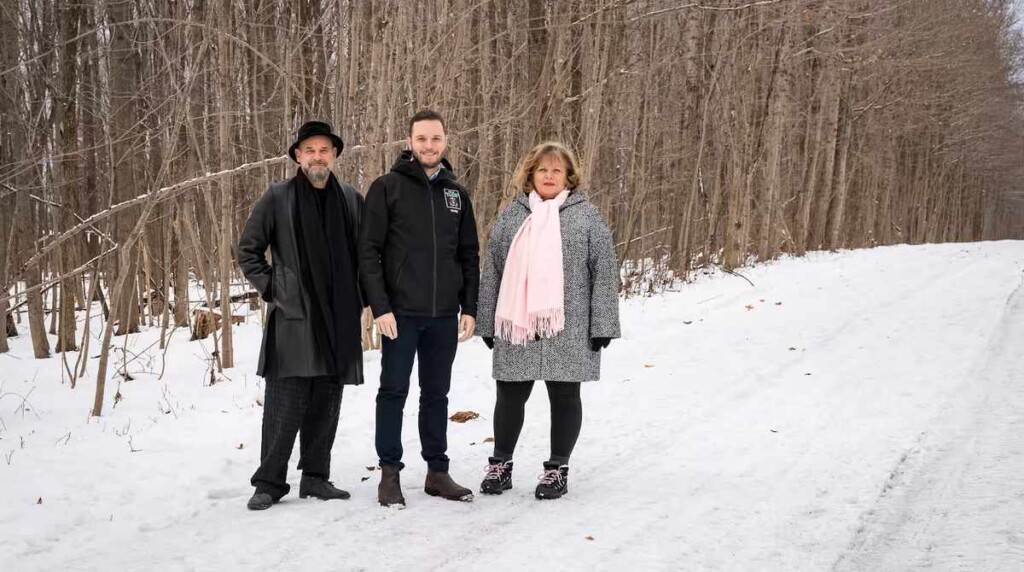
Guy Laliberté, the mayor of Saint-Bruno, Ludovic Grisé Farand, and Louise Dion, district 1 councilor - provided by Saint-Bruno
Guy Laliberté, the mayor of Saint-Bruno, Ludovic Grisé Farand, and Louise Dion, district 1 councilor – provided by Saint-Bruno
As is so often the case, the surpassing of a billion in personal net worth acts as the catalyst for charitable donations of land and capital, and Guy Laliberté is the most recent to follow the path of Rockefeller.
The founder of Cirque du Soleil, Laliberté is donating all the money required for his hometown to protect a large piece of natural riparian woodland and wetlands that sits adjacent to it.
A suburb of Montreal on the south bank of the Saint Lawrence River, Saint-Bruno-de-Montarville received $5 million from Mr. Laliberté, their most famous resident, for the purchase.
“It is with great pleasure that I offer this land to the City of Saint-Bruno, the city where I grew up and where I still live. I have been going to the park since my childhood and that is why I was quick to accept the City’s proposal when they offered to make this space a protected place that all residents could enjoy,” said Guy, according to Le Journal de Montreal in a translated report.
The Journal saw the transaction papers, and report that they stipulate the land must only and ever be used for park purposes.
“I would like to warmly thank Mr. Guy Laliberté who agreed to cede this magnificent wooded area to the City at no cost to our citizens,” said the mayor of Saint-Bruno, Ludovic Grisé Farand, in a press release.
Saint-Bruno is the administrative center of the Mont-Saint-Bruno National Park, which while small contains much of the same pristine habitat of coastal forest and wetlands, and is listed as category II by the IUCN.
SHARE This Inspiring Home-Town Philanthropy With Your Friends…
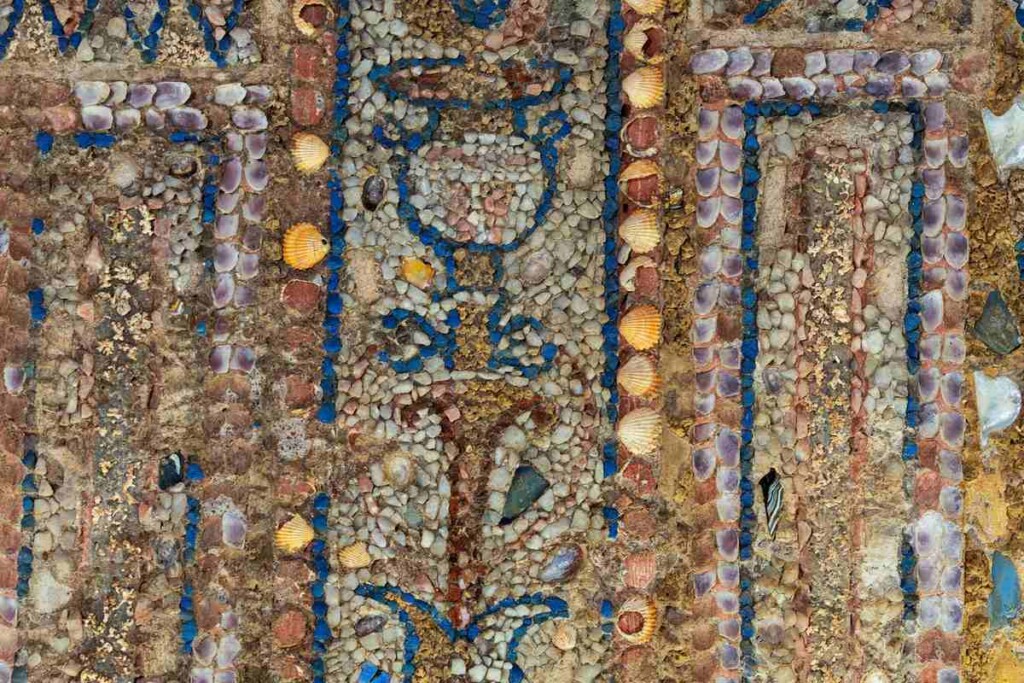
The 2,300 year old mosaic, released by Emanuele Antonio Minerva of MiC.
The 2,300-year-old mosaic, released by Emanuele Antonio Minerva of MiC.
Excavations into the side of the famous Palatine Hill in Rome have uncovered the banquet hall of a wealthy aristocrat that contained a mosaic made almost entirely of materials from the sea.
At 16 feet long and 2,300 years old, the incredibly detailed mosaic was made of seashells, coral, mother of pearl, blue glazed tiles from Egypt, flecks of marble, and Roman glass, and depicts sailors, ships, mythical sea life, trumpets, and tridents.
Those elements fit into a narrative scene that likely celebrated the naval victory of the owner of the banquet hall. A hill town surrounded by a wall overlooks the sea where two fleets of vessels pass, one in triumph, the other being devoured by sea monsters.
“In ancient times, when powerful noble families inhabited the Palatine Hill, it was customary to use rich decorative elements as a symbol to show off opulence and high social rank,” said archaeologist Alfonsina Russo, head of the Colosseum Archaeological Park in charge of the site.
She told CNN that water themes didn’t stop at the mosaic, but that the banquet hall overlooked a garden where lead pipes carried water out of various statues and fountains to create “water games,” another part of the fun for the wealthy aristocrats.
The 2,300-year-old mosaic, released by Emanuele Antonio Minerva of MiC.
Aside from the obvious beauty of the piece, the preservation of the mosaic was impressive.
“Mosaics are usually found on floors, but this runs across the entire front wall and has been incredibly well-preserved,” said Marco Rossi, professor of Roman antiquities and head of the mosaic lab at Rome’s Università degli Studi di Roma. “It’s not been ruined by the weight of debris—as can happen to some mosaics on the ground.”
Russo and Rossi believe that its location on the Palatine is the secret. Buried eventually by mud and soil as the land shifted, it trapped relics like the mosaic wall from being exposed to damaging oxygen.
At the moment, the most important piece of the puzzle for the archaeologists is missing: the identity of the person who could afford to pay for the materials and artisans for the wall mosaic’s construction.
Even before that will be located however, the room will be open to the public in late January, as it’s considered a truly staggering display of Roman luxury.
SHARE This Stunning Find From The Eternal City With Your Friends…
Quote of the Day: “When nature has work to be done, she creates a genius to do it.” – Ralph Waldo Emerson
Photo by: Luc Viatour (cropped)
With a new inspirational quote every day, atop the perfect photo—collected and archived on our Quotes page—why not bookmark GNN.org for a daily uplift?
Individual stories of hope and miracle color in this year’s review of the most popular good news on the internet. There are some that remind us the planet is changing for the better, and others that capture the goodness in people.
From a potential treatment to one of the world’s rarest and deadliest genetic diseases, to the recovery of species extinct in the wild, the list will hopefully having you pen New Year’s resolutions fit for a better world; a more positive world.
After selling his company for eight figures to a competitor, one Canadian entrepreneur is using his profit to build a community of tiny homes for those who need it most.
In the New Brunswick city of Fredericton, his factory is now churning out 1 tiny home every 4 business days in a bid to create the 12 Neighbours gated community of 99 homes and an enterprise center to give homeless Frederictonians a real second chance.
12 Neighbours founder Marcel LeBrun had a successful social media monitoring company which he sold to an American competitor, and is now putting his new money where his mouth was—every time he used to say something needed to be done about the homelessness problem in the city. READ more…
Prehistoric takahe bird by Kathrin Stefan Marks (CC license on Flickr)
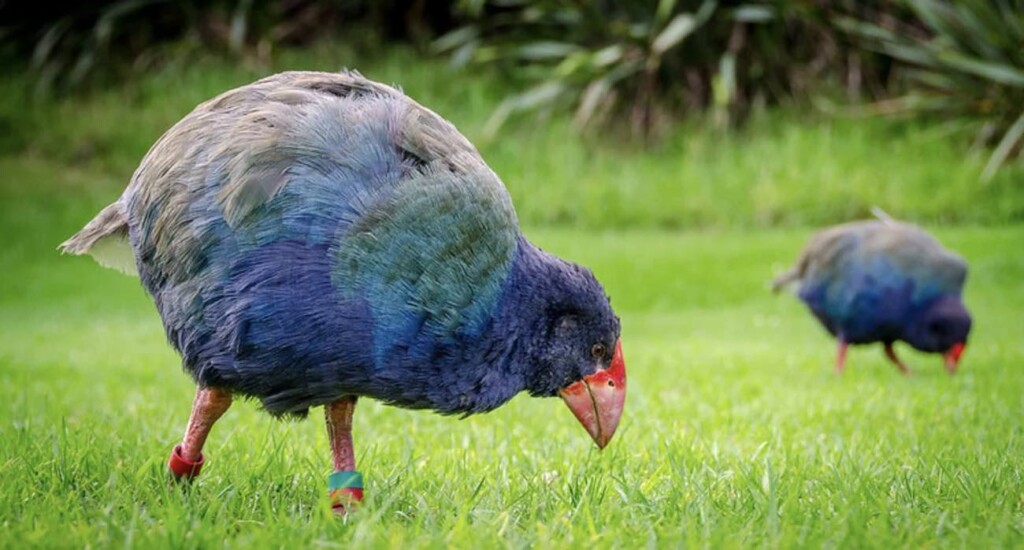
In a massive and historic conservation success story, eighteen takahē birds have been released into the wilds of a nature reserve on Lake Wakatipu.
This is hoped to be followed by seven more in October, and another 10 in the early months of next year as this rediscovered wonder continues its long road to recovery into the third separate breeding population in the wild.
The automobile was still a novel sight in London when the takahē was declared extinct.
This iridescent flightless bird is a symbol of New Zealand’s unique prehistoric past, but it evolved on an island without mammals, and with their invasive introduction came what might have been the bird’s ultimate demise. READ more…
Construction of a massive municipal park—over 20 years in the making, is finally underway in the city of Irvine.
They say if California became its own country, it would have one of the world’s largest economies. The new Great Park of Irvine is a reflection of the always lofty ambitions of the state, and is expected to dwarf Central Park by more than 500 acres.
It was on May 23rd this year that the “Great Park Project” broke ground on the long-derelict El Toro Marine Corps Base, 21 years after voters approved a ballot measure ordering the state to create a park on the site.
Expected to take another 10 years to complete, the park will span 1,300 acres and include several museums, an amphitheater, a veterans memorial garden, an aquatics center, a sports complex, and not one but two lakes. READ more…
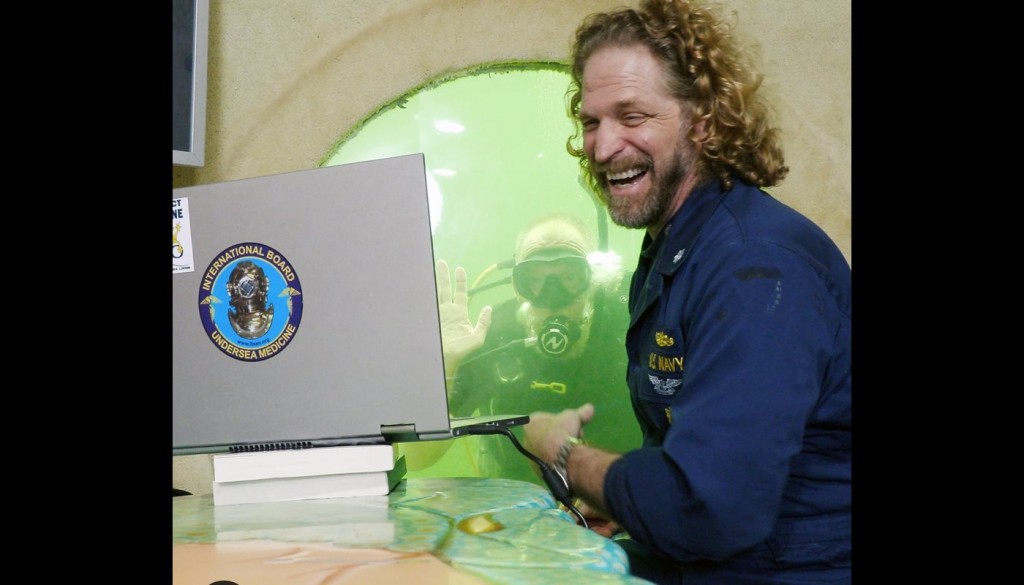
A man of science locked himself in a 592-square-foot underwater research station for 100 days to document the effects of pressurization on the human body.
Now, having emerged from his submerged experiment, scientists studying those effects have discovered a shocking change in the man’s body—he’s 10 years younger.
The man, Joe Dituri, a former US Navy diver and expert in biomedical engineering, had experienced a 20% growth in the lengths of his telomeres.
Telomeres shorten as we age, exposing the DNA to damage, and many longevity programs today focus on halting that loss. READ more…
Window opening in secret room – Francesco Fantani/Courtesy Musei del Bargello
The walls of a “secret” underground room discovered in 1975, covered in sketches by the persecuted Michelangelo, are now being unveiled to the public for the first time.
The Italian Renaissance master sculptor who carved David and decorated the ceiling of the Sistine Chapel hid in the tiny chamber for about two months in 1530 while evading a death sentence ordered by Pope Clement VII.
The pope, who was a member of the powerful Medici family, was enraged at the artist for aiding a rebellion against their reign, the same family whose magnificent tombs Michelangelo carved in the chapel just above his hiding place. READ more…
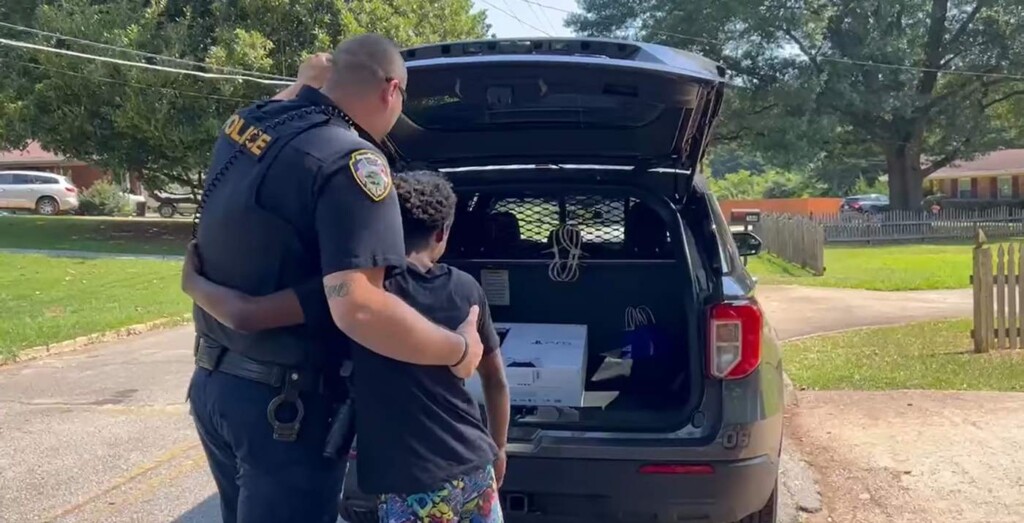
credit – City of Hapesville Police Department, Facebook
It’s not every day one reads that a young black man’s day was made after police officers were called to the scene.
That boy’s day might have been ruined in the Georgia town of Hapeville, where the unnamed lad was going door to door asking if there were any yard work that needed doing.
His hope was to save up money mowing lawns and trimming hedges to be able to afford a PlayStation 5, but of the neighbors had other ideas—specifically, picking up the phone and calling the police, and asking for him to be removed from the area.
Officer Colleran of the City of Hapeville Police Department was dispatched to the area where he quickly made contact with the boy, whom he described as “polite, respectful, and truthful.” READ more…
It turns out that Saturn isn’t the only married planet in the solar system. A European telescope has found a new dwarf planet right here at home, and it too has a ring.
The largest object found to orbit our sun since Pluto was discovered in 1930, Quaoar is the third-largest dwarf planet or planetoid of the 3,000 that orbit the sun out beyond Neptune.
But Quaoar’s is unique because it breaks a longstanding principle in astronomy that details when disks of dust and debris will inevitably coalesce and form a moon.
“As a result of our observations, the classical notion that dense rings survive only inside the Roche limit of a planetary body must be thoroughly revised.” READ more…
Augustine having recovered from Mitchell Syndrome – SWNS
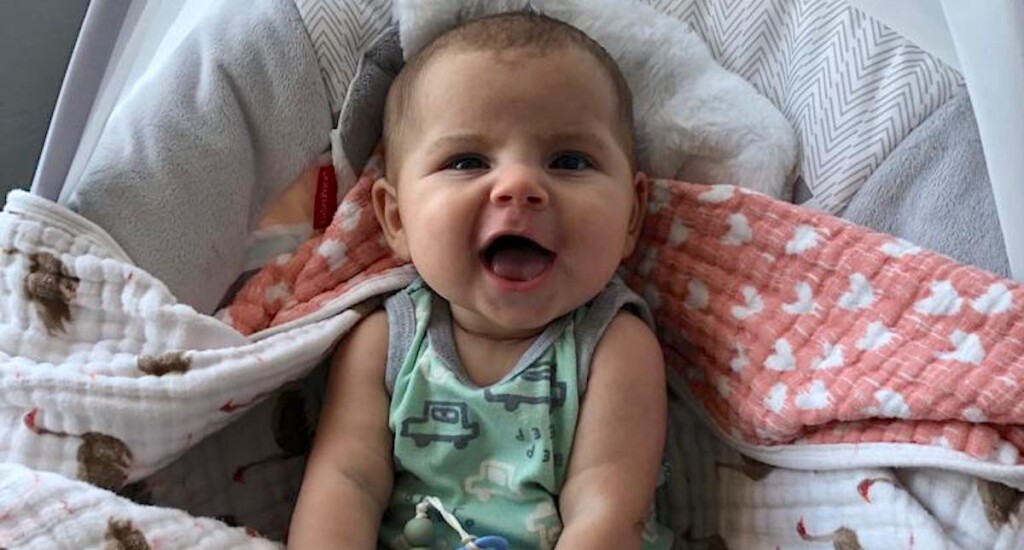
Vitamin B2, or riboflavin, is a key compound in energy metabolism, cellular respiration, and antibody production, and in the case of a 1-year-old baby from California, perhaps the reason he was able to recover from Mitchell Syndrome.
If that disease sounds unfamiliar to you, that’s because it’s one of the rarest diseases known to medicine. There have been just 20 recorded cases of this genetic disease, and it was only named back in 2019.
“At the time, the hospital were only aware of three patients with the disorder, who had all passed away, that was incredibly hard to hear,” said Kristen. “It wasn’t until weeks later that I started asking more questions.”
In the course of that asking she found the Mitchell and Friends Foundation, set up after the death of Mitchell Herndon, the first recorded death by this disease in 2019.
The foundation had detailed records of all 20 known patients, some of whom were still alive, and they shared with Kristen that vitamin B2 seemed to have some positive effect for ameliorating the worst of the disease.READ more…
A Philippine spotted deer, one of the world’s rarest animals, has been born to the delight of conservationists at Chester Zoo in England.
The adorable fawn was born in September weighing 4.4 pounds (2kg).
Now standing 12 inches tall (30cm), he has taken his first steps outdoors in their new enclosure alongside his doting parents—Nova and Cosmos.
As part of a special breeding program, the birth is said to provide a much-needed boost to an ultra-rare species classified as ‘highly endangered’ in the wild. As a result of conservation efforts, however, 32 Philippine spotted deer were safely reintroduced into a protected nature reserve in 2020.
“Since then, a number of births in the wild has almost doubled the population and we’re very happy to report that they are thriving.”READ more…
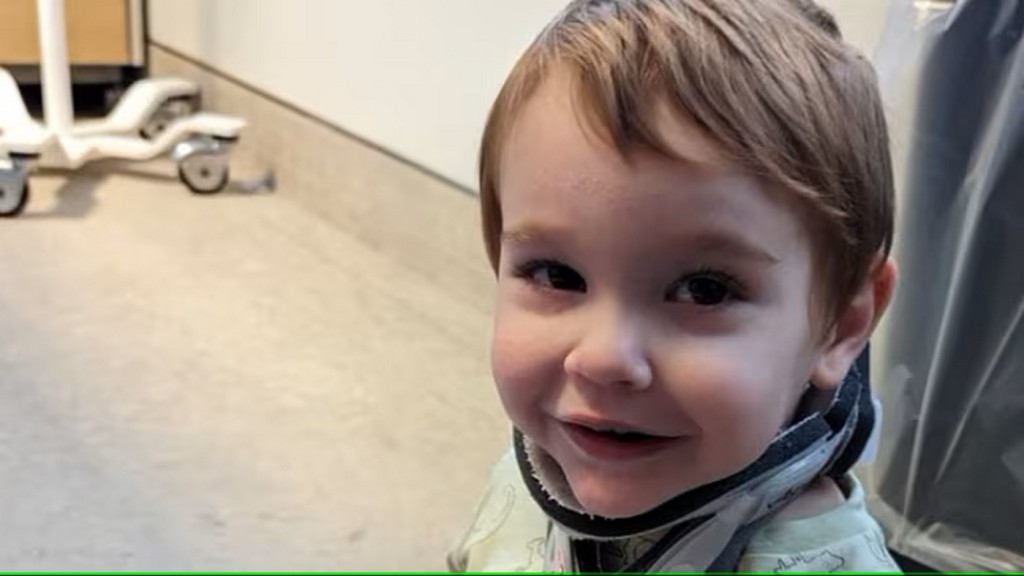
When 3-year-old Waylon Saunders arrived at the hospital, he was already legally dead and had been for a while.
Found face-down in an icy backyard swimming pool, the Ontario toddler’s body temperature was so low that paramedics’ thermometers couldn’t get a reading, and he had no pulse.
Nevertheless, a team at Charlotte Eleanor Englehart Hospital in Petrolia, Ontario performed CPR for 3 hours without stopping, while simultaneously using other methods to warm his frozen body.
If one didn’t know anything about CPR, someone watching the game or watching little Waylon be rushed into the hospital might have been certain they were never going to wake up. Movies and TV either show CPR working after less than a minute, or never working, but in reality CPR can revive people who have had their heart stopped for tens of minutes.
Waylon’s mother Gillian Burnett said the team holds a piece of her heart for all time for their determination. READ more…
SHARE This Year’s Most Popular Stories Of Recovery, Discovery, And Hope…
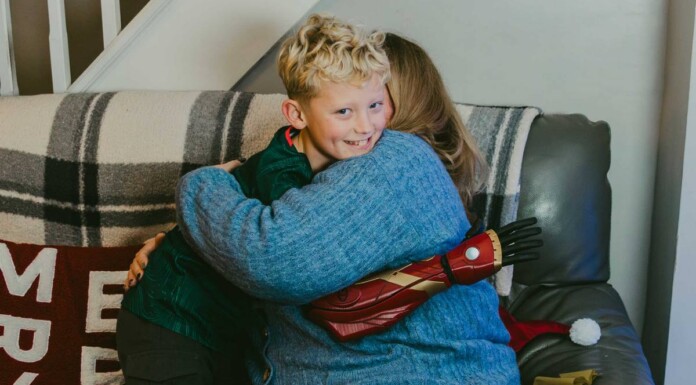
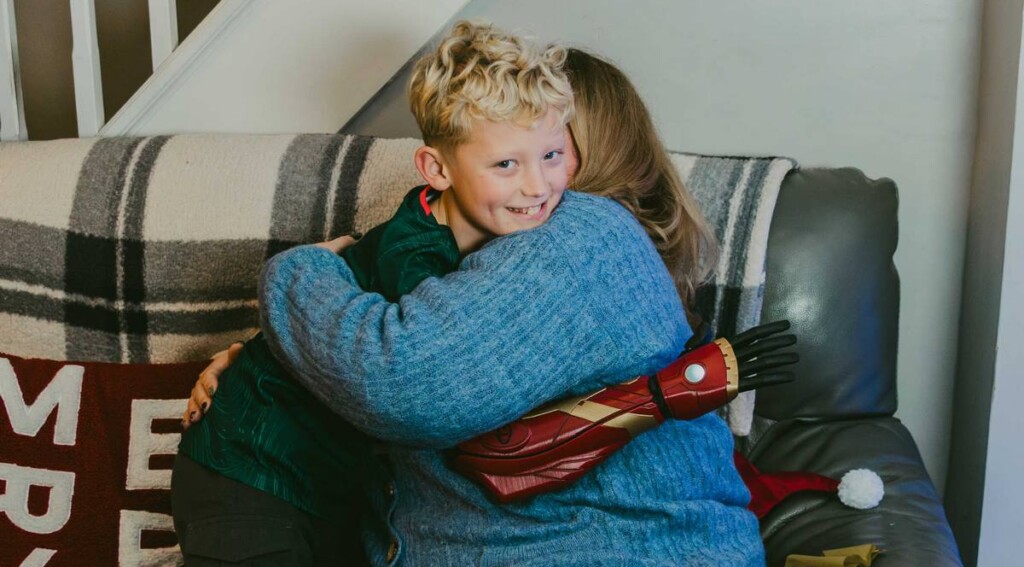
An English boy who was born without the lower half of his arm is going to be hugging and opening presents as fast as everyone else after receiving a state-of-the-art prosthetic ‘Hero Arm’ in time for the big day.
Harry, of Lancashire, had to first undergo a trial to show he could wield the hand before the National Health Service paid for the majority of it on his behalf. The Iron Man-themed design is just one option the manufacturers provide for kids and adults.
With several different grip modes and technology that detects movements of the muscles in Harry’s arm and translate them into intuitive responses, it’s exactly the kind of non-invasive prosthetic that a sporty 10-year-old needs.
Engineered and manufactured in the UK by Open Bionics, the Hero Arm is now available in over 800 locations in the USA, UK, Europe, Australia, and New Zealand.
“When he got it yesterday, he was just beaming, he couldn’t wait to show everybody,” his grandmother Susan Higham said in a statement.
“He’ll be able to now really get into the festive spirit, he can pull a Christmas cracker with both hands now, which he’s never been able to do before,” said Susan, using the English term for a party popper.
WATCH the story below from Fox LA…
SHARE This Daysaving Hero Arm Prostethic Arriving In Time For Christmas…
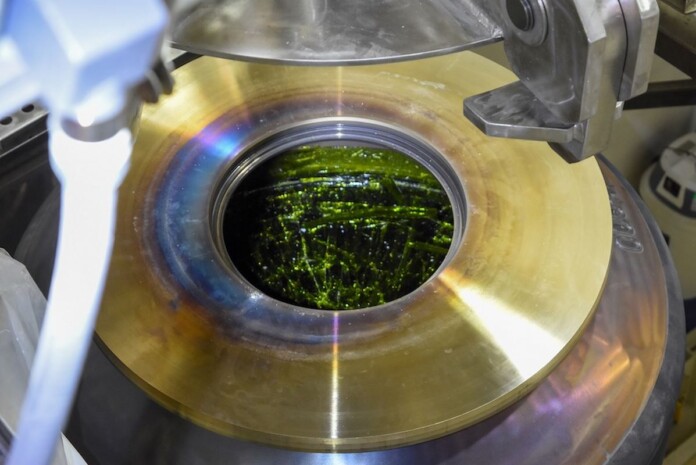
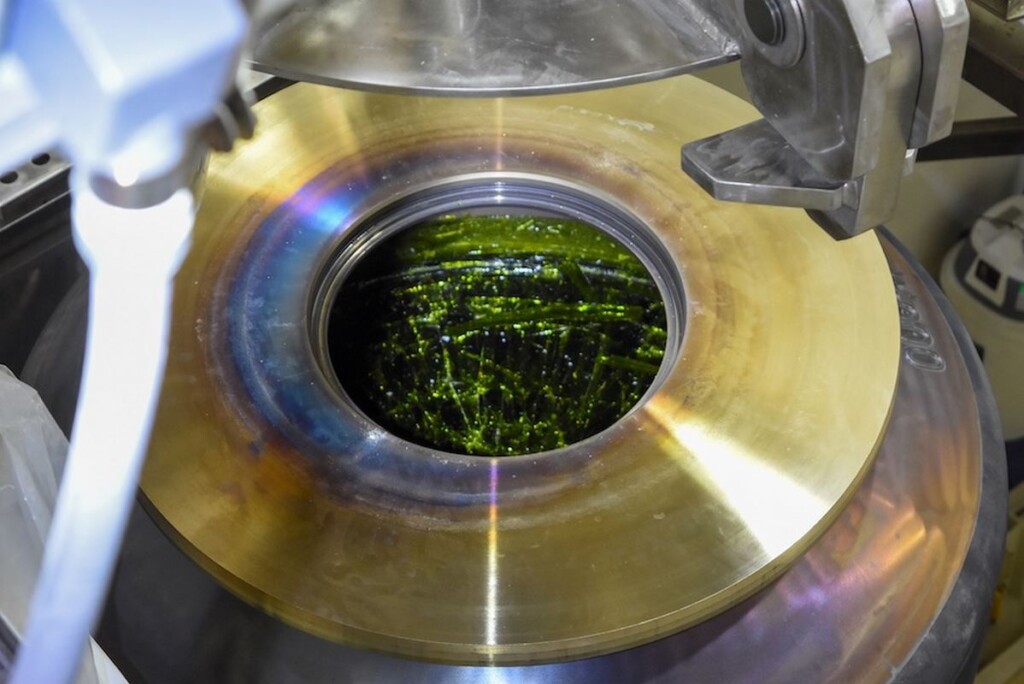
Glass beads that will be mixed with nuclear and chemical waste for disposal at Hanford federal site were produced for the first time at a giant treatment facility – released of Bechtel National
A public-private partnership will soon see one of the world’s largest nuclear waste treatment facilities begin operations, as liquid and solid waste is turned into large bricks of non-radioactive glass.
The Hanford nuclear cleanup site in Washington state, commissioned by the Department of Energy and built by Bechtel National, takes nuclear waste and mixes it with traditional glass-forming materials at high temperatures to make solid glass that can be safely stored underground.
Some people are concerned about the environmental and human health risks of nuclear power plants, but a much greater risk yet less discussed risk over the years has come from all the plutonium produced for nuclear warheads during the Cold War.
The runaway nuclear arms race during the 1950s, 60s, and 70s produced 56 million gallons of radioactive plutonium and other materials in both solid and liquid forms from now-decommissioned warheads, a veritable hot potato that the Department of Energy has been trying to deal with for decades.
When heated to 2,100 degrees Fahrenheit at the Hanford site, radioactive waste mixes with the glass material in a molten state before being poured into stainless steel canisters where it cools to become stable and storable.
The multi-billion dollar facility recently moved ahead to build the first of its two, 300-ton melters, after a successful test saw 30,000 pounds of this vitrified glass produced.
“With this first container of glass produced, we are entering the next era of risk reduction in the Hanford environmental cleanup mission as we work towards the start of tank waste immobilization,” said Brian Vance, DOE Hanford site manager, in a statement.
Of the over 100 tanks of liquid and solid radioactive plutonium waste stored underground at the Hanford site where the new facility is to be built, 20 had leaked, causing environmental harm that had to be addressed by the DoE. The first of the 300-ton melters is slated to be operational next year.
SHARE This Solution To A Horrendous Problem With Your Friends…
It’s easy to think that being in a wheelchair means the end of activities that involve intense physical movements—like big wave surfing or, in Rob O’Byrne’s case, crowdsurfing.
Rob is not someone who thinks this, however, and even though he lost all control of his body from his chest down, he still loves going to gigs, a favorite occasion from before his accident.
Rob has not let his disability impact his attendance at gigs. Being that he can sing but can only move one arm, he has taken up karaoke with a particular like of emulating the voice of Coldplay’s Chris Martin.
One of his favorite bands, they were in Dublin recently for a tour. Rob just had to be there. At a certain point, he told the Guardian, they released these big bouncy balls into the crowd. Concertgoers were having a riot playing keepie-uppie, and in the pursuit of this frivolity, two very large men fell over Rob trying to reach one.
The men were very apologetic, and decided to lift Rob, wheelchair and all, into the air to see better. A smaller stage sat just in front of the main stage connected by a causeway, and soon the two men began to carry Rob closer to the small stage, with the crowd either parting or pitching in to carry him.
“I raised my arm in the air,” Rob remembers. “Eighteen months earlier, I wouldn’t have been able to do that—I’d had a tendon transfer, which helped me get back some muscle that I lost in my arm. I was the first person in Ireland to have that operation.”
Even though the security guards were screaming to put him down, Chris Martin helped pull Rob up onto the stage—in front of 80,000 people. Martin apparently asked him a few questions about his age and profession, then asked Rob to join with him in a simple song.
“He handed me a harmonica. I don’t play, but he said he’d look down when he wanted me to blow on it. He made up a song on the spot: ‘We’re in Dublin with Rob, he’s a PT,’ stuff like that,” says O’Byrne, who is a personal fitness trainer for people with similar injuries. “It was short but sweet.”
After the show, he and his friends were elated going up Dublin’s O’Connell Street, Rob playing the harmonica—in which Martin had stuffed 50 euro—the whole way.
The news went viral and global, with a musician friends as far away as New Zealand calling to express their jealousy that their wheelchair-bound friend had played music with Coldplay in front of more fans than they had cumulatively played for across their whole careers.
WATCH the video below, courtesy of Coldplay and the BBC…
SHARE This Wheelchair User Who Wouldn’t Quit Going to Gigs With Your Friends…
Quote of the Day: “It is the set of the sails, not the direction of the wind that determines which way we will go.” – Jim Rohn
Photo by: Vidar Nordli-Mathisen
With a new inspirational quote every day, atop the perfect photo—collected and archived on our Quotes page—why not bookmark GNN.org for a daily uplift?
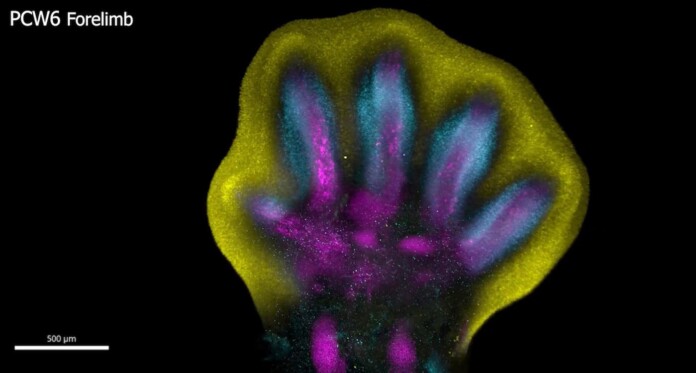
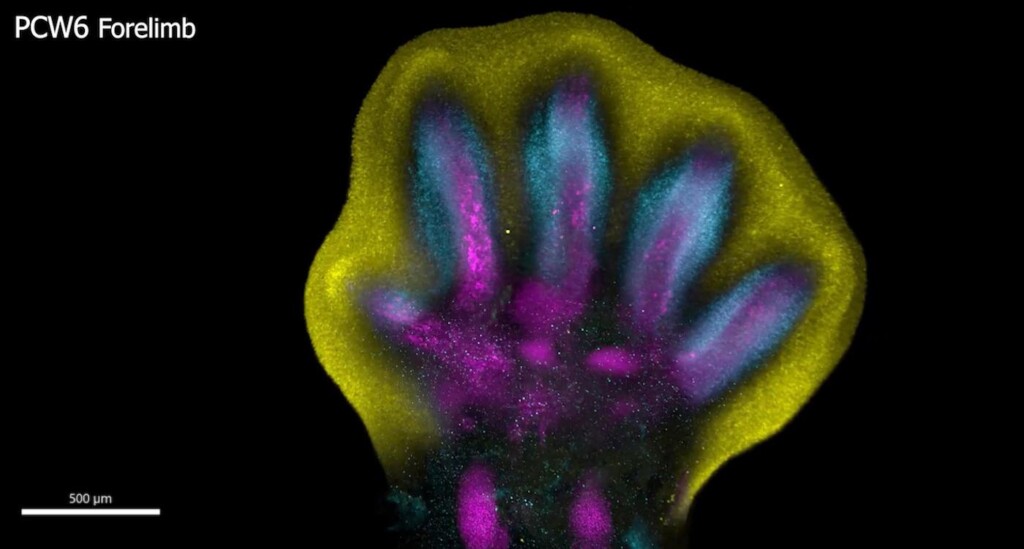
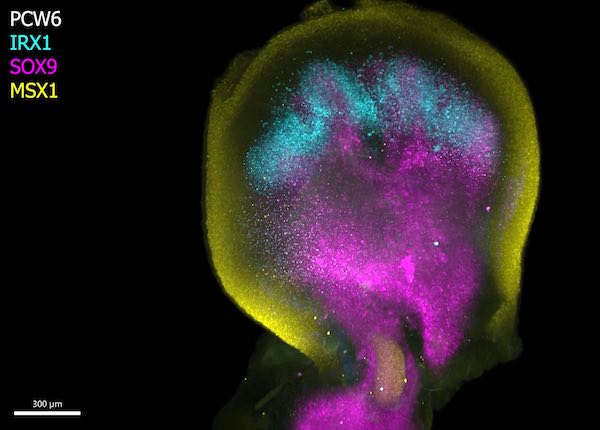
How specific genes work together to shape our fingers and toes: IRX1 (blue) helps in forming our digits, SOX9 (purple) is important for building our bones, and MSX1 (yellow) is related to certain cells between the fingers and toes. (SWNS)
Scientists have uncovered unprecedented insights into the formation of human hands and feet and the intricate processes that govern their development.
Human fingers and toes do not grow outward; instead, they form from within a larger foundational bud, as intervening cells recede to reveal the digits beneath.
After around seven weeks of cell development, an “orchestrated cell death” finally unveils the well-defined shapes of fingers or toes.
This is among many processes captured for the first time as scientists unveil a spatial cell atlas of the entire developing human limb.
Special staining of the tissue revealed clearly how cell populations differentially arrange themselves into patterns of the forming digits.
The research could offer potential for treating muscle-related disorders or injuries, and impact the diagnosis and treatment of congenital limb syndromes.
In the study, which is part of the Human Cell Atlas initiative to map every cell type in the human body, researchers at the Wellcome Sanger Institute, Sun Yat-sen University, EMBL’s European Bioinformatics Institute and collaborators, applied cutting-edge single-cell and spatial technologies to create an atlas characterizing the cellular landscape and pinpointing the exact location of cells of the early human limb.
The atlas, published this month in Nature, provides an openly available resource that captures the intricate processes governing the limbs’ rapid development during the early stages of limb formation.
2 months into development, some molecules cause specific cells in the spaces between fingers or toes to disappear. This process makes the distinct shapes of our fingers and toes visible.
The atlas also uncovers new links between developmental cells and some congenital limb syndromes, such as short fingers and extra digits.
Limbs are known to initially emerge as undifferentiated cell pouches on the sides of the body, without a specific shape or function. But after 8 weeks of development, they are well differentiated, anatomically complex and immediately recognizable as limbs, complete with fingers and toes.
This requires a very rapid and precise orchestration of cells. Any small disturbances to this process can have a downstream effect, which is why variations in the limbs are among the most frequently reported syndromes at birth, affecting approximately one in 500 births globally.
While limb development has been extensively studied in mouse and chick models, the extent to which they mirror human situation remained unclear. However, advances in technology now enable researchers to explore the early stages of human limb formation.
In this new study, scientists from the Wellcome Sanger Institute, Sun Yat-sen University, and their collaborators analyzed tissues between 5 and 9 weeks of development. This allowed them to trace specific gene expression programs, activated at certain times and in specific areas, which shape the forming limbs.
As part of the study, researchers demonstrated that certain gene patterns have implications for how the hands and feet form, identifying certain genes, which when disrupted, are associated with specific limb syndromes like brachydactyly—short fingers—and polysyndactyly, extra fingers or toes.
The team were also able to confirm that many aspects of limb development are shared between humans and mice.
Overall, these findings not only provide an in-depth characterization of limb development in humans but also critical insights that could impact the diagnosis and treatment of congenital limb syndromes and offer potential for treating muscle-related injuries.
“Decades of studying model organisms established the basis for our understanding of vertebrate limb development,” explained Professor Hongbo Zhang, senior author of the study from Sun Yat-sen University in Guangzhou, China. “However, characterizing this in humans has been elusive until now.”
“What we reveal is a highly complex and precisely regulated process. It is like watching a sculptor at work, chiseling away at a block of marble to reveal a masterpiece. In this case, nature is the sculptor, and the result is the incredible complexity of our fingers and toes.”
Dr Sarah Teichmann, senior author of the study from the Wellcome Sanger Institute, and co-founder of the Human Cell Atlas, said, “For the first time, we have been able to capture the remarkable process of limb development down to single cell resolution in space and time.
“Our work in the Human Cell Atlas is deepening our understanding of how anatomically complex structures form, helping us uncover the genetic and cellular processes behind healthy human development, with many implications for research and healthcare.
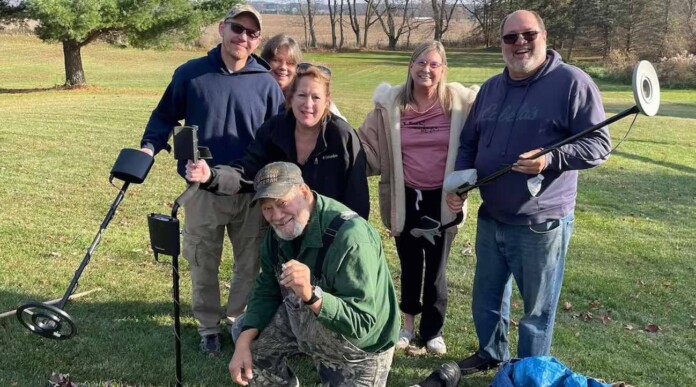
Joseph Novetske (bottom) got his wedding band back thanks to strangers in Michigan – Photo by Mary Ann Novetske
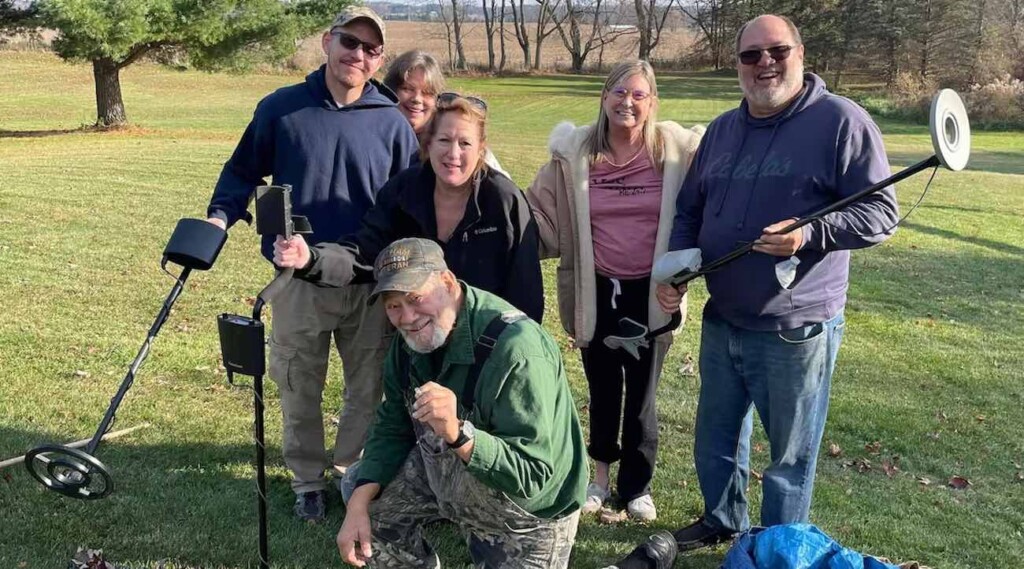
Joseph Novetske (bottom) got his wedding band back thanks to strangers in Michigan – Photo by Mary Ann Novetske
Normally raking the yard is the kind of elbow grease that leaves a sense of accomplishment in its wake, but when Michigan resident Joseph Novetske finished raking his yard, he was left dispirited.
That’s because the 80-year-old realized he lost the wedding ring he had worn for 42 years of graced matrimony with his wife, Mary Ann Novetske, 71.
Searching as best he could, the day crawled to an end, so Mary stepped in to help on the morrow. She went on Facebook to the group What’s Happening in Charlotte Michigan Right Now which has a few hundred of the town’s 9,200 residents.
Asking if anyone had a metal detector, Mary also explained what had happened and then went to church with her husband. When they got out, the post had blown up with people offering to drop everything they were doing to come help look among the blades of grass and piles of leaves. Several brought metal detectors.
“They didn’t know us, but here they were, willing to help,” said Mary Ann Novetske. “It was exciting to see so many people care about this.”
She told the Washington Post that from that moment it really felt like it was their community.
The band was handcrafted ahead of the wedding in 1981, and the couple chose vines ensnaring a cross. Even with its shiny exterior and the sun on the afternoon of November 5th, the metal detectors and the volunteers were unable to find it.
The search dragged on on hands and knees, and eventually they had to pass over the piles of wet leaves. In the third hour of searching, Joseph, the ring’s owner, saw something in the grass.
“I saw the band reflecting light because it was a beautiful sunny day,” he told the Post. “There it was!”
Novetske told the Post that the ring had been loose for a good while, and the first thing the couple did after showing their gratitude to the helpers, was go straight to the jewelers to get it resized.
Undoubtedly they found more than just the ring that day, but friends, a community, and hope.
SHARE This Sweet Scavenger Hunt With Your Friends On Social Media…
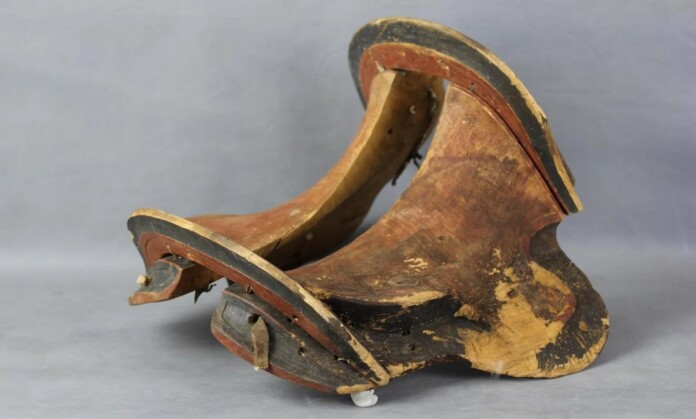
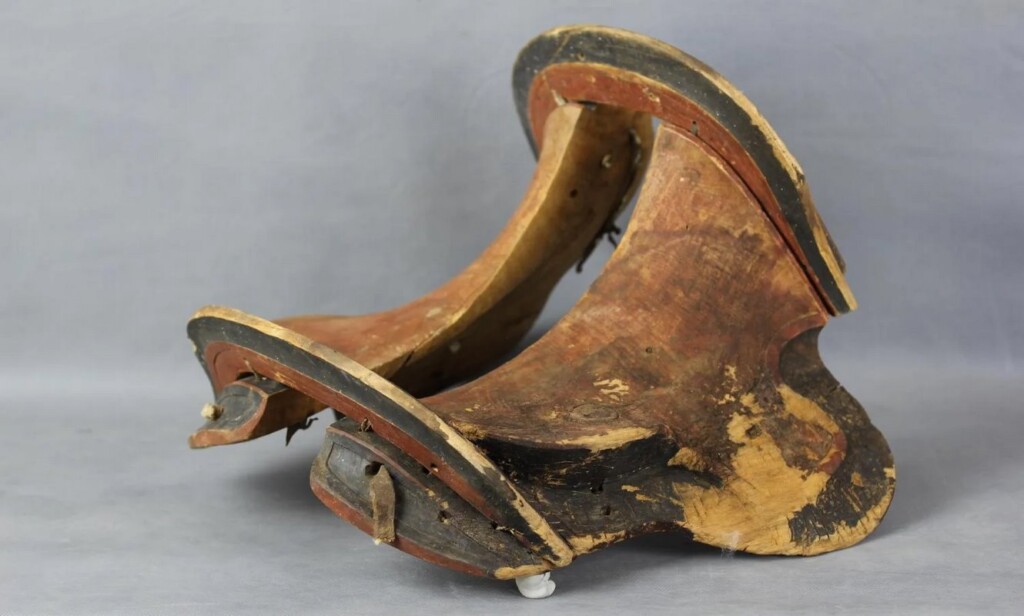
Not only were priceless artifacts of Mongolia’s past recently saved from looters, but among the objects found was a rigid and sophisticated riding saddle made of elegantly carved birch.
Dating to the 4th century BC, it places Mongolia, a nation whose sons and daughters conquered much of Eurasia on horseback, at the center of ancient riding innovations, as a rigid saddle allowed the rider to do much more, including fighting at high speeds and for sustained periods.
Equestrians have been putting pads on horses to protect their backsides since the earliest periods of horse domestication, but the leaps from pad to seat, and from seat to saddle, were neither obvious nor immediate for these ancient riders.
In April 2015, looters sacked an ancient cave burial in the holy Altai Mountains at a known site called Urd Ulaan Uneet, but whatever else they took, they didn’t take the saddle. When it was confiscated by police, the authors went back to the site and discovered the mummified remains of a horse, suggesting that horse and rider were revered together.
Birch grows plentiful in the Altai, and so it’s assumed to have been made by locals and not traded for, and the accompanied technological props have been awarded to the 4th century Mongolians, the date which a radiocarbon analysis of the saddle and the horse bones provided.
“Ultimately, technology emerging from Mongolia has, through a domino effect, ended up shaping the horse culture that we have in America today, especially our traditions of saddlery and stirrups,” said William Taylor, an archaeologist at the Univ. of Colorado, Boulder who co-authored the paper describing the saddle.
The authors write in their paper that long periods on horseback took their toll on both horse and rider. The evidence from burials of the emerging horse cultures of the Eurasian steppes shows that riders often developed skeletal deformities of the lower limbs, hips, and lower back thought to be caused by horseback riding.
Rigid composite frame saddles were made of wood, and elevated some of the rider’s weight off the horse’s spine, while simultaneously reducing the kinetic impacts on the human skeleton from riding.
In the cave, the seat of the saddle is carved from two pieces of wood joined together at the top with nails, while the pommel and the cantle, the curved pieces that make up the front and back of the saddle, were single pieces.
No physical remains of the stirrups were recovered from Urd Ulaan Uneet, but leather strapping attached halfway up the saddle seat suggests there would have been. Iron stirrups dating to slightly after this period have been found in other parts of Mongolia.
“It’s not the only piece of information suggesting that Mongolia might have been either among the very first adopters of these new technologies—or could, in fact, be the place where they were first innovated,” Taylor told his university press.
Horses can travel fast along Eurasia’s steppeland, from Mongolia and China in the east, all the way to Hungary and Ukraine in the west. Technology carried with them would have also moved fast, and it’s likely, the authors write, that the frame saddle and stirrups in combination were invented in Mongolia and transported rapidly westward.
Unfortunately for the people along their route, it was often transported at the tip of a spear, the edge of a sword, or the head of an arrow. The steppe tribes across Eurasia, which include such peoples as the Scythians, Xiongnu, the Huns, Bulgars, Cumen, Magyars, Khitan, and the Mongols, have always been warlike, and along with being able to ride while encumbered, the stirrup’s main advantage is to free the use of a skilled rider’s hands to strike in hand-to-hand combat, or fire a bow with much greater stability.
SHARE This Terrific Find And Page In The History Of Horses…
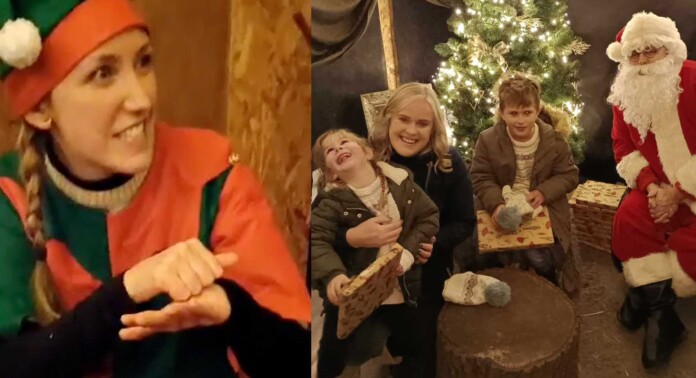
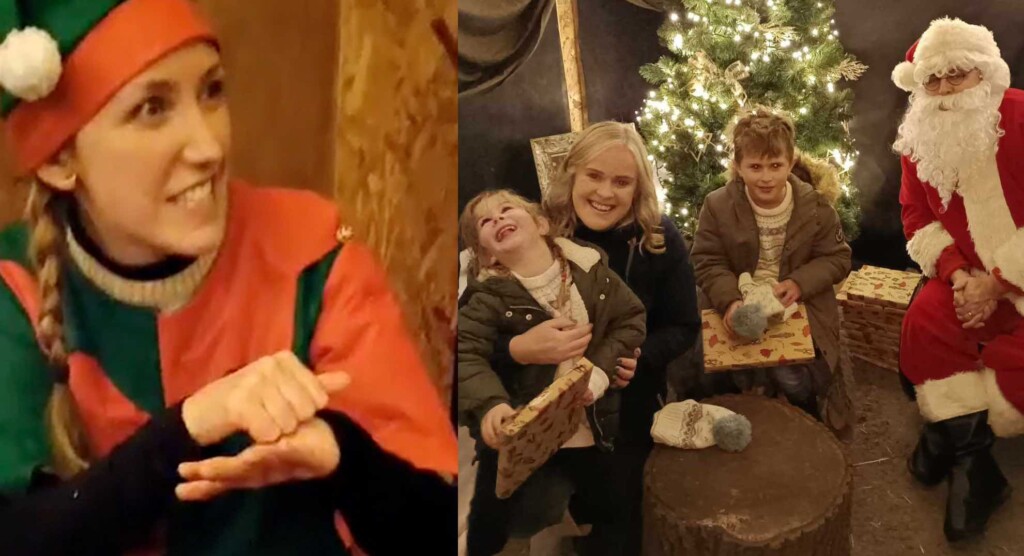
A little deaf girl has been able to tell Santa all by herself what she wants for Christmas for the first time—thanks to an elf who was trained in sign language.
Emily Andrews, four, was captured in a heartwarming video reeling off her wish list via Melanie Boyeson, who acted as an interpreter for the youngster.
The ‘magical’ clip shows Emily asking for a doll, pram, earrings and a blue dragon using sign language while Melanie relays the message to Father Christmas.
Mom Tanya Andrews, 35, said it ‘amazing’ to see ‘everyone become part of Emily’s world’.
She said: “It was just a magical experience. Emily being able to communicate freely with the elf and tell Santa what she wanted was just amazing.
“After the experience, I was in tears. It was so magical to see Emily’s face light up.
“At first she was a little bit shy, probably because she’s never been able to communicate with Santa before, but Melanie was so encouraging.
“A huge thank you to everyone involved for making this magical moment possible.” (WATCH it in a video below…)
Mom said she was able to ‘be in the moment’ instead of having to translate what Santa has said to Emily.
“I was actually able to step back and record it on my phone, and enjoy it instead.”
Emily, who was born profoundly deaf, met Father Christmas with her older brother Hugo at a Santa event held at his school in Goole, East Yorkshire, in England.
The Airmyn Park Primary school heard about the deaf girl and took to social media to search for an interpreter for their festive fair.
“Through the power of Facebook we found Holly the Elf, and she volunteered to visit our grotto and interpret for Emily,” said school official Natalie Dodds.
Even Santa practiced a few of the basic greetings in BSL too, and was able to sign ‘Merry Christmas’ at the end of their meeting.
“It made Emily feel included and everyone became part of her world.”
WATCH the magical moment in mom’s video below…
SHARE With Everyone in the Deaf Community on Social Media…
Quote of the Day: “The whole point of getting things done is knowing what to leave undone.” – Oswald Chambers
Photo by: Jonas Smith
With a new inspirational quote every day, atop the perfect photo—collected and archived on our Quotes page—why not bookmark GNN.org for a daily uplift?
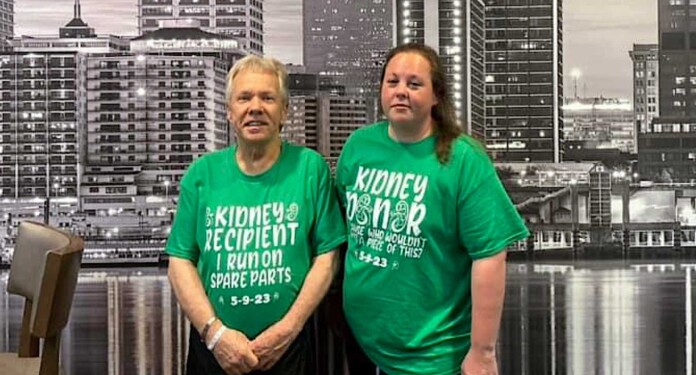
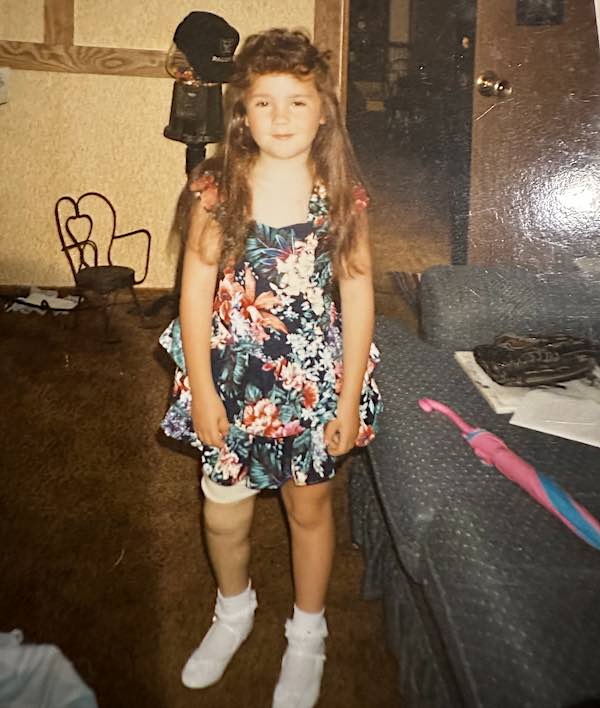
Krystal was 6 years old when Dave Polen began transporting her over 170 miles from her home in Somerville, Indiana, to a hospital.
She was born with Amniotic Band Syndrome and was directed to Shriners Children’s in St. Louis for treatment on her leg and possible amputation.
Dave started volunteering as a driver 30 years earlier, transporting patients so they might improve their quality of life.
Getting back and forth to St. Louis would have been difficult for Krystal’s family as her father worked long hours. So, they accepted an offer for hospital transportation from the local Shriners charity group.
Over the course of 10 trips, the conversations were plentiful on their 3 hour back-and-forth trips to the hospital. Dave was a ‘Driver Dad’ but soon became more. He became a friend—and their unexpected friendship has lasted for over three decades.
In fact, decades after meeting the “sweet little girl” with a prosthetic leg, Dave was a guest at Krystal’s wedding.
As the years rolled on, Dave became sick. Eventually, his doctors gave a diagnosis of end-stage renal failure. They said Dave would need dialysis for the rest of his life or a kidney transplant. Dave also got the warning that an available kidney might take five years to obtain.
Krystal in family photo
Dave reached out to Krystal to talk through the process because her husband had just received a liver transplant that saved his life.
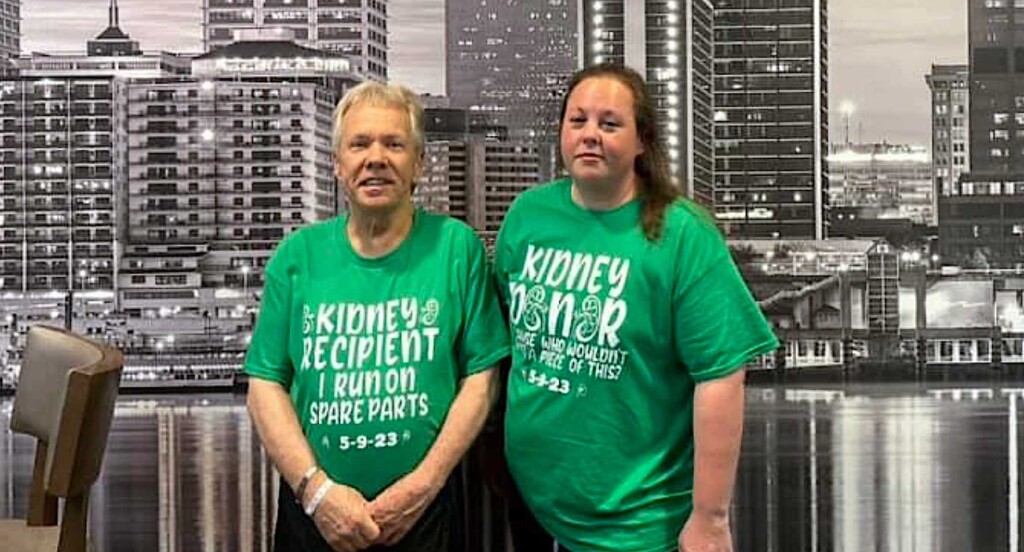
Krystal immediately saw an opportunity to return the favor. She found out they shared the same blood type and, without hesitation, offered to donate her kidney.
“Pack your bags, Dave. You’re going to get a slightly used but new kidney,” laughed Krystal.
“Since I was little, I’ve always questioned why Dave was so good to us because he was so kind and so willing to help out with anything. I’ve always questioned why.
“What I’ve come to understand is: If I was born with one leg so I could give my kidney to Dave, then so be it,” said Krystal.
“This is a gift I can’t ever repay,” said Dave. “I am so thankful! Now, I feel like I can do anything.”
SEND THE BEAUTIFUL STORY to Friends for Inspiration on Social Media…