











175 years ago today, Giuseppe Verdi’s Rigoletto premiered in Venice. This cornerstone of opera seasons present and past tells the story of a court jester who tries to interfere with a duke’s courting of his daughter, but it doesn’t go as he plans. There is cross-dressing, assassins, and one of the most iconic melodies in the tenor range, La donna è mobile. LISTEN to the aria below… (1851)
Good News in History, March 11

Rare Species of Pink ‘Fairy Club’ Fungus Discovered in UK for First Time

A rare, pale pink, fairy club fungus native to Italy was found during a mushroom survey in England last autumn, the first recording sighting anywhere in Great Britain.
The tennis ball-sized fungus has now been confirmed through DNA testing, as there are other species that look similar to it.
The “exceptional” discovery was made by a group of Naturewatch volunteers from Somer Valley Rediscovered in England’s southwest.
DNA extraction was done in Scotland and then sent to the University of Aberystwyth in Wales for sequencing, making the discovery a truly pan-British effort.
“This discovery further demonstrates that the South West is home to some of the most spectacular and diverse examples of these unique grassland fungi communities anywhere on the planet,” a local enthusiast named Dan Nicholas who led the mushroom survey told England’s Southwest News Service.
“We are truly blessed to have such a colorful spectacle of nature’s calendar right on our doorstep, something we need to cherish and protect at all costs.”
Clavaria calabrica is a small member of an informal group of fungi called fairy clubs, or coral fungi, that was first identified by scientists in Italy in 2017. Clava is the Latin word for “club,” and calabrica refers to the Italian region of Calabria.
It is usually found in grasslands that have been managed gently over time and are rich in wildlife. While the species has previously been recorded in Northern Ireland, this is the first time it has been confirmed in mainland Britain.
The fungus was discovered as part of the Somer Valley Rediscovered project, a partnership made up of local town and parish councils that aims to improve biodiversity whilst better connecting communities to their local green spaces and landscapes.
CRAZY BRITISH MUSHROOMS: Giant Puffball Mushroom Feeds Her Family for a Week
People across the region are being encouraged to take part in the West of England Wildlife Index, a citizen science program tracking wildlife at 20 sites across West England, contributing to the region’s State of Nature report.
Volunteers are asked to help count bees, butterflies, plants and wetland birds as part of well-established national monitoring programs, with guidance and support from the project’s ecologist.
FUN(GI) STORIES: Bionic Arms Enable Mushrooms to Create Music Using Their Own Energy (LISTEN)
“Finding a species never before recorded in Great Britain here in the West is something we can all be proud of. This shows again just how rich and unique landscapes across our region can be,” said Helen Godwin, Mayor of the West of England, a combined administrative authority that makes up Somerset but also Bristol and other areas around the River Avon.
“The work of the West of England Nature Partnership helps make sure these habitats are understood and protected. I encourage everyone to get involved in the West of England Wildlife Index, helping us record and safeguard the nature that makes our region so special.”
MAKE Room For This Mushroom On Your Social Media Channels Below…
New Baby Boom for Cheetahs in India After First-in-the-World Reintroduction


A female cheetah named Jwala in India’s Madhya Pradesh state has given birth to a litter of 5 cubs, the third since she arrived in the country.
India’s Minister for the Environment wrote on X that the birth increases “the number of Indian-born thriving cubs has risen to 33, marking the 10th successful cheetah litter on Indian soil.”
There have been highs and lows for the growing cheetah population in India, reintroduced in 2022 via several groups of animals from African strongholds of Namibia, Botswana, and South Africa.
Their first destination was Madhya Pradesh’s Kuno National Park, where they were historically located before going extinct in the mid-20th century.
Though iconic to Africa, much like the lion and leopard, these cats spanned the Asian landmass as well, and in fact still live today as an isolated, Critically-Endangered population in Iran.
In India they were hunted for centuries for their pelts, and for sport. The government of long-serving Prime Minister Narendra Modi made “Project Cheetah” a keystone demonstration of his administration’s commitment to the environment.
However, mortality among the reintroduced cats has been high—a consequence typical of these sorts of projects—yet one which Modi has nevertheless taken substantial criticism over. 28 cheetahs were brought from Africa, but more than half have passed away. Some ecologists warned that they would have difficulty adapting to the predator density in Kuno, which harbors a robust leopard population.
There are now 53 cheetahs living in the wild and semi-wild habitats in both Kuno and Gandhi Sagar Wildlife Sanctuary. They total 11 animals remaining that were translocated from Africa, and 33 India-born cubs, some of which are reaching sexual maturity.
INDIAN WILDLIFE: The Tiger Population Doubled in India in Just Ten Years
“This achievement reflects the dedicated efforts, skill, and commitment of the veterinarians, field staff and all involved who continue to work tirelessly on the ground,” said Minister Bhupender Yadav on X.
The birth follows a mid-February litter of 3 cubs to another Namibian female cat named Gamini, the second since she arrived in India.
“A moment of pride for Kuno, and for India—may Gamini and her three little sprinters grow strong and carry the nation’s cheetah revival story forward with speed and grace,” Yadev said at the time.
ALSO CHECK OUT: Six Baby Cheetahs Born in the Richmond Zoo’s Prolific Breeding Program – 167 Cats Since 2013 (WATCH)
According to Japan Times which reported on Gamini’s litter, the National Tiger Conservation Authority of India, which oversees the cheetah project, said that survival rates and hunting successes are “comparable to other international cheetah reintroduction efforts, with recorded wild prey kills confirming successful adaptation to the Indian landscape.”
Another cheetah reintroduction program is taking place in Saudi Arabia, where cheetahs also once lived but went extinct.
SHARE This Story Of Ambition And Determination To Revive The Cheetah…
Once-in-a-Decade Superbloom Carpets Death Valley in Beautiful, Colorful Life (LOOK)


The largest and most vibrant spring wildflower bloom in a decade is taking place in Death Valley National Park after a confluence of ideal weather conditions left the bulbs and roots ready to explode.
The National Park Service said that ideally-spaced annual rains and gentler wind patterns as winter was giving way to spring allowed flowers the perfect mixture of fuel and calm to bloom.
In lower elevations the blooms are already bursting, and will continue to be vibrant until around late March. Meanwhile, at higher elevations, the blooms are still getting started and will only become earnestly “super” in April.
According to Scientific American, some of the flower species that can be seen are desert gold, wavyleaf desert paintbrush, grape soda lupine, and desert star.
The hottest place in North America, and in certain years the world, Death Valley lives up to its name with precious little water and scorching temperatures. It seems unlikely that anything could grow in such terrain, yet nature is resilient.
(Click below to watch a video from Accu Weather…)
And, no doubt the epic blooms will result in a buzz of insects feeding on nectar and pollen, which will in turn allow bird life to live high on the hog during nesting season.
GNN previously reported that a tiny fish known to live only in secluded below ground pools lives in Death Valley, and recently grew in population according to NPS surveys; proof that Death Valley is livelier than it appears.
CALL Your California Friends And Plan A Drive Out To This Exquisite Show…
Kind Restaurant Owners Take Entire Staff on Paid Bahamas Vacation


As the busy holiday period wound to a close at The Standard restaurant in Toledo, the owners surprised their staff with a three-day cruise to the Bahamas.
Admitting that their team of cooks, servers, and hosts were the “lifeblood” of the business, Chef Jeff Dinnebeil and his wife, co-owner of The Standard Megan Lingsweiler, got the idea to reward their team after enjoying a cruise vacation with their own children last year.
The couple even took a few loyal customers and former team members out with them to the Royal Caribbean cruise, which stopped at the islands of Nassau and Bimini.
“Everybody went on there as employees, and when we left and went back home, everybody was like family,” Andrew Jackson, one of the restaurant’s cooks, told the Toledo Blade’s Sheila Howard.
Jackson had neither flown nor been on a boat in the ocean before, so the experience was a life-changing one. It felt the same for server Allison Latta, who like Jackson, said the experience turned her team members into family members.
“I had been on cruises before, but this alone was probably my top vacation,” she told the Blade. “It was just such a unique experience getting to see 60 of your co-workers around the boat.”
GENEROUS BOSSES:
- Boss Gifts Employees $240M in Bonuses After Selling Family Company
- Generous Boss Gives $12.7 Million to His Staff, Saying ‘Thank You’ As He Retires
- Boss Buys Car for Employee Who Suddenly Was Tardy, ‘Because We Love You’
Serving upscale American cuisine with a focus on surf and turf, The Standard is a popular spot on Monroe Street in northwest Toledo.

Dinnebeil and Lingsweiler credit the success of their restaurant to the quality of the team, who also received Christmas bonuses in addition to the cruise. The restaurant was closed to ensure that no team member had to stay behind while the others went and partied it up on the high seas.
Along with the island visits, the trip included Karaoke nights, scavenger hunts, large catered dinners, and a basketball competition.
SHARE These Generous Souls Choosing People Over Profit (Then Book A Table)…
“To the mind that is still, the whole universe surrenders.” – Lao Tzu

Quote of the Day: “To the mind that is still, the whole universe surrenders.” – Lao Tzu
Photo by: Léonard Cotte
With a new inspirational quote every day, atop the perfect photo—collected and archived on our Quote of the Day page—why not bookmark GNN.org for a daily uplift?

Good News in History, March 10
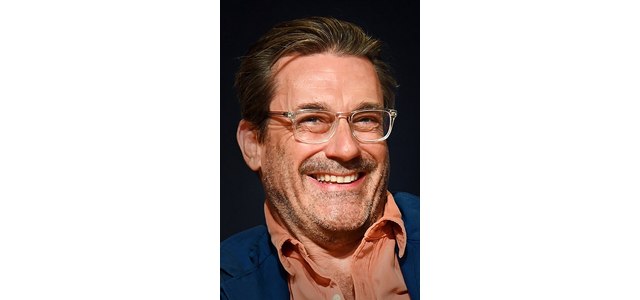
Happy Birthday to Hollywood star Jon Hamm who turns 55 today. He rocketed to fame playing the 60s advertising executive Don Draper in the TV hit Mad Men, for which he won two Golden Globes and an Emmy, after 15 nominations. He also had a recurring role on NBC’s 30 Rock and is reportedly reuniting with his co-star Tina Fey in a new film directed by Mad Men co-star John Slattery called Maggie Moore, a dark comedy about a sheriff in a small town. WATCH some of his funny moments on talk shows… (1971)
Multiple Types of Plastic Are Turned into Vinegar Using Sunlight-Powered Process Without Emissions

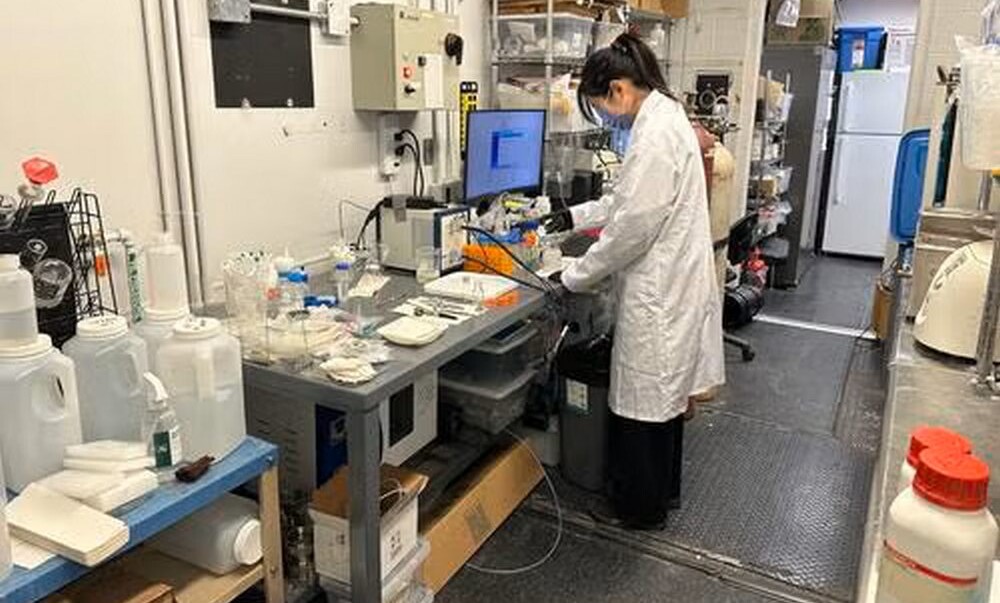
Researchers at the University of Waterloo have discovered a way to turn plastic waste into acetic acid, the main ingredient of vinegar, using sunlight.
The breakthrough offers a promising new approach to reducing plastic pollution through photocatalysis, while simultaneously creating a useful, value-added chemical product through a process inspired by nature.
“Our goal was to solve the plastic pollution challenge by converting microplastic waste into high-value products using sunlight,” said Dr. Yimin Wu, a professor of mechanical and mechatronics engineering at the University of Waterloo, Canada.
Plastic waste, notably microplastics, has been found across many of the planet’s ecosystems, raising concerns about threats to terrestrial and marine life as well as human health. Plastic recycling rates remain low around the globe.
To tackle this problem, the team developed a bio-inspired photocatalysis process using iron atoms embedded in carbon nitride, a way that certain types of fungi break down organic matter using enzymes.
When exposed to sunlight, the material drives a series of chemical reactions that transform plastic polymers into acetic acid with high selectivity. The reaction takes place in water, making it particularly relevant for addressing plastic pollution in aquatic environments.
Acetic acid is widely used in food production, chemical manufacturing and energy applications. The study shows it can be produced from common plastic wastes, including PVC, PP, PE and PET, and remains effective across mixed plastic compositions.
This makes the approach well suited to real-world waste streams, offering a promising alternative to plastic incineration, and could support more circular approaches to material use while providing a new strategy for upcycling plastics.
FEWER PLASTICS IN THE OCEANS: Analysis Shows We’ve Been Overestimating the Amount of Plastic in Oceans by 30x
“Both from a business and societal perspective, the financial and economic benefits associated with this innovation seem promising,” said Roy Brouwer, executive director of the Water Institute and a coauthor of the article supporting the techno-economic analysis.
“This method allows abundant and free solar energy to break down plastic pollution without adding extra carbon dioxide to the atmosphere,” Wu adds.
TACKLING THE PLASTIC PROBLEM: Nonprofit Diverts an Ocean Plastic Tide, Removing 2 Million Pounds of Trash From Waterways
The findings also point to new possibilities for addressing microplastics directly. Because the process degrades plastics at the chemical level, it could help prevent the accumulation of microplastics in water systems.
While still at the laboratory stage, the team envisions that this approach could be adapted for scalable, solar-driven recycling and environmental cleanup and the photocatalytic upcycling system can be further enhanced through strategic engineering of the materials and manufacturing processes.
SHARE Yet Another Approach To Addressing Plastic Waste With Your Friends…
Public Artwork is Hidden Until it Rains in Seattle–Now You Can Do it Anywhere in the World


Ask anyone who lives in a rainy city and they’ll tell you that you just have to make the best of it.
In Seattle, one artist did exactly that by making an eco-friendly spray material that can only be seen when it’s wet. It’s become so popular that the city government is using it to decorate bus stops.
Called Rainworks (rather than artworks) the product is sold in tandem with stencils and is based on superhydrophobic coatings. Perceptive readers may note that these coatings represent a source of the dreaded “forever chemicals,” but can also rest assured that the founder of Rainworks, Peregrine Church, recognized that too.
Partnering with some folks in Belgium who were seeking, like Church, to make nature-based hydrophobic coatings, he and his friends began with late-night guerilla artworks that would appear the following days in the rain as hidden messages or images appearing on sidewalks out of nothing.
Rainwork’s first social media highlight—of a bucket of water tossed on a sidewalk to reveal a hidden hopscotch course, went crazily viral and spawned instant demand for the product that was then just a prototype.
Church used the crowdfunding platform Kickstarter to fund the creation of a business to manufacture and market Rainworks products, and it’s been going strong ever since.
“Seattle has such a deep connection with rain. It’s integral to the culture and the personality of the city,” Church told the Seattle Times. “There’s also a lot of really kind, caring, passionate people here. And so I like to think about rainworks representing both of those things. Yes, it’s a rainy city. Yes, we have dreary days. But we’re also making the best of it.”
Seattle Department of Transportation recently commissioned Rainworks to make series of designs on their new Beacon Hill plaza bustop, a pedestrian area where the DoT surveyed commuters to figure out what they’d like to see more of.
ARTS AND CREATIVITY: ‘This Area is Slightly Haunted but Manageable’: New Signs Look Official But They’re Public Art Designed to Delight
The answers were places to spend time with friends, more shelter from the rain and the sun, and art.
Rainworks came and, with likely no one understanding what they were doing given that the coating that makes the artworks is invisible when dry, sprayed a couple of sea lions, an orca, a giant wave, and a 25-foot maze around the plaza and the bus shelter.
SEATTLE STORIES: Washington Man Rescues 2.4 Million Pounds of Farmers’ Crops Going to Waste, Gets Them to Food Banks Across State
Only when the inevitable Seattle nimbus clouds gathered above Beacon Hill, and the fat raindrops started falling, did commuters get a chance to see what was beneath their feet.
The Rainworks community is now worldwide, and given that the pieces are invisible in the dry, the website has a map of dozens of rainworks, from Nigeria to Scotland, and from Seattle to New South Wales.
SHARE The Creation Story Of These Fantastic Art Supplies With Your Friends…
Marsupials Previously Thought Extinct for 6,000 Years Discovered: ‘A once-in-a-lifetime discovery’

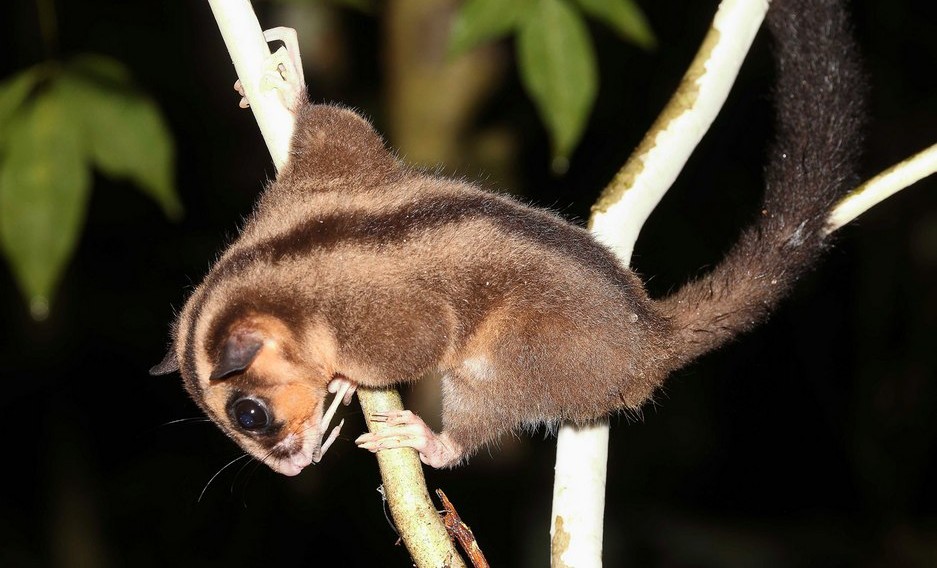
GNN has reported a-plenty on animals that were last seen in the 20th century and believed extinct that were then rediscovered, but a story from the island of New Guinea now stretches that pattern to its absolute limits.
Known only from fossilized bones that date back 6,000-plus years, two species of arboreal marsupials have been confirmed to still exist, begging the use of the often-exploited descriptor “living fossils.”
The pygmy long-fingered possum (Dactylonax kambuayai) and the ring-tailed glider (Tous ayamaruensis) are the two newest members of a very exclusive group of animals.
“A relatively small number of animal species hold the distinction of having been described initially from fossil remains, then subsequently discovered as a living animal,” the authors of a paper describing this incredible discovery, wrote in their introduction. “In paleontology, lineages that drop out of the fossil record and then re-emerge after long periods are termed ‘Lazarus taxa.’”
On the Bird’s Head, or Vogelkop peninsula of West Papua—the Indonesian-controlled portion of the island of New Guinea—late 20th-century archaeological excavations on Stone Age sites found skull and teeth evidence of an animal that didn’t exist previously in the fossil record. However, one researcher in 2007 suggested that very animal probably still existed based on its similarities to known marsupials on the island.
New Guinea is famously underexplored and its more secretive life-forms famously undocumented, and the researcher felt greater surveys would eventually reveal the animal’s continued existence.
A photographer named Carlos Bocos, on a visit to Vogelkop organized by mammalwatching.org, recently photographed a long-fingered possum in a tree, but that alone wasn’t enough evidence since there are two other species of long-fingered possums.
These animals have freakishly-elongated third digits which they use to feel around for and extract wood boring insects that make up their diet.
Fortunately for 70-year-old Tim Flannery, lead author of the paper on the rediscovery, two museum specimens had been wrongly-identified as a closely related species and stored at the University of New Guinea for teaching purposes.
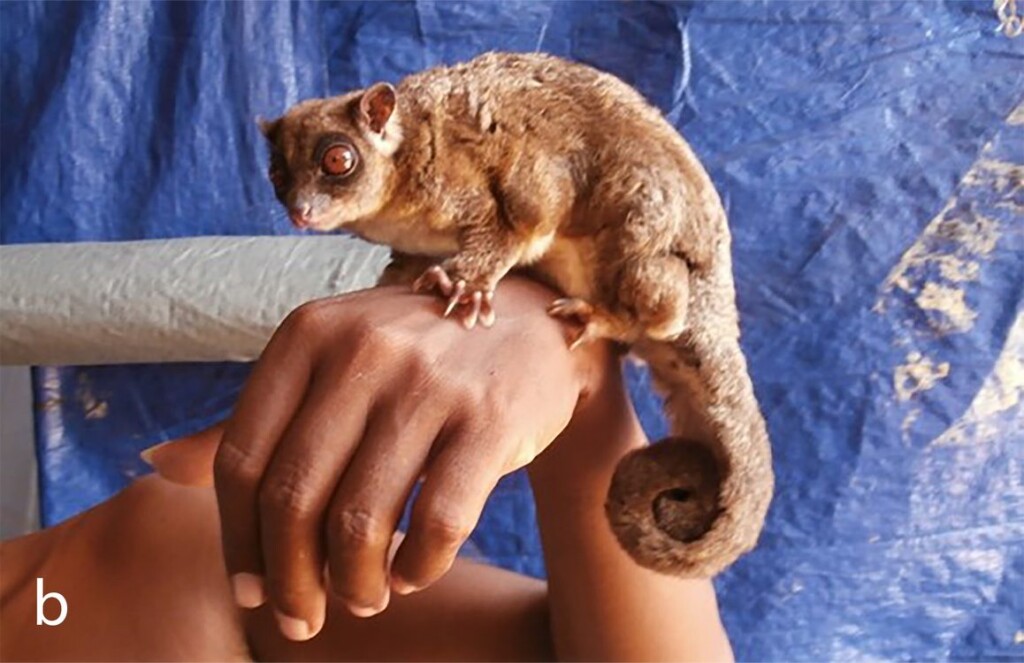
“We’ve been able to finalize two pieces of work that are incredibly important from a biological and a conservation perspective, documenting the existence of rare marsupials in an area under threat,” Flannery told the Guardian. “It’s sort of a crowning glory in my career as a biologist.”
MORE STORIES LIKES THIS: Japanese Team Saves Nearly-Extinct Herons by Hand-Rearing Chicks
Flannery et al’s research, documenting Bocos’ photographs, the fossil record, and museum specimens helped him determine that the animal isn’t only a separate species, but a separate genus as well. It’s the first new genus of New Guinean mammal documented since 1937.
Fortunately for differentiating this possum over others, its enormous finger is a dead giveaway.
The other species that Flannery and his team described, which included members of the indigenous community of Vogelkop, who consider the animals to be sacred incarnations of past ancestors, is the ring-tailed glider.
Yet again this species was only known from fossilized skulls with teeth found in archaeological digs, but was actually photographed alive in 2015. Here too, Flannery and his team separated the animal into a new genus: Tous.
FROM THE JUNGLES OF NEW GUINEA: Long-Beaked Creature Is Proven Not Extinct in First Ever Photos: ‘Blows My Mind’ After 60 Years
“This newly described genus is present in the Australian Pliocene and Pleistocene fossil record, and its living relatives are the Greater gliders (Petauroides spp.) and the Lemuroid ringtail (Hemibelideus lemuroides) of eastern Australia,” the introduction to the study describing this glider reads.
It proves that Australia and Vogelkop were once connected before the latter became part of New Guinea, suggesting its forests act as a potential haven of other archaic wildlife from Australia’s past.
SHARE This Truly Once In A Lifetime Achievement With Your Friends…
Beloved Oregon Waterfall to Become Public Land as State Buys Abiqua Falls Property

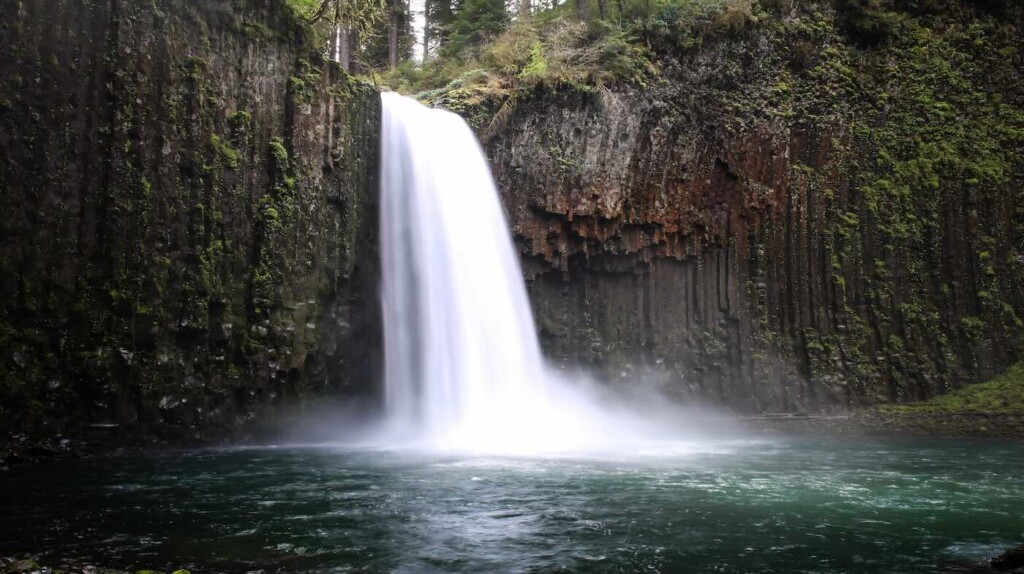
A beloved Oregon waterfall that lies on private land is set to be purchased by the state after being placed on the market.
Far from being a story of a rallying cry to save nature from exploitation, Abiqua Falls has been owned for decades by good stewards who “bent over backwards” to facilitate public access, but who now feel their journey as such has ended.
The falls are one of the Pacific Northwest’s most iconic, are set on land owned by Mount Angel Abbey and Seminary and its foundation since 1908. The abbey put the falls up for sale on February 2nd.
A plunge-style waterfall, the Abiqua Creek surges over what looks to be moss-covered columnar basalt rock before falling 92-feet down into a pool below. Set near Scott’s Mill amid rustic surroundings and little trail infrastructure, it offers the chance for a stunning one-on-one encounter with nature.
State Senator Fred Girod (R) leapt at the opportunity to negotiate a price and close a purchase agreement to include within Senate Bill 5701, a $500 million funding bill that will pay for construction and maintenance of various kinds statewide.
The bill will include $2 million to fund the purchase of the falls, 42 acres immediately around it, and another 160 acres upstream owned by a large timber company. The abbey agreed to a price that would make the purchase as easy as possible, to ensure that its tradition of public access is maintained.
“If the abbey insisted on getting top dollar then this wouldn’t have happened,” Girod told the Statesman Journal. “They’ve been good stewards and bent over backward to make sure public access was guaranteed.”
ALSO CHECK OUT: 12 Famous American Waterfalls Are Looking Gorgeous on New Stamps From USPS
While the falls will come into public hands, Girod said that it’s not a given that they will feature in a new ‘Abiqua Falls State Park.’ Overcrowding the delicate microenvironment by beefing up parking and trail infrastructure is not what’s currently being envisioned, and, rather like the abbey has done, the prevailing concept is to leave it more or less as it is.
This could be done by transferring ownership of the land to the county, or to the state forestry department.
MORE STATE LANDS SAVED: CA Nonprofit Buys 6,100-acres of Sacred Land, Ending 10-year Battle Over Proposed Sand Mine
“It is with deep gratitude and hope for the future that the Abbey Foundation of Oregon entrusts the stewardship and legacy of Abiqua Falls to the state of Oregon,” Dr. Amanda Staggenborg, director of communications for Mount Angel Abbey & Seminary said in a statement.
“The beauty of Abiqua Falls will be enjoyed by generations of Oregonians and all those who love Oregon’s natural wonders.”
SHARE This Beautiful Waterfall Set To Be Public And Protected Forever…
“There is a thin line that separates laughter and pain, comedy and tragedy, humor and hurt.” – Erma Bombeck
Quote of the Day: “There is a thin line that separates laughter and pain, comedy and tragedy, humor and hurt.” – Erma Bombeck
Photo by: Nick Fancher for Unsplash+
With a new inspirational quote every day, atop the perfect photo—collected and archived on our Quote of the Day page—why not bookmark GNN.org for a daily uplift?
Good News in History, March 9

Precisely one-quarter millennium ago, the Scottish economist Adam Smith published An Inquiry into the Nature and Causes of the Wealth of Nations, one of the first great treatises in economics, called “the most important substantive proposition in all of economics,” by George Stigler. Most commonly referred to as simply The Wealth of Nations, this shortening diminishes the book’s true value, namely it was the first time that a scientist or philosopher stopped asking “why is there poverty,” and instead asked “why is there wealth?” a much harder question to answer. Smith’s conclusion was that between nations of equal standing, culture, and population, some are wealthier than others because of the degree to which they allow for individual economic pursuits. The treatise lays out some of the most fundamental economic laws and helped inform some of the greatest advancements in human prosperity ever seen. READ more about this seminal of seminal works… (1776)
Triceratops Had Huge Nose to Control its Body Temperature, Suggests Curious Scientist
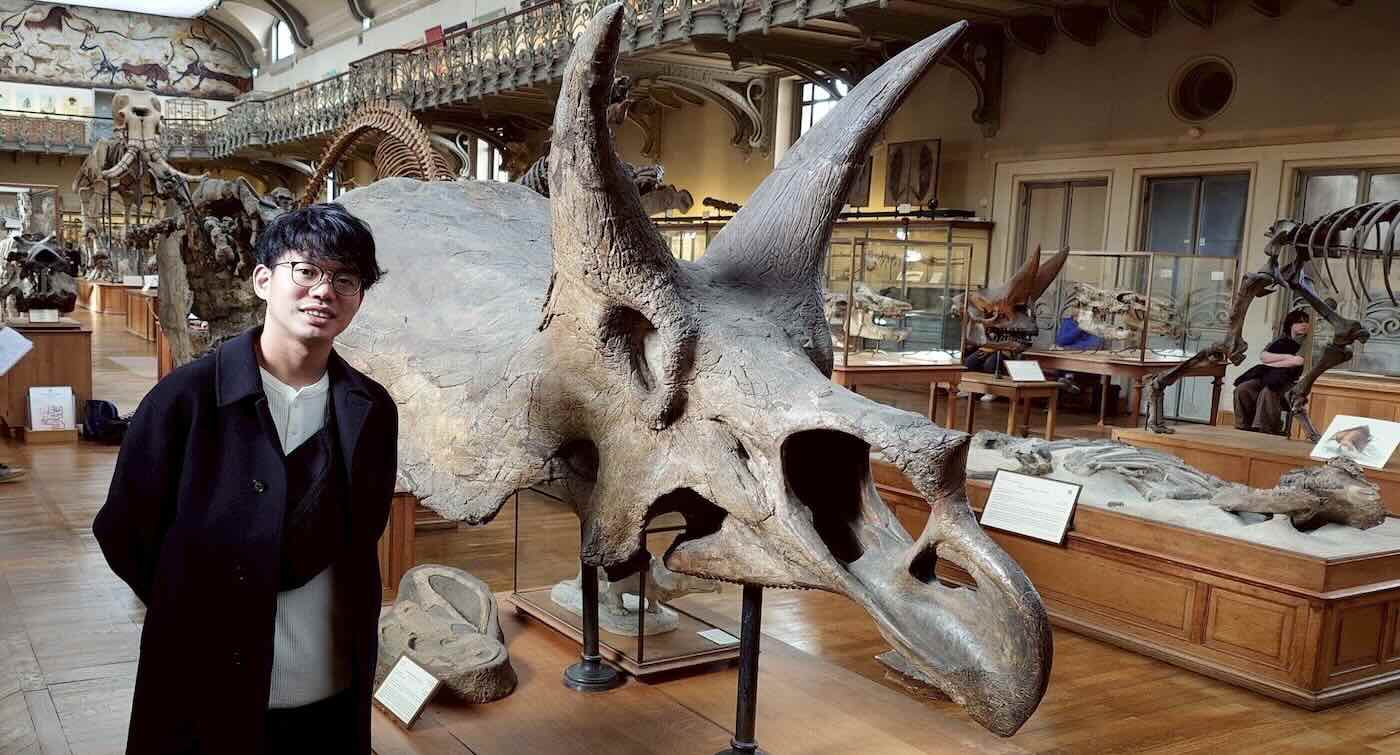
Scientists wanted to know why the iconic triceratops had such an unusually large nose compared to most species—both past and present.
Their new study shows the triple-horned dinosaur had a huge nose to help control its body temperature.
The team used CT scans of fossilized Triceratops skulls and compared their structures with modern animals including birds and crocodiles.
Through direct observation and inference, the research team reconstructed how nerves, blood vessels and structures for airflow fit together in the skulls.
They concluded that horned dinosaurs probably used their noses not just for smelling but also to help control temperature and moisture. Project Research Associate Dr. Seishiro Tada, from the University of Tokyo Museum in Japan, wondered about moisture control while studying a fossilized triceratops.
“I have been working on the evolution of reptilian heads and noses since my master’s degree,” said Dr. Tada.
“Triceratops in particular had a very large and unusual nose, and I couldn’t figure out how the organs fit within it even though I remember the basic patterns of reptiles.
“That made me interested in their nasal anatomy and its function and evolution.”
Horned dinosaurs (or Ceratopsia) had some of the most elaborate skull types—and Triceratops was the most iconic and instantly recognizable.
But due to its relative uniqueness, the internal anatomy of Triceratops skulls has been poorly understood, until Dr. Tada explored the internal soft tissues using modern tools at their disposal.
DINO-MITE: 23-Year-old Finds Huge Dinosaur Footprint Dating Back 127 Million Years on UK Beach After Rain
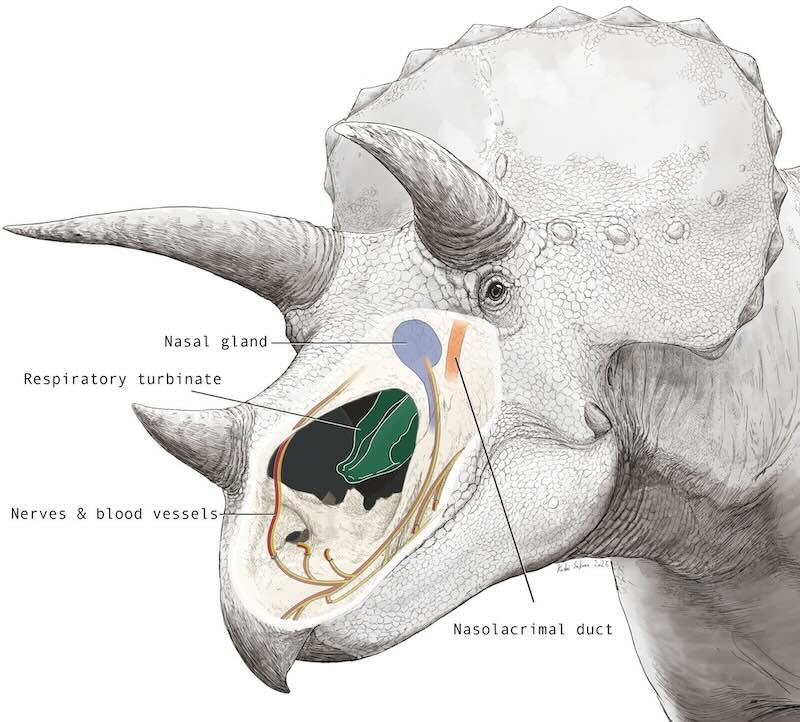
“Employing X-ray-based CT-scan data of a Triceratops, as well as knowledge on contemporary reptilian snout morphology, we found some unique characteristics in the nose and provide the first comprehensive hypothesis on the soft-tissue anatomy in horned dinosaurs.
“Triceratops had unusual ‘wiring’ in their noses.
“In most reptiles, nerves and blood vessels reach the nostrils from the jaw and the nose. But in Triceratops, the skull shape blocks the jaw route, so nerves and vessels take the nasal branch.
“Essentially, Triceratops tissues evolved this way to support its big nose.
“I came to realize this while piecing together some 3D-printed Triceratops skull pieces like a puzzle.”
The findings, published in the journal The Anatomical Record, also revealed a special structure in Triceratops’ nose called a respiratory turbinate, which almost no other dinosaurs are known to possess. Yet modern birds have them, as do modern mammals.
The structures are thin, curled surfaces within the nose that increase the surface area for blood and air to exchange heat.
Dr Tada says Triceratops probably wasn’t fully warm-blooded, but the researchers believe the structures helped keep temperature and moisture levels under control as its large skull would be difficult to cool down otherwise.
“Although we’re not 100% sure Triceratops had a respiratory turbinate, as most other dinosaurs don’t, some birds have an attachment base (ridge) for the turbinate. Horned dinosaurs have a similar ridge at the similar location in their nose as well.
PHOTO TREASURE: Prehistoric Bird Once Thought to Be Extinct Returns to New Zealand Wild
“Our research has filled the final piece of that dinosaur-shaped puzzle.
SHARE WITH DINO DEVOTEES On Social Media…
Cannabis Compounds Can Cut Cholesterol and Lower Risk of Fatty Liver Disease (Without Getting High)


Naturally occurring chemicals found in cannabis have been shown to reduce the risk of potentially deadly fatty liver disease, according to new research.
The compounds can “significantly” cut liver fat and cholesterol levels and improve the body’s ability to efficiently process energy, said scientists.
The study reveals that two key cannabis compounds, Cannabidiol (CBD) and Cannabigerol (CBG)—which are not psychoactive and do not cause a high—work by creating a backup energy reserve in the liver and restoring the activity of cellular ‘cleaning crews” to break down harmful waste.
The findings, published in the British Journal of Pharmacology, highlight a new, plant-based path for treating the world’s most common chronic liver disorder.
Metabolic dysfunction-associated steatotic liver disease (MASLD), is currently the world’s most common chronic liver disorder, affecting around one-in-three adults and is closely linked to obesity, high blood pressure, and insulin resistance.
While lifestyle factors such as diet and exercise are important, they can be hard to maintain, and there are few approved medicines currently available for the condition.
His team used advanced tools to show that CBD and CBG do more than just reduce fat. They found the compounds actually help the liver function better internally— through a unique process of ‘metabolic remodeling’.
“One of the most important findings was the impact on the liver’s energy reserves,” said study leader Professor Joseph Tam, in a media release.
The researchers found that CBD and CBG restore the activity of cathepsins – enzymes that act like a “cleaning crew” within the cell’s recycling centers, known as lysosomes.
LATEST CANNABIS NEWS: CBD for Pets: Scientists Think it Can Help 4-Legged Patients with Arthritis, Allergies and Anxiety
“By getting this cleaning crew back to work, the liver is better able to break down and clear out harmful fats and waste.”
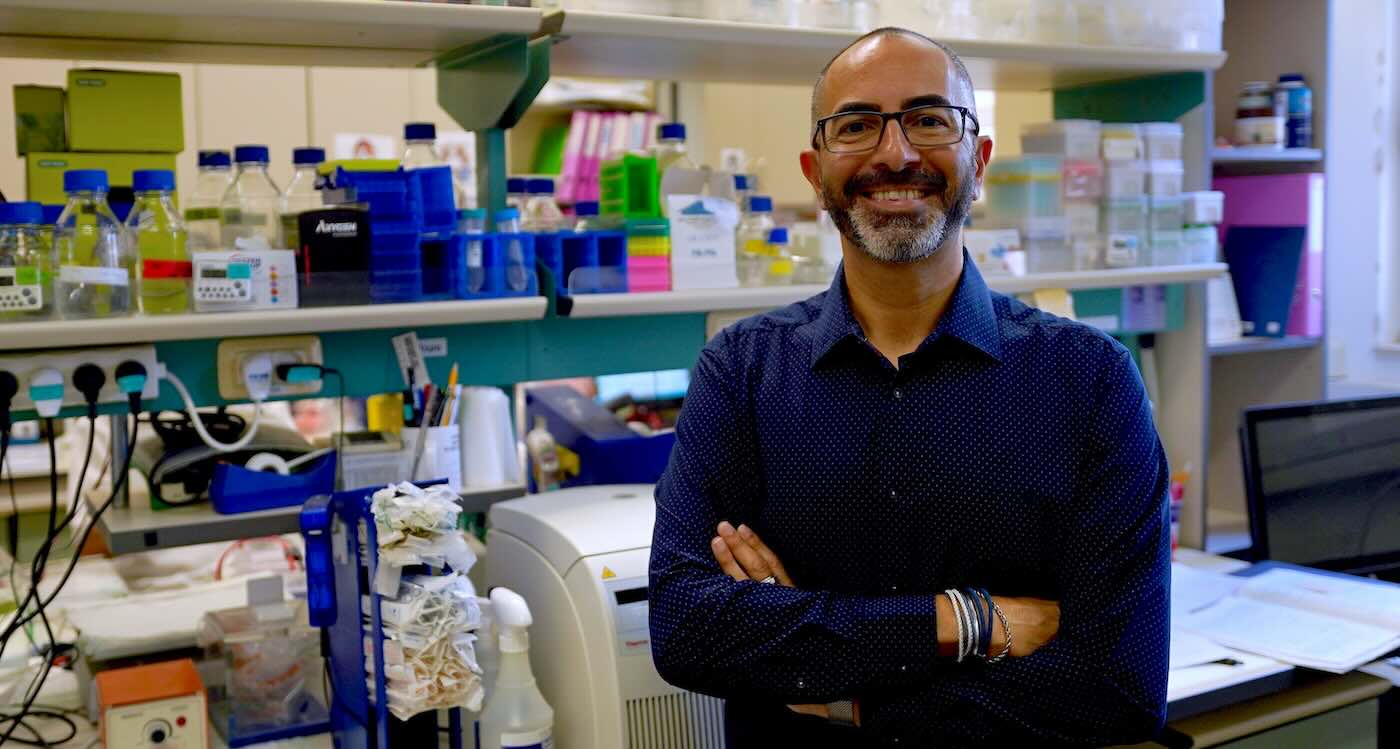
“These compounds increase levels of phosphocreatine, which acts like a backup battery to help the liver stay healthy under the stress caused by a high-fat diet.
“This is a new discovery, as the liver does not usually rely heavily on this specific energy system.”
“Our findings identify a new mechanism by which CBD and CBG enhance hepatic energy and lysosomal function,” said Prof. Tam, at the Hebrew University of Jerusalem.
“This dual metabolic remodeling contributes to improved liver lipid handling and highlights these compounds as promising therapeutic agents for MASLD.”
CANNABIS BENEFITS?
• Recreational Cannabis Linked to Lower Risk of Cognitive Decline and Dementia-Related Diseases
• Groundbreaking Trial of Cannabinol Product Shows Better Than Melatonin For Sleep
The researchers also found that both treatments significantly reduced harmful lipids—such as triglycerides and ceramides. (The latter is known to contribute to insulin resistance and liver inflammation).
The study showed that while both compounds were effective, they each provided slightly different benefits for metabolic health.
“Both CBD and CBG were able to normalize blood sugar levels and improve how the body clears glucose.
“CBG appeared to have a more pronounced effect on certain metrics: it significantly reduced body fat mass and improved insulin sensitivity more robustly than CBD. CBG was also particularly effective at lowering total cholesterol and ‘bad’ LDL cholesterol levels.”
While the results are encouraging, the researchers say further studies are needed to understand how the findings can best be applied to patients.
FLY THIS TO A DISPENSARY By Sharing the News on Social Media…
Dog Obsessively Sniffing Mom’s Breath Detected Lung Cancer–Now an E-Nose is Being Trained to Save More Lives
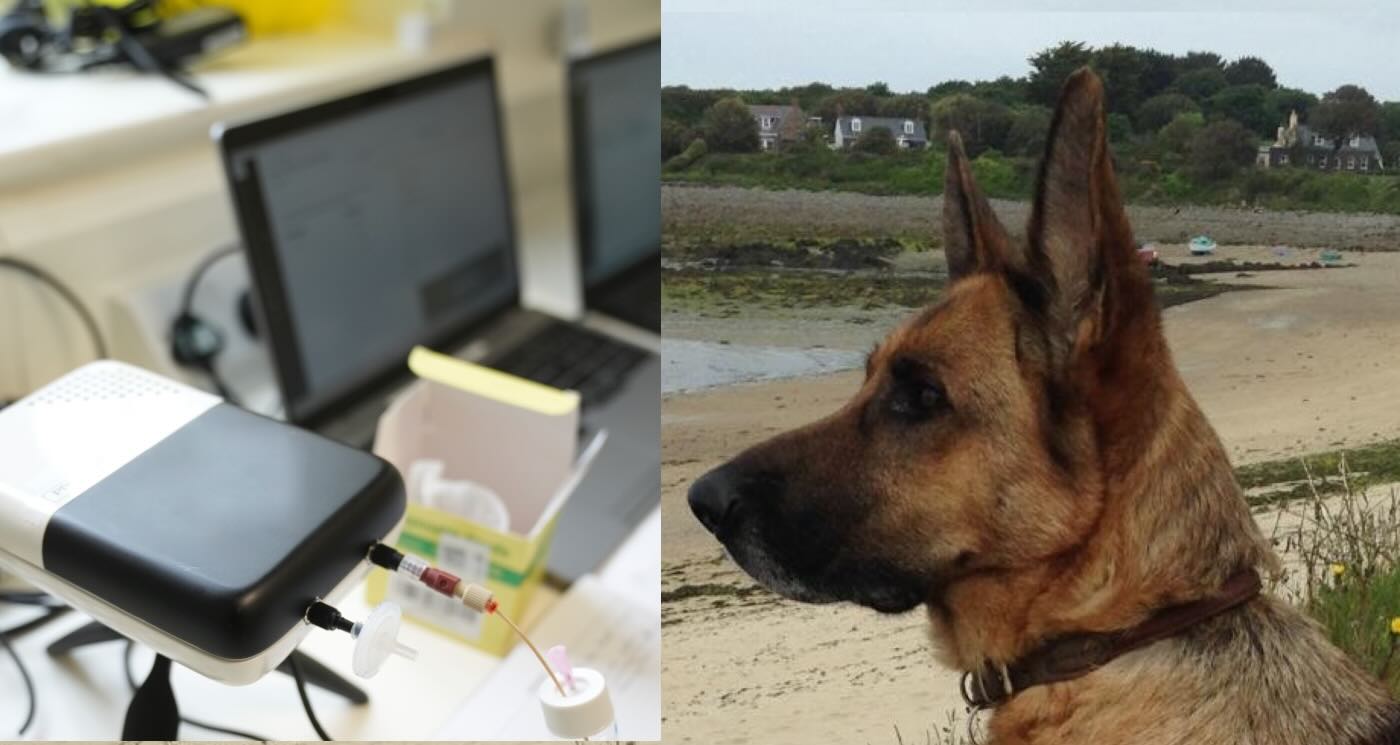
Colleen Ferguson says her German shepherd saved her life by detecting cancer in its earliest stages—and causing her to suspect something might be wrong when the dog kept obsessively smelling her breath.
For weeks, two-year-old Inca would sniff at her mouth and frown. The 60-year-old got her teeth checked, and doctors did tests related to her gluten intolerance, but they all came back negative.
Inca would not quit the habit, so the woman from Kent, England, decided to schedule a full body scan, which revealed a “golf ball sized tumor” in her left lung–it was stage one cancer.
“She just had this focused intent on my mouth,” the former science teacher said. “She would give me such a look and walk away.”
“In no way did I expect lung cancer. It was such a shock because I am a non-smoker, and I had absolutely no symptoms at all, apart from being tired.”
After a surgery to remove the tumor Colleen didn’t need any further treatment or radiation, and she’s now making the most of her retirement years as a creative writer and published author.
“The surgeon told me, ‘we never catch it at stage 1, your dog has saved your life.
“I was just so lucky. To catch it that early was just remarkable. People need to listen to their dogs.”
Researchers in the UK have evidence that is proving that dogs can, indeed, detect cancer with their superior sense of smell.
The nonprofit Medical Detection Dogs began a groundbreaking study in 2024 to teach seven pooches—Labradors, cocker spaniels, and a retriever—how to detect tumors simply by smelling urine in pots.
“Dogs have shown us time and time again that diseases have an odor,” Claire Guest, the CEO and Chief Scientific Officer at Medical Detection Dogs, told The Times. “We are not sure whether that is the odor of the tumor itself, or the body’s response to the tumor.”
Clinical trials have proven that dogs can reliably detect diseases including prostate cancer, bladder cancer, Covid-19, and even Parkinson’s—and dogs can be trained to do so.
Now a machine nose is being developed at MIT
Scientists are now developing an ‘e-nose’ trained by artificial intelligence to replicate the dogs’ responses to cancer samples.
MORE FASCINATING NOSES:
• Researchers’ AI Device Can Sniff Out Cancer in Blood Samples With 95% Accuracy For Hard to Detect Types
• Dog Saves Its Owner’s Life When It Sniffs Out Cancer, Not Once, But 3 Times
In collaboration with Medical Detection Dogs, a quantum physicist at the Massachusetts Institute of Technology, Dr. Andreas Mershin, has created the machine e-nose that uses chemical sensors to make it capable of “smelling” urine samples—and detecting the volatile organic compounds, which are tiny odor molecules in the air.
The e-nose is now being tested on 500 urine samples from patients at the Milton Keynes University Hospital near London, including some with prostate cancer and healthy controls, to see if it can accurately detect cancer.
Working with a chemistry team at the University of Texas at El Paso, Dr. Mershin hopes it will be approved as a clinical tool in hospitals within two years.
“This is a major milestone,” said Mershin. “We’ve worked to emulate the dogs’ abilities and train machines in a similar way—rewarding them for correct identifications.”
And such e-nose capabilities could ultimately be implemented into our smartphones. Our devices already have eyes and ears, and now technology with olfactory intelligence is the next frontier—informing a generation of non-invasive diagnostic tools for better health.
“It’s like giving our devices a new sense: a nose.”
RODENTS CAN DO IT, TOO: Rats Trained to Sniff Out Tuberculosis are More Sensitive Than Microscope Testing
“When I trained our first cancer detection dog over 15 years ago, the goal was always to inform scalable technology—not to have a dog in every hospital,” said Ms. Guest. “Seeing that vision start to come to life with this E-nose is an incredibly proud moment.”
SHARE THE PAWSOME NEWS With Dog Lovers on Social Media…
Yo-Yo Dieting May Actually be Good for You, Suggests New Study


A new study indicates that yo-yo dieting might actually be good for you.
Also known as weight cycling, repeatedly losing weight through dieting, only to regain it again—and often more pounds over time—has been criticized in previous research showing it could increase the risk of a heart attack, stroke, diabetes, and higher blood pressure.
But a new study, published in the journal BMC Medicine, shows yo-yo dieting confers long-term health benefits by reducing levels of harmful abdominal fat, also known as visceral fat.
Being called “the largest long-term MRI-based repeated weight-loss trial”, the research demonstrates that every weight loss attempt has the potential to improve overall well-being.
Study principal investigator Professor Iris Shai says the research challenges the traditional focus on weight loss as a simple “numbers game”.
“Persistent commitment to a healthy dietary change creates cardio-metabolic memory in the body.
“Repeated participation in a lifestyle program aimed at weight loss, even after an apparent ‘failure’ in which an individual regains all the weight lost in a previous diet, may lead to significant and sustainable health benefits over the years, particularly through the reduction of harmful visceral fat.”
Body weight alone does not capture changes in visceral fat or metabolic biomarkers, explained the lead author, Hadar Klein, a doctoral student at Ben-Gurion University of the Negev.
“Even when weight is regained, cardio-metabolic health may remain improved, and success should not be defined solely by the number on the scale.”

“Importantly, even when weight loss is attenuated during a second attempt, the cumulative benefits for abdominal fat and metabolic health are substantial.”
For the study, researchers conducted a follow-up after five and 10 years with participants from two consecutive randomized controlled dietary trials lasting 18 months each, including around 300 participants.
The trials analyzed participants undertaking a Mediterranean diet–based intervention with physical activity, and compared them with control diets, using detailed MRI scans performed before and after each intervention.
Surprisingly, the study found that, although participants entered the second intervention at a body weight similar to that at the start of the first one—indicating full weight regain—their abdominal fat profile and metabolic markers were more favorable.
They showed improvements of around 15% to 25% compared with their initial levels, including enhanced insulin sensitivity and a more favorable lipid profile.
The researchers say their findings point to the existence of a positive “cardiometabolic memory” from prior intervention that persists, even after weight is regained.
The study also showed that, although participants who rejoined the weight-loss program lost less weight during the second intervention, they maintained better long-term health outcomes.
DIET SUCCESSES:
• Diets Rich in Tea, Coffee, Berries and Nuts Linked to Better Long-term Heart Health
• Self-Compassion Can Help Achieve Weight Loss Goals and Aid in Resuming Dieting Faster
• Unhealthy Fat Could Be Turned Into ‘Good Fat’ to Keep Us Youthful and Thinner
“Five years after completing the second intervention, these participants showed less weight regain and less accumulation of abdominal fat compared with participants who had engaged in a weight-loss program only once,” said Prof. Shai.
The team collaborated with researchers from Harvard’s Department of Nutrition, the University Hospital Leipzig in Germany, and the School of Public Health at Tulane University in New Orleans.
CELEBRATE OUR SETBACKS By Sharing The Hope With Friends on Social Media…
“Perfection is attained by slow degrees; it requires the hand of time.” – Voltaire

Quote of the Day: “Perfection is attained by slow degrees; it requires the hand of time.” – Voltaire
Photo by: Robert Murray
With a new inspirational quote every day, atop the perfect photo—collected and archived on our Quote of the Day page—why not bookmark GNN.org for a daily uplift?

Good News in History, March 8

199 years ago today, the New York Stock & Exchange Board (NYSE) was formally founded, having started out as merely 24 individual stockbrokers meeting under a buttonwood tree in lower Manhattan 25 years before. It is now the largest stock trading organization in the world, with $44 trillion in market capitalization, and 2,200 stocks listed on the exchange. It has become a landmark institution in New York City life, deeply affecting city newspapers, the real estate around Wall Street and Broad Street, and giving the city its famous “ticker tape parades” after the material that transmitted stock prices over telegraph lines. WATCH a whacky trader give a tour of the floor… (1817)
He Earns More in an Hour as Spider-Man Than a Full Day at his Old Supermarket Job

A 19-year-old who gave up his supermarket job for a side hustle as Spider-Man now earns in one hour what he used to make in a full 8-hour day.
Nate Frindall started his superhero gig three years ago after he dressed up as the character to see the latest film.
When he arrived in costume at his local movie theater, he says he was greeted by applause and encouraged to do a backflip—and when he did, the crowd went wild.
After telling his parents in Surrey, England, about the encounter, he made the decision to build a new freelance gig as a superhero impersonator. He spent over $900 (£800) on a high-quality suit and since then the business has taken off.
“I absolutely love doing it. To see these kids really happy that I have made their party, and turned up to surprise them, is great.”
“It has paid off, too” he told SWNS news agency. “I am booked up for children’s parties every weekend in March.”
“It’s lovely to see kids smile. Because of the realism of the suit, they genuinely think I am Spiderman. So, they get a big shock.”
Working at the supermarket checkout he was paid 12.40 an hour, but now, he charges 75 for a 30-minute meet-and-greet and 150 for an hour. Some folks pay 250 for an hour ‘party package’ with games and photos or 300 for a two-hour party.
“People are always surprised. They usually think it’s cool that I do this. My friends used to make fun of me, but I am making good money.”

“I also really enjoy it, so I am not really bothered by other people’s opinions.”
In a commitment to his performances, which involve walking on his hands and backflips (see the video below), he’s now purchased two more suits.
HEARTWARMING SUPER MAN: Superhero Brings Smiles to 100,000 Sick Children and Families, Healing Himself Since Mom Died of Cancer in 2009
To promote his business, Nate attends lots of local events in costume and gives out his business cards, and he also posts on local Facebook groups.
For his long term dreams, Nate works with music on the side, with hopes of becoming a producer, and has taken up acting as an extra, and dabbling in comedy with his cousins on TikTok, where they’ve tallied 10,000 followers.
He encourages other young people who have business ideas to take a super-hero leap and start their own businesses.
“I would 100 percent recommend doing a side hustle or a freelancing gig.”
SELF-EMPLOYED GENIUS: Laid Off Construction Worker Starts Crafting Radiator Covers–And Earns First Million
“Not many people that I know are doing what I’m doing. I don’t like hospitality or retail jobs, so if you can find a niche gap in the market then you’re going to get better money for it.”
ENCOURAGE YOUTH By Sharing Creative Job Options on Social Media…