










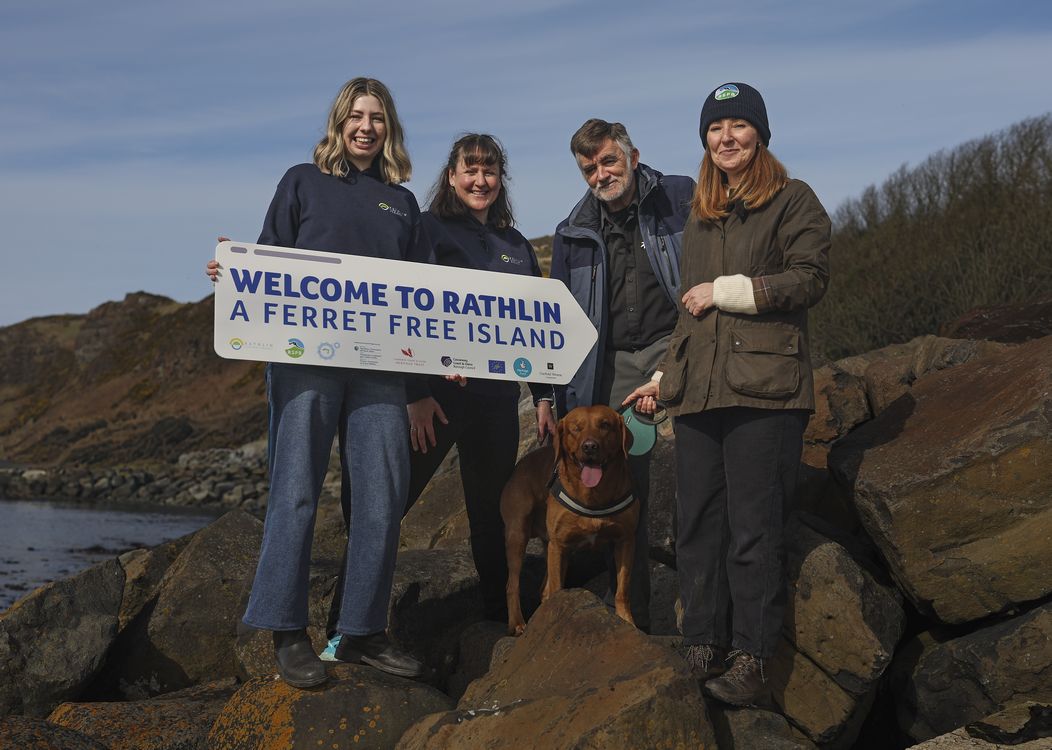
In a world-first conservation achievement, Northern Ireland has successfully eradicated an invasive population of ferrets on Rathlin Island, host of the commonwealth nation’s largest seabird colony.
One of the most effective conservation strategies currently employed on a wide scale, invasive animal elimination has allowed hundreds of islands worldwide to recover their native wildlife populations.
Typical invasive targets are rats or rabbits, but in the case of Rathlin, it’s the first time anywhere in the world that a population of feral ferrets was eradicated from an island they’d overtaken.
The LIFE Raft (Rathlin Acting for Tomorrow) project, which was established in 2021 and led by the Northern Ireland chapter of the UK’s Royal Society for the Protection of Birds along with local and government partners, aimed to remove these predators and give the seabird population a chance to recover.
Rathlin Island, located off the north coast of County Antrim, is home to over 250,000 seabirds including puffins, razorbills, guillemots, and Manx shearwaters. For decades, these internationally important seabird populations have faced severe threats from invasive ferrets, which preyed on eggs, chicks, and adult birds, with one ferret shown to kill 27 adult birds in just two days on Rathlin.
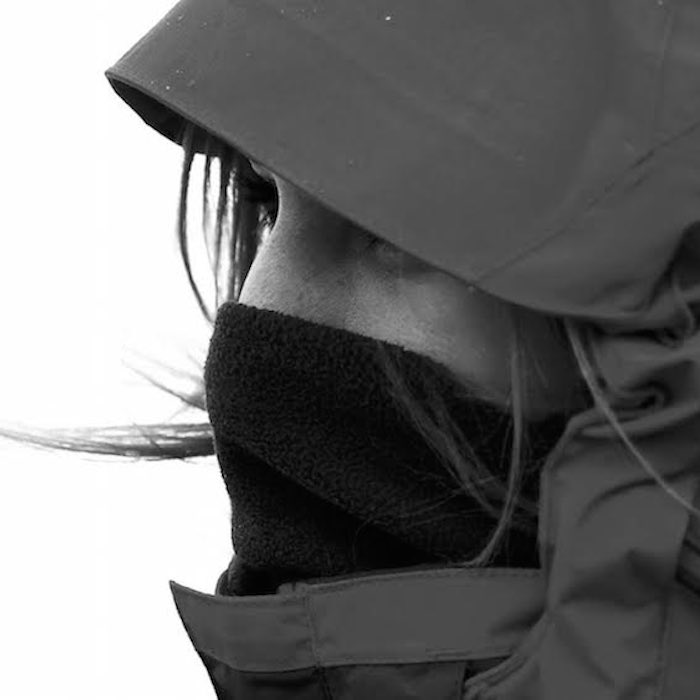
LIFE Raft at times involved undertaking work on soaring cliffs and during horrendous weather events, using the water as well as the land to help make the island safe for conservation.
The ferret eradication is the culmination of years of meticulous planning, cutting-edge techniques such as thermal drones, and less cutting-edge (but no less important) methods like the detection dog, named Woody, as well as unwavering support from the Rathlin community.
“This is an extraordinary moment for Rathlin, for Northern Ireland, and for conservation globally,” said Joanne Sherwood, RSPB NI Director in a statement.
“The successful, world first eradication of ferrets means that puffins and other seabirds can now nest and raise their young more safely on Rathlin for the first time in generations. We are already seeing encouraging signs of recovery, and we expect to see populations rebound in the coming years.
With local people employed throughout the LIFE Raft project and residents playing an active role in the ferret eradication, community involvement was central to the project’s success. Its success demonstrates what can be achieved when all partners work together with a shared vision.
“This has been a massive project, a long time in the making, and a huge undertaking all across the island,” said Marina McMullan, Chair of Rathlin Development & Community Association. “As a result, Islanders can raise domestic poultry again, with greater security, and the positive impact on nesting seabirds, and other ground-nesting birds, is expected to be regionally significant.”
NORTHERN IRELAND NEWS: Ireland Sets Renewable Record of 70% Energy from Wind
“It will be a delight to see some of those once-familiar birds able to flourish in the fields and cliffs of our island again.”
Socially and economically, it has been of huge benefit to this small island community. The large budget, amassed with the help of various trusts including the UK National Lottery, has provided local employment and brought new skills for a number of islanders and made a great contribution to local trade.
The eradication work was carried out using internationally proven techniques adapted to accommodate and embrace Rathlin’s unique circumstances and setting. Technical expertise was provided by specialist advisors from Wildlife International Management Limited, who are experts in island restoration.
ISLAND REWILDING: Almost Extinct Caribbean Lizard Makes a Comeback After Island Restoration
To ensure Rathlin remains ferret free robust biosecurity measures are now in place. Early signs are encouraging. Seabird monitoring has already recorded increases in breeding success and in 2025, LIFE Raft confirmed the first breeding Manx shearwater on Rathlin Island in over two decades. The removal of invasive predators will also benefit other island wildlife including corncrakes, chough and ground-nesting birds.
Since the news in late May of the success, a new ferry has opened a regular service to bring visitors to Rathlin should anyone in the area wish to see the newly freed seabirds.
SHARE This Substantial Step Towards Rewilding Islands…