













Iraq has undertaken substantial preservation work on the ancient Ziggurat of Ur to protect it from the elements of a changing climate.
One of the most recognizable examples of Sumerian architecture, it’s a UNESCO World Heritage Site that stands at extreme risk of erosion and damage.
Ur is one of the oldest urban settlements known, with the earliest Sumerian period of habitation dating back to 3,800 BCE. Its earliest street plan stretched about 18 hectares, but would grow 9-times that size under its most powerful dynasty.
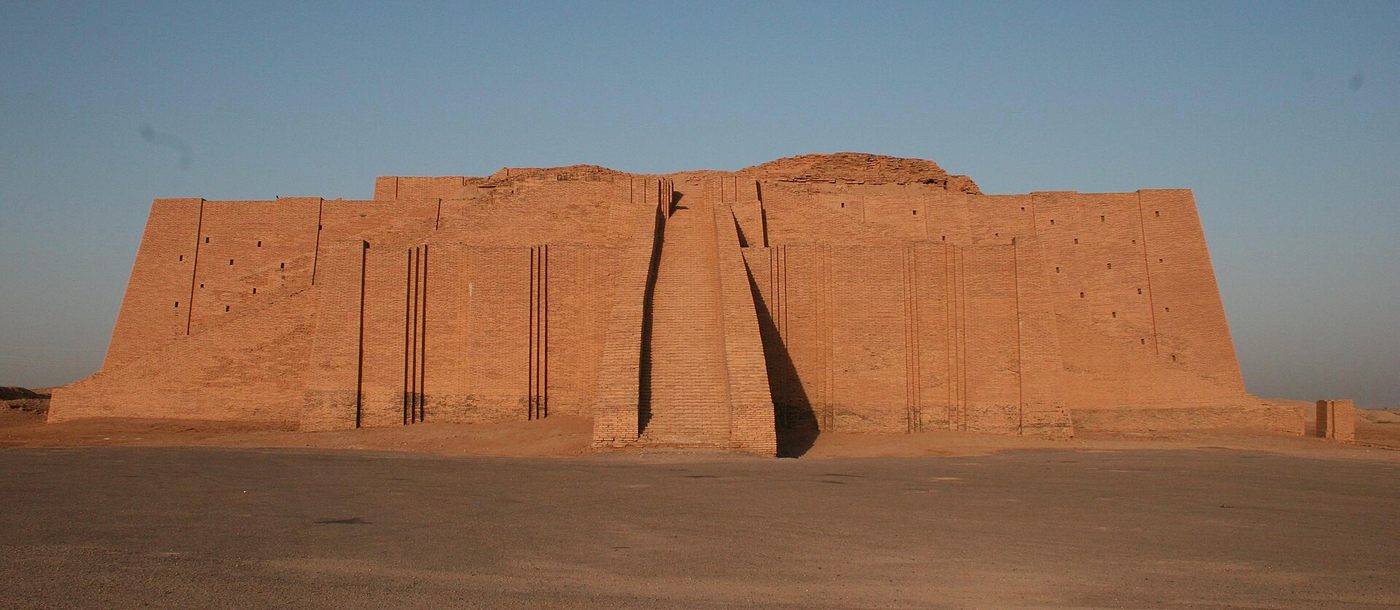
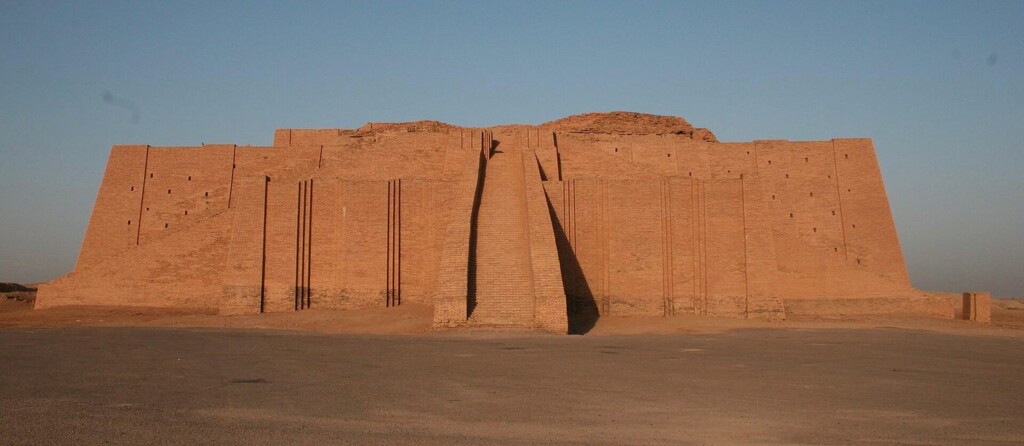
The ziggurat was constructed in the 21st century BCE, when it measured 210 feet in length, 148 feet in width, and perhaps could have stood 98 feet tall, though scientists don’t know for certain. It was built of air-dried mudbrick and bitumen and functioned as a temple to the patron deity of Ur, the moon god Namma.
Seen in the video below, and in the photo above, the monumental facade and staircases date back to a preservation that was undertaken by the deposed and deceased Saddam Hussein, but which don’t cover all of the original brick layers.
It actually was restored one before Hussein—in the 6th century BCE by the Neo-Babylonian King Nabonidus.
The Iraqi government has budgeted around $382,000 for new conservation work to protect the exposed upper sections of the original ziggurat.
MONUMENTAL PRESERVATION:
- Protecting The Great Wall of China From Erosion, Lichen Soil Crust Shields Monument from Weather Damage
- This German Town Carefully Reconstructed a 5,500-Year-Old Monument Lifting 13 Tons of Stone
Across the world, low and middle income countries are restoring and preserving their heritage sites and ancient monuments, often with gaudy elements of mass-produced modernity. In comparison, the preservationists at Ur are making every effort to ensure the work is does as authentically as possible.
“For the paving bricks, a sample was taken from the ziggurat and a replica of the original was made containing the same chemical materials and physical properties,” said archaeologist Khadim Hassoun Honaein, a senior member of the conservation team.
“Regarding the mud, it was handmade on site in Ur and the clay was taken from an environment similar to that of the Ur ancient city.”
The northern side of the ziggurat has proven exceptionally vulnerable in recent decades to wind and sand erosion, and will feature as a principle target in the preservation work.
WATCH the story below…
SHARE Iraq’s Efforts To Responsibility Preserve This Most Ancient Urban Monument…
My peoples legend says that Tiamat was trapped under this ziggurat. Restoring it would destroy the sacred rite that was used to keep her there. I hope you have at least one spiritual advisor who is able to perform the rite.