













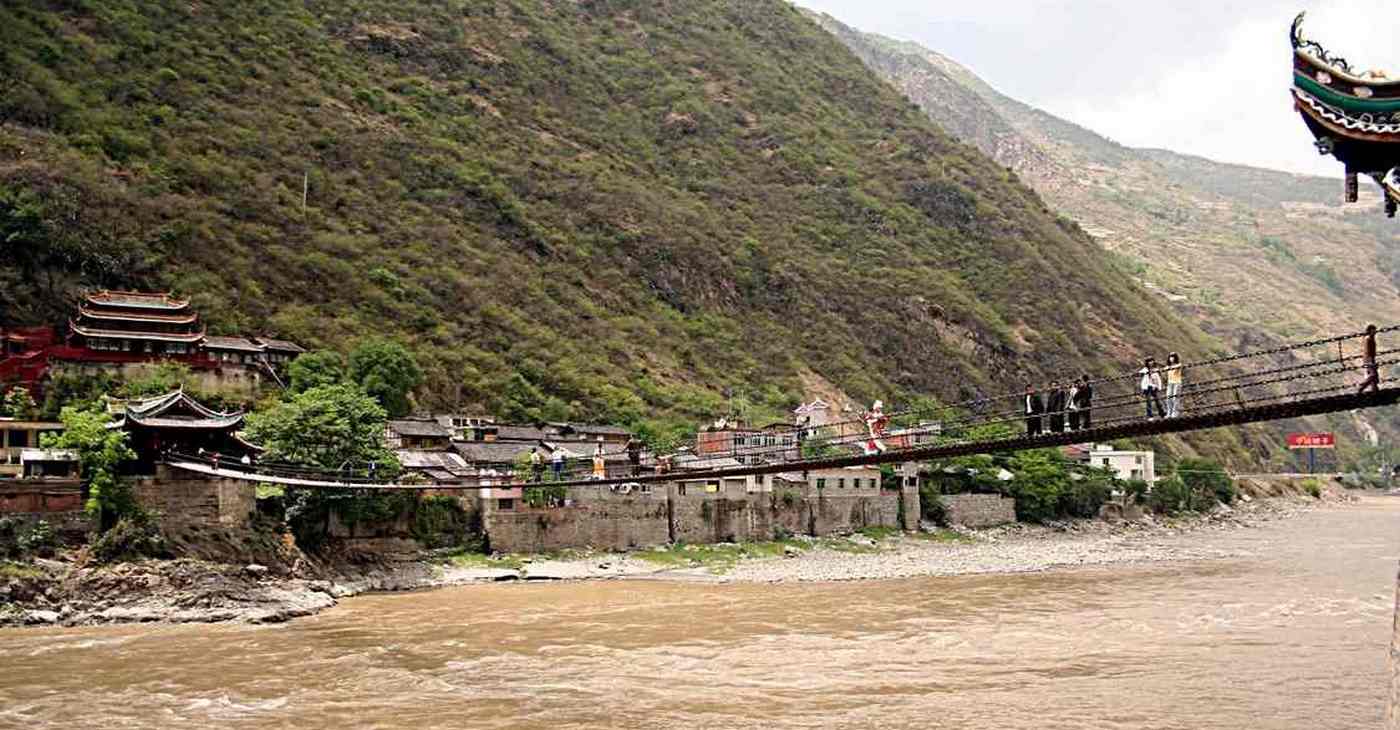
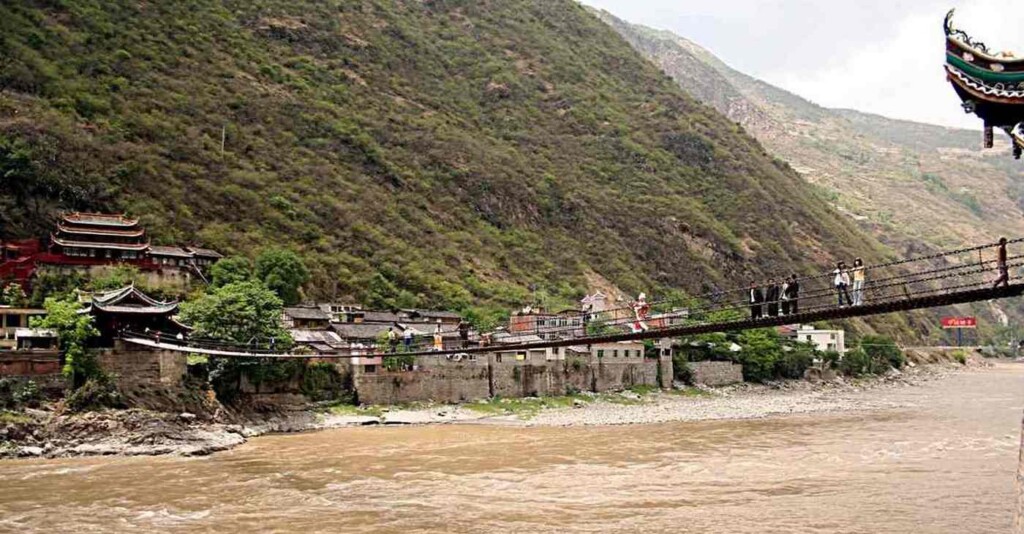
On an upper tributary of the mighty Yangtze River, the rolling back of 100 years of industrialization has allowed room for rare fish to reach ancestral spawning grounds.
The longest-river in Asia, the Yangtze is dotted with literally thousands of dams and hydroelectric stations which prevent wildlife like the Yangtze sturgeon and Chinese paddlefish from migrating upriver to spawn.
Trapped between the dams and the heavy shipping, sand mining, and fishing industries along the river, these animals died out, and were declared extinct in the wild by the IUCN in 2022.
But now, 300 dams and hydropower plants have been demolished along a 250-mile tributary of the upper Yangtze called the Red River, leading to reintroduction efforts that have seen adult Yangtze sturgeon migrate and spawn in their historic habitat for potentially the first time this century, as a survey in the year 2000 turned up zero sturgeon or paddlefish fry.
There are 357 dams and 373 small hydropower stations on the Chishui He, or Red River. Despite this massive burden of industry, ecologists consider the tributary, running through Yunnan, Guizhou, and Sichuan, as the last refuge of Yangtze aquatic wildlife.
The state-run daily Xinhua reported that 300 dams and another 300 power stations have been decommissioned or demolished, freeing up hundreds of miles of river to flow as they had for millennia.
With the river open, riverine biologists released thousands of Yangtze small fry into the river, while later releasing a squadron of 20, precious, fully-grown sturgeon last April in the hopes that they would recall their ancestral spawning route back up the Yangtze and into the Chishui He.
MORE RIVER RESTORATION: Yurok Tribe Celebrates Again as Ancestral Homelands are Returned–in Wake of Historic Dam Removal
Much the way that salmon in the Klamath River in Washington state almost immediately recolonized the upper reaches of the watershed last year following the historic removal of four dams along the river’s path, the month hadn’t even concluded by the time the scientists observed the adult sturgeon displaying spawning behavior.
“This achievement indicates that the current ecological environment of the Red River can now meet the habitat and reproductive needs of Yangtze sturgeon,” Liu Fei, a researcher at the institute in Wuhan involved in releasing the adult sturgeon, told Xinhua.
MORE NEWS LIKE THIS: Reintroduction of Two Yangtze Finless Porpoises A Rare Success in Captive Breeding of Endangered Species
Roughly one-third of China’s population live along the Yangtze, and in 2020 they were subjected to a 10-year fishing ban to allow many depopulated species to recover. Hundreds more dams and power stations were shut down beyond the stretch of the Red River, and sand mining has also been banned.
It’s all part of a recent emphasis that the Chinese government has had on recovering the river’s ecosystem to former glories. In June, Chinese scientists completed a survey of national freshwater bodies and found that over 2,500 now enjoyed “excellent water quality” the Yangtze included.
SHARE How China Is Making Room For Nature Along Its Biggest River…