












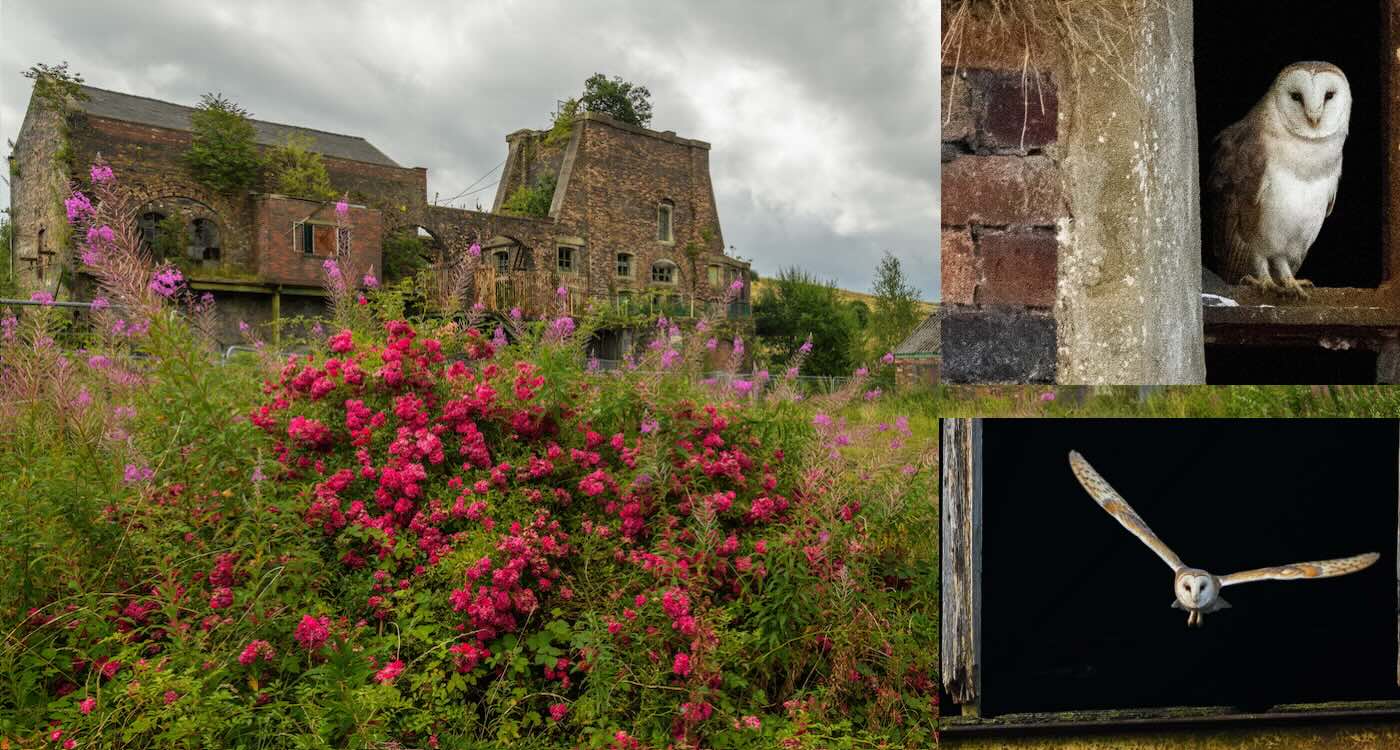
New photos show owls and wildlife reclaiming an abandoned coal mine 50 years after it closed.
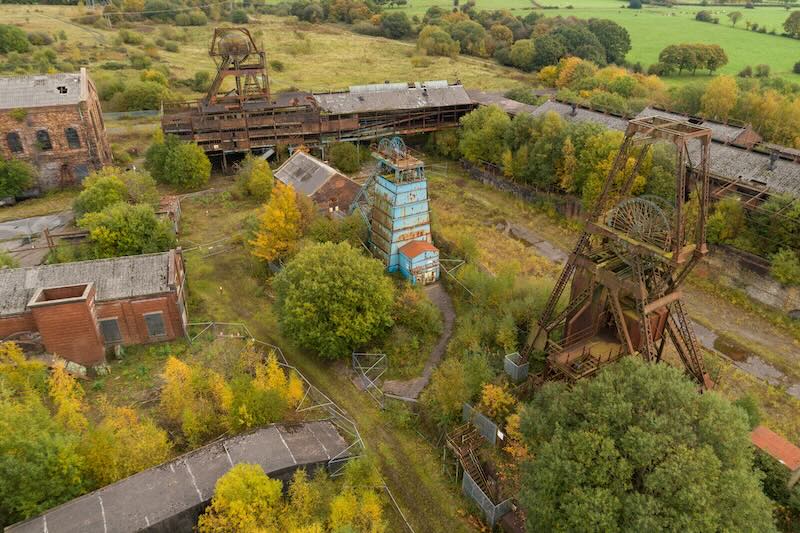
The Chatterley Whitfield mine in Staffordshire, England, last produced coal in 1976.
Now, a half-century later, the son of a coal miner who worked there has returned to document nature’s return.
The buildings and towers, including the iconic pit head wheels used to lower miners into the ground, remain standing.
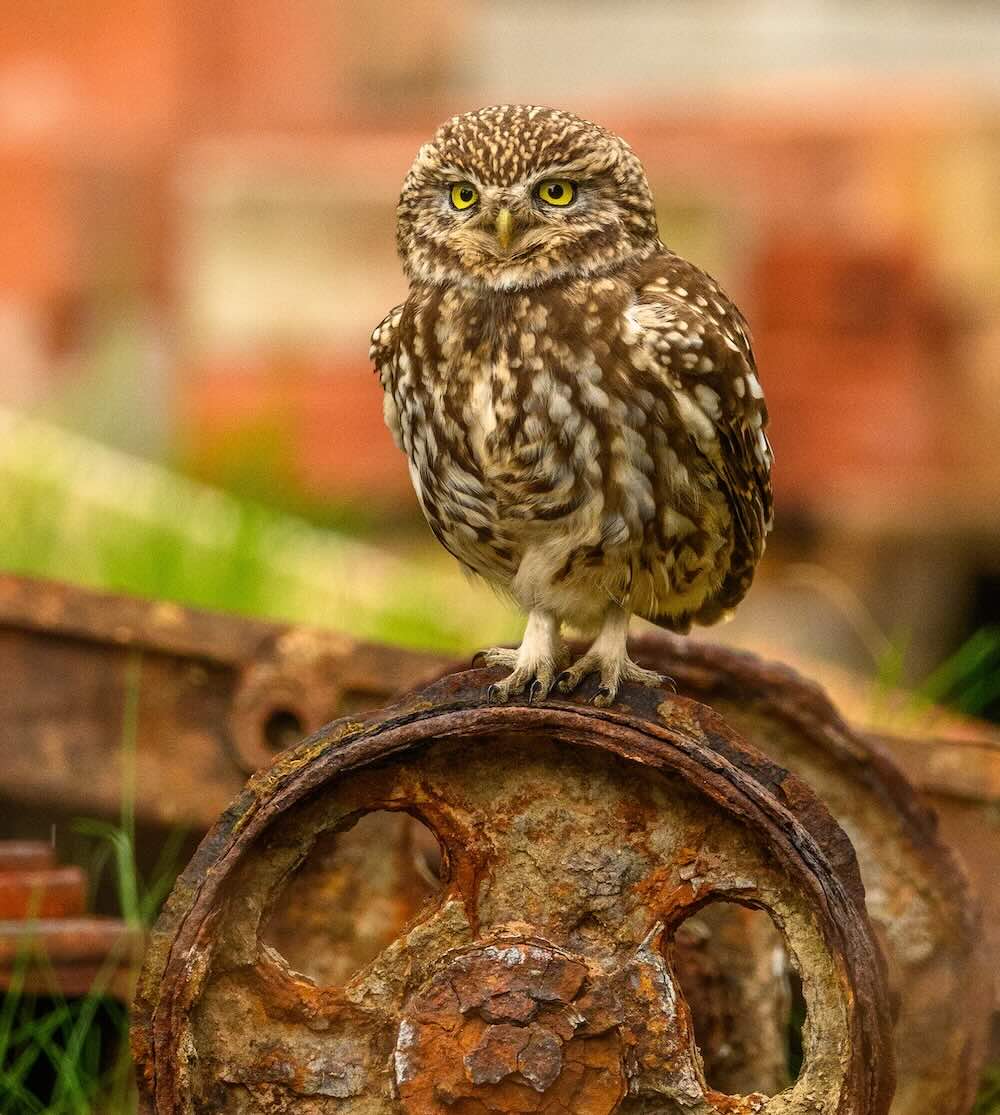
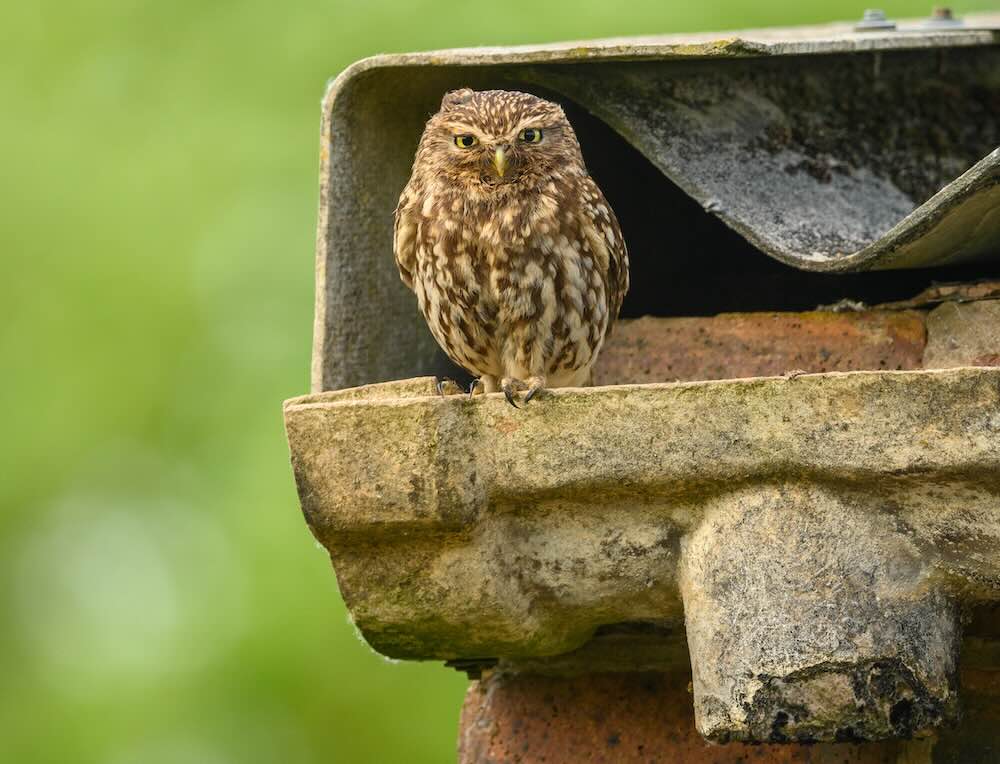
But a closer look reveals wildflowers and several species of owls making the site their home.
Photographer Andrew Mason, whose father John worked there in the 1960s, captured stunning images of barn owls and short-eared owls living in the derelict buildings.
“The colliery is a living example of rewilding. You can literally see nature taking it back from the industrialized world.
“There are barn owls living in the high buildings which are great as look-out posts to spot prey.”
With the permission of Stoke-on-Trent’s City Council, which is responsible for the property, Andrew set up a blind in the former colliery from which to observe unnoticed.
The site has 15 listed buildings and was included on Historic England’s ‘heritage register’.
Andrew hopes to soon set up trail cameras to pick up badgers and foxes which are also known to be living in the abandoned mine.
“One of the strangest things I saw was wild strawberries growing on old bits of coal slag heap.
“It was quite fascinating to see how nature was taking over.”
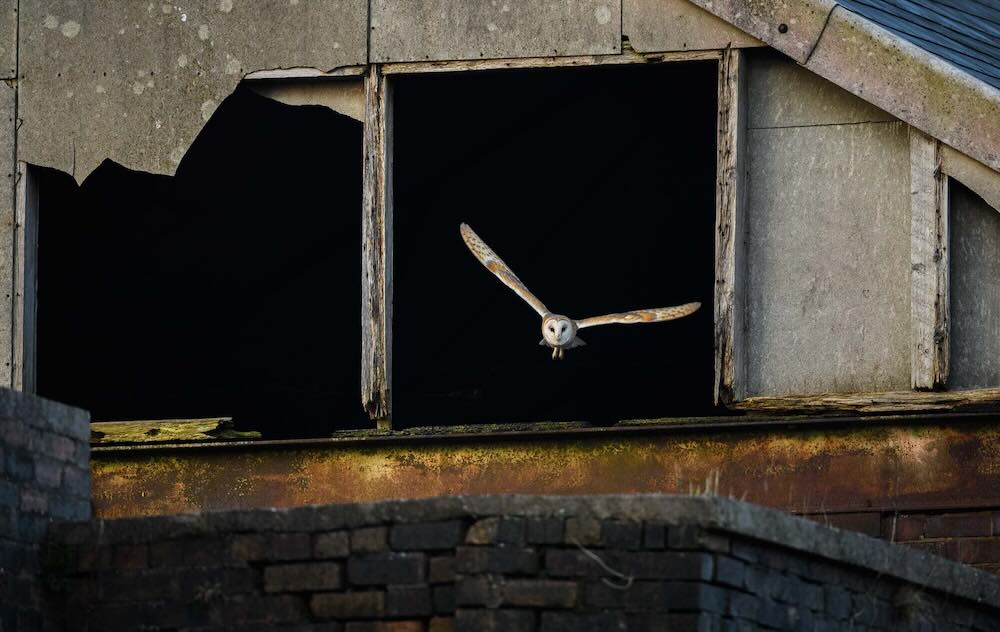
One panoramic image shows a single barn owl flying past headgear with the mine’s rusting towers in the background.
THEY GAVE A HOOT: Owl Found in Concrete Gets Feather Transplant So it Can Fly Silently Again into the Wild
“There really is a strange beauty in the juxtaposition of the ghostly white owl of the night flying amongst these old industrial buildings that are still standing,” he mused about the photo you saw near the top.
Chatterley Whitfield was the biggest coal mine in the area and the first in the UK to produce a million tons of coal in a year.
After officially closing on March 25, 1977, it re-opened two years later as a mining museum.
BIRD HERO: Brazil’s Blue-and-Yellow Macaws Return to Rio After 200 Years: ‘A dream come true’
The site attracted tens of thousands of visitors a year but it eventually closed for good in 1993.
WHOOO WOULD BELIEVE IT? Spread The Uplifting News on Social Media…