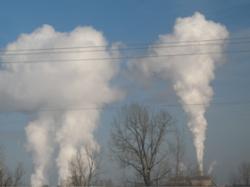
 The U.S. Environmental Protection Agency yesterday announced the first-ever national standards to reduce dangerous mercury, arsenic and other toxic air pollutants from power plants.
The agency projects that the new safeguards will prevent as many as 11,000 premature deaths, 4,700 heart attacks and 130,000 cases of childhood asthma each year. The pollutants have also been found to harm lakes, streams and fish and might even cause cancer. The new rules are likely to cut mercury emissions by 90 percent.
The new rule aimed at out-of-date power plants has been 20 years in the making and children, in particular, have paid the price for delays: More than 300,000 are born every year after being exposed to unsafe levels of mercury while in the womb, increasing their risk of having learning disabilities later on.















 Christmas came early for a Boston music student who was reunited with the US$170,000 violin she forgot in the overhead compartment of a regional commuter bus she rode last week, while overcome with travel fatigue.













 A vaccine that may prevent HIV has been given the green light by the U.S. Food and Drug Administration to begin clinical trials in humans, according to Canadian researchers.