Quote of the Day: “Love is like a faucet, it turns on and off.” – Billie Holiday
Photo by: João Paulo Carnevalli de Oliveira
With a new inspirational quote every day, atop the perfect photo—collected and archived on our Quote of the Day page—why not bookmark GNN.org for a daily uplift?
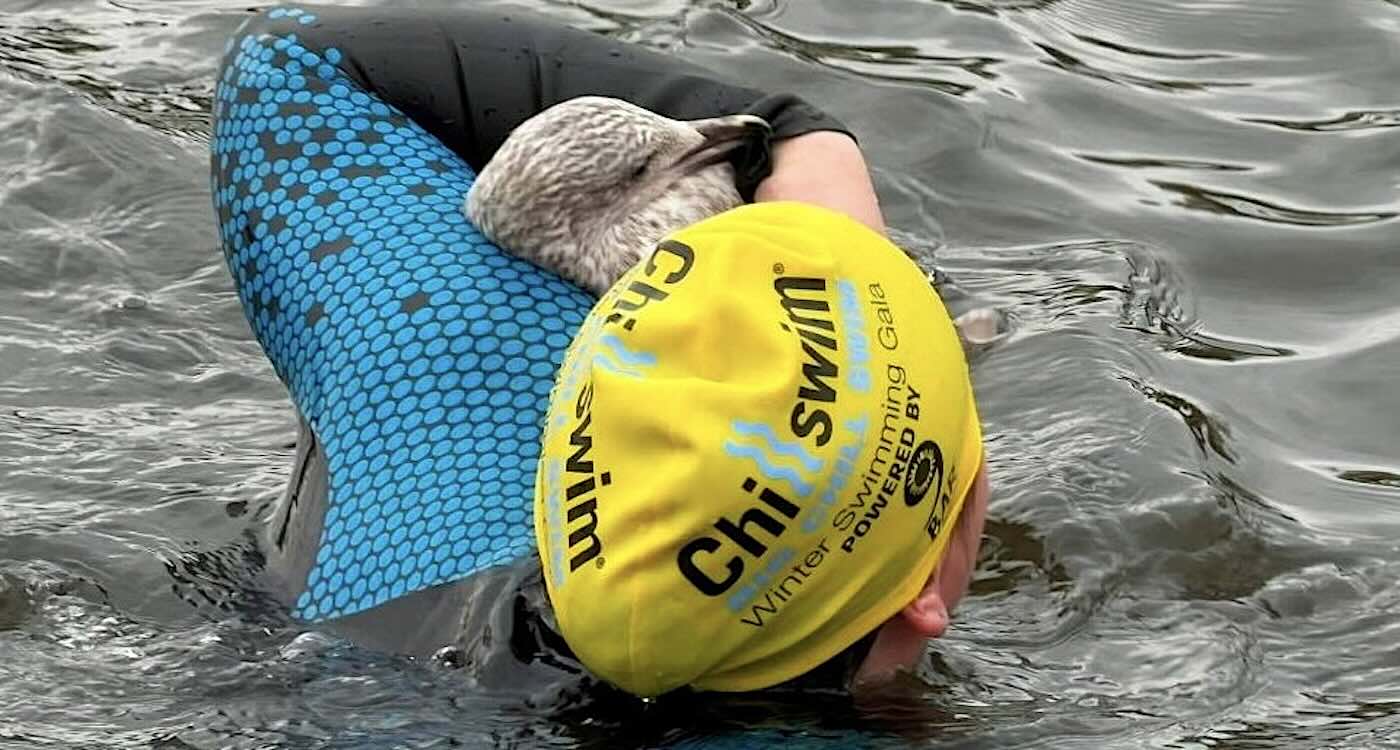
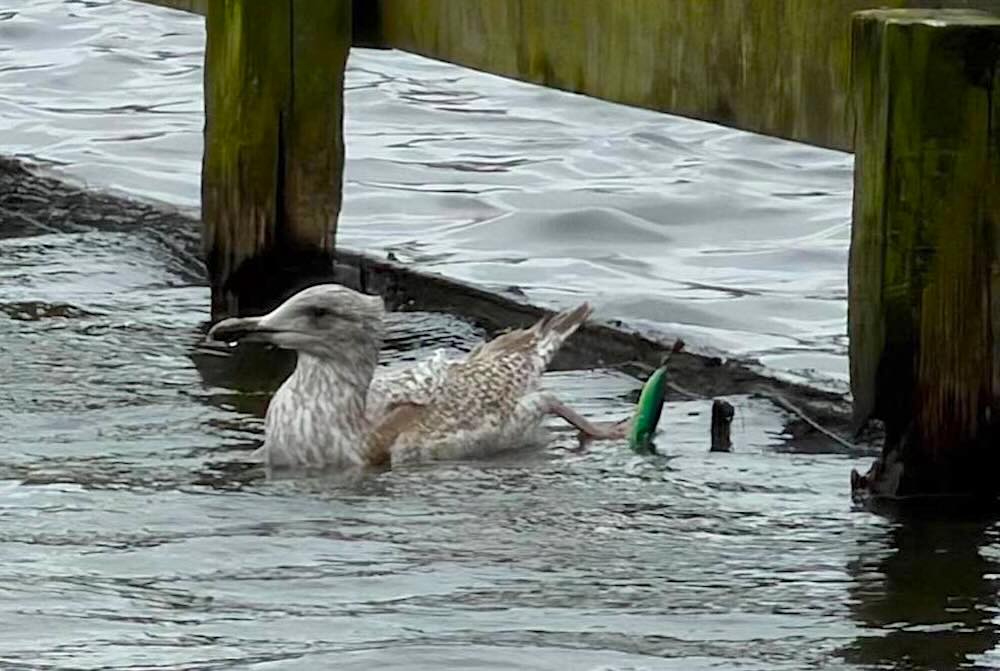
A woman was dubbed a heroine after she rescued an injured seagull that had been stuck in fishing line for more than five hours near the Irish Sea.
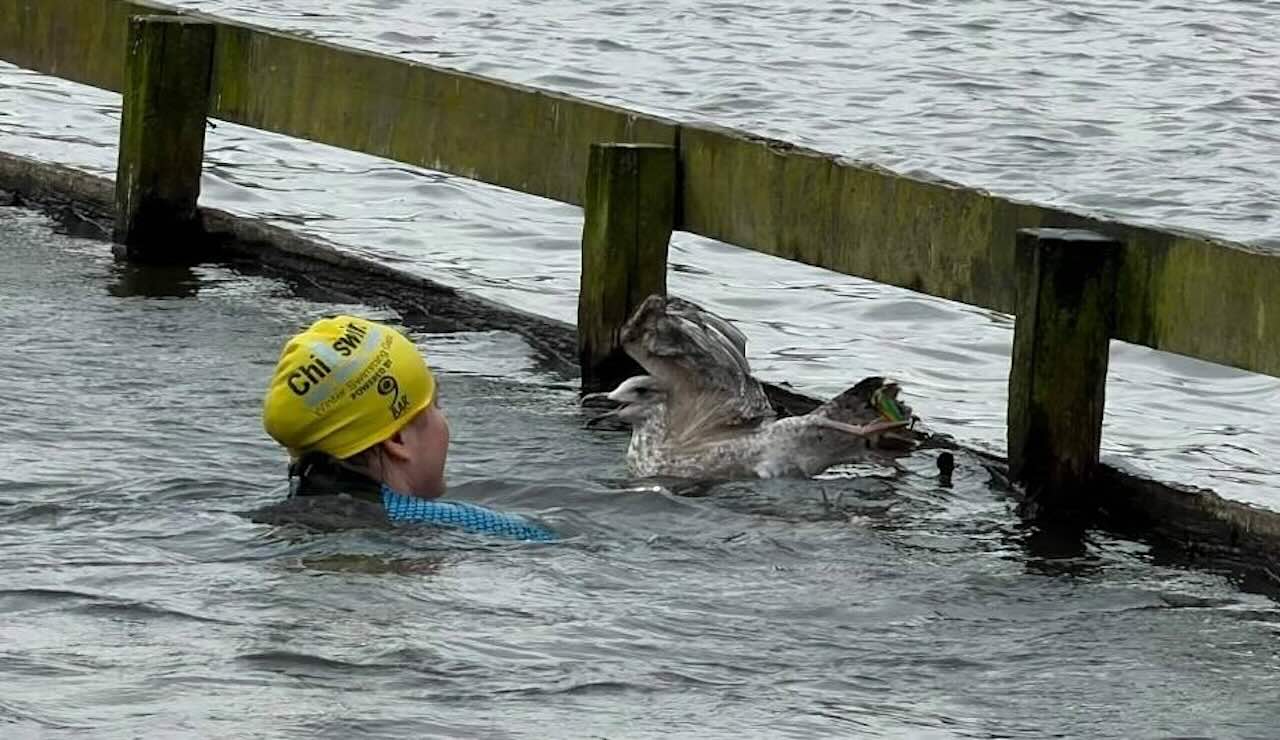
Dramatic photos show Lorraine Bullar swimming out 50 feet in frigid Stanley Park Lake in Blackpool, Lancashire, to save the injured gull whose leg was trapped in fishing tackle.
The exhausted animal was spotted by wildlife rescue volunteer Stuart Beaton, who had noticed the gull hadn’t moved for five hours.
He alerted his team at Brambles Wildlife Rescue, and they called Lorraine.
She has extensive experience saving lives with the Royal National Lifeboat Institution, the charity that operates 24/7 search and rescue missions around England and trains lifeguards for her beaches.
“Thankfully heroine Lorraine, who is a friend of the Rescue, offered her help,” said Mel Greenhalgh, of Brambles.
Credit: Stuart Beaton SWNS
She pulled on her wetsuit and swam out to give the seagull an emergency assist.
Waiting on the shore, Stuart captured photos, then carefully removed the hook, and transported t to the clinic.
The gull is now being cared for by staff members at Brambles, who treated her with antibiotics and gave her anti-inflammatory medication—as well as a new nickname, ‘Patience’.
Even though the swim was just 50 feet (15 meters), Mel was impressed.
“That’s no mean feat swimming with a gull under your arm!”
Credit: Ramsés Cervantes for Unsplash+ ALJenyLIJXg
Credit: Ramsés Cervantes for Unsplash+ ALJenyLIJXg
Maryland is set to become the first US state to ban surveillance pricing in retail grocery stores, after the legislature last week passed the Protection from Predatory Pricing Act.
Also known as dynamic or personalized pricing, surveillance pricing is when a store charges different shoppers different prices for the same item at the same time, based on something the store “knows” about them as an individual.
Governor Wes Moore said he will sign the bill into law, which stops large retailers from using personal data to change prices in real-time, while still allowing for promotional offers and loyalty program benefits.
American consumers are subject to dynamic pricing millions of times every day when they are buying airline tickets online, using Uber, or ordering anything on Amazon.com.
This new law, introduced by Gov. Moore, was prompted by concerns that major retailers, such as Walmart, are adopting digital price tags on their shelves that can change instantly by using predictive technology to manipulate prices and hurt average consumers.
“At a time when Marylanders are already stretched by the rising cost of groceries, housing, and everyday necessities, we must ensure that new technologies are not used to drive up the bill for working families.” said the Democratic governor in January.
Consumer Reports lobbied for the bill, but says the final draft of H.B. 895 “falls short of adequately protecting consumers”, after the Maryland Retail Alliance, which strongly opposed the bill, successfully added several exemptions.
“Retailers have a lot of data about individual shoppers; how often we search for or hover over particular items, whether we live near competitor stores, inferences about our likes and dislikes, our dietary needs, our income, our family size, and more. Surveillance pricing allows companies to take advantage of that information asymmetry and charge you as much as they think you’re individually willing to pay,” said Grace Gedye, senior policy analyst at Consumer Reports (CR).
For instance, one Kroger’s shopper in Oregon requested their data under a state privacy law and received a 62-page profile—and most of the inferences were wrong.
The loopholes CR identified that weakened the bill, ironically included the exemption for loyalty or membership programs, because those prices are allowed to be raised—becoming more expensive than standard prices.
The good news is many other states are considering surveillance pricing bans including California, Colorado, Illinois, New Jersey, New York, and others—and maybe those states will resist adding loopholes.
The key provisions of the Maryland act, which will go into effect on October 1, 2026, include:
Grocery stores are required to keep their prices fixed for at least one business day to prevent hourly price spikes.
Retailers are prohibited from using surveillance data—such as a customer’s shopping habits, ethnicity, or income—to set different prices for different individuals.
Violations are treated as unfair or deceptive trade practices, but businesses only face fines of up to $10,000 for a first offense and up to $25,000 for subsequent violations.
CR described the bill’s enforcement provisions as weak, especially because consumers are not permitted to sue companies if they’ve been subject to surveillance pricing—a departure from Maryland’s primary consumer protection law. Only the Maryland Attorney General can bring suits, and is required to send companies a notice that they’ve violated the law and give them 45 days to fix violations without further legal ramification.
And, it’s not just brick-and-mortar stores that are suspected of over-charging. Last December, Consumer Reports published an investigation into Instacart’s pricing tactics. CR had nearly 400 consumers shop for the same basket of goods at the same time.
Analysis of the shopping data found that consumers were paying different prices for the same products from the same store at the same time.
The investigation found that Instacart’s algorithmic pricing experiments could result in price differences as high as 23% for certain products and could cost families more than $1,200 a year at checkout.
Soon after, Instacart announced in a company blog post that it would end the program that resulted in different shoppers being shown different prices for groceries on its platform.
SPREAD SOME AWARENESS By Sharing This on Social Media…
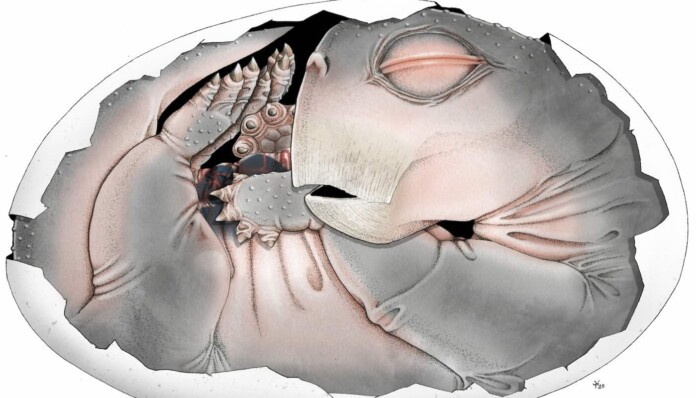
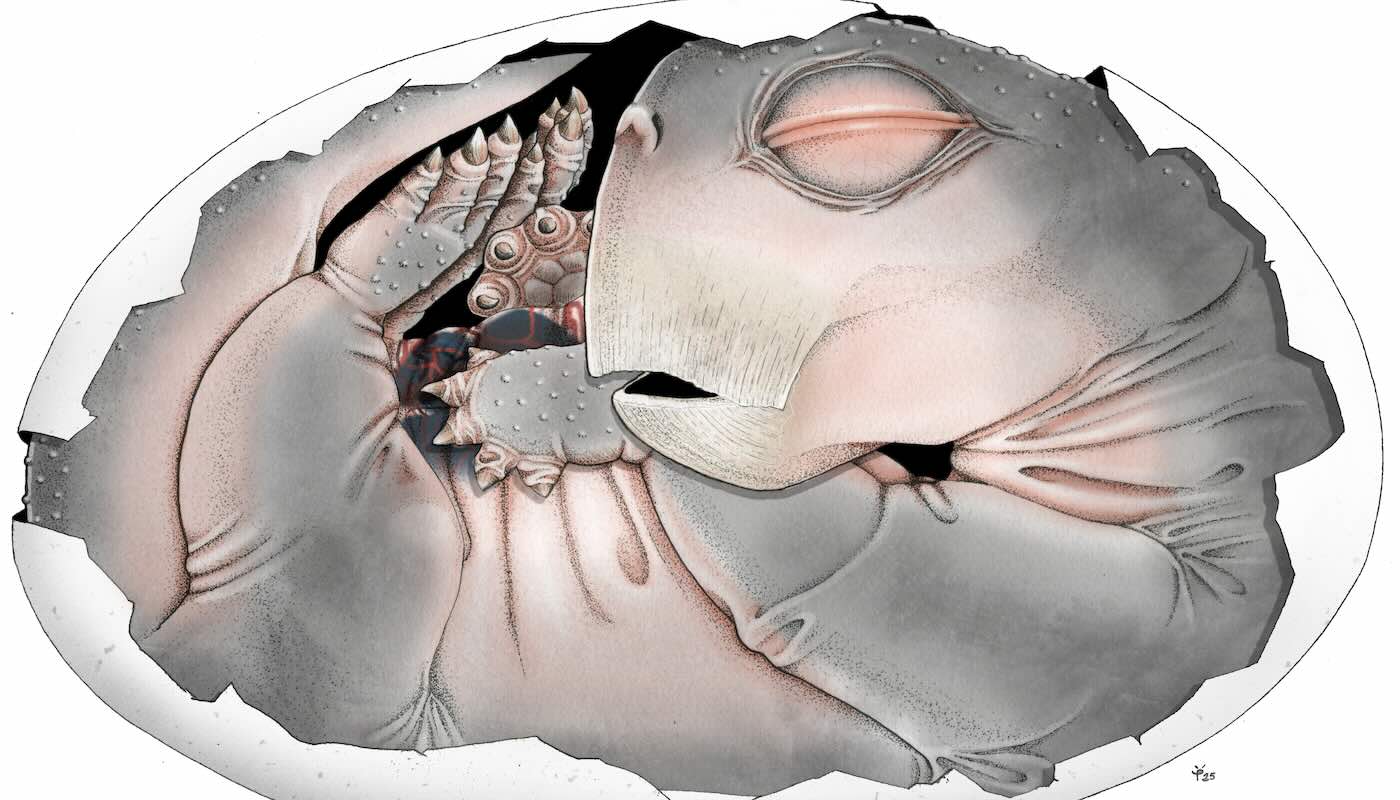
Reconstruction of Lystrosaurus egg fossil - Credit: Sophie Vrard released
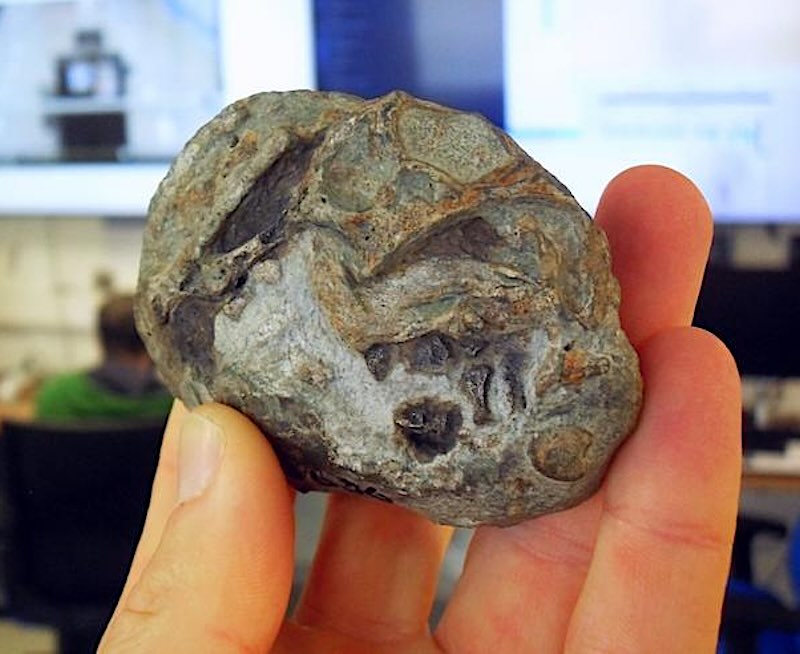
Egg fossil photographed at ESRF by Professor Julien Benoit
A remarkable new discovery is shedding light on one of the greatest survival stories in Earth’s history—and answering a decades-old scientific mystery.
Lystrosaurus, a hardy, plant-eating mammal ancestor, rose to prominence following a mass extinction some 252 million years ago—the most devastating extinction event our planet has ever experienced. While countless species vanished, Lystrosaurus not only survived, but thrived in a world marked by extreme environmental instability, intense heat, and prolonged droughts.
Now, groundbreaking research published in PLoS ONE reveals a discovery that transforms our understanding of this iconic survivor.
An international team of South African and French researchers has identified, for the first time, an egg containing an embryo of Lystrosaurus, dating back approximately 250 million years. This extraordinary fossil represents the first-ever egg discovered from a mammal ancestor, finally answering a long-standing question: Did the ancestors of mammals lay eggs?
The researchers suggest these eggs were likely soft-shelled, explaining why they have remained elusive for so long. Unlike the hard, mineralized eggs of dinosaurs, which fossilize readily, soft-shelled eggs rarely preserve, making this find exceptionally rare. But the implications go far beyond reproduction.
Evolutionary Studies Professor Jennifer Botha, of the University of the Witwatersrand in South Africa, recalls how the extraordinary fossil was discovered during one of her field excursions in 2008.
“My exceptional fossil finder, John Nyaphuli, identified a small nodule that at first revealed only tiny flecks of bone. As he carefully prepared the specimen, it became clear that it was a perfectly curled-up Lystrosaurus hatchling. I suspected even then that it had died within the egg, but at the time, we simply didn’t have the technology to confirm it.”
With the advent of advanced synchrotron x-ray CT and the bright X-rays of the ESRF, her colleague, Professor Julien Benoit along with Dr. Vincent Fernandez (with ESRF – The European Synchrotron in France) were finally able to unlock the last pieces of the puzzle.
Dr. Fernandez described the experience as particularly thrilling:
Reconstruction of Lystrosaurus egg fossil – Credit: Sophie Vrard released
“Understanding reproduction in mammal ancestors has been a long-lasting enigma and this fossil provides a key piece to this puzzle. It was essential that we scanned the fossil just right to capture the level of detail needed to resolve such tiny, delicate bones.”
The scans revealed a critical clue. “When I saw the incomplete mandibular symphysis, I was genuinely excited,” recalled Professor Benoit. “The mandible, the lower jaw, is made up of two halves that must fuse before the animal can feed. The fact that this fusion had not yet occurred shows that the individual would have been incapable of feeding itself.”
The study reveals that Lystrosaurus laid relatively large eggs for its body size. In modern animals, larger eggs typically contain more yolk, providing all the nutrients an embryo needs to develop independently, without parental feeding after hatching. This strongly suggests that Lystrosaurus did not produce milk for its young, unlike modern mammals.
Large eggs also offer another crucial advantage: they are more resistant to drying out. In the harsh, drought-prone environment following the extinction, this would have been a critical survival trait. The findings further suggest that Lystrosaurus hatchlings were likely precocial, born at an advanced stage of development. These young animals would have been capable of feeding themselves, escaping predators, and reaching reproductive maturity quickly.
In other words, Lystrosaurus succeeded by living fast and reproducing early.
In a world on the brink, this strategy proved unstoppable. This discovery not only provides the first direct evidence of egg-laying in mammal ancestors but also offers a powerful explanation for how Lystrosaurus came to dominate post-extinction ecosystems. As scientists continue to uncover the biology of ancient survivors, one thing is becoming clear: resilience, adaptability, and reproductive strategy were key to enduring Earth’s darkest chapter, and Lystrosaurus mastered them all.
‘Thrilling’ breakthrough is true milestone
“This research is important because it provides the first direct evidence that mammal ancestors, such as Lystrosaurus, laid eggs, resolving a long-standing question about the origins of mammalian reproduction.
“Beyond this fundamental insight, it reveals how reproductive strategies can shape survival in extreme environments: by producing large, yolk-rich eggs and precocial young, Lystrosaurus was able to thrive in the harsh, unpredictable conditions following the End-Permian Mass Extinction.”
“In a modern context, this work is highly impactful because it offers a deep-time perspective on resilience and adaptability in the face of rapid climate change and ecological crisis. Understanding how past organisms survived global upheaval helps scientists better predict how species today might respond to ongoing environmental stress, making this discovery not just a breakthrough in paleontology, but also highly relevant to current biodiversity and climate challenges” explained Julien Benoit in a news release.
“The cutting-edge data we generated allowed us to “see” inside the fossil in extraordinary detail, ultimately revealing that the embryo was still at a pre-hatching stage. That moment, when the pieces all came together, was incredibly rewarding”.
“At the time, all we had was a beautifully curled embryo, but no preserved eggshell to prove it had died within an egg. Using modern imaging techniques, we were able to answer that question definitively,” said Botha.
“It is also thrilling because this discovery breaks entirely new ground. For over 150 years of South African paleontology, no fossil had ever been conclusively identified as a therapsid egg. This is the first time we can say, with confidence, that mammal ancestors like Lystrosaurus laid eggs, making it a true milestone in the field”.
SHARE THIS INCREDIBLE FIND With Science Geeks on Social Media…
FREE WILL ASTROLOGY – Week of April 18, 2026
Copyright by Rob Brezsny, FreeWillAstrology.com
ARIES (March 21-April 19):
Anthropologist and author Clifford Geertz loved to use “thick description.” He wrote detailed reports that captured not just the surface level of what happened but the deeper levels of meaning. Here’s an example of thin description: “He winked.” Thick description: “He quickly closed and opened his right eyelid in a culturally specific gesture of playfully conspiratorial communication.” In the coming weeks, Aries, I invite you to enjoy the sumptuous pleasures of thick description. Unleash your wild curiosity as you dig down into the rich, complex truths about everything. Gleefully explore how the cultural, personal, and historical contexts give each moment its specific, nuanced significance. (PS: This approach will enhance your options for responding.)
TAURUS (April 20-May 20):
New beginnings and final chapters will be overlapping in the coming weeks, and they’ll push you in the direction of robust growth. It won’t always be obvious which is which, though, so you’ll need to sharpen your discernment to read the signs. Here are two contemplations to steer you: 1. Which long-running sagas in your life have finally played themselves out? 2. Which struggling, half-forgotten dreams are yearning to rise again and blossom as if they were brand new? Once you’ve listened deeply enough to answer those questions, move boldly: Feed and protect whatever is being born, and actively assist in the graceful dismantling of whatever is ready to end.
GEMINI (May 21-June 20):
One of your go-to tools or assets is still functioning, but now is exactly the time to repair or refurbish it—before it breaks. Furthermore: A power outage of sorts may be looming unless you move to head off an impending overload. Wait, there’s even more! The monster in your closet is still deeply asleep, which is why now is the perfect moment to summon an exorcist or exterminator, before it stirs. Are you getting the picture, Gemini? The very fact that you’re reading this horoscope gives you all the advance warning you need to sidestep potential glitches and diversions.
CANCER (June 21-July 22):
According to my reading of the astrological omens, asking the BIG questions is highly advisable right now. Why? Because you are unusually likely to get really good answers to those BIG questions. Want a nudge to get started in this noble enterprise? Here are three recommended queries: 1. “What is the wild meaning of my precious life?” 2. “Who the #@$%&!* am I, anyway?” 3. “Where is this so-called ‘God’ I hear so much about?” Dear Cancerian, I will also urge you to formulate humorous, satirical BIG questions that inspire life to be playfully revelatory with you. Here are three: 1. “How can I fine-tune my friends and loved ones to perfection?” 2. “Are there shortcuts to getting absolutely everything I want?” 3. “How do I sign up for a life of nonstop pleasure, free from all discomfort?”
LEO (July 23-Aug. 22):
When people finally grasped just how radical Einstein’s theory of relativity was, a journalist asked him how he had arrived at such a breakthrough. Einstein said it was simple: He had utterly ignored supposedly fundamental truths. Dear Leo, please notice what that might imply for you in the coming weeks. Einstein didn’t dismiss a mere opinion or fashionable theory; he set aside theories so deeply accepted that everyone treated them as obviously factual. He didn’t waste energy fighting them, but simply proceeded as if they didn’t exist. Consider doing the same: Set aside at least one seemingly incontestable assumption and be alert for the new realities that then become possible.
VIRGO (Aug. 23-Sept. 22):
The International Space Station orbits Earth every 90 minutes, so astronauts see 16 sunrises and sunsets every 24 hours. It’s a challenge to maintain their circadian rhythms. They must be disciplined as they stick to a sleep cycle that human bodies are accustomed to. But there’s a wonderful trade-off: the rare privilege of witnessing the rapid cycling of total darkness and brilliant light, which provides a visceral sense of life’s deep cadences at work. Your routine may seem similarly unsettled these days, Virgo. Transitions are coming faster than feels natural. But I suspect this disruptive blessing is giving you access to patterns that aren’t intelligible when you’re moving more slowly. You’re beholding the way things change as well as the changes themselves. This is a valuable gift. The insights will be worth the disorientation.
LIBRA (Sept. 23-Oct. 22):
You Libras sometimes get accused of indecision, as if your careful weighing of possibilities were a weakness. But I see a different truth: You aspire to be fair-minded as you honor all the legitimate claims on your attention. So the problem isn’t your capacity for considering multiple sides of each story. Rather, I find fault with the culture you live in, which is obsessed with one-dimensional certainty. If I were your coach or therapist, I would give you permission to take your time and resist the rush to resolution. The most honest thing you can say may be, “I’m still deciding,” or “Both of these feel true.”
SCORPIO (Oct. 23-Nov. 21):
You’re not a flaming expert at turning tension into treasure, but you have modest skills at that art. And now I’m predicting you will grow these skills. Before you jump to conclusions, though, please know that I’m not implying you will be immersed in stressful melodrama. I’m suggesting you will handle differences of perspective with increasing aplomb and curiosity. Instead of treating conflict as a debilitating hassle, you’ll try to find value in it. Some debates may even feel stimulating and fun rather than tiring. To take maximum advantage, enjoy the controversies as exploratory missions rather than as showdowns you must win at all costs.
SAGITTARIUS (Nov. 22-Dec. 21):
I hope and predict that you will be wildly resourceful as you wisely experiment with love in the coming weeks. I hope and predict that you will research the art of tender, inspiring intimacy in new frontiers. Reinvent passion, you subtle intensity freak! Be a bold explorer who breaks the boring old rules! Dare to break open new varieties of sweetness and companionship that require you to innovate and improvise!
CAPRICORN (Dec. 22-Jan. 19):
If you were on a walk and spied a dime on the ground, would you bend down to grab it? Probably not. Would you feel differently about a quarter? Maybe you have decided that nothing under a dollar is worth your effort. But in the coming weeks, you will be wise to break such rules. Symbolically speaking, the act of stooping down to pick up a dime will set off a chain reaction that ends with you acquiring a hundred-dollar bill. By saying yes to small, unexpected blessings, you’ll position yourself to receive larger ones down the line.
AQUARIUS (Jan. 20-Feb. 18):
The coming weeks will be an excellent time to begin a building project on the scale of Egypt’s Great Pyramid or India’s Taj Mahal. You should at least initiate work toward some magnificent masterpiece or creation, Aquarius. According to my analysis, there’s a chance you could coax an armada of helpers to work on your behalf. And as you set out to accomplish your labor of love, I bless your quest.
PISCES (Feb. 19-March 20):
Artists who specialize in origami can create structures far stronger than the flat paper they’re folded from. The weakness of being made from thin, fragile material is overcome through strategic creasing. Engineers now use origami principles to design everything from solar panels to artificial blood vessels. Let’s extrapolate these facts into a lesson for you in the coming weeks, Pisces. We’ll assume that your flexibility is a strength, not a liability. You will wield your pliability to produce a high degree of structural integrity.
WANT MORE? Listen to Rob’s EXPANDED AUDIO HOROSCOPES, 4-5 minute meditations on the current state of your destiny — or subscribe to his unique daily text message service at: RealAstrology.com
Quote of the Day: “Your suffering needs to be respected. Don’t try to ignore the hurt, because it is real.” – Bryant McGill
Photo by: Keenan Constance
With a new inspirational quote every day, atop the perfect photo—collected and archived on our Quote of the Day page—why not bookmark GNN.org for a daily uplift?
251 years ago, Paul Revere, who was 40 years old at the time, a respected craftsman and father of 16 children, rode with William Dawes and Samuel Prescott, galloping through the countryside of colonial Massachusetts to Lexington and Concord warning of the sudden movements of the British army. Contrary to myth, Revere did not shout, “the British are coming” (he himself was British). Instead, he spread the word by shouting, “The regulars are out.” READ more about this famous story… (1775)
An Ae‘o (Hawaiian Stilt) at the He‘eia National Estuarine Research Reserve - credit, Melissa Price UH Manoa.
An Ae‘o (Hawaiian Stilt) at the He‘eia National Estuarine Research Reserve – credit, Melissa Price UH Manoa.
Challenging a 50-year-old narrative about Hawaii’s native birds, a new study from the University of Hawaii at Mānoa found no scientific evidence that indigenous people hunted waterbird species to extinction.
Published in the journal Ecosphere, the research debunks this long-held myth and offers a new, integrated theory to explain the disappearances.
It’s not the first time that modern science has put forward new explanations for dramatic island declines, ones often attributed to native peoples.
Indeed in 2024, GNN reported that scientists at the University of Copenhagen had brought to bear genetic testing to prove that the natives of Easter Island did not, in fact, chop down all the trees on their island to build their giant stone heads, leading to a population collapse.
In this new instance, the U of H authors suggest a new theory: the native Hawaiian birds died out because of a combination of climate change, invasive species, and changes in how the land was used—most of which happened either prior to Polynesian arrival, or after Europeans took over ownership of wild areas.
The study also noted that now-endangered waterbirds were probably most abundant just before Europeans arrived, when wetland management was a core aspect of Native Hawaiian society.
“So much of science is biased by the notion that humans are inevitable agents of ecocide, and we destroy nature wherever we go. This idea has shaped the dominant narrative in conservation, which automatically places the blame for extinctions on the first people—the indigenous people—of a place,” said Kawika Winter, associate professor at Hawaii Institute of Marine Biology (HIMB) and co-author of the paper.
Professor’s explanation mirrors what Víctor Moreno-Mayar, Assistant Professor of Geogenetics at Copenhagen and author of the Easter Island paper, concluded, which was that the “idea of ecological suicide is put together as part of a colonial narrative… this idea that these supposedly primitive people could not manage their culture or resources.”
Even where there is zero scientific evidence to support it, the myth of Hawaiians hunting birds to extinctions took root, and for decades has been taught as if it was a scientific fact, the authors explain.
Their study re-examined existing evidence without this bias that the discipline has increasingly been criticized for—the idea that people are separate from and inherently bad for nature.
They started by identifying the time period that extinct Hawaiian waterbird species were last observed within the fossil record. The first thing one notices is that of the 18 known species to have gone extinct, 10 did so before Hawaiians ever arrived.
The second thing is that, reviewing existing literature and hard evidence like fossils and pollen samples, there is a much greater chance that native Hawaiian seabirds went extinct from a combination of climactic shifts, such as from the Pleistocene to the Holocene, and species introduction, such as rats and flu viruses, than from the previously believed impacts of deforestation or overhunting.
The study’s conclusions are expected to help transform conservation actions in Hawaii, particularly for the recovery of endangered waterbird populations, such as ʻalae ʻula (Gallinula chloropus) and ʻaeʻo (Himantopus mexicanus knudseni).
“Our study not only dispels this myth, but also contributes to a growing body of evidence that indigenous stewardship represents the best ways for native birds to thrive in a world where humans are not going away,” suggested Winter.
Melissa Price, an associate professor who runs the Wildlife Ecology Lab at the university’s College of Tropical Agriculture and Human Resilience, said in a story on the research published at the UH press, that restoration of wetland agro-ecosystems is critically important to bring these waterbirds into abundance again.
“If we wish to transform our islands from the ‘Extinction Capital of the World’ into the ‘Recovery Capital of the World’ we need to restore relationships between nature and communities,” said Price.
SHARE This Great Debunking On Behalf Of The Noble Hawaiians…
For this hefty long-haired cat, no amount of attention seems to be enough for his new public relations role.
Named Isambard Kitten Brunel after the famous British industrialist, the cat is called Issy for short, and makes a bus commute to the Oxford University library at Lady Margaret Hall alongside his owner Jamie Fishwick-Ford.
Jamie is a librarian at the hall, one of the colleges at Oxford, and began bringing Issy to work 6 years ago.
The fluffy Siberian forest cat spends most of his time relaxing in Jamie’s office, only leaving when people want to pet him, or when he is taken outside for some exercise.
Issy, now aged 6, has quickly become a hit with students, gaining a loyal following and earning himself unofficial mascot status at the college.
“Lots of people bring friends and family to meet him, and he’s become a bit of an unofficial mascot. He even appears on some of our outreach team’s stickers,” said Jamie, who has worked as a librarian at the college for 10 years, adding that the cat isn’t allowed to roam freely, but officials allow his presence in the office and on the lawns.
Jamie got Issy in September 2019, and started bringing him to work straight away either on a leash or on the librarian’s shoulders. When she arrived at Lady Margaret Hall she said it was a “very dog-orientated college.”
“College had a policy allowing you to bring dogs to work, as long as they mostly stayed in your office and you got permission of anyone else whose office they visited,” said Jamie.
Isambard Kitten Brunel the Oxford library cat – credit, Jamie Fishwick-Ford SWNSIsambard Kitten Brunel the Oxford library cat – credit, Emma Trimble / SWNS
“There’s two dogs on our coat of arms—because we were founded by Bishop Talbot, and a Talbot is a type of medieval hunting dog—the Principal of the college Alan Rusbridger had two dogs, and several staff members had dogs they brought to college. But I prefer cats.”
The two arrive at Lady Margaret Hall by bus, onboard which the cat enjoys the attention he almost inevitably receives, and in fact will meow if he doesn’t receive any.
Issy is particularly favored by students who miss their pets and he is always very friendly and calm, Jamie added.
“It can be really tough being away from home for the first time and away from pets you’ve known all your life, and it’s a lot easier to phone up your parents if you miss them than to phone up your cats.”
“He’s always very friendly and calm, but he’s even more so when someone is upset or crying, he’s had several people come to him in tears after they’ve accidentally deleted their dissertations or so on.”
Issy the Oxford University library cat – SWNS
“Other colleges also sometimes ask for visits from the famous library cat, so we go to visit them and give their students a chance to meet him,” she said.
SHARE This Adorable Kitty And His Very Important Job On Socials…
Sanae Takaichi at her first press conference as Prime Minister - Credit: Japanese Cabinet Secretariat, CC 4.0. BY-SA
“I can’t believe Deep Purple are here,” swooned the hard-rock drummer Sanae Takaichi, whom readers may know from her other job—the Prime Minister of Japan.
Indeed, the aged rockers were in Japan recently on tour, returning to the country where they recorded their critically-acclaimed live album, Live in Japan.
The band attended a face-to-face meeting with the head of state who, last October, became the first female leader in the country’s history.
Japanese Prime Minister Sanae Takaichi took a short — and happy — break on Friday as she hosted legendary British rock band Deep Purple in Tokyo as a longtime admirer. https://t.co/cGIRnuOMOFpic.twitter.com/D7Je9tvYf8
A huge fan, she bought the band’s Machine Headalbum containing the seminal hard rock track Smoke on the Water while she was in grade school, all the way back in 1971.
“I can’t believe Deep Purple are here,” Takaichi said, smiling as she greeted the musicians.
“I have the deepest respect for the way you continue to make rock history while embracing new challenges and creating captivating music to this day,” she said through an interpreter.
To the band’s drummer, Ian Paice, she quipped, “you are my god,” during a special meeting where she presented him with a gift of signed Japanese-made drumsticks.
Takaichi told the band that when she argues with her husband, her first response is to go and play along to their 1974 album Burn. (See the band performing in the video below…)
According to the BBC, Takaichi played keyboards in a Deep Purple tribute band before picking up the drums while at university. She’s remained behind the kit ever since, playing in a heavy metal band—and she’s known for carrying multiple sets of drumsticks in case she broke them, which happened a lot.
Quote of the Day: “There is no greater agony than bearing an untold story inside you.” – Maya Angelou
Photo by: Shawn Rain
With a new inspirational quote every day, atop the perfect photo—collected and archived on our Quote of the Day page—why not bookmark GNN.org for a daily uplift?
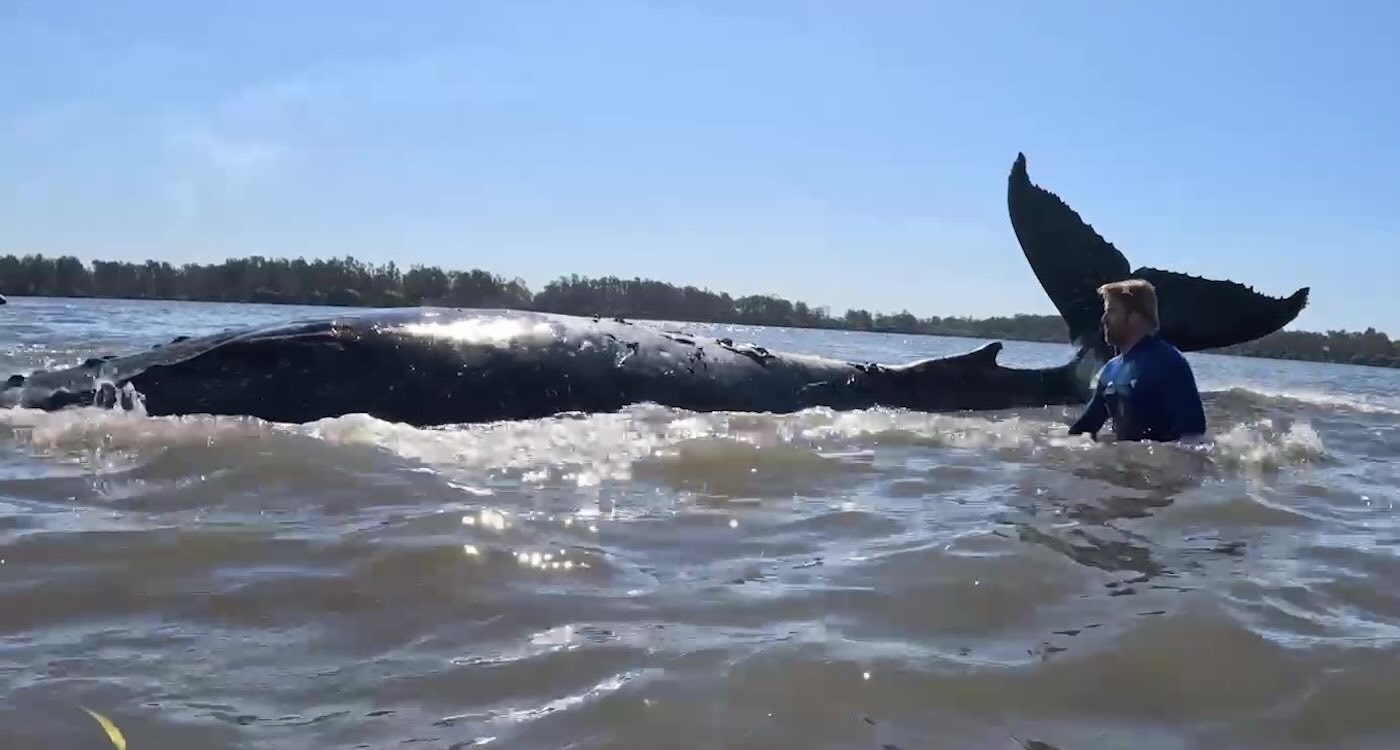
Humpback whale rescue - Video credit: The Sea World Foundation via SWNS
Humpback whale rescue – Video credit: The Sea World Foundation via SWNS
Rescuers in Australia were able to save a humpback whale after becoming stranded on a sandbar during its migration.
The 10-ton marine giant was freed and guided back into the ocean off Forster, New South Wales, after becoming trapped in shallow waters in a n urgent and complex rescue operation.
Humpback whales typically migrate along Australia’s east coast between June and November, traveling from Antarctica to the Great Barrier Reef, but one individual appeared to have set off far too early.
The juvenile humpback had entered the Coolongolook River on April 13th, before becoming stuck on a sandbar where it was unable to return to deeper water. It wasn’t until the following day that rescuers were able to free the animal.
A major rescue operation was launched involving the Sea World Foundation, the NSW National Parks and Wildlife Service, the Organization for the Rescue and Research of Cetaceans in Australia, (ORRCA) and the Forster Dive Centre.
Specialist teams worked together using heavy-duty slings placed beneath the whale’s pectoral fins to carefully tow the exhausted animal off the initial sandbank and into deeper water.
Credit: The Sea World Foundation via SWNS
Video shows the extraordinary moment the whale was lifted into the main channel, where it was finally able to swim free.
“We believe the whale travelled into the Foster area and due to misadventure become stranded on the sandbank which was in a shallow stretch of the river,” said Sea World Foundation Head of Marine Sciences Wayne Phillips.
“Despite the ordeal, the whale is in a good condition with some minor skin issues from being in the sun, and while it remains in the Wallis Lake area, we are hopeful it will now be able to navigate its way back out to the open ocean.”
SHARE This Massive Effort To Save One Of Our Estranged Aquatic Mammalian Kin…
The first generation Mustang - Kroelleboelle CC BY-SA 3.0.
62 years ago today, Americans got their first glimpse of Ford’s new sporty car. The Mustang first appeared in showrooms at the 1964 World Fair in New York City for a retail price of $2,368 (equivalent to $23,263 in 2023). Because it was introduced four months before the usual start of the 1965 production year, it is affectionately known as the “Ford 1964-1/2. READ a bit about the famous car’s earliest designs… (1964)
Saunas are all the rage these days for exercise recovery and longevity, because the increased ambient heat triggers a cascade of effects in the body that can lower blood pressure and reduce inflammation.
But, how many of us have access to a sauna?
That’s why researchers from the University of Oregon compared the effects of saunas to a simple soak in a hot bath—which is much more accessible to most people—and found good news for the sauna-less masses.
The research was published in the American Journal of Physiology and the authors say it was the first time that three different heat therapies were compared.
“We compared the most commonly utilized modalities of passive heating as they’re used in everyday life and studied in scientific research,” said lead author Jessica Atencio, a doctoral student in the lab of Professor Christopher Minson.
There’s much more research into sauna bathing than hot tub bathing—and most of it comes from Dr. Jari Laukkanen, a Finish cardiologist, clinician, and research scientist who has produced robust, multi-year studies on saunas—which are far more popular in Finland than elsewhere.
In the Oregon study, researchers monitored body temperature, blood pressure, heart rate, cardiac output (the amount of blood the heart pumps per minute), immune cell populations, and blood biomarkers of inflammation. Data was collected before, during and after subjects soaked in a hot tub, sat in dry heat, or tried far-infrared saunas.
The study looked at 10 men and 10 women who exercised regularly and ranged in age from 20 to 28 years old. The goal was to isolate the physiological responses to each heating method in a young, healthy population.
“We saw that hot water immersion was the most impactful in increasing core body temperature, which is the main stimulus for these subsequent responses,” Atencio told the University of Oregon press.
“Increasing body temperature causes an increase in blood flow, and just the force of blood moving across your vessels is beneficial for your vascular health.”
While the research team took blood samples from subjects after each kind of heat therapy, only hot-water immersion produced an inflammatory response as measured by the levels of inflammatory cytokines, a kind of immune signaling molecule, and immune cell populations.
Atencio and her team were not surprised by those results.
“Hot water immersion gives you the most robust changes in core temperature because you can’t effectively dissipate heat as you can if you have contact with the air and you’re sweating to cool the body,” she said. “When you’re submerged in water, the sweat mechanisms aren’t efficient.”
Minson has studied heat therapies for more than two decades. He has focused on how heat interacts with factors such as age, exercise, and illness in men and women.
“There’s no doubt in my mind that if people are willing to do some heat therapy, it’s going to align with improved health, as long as it’s done in moderation,” Minson said.
Dr. Laukkanen’s research with saunas shows that longer sessions, and more sessions per week was the best way to benefit.
Both saunas and hot tubs can replicate some of the benefits of exercise by increasing heart rate—but soaking in tubs, can create the effect more quickly and efficiently.
Minson believes that when moderate exercise isn’t a good option for people, heat therapy can be used as an effective substitute—to a certain extent—for aerobic exercise, even though regular exercise can provide even better results in some respects than those from heat therapy.
A Przewalski's horse with its foal in the care of the San Diego Zoo Wildlife Alliance
A Przewalski’s horse with its foal in the care of the San Diego Zoo Wildlife Alliance
3 years ago, the last non-domesticated species of horse was reintroduced into a Spanish woodland in the hopes they would act upon the land as wild equines had done for thousands of years.
The Iberian Highlands Rewilding Project (IHRP) is now happy to report that 10 foals have been born since then, as the Przewalski’s horse gradually became accustomed to the scrubby, dryer world in the forest’s beyond Madrid.
Despite originating in the wide open plains of northern China and Mongolia, the Przewalski’s horse was the conservationists’ only chance of seeing a wild equine in Spain.
It’s the only horse found anywhere on Earth that hasn’t interbred with domesticated horses over the last 6,000 years. Once seriously threatened with extinction, captive breeding programs have seen the animal return to pastures across Eurasia.
“The horses are engineers of the forest,” says Pablo Schapira, a team leader at IHRP. “What we want to do is to put back the pieces of the puzzle so that nature can lead the way to a new environment.”
Overly ambitious? Maybe, but then again, the area the IHRP is working in is more than 1.8 million acres, and sometimes called “Empty Spain,” or “La Espana Vacia,” as it’s seen widespread depopulation over the decades. Today, these vast tracks of wild forests and neglected rangeland are at substantial risk of wildfire ever since the natural grazers were displaced, hunted, or driven off.
The hope is that Przewalski’s horse, together with European bison, deer, and a specially-bred species of wild cattle supposed to take the place of the giant wild bovid that went extinct during the Middle Ages, will be able to control understory growth and reduce both the risk of fires starting and the intensity of fires that do start.
Local rewilding initiatives in Empty Spain and beyond have been given some $200,000 in loans from Rewilding Spain, the national chapter of Rewilding Europe, one of the largest conservation NGOs on the continent.
Some eco-entrepreneurs are using them to build safari lodges and acquire jeeps, potentially to turn this part of Spain into something that looks a lot more like an American national park than anything else that can be found in Europe.
Wolves, the Critically-Endangered Iberian lynx, and more vultures are planned for future releases into the Empty Spain in order to instill balance in the prey-predator relationship.
WATCH the story below from CGT News Europe…
SHARE This Brilliant Story That Encapsulates The Spirit Of Wild Europe…
The 81 Club Library Card for every Chicago Public School student via chipublib.org
The 81 Club Library Card for every Chicago Public School student via chipublib.org
In 2022 during a conceptual bid to improve library access, Chicago Public Schools thought they’d see whether teens would be more likely to use the library if their school ID doubled as a library card.
It turns out when you remove membership requirements, attendance and use at all 81 locations of the Chicago Public Library (CPL) goes up.
As a result, CPS has expanded the original initiative, called the 81 Club, indefinitely, until every school ID could be used as a library card, and thereby ensuring any school ID holder in the city can access more than 6 million books and pieces of research simply by providing that ID number.
CPL officials in turn said the program was aimed at improving access to educational resources for students that have the greatest barriers to educational attainment.
The 2022 pilot program saw library access increased by 63% among economically disadvantaged students.
“With this expansion, every student—no matter their ZIP code, school enrollment or their age, will have access to library cards and programs and resources that make their lives more enriched,” Mayor Brandon Johnson said at an event announcing the expansion Tuesday inside the Austin Branch of the Chicago Public Library, 5615 W. Race Ave.
The program expansion also comes with a new digital access system called Sora that will allow educators to retrieve research data, eBooks, audiobooks, and classroom learning materials.
SHARE This Great, Almost No-Brainer Idea With Your Friends…
A Chinese conglomerate that controls 37% of global market for EV batteries has recently said it will “spare no effort” to electrify parts of the marine shipping industry.
The costs of lithium ions have fallen 90% over the past two decades, epitomizing the overall reductions in the costs of batteries that have facilitated the resulting boom in EVs.
In all that, however, little has been done to investigate battery-powered maritime usage. It’s for a good reason in that batteries produce lower-density energy than heavy fuels used to power container ships or tugboats. Displacing water requires a lot more umph than displacing air.
Now CATL, which also controls some 22% of the world’s energy storage system, is planning to double its maritime applications division in order to pioneer early battery systems for near-shore vessels.
“We will spare no effort in investing in R&D, human resources and materials to build the supply chain for this industry,” said Su Yi, who leads the group’s Maritime Business Unit.
The International Maritime Organization aims to halve the industry’s share of global emissions from shipping to 1.5% from 3% by 2050, a goal which up until now has been approached with greener fuels such as green methanol and hydrogen.
In 2024, GNN reported that consortium of Japanese firms successfully conducted a demonstration of the first ever zero-emissions ship above 20 gross tons when the pilot sailed it 30 kilometers, (18 miles) out to an offshore windfarm and back.
A year earlier, GNN reported that global shipping leader Maersk ordered a green methanol powered ship two years ago and had already placed an order for 25 more methanol-powered vessels in addition to retrofitting existing ships with methanol engines and turbines.
Su told the Financial Times that the current focus is to produce the batteries with the extreme requirements of powering large vessels near shore. In addition to requiring maximum discharge rate, the batteries would need to last long and remain safe in ocean conditions.
CATL reported impressive 2025 earnings, with 42% year-over-year growth in revenues that topped $10 billion off the back of demand for data centers and energy storage. Su didn’t provide timelines or sales targets, but merely mentioned that she and her team were confidant there’d be market demand.
Its existing strategy since 2017 has been a battery-swap model whereby near-shore vessels like tugs can swap their batteries at a station for a fully-charged one to enable ’round-the-clock operations.
The group had seen previous success with such a model in their long-haul trucking division. Previously, the company developed hybrid battery-fossil fuel solutions for still water and near-shore vessels, as well as cruise ships.
SHARE The News That Such A Successful Firm Wants To Decarbonize Shipping…
Quote of the Day: “You gotta try your luck at least once a day, because you could be going around lucky all day and not even know it.” – Jimmy Dean (musician, entertainment host, radio producer, and co-founder of Jimmy Dean Sausage Company)
Photo by: Eddie Kopp fiveohfilms
With a new inspirational quote every day, atop the perfect photo—collected and archived on our Quote of the Day page—why not bookmark GNN.org for a daily uplift?
108 years ago today, Xuan Hua, also known by the dharma name An Tzu, was born. Xuan Hua founded The Dharma Realm Buddhist Association, and the City of Ten Thousand Buddhas in Ukiah, California, bringing Chan Buddhism and the fully ordained monastic order to the West. He also founded the Dharma Realm Buddhist University at CTTB, and the Buddhist Text Translation Society which works to translate Buddhist scriptures from Chinese into English, Vietnamese, Spanish, and many other languages. READ about his long efforts in the West… (1918)
Though overall levels remain high, the number of pedestrians killed by motorists in the US fell nearly 11% over the first 6 months of 2025 compared to the same period in 2024.
Data from the Governors Highway Safety Association (GHSA) reveals how this was the single largest decline in pedestrian deaths since records began in 2015.
The 10.9% drop in pedestrian deaths from 2024 to 2025 (January-June) translates into 371 fewer fatalities, which as GHSA reminds us is more than just a number, but 371 friends, family, and loved ones that can still be hugged and cherished.
When measured by deaths per 100,000, the rate is the lowest it’s been this decade. If measured by deaths per vehicle miles traveled, its the lowest since 2019.
With some exceptions, there’s quite plainly a north-south divide, with states like Minnesota, Idaho, Indiana, New York, Pennsylvania, and Massachusetts recording deaths per 100,000 residents at lower than 0.6, while Florida, Arizona, New Mexico, Texas, South Carolina, Mississippi, Louisiana, and Georgia crest 1.0.
Previous GHSA data has shown that one of the biggest determinants to pedestrian traffic deaths is darkness, which is likely why the southern states, with their larger and poorly-lit rural areas, record more deaths than the northern states.
“Each pedestrian death is so much more than just a number. Each one is a family member, friend or neighbor that no one will be able to hug, see or share time with ever again. While we are pleased with the progress shown in the data, the only acceptable number of traffic deaths is zero,” said Jonathan Adkins, CEO of the GHSA.
Remind Your Friends The World’s Getting Better Every Day By SHARING This Story…