












All News - Page 268 of 1715 - Good News Network
Home Blog Page 268

NASA Celebrates ‘One Year of Science’ From Webb Telescope with Jaw-Dropping Image

Rho Ophiuichi - Credits NASA ESA CSA STScI Klaus Pontoppidan STScI
Rho Ophiuichi – Credits NASA ESA CSA STScI Klaus Pontoppidan STScI

It’s been a long and successful year for the James Webb Space Telescope, and to mark the anniversary of its entry into service, NASA has shown off Webb’s vibrant picture of a small star-forming region in the Rho Ophiuchi cloud complex.

“From our cosmic backyard in the solar system to distant galaxies near the dawn of time, NASA’s James Webb Space Telescope has delivered on its promise of revealing the universe like never before in its first year of science operations,” NASA stated.

The first-anniversary image displays star birth “like it’s never been seen before,” full of detailed, impressionistic texture. The subject is the Rho Ophiuchi cloud complex, the closest star-forming region to Earth.

“It is a relatively small, quiet stellar nursery, but you’d never know it from Webb’s chaotic close-up,” boast NASA. “Jets bursting from young stars crisscross the image, impacting the surrounding interstellar gas and lighting up molecular hydrogen, shown in red. Some stars display the telltale shadow of a circumstellar disk, the makings of future planetary systems.”

Two critical differences single out the JWST as such a remarkable machine: the first is that it sees into infrared light—a spectrum which the human eye cannot see, and the second is that it orbits the second LaGrange Point a million miles from Earth, removing any light pollution of our world from diluting its imagery.

It’s made some important discoveries and snapped some incredible photographs. From our own solar system, Webb has clarified details on Jupiter, such as the planet’s minuscule rings, as well as the Jovian aurorae, on Neptune where the telescope was able to clearly image the planet’s rings and moons together for the first time, and from Saturn where it was able to gather exquisite data on the effect of methane clouds in Saturn’s atmosphere.

Webb has also been studying Saturn’s moons and managed to record a plume of water erupting from the surface of the ocean world Enceladus that was 6,000 miles long.

Outside the solar system, the JWST has taken amazing photos of the oldest galaxies ever found, created just 500 million years after the Big Bang, of an exploding star in the constellation Cassiopeia, and also lent a hand to a European effort to study X-ray light in the universe with a 4-panel mosaic of technological artwork. 

MORE ASTRONOMY NEWS: Scientists Discover Time Moving 5x Slower After Big Bang–Exactly as Einstein Predicted

“In just one year, the James Webb Space Telescope has transformed humanity’s view of the cosmos, peering into dust clouds and seeing light from faraway corners of the universe for the very first time,” said NASA Administrator Bill Nelson. “Every new image is a new discovery, empowering scientists around the globe to ask and answer questions they once could never dream of.”

“Thousands of engineers, scientists, and leaders poured their life’s passion into this mission, and their efforts will continue to improve our understanding of the origins of the universe—and our place in it.”

SHARE This Beautiful Cosmic Milestone With Your Friends… 

“Our knowledge is a little island in a great ocean of nonknowledge.” – Isaac Bashevis Singer

Quote of the Day: “Our knowledge is a little island in a great ocean of nonknowledge.” – Isaac Bashevis Singer

Photo by: Venti Views

With a new inspirational quote every day, atop the perfect photo—collected and archived on our Quotes page—why not bookmark GNN.org for a daily uplift?

This Monkey Was Already Endangered When Discovered in 2003–but is Now on the Up and Up

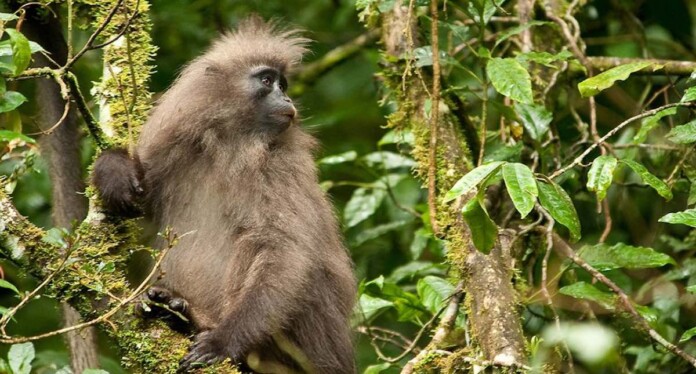
Kipunji monkey © Tim Davenport / WCS

Discovering a whole new species is an exciting moment for scientists; when they determined it was Critically-Endangered it probably induced the opposite reaction.

The kipunji was only identified in 2003 living on the slopes and forests of Mt. Rungwe and Livingstone Mountains within Kitulo National Park in Tanzania, after locals gave scientists the news that there were monkeys there.

Twenty years later and this monkey of gentle visage has been the beneficiary of ‘holistic’ conservation undertaken by the talented scientists at the Wildlife Conservation Society. By “sandwiching” hard science on top of protected area management and local community outreach, the kipunji monkey population has increased 65% from when it was first discovered by Westerners.

“Our new survey in 2020—just published in the International Journal of Primatology—shows… illegal activities have fallen in Mount Rungwe and Livingstone/Kitulo forests by 81%, with a total reduction in illegal timber activity of 90%,” writes Tim Davenport on the WCS blog.

Mongabay recounts that the southern highlands of Tanzania were poorly charted or surveyed before WCS began working there in 1999. Lacking the big game of the Serengeti, it had been ignored by Western scientists.

However the biodiversity is outstanding, and several species have been named after Mount Rungwe, including the kipunji which was characterized as one of the 25 most-endangered primates on Earth.

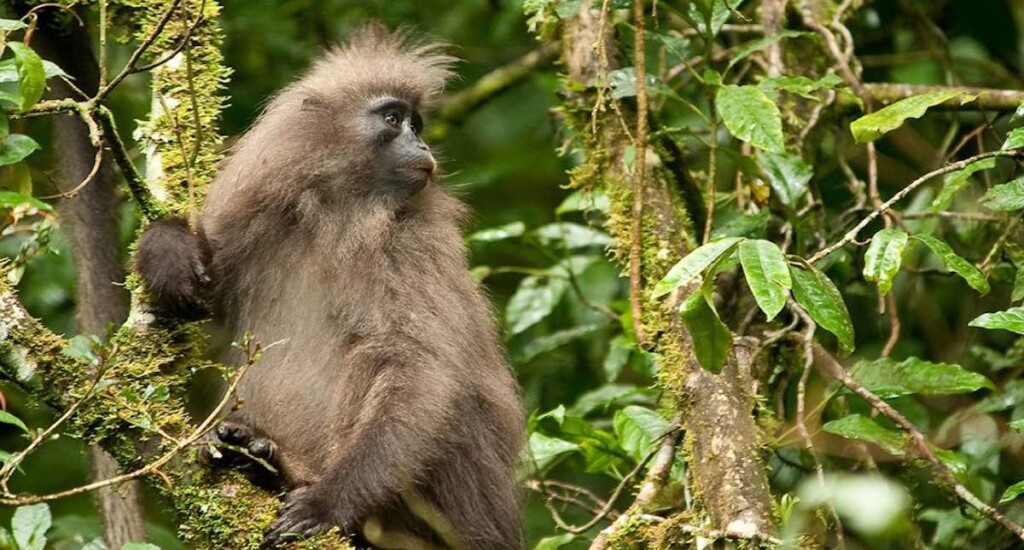
Ranging from black to a multi-coloration like karst rock, the monkeys aren’t very large. They have small black faces and large triangular crests of hair like a pompadour.

MORE CONSERVATION SUCCESS: Jaguars in Mexico are Growing in Number, a Promising Sign That Conservation Strategies are Working

There are “good reasons to be optimistic” about the kipunji, as the Tanzanian government quickly established nature reserves in all the areas of the kipunji’s habit that weren’t already protected, and the WCS built up long-term monitoring programs to ensure any change, positive or negative, is noticed.

As is often the case now in Africa, locals are being incentivized away from cutting down trees for charcoal with beekeeping. Beekeeping is becoming an excellent way for rural communities to earn a living that doesn’t involve poaching or deforestation.

Without the need to sell firewood, lumber, and charcoal for money, locals can leave much more of the forest alone.

MORE MONKEY BUSINESS: World’s Most Endangered Primate Population Triples After 17 Years of Careful Conservation

“You’re permanently looking for the end game. And there are now opportunities, there are people doing tourism, both the Tanzania Forestry Service [and] Tanzania National Parks is doing good stuff,” Davenport told Mongabay.

“It’s not perfect by any means. There are still pressures, there are still, just as anywhere in the world, illegal activities. There is still poverty around the edge. But it’s in a considerably better place than it used to be.”

SHARE The Good News About This Little Mountaineer With Your Friends… 

Man Finds Surprise of a Life in His Field: 700 Coins from Civil War ‘The Great Kentucky Hoard’

The Great Kentucky Hoard / Numismatic Guaranty Co.

A man in Kentucky recently found a buried cache of gold coins from the Civil War period rumored to be worth millions of dollars.

Consisting of nearly seven hundred $1, $10, and $20 gold dollars issued by the US Mint between 1840 and 1863, the discovery is being called the “Great Kentucky Hoard.”

“This is the most insane thing ever: Those are all $1 gold coins, $20 gold coins, $10 gold coins,” said the finder in a camera phone video.

Many wealthy Kentuckians are rumored to have buried large quantities of gold and silver in advance of the Civil War, and Ryan McNutt, a knowledgeable archaeologist with a specialty in conflict areas, suggests that since these gold coins were federally issued, it meant that the original owner might have been wary of being identified as a collaborator with the feds during a time when Kentucky was still neutral.

“Given the time period and the location in Kentucky, which was neutral at the time, it is entirely possible this was buried in advance of Confederate John Hunt Morgan’s June to July 1863 raid,” McNutt told LiveScience.

MORE USA TREASURE: Couple Discovers Buried Treasure Worth $52,000 in Their Backyard and Returns it All to the Owners

According to the Numismatic Guaranty Co. (NGC) which certified the hoard’s authenticity, the rarest items are the 1863-P $20 1-ounce gold liberty coins, which can go for 6-figures at auction. 18 were included in the hoard.

These were minted by the US Treasury after gold was discovered in California, and do not include the phrase “In God We Trust” which was added after the end of the Civil War.

WATCH what it looks like to find legit buried treasure… 

SHARE This Unbelievable Find With Your Friends… 

California Military Base is Being Transformed Into one of the Largest City Parks in the U.S.

credit City of Irvine Great Park

Construction of a massive municipal park—over 20 years in the making, is finally underway in the city of Irvine.

They say if California became its own country, it would have one of the world’s largest economies. The new Great Park of Irvine is a reflection of the always lofty ambitions of the state, and is expected to dwarf Central Park by more than 500 acres.

It was on May 23rd this year that the “Great Park Project” broke ground on the long-derelict El Toro Marine Corps Base, 21 years after voters approved a ballot measure ordering the state to create a park on the site.

Expected to take another 10 years to complete, the park will span 1,300 acres and include several museums, an amphitheater, a veterans memorial garden, an aquatics center, a sports complex, and not one but two lakes.

“After many years of community input and after the last year of intensive planning and design, we are excited to be launching what is a $1 billion investment to establish the world’s next great metropolitan park,” said Irvine City Councilman Michael Carroll who serves as Chairman of the Great Park Board.

$455 million was raised for the project through 30-year municipal bonds that will pay off $1 billion to investors and comes after repeat failures from past governments to find money and time to kick start the work.

OTHER BIG PARK PLANS: Abandoned Airport Turned into Sensory Experience Park Providing Green Refuge in Crowded Taiwan City

Irvine professionals from SWA Group and Kellenberg Studios will be in charge of the transformation.

MORE NEWS FROM CALI: Utah and California Snowpacks Break All Previous Records–Will Completely Alleviate Droughts

First item of work on the agenda is to demolish and clear away 77 old military buildings while leaving the El Toro air traffic control tower which will be leased by the FAA. However a portion of the Irvine Great Park, as it’s being called, is already open to visitors and includes a soccer pitch and some other amenities including tethered balloon to take visitors up into the sky.

SHARE This Long-Awaited Municipal Transformation With Your Friends… 

Editor’s note: The headline here has been altered to reflect its size. 

The World’s Largest 3D Printed Building is a Horse Barn That Can Endure Florida Hurricanes

COBOD via SWNS
COBOD via SWNS

The world’s largest 3D-printed building has been completed by Florida-based Printed Farms—a luxury horse barn spanning 10,100 sq. feet, which they claim is almost 50% larger than the previous record-holder in the Middle East.

The firm used the COBOD BOD2 construction 3D printer to create the structure in Wellington in Southern Florida.

The building has been constructed to endure the extreme weather challenges of the hurricane-prone, horse-loving region, with a “focus on structural integrity and occupant safety.”

“The versatility and benefits of 3D printing technology are also demonstrated through the structure’s 3D printed walls that create a cavity and air gap which provides natural cooling to the building,” COBOD said in a statement.

The building is 155 feet and 83 feet wide. The build process involved five repositionings of the printer, with the two sides completed twice and the middle section executed once.

COBOD printers have now created the world’s tallest 3D-printed building (33 feet) the world’s fastest (3 buildings in 8 days in Oman), and now the world’s largest 3D-printed building.

“Printed Farms has done a remarkable job in completing this massive structure and the project demonstrates again how 3D printing is transforming the construction industry for the better,” said Philip Lund-Nielsen, COBOD Co-founder and Head of Americas.

MORE 3D-PRINTED NEWS: First 2-Story Home to be 3D Printed in the U.S. Reaches for the Sky in Texas

“We are especially proud to observe our 3D printers being utilized for a broad range of applications besides housing, which is the industry’s predominant use case.”

“Our machines dominate this space already, but are in addition also used to print turbine bases, schools, office buildings, data centers, silos, and… [now] horse barns are added to the list.”

WATCH the printing below…

SHARE This World Record Print With Your Friends… 

“Freedom means the opportunity to be what we never thought we would be.” – Daniel J. Boorstin

Quote of the Day: “Freedom means the opportunity to be what we never thought we would be.” – Daniel J. Boorstin

Photo by: Sofia / insvezia

With a new inspirational quote every day, atop the perfect photo—collected and archived on our Quotes page—why not bookmark GNN.org for a daily uplift?

Driver Stops Train to Rescue Frightened Pug Before a ‘Massive’ Tearful Reunion with Owners

credit - Michael Jones
credit – Michael Jones

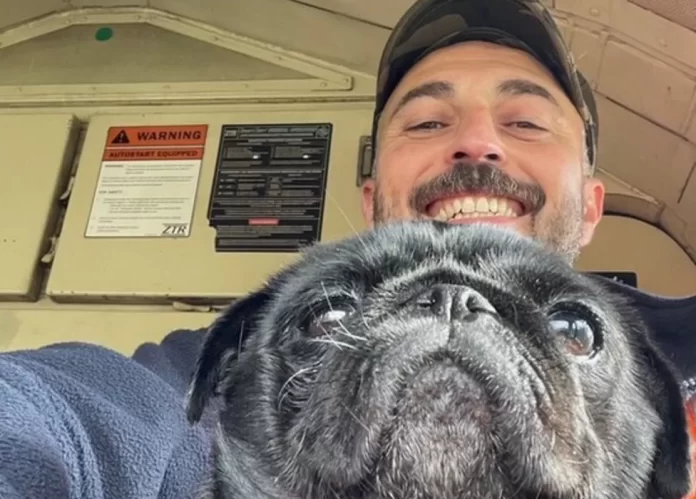
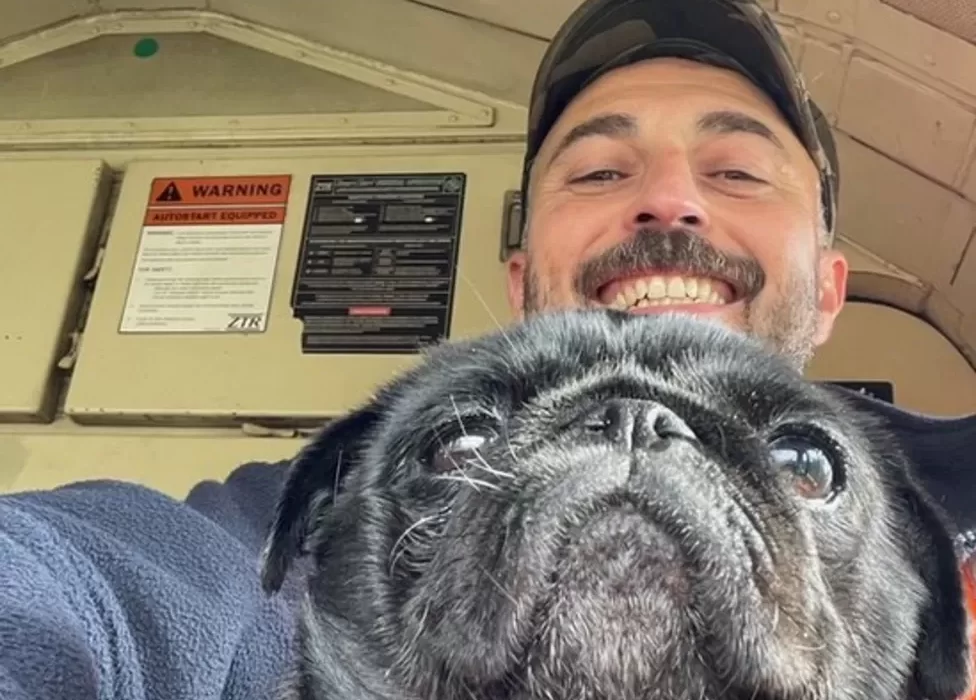
A freight train driver took a break from his work in the locomotive to play the part of rescuer for a little lost pug which had run away from her owners the night before.

Poppy the pug had become frightened by a speeding car in Rutland, UK, and 60-year-old owners Dawn and Ian Bain had been out searching for her all night long.

At twenty-past eight the next morning, Michael Jones was nearing Langham Crossing in his freight train when he described seeing a “flash of red” from Poppy’s harness disappear into the bushes near the level crossing.

“All of a sudden there was just this tiny little face just looking back at me,” Jones told the BBC. “She was trembling and looking down at the ground.”

He stopped the train and lept out of the cabin to collect the tiny dog who was happy to see a friendly face. Inside the locomotive, he called ahead to the next crossing at a town called Oakham that he had found a lost dog, and then turned his attention to feeding the little pug crumpets and water.

At that same moment, Mrs. Bain arrived at the Oakham crossing to ask the employee there if any dog had been reported on the tracks that morning, to which the worker in the box replied that not only had one been found, but that it was on its way to them at that very moment.

MORE NEWS FROM ACROSS THE TRACKS: Hero Conductor Stops Train to Rescue 3-Year-Old Boy Lost on the Tracks (Video)

“My heart—it didn’t know whether to sing or stop,” said Mrs. Bain, still in her nightgown from the previous 12 hours of searching. “In comes this train with this beautiful man on, with Poppy sat on his knee. I cried, massively, and he cried.”

Poppy was totally unharmed from her ordeal, and is recovering from the shock of it all at home with her companion Tinker.

MORE LOST ANIMAL HOMECOMINGS: A Lost Dog Treks 150 Miles Across Alaskan Sea Ice Before He’s Reunited with His Family

The belief amongst those involved was that if Jones had not been so observant early on a workday, she would never have been found because neither the Bains nor anyone else had thought to look for her around the tracks.

SHARE This Lucky Pug’s Close Call On Social Media… 

Mechanic Saved a Family’s Dream With Quick Fix for Wheelchair Malfunction in Aussie Outback

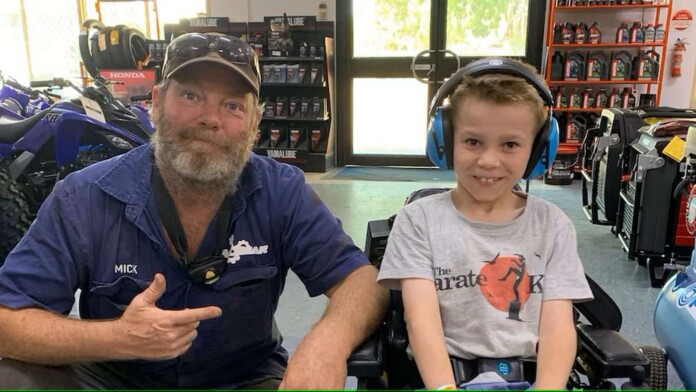
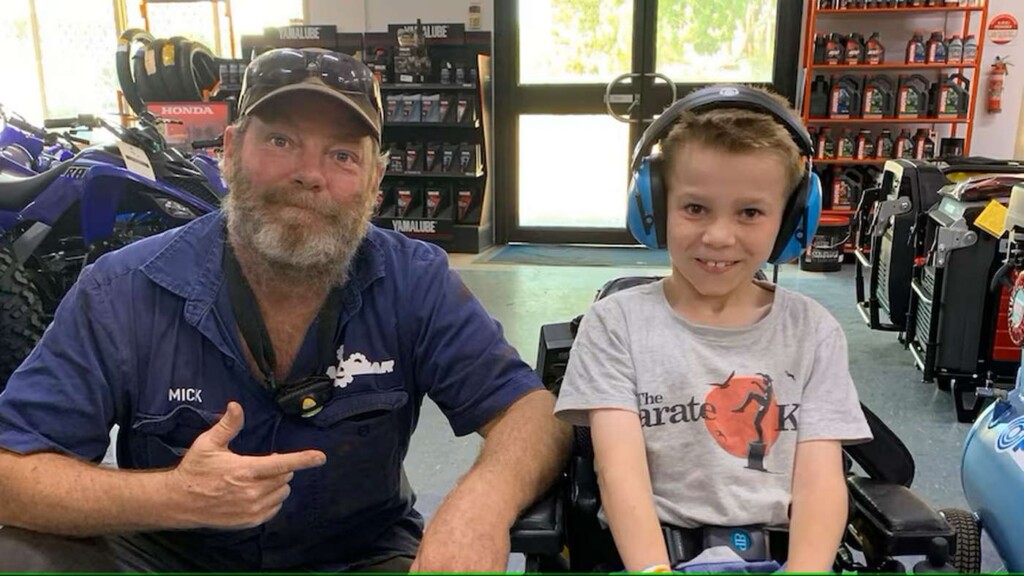
Mick Scott and Cooper Greenwood - credit Kyrsten Greenwood
Mick Scott and Cooper Greenwood – credit Kyrsten Greenwood

A good, honest mechanic is worth as much as the car you bring in for him to service, and in a small country town of just under five-and-a-half thousand people, a local mechanic’s talent saved the day and gave a wheelchair-bound child the vacation of a lifetime.

9-year-old Cooper Greenwood from Sydney has Aicardi-Goutières Syndrome, a rare disease similar to cerebral palsy. His family was already enjoying an outback adventure around Northwest Australia’s Kimberly region in a motorhome when his electric wheelchair broke.

The chair allows Greenwood to move about with liberty—decide where he wants to go and what he wants to do, and without it, his mom says, he becomes very frustrated and depressed.

Cooper tries not to let his disability get in the way of living his life, and the wheelchair is a big part of that. However he was determined to carry on with the trip and began hitching a ride with his dad in a special backpack.

As the family was preparing for the next leg of their journey, they took to social media and asked if anyone in the small town of Kununurra, Western Australia, knew how to fix sophisticated electric wheelchairs. Someone responded that the Greenwoods should call Mick Scott.

“When they did bring it in, I sort of agreed to have a brief look at it and I’ve seen the size of the chair and I thought it must be for a really young fella,” Mr. Scott told ABC News Au.

GIVING A HELPING HAND: A Trip to Delaware Hardware Store Turns into Life-Changing Moment

Scott diagnosed the problem and even managed to find the part he needed and get it shipped via express post to Kununurra while the family went to the next stop on their trip around East Kimberly’s Mitchell Falls, where Cooper was able to go up in a helicopter for the first time.

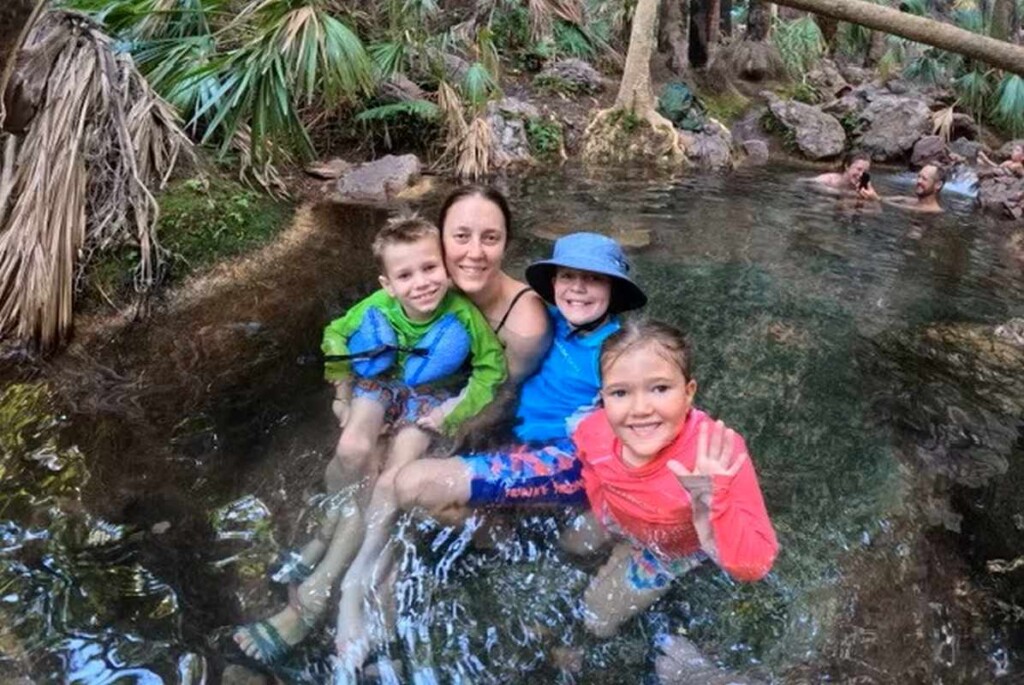
The Greenwood family recently enjoyed a dream holiday in the East Kimberley – credit Kyrsten Greenwood

When they returned from camping, they discovered that Scott had the wheelchair ready to roll out, after which Cooper’s mom Kyrsten described him as an “absolute legend.”

MORE NEWS LIKE THIS: Mom Moved to Tears as Disabled Son Finally Gets to Play in the Sea Thanks to Beach Wheelchair –WATCH

“Just super, super happy to be able to get them sorted and I don’t know about legend status, mate—but, yeah, we try our best,” Mr. Scott replied.

SHARE The Story Of This Absolute Legend With Your Friends… 

Netherlands to Return Nearly 500 Looted Objects to Indonesia and Sri Lanka

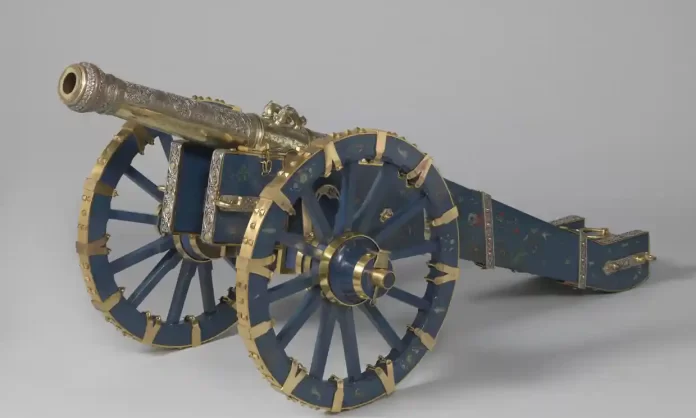
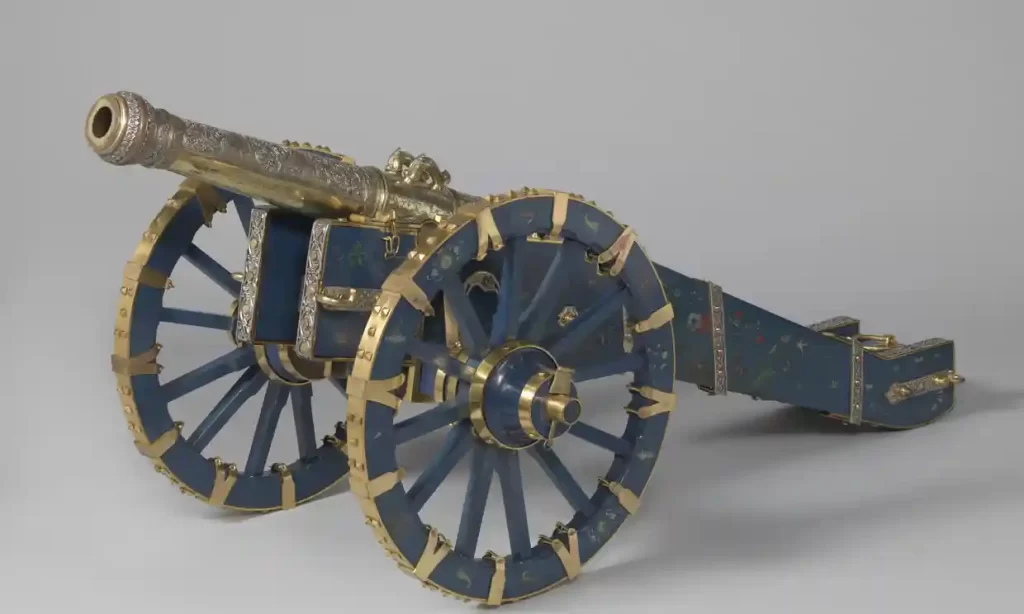
The Cannon of Kandy - Rijksmuseum
The Cannon of Kandy – Rijksmuseum

Two museums in the Netherlands have decided to repatriate 472 artifacts to Sri Lanka and Indonesia which the museums claim were taken under duress or by looters.

The objects entered the nation during the Dutch East India Company’s near-monopoly in the trade between Europe and what were once called the Spice Islands, as well as the following colonial period.

In total, the repatriations include the ‘Lombok treasure’, consisting of 335 objects from Lombok in the Lesser Sunda Islands of Indonesia, four statues from the Javan Hindu kingdom of Singasari, 132 objects of modern art from Bali, and from Sri Lanka—a cache of ceremonial weapons from the city-states of Kandy and others including a royal canon made of gold, silver, and rubies.

Dutch Secretary of State for Culture and Media Gunay Uslu announced the decision on Thursday after a 2020 report recommended that certain museum possessions be returned.

“This is a historic moment,” Uslu said in a press statement. “It’s the first time we’re following recommendations… to give back objects that should never have been brought to the Netherlands. But more than anything, it’s a moment to look to the future. We’re not only returning objects; we’re also embarking on a period of closer cooperation with Indonesia and Sri Lanka in areas like collection research, presentation, and exchanges between museums.”

The transfer of ownership to Indonesia took place at the National Museum of Ethnology in Leiden on July 10th. The one for Sri Lanka will take place later this year.

Repatriation of artifacts taken from around the world during the colonial periods has become a hotter and hotter issue as former colonies become richer and more stable, and objects like the Benin Bronzes or the Kor-i-noor diamond often find their way into news headlines.

MORE ARTIFACT REPATRIATION: German Museums Work Year-Round to Find Rightful Heirs to Hundreds of Stolen Jewish Silver Pieces

Historic opponents of such repatriation have pointed to instability in countries they might have returned collections to, while others argue that Europe’s museums will lose important pieces that will cause them to close down whole gallery wings, depriving Europeans of the opportunity to learn about other cultures.

But others are more optimistic that it will actually lead to a greater understanding of the artifacts by cooperating with the descendants of the cultures which created them.

MORE NEWS LIKE THIS: Surviving the Nazis and Fire, 2000-Year-old Caligula Mosaic Finally Returns to Museum

“I expect countries of provenance and museums here in Europe will have a discussion about which objects will go back, and not all of them will be,” Valika Smeulders, head of the Rijksmuseum’s department of history told Art News.

“But what we will gain, all of us, is more knowledge about these objects, how they came into our possession, their background, what stories are we able to tell. So in the end we’ll have an enrichment of what we do instead of empty galleries.”

SHARE The Rijksmuseum’s Good Deed On Social Media…

Police Officer’s Free School Inside Delhi Slum is Helping Kids Escape Life on the Streets

Officer Than Singh holds classes for low-income children in India / courtesy of Ki Pathshala

A Dehli police officer who managed to crawl his way out of the city slums as a child is now giving back to poor children who live the lifestyle of skipping school and working odd jobs.

With his free school, when class is in session in the parking lot of the famous Red Fort, Than Singh helps kids who’ve missed school catch up to their age bracket so they can be at the same level as their peers.

Born in Rajasthan’s Bharatpur, Singh grew up with two siblings on the streets of New Delhi, where he would sell corn and his father would iron clothes. But despite this day-to-day existence, Singh never forgot the importance of school.

His father wanted to be a police officer, but the weight of supporting the family never allowed him to properly prepare himself. Eventually though, Singh followed in his father’s footsteps, stayed in school, and passed the examination for the Delhi Police.

Going back to police the streets on which he was raised, Singh began to feel something had to be done to help children like him who had to work instead of study. He then started a one-of-a-kind school called Than Singh Ki Pathshala.

“I volunteered to teach these kids so that they are able to come a little par to their peers. For this, I started meeting the parents. Police are the only segment that go to people irrespective of their socio-economic status and get to understand their problems,” Constable Singh told The Better India. “After meeting their parents, I convinced them to not worry about kids and send them to our pathshala.”

He teaches 80 children aged 3 to 15 outside of the Red Fort from neighborhoods like Raj Ghat, Vijay Ghat, and Shantivan. Local battery-rickshaw drivers have volunteered to bring the children home from the school every day.

Than Singh – courtesy of Ki Pathshala

He gets everything through donations: books, lunches, uniforms, and other supplies.

MORE GREAT INDIAN NEWS: This Ultra-White Paint is Cooling the Homes Inside the Poorest of India’s Slums

“I want to give these children a good atmosphere because their parents go to work and there is a chance that they could wander on streets. This is why we continue to teach them after school. Also, when other children got to know that they can get admission after studying with us, more and more kids started coming,” said Singh.

Last year, 70 of Singh’s students were able to enroll in proper government schools, 10 of whom achieved the highest exam scores in their class.

MORE OFF-DUTY OFFICERS: Watch Married Police Officers Cut Short Their Date Night to Stop An Armed Robbery at Restaurant

“There is no other peace than working for these children. I could be the reason towards bringing a change in their lives with just a little support. What could have been better than this for me?” said Singh.

These image was originally published by The Better India. The Better India is the world’s largest solutions-based content-driven impact platform that uses the power of digital media and positive storytelling to showcase the journey of India’s most inspiring individuals and institutions. Visit www.thebetterindia.com to learn more.

SHARE This Inspiring Story Of One Man Making A Difference… 

“Courage is knowing what not to fear.” – Plato

Quote of the Day: “Courage is knowing what not to fear.” – Plato

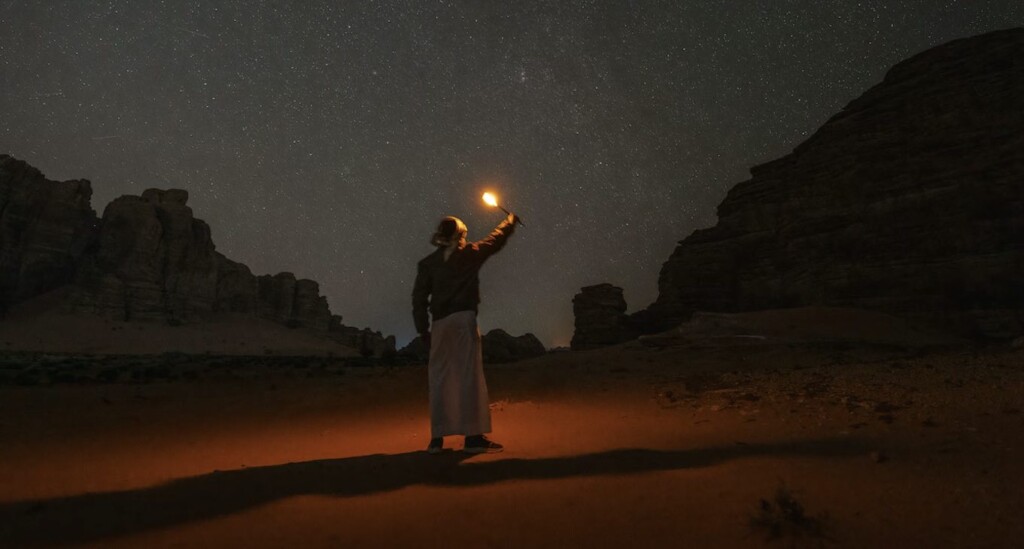
Photo by: NEOM (Hisma Desert in Saudi Arabia)

With a new inspirational quote every day, atop the perfect photo—collected and archived on our Quotes page—why not bookmark GNN.org for a daily uplift?

24 Million Miles Ahead of Tesla, Autonomous Semi Truck Logs Accident-Free Milestone on Delivery Routes

Inceptio - released
Inceptio – released

China’s leading developer of autonomous driving technologies for heavy-duty trucks, today announced it has powered more than 24.8 million miles (40 million km) of accident-free trucking on China’s highways.

Tesla has been promising shareholders full autonomous driving for its cars for years, but setbacks have been frequent. Founded by a Chinese engineer who studied in Australia, to say that the Inceptio Autonomous Driving System is miles ahead of America’s tech billionaire is a bit of an understatement.

This latest milestone underlines the safety and reliability of Inceptio’s full-stack autonomous driving solution, as well as its accelerating commercial uptake. Inceptio’s L3 autonomous trucks have been in commercial operation since late 2021.

Working closely with two of China’s top long-haul companies Dongfeng Commercial Vehicle and Sinotruk, Inceptio has shipped hundreds of mass-produced heavy-duty trucks designed from the ground up for full integration with the Inceptio Autonomous Driving System. Major customers, including Budweiser, Nestlé, JD Logistics, and Deppon Express have deployed Inceptio trucks across a nationwide line-haul logistics network in China.

“We are incredibly proud of the stellar performance record that Inceptio trucks have amassed over the past two years,” said Julian Ma, founder and CEO of Inceptio Technology. “Across 40 million kilometers of commercial operations, our Inceptio Autonomous Driving System has achieved a highly satisfactory on-time arrival rate for our customers with a perfect safety record.”

MORE BUSINESS NEWS: Sweden Is Trying to Build a Whole City Borough Out of Wood to ‘Show What is Possible’

“The Inceptio R&D team and the autonomous driving system itself are learning a tremendous amount from our fast-growing trove of operational data,” he added.

Innovation invariably leads to disruption in the market, which includes around 4 million long-haul truckers who perform the demanding job of driving massive vehicles on fast moving highways—sometimes a dozen hours per day.

In 2019, the Federal Motor Carrier Safety Administration reported 5,005 fatal, 119,000 injurious, and 419,000 non-injurious traffic collisions involving large trucks (and buses) in the US (but the buses accounted for a significantly smaller fraction).

MORE GOOD AUTOMATION: Batteries 3D-Printed Using Layers of Powder Use 40% Less Material, Charge in Minutes and Recycle Easier

Automated trucking might not only increase safety, but would significantly reduce the costs of goods related to transport. Automated trucks can drive all night without suffering from white-line hypnosis or fatigue, and Inceptio’s algorithms optimize fuel consumption, reducing use by as much as 7% compared to human drivers, meaning they help reduce the industry impact on climate, as well as costs related to fuel.

SHARE This Stunning Feat In Automation With Your Friends… 

Scientists Discover Time Moving 5x Slower After Big Bang–Exactly as Einstein Predicted

Artist's rendering of the accretion disc in ULAS J1120+0641 - Credit Kornmesser CC 4.0. SA
Artist’s rendering of the accretion disc in ULAS J1120+0641 – Credit Kornmesser CC 4.0. SA

Most of us know the framework of the Big Bang Theory—the universe began expanding outward from a single point after a large explosion, and as matter began to coalesce into larger and hotter structures, the universe began expanding at greater and greater speeds.

This would necessitate that in the earliest periods of the universe, this expansion was slower, and that since Einstein showed that time and space were connected, time too would be slower—exactly what was just discovered by astronomers Down Under.

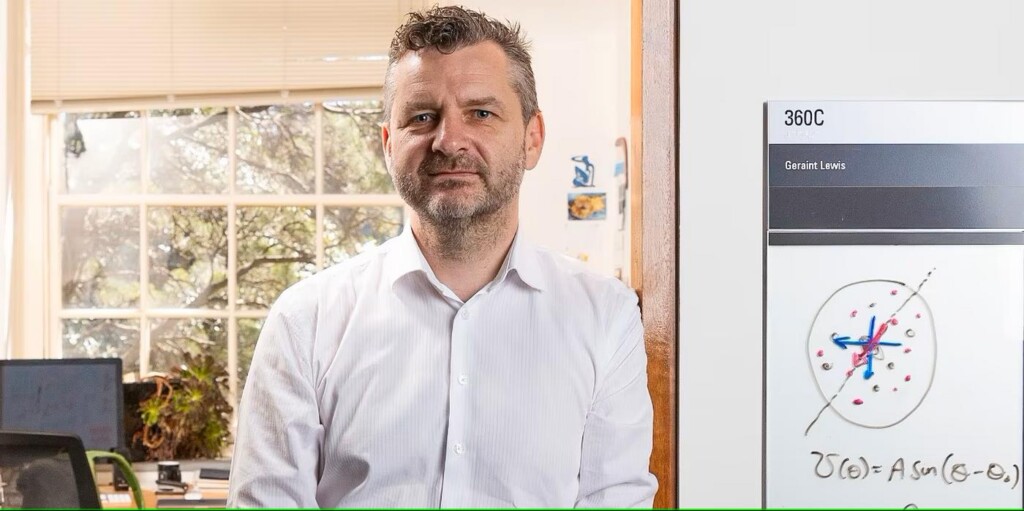
In a groundbreaking paper published in Nature, Professor Geraint Lewis of Sydney University and Dr. Brendon Brewer at Auckland University used quasars as clocks to track the speed of time in the early universe—perhaps less than a billion years after the Big Bang.

Quasars are the universe’s most powerful known objects, and they showed that time moved 500% slower in the earliest chapter of the universe than it would today.

“Looking back to a time when the universe was just over a billion years old, we see time appearing to flow five times slower,” said Professor Lewis. “If you were there, in this infant universe, one second would seem like one second—but from our position, more than 12 billion years into the future, that early time appears to drag.”

Professor Geraint Lewis from the Sydney Institute for Astronomy in the School of Physics

Previous universe dating methods used supernovae explosions, but quasars are far more energetic, acting more like repeat fireworks displays than a single firecracker. These active galactic nuclei are powered by supermassive black holes billions of times larger than the sun surrounded by gargantuan accretion disks of hot gas. The energy they emit is beyond all metaphor.

MORE SCIENCE NEWS: Nature’s Famous Spiral is Coded into 400 Million Years of Plants–But Not in This New Fossil

Lewis explains that he and his team used spectroscopy to separate the light from the 200 or so quasars into green, red, and infrared, which allowed them to chart the lights’ path through space and time rather like the ticking of a clock.

“With these new data and analysis, however, we’ve been able to find the elusive tick of the quasars and they behave just as Einstein’s relativity predicts,” said Lewis.

MORE ASTROPHYSICS: Astronomers Spot Light From Behind a Black Hole for the First Time – Proving Einstein Right Again

It’s the third or fourth time in recent memory that a bold prediction of Einstein has been proven correct, demonstrating the superb intellect of a man who is getting more predictions right from his grave than some scientists do in the lab.

SHARE This Superb Science With Your Friends… 

Lonely Birthday Boy Receives Big Surprise When Convoy of 40 Truckers Come to Parade Him Through Town

credit Mike Scott


credit Mike Scott

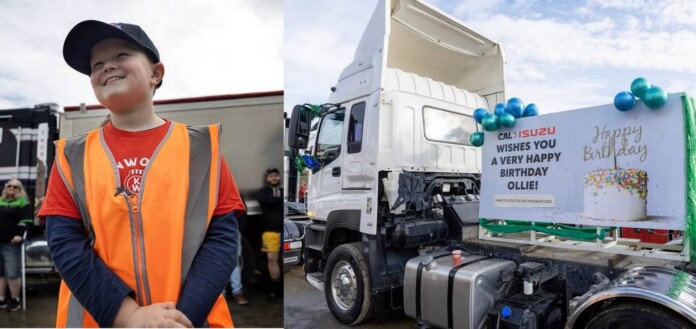
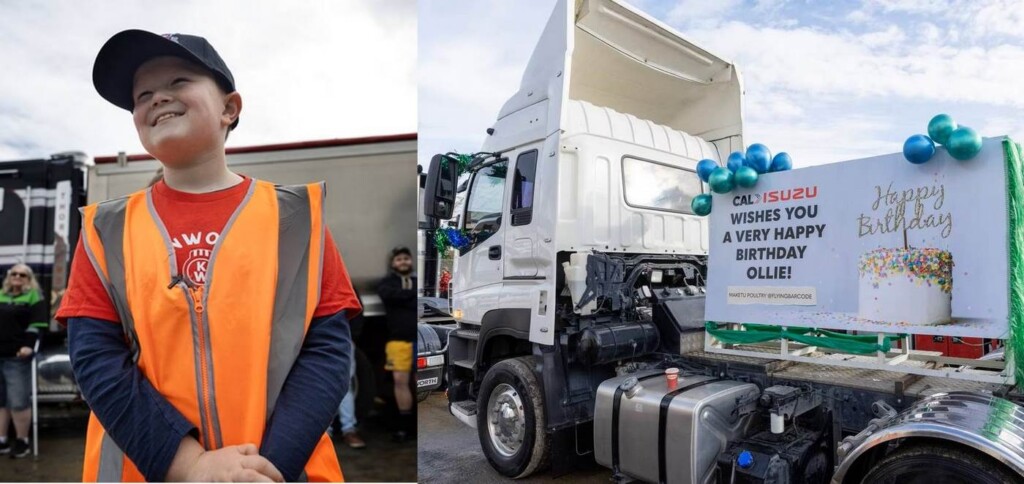
Oliver Johnson turned 8 years old yesterday in his home in New Zealand. Lonely by nature, his mother had just the idea of what might cheer him up.

Young Oliver is obsessed with trucks. He knows the name of every truck, every truck manufacturer, and every trucking company, and his mom Katherine offered $50 to anyone who would come give him a ride in their big rig for his big day.

Katherine hoped one truck driver would take up the offer, but instead, Barry Hart, owner of Hart Haulage Trucking, decided to take it two steps further and organize a whole convoy.

Then it got almost out of hand, with 40 truck drivers signing up to be part of the Oliver Johnson convoy.

“Every one of these truckies that are doing this, and there are probably 10 trucks at least that are coming from Auckland, those guys, it will cost them $500-600 to get that truck down there, do their thing, and go away, and not one of them is asking for anything,” Hart told the NZ Herald.

Scheduled for Yesterday, (Sunday, July 9th), so many signed up that Hart had to organize the convoy like a parade, and call authorities to help manage traffic. He said he saw a boy who felt like he needed some friends around him, and he couldn’t do any less.

Katherine has heard from other members of her community who donated a birthday cake and their best wishes to her son.

MORE GENEROUS SHOWINGS: A Mom Posted to Find Friends for 24-yo Son with Down Syndrome–the Flood of Support Shocked Her

“I would like to say a massive thank you from the bottom of my – and my husband’s – heart and for giving up your time,” she said. “[I] just can’t get over the community… how wonderful everybody’s been.”

A follow-up by the NZ Herald found Ollie on Cloud 9 for his special celebration, which included best wishes from heavy machinery giant Isuzu.

SHARE This Sweet Birthday Surprise With Your Friends… 

“The best way to cheer yourself up is to try to cheer somebody else up.” – Mark Twain

Quote of the Day: “The best way to cheer yourself up is to try to cheer somebody else up.” – Mark Twain

Photo by: Zoe Schaeffer

With a new inspirational quote every day, atop the perfect photo—collected and archived on our Quotes page—why not bookmark GNN.org for a daily uplift?

Meteorite Hunter Finds Space Debris and Crafts it into Jewelry–Millions and Billions of Years Old

SWNS
SWNS

A man who hunts for pieces of comets that fell to Earth has created a business by making the ancient space debris into jewelry.

Emil Davidsson has made a name for himself showcasing his skill for hunting meteorites.

The 31-year-old from Buenos Aires, Argentina, documents his adventures collecting meteorites in online videos, then crafts the rocks into jewelry creations he sells online.

His pendants cost around $100 made from small fragments of the meteorites he estimates to be between one million and 4.5 billion years old.

He also makes watches with prices starting at around $395, and rings for $130.

Emil has been hunting for meteorites for a decade and says they are “extremely rare and difficult to find.”

He has been on serious expeditions to both the coldest place on Earth—the Arctic Circle—and the driest place on Earth—the Atacama Desert—to find his treasured space debris.

“Every year, I would go on expeditions lasting four to five months above the Arctic Circle.

A special metal detector he uses has pulse indicators that emit high-amperage signals, creating electromagnetic fields around the detector. When there is a metal object “the field collapses” creating a spike in voltage that is represented as sound.

LOOK: Meteorite That Could Hold Secrets of Solar System Hits Family’s Driveway–They Thought it was Charcoal From Grill

If the meteorite is not on the surface he has to dig down into the soil by hand, which can sometimes be up to ten feet deep (3 meters). The finds are truly out of this world.

Making the jewelry

“Each type of meteorite requires a different process since all meteorites are unique,” explained the craftsman who resides in Bali, Indonesia. “For example, iron meteorites, are composed of 92-99% iron.

“After we cut them into slices, we need to stabilize them using various methods because if we don’t do that they tend to rust.

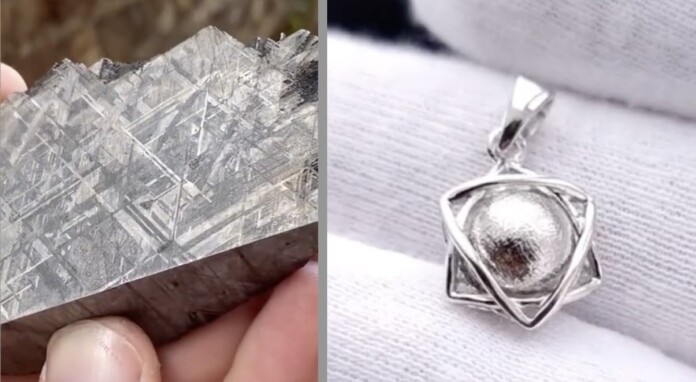
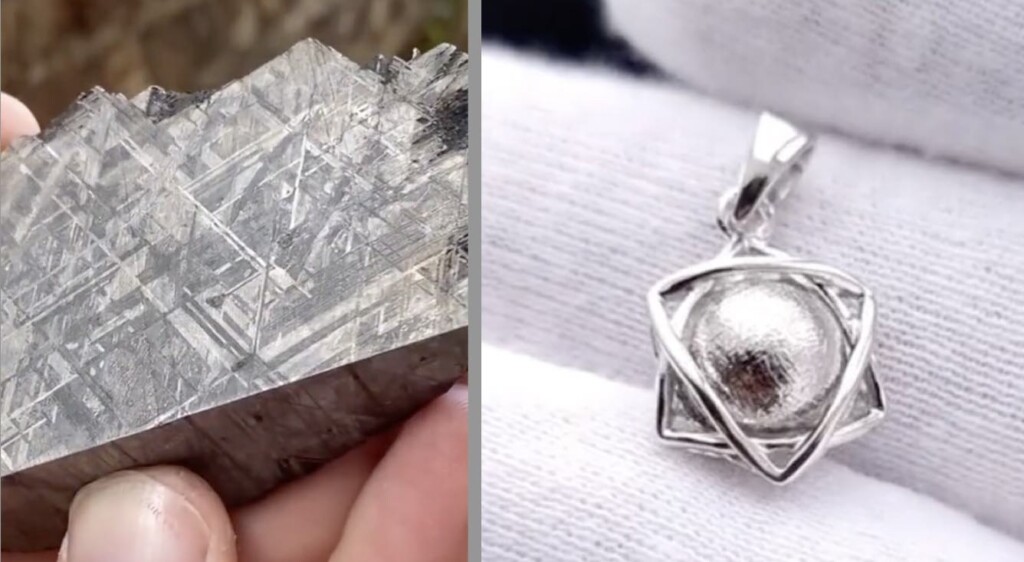
Additionally, they use nitric acid to reveal the meteorite’s distinctive structure known as the Widmanstätten pattern—one of the most remarkable features of certain meteorites (pictured above, left).

“It forms through the slow cooling of molten metal over millions of years resulting in the formation of exquisite crystalline 3D patterns.

LUCKY: Man Becomes Rich When Meteorite From Heaven Crashes Through His Roof

“This unique crystallization process cannot be replicated on Earth as it requires extreme outer space conditions over millions of years.”

“These meteorites originated as remnants from the formation of our solar system, making them older than our planet itself. By holding a meteorite in your hand, you are touching the oldest material you could ever come into contact with.

“Some meteorites come from the Asteroid Belt located between Mars and Jupiter (so) they have also traveled millions of miles through space.”

Eventually, due to chance and the gravitational pull of Earth, they fell randomly in remote locations—and thousands of years later, Emil finds some of them with his metal detector.

SHARE This Other-Worldly Gift Idea With Pals on Social Media…

Simple Blood Test for ‘Silent Killer’ Ovarian Cancer on the Horizon After Discovery of 3 Telltale Proteins

Karolina Grabowska
Karolina Grabowska

A simple blood test for ovarian cancer is on the horizon now that three telltale proteins have been discovered.

Scientists captured them from samples using nanowires with a special chemical coating.

It offers hope for a screening program that could diagnose the disease earlier—because the symptoms of ‘the silent killer’ cancer usually only develop after it has already spread.

The molecules are known as EVs (extracellular vesicles). They are especially small proteins released from the tumor, which can be isolated from body fluids such as blood, urine and saliva.

The Japanese team extracted them from the most common type of ovarian cancer (high-grade serous carcinoma or HGSC), and used a scanning technique called liquid chromatography-mass spectrometry.

The findings published in the journal Science Advances showed each of the three identified proteins was useful as a biomarker for HGSCs.

“The results of this research suggest that these diagnostic biomarkers can be used as predictive markers for specific therapies,” said lead author Dr. Akira Yokoi, of Nagoya University.

“Our results allow doctors to optimize their therapeutic strategy for ovarian cancer, therefore, they may be useful for realizing personalized medicine.”

CHECK OUT: Groundbreaking Myeloma Cancer Treatment Has 90% Success Rate: ‘Dramatic Results’

9-in-ten women who are diagnosed early survive, but if discovered late the survival rate drops to just one in 10.

Currently only a third of cases are caught early, but these three proteins open the door to a new diagnostic tool.

“The validation steps for the identified proteins were tough because we had to try a lot of antibodies before we found a good target,” said Dr. Yokoi.

Then, the researchers created nanowires covered with a thermoplastic polymer called polyketone to separate the proteins from blood samples.

“It was tough. We must have tried three to four different coatings on the nanowires.

BREAKTHROUGH: Aggressive Leukemia Disappears in 13-Year-old Girl Who was First to Receive New CRISPR Treatment

“Although polyketones are a completely new material to use to coat this type of nanowire, in the end, they were such a good fit.”

SHARE Some Hope on Social Media…

Father Keeps Bride’s Secret Wedding Plan, Grabbing Stepdad So They Could Both Walk Her Down the Aisle

SWNS
SWNS

In a sweet wedding day moment, the father of the bride grabbed his daughter’s stepdad and pulled him to his feet so they could both walk her down the aisle.

Bride Amy Walkinshaw was raised by both her dad, Andy Collins, and her stepdad, Jeff Bennett, who has been in her life for the past two decades.

The 31-year-old knew as soon as she got engaged that she wanted both men to be involved in giving her away.

So she came up with a sweet surprise for her wedding day, scheduled for June 24 at Prested Hall in Colchester, England—a way to honor both father figures.

She asked her father to go over and surprise Jeff by grabbing him from his seat in the audience to join the wedding march.

“Jeff is basically a second dad to me,” said Amy. “I always imagined if I got married I’d ask him to walk me down the aisle, as well as my dad.

LOOK: Man in Pakistan Needed Surgery in Alabama – Got So Much Love That He Invited the Entire City to His Wedding

“Jeff didn’t know it was coming either—you can tell in the video the shock on Jeff’s face, I knew how much it meant to him.

“The main thing to come out of it is to show there doesn’t have to be animosity. You can ask a step-parent without upsetting your biological dad too.”

Amy said Jeff and Andy didn’t know each other, but Andy “agreed straight away” to Jeff being involved.

LOVELYStray Dog Crashes Couple’s Wedding – and Becomes Part of Their New Family

On the day, Amy’s younger half-sister, Macenzie Collins, watched with emotion.

“Me and my sister have lived 150 miles from each other since I was born so we don’t see each other a lot. So, it was really nice to share that moment with each other.

WATCH the moment below…

GRAB a Father’s Heart By Sharing This Proposal on Social Media!

Children Do Much Better in Math When Music is Added to the Lesson: New Study

Photos by Crissy Jarvis (left) and Ben Mullins

A new study explored the causal role that music engagement has on student achievement in mathematics—and they found a significant benefit.

Researchers believe that music can make math more enjoyable, keep students engaged, and help ease their fear or anxiety about topics like fractions. The addition of music may even motivate kids to appreciate math and want to learn more.

A typical technique for integrating music into math lessons for young children involves clapping to songs with different rhythms learning numbers, and equating fractions to musical notes.

The new meta-analysis published in the journal Educational Studies analyzed 55 studies from around the world, involving almost 78,000 students, from kindergarten to university age.

Three types of musical interventions were included: typical music lessons in which children sing, listen to, and learn about composing music; learning how to play instruments alone or as part of a band; and music-math integrated interventions, where music was integrated into math lessons.

RELATED: Boy Struggling at School is Now a Math Genius After His Mom Taught Him to Use An ABACUS–May Help Today’s Kids

Students took math tests before and after taking part in the intervention, and the change in their scores was compared with those who didn’t take part in any intervention.

The use of music—whether in separate lessons or as part of math classes—caused a greater improvement in math over time.

Combining both in the same lessons had the most significant effect, with around 73 percent of students who had integrated lessons doing significantly better than children who didn’t have any type of musical intervention.

Also, 69 percent of students who learned how to play instruments and 58 percent of students who had normal music lessons improved more than pupils with no musical intervention.

The results also revealed that music helps more with learning arithmetic than other types of math and has a bigger impact on younger pupils and those learning basic mathematical concepts.

CHECK OUTTeens Say They Have New Proof for 2,000-Year-Old Mathematical Theorem, a Method Scholars Thought Impossible

Math and music have much in common, such as the use of symbols and symmetry. Both subjects also require abstract thought and quantitative reasoning.

Arithmetic may lend itself particularly well to being taught through music because core concepts, such as fractions and ratios, are also fundamental to music.

Musical notes of different lengths can be represented as fractions and added together to create several bars of music.

Integrated lessons may be especially effective because they allow pupils to build connections between the math and music and provide extra opportunities to explore, interpret and understand math.

“Encouraging mathematics and music teachers to plan lessons together could help ease students’ anxiety about mathematics, while also boosting achievement,” said Dr. Ayça Akın, from the department of software engineering at Antalya Belek University, Turkey.

LOOK: Mathematicians Discover Elusive ‘Einstein’ Shape: ‘The Miracle that Disrupts Order’

However, she said there were limitations to the study. The relatively small number of studies done meant it wasn’t possible to look at the effect of variables such as gender, socio-economic status, and duration of musical instruction upon the results.

MULTIPLY The Number of Teachers Seeing This By Sharing it on Social Media…