All News - Page 281 of 1715 - Good News Network
Home Blog Page 281

“With the slightest push—in just the right place—our world can be tipped.” – Malcolm Gladwell

Quote of the Day: “With the slightest push—in just the right place—our world can be tipped.” – Malcolm Gladwell

Photo by: Edward Howell

With a new inspirational quote every day, atop the perfect photo—collected and archived on our Quotes page—why not bookmark GNN.org for a daily uplift?

Oil Refinery Factory Being Transformed into Green Cultural Park to Showcase Fossil-free Future in China

© Engram (released
© Engram (released)

The Dutch architecture firm MVRDV has won a competition to design the Hangzhou Oil Refinery Factory Park, transforming a former industrial district that sits alongside the southern end of China’s Grand Canal.

With an eye-catching art and science museum at its center, the project includes offices, retail, and a wide variety of cultural experiences set in a green environment interwoven with the remnants of the past.

The Grand Canal is the world’s longest and one of the oldest man-made waterways. Currently, China is taking steps to transform its entire length, turning this industrial infrastructure into a social amenity by allowing access to, and enjoyment of, the water to millions of people that live along the canal’s 1,700-kilometer length.

The 45-acre Hangzhou site (18-hectare) was formerly occupied by an oil refinery—and the new design integrates renewable energy sources to serve as a prime example of the transition from fossil fuels to sustainable energy, a transition that China has embraced in recent years.

With the canal’s future in mind, MVRDV capitalizes on the potential of industrial-to-cultural transformations. The towers of the refinery buildings are retained and integrated into the park’s landscape, with stairs and platforms providing views across the park.

The centerpiece of the park is the Art and Sci-tech Centre, a new museum which, with its cylindrical exterior, is imagined as a vastly scaled-up version of the silos which once peppered the site. A series of terraces are connected by stairs and bridges that serve to enliven this public area within the museum, enabling performances, large-scale installations, or events.

© MIR (released by MVRDV)

The outer façade of the museum is permeable, allowing breezes to penetrate the structure. The space inside is thus heated and cooled passively, fluctuating slightly in temperature depending on weather conditions but serving as a thermal buffer to dramatically reduce the energy required to fully heat and cool the building’s programmed spaces inside the boxes.

LOOK: 100 Million-Year-Old Footprints of Giant Dinosaur Found at Restaurant in China

With its appearance, the façade also cements the building’s status as the focal point of the park. Covered in an array of LEDs, the museum lights up at night to create a media façade that can be used to entertain visitors or to advertise the events taking place inside.

In addition to these lights, the façade also incorporates thousands of small photovoltaic spots to generate energy from sunlight. These spots form a “solar painting” that was designed with a parametric approach, considering the solar exposure, prevailing winds, and most notable views to place a higher density of photovoltaics where they are most needed.

“As a planet, we know we need to move on from oil on a massive scale”, says MVRDV founding partner Winy Maas. “But that raises the question, what should we do with all this infrastructure that was created? It is somehow, at the same time, tempting to make a clean break with history, and romantic to imagine a future where we build upon the ruins of the past.

© MVRDV

“With this project we do both: we incorporate the old industrial structures, while newly built elements – which are clearly distinguishable from the old – show us a better, more sustainable future. The old ‘fossils’ turn into energetic drums.”

Stunning in China: Towering Over the City, This ‘Farmscraper’ Will Produce 270 tons of Food from Hydroponics on 51-Stories

In the remainder of the park, existing structures are transformed into offices or retail spaces. Many of the structures that have already been demolished are recreated with a modern approach – taking the same dimensions as the previous structures, but built with glass and using the same photovoltaic spots that are used on the museum’s façade.

Hangzhou Oil Refinery Factory Park- copyright Engram (released)

By turning every newly built building surface also into an energy generator, the park can become energy-negative in operation, contributing energy to the grid.

From immersive art experiences to retail kiosks to enclosed gardens, these structures help to keep the park lively at all times, ensuring that there is always something to do even after dark.

Top 30 Ways Adults Pay Homage to Lost Loved Ones and Keep Their Memory Alive

A new poll has unveiled the top 30 modern ways we remember lost loved ones.

The list was compiled from a poll of 2,000 adults and shows that wearing a football shirt from their favorite team, running marathons, and retelling their jokes are three of the best ways.

Ticking off items from bucket lists never fulfilled was also among the ways people celebrate the legacy and memories of family and friends who are no longer with them.

Other popular ways to pay tribute to loved ones included getting tattoos, going on a day trip to a meaningful place, cooking a recipe learned from them, or creating a piece of art.

The survey carried out by OnePoll was commissioned ahead of Celebration Day on Sunday May 28 to encourage people to pause and celebrate those no longer with us—and 77 percent agree it’s important.

“Talking about death is still seen as a taboo subject, but it is so important that we continue to share stories, rituals, and tales about our loved ones who have died,” said Julia Samuel MBE, grief specialist and psychologist.

72% of adults would be interested in planting a tree to remember a loved one, saying that protecting the environment—and finding trees peaceful—makes the choice particularly meaningful.

CHECK OUT: Beautiful City of Savannah Wins Survey of Top 5 Most Underrated Places to Visit in USA – LOOK

65 percent believe that, aside from birthdays, there are too few opportunities where everyone feels encouraged to come together and talk about lost loved ones, but 70 percent enjoy hearing stories about them.

Most people (63%) don’t have a regular ritual to remember a lost loved one, but one in five would like to talk more about loved ones who have passed.

“Having a special day like Celebration Day where we can say their name, talk about them and laugh helps us as we go forward,” said Samuel.

TOP WAYS BRITS CELEBRATE LOVED ONES WHO HAVE PASSED AWAY
1. Look through photographs of them
2. Share a story about them
3. Raise a glass / make a toast
4. Light a candle
5. Donate to a charity in their memory
6. Listen to their favorite song
7. Plant a tree or flowers in their memory
8. Share a post on social media
9. Re-tell their favorite jokes and catchphrases
10. Visit their favorite place
11. Send a message to someone about them
12. Cook a recipe you learned from them
13. Sit on the bench overlooking a view they liked
14. Create a memory book
15. Watch their favorite movie
16. Send a card to someone close to them
17 Cook their favorite meal
18. Wear their favorite color
19. Give a gift to someone in their memory
20. Dog walking in the place they loved
21. Create a virtual tribute
22. Get a tattoo in their memory
23. Create a piece of art
24. Buy an item of clothing because you know that person would have approved
25. Wear a football shirt from their favorite team
26. Continue a collection they had started – e.g. magnets, coins, matches, etc
27. Have their ashes made into jewelry
28. Install a bench with a plaque
29. Have their clothes made into a blanket or teddy
30. Have an announcement made over the PA at their favorite sports club’s next game

SUMMER FUN: These Barbecue Foods Have Officially Gained ‘God Tier’ Status, Says New Poll

Lights Turned Off at the Gateway Arch Every Night to Assist in Bird Migration for 325 Species

By Kenny Nguyễn
By Kenny Nguyễn

From the majestic whooping crane to the smallest songbird, an iconic American landmark in Missouri is making the skies safer for spring migrating birds who follow the Mississippi River to reach their summer nesting grounds.

Since 1965 when it was unveiled, the Gateway Arch in St. Louis has punctuated the cityscape at night with lights that illuminate its most visited US National Park. But all during the month of May officials will turn off the lights at night to facilitate safe passage for more than 325 bird species following the route each year on their spring migration.

“St. Louis sits right beneath the Mississippi Flyway, a major migration highway,” said Jeremy Sweat, Superintendent, of Gateway Arch National Park.

For over a decade the exterior lights have been turned off for two weeks each May—and again in September—to help minimize the possible disorienting effect the lights may have on the migrations. But this year the park will keep the lights off for the entire month of May.

Gateway Arch National Park is both a building and program partner with Lights Out Heartland, an organization that works with partners to provide migrating birds safe passage along the Flyway during the high-intensity migration months of May and September.

CHECK OUT: Villagers Went Without Streetlights for 45 Days to Help a Bird and Its Hatchlings

According to the St. Louis Audubon Society, sixty percent of North American songbirds and forty percent of waterfowl are anticipated to migrate this spring and fall.

Cranes by J.M. Garg, CC license

“Other ways we are trying to help the birds is to focus the lights better on the Arch,” said Pamela Sanfilippo who works at Gateway Arch National Park. That way, “light doesn’t go up into the sky.”

The towering silver Arch was built to honor a different kind of journey that began in 1804 when President Thomas Jefferson launched the Lewis and Clark Expedition that mapped a path to the Pacific Ocean from the middle of the continent. Two scientist set out with a team of scouts and mapmakers from the river port of Saint Louis, which opened up the West. Today, the Gateway Arch attracts 1.62 million visitors annually.

ANOTHER MAJESTIC RIVER: Once Biologically Dead, London’s River Thames Rebounds – With Seahorses and Seals

In Canada, Toronto has been combatting the hazards of glass buildings for our featured friends, and even made history when they became the first city in the world to mandate bird-friendly buildings.

The Arch’s exterior lights will be turned back on beginning the evening of June 1, 2023, and the monument will be lit nightly thereafter until September.

In recent years, cities and states beneath other migration routes have been turning off the lights for birds, including Texas and Philadelphia.

FLY THIS Good News to Bird Lovers on Social Media…

Your Inspiring Weekly Horoscope From Rob Brezsny: A ‘Free Will Astrology’

Our partner Rob Brezsny provides his weekly wisdom to enlighten our thinking and motivate our mood. Rob’s Free Will Astrology, is a syndicated weekly column appearing in over a hundred publications. He is also the author of Pronoia Is the Antidote for Paranoia: How All of Creation Is Conspiring To Shower You with Blessings. (A free preview of the book is available here.)

Here is your weekly horoscope…

FREE WILL ASTROLOGY – Week of May 20, 2023
Copyright by Rob Brezsny, FreeWillAstrology.com

TAURUS (April 20-May 20):
In the coming weeks, you Bulls must brook no bullies or bullying. Likewise, you should tolerate no bullshit from people trying to manipulate or fool you. Be a bulwark of integrity as you refuse to lower your standards. Bulk up the self-protective part of your psyche so you will be invincibly immune to careless and insensitive spoilers. Your word of power is BUILD. You will align yourself with cosmic rhythms as you work to create situations that will keep you strong and stable during the next 12 months.
GEMINI (May 21-June 20):
How much do you believe in your power to become the person you want to be? Ninety percent? Fifty-five? Twenty? Whatever it is, you can increase it in the coming weeks. Life will conspire with you to raise your confidence as you seek new ways to fulfill your soul’s purpose. Surges of grace will come your way as you strive with intense focus to live your most meaningful destiny. To take maximum advantage of this opportunity, I suggest you enjoy extra amounts of quiet, meditative time. Request help from the deepest core of your intelligence.

CANCER (June 21-July 22):
Early in the 19th century, cultural researchers Jacob Grimm and Wilhelm Grimm gathered an array of old folk stories and published a collection of what we now call fairy tales. Because the two brothers wanted to earn money, they edited out some graphic elements of the original narratives. For example, in the Grimms’ revised version, we don’t get the juicy details of the princess fornicating with the frog prince once he has reverted to his handsome human form. In the earlier but not published stories of Rumpelstiltskin, the imp gets so frustrated when he’s tricked by the queen that he rips himself apart. I hope you will do the opposite of the Brothers Grimm in the coming weeks, Cancerian. It’s crucial that you reveal and expose and celebrate raw, unvarnished truths.

LEO (July 23-Aug. 22):
Is there a job you would love to have as your primary passion, but it’s different from the job you’re doing? Is there a calling you would delight in embracing, but you’re too consumed by the daily routine? Do you have a hobby you’d like to turn into a professional pursuit? If you said even a partial yes to my questions, Leo, here’s good news: In the coming months, you will have an enhanced ability to make these things happen. And now is an excellent time to get underway.

VIRGO (Aug. 23-Sept. 22):
Virgo-born Samuel Johnson (1709–1784) was a versatile virtuoso. He excelled as an essayist, biographer, playwright, editor, poet, and lexicographer. How did he get so much done? Here’s one clue. He took his own advice, summed up in the following quote: “It is common to overlook what is near by keeping the eye fixed on something remote. Present opportunities are neglected and attainable good is slighted by minds busied in extensive ranges and intent upon future advantages.” Johnson’s counsel is perfect for you right now, Virgo. Forget about the future and be focused on the present. Dive into the interesting work and play that’s right in front of you.
LIBRA (Sept. 23-Oct. 22):
I would love you to go searching for treasure, and I hope you launch your quest soon. As you gather clues, I will be cheering you on. Before you embark, though, I want to make sure you are clear about the nature of the treasure you will be looking for. Please envision it in glorious detail. Write down a description of it and keep it with you for the next seven weeks. I also suggest you carry out a fun ritual to formally mark your entry into the treasure-hunting chapter of your life.

SCORPIO (Oct. 23-Nov. 21):
In the coming weeks, you’ll be guided by your deep intelligence as you explore and converse with the darkness. You will derive key revelations and helpful signs as you wander around inside the mysteries. Be poised and lucid, dear Scorpio. Trust your ability to sense what’s important and what’s not. Be confident that you can thrive amidst uncertainty as you remain loyal to your core truths. No matter how murky this challenge may seem, it will ultimately be a blessing. You will emerge both smarter and wiser.

SAGITTARIUS (Nov. 22-Dec. 21):
If you take the Bible’s teachings seriously, you give generously to the poor and you welcome immigrants. You regard the suffering of others as being worthy of your compassionate attention, and you express love not just for people who agree with you and share your cultural traditions, but for everyone. Numerous Biblical verses, including many attributed to Jesus Christ, make it clear that living according to these principles is essential to being a good human. Even if you are not Jewish or Christian, Sagittarius, I recommend this approach to you. Now is an excellent time to hone your generosity of spirit and expand your urge to care for others.

CAPRICORN (Dec. 22-Jan. 19):
In 1982, Capricorn actor Ben Kingsley won an Oscar for his role in the film Gandhi. Then his career declined. In an animated movie in 1992, he voiced the role of an immortal frog named F.R.O.7. who worked as a James Bond-like secret agent. It was a critical and financial disaster. But Kingsley’s fortunes rebounded, and he was nominated for Academy Awards in 2002 and 2003. Then his trajectory dipped again. He was nominated for the Golden Raspberry Award for Worst Actor for four separate films between 2005 and 2008. Now, at age 79, he’s rich and famous and mostly remembered for the great things he has done. I suggest we make him your role model for the coming months. May he inspire you to emphasize your hits and downplay your misses.
AQUARIUS (Jan. 20-Feb. 18):
I’m devoted to cultivating the art of relaxation. But I live in a world dominated by stress addicts and frenzied overachievers. Here’s another problem: I aspire to be curious, innocent, and open-minded, but the civilization I’m embedded in highly values know-it-all experts who are very sure they are in command of life’s secrets. One further snag: I’m an ultra-sensitive creator who is nourished by original thinking and original feeling. And yet I constantly encounter formulaic literalists who thrive on clichés. Now here’s the good news: I am a successful person! I do what I love and enjoy an interesting life. Here’s even more good news, Aquarius: In the next 12 months, you will have a knack for creating rhythms that bring you closer than ever to doing what you love and enjoying an interesting life.

PISCES (Feb. 19-March 20):
Most of us suffer from at least one absurd, irrational fear. I have a daft fear of heights, even when I’m perfectly safe, and a manic fear of mosquitoes dive-bombing me as I sleep, an event that has only happened four times in my life. My anxiety about running out of money is more rational, though, as is my dread of getting sick. Those worries help motivate me to work hard to earn a living and take superb care of my health. What about you, Pisces? Do you know which of your fears are preposterous and which make at least some sense? The coming weeks will be a favorable time to get a good handle on this question. Ask yourself: “Which of my fears are misdirected or exaggerated, and which are realistic and worthy of my attention?”

ARIES (March 21-April 19):
Aries dramatist Samuel Beckett, winner of the prestigious Nobel Prize for Literature, wrote 22 plays. The shortest was Breath. It has no dialogue or actors and lasts less than a minute. It begins and ends with a recording of the cry of a newborn baby. In between there are the sounds of someone breathing and variations in the lighting. I recommend you draw inspiration from Breath in the coming weeks, Aries. Be succinct and pithy. Call on the powers of graceful efficiency and no-nonsense effectiveness. Relish the joys of shrewd simplicity.

WANT MORE? Listen to Rob’s EXPANDED AUDIO HOROSCOPES, 4-5 minute meditations on the current state of your destiny — or subscribe to his unique daily text message service at: RealAstrology.com

(Zodiac images by Numerologysign.com, CC license)

SHARE The Wisdom With Friends Who Are Stars in Your Life on Social Media…

“Trouble shared is trouble halved.” – Lee Iacocca

Quote of the Day: “Trouble shared is trouble halved.” – Lee Iacocca

Photo by: Boxed Water Is Better

With a new inspirational quote every day, atop the perfect photo—collected and archived on our Quotes page—why not bookmark GNN.org for a daily uplift?

Neglected 80-year-old Antibiotic Reemerges as Highly-Effective Against Resistant Bacteria

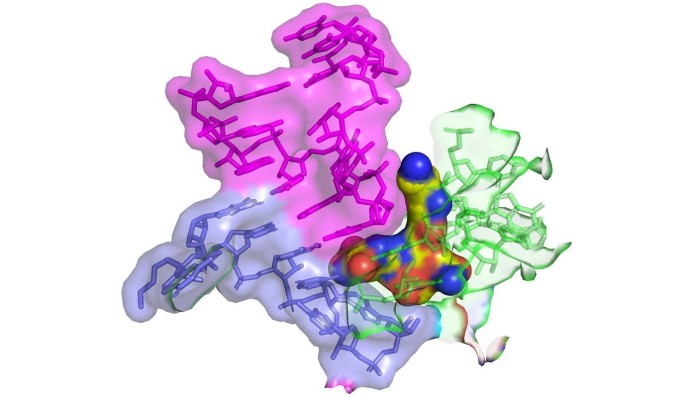
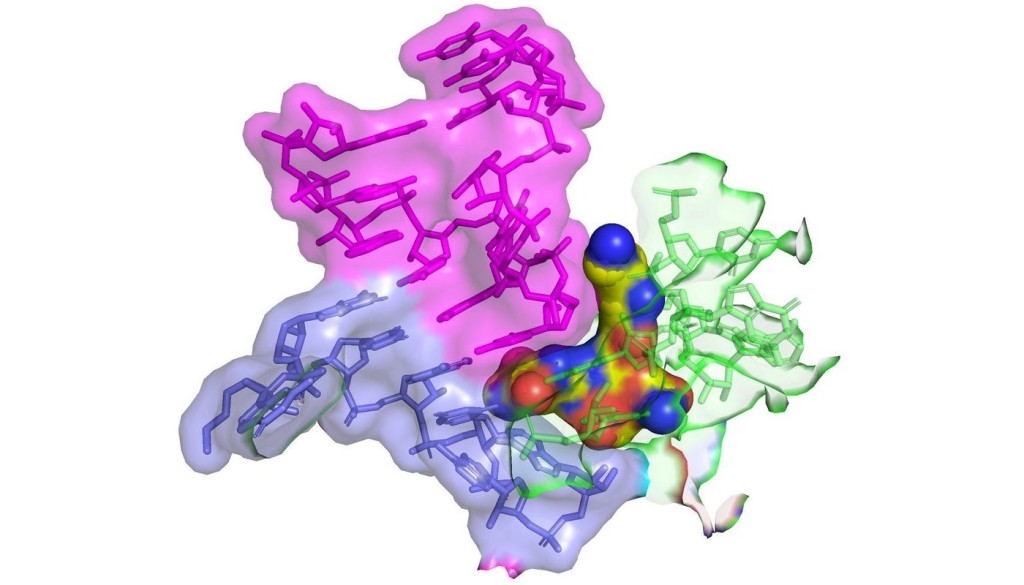
The molecular form of the 80-year-old antibiotic Nouseothricin - SWNS


The molecular form of the 80-year-old antibiotic Nouseothricin – SWNS

A discarded 80-year-old antibiotic may provide protection against multi-drug resistant superbugs, according to a new study.

Discovered back in the 1940s, nourseothricin is a natural product made by a soil fungus that contains several forms of a complex molecule called streptothricin.

It generated high hopes of becoming a powerful agent against gram-negative bacteria, which, due to their thick outer protective layer, are especially hard to kill with other antibiotics.

But nourseothricin proved toxic to human kidneys, and its development was dropped.

However, the rise of antibiotic-resistant bacterial infections has triggered a search for new antibiotics, which led Professor James Kirby and his colleagues at Harvard Medical School to take another look at nourseothricin.

Dr. Kirby said in his study on the compound that early tests of nourseothricin suffered from incomplete purification of the streptothricins.

More recent work has shown that the multiple forms have different toxicities with one, streptothricin-F, being significantly less toxic while remaining highly active against contemporary multidrug-resistant pathogens.

Dr. Kirby and his team characterized the antibacterial action, renal (i.e. kidney) toxicity, and mechanism of action of highly purified forms of two different streptothricins, D and F.

MORE MEDICINE NEWS: Regenerative Medicine Breakthrough: Cellular ‘Glue’ Heals Wounds, Potentially Regrows Nerves and Tissue

He said the D form was more powerful than the F form against drug-resistant Enterobacterales and other bacterial species but caused renal toxicity at a lower dose.

“Based on unique, promising activity, we believe the streptothricin scaffold deserves further pre-clinical exploration as a potential therapeutic for the treatment of multidrug-resistant, Gram-negative pathogens,” said Dr. Kirby.

MORE DRUG DESIGNS: Large Dose of Iron Could be Used to Kill Off Drug-Resistant Prostate Cancer, Scientists Believe

“Isolated in 1942, streptothricin was the first antibiotic discovered with potent gram-negative activity.”

“We find that not only is its activity potent, but that it is highly active against the hardiest contemporary multidrug-resistant pathogens and works by a unique mechanism to inhibition protein synthesis.”

SHARE This Medical Development With Your Friends… 

3 Children and a Baby Likely Still Alive in Colombian Jungle Weeks After Plane Crashed

credit - Colombian Armed Forces
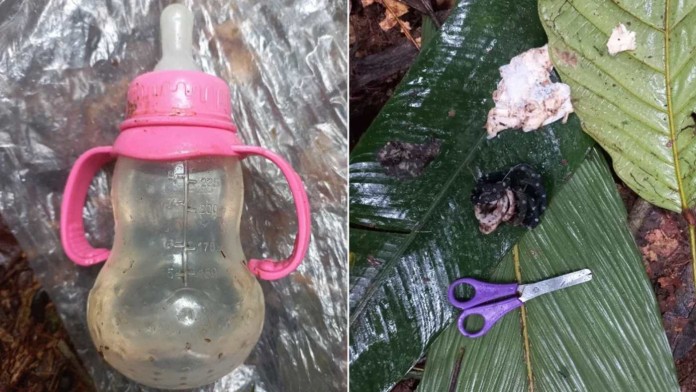
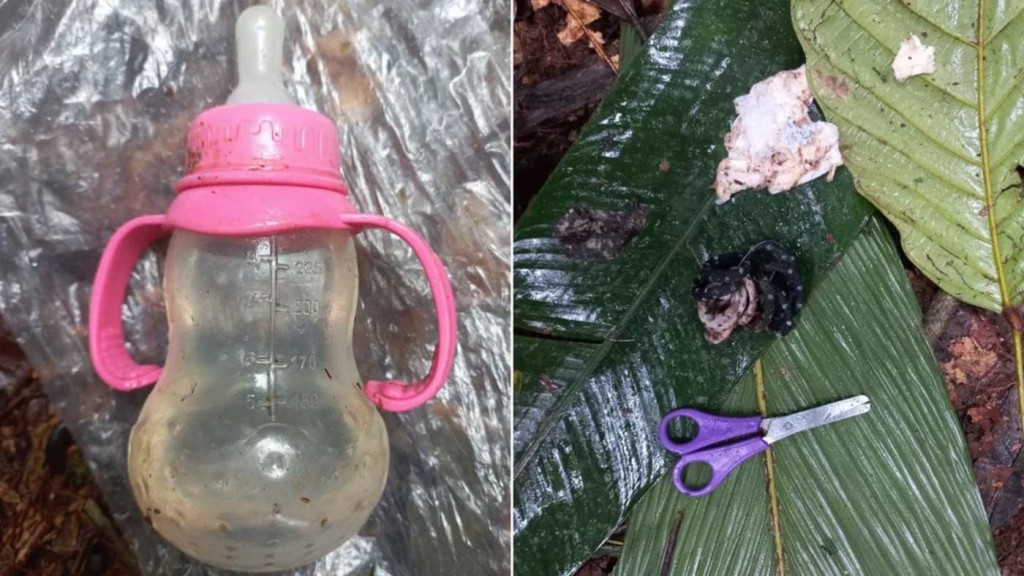
Rescuers followed a trail of cast-away objects. credit – Colombian Armed Forces

3 children aged 13, 11, and 4, along with an 11-month-old infant, have reportedly been found alive in the jungles of Colombia after miraculously surviving a plane crash that killed all 3 adults on board.

Together, these durable youths stuck it out for over 2 weeks on their own, sheltering in simple hutches made of palm fronds and sticks and eating wild fruit.

Sounding like the beginning of a young adult novel series, the crash took place on May 1st on a route between the cities of Araracuara, in Amazonas province, and San Jose del Guaviare, a city in Guaviare province.

It took 2 weeks for Colombian military and rescue units to locate the crashed Cessna 206 light aircraft.

“We think that the children who were aboard the plane are alive. We have found traces at a different location, away from the crash site, and a place where they may have sheltered,” Colonel Juan José López said on Wednesday.

The units followed a trail of cast-away items, including a baby bottle, hair scrunchies, scissors, and plastic wrapping, to several areas where they are believed to have sheltered and found food to eat.

The crashed plane – Colombian armed forces


On Wednesday, the president tweeted that all four children, belonging to the Huitoto Indigenous people, had been located, but deleted the tweet after learning that the source of the claim could not be verified by the Colombian Child Welfare Agency.

OTHER GREAT KIDS: UFC Champ Dustin Poirier is Giving Back, Raising Thousands For Kids in Need And Inspiring Other Fighters

For their part, the agency said they believed the sources were reliable.

“We are still missing that very, very last link that confirms all our hopes. Until we have the photo of the kids we won’t be stopping,” Director of the Colombian Institute of Family Welfare (ICBF), Astrid Caceres, told CNN. “We are not underestimating the information we received but we want to confirm [directly] ourselves.”

Several other sources, the BBC reports, say the children have been found, including Avianline, a local plane operator, and local Huitoto radio stations. The word is that they were found by one of Avianline’s pilots who landed in the village of Cachiporro, and that it was here the pilot heard they had been found in a remote location called Dumar, and were being transported to Chachiporro via boat.

MORE STORIES OF SURVIVAL: Woman Lost 8 Days in the Australian Bush Survives to See Her 4 Children Again ‘It is miraculous’

This is extremely rugged and rural rainforest terrain, and the company said that heavy rains may have made the river difficult to navigate.

One thing is for certain, their indigenous knowledge of the forest allowed them to survive an ordeal in which many people would surely perish.

SHARE This Inspiring Story Of Survival With Your Friends… 

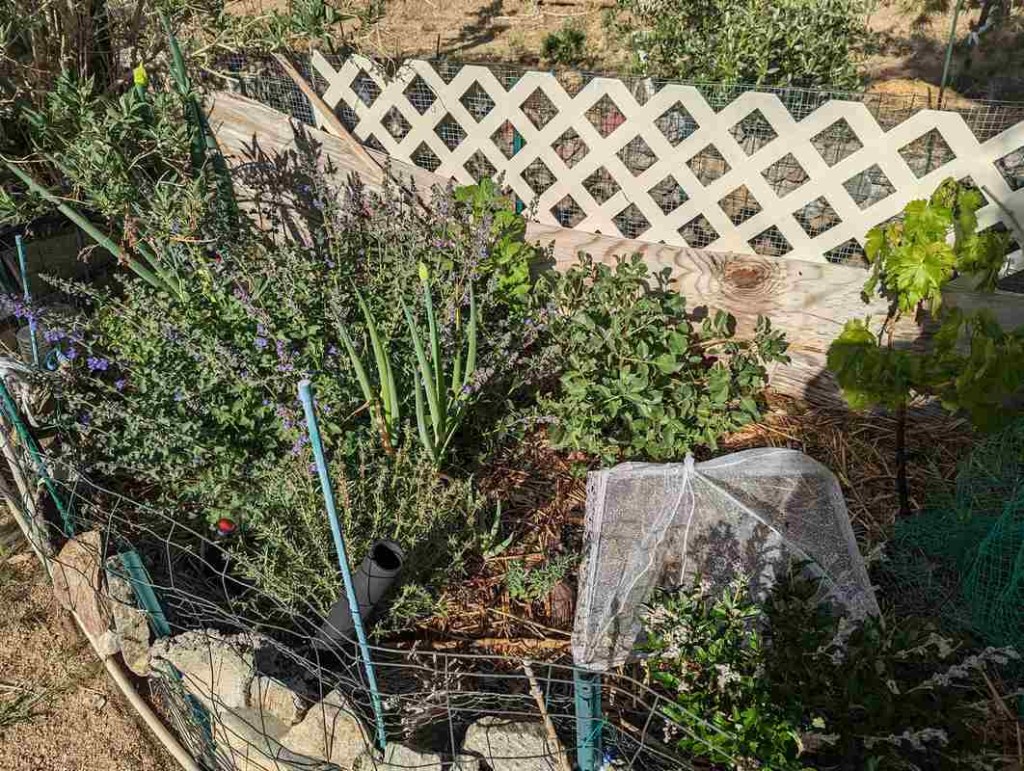
Good Gardening Week 15: All About Spring Flowers—Plus Last Week’s Early Growing Images

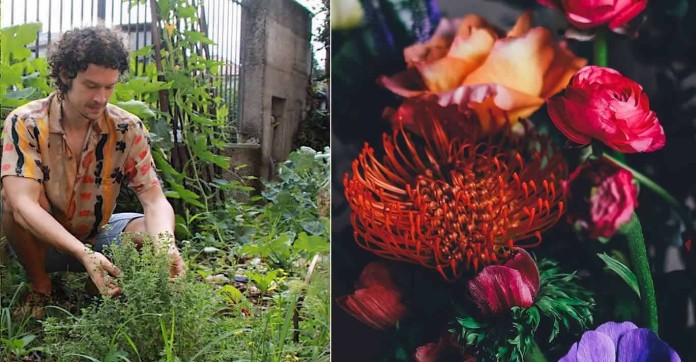
Welcome back to Good Gardening! Last week, we received our first updates from our current gardening experts, the Sharing Gardens, and Monica Richards! We wanted to know how was the early season going for our good gardeners and if any early challenges were being overcome. We received emails from our friends on the west coast and this is what they said.

“We’ve had a doozy of a winter here in California,” said certified permaculturalist Monica Richards. “We actually had to evacuate three times due to the amount of rain that was going to hit our burned hills! Then after that we had over 3 ft of snow and on and on and on.”

Richards’ perennials have exploded into life thanks to this deluge, including oregano, goji berries, and cat mint.

“Personally, I am finding that I love getting my perennials into the ground in the Fall, mulching heavily and hoping for the best through the winter,” she said.

We also got an update from the Oregon-based Sharing Gardens community collective, which we will post on the Facebook thread.

“Happiness held is the seed; Happiness shared is the flower,” – John Harrigan


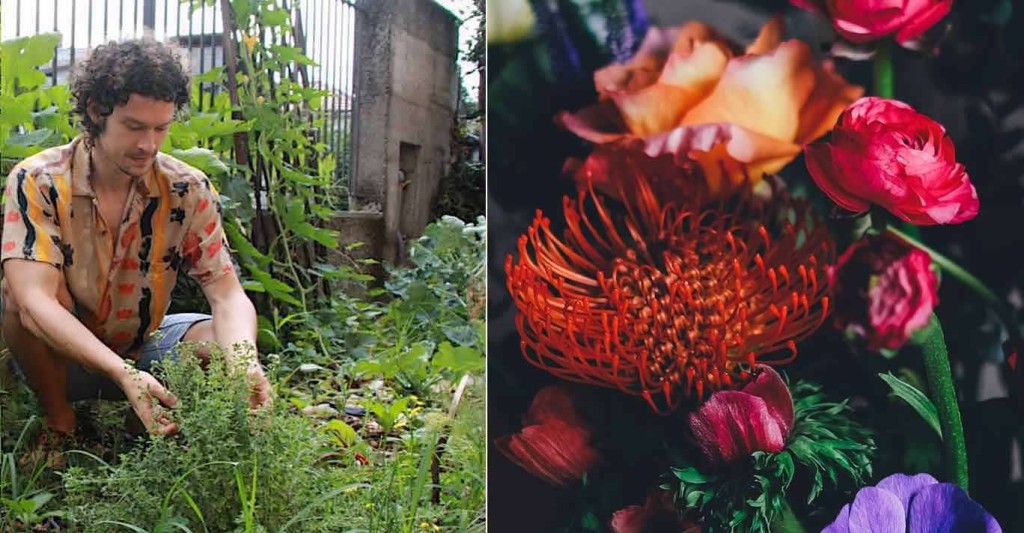
Topic Week 15: Floriculture: All About Spring Flowers

Question 1: Do you plant or cultivate flowers in your garden?

Question 2: Which varieties do you find the most beautiful and which ones hardest to grow?

Question 3: What wildflowers bloom in your area?

Tell Us Here in The Comments… or, send your questions, tips, and photos to [email protected]Join our Facebook Good Gardens thread every Friday on the GNN Facebook Page

Good gardening rules

  • Green thumbs can help novice greenhorns.
  • Share your gardening photos and resources.
  • Garden jargon is encouraged!

INVITE Friends to our Gardening Discussion on Social Media–And Share Your Photos and Tips!

Shark Attack App Uses AI to Forecast and Detect Risk for Swimmers at 89% Accuracy

credit SafeWaters AI

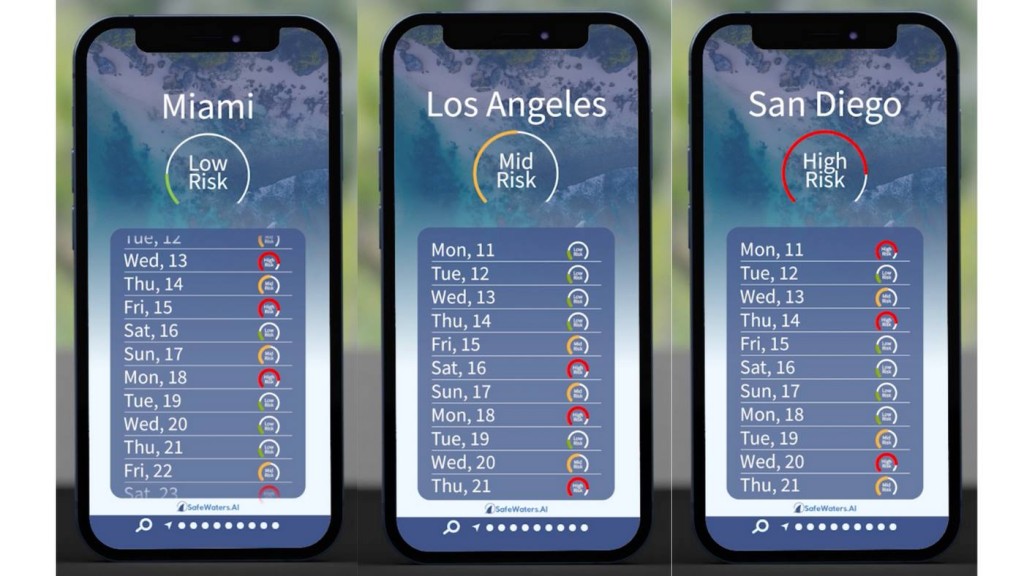
A sophisticated app generates shark attack “forecasts” using artificial intelligence.

The developers are taking advantage of a deep learning algorithm to compartmentalize over a hundred years of shark attack data to create a sort-of weather forecast for beaches around the US with an 89% accuracy.

Called SafeWaters.AI, they hope not only to save lives—their primary objective—but to help reduce persecution of sharks in response to attacks on humans.

The risk of shark attack is about 1 in every 3.7 million swimmers, and 60% (28) of all recorded shark attacks in the US have occurred in Florida.

As the developers point out, most consumers of news regarding AI see it employed for aspects that seem frightening or purely futuristic, such as deep fake video creation or self-driving cars.

But the ability of a targeted AI to parse out trends and forces in mountains of data lends it to working with all manner of unique applications. In this case, over a hundred years of shark attack reports are analyzed, with data points being whether it was a swimmer or surfer, where the victim was swimming, what time of day it was, what the marine weather conditions were like, and even whether they were wearing shiny jewelry.

credit – SafeWaters.AI

All of this contributes to the total percentage risk displayed on the app.

Currently, the project is being crowdfunded, with 5% of all future sales to be donated to ocean cleanup efforts.

SHARE This Innovative Use Of AI With Your Friends… 

After 29 Years in Prison for Rape He Didn’t Commit, the Survivor Helped Free him

Orleans Parish District Attorney’s Office

A man who suffered 29 years in prison for the rape of his stepdaughter has finally been freed with the help of a local district attorney—and the victim, who had campaigned for his innocence for 20 years.

The case went like this. Patrick Brown, stepfather of a 6-year-old girl, was found guilty of her rape in a Louisiana courtroom absent the victim’s own testimony. Instead, adults testified “to what they believed she [the victim] had said.”

Since 2002, the victim had repeatedly requested the Orleans Parish District Attorney’s Office to review the case and prosecute the actual perpetrator. Despite this, no investigations into her case were ever done until DA Jason Williams took office and launched the Civil Rights Division.

A thorough investigation followed, exonerating Mr. Brown. Williams then asked the court to rectify the case.

“Listening and engaging victims and survivors of sexual assault is a top priority in this office. It is incredibly disheartening to know that this woman was dismissed and ignored, no matter how inconvenient her truth, when all she wanted was the real offender to be held responsible,” said District Attorney Williams.

Brown was released on Monday with just a small box of possessions. The family set up a GoFundMe to help him get back on his feet. So far, it’s raised $16,000 of a $25,000 total.

MORE WRONGFUL CONVICTIONS ENDED:

The Civil Rights Division, said one law professor, is the only group in Louisiana actively taking the concept of “Justice” seriously, evidenced, she says, by the fact that they listened to the testimony of the victim and acted on it while others had failed to do so for so long.

“The State is actively reviewing the viability (of) charges against the actual perpetrator,” Orleans Parish Williams told CNN in a statement. “To say more on that at this time would not be prudent as it could jeopardize the case.”

SHARE This Small Instance Of Real Justice On Social Media… 

“Nothing can be done except little by little.” – Charles Baudelaire 

Quote of the Day: “Nothing can be done except little by little.” – Charles Baudelaire 

Photo by: Christian Holzinger

With a new inspirational quote every day, atop the perfect photo—collected and archived on our Quotes page—why not bookmark GNN.org for a daily uplift?

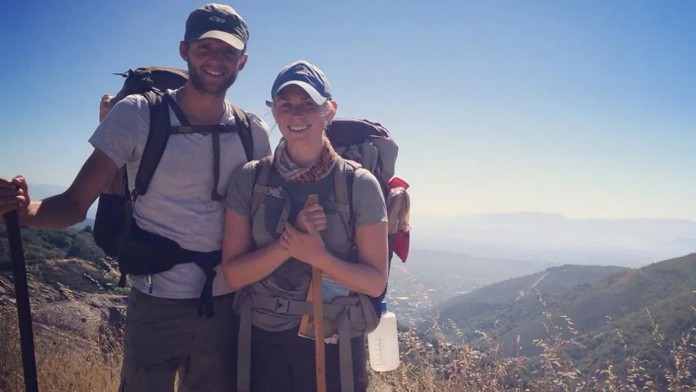
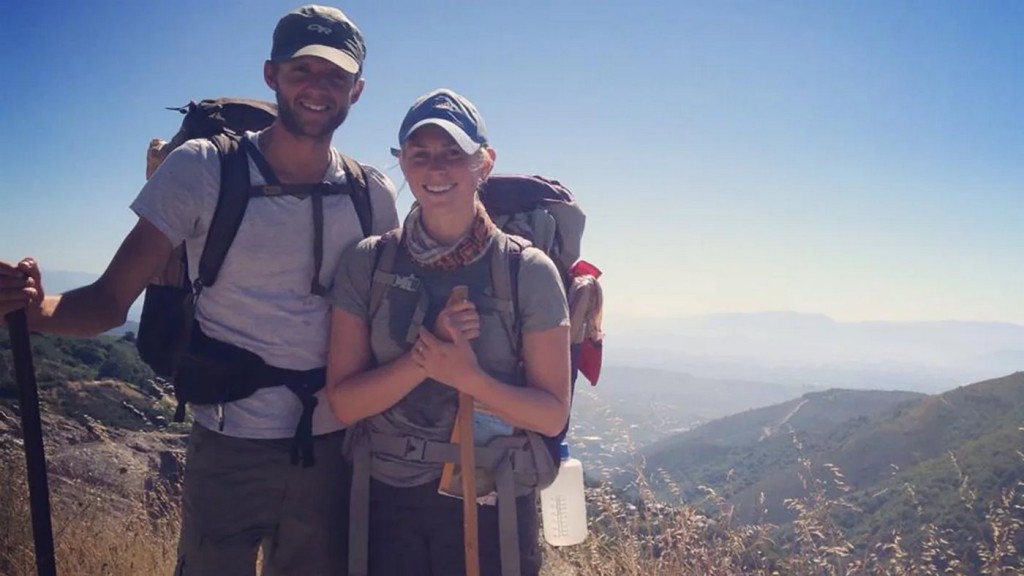
Two Hikers on the Camino Del Santiago Find Lasting Love After Facing Uncertain Futures

Loni and Kjarten - courtesy Loni Bergqvist
Loni and Kjarten – courtesy Loni Bergqvist

The Camino del Santiago is the ironing board of the stress of life—a way to find oneself and direction in life through walking, day after day across the Iberian Peninsula.

However an American and a Dane didn’t find themselves on a hike across the famous European pilgrimage trail, they found each other.

Kjartan Bergqvist, from Denmark, and American Loni Philbrick-Linzmeyer, both experienced the sort of listlessness that causes one to buy a backpack, throw an assortment of worldly objects inside, and travel the world—in their case, both to Spain to hike the 500-mile-long Camino del Santiago.

On their own paths through life at the time, it was something they both felt they had to do alone. He was a 24-year-old medical student destined to seemingly pour over textbooks forever, she, a 29-year-old schoolteacher at a crossroads after a tough breakup.

Both departed from the traditional start point in Paris within days of each other.

“It’s very open on the Camino, it can be as independent or as social as you want or need on the day.” Loni said, recounting her love story to Francesca Street at CNN Travel. “It was weird, it wasn’t love at first sight. I think I ended up forgetting his name later—but certainly there was a moment of, ‘Okay, maybe I’m kind of interested here.’”

That was her first thought when seeing the departing figure of Kjartan Bergqvist, whom she first met in a forested area outside the city of Burgos. Little had been said between the two, apart from a discussion of the weather.

That night, the two crossed paths again in the Camino inn inside Burgos, and they thought that maybe they’d explore the city the next day—which they did, after a sleepless night for Kjarten, and a coffee that morning.

ANOTHER EUROPEAN LOVE STORY: Love in the Time of Corona: An American Traveler Survives Italian Lockdown, and Finds True Love

That set off, as they explain to CNN, a difficult 24 hours deciding whether or not they would fulfill their original intentions to walk the Camino alone, or follow their connection, which was immediate and joyous, and walk the trail together.

As it turned out, they, and a Canadian named Liz, chose the latter option.

Commenting on how their trip evolved, Kjartan told CNN’s Francesca that Santiago, the endpoint of the pilgrimage trail, “didn’t really matter anymore.”

“Those three weeks felt a lot longer, in a good way, a very good way,” says Kjartan. “I was just flying so high—obviously very much in love, and it’s summer, and there’s no place you have to be other than where you are at the moment.”

MORE TOUCHING LOVE STORIES: She’s Happily Married with 6 Kids–All Because of a Text Sent to the Wrong Number

After reaching Santiago, the pair decided that sharing contact info, or even agreeing to a long-term relationship, none of it seemed even remotely acceptable. So Kjarten asked Loni then and there, in the streets of Santiago, if she would be his wife.

This story happened 10 years ago. Now, Loni Bergqvist lives in Denmark and works as an education consultant while raising three bilingual children.

They used to often talk about keeping the “spirit of the Camino”—the spirit of waking up every day with a single objective, without any other considerations. But as time went on, they began to focus more and more on the future. There’s a saying that “the Camino provides.” The Bergqvists believe it provided each other.

Read the whole story here on CNN

SHARE This Beautiful Love Story With Your Friends… 

Chinese Scientists Create Way to 3D Print Ceramic Engineering Components Suspended in Air Without Support

credit Jiangnan University
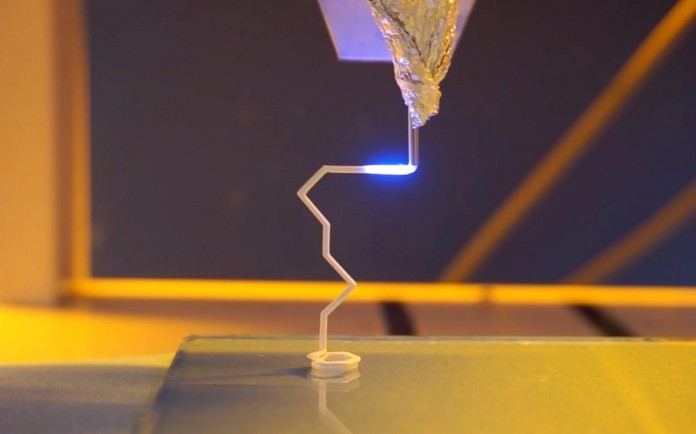
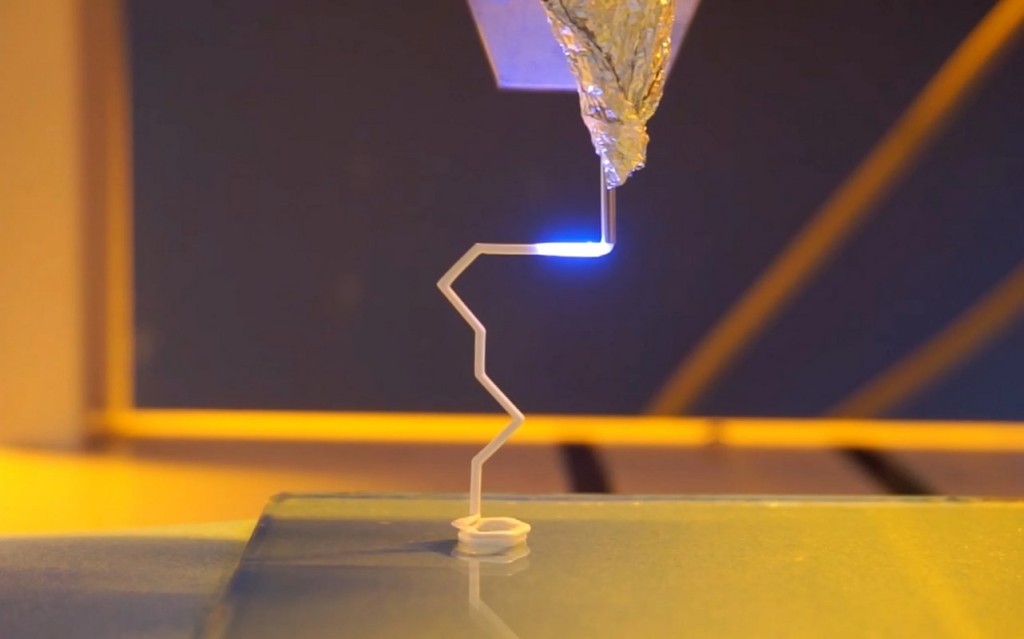
This small sculpture was 3D printed without supporting structures. credit: Jiangnan University

In a warp-speed technological advancement, Chinese scientists have developed mid-air ceramic 3D printing.

The team from Jiangnan University has enabled ceramic curves to be freely extended in space without support, opening a panoply of additional applications for the already-widely-used technology of ceramic.

Ceramics are used at high levels of engineering technology in aerospace, computer, and mechanical engineering because of their structural stability, wear resistance, and high-temperature endurance.

The team uses a photo-sensitive ceramic slurry for the 3D printing mixture that almost instantly solidifies when it comes in contact with near-infrared light from the sun or heat lamps, as seen in the image above.

“The printed curves can be freely extended in space without support. The printing process is smooth and continuous, without the need for heating or cooling,”  Professor Liu Ren said in the paper.

With the new slurry, Liu Ren was able to print ceramic torsion springs at 3.5 millimeters thickness which retained their shape in mid-air.

Using near-infrared light can solidify certain ceramic structures at these thin dimensions, even at right angles, instantly upon exiting the printing nozzle, removing the need for support structures that can impede printing efficiency.

They also remove the sometimes irritating and existing problems when supporting stands and arms need to be removed after the material has solidified, a not-always-easy process that can risk breaking sensitive printed structures.

OTHER 3D-PRINTING BREAKTHROUGHS: Researchers Recycle McDonald’s Deep Fryer Oil into Cheap, Biodegradable 3D Printing Material

The team also demonstrated the ability to create various additive-ceramic printing mixtures that would otherwise cause warping, cracking, and other defects in the finished ceramic product.

If the technology is refined, Professor Liu wrote in his paper, then the aesthetics of the created material could also be taken into account, and he hopes that future advances would help inspire the science of 3D printing further.

SHARE This Major Advancement On Social Media… 

A New Butterfly Has Been Named After The ‘Lord of the Rings’ Villain

Saurona triangula - credit B. HuertasTrustees Natural History Museum
Saurona triangula – credit B. HuertasTrustees Natural History Museum

A genus of orange and brown butterflies that had been excruciatingly hard to define and separate has been called Saurona after the Dark Lord antagonist from J.R.R. Tolkien’s The Lord of the Rings.

Any old scientist can name a species—there are tens of millions out there that have needed a name. But naming a genus is a rare honor—one in this case that fell into the lap of a fellow Tolkienite.

The Eye of Sauron depicted in the film adaptation of one of the three most-sold book series in history is like a cat’s eye, with white-orange flames around both the iris and the flaming exterior.

In the case of the butterfly which gave Dr. Blanca Huerta and Keith R. Willmott the idea, white streaks around the interior of the wings trace the path of Sauron’s fiery iris, while a set of orange tips on the hindwings serve as the flaming exterior.

“Naming a genus is not something that happens very often, and it’s even more rare to be able to name two at once,” Dr. Huertas, who works as senior curator of Lepidoptera at the Natural History Museum in London, said in a press release entitled “Fly you Fools.”

The second genus they are able to name was Argentaria which means “silver” and refers to the silvery profile of the butterfly’s wing scales.

While there are currently only two members of this precious new genus—Saurona triangula and Saurona aurigera—many more as-yet-undescribed species are thought to exist.

RELATED: Dozens of J.R.R. Tolkien’s Paintings and Maps Are Now Online to Inspire Adventure

The paper published on Saurona is actually the culmination of a decade’s worth of work attempting to grapple with the identification of a subtribe of butterflies called Euptychiina. These particular butterflies are “widely regarded as one of the most taxonomically challenging groups among all butterflies,” their study details.

“I work in the museum with the largest collection of butterflies in the world, and I have 70,000 little brown things just looking all the same,” Huertas told CNN. “They really challenge (scientists) because they’re very similar to each other.”

Utilizing the Natural History Museum’s collection, the team was able to parse 449 species split between 9 genera out of the Euptychiina.

MORE BUTTERFLY RESEARCH: Scientists Discover Butterflies Originated in America 100 Million Years Ago When Upstart Moths Wanted to Bask in the Sun

“What this paper shows is that there are just hundreds and hundreds of species that we don’t know yet, that haven’t been named,” Robert Robbins, research entomologist and curator of Lepidoptera at the Smithsonian National Museum of Natural History, who wasn’t involved in the study, told CNN.

“This paper takes a very difficult and large group of butterflies, and they just amassed an immense amount of DNA information over the years and just brought it all together… It’s a very fine scientific paper.”

SHARE This LOTR-Inspired Scientist And Their Work With Your Friends…

New York Cop Grabs Suicidal Passenger in First Rescue of its Kind on Staten Island Ferry

NYPD rescue - ABC 7, fair use
NYPD rescue – ABC 7, fair use

It was a rescue that police said had never been done before: hanging off the edge of a Staten Island ferry boat.

They were there because an emotionally disturbed man had inexplicably climbed out of the window onto a railing on the outside of the ship, seemingly ready to jump.

Then, after trying to reason with the silent would-be jumper, Officer Gambino who was roped to the boat from an anchor point above, moved like lightning to grab hold of the individual and press him up against the side of the boat.

“Some people were in dry suits and some were in rope harnesses in case he went into the water or stayed on the ferry,” said NYPD Emergency Service Unit Sgt. Darion Brooks. “We were prepared for both.”

MORE RESCUE STORIES: Anti-Poaching Helicopter Attempts Daring Rescue Inches Above Swirling Floodwaters

Brooks told ABC 7 news that this particular rescue strategy had never been attempted before, but that the ESU trains for dozens of different situations, some of which have involved potential jumpers.

The moment of arrest was captured in stunning detail by a news helicopter, and the man was transported to a hospital where he could receive psychiatric attention.

WATCH the rescue below…

SHARE The NYPD Being Boss Aboard This Ferry With Your Friends… 

“No two people meditate in exactly the same way. Improvisation is essential.” – Christopher Bamford

Quote of the Day: “No two people meditate in exactly the same way. Improvisation is essential.” – Christopher Bamford 

Photo by: Zoltan Tasi

With a new inspirational quote every day, atop the perfect photo—collected and archived on our Quotes page—why not bookmark GNN.org for a daily uplift?

2 Unknown Rembrandts Hidden in Private Collection for 200 Years Sparks Upcoming Auction

Christie’s auction house

A pair of small portraits made, perhaps spontaneously, of Rembrandt van Rijn’s distant in-laws were discovered recently among a private collection.

Never seen before, or known in any of the Rembrandt literature, the portraits could be the smallest he ever made, and greatly surprised the owners who had never imagined the true origin of the inherited pieces.

If previous sales are any indication, they could bring in between $6.25 million $10 million (£5 million and £8 million) at auction.

Dated to 1635, the paintings depict wealthy plumber Jan Willemsz van der Pluym and his wife Jaapgen Carels, who lived in the city of Leiden. Their son, Dominicus van der Pluym, married Rembrandt’s cousin, but rather than this being a distant and unnurtured inter-family connection, experts at the Rijksmuseum in Amsterdam say the nature of the portraits show there probably was great affection between the families and the painter.

The family of van der Pluym held onto the portraits until about 1760, until they were sold by a descendent to Polish buyers, who then sold them to French buyers, who then sold them to the 1st Baron of Glenlyon, James Murrary.

MORE ART NEWS: Small Town is Giddy With Excitement That it Appears in Background of World’s Most Famous Portrait–the Mona Lisa

“The pictures were immediately of terrific interest,” Henry Pettifer, international deputy chair of Old Master paintings at Christie’s auction house, told CNN, adding that the owners were also taken by surprise.

“I don’t think they had looked into it,” he said. “They didn’t have expectations for the paintings.”

MORE ANTIQUE ART UNCOVERED: Stunning Ancient Artwork Found at Site Sacked by ISIS: Assyrian Depictions Not Seen For 2,600 Years–LOOK

They are set for a pre-auction tour of Amsterdam and New York, before a final stop in London ahead of the sale.

“What’s extraordinary is that the paintings were completely unknown. They had never appeared in any of the Rembrandt literature of the 19th or 20h century,” said Pettifer. “They are not grand, formal commissioned paintings, I think they are the smallest portraits that he painted that we know of.”

SHARE This Awesome Bit Of History Uncovered With Your Friends…

Georgia State University Hails First Class of Inmate Graduates: ‘A degree to utilize when they come home’

Georgia State University’s Prison Education Project

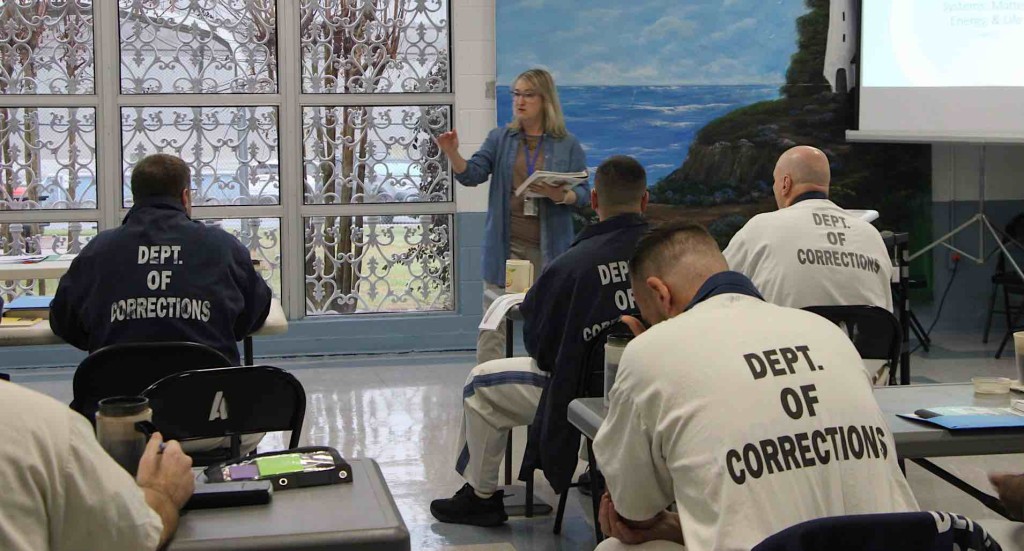
In caps, gowns, and perhaps even ‘blues,’ 9 inmates at Walker State Prison in Georgia are set to receive their associates degrees for 60 credit hours of coursework done while incarcerated.

3 are graduating with highest honors (3.9 – 4.0 GPA) while the other 6 are gradutaing with high honors (3.7 – 3.89).

Organized by Geogria State University as part of their Prison Education Project, the courses included a variety of subjects such as environmental science, English, philosophy and ethics, and geology.

The GSUPEP program began in 2016 and offers college courses at Walker State Prison and Phillips State in Buford and is currently offering enrichment courses at the federal U.S. Penitentiary in Atlanta.

By 2025, GSU would like to offer the PEP associates degree in five other Georgia penitentiaries.

“Not only have these students demonstrated that they are critical thinkers by completing a degree, but they’ve also shown tremendous character to seek education and follow it through to the end,” said President Blake. “The degree they rightfully earned can never be taken away.”

50 other students are already in the pipeline, something which Patrick Rodriguez, director of the PEP says will reduce the chances they will end up incarcerated again.

MORE GOOD PRISON NEWS: San Quentin Prison is Using a Scandinavian Model of Rehabilitation to Turn Ex-Cons into Good Neighbors

“I believe that we can serve all facilities here in the State of Georgia to begin reducing our incarceration numbers and the amount of people on probation and parole,” he told local news.

Georgia State University’s Prison Education Project

For most of the students in the program, the education they received is the first time they’ve earned a degree.

“I learned several things about myself throughout the course of completing this degree, but the most important to me is that I do have worthwhile thoughts, ideas and insights,” one new graduate said.

MORE NEWS LIKE THIS: Prison Inmates Learned to Quilt and Now Make Amazing Personalized Gifts for Foster Care Children (LOOK)

“My long-term goal is to use the skills I’ve learned and developed to make positive and meaningful contributions to humanity. My immediate goals are to help others reach their education goals and to help them learn how to make better decisions.”

Indeed, education is one of the best tools for reducing recidivism.

“This has given me a passion for learning,” said another student. “I never knew why someone would want to become a teacher, but I see how good it is to give back and now I get it.”

Readers can watch the local news story here at Fox 5 Atlanta, but fast forward 29 seconds to pass the previous news coverage about scammers.

SHARE This Inspiring Leap Towards Second Chances On Social Media… 

For New Rover, NASA is Swapping Buggy Shape for a Giant Snake in Hopes it Can Explore Icy Moon of Saturn

Using stereo cameras and lidar, EELS is able to create a 3D map of its surroundings, understanding the environment before navigating through it. NASA JPL-CALTECH

NASA is testing an all-terrain slithering robot to explore tunnels, glaciers, and snowdrifts on Saturn’s icy moon of Enceladus.

The 13-foot-long (4 meter) machine is called EELS, or the Exobiology Extant Life Surveyor, owing to theories that the icy-covered world of Enceladus may have a subsurface ocean of liquid water—one of the solar system’s best places to look for signs of extraterrestrial life.

For nearly 30 years, robotic rovers have retained the same buggy-shape and design, from the original Pathfinder Rover in 1996 to Perseverence in 2021.

But these have been designed to travese deserts like the Moon and Mars—covered in a loose mixture of sand and crushed rock known as regolith. Enceladus presents an entirely different set of challenges.

“It has the capability to go to locations where other robots can’t go. Though some robots are better at one particular type of terrain or other, the idea for EELS is the ability to do it all,” Matthew Robinson, EELS project manager, says in the statement.

“When you’re going places where you don’t know what you’ll find, you want to send a versatile, risk-aware robot that’s prepared for uncertainty—and can make decisions on its own.”

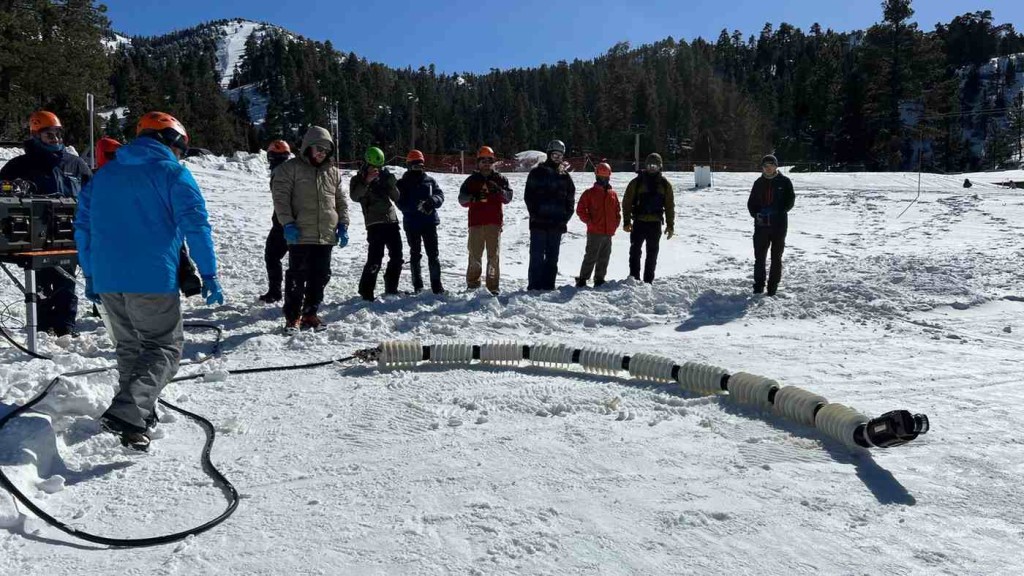
The autonomous robot is being tested in undulating sand and ice, along steep cliffs, gaping craters, underground lava tubes, and even narrow spaces within glaciers.

The robot weighs about 220 pounds (100 kilograms), and is made up of 10 segments with exterior panels shaped like an uneven screw that will allow it to slither along. Stiffer tread in between the joints will help it move on slippery ice.

MORE NASA NEWS: To Unravel Earliest History of Our Solar System, NASA’s Lucy Mission Launches Toward Asteroid Swarms Tomorrow

It’s designs will include technology to allow it to make its own decisions about how best to move over any given terrain, since telecommunications with the Earth would take multiple days.

EELS Team testing in snow – NASA JPL-CALTECH

“There are dozens of textbooks about how to design a four-wheel vehicle, but there is no textbook about how to design an autonomous snake robot to boldly go where no robot has gone before. We have to write our own,” stated Hiro Ono, EELS principal investigator.

However there’s no time to lose, since it will take 12 years for a lander to deliver EElS onto the surface of the moon.

MORE FUTURE SCIENCE MISSIONS: Work Set to Begin on Asteroid Hunting Observatory—NASA’s New Mission to Protect Earth from Disaster

Enceladus has become one of the most interesting bodies in the solar system. The Cassini deep-space probe revealed a variety of extremely interesting features, including an active molten core that powers icy geysers which eject plumes of methane gas, dust, and ice.

The core’s heat is believed to have created a salt water ocean lying under the frozen surface where over billions of years, the conditions for life to evolve on its own would be protected from the hostile world above and space beyond.

Even if it were never to see action in space, the robot is already being tested here among the glaciers of Earth, and could be valuable for getting to know our own world.

WATCH it move through various terrain in testing… 
SHARE This Totally Sci-Fi Attempt At Robotic Exploration With Your Friends…