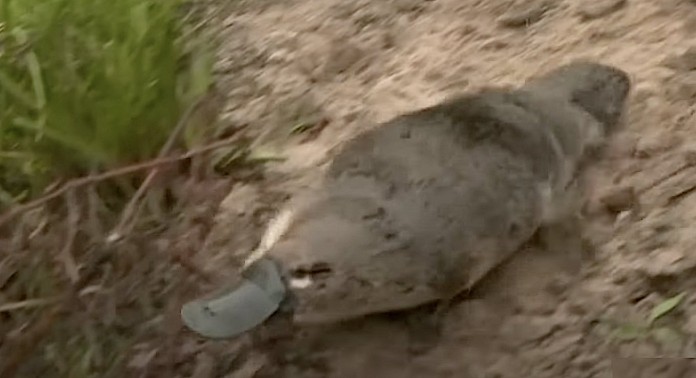
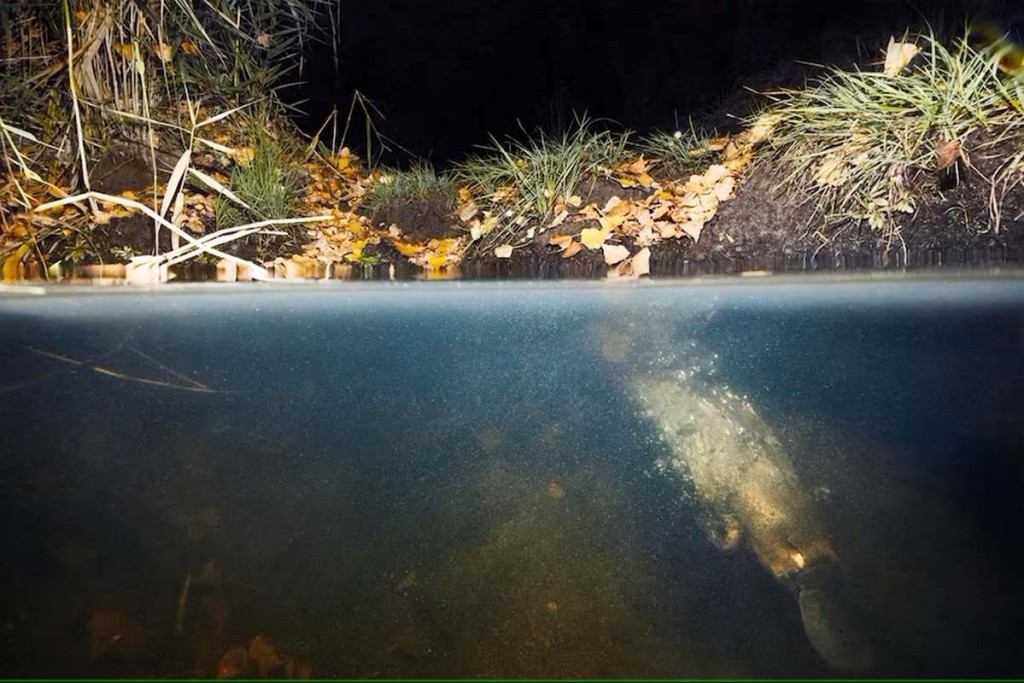
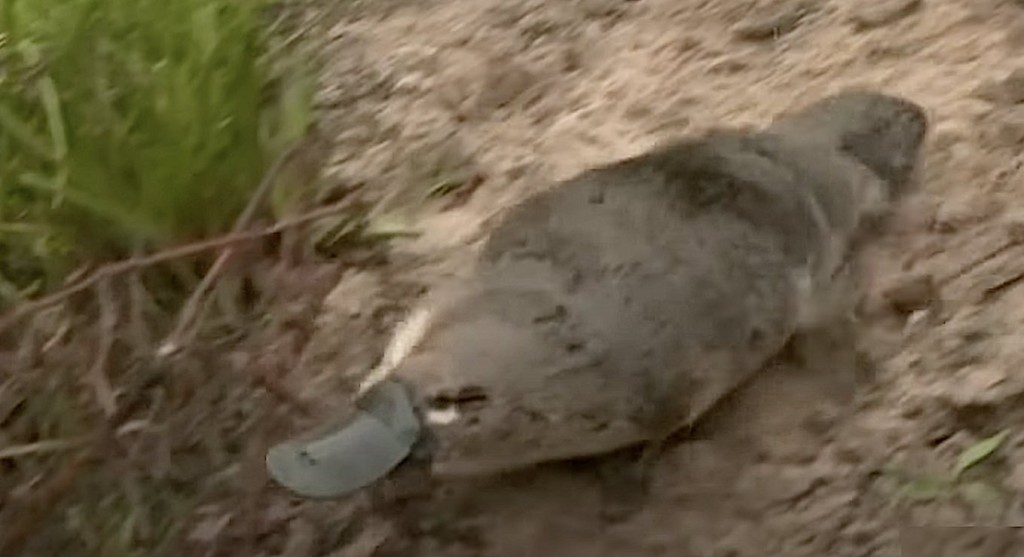
The iconically-strange platypus of Australia is coming home to a national park near Sydney 50 years after their mysterious disappearance.
Whether from a chemical tanker spill on the nearby Princes Highway or over-predation from foxes or cats, conservationists aren’t quite sure when and why the strange egg-laying aquatic mammal vanished from Royal National Park’s rivers, but they’re back now.
A joint project from the University of New South Wales, National Parks and Wildlife Service, and WWF, conservationists released 5, (or perhaps 6) females last week into Hacking River as the first stage of the reintroduction.
Kept at Taronga Zoo’s special platypus refuge, the 5 females came from the Bombala and Dalgety regions.
“We’ve put females in a week to ten days before the males go in, just to let those girls settle in without those males who are a bit bolder, a bit boisterous,” said Rob Brewster, an Aussie conservationist with the WWF. “Hopefully, those females have found that little niche in their new environment and they can settle in together from there on.”
Brewster said the collaboration wants to see burrows and territorial establishment among the river systems of the 58-square-mile national park from the females before they release the males.
Beyond ensuring that the water quality in the catchment areas outside Royal National Park is of the highest level, threat management teams are also working to ensure the platypuses are not attacked by foxes or feral cats.
“Royal National Park is Australia’s oldest national park and I am pleased this historic reintroduction will help re-establish a sanctuary for this iconic species,” said NSW Environment Minister Penny Sharpe.
Short-term indicators for success, Brewster explains, are principally any sort of breeding activity.
WATCH some of the reintroduction footage below…
SHARE This Big Moment From New South Wales With Your Friends…
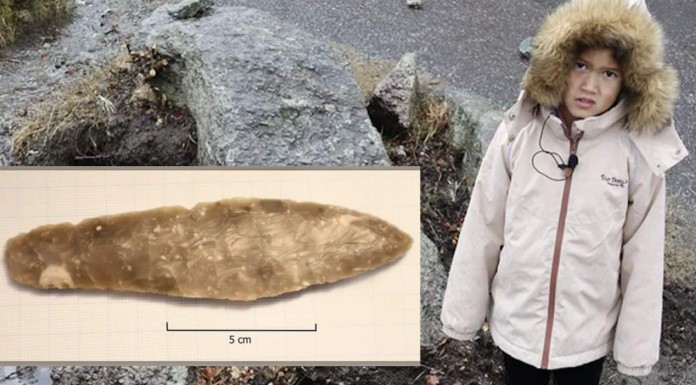
Elise and her dagger – Vestland County's University Museum
Elise and her dagger – Vestland County’s University Museum
A child’s imagination can turn a molehill into a mountain, or a stick into a sword.
That wasn’t necessarily required when Elise’s teacher saw the 8-year-old holding a “rock” she found in the schoolyard at Our Children’s School in Osøyro, Norway.
That’s because Elise had stumbled upon a remarkable find—a 3,700-year-old flint knife from the Neolithic Era in a country that doesn’t contain flint.
Teacher Karen Drange notified the Vestland County Council of the discovery and the archaeologists examining it have now told Norwegian news outlets they believe it originated in Denmark.
Flint was among the first tool technologies that humans mastered—a hard substance sharp enough to skin an animal and even perform surgery, but that didn’t require any knowledge of metallurgy.
In a statement, Louise Bjerre Petersen, an archaeologist who assessed the tool, calls it a beautiful, incredibly rare find. The knife is now in the possession of experts at the University Museum of Bergen, who will study it for clues on life in Neolithic Norway.
Excavations at the schoolyard turned up no additional artifacts—an unusual thing for flint discoveries, which are almost always found in places like Neolithic burial grounds, flint manufacturing areas where people were breaking large blocks of flint into small blades, or game animal kill sites.
The Neolithic Age in Europe lasted longer than elsewhere. When whoever last owned the flint knife was using it to scrape animal hides, the Great Pyramids were under construction, and the oldest had already been built.
Elise isn’t the only schoolgirl in Scandinavia to happen upon an ancient weapon. GNN reported about the 8-year-old “Queen of Sweden,” who found an Iron Age sword in a lake in 2018.
Not to be outdone, 10-year-old Fiontann Hughes in Northern Ireland found a centuries-old sword with a basket hilt using a metal detector.
SHARE This Lucky Young-Lady And Her Discovery With Your Friends…
Scientists completed a vast evolutionary jigsaw puzzle in 4D—and they discovered that butterflies originated in America around 100 million years ago.
They determined that it was a group of “trendsetting” moths that started flying during the day rather than at night, taking advantage of nectar-rich flowers that had co-evolved with bees.
That single event led to the evolution of all butterflies, and now scientists have discovered where they first originated and which plants they relied on for food.
Researchers have known the precise timing of the event since 2019, when a major analysis of DNA discounted an earlier theory that pressure from bats prompted the evolution of butterflies following the extinction of dinosaurs.
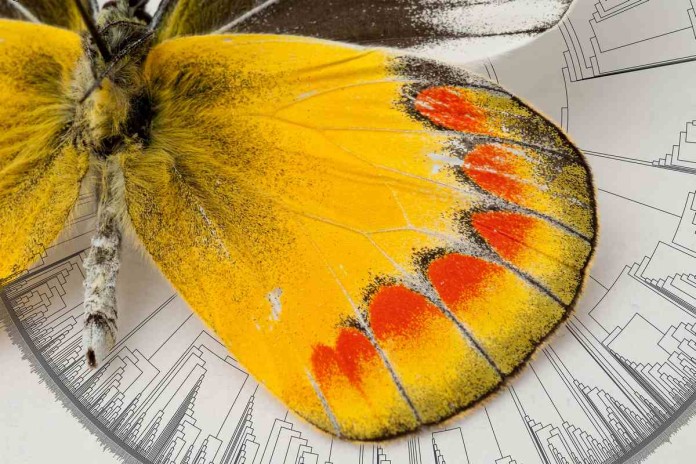
Before reaching their conclusions, researchers from several countries had to create the world’s largest butterfly tree of life, assembled with DNA from more than 2,000 species representing all butterfly families.
Using the framework as a guide, the team traced the movements and feeding habits of butterflies over time in a four-dimensional puzzle that led back to North and Central America.
“It’s something I’ve wanted to do since visiting the American Museum of Natural History when I was a kid and seeing a picture of a butterfly phylogeny taped to a curator’s door,” lead author Doctor Akito Kawahara, curator of Lepidoptera at the Florida Museum of Natural History. “This was a childhood dream of mine.”
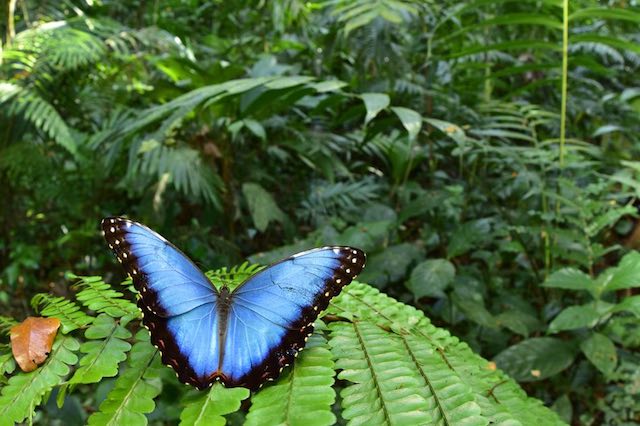
Morpho butterfly – Trond Larsen / Conservation International
“It’s also the most difficult study I’ve ever been a part of, and it took a massive effort from people all over the world to complete.”
There are more than 19,000 butterfly species, and piecing together the 100 million-year history of the group required data about their modern distributions and host plants.
Before the study, there was no single place that researchers could go to access that type of data. To wit, many of the sources were books written by local experts, and not always in the same language.
“In many cases, the information we needed existed in field guides that hadn’t been digitized and were written in various languages.”
The team decided to make their own publicly available database by painstakingly translating and transferring the contents of books, museum collections, and isolated web pages into a single digital repository.
Underlying all the data were 11 rare butterfly fossils, without which the analysis would not have been possible.
Unlike other insects, butterflies are rarely preserved in the fossil record due to their paper-thin wings and threadlike, gossamer hairs.
The few that are can be used as calibration points on genetic trees, allowing researchers to record the timing of key evolutionary events.
The results show that some groups traveled over vast distances while others seem to have stayed in one place, remaining stationary while continents, mountains, and rivers moved around them.
Dr. Kawahara says butterflies first appeared somewhere in Central and western North America when North America was bisected by an expansive seaway that split the continent in two, while present-day Mexico was joined in a long arc with the United States, Canada, and Russia.
North and South America hadn’t yet joined via the Isthmus of Panama, but butterflies had little difficulty crossing the strait between them.
“Despite the relatively close proximity of South America to Africa, butterflies took the long way around, moving into Asia across the Bering Land Bridge,” said Dr. Kawahara. “From there, they quickly covered ground, radiating into South East Asia, the Middle East, and the Horn of Africa.”
“They even made it to India, which was then an isolated island, separated by miles of open sea on all sides. Even more astonishing was their arrival in Australia, which remained sutured to Antarctica, the last combined remnant of the supercontinent Pangaea.”
Farther north, butterflies lingered on the edge of western Asia for potentially up to 45 million years before finally migrating into Europe.
“Europe doesn’t have many butterfly species compared to other parts of the world, and the ones it does have can often be found elsewhere. Many butterflies in Europe are also found in Siberia and Asia, for example.”
By the time dinosaurs disappeared 66 million years ago, nearly all modern butterfly families had arrived on the scene, and each one seems to have had a special affinity for a specific group of plants. But there was one plant that stood out among them all.
“We looked at this association over an evolutionary timescale, and in pretty much every family of butterflies, bean plants came out to be the ancestral hosts. This was true in the ancestor of all butterflies as well.”
Bean plants have since increased their roster of pollinators to include bees, flies, hummingbirds, and mammals, while butterflies have similarly expanded their palate.
Study co-author Professor Pamela Soltis, a Florida Museum curator, says the botanical partnerships that butterflies forged helped transform them from minor offshoots of moths to what is today one of the world’s largest groups of insects.
“The evolution of butterflies and flowering plants has been inexorably intertwined since the origin of the former, and the close relationship between them has resulted in remarkable diversification events in both lineages,” she said.
Written by Stephen Beech, SWNS news service
SHARE This Evolutionary Tell-All Study From These Brilliant Entomologists
During the record-setting blizzard in New York state last winter, a tour bus of South Korean visitors to our shores found hospitality with two locals—the Campagnas—when their bus got stuck in the snow in Buffalo.
Staying two nights, snow plows eventually had the Koreans on their way. Now, 5 months later, they’re getting the chance to return the favor.
Fascinated by Korean culture, stemming from a love of Korean food, Alex and Andrea Campagna are now in South Korea on a vacation to keep the fire of that memorable snow day alive.
“To see everyone in Korea again is such a blessing,” Andrea told reporters in Seoul on Sunday. She and her husband arrived on Saturday at the invitation of the Korea Tourism Organization.
The organization wasn’t the only one who wanted to thank Alex for the cross-Pacific act of kindness, because when the story went viral on social media following reporting from The New York Times and Good News Network, many Korean businesses wanted to reward the couple.
credit the Korean Tourist Organization
“They made us really feel at home. After our memorable time together, I thought I should do good deeds for others too,” said Scott Park, one of the tour group who the Campagnas went to see, and who turned for to their interview.
One of the fonder memories was all the Korean food cooked by the sheltering tourists after discovering a wealth of authentic Korean ingredients and crockery in the Campagna household.
“I think with how difficult things have been with COVID, after so much sadness, pain and losses, the world was hungry for a heartwarming story. I think that’s why the story resonated with so many people,” Andrea told the Korea Herald.
SHARE This Beautiful Conclusion To A Beautiful Story With Your Friends…
Quote of the Day: Ask yourself: “What deeper resource is this adversity calling on me to bring forth?” – John Welwood
Photo by: Maahid Photos
With a new inspirational quote every day, atop the perfect photo—collected and archived on our Quotes page—why not bookmark GNN.org for a daily uplift?
After a 100-year-old Californian lost her beloved dog, the “sad and quiet” senior was cured of her melancholy by the introduction of a senior chihuahua.
Without letting her advanced age stand in the way of her love for dogs, Johanna Carrington, originally from Germany, explained to her daughter Debbie she was looking to get collared once more, but Debbie was worried she didn’t have the mobility to care for a dog.
Fortunately for Johanna, a special animal shelter in San Francisco had a unique “Seniors for Seniors” adoption program to help senior citizens enjoy the mental health benefits of animal companionship by adopting out senior dogs and cats.
A little chihuahua named Gnocchi with a reserved personality and no teeth was available at Mutsville Shelter after being rescued from a dog hoarding situation and seemed the perfect fit for her mom.
After assurances from Johanna’s caregiver Eddie that he would take the still-active pooch for walks, Gnocchi’s name was changed to something equally-Italian, Gucci, and brought to his new home.
“After she lost her other dog, it was kind of sad here,” Debbie Carrington told TODAY’s Jen Reeder. “It was quiet and sad, and then Gucci brought joy into the house. Laughing about him running around and doing funny things, and then also him sleeping on her lap with her while she’s in her recliner or sleeping in her bed, it’s just making her very happy.”
Johanna, who is due to celebrate her 101st Birthday with Gucci in a few days, couldn’t have a dog as a child growing up in an orphanage in war-torn Germany. Having never touched a cigarette nor a drop of alcohol, she attributes her many years to being surrounded by animals; including at one point eight Pekineses.
“He came to the house like he’d been here before. It was remarkable,” Johanna Carrington said. “He saw me sitting on my chair, jumped up on me and sat on my lap. He made himself very, very comfortable. He was just our baby right away.”
She showers him with oodles of toys, and gives him back massages while they watch TV at night.
WATCH the story below from Today…
SHARE This ‘Seniors For Seniors’ Adoption Story With Your Friends…
Muot da Barba Peider, where some of the microbes were found - Peak Visor, fair use.
Muot da Barba Peider, where some of the microbes were found – Peak Visor, fair use.
Microbes that can eat plastic at low temperatures, making them more cost-effective than current ones, have been found in the Alps.
Several microorganisms capable of destroying plastic polymers have already been discovered. As a result, businesses have latched onto bioengineering the enzymes found in various bacteria and fungi as a means to tackle plastic pollution.
But the industry has been limited by the need for heating since already-discovered ones require artificially high temperatures to work, making the process costly and not carbon neutral.
Now, the Swiss Federal Institute WSL found the most effective performers were two fungi in the genera Neodevriesia and Lachnellulam, which were novel and that worked at just 15 degrees Celsius, or 60 degrees Fahrenheit.
They are capable of digesting biodegradable polyester-polyurethane (PUR), and two commercially available biodegradable mixtures of polybutylene adipate terephthalate (PBAT) and polylactic acid (PLA.)
But the study went far further, finding a total of nine fungi and eight bacteria species from multiple genera that were able to digest PUR, and a total of 14 fungi and three bacteria managed to eat mixtures of PBAT and PLA.
PUR is most commonly used in artificial textiles, while PBAT is used quite widely in industries for packaging, and PLA is found in biomedical applications like drug delivery products and sutures.
“Here we show that novel microbial taxa obtained from the ‘plastisphere’ of alpine and arctic soils were able to break down biodegradable plastics at 15°C,” said first author Dr. Joel Rüthi, from WLS. “These organisms could help to reduce the costs and environmental burden of an enzymatic recycling process for plastic.”
“It was very surprising to us that we found that a large fraction of the tested strains was able to degrade at least one of the tested plastics.”
During the hunt for a microbe capable of digesting in the cold, the team studied 19 strains of bacteria and 15 fungi growing on plastic that had been left behind or intentionally buried in Greenland, Svalbard, and Switzerland.
In Switzerland, waste was picked from the summit of Muot da Barba Peider from the valley Val Lavirun, both in the Graubünden region.
Scientists let isolated microbes grow as single-strain cultures in a dark laboratory. At 15 degrees Celsius, molecular techniques were used to identify them.
In total 59% of strains, including 11 fungi and eight bacteria, could digest PUR at 15 degrees in the study published in the journal Frontiers in Microbiology.
“The next big challenge will be to identify the plastic-degrading enzymes produced by the microbial strains and to optimize the process to obtain large amounts of proteins,” said co-author Dr. Beat Frey, also at WSL. “In addition, further modification of the enzymes might be needed to optimize properties such as protein stability.”
SHARE This Story With Your Friends Stressed About Microplastics…
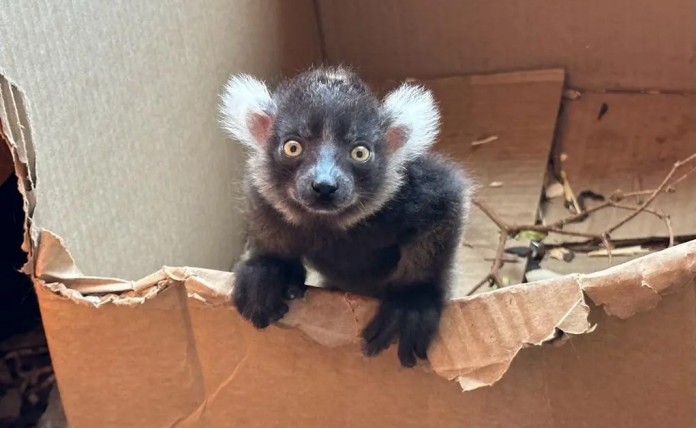
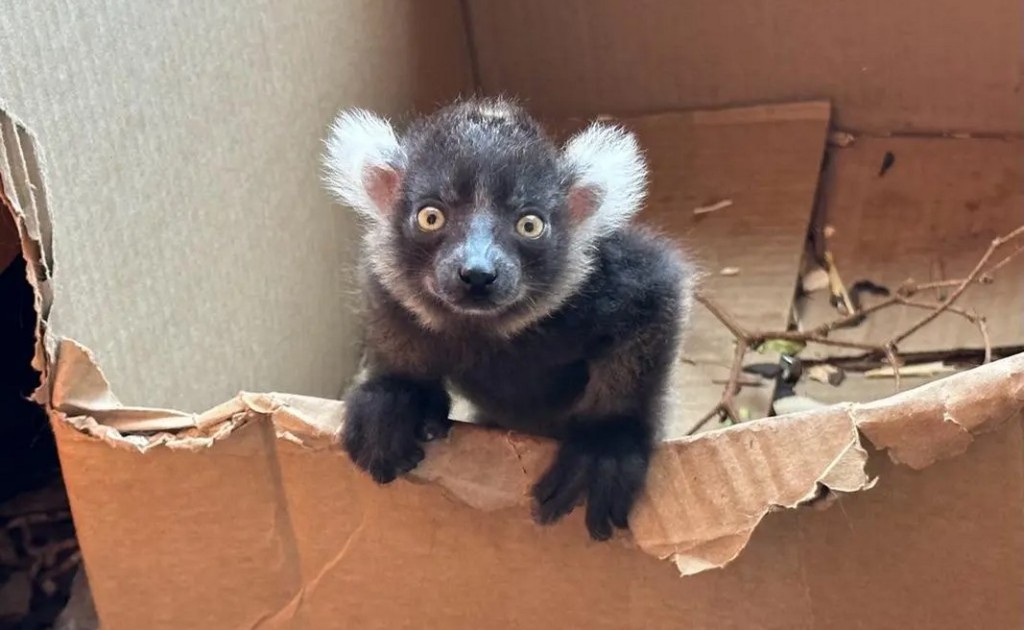
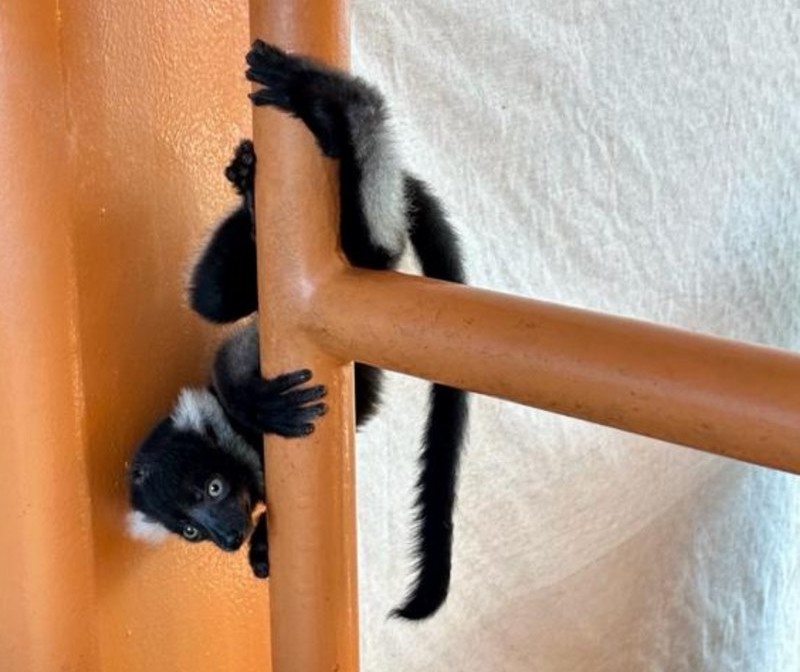
Leaping with joy, the Calgary Zoo proudly announced last week the birth of a Critically-Endangered lemur pup that will hopefully play a part in keeping its remarkable species on the globe with us.
Born to parents Eny and Menabe, the pup is a black-and-white ruffed lemur, of which maybe 10,000 remain in the wilds of Madagascar.
Calgary Zoo has a Species Survival Plan for the animals in which the few numbers they breed in captivity will be used strategically to boost genetic diversity in key areas.
“With black-and-white ruffed lemurs being critically endangered in the wild, this pup already plays an important role in the survival and well-being of its species,” said Typhenn Brichieri-Colombi, conservation research, and strategy advisor at the Wilder Institute/Calgary Zoo.
Exciting news!🎉 A critically endangered black-and-white ruffed lemur pup was born last month to lemur parents 'Eny' & 'Menabe'. While the family is not viewable at this time, all are doing well. Eny is displaying great early mothering skills! 💚 Read on: https://t.co/PExRFapCwdpic.twitter.com/6KqH3nDv28
Father Menabe, who is now 8 years old, has been in Calgary since 2017, and met Eny, his mate, in 2021 when she was flown there from the Czech Republic after zookeepers realized they could make a good match.
At the moment, the public cannot come to meet the family, as they are bonding behind the scenes and will not return to their enclosures until May 19th.
– Calgary Zoo, released
With endemism at 90%, Madagascar is one of the most biodiverse places on Earth. Thousands of plant and animal species evolved in total separation from the rest of the African continent, developing strange features and strategies to thrive in their environments.
There are officially 21 species and 6 subspecies of lemurs alive today. There have been many more in the past, including some extinct ones the size of gorillas.
SHARE This Adorable Little Bugger With Social Media…
The largest explosion ever seen has been captured by astronomers—more than 10 times brighter than any known supernova, and 3 times brighter than the most radiant tidal disruption event, where a star falls into a black hole.
The explosion, known as AT2021lwx, was detected in 2020 in Hawai’i and California and has currently lasted over three years. For a frame of reference, supernovae are only visible for a few months.
“We came upon this by chance,” explains study author Dr. Phillip Wiseman, “as it was flagged by our search algorithm when we were searching for a type of supernova.”
It took place nearly eight billion light years away when the universe was around six billion years old—less than half its current age of 13.7 billion years.
“Most supernovae and tidal disruption events only last for a couple of months before fading away. For something to be bright for two-plus years was immediately very unusual.”
It is believed the incredibly powerful boom was caused by a vast cloud of gas thousands of times larger than our sun, that fell into the jaws of a supermassive black hole.
Fragments of the cloud were swallowed up, sending shockwaves through its remnants that are still being detected today.
Such events are very rare, typified by the think dusty ring left behind in the aftermath, and nothing on this scale has been witnessed before.
The only other event of comparison, strangely enough, got spat out to the news media just a few months ago—a gamma-ray burst known as GRB 221009A. While this was brighter than AT2021lwx, it lasted for just a fraction of the time.
Once the scientists calculated the distance of the explosion, they realized the overall energy released was far greater.
“Once you know the distance to the object and how bright it appears to us, you can calculate the brightness of the object at its source. Once we’d performed those calculations, we realized this is extremely bright.”
The only things in the universe that can match it are quasars, supermassive black holes with a constant flow of gas falling in at high velocity.
“With a quasar, we see the brightness flickering up and down over time,” said co-author Professor Mark Sullivan. “But looking back over a decade there was no detection of AT2021lwx, then suddenly it appears with the brightness of the brightest things in the universe, which is unprecedented.”
The team is now setting out to collect more data on the explosion by measuring different wavelengths, including X-rays which could reveal the object’s surface and temperature, and what underlying processes were taking place.
“It could be that these events, although extremely rare, are so energetic that they are key processes to how the centers of galaxies change over time,” said Dr. Wiseman.
Quote of the Day: “Before we can receive the unbiased truth about anything we have to be ready to ignore what we would like to be true.” – Ann Davies
Photo by: Matteo Catanese
With a new inspirational quote every day, atop the perfect photo—collected and archived on our Quotes page—why not bookmark GNN.org for a daily uplift?
A California woman who recently overcame homelessness is now a millionaire after winning the $5 million prize in a lottery scratch-off game.
Lucia Forseth had no housing in 2017, but she battled back to overcome the challenges within a few years.
But this month Ms. Forseth can put any doubt behind her, becoming a multimillionaire thanks to a lucky Scratchers ticket.
“I only bought one ticket,” Forseth told the California Lottery. “I closed
my eyes and picked that one—and it won!”
Forseth went to a Walmart Supercenter in Contra Costa County to get an oil change for her car, and said she scratched the top-prize winning ticket right outside.
“I first thought I’d won a free ticket, but I checked, and it said I won $5 million!”
The fact that she bought a ticket called ‘2023’ has deep meaning for Forseth.
“Six years ago, I was homeless. This year, I am getting married, getting
my associate degree, and I won $5 million.”
“You never think you have a chance to win it. It is just random. Being homeless just six years ago, I never thought it would happen to someone like me.”
Do you own an Australian Shepard, Border Collie, or Corgi? According to a new poll, you might just own America’s most spoiled dog.
A full sixty percent of the 2,000 dog owners surveyed swear that they own the “world’s most spoiled dog”. One common link: two-thirds of them are talking about a herding dog, like the three named above.
Non-sporting dogs like Bulldogs, Boston Terriers, and Shiba Inus came in second place for the nation’s most luxuriated breeds, earning 64% of the vote. In third place with 59% are terrier breeds like Russell terriers, Scottish Terriers, and Staffordshire Terriers.
Similarly, 79% of herding dog owners claimed their dogs live like royalty at home. An overwhelming majority (96%) said they spoil their pets in a wide variety of ways and 37% treat their dogs so well, they’d take the chance to switch bodies with their pups for a day if they could.
When asked what they would do for that day, respondents said they’d play all day long (47%), sleep in until noon (42%) and sleep where they usually wouldn’t be allowed to (37%).
People’s penchant for giving their dogs a life of luxury can be explained by four in five who treat and talk to their dogs as if they were human. Many talk to them as if they were children (32%), and others speak as if they were babies or adults (18% for each). Many dogs get treated to meals being prepared by hand in the kitchen.
Commissioned by Solid Gold and conducted by OnePoll, the random double-opt-in survey found two-thirds of terrier owners love giving their dogs extra treats throughout the day, while 29% of toy breed owners love to serve their pups the finest bottled or filtered water in their bowl.
Amarildo Silva Filho, Caminha Pets/Facebook
A third of women (32%) admit they likely treat their dogs more luxuriously than themselves, and another third treat them better than their kids and significant others (16%).
“Most of us will make the claim our dog is ‘the’ most spoiled dog, but there’s a clear trend pointing towards smaller breeds as being the most doted on,” said Yvethe Tyszka, vice president of marketing at Solid Gold.
Ahead of Mother’s Day, the survey also revealed the “dog mom” persona, honored by 75% of women surveyed. They believe dog moms should be celebrated on Mother’s Day—just as much as human moms.
The only challenge with that is trying to convince their fur babies—so accustomed to being spoiled themselves—to turn the tables and deliver extra of love and affection for their ‘dog moms’ this Sunday.
WHAT TO DO IF YOU WAKE UP AS YOUR DOG
-Play all day long – 47%
-Sleep in until noon – 42%
-Sleep where I usually don’t sleep – 37%
-Beg humans to play with me – 34%
-Bark at a stranger – 32%
-Roll around in the nearest patch of grass – 32%
-Chew on my favorite toy – 32%
-Demand to be carried everywhere – 29%
-Beg for pets – 23%
-Get as dirty as possible – 22%
HERD SOME LOVE to Other Dog Moms By Sharing With Friends…
Rebecka Peterson- 2023 National Teacher of the Year-Lily Chris Photography (cropped)
Rebecka Peterson can add ‘Teacher of the Year’ to her ongoing classroom ritual of naming one good thing that happened each day.
The Tulsa, Oklahoma math teacher brightens every day with a love for her students and a steadfast determination to show the joy that can exist in a classroom.
She does this through her One Good Thing blog, where she writes daily about something good that happened in her class at Union High School, and encourages her students to do the same in their hand-written journals.
In a video tribute Wednesday morning, First Lady Jill Biden, a teacher herself, praised Peterson for sharing the “beautiful and positive experiences” that come with teaching.
Rebecka was named the top teacher in her state and one of five finalists to be named the nation’s best by the Council of Chief State School Officers, which funds the National Teacher of the Year program to identify exceptional teachers, recognize their work, and engage them in a year of professional learning.
“Since Rebecka was named the Oklahoma Teacher of the Year, she has traveled all over the state to report on more stories of hope, creativity, and joy in classrooms,” said Oklahoma Education Association President Katherine Bishop.
Rebecka Peterson- 2023 National Teacher of the Year-Lily Chris Photography
“She is truly passionate about the power of teachers and what it means to be a leader for your students and the community.”
The year-long program is also meant to empower teachers to participate in policy discussions at the state and national levels.
“Her ability to tap into students’ joy and form authentic bonds and her dedication to making learning truly accessible embodies what it means to be an outstanding educator” said NEA President Becky Pringle.
Additionally, the former college mathematics teacher was recognized as one of six state-level finalists for the Presidential Awards for Excellence in Mathematics and Science Teaching.
HONOR and SHARE The ‘One Good Thing’ Idea With Teachers on Social Media…
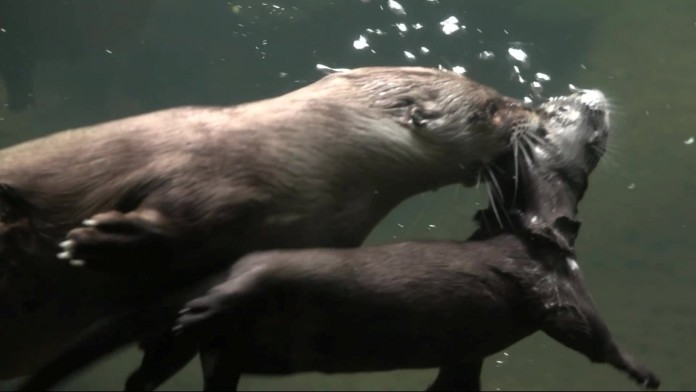
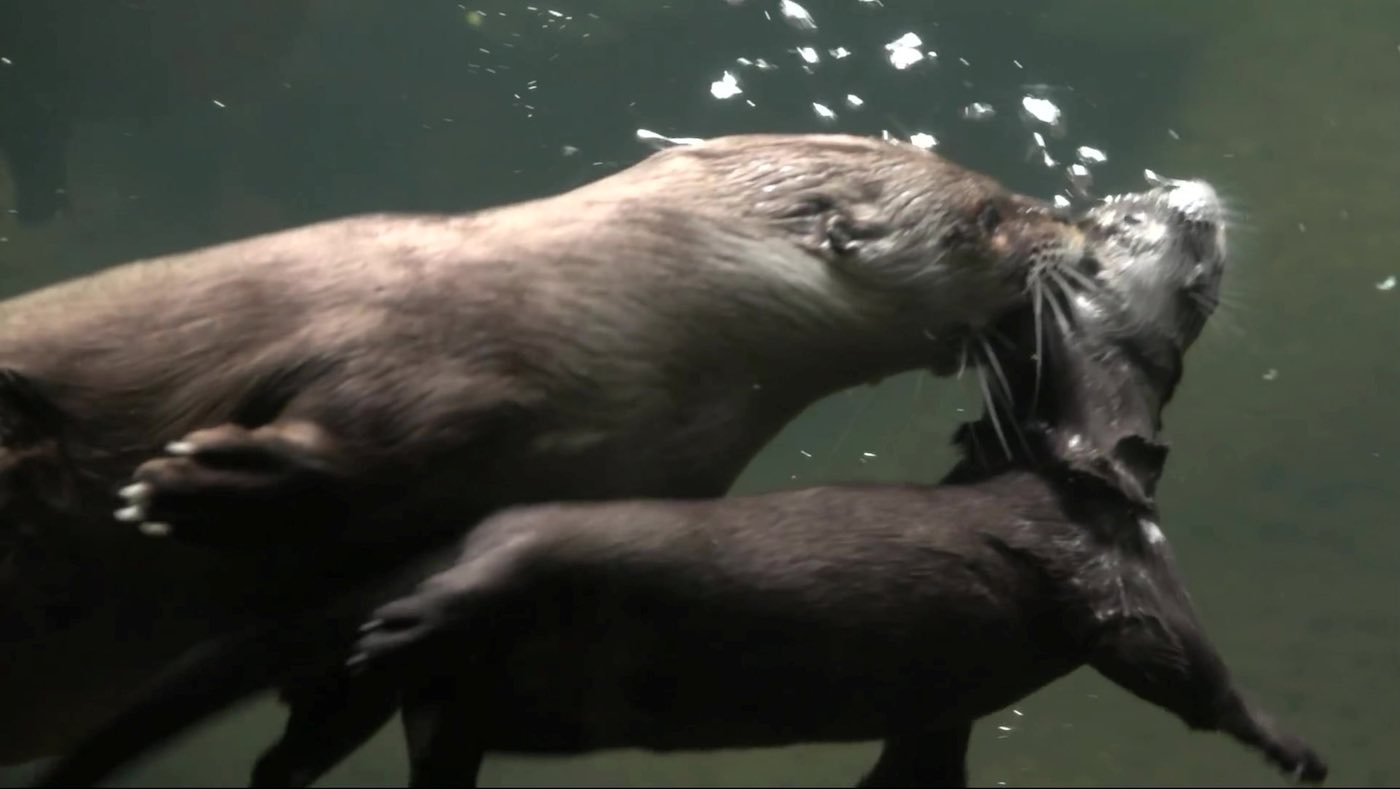
Take a sweet Mothers Day moment to check out how this doting river otter takes her baby to the water’s edge for its first swimming lesson.
The video shows a 13-year-old North American river otter Tilly teaching her four-month-old pup to swim—and although completely normal, the techniques can look quite drastic to humans.
Mo was born to the rescued otter in late January and only took his first dip in April, with a lot of help from his mum.
Becca Van Beek, zookeeper at the Oregon Zoo explained that, shockingly, swimming doesn’t come naturally to river otter pups, they have to be taught by their mothers.
“So far Tilly’s been an amazing teacher. It might look kind of scary to a casual observer, but it’s a very natural behavior.
“Baby otters are extremely buoyant, so Mo has built-in water wings for his swim lessons.
“This is how baby otters learn to swim in the wild and it’s exactly what we’ve been hoping to see.”
Mo, named after the Molalla River in Clackamas County, is the first river otter to be born at the Oregon Zoo.
Oregon Zoo-SWNS
Both Tilly and the pup’s father, B.C., are rescue animals who had a rough start to life.
Quote of the Day: “Only a mother can walk with the weight of a second beating heart.” – Ocean Vuong, Time Is a Mother (Happy Mother’s Day!)
Photo by: Alex Pasarelu
With a new inspirational quote every day, atop the perfect photo—collected and archived on our Quotes page—why not bookmark GNN.org for a daily uplift?
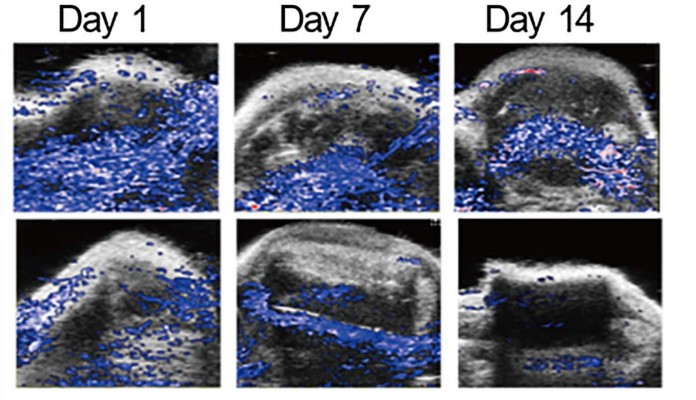
A tiny implant has placed a big target on the back of breast cancer tumors in mice, according to the results of a new study reported by South West News Service and New Scientist.
In the small study, a self-charging battery enabled a new class of medications to kill the tumors—and it took just two weeks to obliterate them, while leaving healthy tissue alone.
Salt water injected into the surrounding area causes the battery to consume oxygen, which singles-out the cancer cells and creates a condition called hypoxia.
By creating a hypoxic environment, the battery significantly boosts the efficiency of HAP cancer medications (hypoxia-activated pro-drugs) that seek to exploit this trait by only killing hypoxic cells. Previously, no HAPs have been approved for clinical use due to limited evidence of their effectiveness.
“After 14 days, the Tumors in the five mice that received both the working battery and HAP treatment had decreased by an average of 90 percent,” said lead author Professor Fan Zhang, of Fudan University in Shanghai, China, “with four of these mice experiencing complete tumor disappearance.”
Conversely, the tumors in the other mice groups either remained the same size or continued to grow.
Self-charging battery enhances anti-tumor therapy – via study from Prof. Fan Zhang / Fudan University, Shanghai
The Chinese team placed the device inside the armpits of 25 lab rodents with breast cancer. Other groups received no treatment, HAP drugs only, a non-functional implanted battery, or just the working battery.
The battery can operate for up to 500 hours within mouse tissue, producing very low voltage electricity.
“The battery can cover the Tumor and persistently consume the oxygen within it for more than 14 days, which is much longer than previous agents that worked for, usually, not more than two days,” explained Prof. Zhang.
“Hypoxia-activated prodrugs aim to take advantage of this feature by only targeting hypoxic cells—minimizing damage to healthy cells and reducing side effects.”
Reacting to the study published inScience Advances, Cambridge University Prof. Randall Johnson said he believed inducing hypoxia in a tumor may increase the risk the cancer will spread.
“While this didn’t appear to occur in these mice, the costs and benefits of the battery’s use in people needs to be assessed before any human treatment.”
SHARE With Cancer Researchers By Sharing the News Social Media…
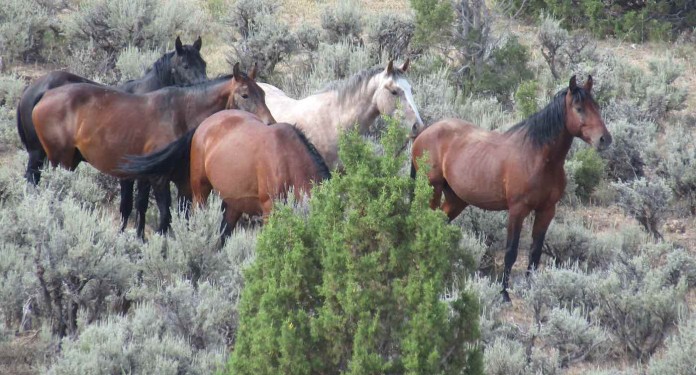
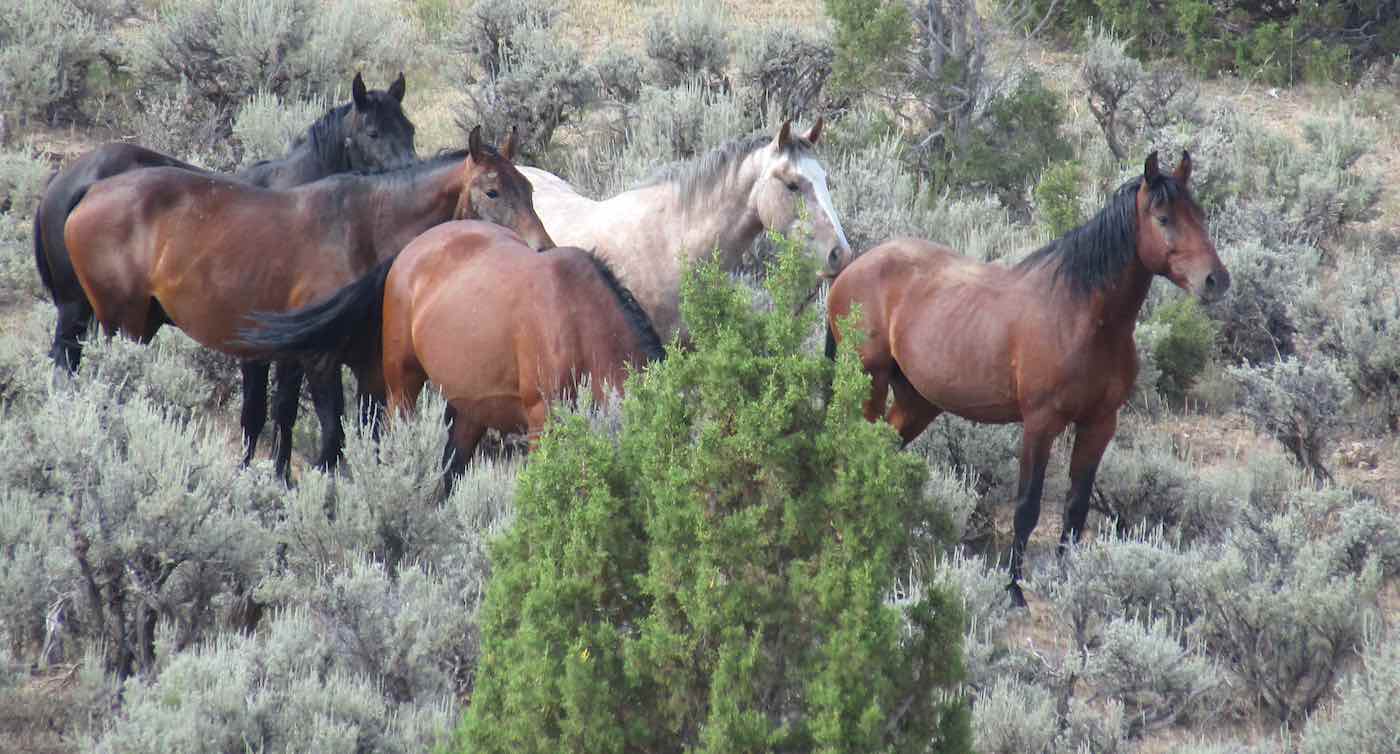
The Colorado General Assembly has passed unprecedented and groundbreaking legislation known as The Colorado Wild Horse Project, a new law that adds state protections for the rights of mustangs and burros to reside in their homes, instead of being traumatically and expensively rounded up.
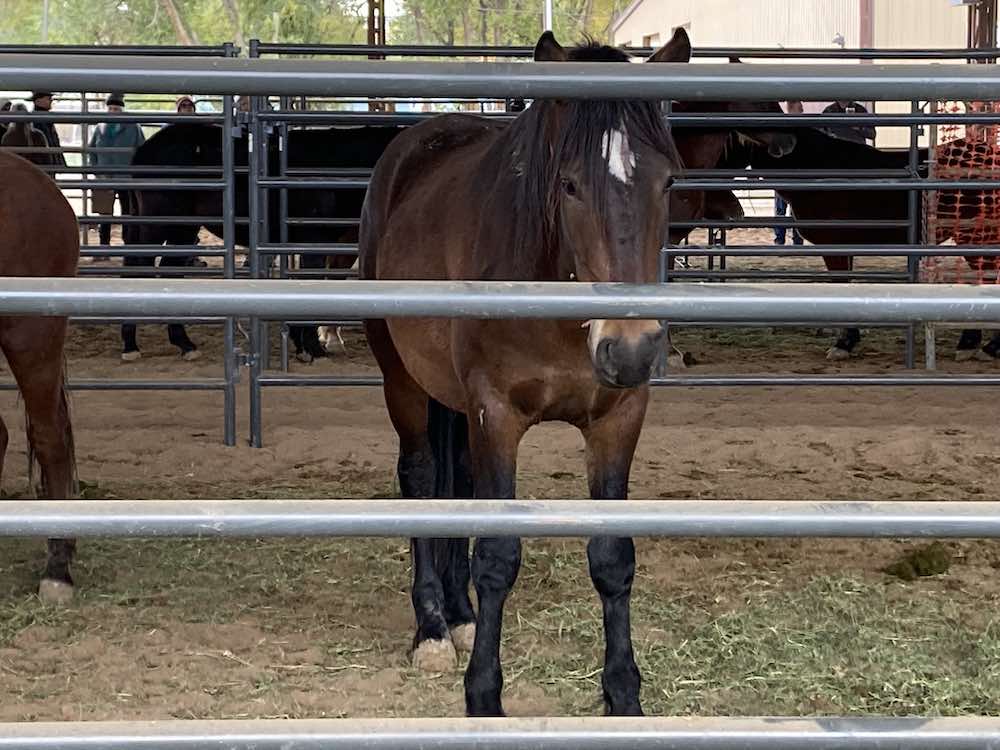
The move comes as a response to last year’s tragedy when 145 horses died during a flu outbreak in a holding facility that was later found to be in breach of 13 policies.
The bill’s sponsors included the Colorado House Majority Leader, Rep. Monica Duran (D), and the House Minority Leader, Rep. Mike Lynch (R), reflecting the vast bipartisan support in the General Assembly where SB23-275 was passed by an overwhelming majority of lawmakers—an indication of how important wild horses and public lands are to a broad swath of Americans.
Nationally, the US Congress unanimously passed the 1971 Wild Free-Roaming Horses and Burros Act to protect America’s wild equids. But in 2004, many of the protections that the law provided were repealed when Senator Conrad Burns (R-Montana) attached a rider to the massive 3,000-page Omnibus Appropriations bill.
“We are thrilled state legislators have honored Colorado citizens’ overwhelming support for wild horses,” said Ginger Fedak, a Colorado resident and Senior Campaigner for In Defense of Animals. “With (its) passage, we can lead the way for other states and national legislation to rebalance the rights of mustangs and burros to live on our public lands.”
Wild horse advocates have been campaigning for more humane, practical, and affordable solutions to wild horse roundups and warehousing for years. Colorado will be the first state to put some of these into practice on a state level.
Wild horse foal – In Defense of Animals / GF
SB23-275 prioritizes retaining healthy wild horse herds in Colorado’s four Herd Management Areas (HMAs), thereby reducing costly and destructive removals. The legislation also aims to improve the poor quality of expensive holding facilities where wild animals were being confined in perpetuity.
The new law also provides more staffing and resources for fertility control measures in the state’s herds.
A working group of various stakeholders experienced in wild horse issues will seek to find new areas for hundreds of the captured mustangs to live in sanctuary-type settings or be suitably adopted by horse farms when they adaptable to domestic life.
Funding for this new program will get a start-up of state funding of $1.5 million, after which private funding and support will be utilized.
After state legislators, including those with ranching interests, passed the bill last week by a margin of 58 to 7. Governor Polis, who is a strong proponent of improved wild equid management over roundups and removals, is likely to soon sign the bill into law.
“We hope Colorado can lead the way to a better, more humane approach to caring for these cherished wild horses,” says Ms. Fedak. “We stand with our allies, ready to help Colorado’s innovative new plan work and show by example how we can save our wild herds of mustangs and burros.”
GALLOP This Good News to Horse-Loving Friends By Sharing on Social Media…
In a world dominated by news of destruction and disaster, millions of people across the globe are turning toward positive news platforms—and the BBC World Service recently spoke with a pair of female pioneers in the good news space.
BBC
Kim Chakanetsa hosted The Conversation with Good News Network founder Geri Weis-Corbley and Anuradha Kedia, co-founder of The Better India. Anuradha and her husband focus their multi-lingual media platform on creating a positive impact across India.
Produced by Abbie Bulbulian and Jane Thurlow, the podcast episode explores how we define good news and the effects it has on society.
SHARE the Interview With Anyone Who Needs a Diet of Good News…
FREE WILL ASTROLOGY – Week of May 13, 2023
Copyright by Rob Brezsny, FreeWillAstrology.com
TAURUS (April 20-May 20):
A famous football coach once said his main method was to manipulate, coax, and even bully his players into doing things they didn’t like to do. Why? So they could build their toughness and willpower, making it more likely they would accomplish formidable feats. While this may be an approach that works for some tasks, it’s not right for many others. Here’s a further nuance: The grind-it-out-doing-unpleasant-things may be apt for certain phases of a journey to success, but not for other phases. Here’s the good news, Taurus: For now, you have mostly completed doing what you don’t love to do. In the coming weeks, your freedom to focus on doing fun things will expand dramatically.
GEMINI (May 21-June 20):
Most of us have an area of our lives where futility is a primary emotion. This may be a once-exciting dream that never got much traction. It could be a skill we possess that we’ve never found a satisfying way to express. The epicenter of our futility could be a relationship that has never lived up to its promise or a potential we haven’t been able to ripen. Wherever this sense of fruitlessness resides in your own life, Gemini, I have an interesting prediction: During the next 12 months, you will either finally garner some meaningful fulfillment through it or else find a way to outgrow it.
CANCER (June 21-July 22):
Many of us Cancerians have high levels of perseverance. Our resoluteness and doggedness may be uncanny. But we often practice these subtle superpowers with such sensitive grace that they’re virtually invisible to casual observers. We appear modest and gentle, not fierce and driven. For instance, this is the first time I have bragged about the fact that I have composed over 2,000 consecutive horoscope columns without ever missing a deadline. Anyway, my fellow Crabs, I have a really good feeling about how much grit and determination you will be able to marshal in the coming months. You may break your own personal records for tenacity.
LEO (July 23-Aug. 22):
Why do migrating geese fly in a V formation? For one thing, it conserves their energy. Every bird except the leader enjoys a reduction in wind resistance. As the flight progresses, the geese take turns being the guide in front. Soaring along in this shape also seems to aid the birds’ communication and coordination. I suggest you consider making this scenario your inspiration, dear Leo. You are entering a phase when synergetic cooperation with others is even more important than usual. If you feel called to lead, be ready and willing to exert yourself—and be open to letting your associates serve as leaders. For extra credit: Do a web search for an image of migrating geese and keep it in a prominent place for the next four weeks.
VIRGO (Aug. 23-Sept. 22):
I boldly predict that you will soon locate a missing magic key. Hooray! It hasn’t been easy. There has been luck involved, but your Virgo-style diligence and ingenuity has been crucial. I also predict that you will locate the door that the magic key will unlock. Now here’s my challenge: Please fulfill my two predictions no later than the solstice. To aid your search, meditate on this question: “What is the most important breakthrough for me to accomplish in the next six weeks?”
LIBRA (Sept. 23-Oct. 22):
Losing something we value may make us sad. It can cause us to doubt ourselves and wonder if we have fallen out of favor with the Fates or are somehow being punished by God. I’ve experienced deflations and demoralizations like that on far more occasions than I want to remember. And yet, I have noticed that when these apparent misfortunes have happened, they have often opened up space for new possibilities that would not otherwise have come my way. They have emptied out a corner of my imagination that becomes receptive to a fresh dispensation. I predict such a development for you, Libra.
SCORPIO (Oct. 23-Nov. 21):
Kissing is always a worthy way to spend your leisure time, but I foresee an even finer opportunity in the coming weeks: magnificent kissing sprees that spur you to explore previously unplumbed depths of wild tenderness. On a related theme, it’s always a wise self-blessing to experiment with rich new shades and tones of intimacy. But you are now eligible for an unusually profound excursion into these mysteries. Are you bold and free enough to glide further into the frontiers of fascinating togetherness?
SAGITTARIUS (Nov. 22-Dec. 21): Antonie van Leeuwenhoek (1632–1723) worked at a variety of jobs. He sold cloth. He was a land surveyor and bookkeeper. He managed the household affairs of his city’s sheriffs, and he supervised the city’s wine imports and taxation. Oh, by the way, he also had a hobby on the side: lensmaking. This ultimately led to a spectacular outcome. Leeuwenhoek created the world’s first high-powered microscope and was instrumental in transforming microbiology into a scientific discipline. In accordance with astrological omens, I propose we make him your inspirational role model in the coming months, Sagittarius. What hobby or pastime or amusement could you turn into a central passion?
CAPRICORN (Dec. 22-Jan. 19):
I wonder if you weren’t listened to attentively when you were a kid. And is it possible you weren’t hugged enough or consistently treated with the tender kindness you deserved and needed? I’m worried there weren’t enough adults who recognized your potential strengths and helped nurture them. But if you did indeed endure any of this mistreatment, dear Capricorn, I have good news. During the next 12 months, you will have unprecedented opportunities to overcome at least some of the neglect you experienced while young. Here’s the motto you can aspire to: “It’s never too late to have a fruitful childhood and creative adolescence.”
AQUARIUS (Jan. 20-Feb. 18):
As I’ve explored the mysteries of healing my traumas and disturbances over the past 20 years, I’ve concluded that the single most effective healer I can work with is my own body. Expert health practitioners are crucial, too, but their work requires my body’s full, purposeful, collaborative engagement. The soft warm animal home I inhabit has great wisdom about what it needs and how to get what it needs and how to work with the help it receives from other healers. The key is to refine the art of listening to its counsel. It has taken me a while to learn its language, but I’m making good progress. Dear Aquarius, in the coming weeks, you can make great strides in developing such a robust relationship with your body.
PISCES (Feb. 19-March 20):
Can we surmise what your life might be like as the expansive planet Jupiter rumbles through your astrological House of Connections and Communications during the coming months? I expect you will be even more articulate and persuasive than usual. Your ability to create new alliances and nurture old ones will be at a peak. By the way, the House of Communications and Connections is also the House of Education and Acumen. So I suspect you will learn a LOT during this time. It’s likely you will be brainier and more perceptive than ever before. Important advice: Call on your waxing intelligence to make you wiser as well as smarter.
ARIES (March 21-April 19):
All of us are always telling ourselves stories—in essence, making movies in our minds. We are the producer, the director, the special effects team, the voice-over narrator, and all the actors in these inner dramas. Are their themes repetitious and negative or creative and life-affirming? The coming weeks will be a favorable time to work on emphasizing the latter. If the tales unfolding in your imagination are veering off in a direction that provokes anxiety, reassert your directorial authority. Firmly and playfully reroute them so they uplift and enchant you.
WANT MORE? Listen to Rob’s EXPANDED AUDIO HOROSCOPES, 4-5 minute meditations on the current state of your destiny — or subscribe to his unique daily text message service at: RealAstrology.com
Quote of the Day: “Let every dawn be to you as the beginning of life, and every setting sun be to you as its close.” – John Ruskin
Photo by: Di Chap, CC license
With a new inspirational quote every day, atop the perfect photo—collected and archived on our Quotes page—why not bookmark GNN.org for a daily uplift?