All News - Page 307 of 1715 - Good News Network
Home Blog Page 307

Researchers Can Now Make Clean Hydrogen Fuel By Pulling it Directly From Seawater—No Filtering Required

By Daniel Sallai, CC license

Researchers in Australia, an island nation, have successfully split seawater to produce green hydrogen without pre-treatment.

An international chemical engineering team, led by the University of Adelaide’s Professor Shizhang Qiao and Associate Professor Yao Zheng, were motivated by the fact that the only thing emitted by hydrogen fuel is water.

“We have split natural seawater into oxygen and hydrogen with nearly 100 percent efficiency, to produce green hydrogen by electrolysis, using a non-precious and cheap catalyst in a commercial electrolyzer,” said Professor Qiao.

“We used seawater as a feedstock without the need for any pre-treatment processes like reverse osmosis desolation, purification, or alkalization,” said Associate Professor Zheng.

The team reports that the performance of their seawater with catalysts of cobalt oxide and chromium oxide is close to the performance of expensive platinum/iridium catalysts running in a feedstock of highly purified deionized water.

“Increased demand for hydrogen to partially or totally replace energy generated by fossil fuels will significantly increase scarcity of increasingly-limited freshwater resources,” explained Zheng.

Seawater is an almost infinite resource and is considered a natural feedstock electrolyte, which would be very practical for regions with long coastlines and abundant sunlight.

RELATED: New Solar-Powered Invention Creates Hydrogen Fuel from the Air

Seawater electrolysis is still in early development compared with pure water electrolysis because of electrode side reactions, and corrosion arising from the complexities of using seawater.

“It is always necessary to treat impure water to a level of water purity for conventional electrolyzers including desalination and deionization, which increases the operation and maintenance cost of the processes,” said Associate Professor Zheng, co-author of the study published in the journal Nature Energy.

“Our work provides a solution to directly utilize seawater without pre-treatment systems and alkali addition, which shows similar performance as that of existing metal-based mature pure water electrolyzer.”

CHECK OUT: Researchers Make ‘Giant Leap’ to Produce Affordable Renewable Hydrogen

The team will work on scaling up the system by using a larger electrolyzer so that it can be used in commercial processes such as hydrogen generation for fuel cells and ammonia synthesis.

MAKE a SPLASH on Social Media By Sharing the Vision of a Clean Economy…

The Hilarious Moment a Dog Refuses to Look at Mom While Being Scolded for Destroying a Pillow-WATCH

This is the funny moment a guilty dog cowered into the corner of the bed and refused to look at his owner after destroying an expensive pillow.

Footage uploaded to social media shows owner Marcella Maioli gently scolding her one-year-old dog after she discovered the bits of the pillow strewn about the room.

Frisbee, a border collie and koolie cross, is seen hilariously hiding behind the bed as his mom tells him off.

But she can’t help but giggle over his reaction.

The 27-year-old from Sunshine Coast, in Queensland, Australia, said the pillow cost more than a hundred dollars.

“He has damaged a lot more before, too.”

Enjoy the video…


MAKE Your Friends Giggle By Sharing on Social Media…

Best Childhood Memories Include School Trips, So Hyundai is Funding Excursions for 25,000 Students–Apply Today

Courtesy of Great British School Trip website -Hyundai Motor UK

Almost half of adults in the UK admit their fondest childhood memories include school trips. Nearly one-third even reported that their school trip had such an impact that it shaped their future career path.

But rising costs are making it harder to make school trips happen, which is why Hyundai launched its “Great British School Trip” program last week—to provide 25,000 school children, aged seven to 14, with free excursions.

With the aim of reaching 25,000 young people this academic year, The Great British School trip features free tickets to Disney’s Frozen the Musical and access to historical sites with 95 English Heritage venues.

“When you’re a child, it’s great to get out and bring your learning to life,” said Ashley Andrew, managing director at Hyundai Motor UK. “Getting out of the classroom not only creates memories but fundamentally brings a sense of excitement to a particular school subject.

“Also, school trips are often the first opportunity for a child to gain a sense of independence – so it’s no surprise that many people remember the small things like reserving the back of the bus, and spending time with friends in a new environment.”

Bookings are now open for the initiative, so schools should apply soon, but Hyundai wants to offer grants to as many schools as possible, spending £1 million on the program. They even offer curriculum resources to enhance learning.

Schools will need to bring a minimum of 30 students on the trip and grants will be prioritized in terms of need before being allocated on a first come first served basis.

RELATED: Boy Struggling at School is Now a Math Genius After His Mom Taught Him to Use An ABACUS–May Help Today’s Kids

“We may not be able to offer funding to cover the total costs of your trip, but tell us how much funding you need and we will try to cover as much as possible.”

Simply fill out the application form and wait for a reply to let you know whether your claim was successful. Afterward, schools will need to provide proof of the trip, like a venue booking receipt or a quote from a coach provider.

Trips will cover important subjects such as art, history, and STEM, and all are accompanied by a set of carefully curated curriculum-linked resources, so you know every trip is educationally robust. Choose from four inspirational themes; Imagination and Curiosity, Journeys and Adventures, Breakthroughs and Discoveries, and People and the Planet.

In the survey of UK adults carried out by OnePoll, 66 percent consider school trips to be an essential part of a child’s development.

Two in five also believed the responsibility lies with the school itself to arrange outings for students, but 39 percent feared their youngsters wouldn’t be offered the opportunity to go on any trips during this school year.

Thanks to Hyundai, many will now get the chance.

FAVORITE DESTINATIONS ADULTS REMEMBER FROM SCHOOL TRIPS:

Natural History Museum
Imperial War Museum
Royal Shakespeare Theatre
Houses of Parliament and Big Ben
Cadbury World
SS Great Britain ship tour
Mountains and glaciers of Snowdonia National Park
Cardiff Castle
Edinburgh Castle
Palace of Holyrood in Scotland
Tate Modern museum
Dover Castle
Warwick Castle
Stonehenge
Cheddar Gorge
Hadrian’s Wall
The National Videogame Museum
Birmingham Botanical Gardens
The Gates of 10 Downing Street

SHARE The Great OPPORTUNITY With UK Teachers on Social Media…

“Patriotism is not enough. I must have no hatred or bitterness towards anyone.” – Edith Cavell

Quote of the Day: “Patriotism is not enough. I must have no hatred or bitterness towards anyone.” – Edith Cavell

Image: Stephen Leonardi

With a new inspirational quote every day, atop the perfect photo—collected and archived on our Quotes page—why not bookmark GNN.org for a daily uplift?

Revolutionary Structure for Cancer-Killing Vaccines Could Make Treatments 3x More Effective

CDC

Cancer-killing vaccines could be made drastically more potent, according to scientists at Northwestern University, who say their new technology would arm vaccines with a “powerful weapon with which to kill cancer”.

By changing its architecture, their vaccine was able to double the number of T-cells (a type of white blood cell) available to attack tumors.

They believe their development could make any vaccine far more powerful and more effective at beating cancer.

The team at the University’s International Institute for Nanotechnology focused on seven different types of cancer with the same vaccine structure used for all, but switched-out with a different cancer protein that “clips” on—“not unlike adding a new charm to a bracelet”.

Vaccines are made up of the antigen and an adjuvant, a substance used to boost the strength. Currently, conventional vaccines blend the two together.

Unhappy with that “mish mosh” approach, the team proceeded with the premise that the structure of vaccine components were as important as the components themselves.

RELATED: Vaccine that Could Cure and Even Prevent Brain Cancer Developed by Scientists

Their used chemistry and nanotechnology to change the locations of the antigen and adjuvant and make the medicine more targeted—and easier for the immune system to find tumor cells.

Editing the vaccine’s architecture allowed scientists to double the number of T cells attacking the cancer, and activate 30 percent more of the same cells.

“It is remarkable, when altering the placement of antigens in two vaccines that are nearly identical from a compositional standpoint, the treatment benefit against tumors is dramatically changed,” said Institute Director Dr. Chad Mirkin.

“If your immune cells are soldiers, a traditional vaccine leaves some unarmed; our vaccine arms them all with a powerful weapon with which to kill cancer.

“Where and how we position the antigens and adjuvant within a single architecture markedly changes how the immune system recognizes and processes it.

“Small changes in antigen placement on a vaccine significantly elevate cell-to-cell communication, cross-talk, and cell synergy.

POPULAR: Delicious Cancer Breakthrough: Pomegranates Found to Significantly Fuel Tumor-Fighting Immune Cells

The same “rational vaccinology” could be applied in treatments for other diseases, as well.

The team invented SNAs, spherical nucleic acids, which allow scientists to pinpoint exactly how many antigens and adjuvants are being delivered to cells. Positioning SNAs in different locations changed the immune system’s ability to remember the invader, and affected whether or not it remembered it long term.

Placing SNAs in the correct area increased the immune response. Accurate placement could speed up the vaccine-triggering immune cell protein, cytokine, which in turn produces more white blood cells.

Shifting vaccine locations and strengths helps the medicine continue to target cancer cells even when they mutate.

CHECK OUT: Delicious Cancer Breakthrough: Pomegranates Found to Significantly Fuel Tumor-Fighting Immune Cells

“You need more than one type of T cell activated, so you can more easily attack a tumor cell,” said Professor Michelle Teplensky of Boston University, a co-author of the study published in the journal Nature Biomedical Engineering.

“The more types of cells the immune system has to go after tumors, the better. Vaccines consisting of multiple antigens targeting multiple immune cell types are necessary to induce enhanced and long-lasting tumor remission.

“It is about redefining how we develop vaccines across the board, including ones for infectious diseases.”

Half a Million Jobs Created in January Pushes U.S. Unemployment Rate to Lowest in 54 Years – 3.4%

By K. Mitch Hodge
By K. Mitch Hodge

Figures released this week showed the U.S. unemployment rate reaching its lowest point in 54 years—the fewest jobless Americans as a percentage of population since 1969.

Sustained job growth over the past year pushed down the unemployment rate to 3.4%, according the Bureau of Labor Statistics.

Not only that, the median earnings for all workers were 7.4% higher at the end of 2022 compared to a year earlier, outpacing inflation.

Black workers, young workers, and people on the bottom of the income scale saw the largest pay increases in the last 12 months.

And unemployment is near record lows for Blacks and Hispanics, at 5.4 percent.

“Add that all up, it means we created 12 million jobs since I took office,” said President Biden. “That’s the strongest two years of job growth in history, by a longshot.”

The bureau reported the growth was widespread across industries, with notable gains in restaurants and bars, retail stores, healthcare facilities, professional and business offices, and construction.

RELATED: New Bank in The Spirit of Walden Will Lend and Invest Only in Local New England Agriculture

SHOUT OUT the Good News Today By Sharing on Social Media…

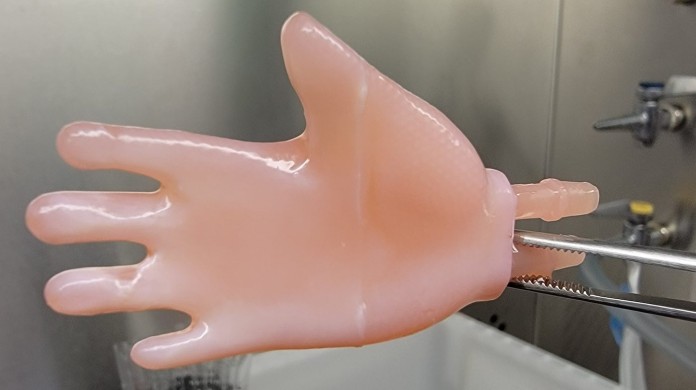
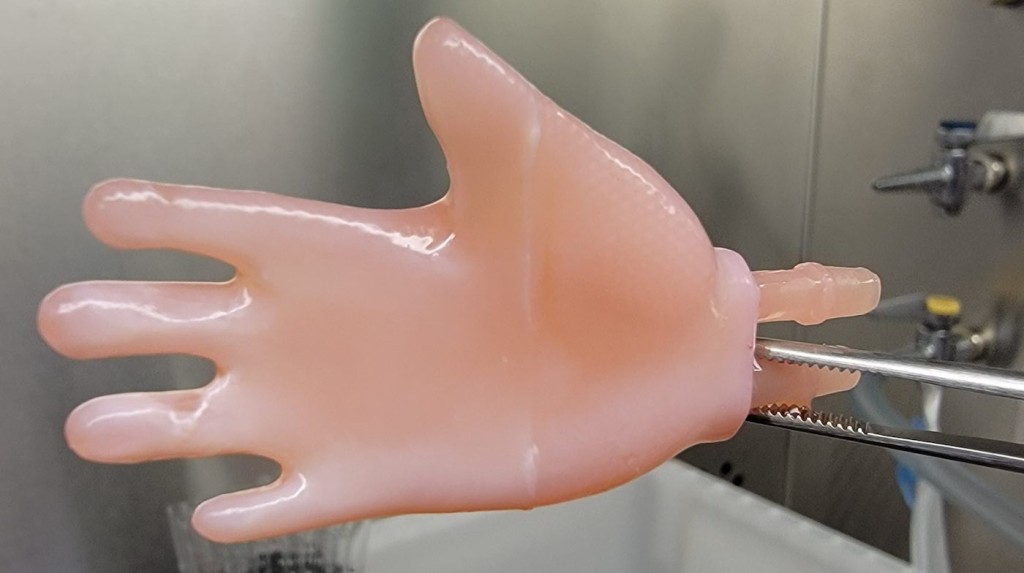
Bioengineers Devise a Way of Growing Skin in the Shape of Hands That Can be Pulled on ‘Like a Glove’

CREDIT: Alberto Pappalardo and Hasan Erbil Abaci Columbia University Vagelos College of Physicians and Surgeons /SWNS
CREDIT: Alberto Pappalardo and Hasan Erbil Abaci, Columbia University Vagelos College of Physicians and Surgeons /SWNS

If you’ve ever tried gift-wrapping an odd-shaped present like a teddy bear, you can appreciate the challenge that surgeons face when grafting artificial skin onto an injured body part.

Now, bioengineers have devised a way of growing skin in the shape of hands to make it easier for surgeons in the future to graft the personalized skin onto burn victims.

Currently, engineered skin comes in flat pieces which, like wrapping paper, can be difficult and time-consuming to stitch together around an irregularly shaped body part, such as a hand or foot.

Columbia University researchers say engineering skin cells into complex, three-dimensional shapes in experiments using mice is a groundbreaking first step.

“Three-dimensional skin constructs that can be transplanted as ‘biological clothing’ would have many advantages,” said lead developer Hasan Erbil Abaci, PhD, assistant professor of dermatology at the university’s Vagelos College of Physicians and Surgeons. “They would dramatically minimize the need for suturing, reduce the length of surgeries, and improve aesthetic outcomes.”

The study, published last week in Science Advances, also revealed that the continuous 3D grafts have better mechanical and functional properties than conventional, pieced-together grafts.

“We hypothesized that a 3D fully-enclosed shape would more closely mimic our natural skin and be stronger mechanically, and that’s what we found,” Abaci says. “(It) significantly improves the composition, structure, and strength of the graft.”

RELATED: Revolutionary Machine That Grows New Skin for Burn Patients Unveiled

CREDIT: Alberto Pappalardo and Hasan Erbil Abaci, Columbia University Vagelos College / SWNS

“Another compelling use would be face transplants, where our wearable skin would be integrated with underlying tissues like cartilage, muscle, and bone, offering patients a personalized alternative,” Abaci says.

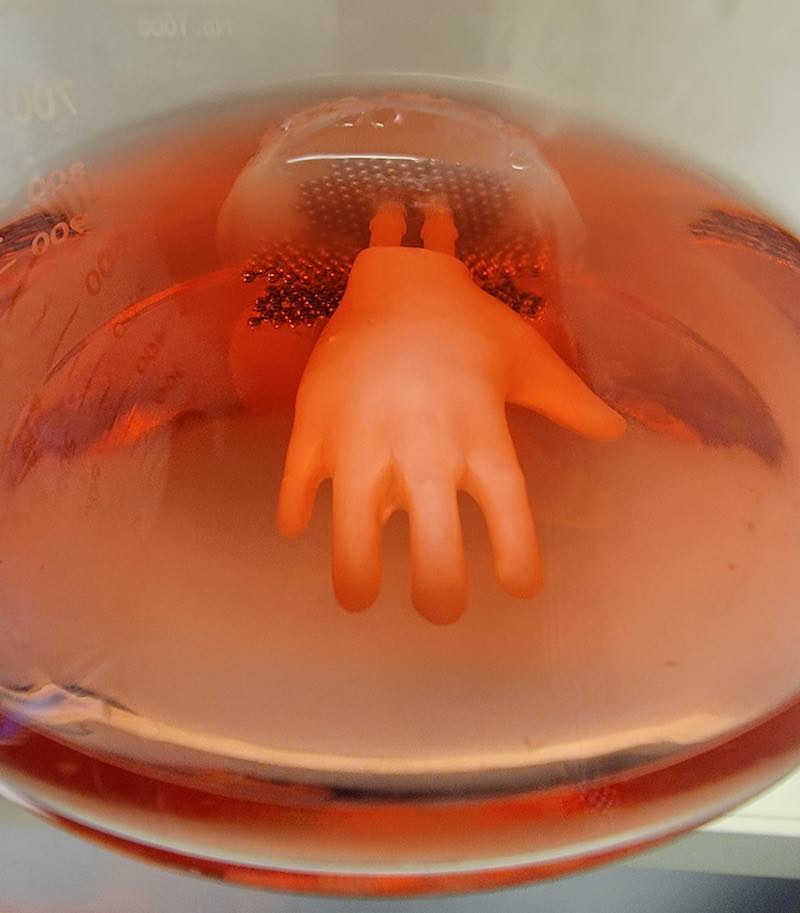
The process of creating the new skin grafts begins with a 3D laser scan of the target structure, such as a human hand. Next, a hollow, permeable model of the hand is crafted using computer-aided design and 3D printing.

The exterior of the model is then seeded with skin fibroblasts, which generate the skin’s connective tissue, and collagen (a structural protein). Finally, the outside of the mold is coated with a mixture of keratinocytes (cells that comprise most of the outer skin layer, or epidermis) and the inside is perfused with growth media, which support and nourish the developing graft.

Except for the 3D scaffold, the researchers employed the same procedures used to make flat engineered skin and the entire process took the same time, about three weeks.

CHECK OUT: Goal of Plentiful Organ Transplants Moves Closer to Reality as Scientists Grow Tiny Working Livers from Skin Cells

In a first test of the 3D engineered skin, constructs composed of human skin cells were successfully grafted onto the hind limbs of mice.

“It was like putting a pair of shorts on the mice,” Abaci says, “The entire surgery took about 10 minutes.”

Four weeks later, the grafts had completely integrated with the surrounding mouse skin, and the mice reacquired full functions of the limb.

Mouse skin heals differently than human skin, so clinical trials on humans are likely years away.

POPULAR: ‘Game-Changing’ Skin Printer Works Like a Paint Roller, Speeding Up Healing on Even Bigger Wounds

The researchers say their 3D grafts are the first major re-design of engineered skin grafts since they were first introduced in the early 1980s.

“Engineered skin started with only two cell types, but human skin has around 50 types of cells. Most research had focused on mimicking the cellular components of human skin,” Abaci said. “As a bioengineer, it’s always bothered me that the skin’s geometry was overlooked and grafts have been made with open boundaries, or edges. We know from bioengineering other organs that geometry is an important factor that affects function.”

Abaci and his team realized they could make more lifelike grafts when 3D printers became available and could create three-dimensional scaffolds necessary for making the engineered skin.

In the future, Abaci envisions grafts could be custom-made from a patient’s own cells. With only a 4X4 mm skin sample, enough cells can be cultured and multiplied to create enough skin to cover a human hand.

SHARE the Advancement With Medical Professionals on Social Media…

Your Inspired Weekly Horoscope From Rob Brezsny: A ‘Free Will Astrology’

Our partner Rob Brezsny provides his weekly wisdom to enlighten our thinking and motivate our mood. Rob’s Free Will Astrology, is a syndicated weekly column appearing in over a hundred publications. He is also the author of Pronoia Is the Antidote for Paranoia: How All of Creation Is Conspiring To Shower You with Blessings. (A free preview of the book is available here.)

Here is your weekly horoscope…
FREE WILL ASTROLOGY – Week of February 4, 2023
Copyright by Rob Brezsny, FreeWillAstrology.com

AQUARIUS (Jan. 20-Feb. 18):
“I want to raise up the magic world all round me and live strongly and quietly there,” wrote Aquarian author Virginia Woolf in her diary. What do you think she meant by “raise up the magic world all round me”? More importantly, how would you raise up the magic world around you? Meditate fiercely and generously on that tantalizing project. The coming weeks will be an ideal time to attend to such a wondrous possibility. You now have extra power to conjure up healing, protection, inspiration, and mojo for yourself.

PISCES (Feb. 19-March 20):
Before going to sleep, I asked my subconscious mind to bring a dream that would be helpful for you. Here’s what it gave me: In my dream, I was reading a comic book titled Zoe Stardust Quells Her Demon. On the first page, Zoe was facing a purple monster whose body was beastly but whose face looked a bit like hers. On page two, the monster chased Zoe down the street, but Zoe escaped. In the third scene, the monster was alone, licking its fur. In the fourth scene, Zoe sneaked up behind the monster and shot it with a blow dart that delivered a sedative, knocking it unconscious. In the final panel, Zoe had arranged for the monster to be transported to a lush uninhabited island where it could enjoy its life without bothering her. Now here’s my dream interpretation, Pisces: Don’t directly confront your inner foe or nagging demon. Approach stealthily and render it inert. Then banish it from your sphere, preferably forever.

ARIES (March 21-April 19):
Theoretically, you could offer to help a person who doesn’t like you. You could pay a compliment to a bigot or sing beautiful love songs to annoyed passersby or recite passages from great literature to an eight-year-old immersed in his video game. But there are better ways to express your talents and dispense your gifts—especially now, when it’s crucial for your long-term mental health that you offer your blessings to recipients who will use them best and appreciate them most.

TAURUS (April 20-May 20):
In esoteric astrology, Taurus rules the third eye. Poetically speaking, this is a subtle organ of perception, a sixth sense that sees through mere appearances and discerns the secret or hidden nature of things. Some people are surprised to learn about this theory. Doesn’t traditional astrology say that you Bulls are sober and well-grounded? Here’s the bigger view: The penetrating vision of an evolved Taurus is potent because it peels away superficial truths and uncovers deeper truths. Would you like to tap into more of this potential superpower? The coming weeks will be a good time to do so.

GEMINI (May 21-June 20):
The ingredient you would need to fulfill the next stage of a fun dream is behind door #1. Behind door #2 is a vision of a creative twist you could do but haven’t managed yet. Behind door #3 is a clue that might help you achieve more disciplined freedom than you’ve known before. Do you think I’m exaggerating? I’m not. Here’s the catch: You may be able to open only one door before the magic spell wears off—*unless* you enlist the services of a consultant, ally, or guardian angel to help you bargain with fate to provide even more of the luck that may be available.

CANCER (June 21-July 22):
I trust you are mostly ready for the educational adventures and experiments that are possible. The uncertainties that accompany them, whether real or imagined, will bring out the best in you. For optimal results, you should apply your nighttime thinking to daytime activities, and vice versa. Wiggle free of responsibilities unless they teach you noble truths. And finally, summon the intuitive powers that will sustain you and guide you through the brilliant shadow initiations. (PS: Take the wildest rides you dare as long as they are safe.)

LEO (July 23-Aug. 22):
Fate has decreed, “Leos must be wanderers for a while.” You are under no obligation to obey this mandate, of course. Theoretically, you could resist it. But if you do indeed rebel, be sure your willpower is very strong. You will get away with outsmarting or revising fate only if your discipline is fierce and your determination is intense. OK? So let’s imagine that you will indeed bend fate’s decree to suit your needs. What would that look like? Here’s one possibility: The “wandering” you undertake can be done in the name of focused exploration rather than aimless meandering.

VIRGO (Aug. 23-Sept. 22):
I wish I could help you understand and manage a situation that has confused you. I’d love to bolster your strength to deal with substitutes that have been dissipating your commitment to the Real Things. In a perfect world, I could emancipate you from yearnings that are out of sync with your highest good. And maybe I’d be able to teach you to dissolve a habit that has weakened your willpower. And why can’t I be of full service to you in these ways? Because, according to my assessment, you have not completely acknowledged your need for this help. So neither I nor anyone else can provide it. But now that you’ve read this horoscope, I’m hoping you will make yourself more receptive to the necessary support and favors and relief.

LIBRA (Sept. 23-Oct. 22):
I can’t definitively predict you will receive an influx of cash in the next three weeks. It’s possible, though. And I’m not able to guarantee you’ll be the beneficiary of free lunches and unexpected gifts. But who knows? They could very well appear. Torrents of praise and appreciation may flow, too, though trickles are more likely. And there is a small chance of solicitous gestures coming your way from gorgeous angels and cute maestros. What I can promise you for sure, however, are fresh eruptions of savvy in your brain and sagacity in your heart. Here’s your keynote, as expressed by the Queen of Sheba 700 years ago: “Wisdom is sweeter than honey, brings more joy than wine, illumines more than the sun, is more precious than jewels.”

SCORPIO (Oct. 23-Nov. 21):
Your assignment, Scorpio, is to cultivate a closer relationship with the cells that comprise your body. They are alive! Speak to them as you would to a beloved child or animal. In your meditations and fantasies, bless them with tender wishes. Let them know how grateful you are for the grand collaboration you have going, and affectionately urge them to do what’s best for all concerned. For you Scorpios, February is Love and Care for Your Inner Creatures Month.

SAGITTARIUS (Nov. 22-Dec. 21):
Revamped and refurbished things are coming back for another look. Retreads and redemption-seekers are headed in your direction. I think you should consider giving them an audience. They are likely to be more fun or interesting or useful during their second time around. Dear Sagittarius, I suspect that the imminent future may also invite you to consider the possibility of accepting stand-ins and substitutes and imitators. They may turn out to be better than the so-called real things they replace. In conclusion, be receptive to Plan Bs, second choices, and alternate routes. They could lead you to the exact opportunities you didn’t know you needed.

CAPRICORN (Dec. 22-Jan. 19):
Author Neil Gaiman declared, “I’ve never known anyone who was what he or she seemed.” While that may be generally accurate, it will be far less true about you Capricorns in the coming weeks. By my astrological reckoning, you will be very close to what you seem to be. The harmony between your deep inner self and your outer persona will be at record-breaking levels. No one will have to wonder if they must be wary of hidden agendas lurking below your surface. Everyone can be confident that what they see in you is what they will get from you. This is an amazing accomplishment! Congrats!

WANT MORE? Listen to Rob’s EXPANDED AUDIO HOROSCOPES, 4-5 minute meditations on the current state of your destiny — or subscribe to his unique daily text message service at: RealAstrology.com

(Zodiac images by Numerologysign.com, CC license)

SHARE The Wisdom With Friends Who Are Stars in Your Life on Social Media…

“Hiding the truth from ourselves can be a way to come to what we need in our own necessary time.” – David Whyte 

Quote of the Day: “Hiding the truth from ourselves can be a way to come to what we need in our own necessary time.” – David Whyte 

Image: Lars Tiede

With a new inspirational quote every day, atop the perfect photo—collected and archived on our Quotes page—why not bookmark GNN.org for a daily uplift?


New Bank in The Spirit of Walden Will Lend and Invest Only in Local New England Agriculture

Released courtesy of Walden Mutual

In New England, entrepreneurs have taken an unorthodox path to support local and sustainable agriculture—they started a bank.

Encapsulating the spirit of Thoreau, Walden Mutual Bank, newly approved by the FDIC, is reviving the mutual savings bank in order to direct a community’s savings towards supporting local food operations that are trying to grow US agriculture in the right direction.

The key difference between Walden and other banks is that normal banks take their clients’ deposits and invest them in projects—some of which might not be aligned with the customer’s morals or principles, such as industrial agriculture, lab-grown meat, or fossil fuel extraction.

Walden depositors can rest easy knowing that their money is used only to provide loans for local agriculture operations—like Monadnock Berries, a pick-you-own fruit orchard in Troy, New Hampshire, started by immigrants from the UK in 1995.

Other than that, Walden Mutual offers regular banking services such as credit, debit, and savings accounts called the “Grow Local” accounts. The interest rate is competitive and every account receives a summer dividend based on deposit amounts to spend at any number of partner farms, orchards, pastures, or dairies.

“We’ve been very pleasantly affirmed by peoples’ response to our message and mission,” Walden Mutual CEO Charley Cummings, told Forbes in an interview.

“It’s very clear that there is a large population of people (both young and old, urban and rural) who care deeply about things like sustainability and local food – to the point of considering it part of their own identities.”

MORE LOCAL FOOD: The Nation’s Largest Farmers Market: FarmMatch Allows You to Shop Online at Local Farms in Your Area

The mutual savings bank, sometimes called a mutual savings and loan, accounted for 80% of deposits in New England in 1914. The concept grew in America out of the desire mainly by entrepreneurs and philanthropists to teach the value of saving to the middle and lower classes—of making one’s money work for them.

Economies grow rich through savings, not spending, and the more a nation’s wealth is sequestered and invested into the next generation, the richer the nation as a whole becomes.

MORE FROM FINANCE: Bank With A Conscience: The Aspiration Debit Card Helped Customers Finance 1Mil Trees Planted, and Get Cash Back

Yet after the Federal Reserve Act created America’s central bank, the model of the mutual savings bank begin to decline.

Indeed Walden Mutual is the first new mutual savings bank registered in New England in 100 years.

INVEST Your Time Into Sharing This Mission-Focused Bank With Your Friends…

Man Sprints Along 4-Lane Snowy Highway to Stop Woman’s Runaway Car

When a Massachusetts woman lost consciousness at the wheel of her car on the highway, she can thank her lucky stars she did it in view of Adolfo Molina.

The tall and powerful Dominican sprinted across a 4-lane highway in the snow to try and stop her car as it brushed against the guardrails while continuing to accelerate on the shoulder of the road.

A nearby driver recorded the rescue attempt and put it up on TikTok where the images of Molina trying to slow the car by grabbing the door handles went viral.

“I was surprised [at first] but at the end of the day I wasn’t, because he’s a helpful person,” his wife Maytee Pena remarked to CBS Boston. “Something in his mind just said ‘go help’ so he got out of the car and did what he needed to do, it was like a sign of God. God sent him to do that mission.”

At one point another person came to give Molina a hand, and together they tried to use sticks to stop the still-moving car which was beginning to move back towards the highway. They tried to push it into the guardrails to at least slow it down.

State police later revealed the driver was a 57-year-old woman from New Hampshire who had indeed lost consciousness for unknown reasons.

MORE RESCUE STORIES: 80-Year-old Man Walks Through Blizzard to Rescue 3 Cars of People

The video doesn’t include the eventual end of the pursuit when her car hit a divider and stopped. She was transferred to a nearby hospital, and Molina, who was honored for his heroism at the Dominican consulate in Boston, hopes to be able to meet her someday.

WATCH the video below… 

AMPLIFY This Man’s Heroism On Social Media Using The Share Buttons Below…

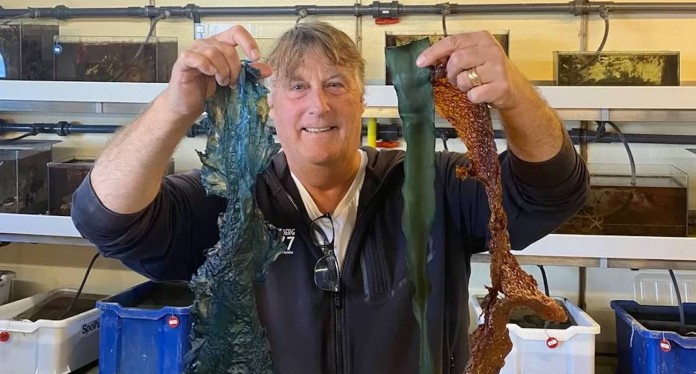
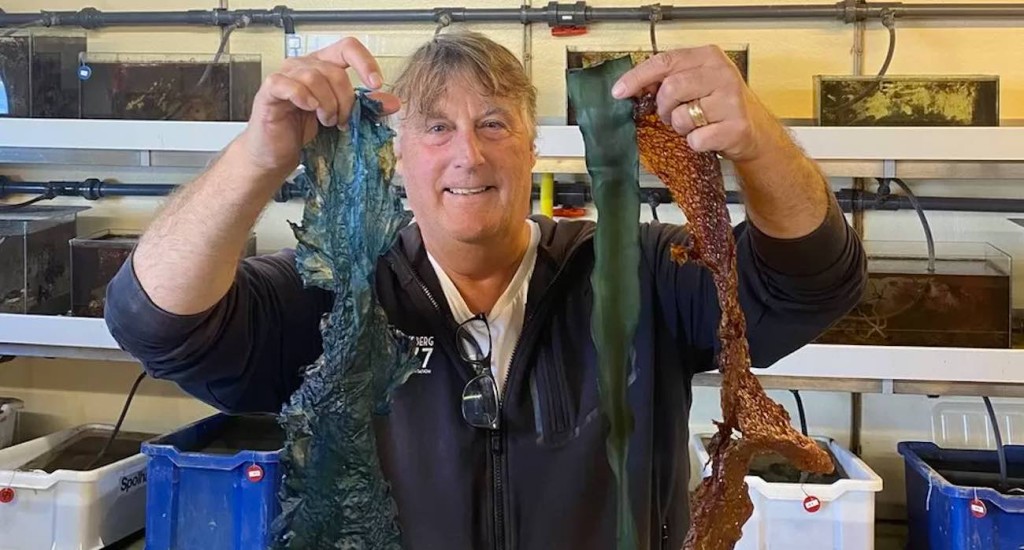
Turning Problematic Sea Algae into a Replacement for Plastic in Common Products

Prof. Fredrik Gröndahl

After a Finnish scuba diver saw how harmful out-of-control algae blooms could be to the marine environment below their green clouds, she founded a refining company that harvests the algae and turns it into all kinds of products.

Certain components of algae have similarities to petroleum-based chemicals, and this similarity allows for the replication of existing production techniques for cosmetics, artificial textiles, detergents, packaging materials, fertilizer as well as a variety of different foodstuffs.

Mari Granström enjoyed scuba diving in her native Baltic Sea, until nitrogen and phosphorous nutrients from fertilizers used in the farming industries, washed from the fields into the rivers, and then from the rivers to the sea, began to regularly create “eutrophication” or vast blooms of cyanobacteria, or blue-green algae.

Similar eutrophication events were going on in the Caribbean, Granström learned, which choke the oxygen and light from the waters underneath the floating algae, and damage marine ecosystems in the same way giant volcanic ash clouds have damaged terrestrial ecosystems in the past by blotting out the sun.

Granström, a bio-chemist by trade, started Origin by Ocean (ObO) as a means to combat this problem and offer the world more sustainable products.

MORE CORPORATE RESPONSIBILITY: IKEA Buys 11,000 Acres of U.S. Forest to Keep It From Being Developed

“We wanted to do something to help at both ends of the process, upstream and downstream, as it were—cleaning the seas, but also monetizing a change in consumer behavior,” said Granström, who adds that anyone can make a difference in solving this problem simply by changing their consumption choices.

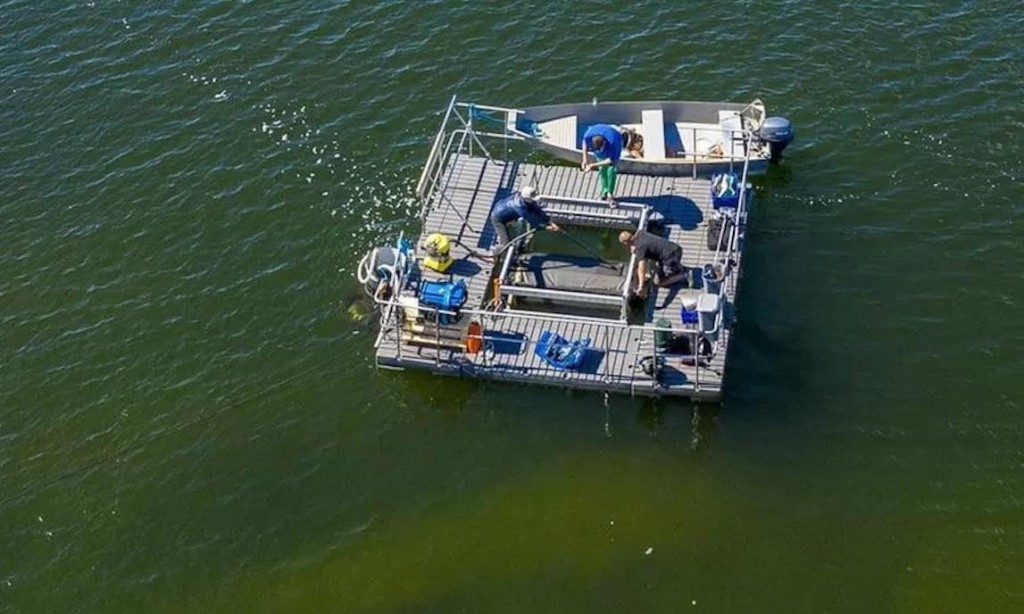
Their special technology vacuums up the algae and separates it from the water.

Harvesting seaweed – Courtesy of Origin by Ocean

ObO plans to be a fully-operational business in 2026, with established supply lines from the Baltic and the Dominican Republic in the Caribbean, and refining headquarters in Finland. The company has attracted both commercial investment and European Union funding.

Finnish chemicals and industrial group Kiilto is working closely with ObO to try and scale up their production methods.

MORE FROM SCANDINAVIA: Breakthrough Zero-Carbon Fertilizer Set to Take Root Across the World as ‘Biochar’

“If this can be successfully scaled up here, then ObO can replicate similar processes around the globe,” Ville Solja, Kiilto’s chief business development officer, told the BBC.

Another partnership has been established in nearby Sweden with Nordic Seafarm, who are working to produce packaged foods, and could use bulk algae from ObO to offer as replacement ingredients to various food companies like Ikea.

SHARE How These Scientists Turned Out Of Control Algae Into A Green Business…

Japanese Archaeologists Find Beautiful Bronze Mirror Buried With a 7-Foot-Long Sword

Courtesy Nara city board of education/Kyodo

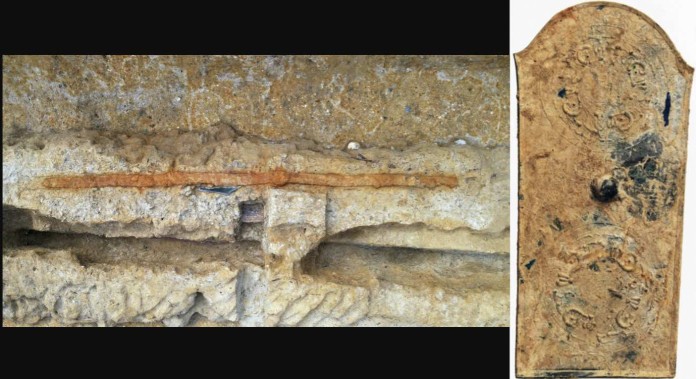
The Japanese penchant for wielding large curved swords goes back much further in time than previously thought, the new excavation of a 4th-century tomb revealed.

In the western city of Nara, a tomb inside a funerary mound uncovered a 7.5-foot-long sword and a large bronze mirror, which amount to first-of-their-kind-finds on the islands.

The tomb is thought to have belonged to a wealthy person in service of the region’s Yamato rulers, and the metalwork on the back of the mirror depicts mythical animals typical of western Japan.

Nara Prefecture’s Archaeological Institute at Kashihara classifies them as “national treasures” as both are “masterpieces,” and the two largest of such items ever uncovered from the Late Japanese Iron Age.

“(These discoveries) indicate that the technology of the Kofun period (300-710 AD) is beyond what had been imagined, and they are masterpieces in metalwork from that period,” said Kosaku Okabayashi, the deputy director of the Institute.

MORE FROM ARCHAEOLOGY: Labeled a Replica by Chicago Museum, It Turns Out to Be 3,000-Year-Old Warrior’s Sword

At 7.5 feet in length (2.3 meters) the “dako” sword is far larger than any previously found blades from the period which top out at 86 centimeters. Riku Murase, 32, told Kyodo news he and his colleagues thought it was several swords laid handle-to-tip at first, having never seen anything so large.

To archaeologists this indicates that in all likelihood the sword was a ceremonial tool, and not made for battle.

MORE FROM JAPAN: A Fruit So Sweet, Yet Grown Indoors: Will the Japanese Cultivar Become This Tesla of Strawberries?

Mirrors and swords are supposed to have been tools to protect the dead in the 109-meter tomb against evil spirits.

“It was my dream to dig up a mirror. Who knew that it would be something so incredible,” said Murase.

SHARE This News With Your Friends On Social Media… 
“Hold fast to dreams, for if dreams die, life is a broken-winged bird that cannot fly.” – Langston Hughes

Quote of the Day: “Hold fast to dreams, for if dreams die, life is a broken-winged bird that cannot fly.” – Langston Hughes 

Photo by: Annie Spratt

With a new inspirational quote every day, atop the perfect photo—collected and archived on our Quotes page—why not bookmark GNN.org for a daily uplift?


Try Your Hand at Haiku: Newspaper in Japan Selects Poems Each Day from Reader Submission

credit Tianshu Liu
credit Tianshu Liu

Five minutes slow
My wall clock celebrating
A new year

That was today’s poem for the English-language haiku section on the website of Japan’s oldest daily newspaper, the Mainichi.

365 days a year, the Mainichi publishes reader-submitted haiku in English from readers all over the world.

In certain circumstances, the editors will include critical comments on the haiku, particularly if the submission captures a certain essence of haiku which they feel needs to be emphasized.

Anyone can submit a haiku, which Mainichi retains copyright to use at any time, but which doesn’t prohibit the publishing of the same haiku by the author in a collection.

For the uninitiated, haiku is one of the most attractive poetry formats for beginners and experts. Several different forms exist, but most are three-line poems with set numbers of syllables, such as 3-5-3, 5-7-5, or 3-5-4.

READ ALSO: World-Renowned Psychiatrist is Writing COVID Prescriptions… For Daily Poetry Reading
With so little room to express oneself, haiku often has to balance the poet’s perspective on both the vast and the precise. This makes the Mainichi haiku daily extra-special because readers get to see what different people from different cultures are thinking and feeling every day.

Recently they published their best of 2022. I picked out this one which struck me.

Thunder cracks
In the drawer, one spoon
Clinks against another

KNOW ANY POETS? SHARE With Them This Cool Daily Activity…

Making Building Materials Out of Fast-Growing Grasses Capture More Carbon Than Trees for US Startup

Courtesy of Plantd
Courtesy of Plantd

A startup looking to find better ways to mass-produce lumber for construction has swapped trees for grass.

It turns out that with sophisticated laminating and molding machines, the fibers of certain grass species can be just as strong as wood, but lighter, and orders of magnitude faster to produce.

Entrepreneur Josh Dorfman founded Plantd with two former SpaceX engineers. Their flagship product is a seemingly-regular pressed wood panel for homebuilding, but one that’s made from a fast-growing species of grass which nevertheless can absorb 30 tons of carbon dioxide via photosynthesis throughout its lifetime.

Capable of being harvested three times in a season, rather than once in 20 years as in the case with pine wood, the potential is there to drastically lower the cost of lumber for homebuilding, and increase the carbon-capture potential of the timber industry.

“We see the greatest opportunity to lock away the most carbon when we make a superior product than what exists today,” Dorfman told Fast Company. “And do it in a way where that end customer can still build exactly the same way… they don’t have to change in any respect.”

MORE INNOVATION: Zero-Waste Recycling on Mallorca Turns Crushed Stone and Ceramic into Awesome New Material

Fibers in grass and wood are chemically similar. The cellulose from grass is fed into Plantd’s shredding machines down in North Carolina before being pressed into any size panels. When counting for the carbon stored in the plant fibers, the manufacturing procedure is carbon-negative, meaning it stores in the product more carbon than it takes to produce the electricity needed to run the machines.

Dorfman says there are plenty of under-utilized farm acres that could be growing their proprietory grass species, which can grow 30-feet in a single year.

MORE FROM HOUSING: Bronx Housing Complex Comes With Giant Machine Stomach to Turn All Food Waste Into Fertilizer

The US housing market is a difficult market to navigate. Housing as a construction industry and real estate are different beasts that are highly correlated but move in separate directions. During the pandemic, the closing down of major supply chains, particularly in the Canadian timber industry, saw board-foot prices of lumber reach record highs.

These grass panels could be a seriously useful innovation to drive the cost of housing starts down, and protect supply chains from future disruptions.

SHARE This Unusual Use For Grass With Your Friends… 

Rare Species of Feline Dubbed the ‘Original Grumpy Cat’ Found Living On Mount Everest

Pallas’s cat / SWNS
Pallas’s cat / SWNS

A DNA analysis confirmed that the rare and little-known Pallas’ cat lives on the body of Mount Everest—three miles above sea level.

The discovery was made along Sagarmatha National Park on Mount Everest’s Southern Flank in Nepal after a month-long expedition collecting environmental samples.

Scat recovered from the two separate sites located 3.7 miles apart at 16,765 and 17,027 feet (5,110 and 5,190 meters) above sea level confirmed there were Pallas cats in the area.

Known as the “original grumpy cat” before the famous internet meme cat was born, Otocolobus manul or Pallas’ cat stands among the most charismatic and unique wild Felidae on Earth. This mountain specialist is found at high elevations across Asia and is a super predator of small mammals.

Indeed the analysis of the animal’s scat showed the feline was feeding on pika and mountain weasel, which delighted the scientists as these were also unknown in the national park which is a UNESCO Natural Heritage site.

“It is phenomenal to discover proof of this rare and remarkable species at the top of the world,” said Dr. Tracie Seimon, of Wildlife Conservation Society’s Zoological Health Program, and leader of the expedition which occurred in 2019.

RELATED: He Thought it was a Kitten Lost in the Snow – But it was One of The Most Endangered Mammals in Europe

“The nearly four-week journey was extremely rewarding not just for our team but for the larger scientific community. The discovery of Pallas’s cat on Everest illuminates the rich biodiversity of this remote high-alpine ecosystem and extends the known range of this species to eastern Nepal.”

Otocolobus manul or Palls Cat CC 4.0. Gitanes232

It is notable that Pallas’s cat went undetected in this park until 2019, and the new study demonstrates how conservation genetics and environmental sampling can be utilized as a powerful approach to discover and study elusive species like Pallas’s cat.

Currently classified by the IUCN as a species of no concern, it’s one of the few small wild cat species that is currently unimperiled. Small wild cats receive a paltry sum of the overall conservation dollars spent to protect wild cats, with the larger tiger, lion, cheetah, and leopard nearly monopolizing the revenue.

SIMILAR: Millionaire Turned Quadriplegic Jon Ayers is Giving it All to Save Wild Cats, After Finding a New Purpose

Future research combining camera trap surveys and the collection of additional scat samples would help to better define the Pallas’s cat population, range, density, and diet in Sagarmatha National Park.

Sponsored by National Geographic, the research team included members from eight countries. 17 Nepalese scientists conducted research in biology, glaciology, meteorology, geology, and mapping, to better understand the changing of their high-altitude world.

SHARE This Grumpy Discovery With Your Friends… 

Watch China’s Spacecraft Land on the Moon in This Trippy Video

Courtesy of the Chinese Manned Spaceflight Administration

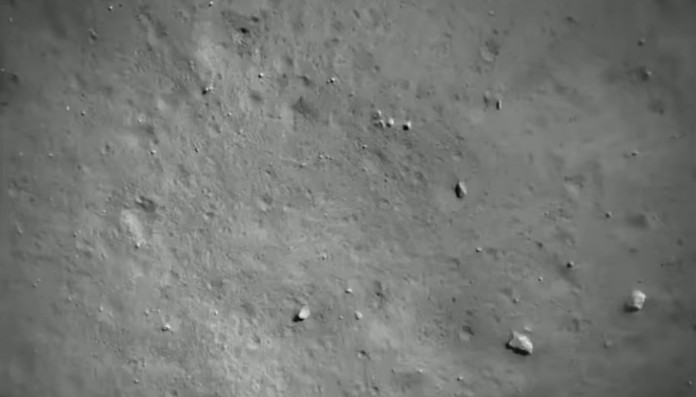
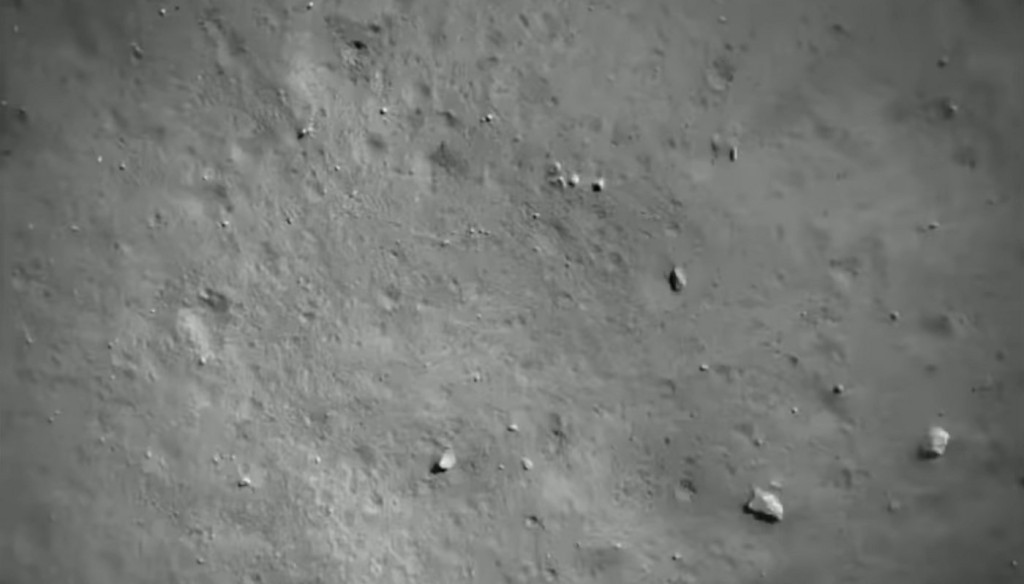
In 2020, China was preparing for its second landing on the moon as part of a sample-return mission of lunar regolith. Dramatic belly-cam footage was captured of the lander’s descent and touchdown.

It shows the craft approaching the Oceanus Procellarum (Ocean of Storms) region of the moon at high speed and at an angle.

What begins looking like a moon made of modeling puddy quickly enters into focus as Chang’e-5 hurtles towards the ground. Having landed, Space.com edits the video to include footage of the drillbit boring into the moon’s surface.

Space.com adds that the land actually used a suite of instruments including lasers to search for an even and safe landing zone. Chang’e-5 at one point appears to hover, before rapidly descending.

Named after a mythical moon goddess, Chang’e-5 was the 5th in a projected series of 8 lunar missions undertaken by China’s space program. Chang’e-5 was a complete success and brought back the first samples of lunar rock and soil since the Apollo missions.

RELATED: Volcanoes Were Erupting on the Moon One Billion Years More Recently Than Previously Thought

The 3.6 pounds of regolith samples returned date to around 1.9 billion years ago—adolescent as compared to the age of those brought back from the Apollo missions. It’s possible that multi-cellular organisms were already evolving on Earth by the time these minerals were created.

Inside the regolith they found about 120 parts per million of hydroxyls, indicating the presence of water that was probably embedded there by the solar wind.

The footage below was released by the CMSA, but it’s also available edited, sped up, and with the drilling footage, here on Space.com

WATCH The footage below… 

SHARE This Trippy Space Video With Your Friends… 

“To accomplish great things, we must not only act, but also dream; not only plan, but also believe.” – Anatole France

Quote of the Day: “To accomplish great things, we must not only act, but also dream; not only plan, but also believe.” – Anatole France

Photo by: Nick Shandra

With a new inspirational quote every day, atop the perfect photo—collected and archived on our Quotes page—why not bookmark GNN.org for a daily uplift?


To Boost Pollination, Tiny ‘FAIRY Robots‘ Can be Propelled by the Wind Like Seeds

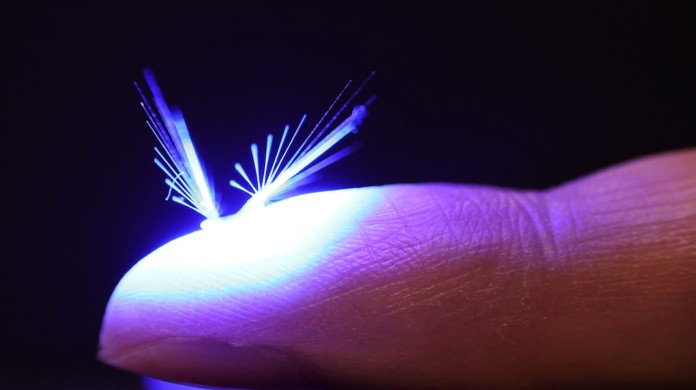
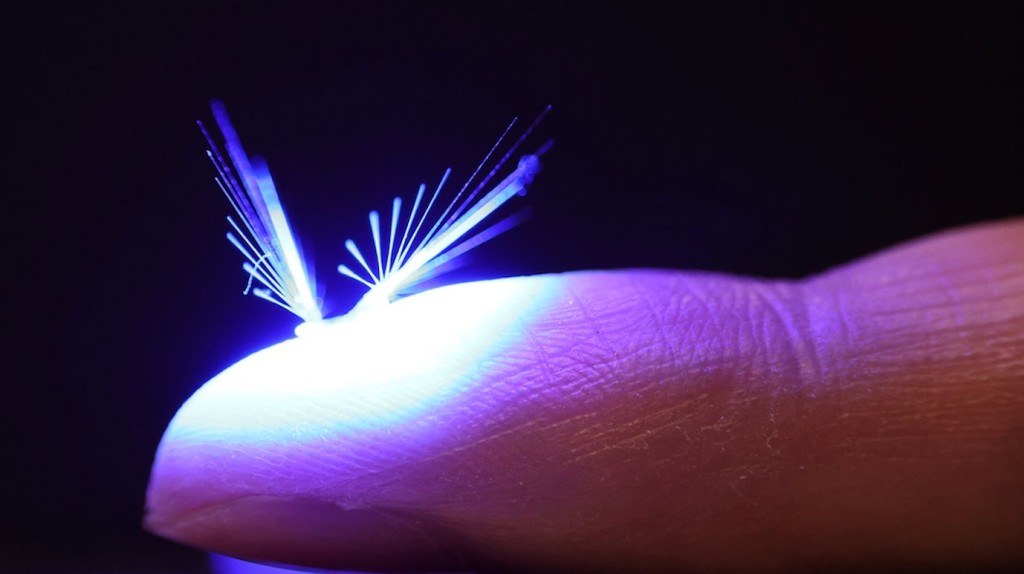
Tiny robot sits like a winged insect before spreading its wings and flying in response to light CREDIT: Jianfeng Yang / Tampere University

In the future, millions of artificial dandelion seeds carrying pollen could be dispersed freely by natural winds and then steered by light toward specific areas with trees or flowers awaiting pollination.

The genesis for such wild imagination is the recent invention of a polymer-assembly robot that flies by wind, is controlled by light, and inspired by the dandelion seeds we used to blow into the wind when we were young.

A prototype has already been developed by Tampere University’s “Light Robots” group, who use smart materials to create soft-bodied robots capable of moving themselves around via environmental stimuli rather than hard circuitry.

Light enough to be carried by the winds, the robot could be a game changer for almonds, apples, and other flowers in the face of declining pollinator populations.

“This would have a huge impact on agriculture globally since the loss of pollinators due to global warming has become a serious threat to biodiversity and food production,” explains Hao Zeng, the group leader.

A backdrop to this invention is the development of stimuli-responsive polymers which have brought about a wealth of opportunities for next-generation, small-scale, and wirelessly controlled soft-bodied robots.

For some time now, engineers have known how to use these materials to make small robots that can walk, swim, and jump. Last year GNN reported on these soft robotics in the medical field—swarms of robots that can clean teeth, deliver targeted medication, or break up blood clots.

So far though, no one has been able to make them fly.

Dust in the wind

Hao Zeng and colleague Jianfeng Yang are tackling this world-first with a project called FAIRY—Flying Aero-robots based on Light Responsive Materials Assembly.

They have developed a polymer-assembly robot that flies by wind and is controlled by light.

“Superior to its natural counterparts, this artificial seed is equipped with a soft actuator. The actuator is made of light-responsive liquid crystalline elastomer, which induces opening or closing actions of the bristles upon visible light excitation,” explains Hao Zeng.

The artificial fairy developed by Zeng and Yang has several biomimetic features. Weighing a porous 1.2 milligrams, it can easily float in the air directed by the wind.

MORE ABOUT POLLINATORS: Giving Bits of Farmland Back To Nature Does Not Reduce Crop Yields, Landmark Study Shows

“The fairy can be powered and controlled by a light source, such as a laser beam or LED,” Zeng says.

This means that light can be used to change the shape of the tiny dandelion seed-like structure.

The fairy can adapt manually to wind direction and force by changing its shape. A light beam can also be used to control the take-off and landing actions of the polymer assembly.

MORE FROM ROBOTICS: Microscopic Robots Made from White Blood Cells Could Treat and Prevent Life-Threatening Illnesses

“It sounds like science fiction, but the proof-of-concept experiments included in our research show that the robot we have developed provides an important step towards realistic applications suitable for artificial pollination,” said Zeng.

However, many problems need to be solved first. For example, how to control the landing spot in a precise way, and how to reuse the devices and make them biodegradable? These issues require close collaboration with materials scientists and people working on micro-robotics.

WATCH the tiny Fairy fly below… 

SHARE This Outrageous Invention With Your Friends…