










All News - Page 323 of 1714 - Good News Network
Home Blog Page 323

Weird and Wonderful Discoveries of New Deep Sea Fish Below Australia’s Ancient Underwater Volcanoes

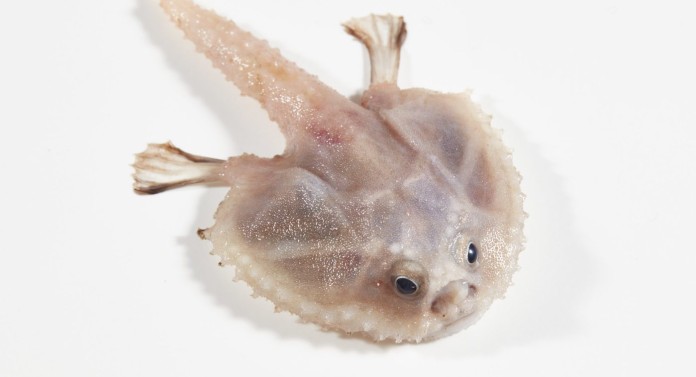
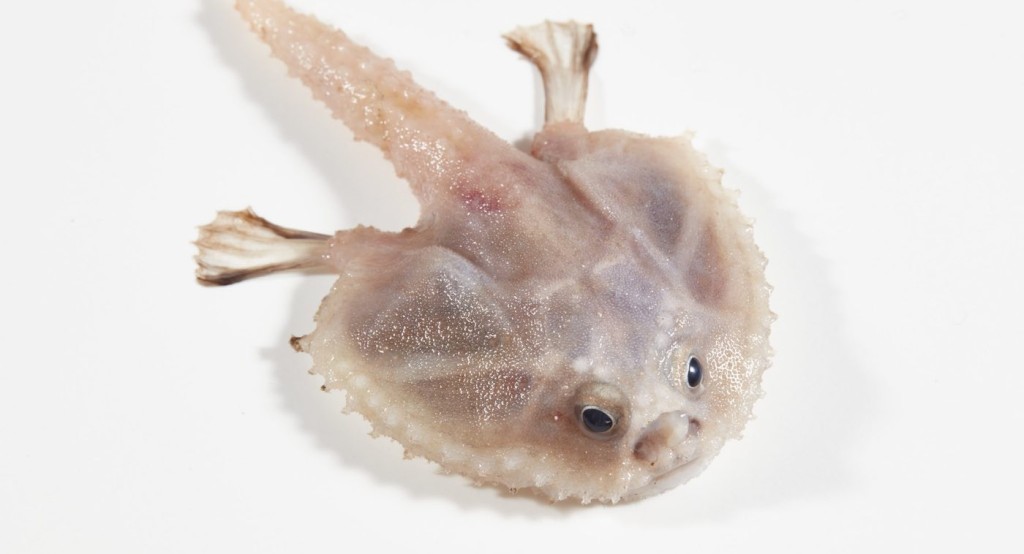
Batfish by Benjamin Healley

A recent deep-sea expedition off Australia’s Cocos Islands has revealed dozens of wild, wiggly, and wonderful sea creatures never seen to science.

Wonderful could also be construed as terrifying, if not for the fact that most of them are very small, and live at such depths as to permanently remove the possibility of our toes ever being within biting distance of their faces.

This April, the Australian government announced they were protecting the marine environment surrounding the Cocos (Keeling) Islands as a new Marine Park of immense size.

Located at the confluence of the Indian and Pacific Ocean, the seas provide habitat for a stunning diversity of sea life.

This expedition marked the first ever undersea mapping of the floor around the Cocos (Keeling) Islands Seamounts Marine Park.

RELATED: Australia’s Ocean Kelp Forest is Growing at Light Speed–Rivaling the Mighty Amazon for Absorbing CO2

A report on the 11,000 kilometer, month-long voyage described the undersea terrain as consisting of “massive flat-topped ancient sea-mountains, flanked by volcanic cones, snarly ridges and canyons formed from avalanches of sand that have slumped down onto the abyssal ocean floor.”

There, they found animals like the deep-sea batfish (pictured, above), which has tiny flippers to push itself along, and a tiny “fishing lure” in a small hollow on its snout to attract prey.
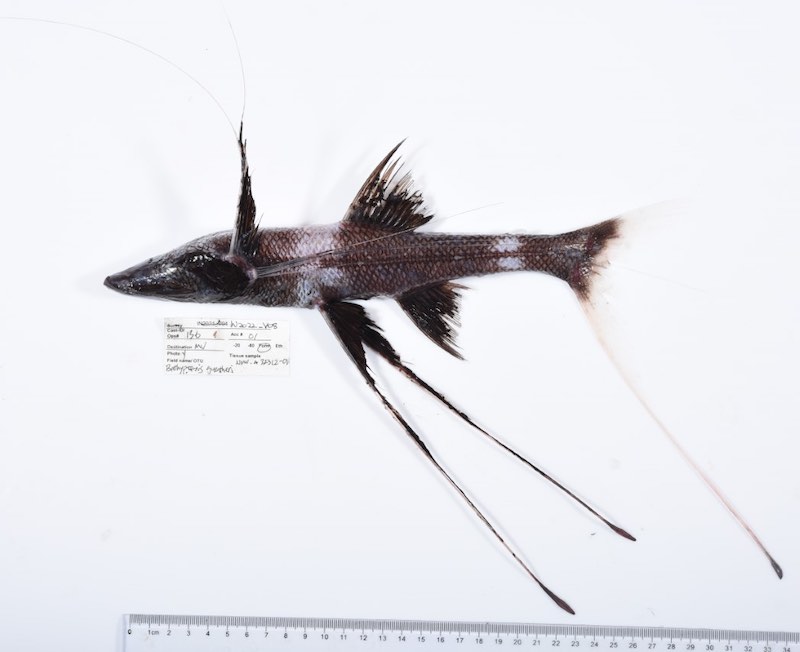
Tribute Spiderfish

They captured the hunting strategies adapted for a region without light—such as the tribute spiderfish (above) that walks about on its bottom flippers which have elongated into tall stilts, boosting its mouth to the swimming level of its favorite prey—tiny shrimp.

“We have discovered an amazing number of potentially new species living in this remote marine park,” said Museum Victoria Research Institute’s Dr. Tim O’Hara, Chief Scientist of the expedition.

This one (below), previously unknown-to-science, looks like something out of an H.P. Lovecraft story.

Called a cusk eel, the blind eel is found more than 3 miles deep (5km). That dark depth is the reason the eel has poorly developed eyes and transparent skin
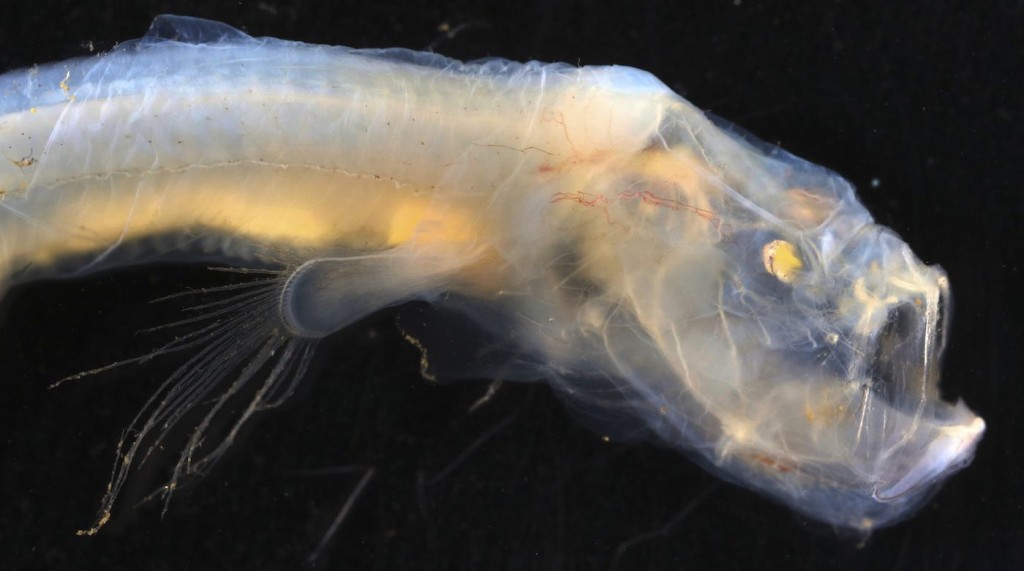
Museums Victoria / by Ben Healley

This flatfish has evolved to bring both eyes on one side of the head, so it can lie camouflaged on the sea floor and have double the vision available for hunting.
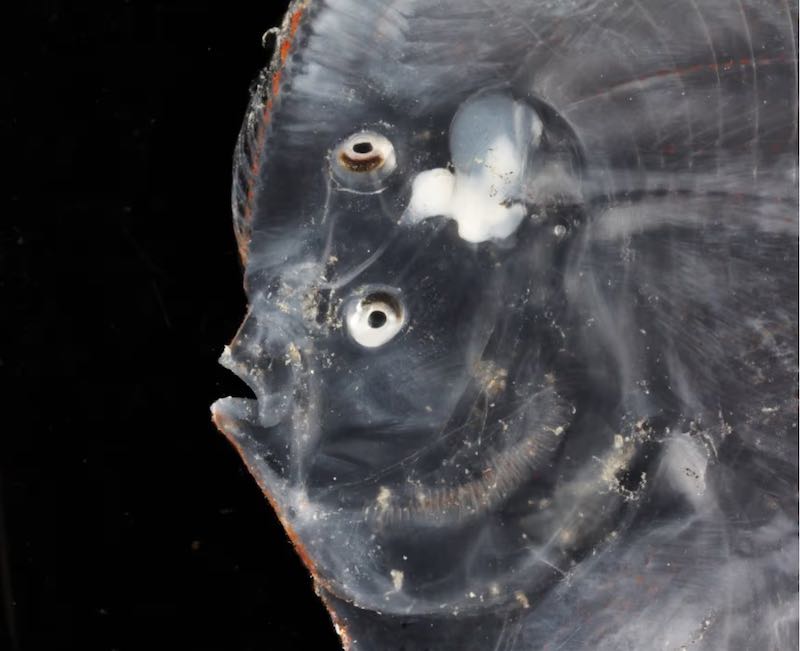
Flatfish (Pleuronectiformes) – Benjamin Healley /Museums Victoria

“We are proud that our maps, data, and images will be used by Parks Australia to manage the new marine park into the future,” says O’Hara.

SHARE These Stunning Sea Creatures With Your Friends… 
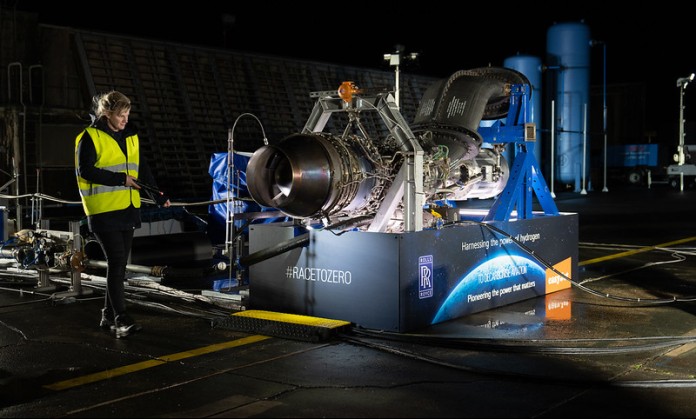
100% Hydrogen-Powered Jet Engine Successfully Tested by EasyJet and Rolls-Royce

Rolls-Royce - released.
Rolls-Royce – released.

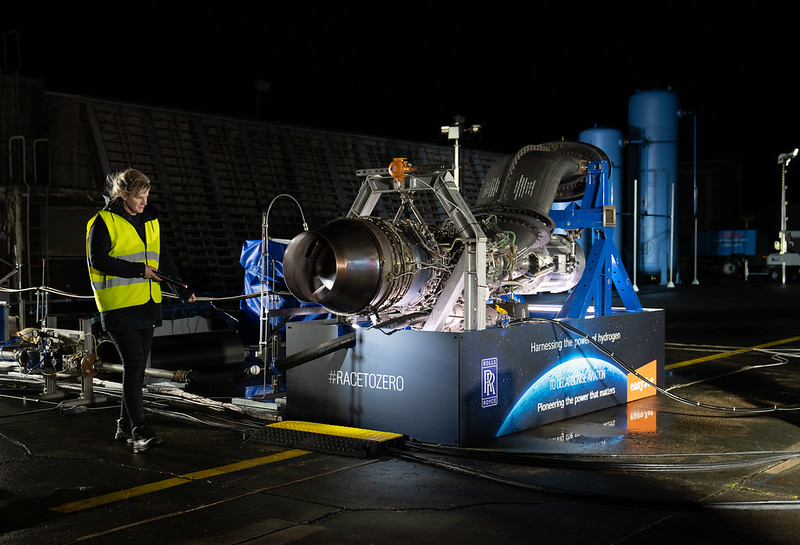
Rolls-Royce and easyJet yesterday confirmed they have set a new aviation milestone with the world’s first run of a modern jet engine on green hydrogen fuel.

The ground test was conducted on an early concept demonstrator using green hydrogen that was created by wind and tidal power. It marks a major step towards proving that hydrogen could be a zero carbon aviation fuel of the future.

Both companies have set out to prove that hydrogen can safely and efficiently deliver power for civil jet engines and are already planning a second set of tests, with a longer-term ambition to carry out flight tests before the end of the decade.

The partnership was inspired by the UN initiative Race to Zero that many companies have signed on to in order to try and reach zero emissions from operations by the mid-century mark.

As of now, most renewable or green aviation fuels have been made through vegetable oil, or other biological fuels. Hydrogen however is considered to be the only way to fully-decarbonize the aviation industry which accounts for about 3.6% of global greenhouse gas emissions.

Small aircraft can be electrified with batteries, but large, long haul jets need a liquid fuel that burns slowly and can be refueled fast.

RELATED: Researchers Pull Carbon Out of the Sky And Convert it to Instant Jet Fuel, Reshaping Aviation For Good

Rolls-Royce and easyJet used a converted Rolls-Royce AE 2100-A engine powered by hydrogen fuel produced through the currently prohibitively-expensive method of electrolysis at the European Marine Energy Center on the Orkney Islands.

Governments including the UK, but also the US and Australia, are investing heavily in green hydrogen, as it promises to be the only currently workable alternative to diesel or kerosene for things like passenger jets, freight trains, and long haul trucking.

SIMILAR: Carbon-Negative Plant Opens in Turkey Turning Algae Into Bio-Jet Fuel and So Much More

EasyJet are investors as well, and hope to be totally decarbonized by 2050, as they only operate short flights, most of which are inter-European.

“We are committed to continuing to support this ground-breaking research because hydrogen offers great possibilities for a range of aircraft, including easyJet-sized aircraft,” said Johan Lundgren, CEO of easyJet. “That will be a huge step forward in meeting the challenge of net zero by 2050.”

FLY This Story Over To Your Eco-Loving Friends…

“The color of springtime is in the flowers; the color of winter is in the imagination.” – Terri Guillemets

Quote of the Day: “The color of springtime is in the flowers; the color of winter is in the imagination.” – Terri Guillemets

Photo: Siena, Italy Christmas © GWC 2021

With a new inspirational quote every day, atop the perfect photo—collected and archived on our Quotes page—why not bookmark GNN.org for a daily uplift?

Bangladesh Farmers Digging Simple Wells Have Created an Irrigation Wonder–With Rice Overflowing

Rice farmers in Bangladesh. Image Water Alternatives Photos-CC BY-SA 3.0 via Flickr

Over the last 40 years, small-holder farmers in Bangladesh have, using very simple methods, turned the dry Bengal Basin into one of the richest croplands on Earth where two to three rice harvests can be had per year.

They created a climate-resilient water system dubbed “The Bengal Water Machine” that has kept an underground reservoir topped up, even through extensive mechanized irrigation, by accumulating seasonal monsoon rains totaling a volume of 75 to 90 cubic kilometers of water.

That’s equivalent to half of Italy’s Lake Como, to between 5 and 6-times the volume of Lake Windermere in England, one-sixth of the volume of Lake Erie, double the volume of the Three Gorges Dam in China, triple the volume of the Hoover dam reservoir of Lake Mead, or if you’d prefer the figure in gallons, 23,775,484,712,233.00 (23.7 trillion).

This was found in a recent study, awaiting peer-review, that took one million water measurements from 465 separate wells between 1998 and 2018.

Compiled by Mohammad Shamsudduha, a data analyst and researcher at the Institute for Risk and Disaster Reduction, University College London, it shows that humanity doesn’t necessarily need expensive science-fiction technology to ensure that cropland can remain irrigated if climate change corresponds to more intense droughts in the future.

That’s because The Bengal Water Machine is made up of nothing more than regular old wells dug less than 300 feet down, which increase the capture of the May-October Monsoon rains and prevent them from draining into the Bay of Bengal.

SIMILAR: Farmer Thrives by Growing Gluten-free Grain Needing No Water During Drought

During the November to April dry season, 16 million small-landholder farmers pump water up from the reservoir under the Bengal Basin to irrigate their rice—which they produce in such numbers they have become the world’s fourth-largest producers of the stuff, leading the nation to be completely grain independent.

“In order to benefit from the operation of the Bengal Water Machine, we recommend identifying the potential areas where further freshwater capture is possible under current and projected changes in monsoon rainfall and irrigation demand,” Shamsudduha told SciDev.Net. “Continuous monitoring of groundwater levels and abstraction can ensure the sustainability of the Bengal Water Machine”.

RELATED: This Wonder Tree is a Game-Changer for Rainforest Agriculture in Honduras And Deforested Sites Worldwide

Other researchers have looked at the results and reasoned that similar nature-based solutions could be well-suited to other areas like the Mekong Delta, or the delta of China’s Huang He river, which has already proven to be vulnerable to the effects of climate change.

SHARE This Inspiring Human-Powered Progress With Your Friends…
This Greek Island Replaced its Landfill with Recycling Plant That Now Reduces Waste by 85%

By Максим Улитин, CC license 3.0

In order to keep their little island the pristine Aegean paradise it is, Tilos has gotten rid of their landfill, and replaced it with a circular system that has reduced total waste by 86%.

After being implemented this May, the island of around 750 inhabitants quickly saw progress, after they transformed the landfill into a recycling center and removed the large public common bins for trash.

Set up by Polygreen, the Just Go Zero initiative is hoping to steer other Greek islands towards similar programs.

All biodegradable waste is turned into soil treatments, while plastic, metal, glass, and paper are all recycled.

For non-recyclable goods there is an upcycle center for still-working, as well as for electronics and clothes, either for re-use by someone else, or for artistic creations.

“A new culture starts today in Tilos,” said Polygreen founder Athanasios Polychronopoulos, “a culture characterized by 100% landfill diversion, full circular waste management and, most importantly, a completely new perception of life. We are envisioning a future, where waste will only be seen in museums.”

Each resident is given a series of bags in which to separate the material, and like most world-waste collection, a truck arrives infront of your house on certain days to retrieve it and take it to he processing center. The Just Go Zero app allows residents to track how much material they’ve recycled, and learn more about what products and projects it’s going towards.

RELATED: Britain’s Royal Mint is Salvaging Gold from E-Waste – Recycling Precious Metals for Green Investors

Polities have all sorts of reasons for wanting a more recycling-based waste system, and as well as providing jobs and keeping the beaches clean, if you live on a beautiful island that’s only 24 square miles, dedicating any of it to a landfill seems a shame.

SEE their progress in this video…

RECYCLE This Waste-Based Story On Social Media…

Christmas is Coming… on a Vintage Train Wrapped in Neon Lights and Steam – WATCH

SWNS

Enchanting footage captures a magical practice run for Dartmouth’s Train of Lights 2022 as it passes through the countryside.

Footage shows the Dartmouth steam railway train covered from front to back in vibrant LED lights to celebrate the imminent season of Saint Nicholas.

Professional photographer Scott Williams was joined by his three-year-old daughter Kerkyra to take in the scene from a bridge.

“We went to wait for the wonderful Train of Lights earlier this evening chuffing through Goodrington on its way down to Kingswear from Paignton,” said Williams.

“This was a practice run today before it’s open to the public this Friday for five weeks during the Christmas season. It was so magical watching if puff along this beautiful stretch of coast twinkling along the way.”

SIMILAR: Three Rare White Reindeer Calves Get Ready For Christmas, Joining the UK’s Only Herd

Scott shot the footage from a railway bridge in Goodrington, near Paignton.

The Train of Lights 2022 illuminated journey starts at Queen’s Park Station and features vintage carriages decorated with thousands of lights, both inside and out.

SWNS

Its journey take in the 450-meter Greenway tunnel that “leads you to the enchanted forest which will be transformed by a multitude of lights”.

LOOK: Wes Anderson Designed a Luxury Train Car – and It Looks Like Something Out of His Movies

The stunning show ends as you leave the forest to be greeted by the twinkling lights of Dartmouth reflected on the river Dart. After a turnaround at Kingswear station and with the opportunity to disembark and take photographs from the platform, you will be on your way back to Paignton to experience the spectacle from a different direction.​

Tickets are very reasonably priced, with a price of £85,00 for a family of five.

Watch the practice run to get in the Holiday spirit…

SHARE the Sight and Bring a Little Childhood Wonder to Social Media…

32 Species of Harlequin Frogs Were Found in Ecuador That We Thought Were Extinct

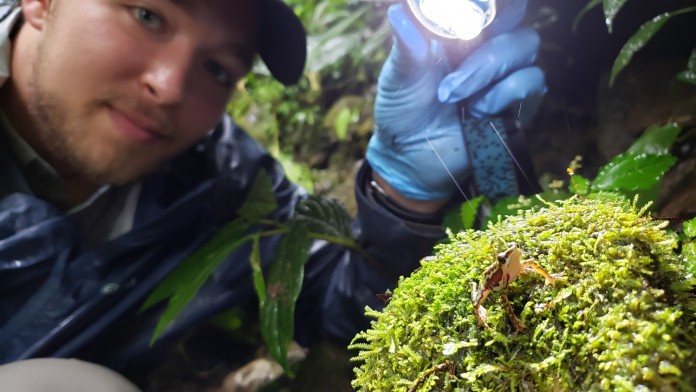
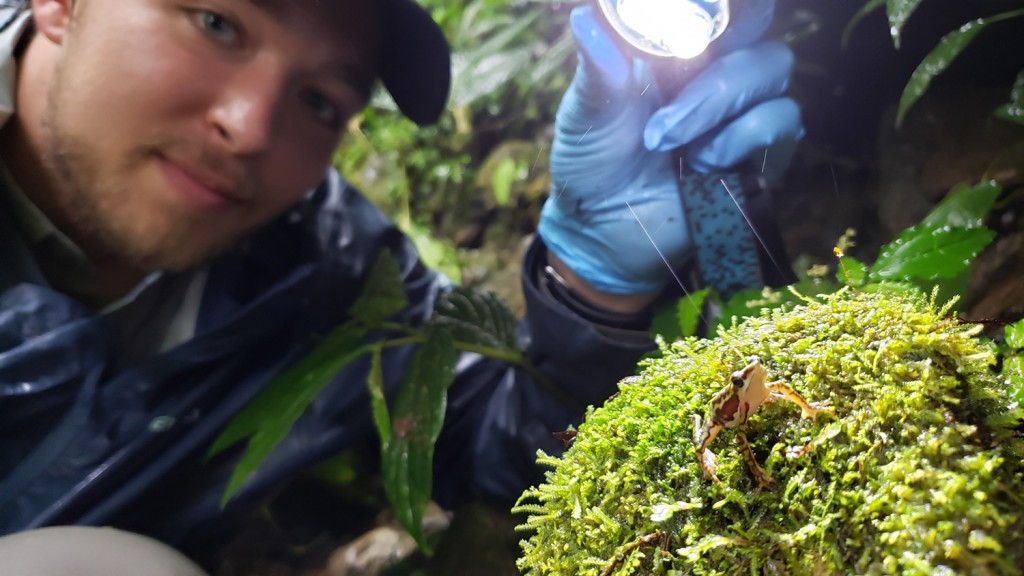
Lead author Kyle Jaynes with a harlequin frog – released, Michigan State.

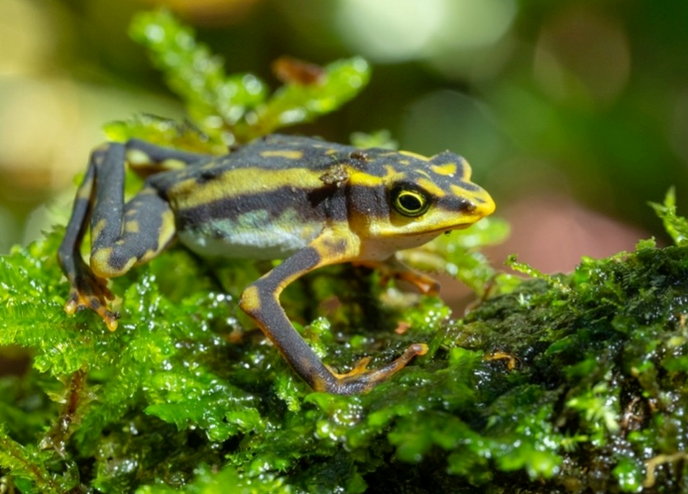
In one of the most biodiverse countries on Earth, ecologists have found 32 species of the ever-divergent Harlequin frog, all of which were thought to be extinct.

It’s one of the largest cataloged rediscoveries of animals in the history of science, and has shown that there is still plenty of hope these amphibian “gems” can survive long-term.

The work was led by young Kyle Jaynes, a Michigan State University doctoral student in the Department of Integrative Biology, who secured a National Geographic grant in 2019 to investigate sightings of these frogs which had been presumed or declared extinct.

Jaynes and his colleagues traveled to five different sites in Ecuador to look for them. Upon finding one, they would take saliva and skin swab samples to look for a kind of fungal parasite that has been decimating these frogs.

MORE FROG NEWS: Newly-Identified Species of Transparent ‘Glass’ Frogs Unveiled in Amazing Photos From Ecuador

Batrachochytrium dendrobatidis, or Bd, is a fungus that has affected amphibians broadly. It’s been estimated that more than 80% of harlequin frog species may have gone extinct because of Bd.

“In total, 87 species have been missing,” Jaynes told his university press. “To date, 32 of those once-missing species—that’s 37 percent—have been rediscovered over the last two decades. This is a shocking number.”

One of the rediscovered frog species.

Through examining the collected DNA, the team gleaned information about the genetic diversity of the frogs. They found differences between the species that had not been seen for longer versus shorter periods of time—observations that could be useful in developing strategies to conserve and protect rediscovered species.

Invaluable assistance was rendered by Ecuadorian scientists from a variety of institutions, as well as indigenous people in the regions Jaynes visited, for whom some of the frogs were never “lost.”

RELATED: Endangered Frogs See ‘Population Explosion’ After 422 Ponds Were Built in Switzerland

“It was only missing to scientists,” Jaynes said. “It was never missing to Indigenous people. They were protecting it.”

“These frogs are gems. It’s not just nerdy scientists who think they are important,” said study co-author Dr. Sarah Fitzpatrick. “They’re culturally iconic.”

The team conclude that rediscovery does not equal recovery, but with the appreciation of these frogs by the locals, and their resilience in the face of an epidemic, decline and doom is far from inevitable, as some news outlets would report.

SHARE This Hopping Good Story With Your Friends… 
“We all have big changes in our lives that are more or less a second chance.” – Harrison Ford

Quote of the Day: “We all have big changes in our lives that are more or less a second chance.” – Harrison Ford

Photo by: Martin Edholm

With a new inspirational quote every day, atop the perfect photo—collected and archived on our Quotes page—why not bookmark GNN.org for a daily uplift?

You Can Now Buy Ralphie Parker’s House From ‘A Christmas Story’

Ralphie Parker's house - A Christmas Story house and Museum
Ralphie Parker’s house – A Christmas Story house and Museum

For years, people have been visiting a museum built in the house where the famous American holiday classic A Christmas Story was shot in Cleveland.

That house, where Ralphie Parker nearly shot his eye out with his Red Ryder BB gun, is now up for sale to anyone who loves the film enough to keep the 1.3 acre campus running as a museum, and who has about $10 million to invest.

The real house still stands at 3159 West 11th Street, Cleveland—a city chosen because the management of the large Higbee’s department store just happened to be the only one of those asked who allowed film crews to shoot inside.

It’s a very American tale, how current owner and megafan Brian Jones bought it on eBay, and it was sight-unseen for around $150,000. Jones had retired from Naval Intelligence, and was selling replica leg lamps from the film in various sizes.

A Christmas Story House and Museum

It was just a mustard-yellow beat up rental property with a small asterisk about its use in the film, but it drove Jones to create a passion project involving the house across the street as well. The Bumpus household, Ralphie Parker’s neighbors, is available for overnight rentals, as is the Parker household—complete with props and replica props to allow visitors to reenact their favorite scenes.

A gift shop nearby sells everything a fan of the movie could possibly want.

LOOK: Wes Anderson Designed a Luxury Train Car – and It Looks Like Something Out of His Movies

After more than 15 years of managing the tourist attraction, Jones has decided to pack it in.

“This adventure has been awesome, but it’s time for something different,” he told NBC, adding that only prospective buyers who will keep the suite of properties running as a museum will be considered.

SHARE This Unique Buying Opportunity With Your Superfan Friends…

The ‘T. Rex of its Day’ Lived 340 million Years Ago with Razor Sharp Teeth and Strange Connection to Us

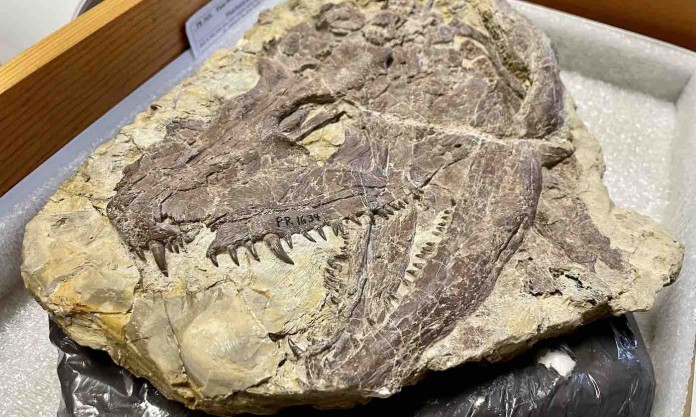
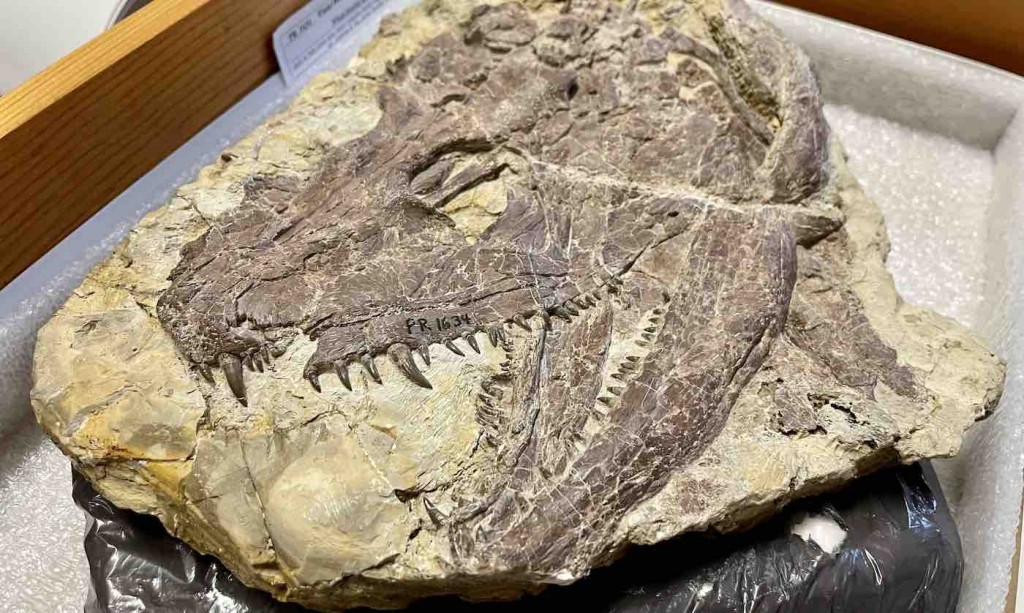
Whatcheeria skull – Chicago Field Museum via SWNS

A terrifying predator that lived 340 million years ago has been dubbed “the T. rex of its day.”

Named Whatcheeria deltae, it had huge razor sharp teeth, and as well as being one of the first creatures ever to hunt on land, it had growth patterns rather more like humans than reptiles, amphibians, or fish.

It had a salamander like body and long narrow head reaching more than six feet from nose to tail, and a new study examining its thigh bone has revealed that unlike modern amphibians, whatcheeria grew very fast.

In general this fascinating creature, as the authors put it “blurred the ostensible divide between aquatic and terrestrial adaptations.”

“If you saw watcheeria in life, it would probably look like a big crocodile-shaped salamander, with a narrow head and lots of teeth,” said study co-author Ben Otoo, a Ph.D. student at the University of Chicago. “If it really curled up, probably to an uncomfortable extent, it could fit in your bathtub, but neither you nor it would want it to be there.”

Dr. Otoo and his colleagues examined around 350 specimens housed in the Chicago Field Museum, ranging from single bones to complete skeletons.

Bony grooves in its skull for sensory organs reveal it spent most of its time underwater.

“It probably would have spent a lot of time near the bottoms of rivers and lakes, lunging out and eating whatever it liked,” said Otoo. “You definitely could call this thing ‘the T. rex of its time.'”

But why are scientists interested in whatcheeria’s growth speed? It’s because the animal was part of the lineage that eventually evolved into the four-limbed animals alive today—including humans.

“Whatcheeria is more closely related to living tetrapods like amphibians and reptiles and mammals than it is to anything else, but it falls outside of those modern groups,” said co-author Dr. Ken Angielczyk, a curator at the Field Museum. “That means that it can help us learn about how tetrapods, including us, evolved.”

Whatcheeria was a tetrapod, a group that includes amphibians, reptiles, mammals and birds. They evolved from the lobe-finned fishes in the middle-Devonian Period, which began 419 million years ago.

SIMILAR: Scientists Unearth Africa’s Oldest Known Dinosaur, Filling a Critical Gap in the Fossil Record

Some whatcheeria at the Field Museum are six-and-a-half feet long, while others are much smaller. That means there was an opportunity to study how they grew.

The researchers analyzed fibrolamellar, or thigh bones from nine individuals ranging from juvenile to adult under a microscope. When an animal is growing, its bones create growth rings much like a tree, which can inform a scientist as to the speed of various growth phases.

In modern tetrapods, some animals grow a lot as juveniles and then stop when they reach adulthood. Birds and mammals, including us, are like that. But other animals like crocodiles and many amphibians keep growing bit by bit their whole lives.

RELATED: One of the Largest ‘Sea Dragon’ Fossils Ever Found in Britain Unearthed As a Complete Ichthyosaur

The study found whatcheeria grew rapidly when it was young, and then leveled off over time, giving it a strange inter-eonal connection with us. The reason, say the authors, is that being an apex-predator often requires animals to become big, fast. This makes it easier to hunt and harder to be hunted.

But growing really big really fast takes an enormous amount of energy, which can be a problem if there is not enough food and resources.

As well as shedding fresh light on the early tetrapods, the findings are a reminder that evolution isn’t a neat step-by-step process, but a series of experiments.

“Evolution is about trying out different lifestyles and combinations of features,” said Dr. Angielczyk, “and so you get an animal like whatcheeria that is an early tetrapod, but it’s also a pretty fast-growing one. It’s a really big one for its time.”

MORE FOSSIL NEWS: This 120-Million Year Old Bird/Dinosaur Hybrid Is Teaching Us How Birds Came to Be

“It has this weird skeleton that’s potentially letting it do some things that some of its contemporaries weren’t. It’s an experiment in how to be a big predator, and it shows how diverse life on Earth was and still is.”

SHARE This Radically Cool Animal With Your Friends… 

Two Swiss Reservoirs Turned into World’s Largest ‘Water Battery’ to Power Europe–Time-Lapse Video Will Blow Your Mind

The Vieux Emosson Reservoir in Switzerland - released Alpiq Group
The Vieux Emosson Reservoir in Switzerland – released Alpiq Group

Next week a revolutionary new form of energy storage will debut in Switzerland after 14 years of engineering and installation.

With a storage capacity of 20 million kilowatt hours, enough to store the energy from wind, solar, nuclear or hydro and channel it to nearly 1 million homes, the Nant de Drance hydro-electric plant is ready to change the energy picture for Southern Europe.

The logistics of the Nant de Drance 900 megawatt “water battery” will blow one’s mind to read about, and involves the carving of 14 miles of tunnels under the Swiss alps in order to assemble massive prefabricated turbines and pumps around a pair of water reservoirs 1,800 feet underground.

Located under the Emosson and Vieux Emosson in the Swiss Canton of Valais, it’s Europe’s largest water battery, consists of six 150-megawatt Francis turbine-generators, and cost nearly $2 billion to complete.

But how does a water battery work, and what exactly is it? Electricity can be generated through heat, but also through kinetic energy. In considering the latter, rewenable energy storage devices take advantage of the fact that electricity can be “stored” by using its excess to move an object—in this case water.

Water from one large pool is pumped into another large pool in an underground chamber above. In this way electricity is “stored” in the sense that when power is needed in the homes of Switzerland, the water is then pumped through hydroelectric turbines to the chamber below with nothing other than the force of gravity.

MORE GREEN ENERGY NEWS: 158 Tesla Mega-Batteries Will Boost Hawaii Green Energy By 10%, And Shut Down Coal-Fired Power Plant

The electricity generated from the kinetic energy of the falling water into the turbines is like the discharging of a battery—400,000 car batteries in the case of Nant de Drance.

“The Russian invasion of Ukraine has shaken the energy markets to their very core, [and] the effects this is having on the market are unprecedented in scale,” said Antje Kanngiesser, CEO of Alpiq Group, lead shareholder of Nant de Drance.

“From today’s perspective, the pumped storage power plant is an essential cog in the wheel for ensuring security of supply and grid stability in Switzerland and in the surrounding countries.”

RELATED: Innovative ‘Sand Battery’ is Heating Small City, Storing Green Energy for Months at a Time

While renewable energy storage often takes the form of large battery banks, the use of gravity or kinetic force is also growing.

A Scottish firm called Gravitricity is utilizing a similar principal, only with a 25-ton weight that is lifted up a tunnel—perhaps an old mineshaft—with the excess renewable energy, before its release channels those kilowatts back into the grid.

Have a look at a time lapse of the construction and blow your own mind…

SHARE This Remarkable Feat Of Engineering On Social Media… 

For First Time, a Fatal Enzyme Deficiency is Treated in the Womb to Save a Child

An unborn baby was treated through her umbilical cord for a rare genetic condition—the same disease that killed her two older siblings—and the pioneering procedure prevented the infant’s death.

It’s the first time in history Pompe disease has been treated in utero, and it could represent a life-saving new standard of care that’s safe and effective for both mother and infant.

In Canada, the parents of 16-month-old Ayla were relieved when she was born as expected, with no signs of the disease that can cause lethal heart complications. Pompe affects fewer than 1 in 100,000 infants, but this inherited condition arising from a defective gene copy is often fatal.

Treatment so far starts after birth, is known as enzyme replacement therapy (ERT), and plays the role of injecting an enzyme critical for healthy heart function. Pompe disease is known as a “lysosomal storage disorder” and results in the buildup of toxins in tissues. The replacement enzyme is called GAA, and since fetuses and infants like Ayla can’t produce it, toxic buildups of glycogen, the storage form of sugars like glucose, can damage the heart and lead to myocarditis.

The glycogen makes it harder for their small hearts to pump blood, leading to muscle weakness, and death is typical within 2 years.

In March of 2021, Ayla’s mother entered an Ottawa maternal hospital and over the following weeks received 6 injections of an infant-Pompe drug called alglucosidase alfa into the umbilical vein, a delivery method that’s established for treating anemia in a fetus.

Ayla was born on schedule without any signs of the disease. She’s met normal developmental milestones and doesn’t show any loss of motor function. She still receives regular ERT. The results were compiled and published in the New England Journal of Medicine.

READ ALSO: ‘Mind-blowing’ Surgery in Mothers’ Wombs Spared Dozens of Babies From Spina Bifida Paralysis

“Our results are consistent with in utero ERT attenuating or even halting the disease process in the fetal period,” the doctors wrote in their case report.

“Furthermore, although it is accepted that starting treatment as early as possible improves outcomes in patients with lysosomal storage diseases … our results suggest that moving the window for therapeutic intervention into the prenatal period may further improve postnatal outcomes.”

SHARE This Encouraging Medical Breakthrough With Your Friends… 

“Dreams are the seeds of change. Nothing ever grows without a seed, and nothing ever changes without a dream.” – Debby Boone

Quote of the Day: “Dreams are the seeds of change. Nothing ever grows without a seed, and nothing ever changes without a dream.” – Debby Boone

Photo by: Jr Korpa

With a new inspirational quote every day, atop the perfect photo—collected and archived on our Quotes page—why not bookmark GNN.org for a daily uplift?

Livin’ Good Currency Ep. 22: James Rouse on Giving Yourself Permission to be Well

The Lesson: Wellness isn’t just about getting enough sleep and exercise. Some maladies need our permission—our precise focus, attention, and sympathy, in order for our biological tools to do the work of healing us.

Notable Excerpt: “I believe if I give myself permission to receive what you (God) are giving me, then I’ll have predictable peace, purpose, and pollination for the rest of my life. And I’ve never craved anything but that. These are my new drugs of choice—I think it was Degas who said, “I don’t need drugs, I am drugs—I am drugs in a human form. We are a walking pharmaceutical of spirituality, but man alive do we not open up the medicine cabinet which is the heart space, open it, and allow ourselves to receive the medicine.”

The Guest: Dr. James Rouse is a naturopathic doctor, award-winning author, media personality, and sought after speaker whose enthusiasm and passion for wellness inspires others to optimize their personal and professional lives.

His passion for helping others live life optimally extends to creating healthy food products. Dr. James is co-founder and product formulator for Healthy Skoop, a functional nutrition line. He is also the co-founder of The Well & Company, a lifestyle company and community that is igniting a self-care revolution.

Dr. James has authored 13 books (and counting), including the recently released, Mind Body Life Mastery.

The Podcast: Livin’ Good Currency explores the relationship of time to our lives. It focuses on learning how super-successful people align their purpose with their passions to do good for themselves and others daily, and features a co-host who knows better than anyone the value of time (see below). How do you want to spend your life? This hour can inspire you, along with upcoming guests, to be sure you are ‘Livin’ Good Currency’ and never get caught running out of time.

The Hosts: Good News Network fans will know Tony (Anthony) Samadani as the co-owner of GNN and its Chief of Strategic Partnerships. Co-host Tobias Tubbs was handed a double life sentence without the possibility of parole for a crime he didn’t commit. Behind bars, he used his own version of the Livin’ Good Currency formula to inspire young men in prison to turn their hours into honors. An expert in conflict resolution, spirituality, and philosophy, Tobias is a master gardener who employs ex-felons to grow their Good Currency by planting crops and feeding neighborhoods.

Episode Resources:

Are you ready to start your health journey today? Go to viome.com/goodcurrency to get $50 off Viome’s Full Body Intelligence test or bundle, the most advanced at-home health test currently available to consumers. Use Promo Code: CURRENCY50 

Join us and over 400,000 like-minded people who have already discovered the Viome difference. Get personalized and precise recommendations on how to optimize your health and help you function at peak performance.

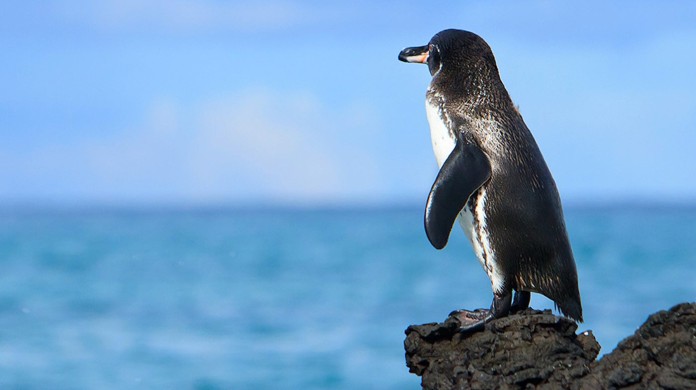
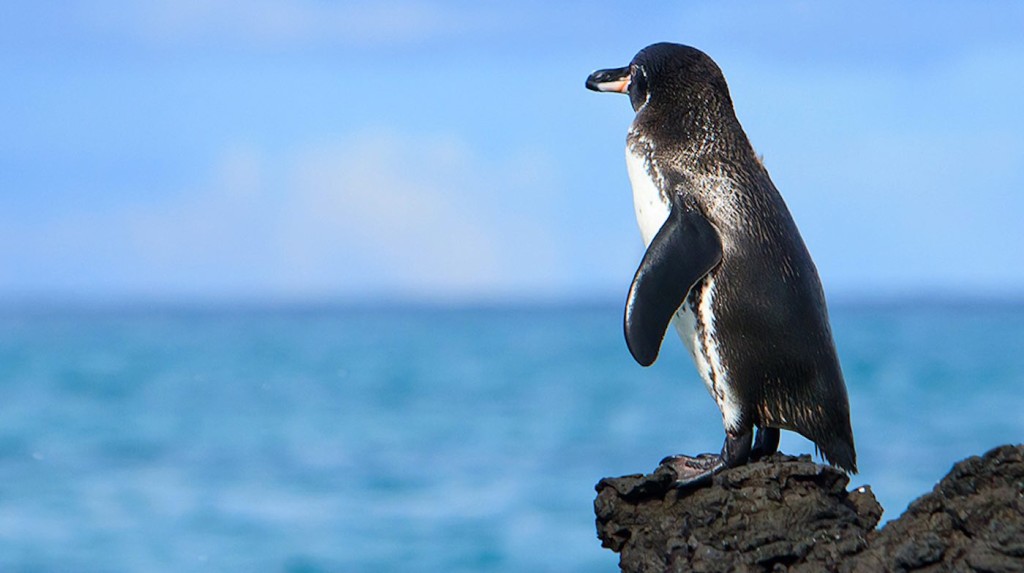
The Galapagos Penguin, One of the World’s Rarest, Sees a Glimmer of Hope

Courtesy of Galapagos Conservation Trust

The Galapagos Islands are famous for their marine iguanas, their giant tortoises, and their seabirds, but they also host the world’s most northerly-dwelling penguin.

Even though their populations have suffered greatly from the influx of invasive species like feral cats, a determined conservation effort is seeing their numbers rebound.

No one quite knows why or how there are penguins on the Galapagos Islands. The working hypothesis, since they are closely related to Humboldt and Magellanic penguins from Africa, is that they caught an ocean current millions of years ago which brought them, somehow, all the way around Cape Horn and up to the Equator.

The Galapagos penguins, like their cousins from Africa, dwell in burrows under the ground, but with no soft soil or peat to dig them into, they have adapted to use the openings of extinct lava tubes from when the islands were formed.

These were also prime shelter spots for introduced predators on the islands, and so penguin expert and biologist P. Dee Boersma has been using light machinery to cut new burrows for the penguins into the black rock of the other islands where the burden of introduced predators is either less-severe or non-existent.

Boersma and her colleagues have dug a total of 120 of these sorts of nests as part of a conservation effort funded by National Geographic, the Galapagos Conservancy, and others. A population census shows they’re inhabited mostly by juveniles, which has Boersma hoping they are in fact recovering in a significant way.

“Nobody knew if Galapagos penguins were going to any of our constructed nests, but in fact they do use them,” Dr. Boersma explains in the video below, “and several of them have been used multiple times. So they’re laying eggs in them, they’re hatching them, and they’re fledging their chicks in them.”

SIMILAR: A 15 Million-Acre Protected Superhighway Near Galapagos Was Just Created to Preserve Marine Life

At the moment they are found principally on Isabela and Fernandina islands, but also on Bartolome, where it’s not uncommon for people to end up swimming with them.

“As long as they have a lot of good-quality nests, then the population should build back up,” Boersma, who has been studying these animals for a half century, told Nat Geo.

WATCH more about these birds… 

Give Viral Wings To This Wingless Birds’ Story On Social Media…

CAR T-Cell Therapy Sends Lupus into Remission for Patients, Using Specially-Armed Immune Cells

A lupus-mutated B-cell – NIAID

A decade ago, CAR T-cell therapy changed the face of cancer research and treatment. It’s now been applied in a small trial to lupus patients with total success.

Four female patients and one male whose lupus had been untreatable were given an infusion of genetically-engineered immune cells called T-cells, which attacked another group of cells that do the damage in lupus patients, sending all five into remission.

Lupus is an autoimmune disease, meaning the autonomic immune system begins attacking the body. In the case of lupus, defective immune cells called B-cells produce autoantibodies which attack the patient’s own cells rather than hostile pathogens.

It can cause a large variety of symptoms as varied and mild as fatigue, and as serious as organ damage and failure.

In the trial, CAR T-cell therapy, which has been approved for a variety of cancers, was applied to instruct the genetics of the T-cells in the five lupus patients not to target cancer cells, but these defective autoantibody-producing B-cells.

RELATED: Scientists Discover Genetic Cause of Lupus, a Chronic Autoimmune Disease

The T-cells carried the field, and after a dramatic depletion in B-cell count, sent the lupus into a kind of remission. When the patients’ B-cells recovered after four months, they were no longer creating the autoantibodies, the Guardian reported.

Despite this self-destruct sequence of the B-cells, the patients’ immune systems seemed to be working normally followings tests.

MORE CAR T-CELL STORIES: Doctors Say Cancer Patients Cured a Decade After Immune Cell Therapy at University of Pennsylvania

“We are very excited about these results,” Friedrich-Alexander University rheumatologist and study lead Georg Schett told the Guardian.

“Several other autoimmune diseases which are dependent on B cells and show autoantibodies may respond to this treatment. These include rheumatoid arthritis, myositis and systemic sclerosis. But also diseases like multiple sclerosis may be very responsive to CAR T-cell treatment.”

Maybe You Know Someone With Lupus—Share This Story…

Intel Unveils Real-Time Deepfake Detector, Claims 96% Accuracy Rate

Intel technology has created the world’s first real-time deepfake detection software to root out this most-sophisticated of impersonation technologies.
The software uses tiny changes in image pixelation related to the movement of blood through human veins to detect whether a recorded video is real or fake with 96% accuracy.

Called FakeCatcher, it’s the first program that can catch deepfakes in real time, as most other detection apps require uploading videos for analysis, then waiting hours for results. They tend to need large data sets for deep learning programs to pour over.

Refreshingly, Ilke Demir, senior staff research scientist in Intel Labs opted for a more organic approach; one that also increases efficiency, as it’s capable of monitoring 72 video streams at once.

“FakeCatcher is the first approach that is telling us why we are real, why we are authentic,” said Demir. “It’s like a watermark of being human.”

We live in strange times, and the deep fake is a good example of how far our technological power has, as Dr. King once said, outgrown our spiritual power.

Using databases of video camera footage or recorded speech, deepfakes use computer learning to construct audio or video recordings of real people saying and doing things they have never said or done. Politicians, radio personalities, or actors—people with long histories of recorded material, are at particularly elevated risk for deepfakes.

YOU MAY ALSO LIKE: Smells Like History: Academics Recreate the Lost Smells of Europe for Museums

Take Joe Rogan for example: he is both a now-controversial personality, and one of the most recorded voices in American history between his time as a comedian, UFC commentator, and podcaster.

If the majority of Joe Rogan Experience podcasts last 3 hours, and we say for argument’s sake he speaks half the time, then someone attempting to make a deepfake of Rogan would have around 3,000 hours of words to choose from across his almost-2,000 episodes.

The reason for this explanation is that someone already did this, and Rogan played it on his show to highlight the difficulties future societes will have in trying to determine what’s real.

The deepfakers created a fake announcement using recorded audio of Rogan, to create a fake announcement that Rogan was investing into a professional ice hockey team consisting entirely of chimpanzees. Don’t let your kids hear it though, as the deepfaker didn’t skimp on the vulgarity.

Rogan isn’t the only one; several celebrities like Elon Musk, Jordan Peterson, and Leonardo DiCaprio have all already been the subject of this digital impersonation

RELATED: Korea is Using Artificial Intelligence to Prevent Suicide Attempts on Bridges

Businesses too, are at risk for these videos. Estimates range as high as $188 billion per year for American businesses to defend themselves against all manner of security threats originating from impersonations.

“FakeCatcher is a part of a bigger research team at Intel called Trusted Media, which is working on manipulated content detection—deepfakes—responsible generation and media provenance,” she said. “In the shorter term, detection is actually the solution to deepfakes — and we are developing many different detectors based on different authenticity clues, like gaze detection.”

You can watch the program work in this presentation video here.

SHARE This Hi-Tech Story With Your Friends On Social Media… 

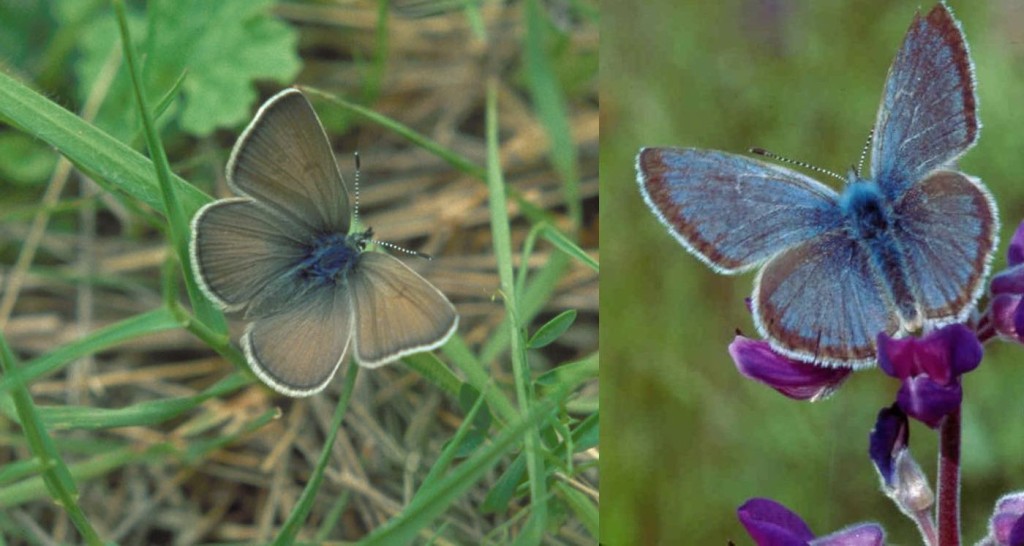
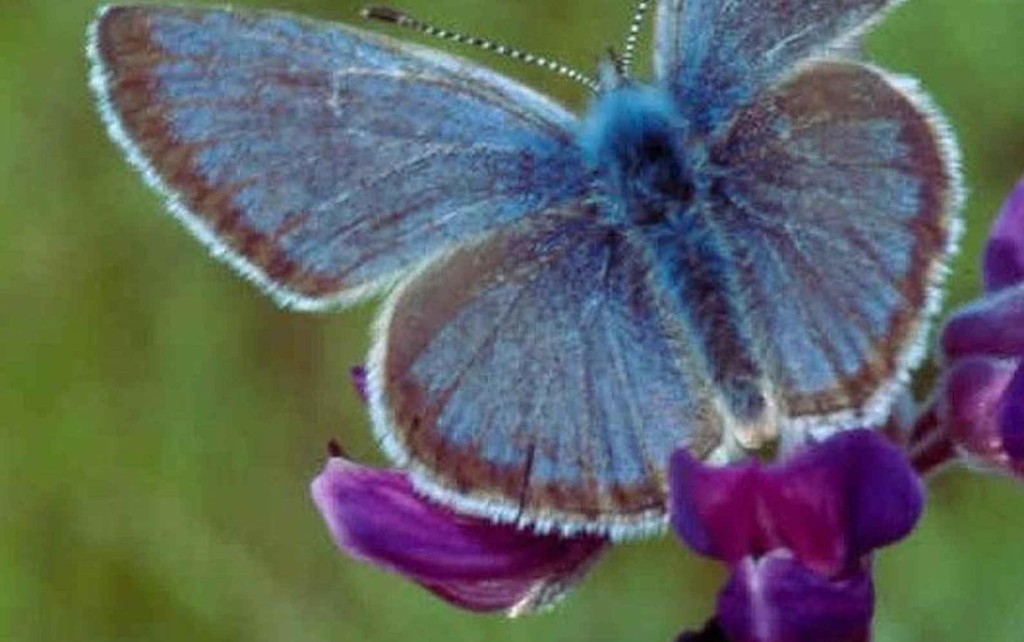
Efforts to Save Endangered Blue Butterfly Quadruples its Population–but Also Saves a Lupine from Extinction

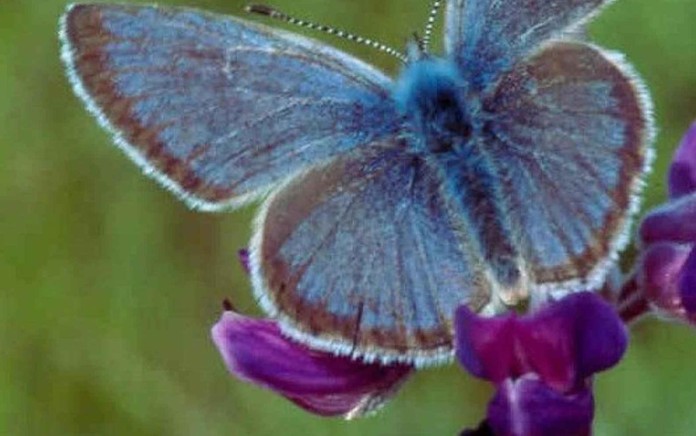
Female and male Fender’s blue butterflies

In the Willamette Valley of Oregon, the long study of a butterfly once thought extinct has led to a chain reaction of conservation in a long-cultivated region.

The conservation work, along with helping other species, has been so successful that the Fender’s blue butterfly is slated to be downlisted from Endangered to Threatened on the Endangered Species List—only the second time an insect has made such a recovery.

To live out its nectar-drinking existence in the upland prairie ecosystem in northwest Oregon, Fender’s blue relies on the help of other species, including humans, but also ants, and a particular species of lupine.

After Fender’s blue was rediscovered in the 1980s, 50 years after being declared extinct, scientists realized that the net had to be cast wide to ensure its continued survival; work which is now restoring these upland ecosystems to their pre-colonial state, welcoming indigenous knowledge back onto the land, and spreading the Kincaid lupine around the Willamette Valley.

First collected in 1929, Fender’s blue disappeared for decades. By the time it was rediscovered only 3,400 or so were estimated to exist, while much of the Willamette Valley that was its home had been turned over to farming on the lowland prairie, and grazing on the slopes and buttes.

Now its numbers have quadrupled, largely due to a recovery plan enacted by the Fish and Wildlife Service that targeted the revival at scale of Kincaid’s lupine, a perennial flower of equal rarity. Grown en-masse by inmates of correctional facility programs that teach green-thumb skills for when they rejoin society, these finicky flowers have also exploded in numbers.

RELATED: Wintering Monarch Butterflies Bounce Back in Mexico – Numbers Surge by 35%

The lupines needed the kind of upland prairie that’s now hard to find in the valley where they once flourished because of the native Kalapuya people’s regular cultural burning of the meadows.

While it sounds counterintuitive to burn a meadow to increase numbers of flowers and butterflies, grasses and forbs become too dense in the absence of such disturbances, while their fine soil building eventually creates ideal terrain for woody shrubs, trees, and thus the end of the grassland altogether.

Fender’s blue caterpillars produce a little bit of nectar, which nearby ants eat. This has led over evolutionary time to a co-dependent relationship, where the ants actively protect the caterpillars. High grasses and woody shrubs however prevent the ants from finding the caterpillars, who are then preyed on by other insects.

SIMILAR: California Tribe Reignites Age-Old Practice of Intermittent Burns to Prevent Wildfires

Now the Confederated Tribes of Grand Ronde are being welcomed back onto these prairie landscapes to apply their burning of ages past, after the FWS discovered that actively managing the grasslands by removing invasive species and keeping the grass short allowed the lupines to flourish.

By restoring the lupines with sweat and fire, the butterflies have returned. There are now more than 10,000 found on the buttes of the Willamette Valley.

FLUTTER This Story Over To Your Friends’ Social Media… 

“Knot by knot I untie myself from the past… And let it rise away from me like a balloon.” – Charles Wright

Quote of the Day: “Knot by knot I untie myself from the past… And let it rise away from me like a balloon.” – Charles Wright

Photo by: Aaron Burden

With a new inspirational quote every day, atop the perfect photo—collected and archived on our Quotes page—why not bookmark GNN.org for a daily uplift?

Looking for an Uplifting Holiday Gift? Bestselling Kindness Book is 40% off—Perfect for Friends, Teams, Clients, Family

We’re always looking for books that inspire us to feel optimistic and positive about the world, and we are loving this one: HumanKind: Changing the World One Small Act At a Time.

Author Brad Aronson was inspired to write HumanKind when his family went through one of the most difficult times of their lives. His wife, Mia, was in the middle of two and a half years of treatment for leukemia when a patient advocate suggested that Mia, Brad, and their five-year-old son, Jack, create projects to provide a purpose, a distraction and a focus for the hours they were spending in the hospital every week.

For Brad’s project, he wrote about the small acts of kindness by friends and strangers that carried his family through Mia’s treatment and recovery.

But when he was done, he felt compelled to keep going. What about all the other stories out there? Other stories about seemingly small acts of kindness that had an extraordinary impact, often changing thousands of lives? He decided to seek them out—and those are the golden threads that weave a heartfelt tapestry in this book.

In HumanKind you’ll meet Rita Schiavone, who decided to cook an extra portion of dinner every night to feed to someone in need. Her evening ritual led to a movement that now provides more than 500,000 meals a year. You’ll also meet Larry Stewart, who was homeless when he received a $20 gift that inspired him to become a Secret Santa when he got back on his feet. He went on to give a total of $1.5 million to strangers in need and build a team of thousands who serve their own communities as Secret Santas. Then there’s 6-year-old Gabriel, whose simple request started a global kindness movement. You’ll meet many, many more heroes like these, as well.

HumanKind will inspire you to see the good in the world—and join in. Each chapter concludes with a ‘What We Can Do’ section, containing practical opportunities for how we can all help. And the ‘Hall of Fame’ at the end of the book has a well-vetted list of nonprofits that can guide you to easily channel your energies for good.

The pages will leave you feeling warm and grateful. And in keeping with the book’s theme, all proceeds from this national bestseller go to the nonprofit Big Brothers Big Sisters. So far, the bestselling book has raised over $110,000.

HumanKind is a great gift for employees, clients and friends. A 47% discount on 5 or more copies is available at the author’s website. You can also purchase copies at Amazon and Barnes and Noble and other retailers.