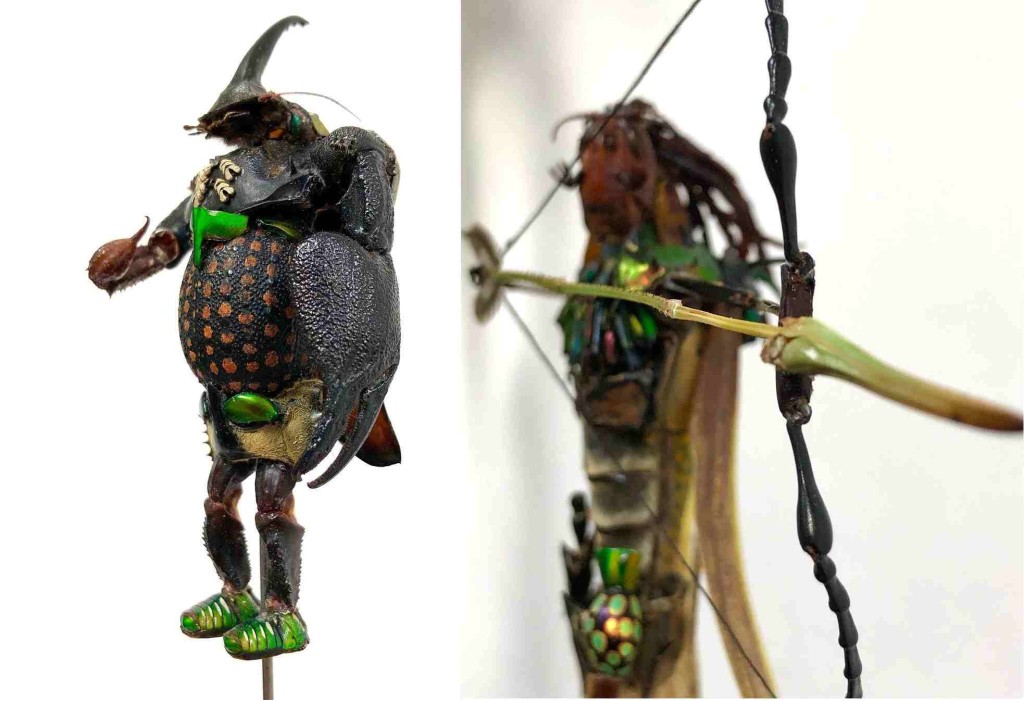
An artistic form of recycling has an artist in Belgium creating exceptionally unique sculptures from the bits, bones, and barbs of insects.
Joos Habraken creates these insectoid sculptures, measuring from 8 to 15 centimeters tall, out of between 30 and 100 pieces of dead insects.
Each sculpture can contain parts from up to 30 individual insect species including beetles, grasshoppers, mantises, and butterflies.
Joos harvests the bug body parts from insects he finds on walks or purchases them from wholesalers.
“I feel like I’m creating a new species with a new life and story,” Joos says. “I start with an archetype like father, mother, witch, or benevolent king. These are things that people know, without them knowing they recognize them.”
Then Joos takes apart the bugs, modifies the pieces he wants to use, and mounts them on a stick before gluing them together.
Joos Habraken / SWNS
“The hardest part is getting the details right because you’re using 30 different bugs, so you don’t know if the head will fit the body,” said the 28-year-old rock climbing instructor from Ghent, Belgium.
Each piece takes between 30 and 40 hours of work and Joos makes three or four pieces a year. So far, he’s sold every piece he’s made, with the exception of the last three, as he is preparing for an exhibition.
The figures come with their own detailed backstories and portray characters and species from a fictional universe.
Credit Joos Habraken – SWNS
“It’s definitely therapeutic and meditative to create these, but I don’t think about what it brings to me, it’s just the creation of something beautiful,” said Joos.
“100% of the time people are interested when I tell them, they ask what I mean, then I show them and they love them.”
“Sometimes I don’t touch my art for a month. You just don’t always have the time, but it’s always nice to come back and see the work come together, that moment is just a super good feeling.”
WATCH Joos at work below…
CREATE Some Buzz For This Clever Artists’ Sculptures On Social Media…
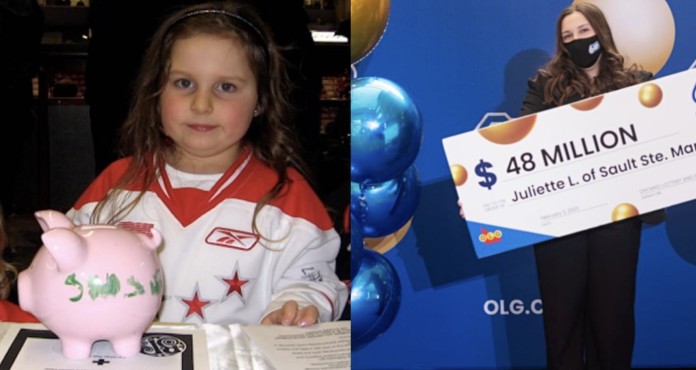
Juliette Lamour family photo / Ontario Lottery and Gaming
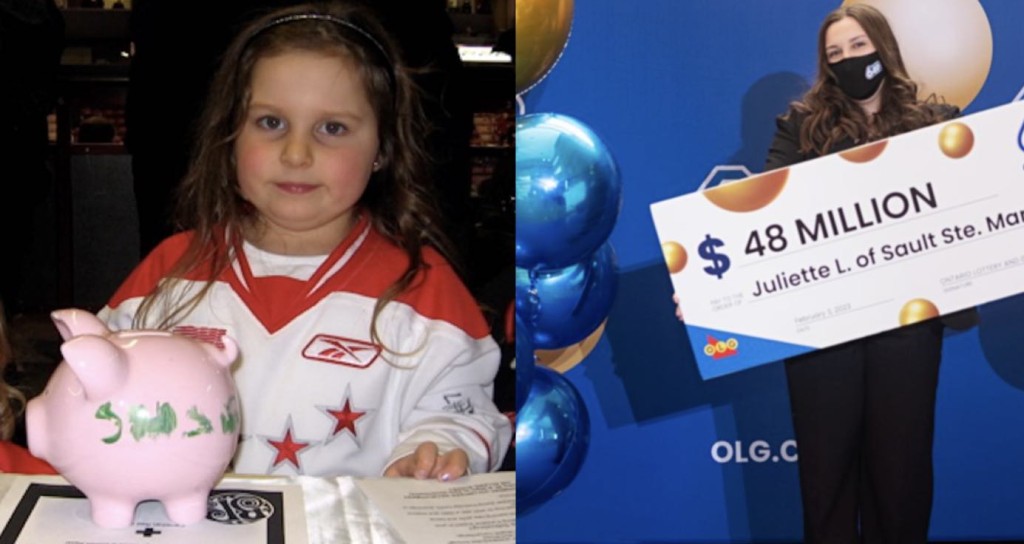
Juliette Lamour family photo / Ontario Lottery and Gaming
A delightful story from northern Ontario saw a 5-year-old girl’s good Karma wait 13 years to reward her.
Juliette Lamour won the state’s second-largest lottery jackpot in history, CAD$48 million, on her first-ever try. Local news from her home city of Sault Saint Marie revealed a touching side of the story—that at 5 years old Lamour made a very big act of charity, and the suggestion that her generosity has been rewarded is impossible to resist making.
It was 2010 and the island nation of Haiti had just been ravaged by an earthquake. Aid organizations from across the world rushed to help the people of the obliterated country stabilize and recover.
At the Sault Ste. Marie Greyhounds hockey team ice rink a branch of the Canadian Red Cross had set up a table to help raise money for Haiti, and Juliette and her sister Sophie were determined to help.
They upturned their big pink sharing piggy bank that day, out of which came $61.38.
Then last week, Juliette stepped forward as a young woman to claim the $48 million prize at the Ontario lottery offices.
She told Soo Today that she was on her way to bring her grandfather some ice cream.
“I called him on the phone asking what kind of ice cream he wanted,” she recalled. “And he said to me: ‘You just turned 18, go buy a lotto ticket, test your luck.’ So I did.”
“I got to the corner store and I’m in my car—and I didn’t know how to buy it,” she said laughing. “So I had to call my dad. I said: ‘Dad, Grandpa wants me to buy a ticket. How do I do it?’ He’s like: ‘Oh, just go inside and get a QuickPick.’”
Fortunately for Lamour, her father is a financial advisor, so it’s unlikely to burn a hole in her pocket.
Preparatory work began this week to restore the sharp spire atop the Cathedral of Notre Dame in Paris as the destroyed monument continues on track for a late-2024 reopening.
Scaffolding has been set up, and custom-cut stones for the spire’s base were recently delivered by barge along the River Seine as they would have been during the last spire’s construction in the 19th century.
It’s been almost 4 years since the iconic building was devastated by a fire, and the reconstruction has been going according to schedule. Early hopes were that it would be ready to welcome visitors for the Summer Olympics in Paris next year, but a December completion seems more likely.
At the moment, December 8th, the Feast of the Immaculate Conception, is the target.
The original spire was designed by architect Eugene Viollet-Le-Duc, and the replacement has been made as an exact replica out of 500 tons of oak, with another 250 tons of lead for the covering and ornaments.
The collapse of the spire was described as one of the most dramatic moments of the fire.
Notre Dame fire CBS News-YouTube-only use once
Once completed, the spire will be 100 meters tall. France24 recently released the second mini-doc looking at how the restoration work is going—available here in English.
The French government has repeatedly assured the people of Europe that extreme precautions are being taken to prevent lead poisoning in the environment or the workers.
An update on the reconstruction GNN published last year, detailed how the original cathedral had a huge amount of lead used on the roof, which the fire melted down into the depths of the building. After it cooled, chipping the toxic metal off the surviving stone and wood became the majority of the cleanup work.
In the meantime, restoration work uncovered multiple stone tombs and a lead sarcophagus among the lowest foundations of the cathedral in a remarkable discovery. The sarcophagus contained the remains of a religious leader from the 13th century.
SHARE This Nice Notre Dame Update With Your Friends…
Always keen to anthropomorphize their robots, NASA put out a social media post of one of their Mars rovers coming upon an exciting discovery.
Putting words into the Curiosity rover’s mouth as it lazily dug around in the dirt, the rover said, ‘Rock. Rock. Rock. Rock. Rock. Rock. METEORITE!’
“This one’s about a foot wide and made of iron-nickel,” ‘said’ the Curiosity Rover on Twitter. “We’re calling it ‘Cacao.'”
Sent to explore a region of Mars called Gale Crater, as well as to climb Mount Sharp, Curiosity has been roving 3,725 Martian days, or just over 10 years of Earth days.
It’s not uncommon for the robot geologist to discover a meteorite, and in fact, the NASA tweet included pictures of other meteorites it’s found on the Red Plant over the years.
Here's another meteorite I found in 2016. It's called "Egg Rock" aka the golf ball
A commenter asked why they appear to be sitting on the surface of Mars like regular stones, to which the rover replied that the craters they would have made upon impact were likely filled in and then eroded away, leaving only the hardest materials behind.
Curiosity’s Mast Camera, or Mastcam, took a panorama of Cacao with its 100-millimeter focal length lens. The panorama is made up of 19 individual images that were stitched together after being sent to Earth.
The color has been adjusted to match lighting conditions as the human eye would perceive them on Earth.
SHARE This Fun Update From Our Courageous Robot With Your Friends…
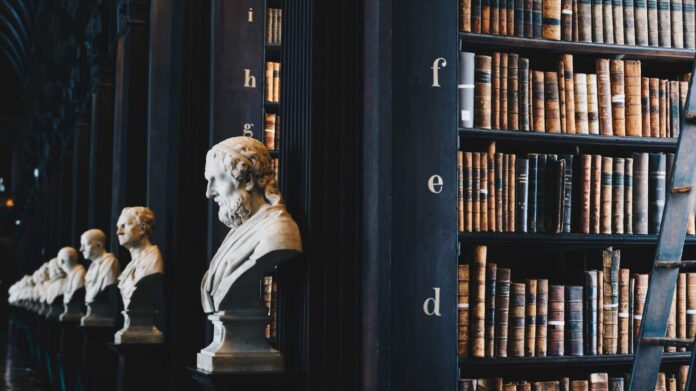
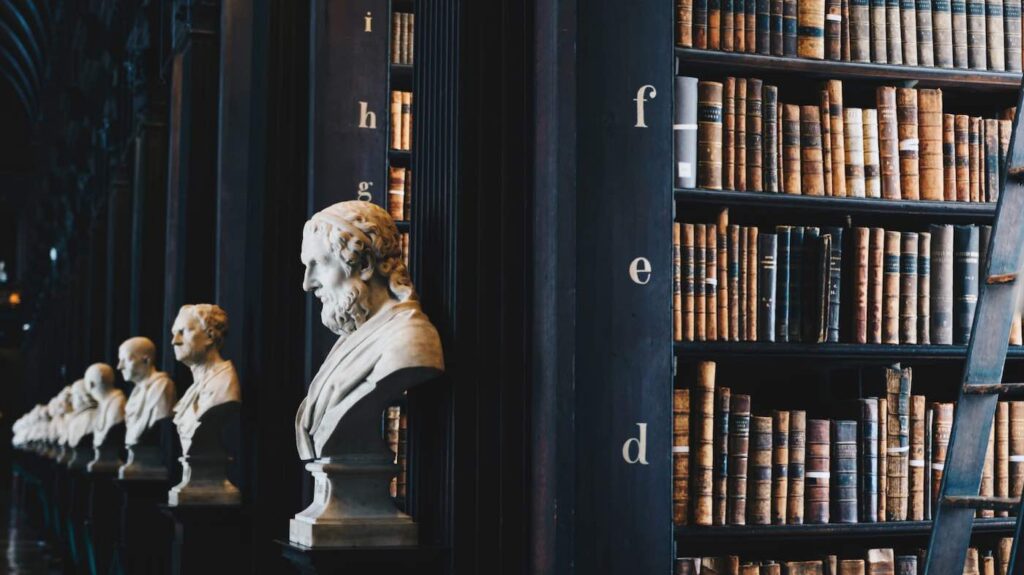
Quote of the Day: “There’s no knowledge that is not power.” – Ralph Waldo Emerson
Image: Giammarco Boscaro
With a new inspirational quote every day, atop the perfect photo—collected and archived on our Quotes page—why not bookmark GNN.org for a daily uplift?
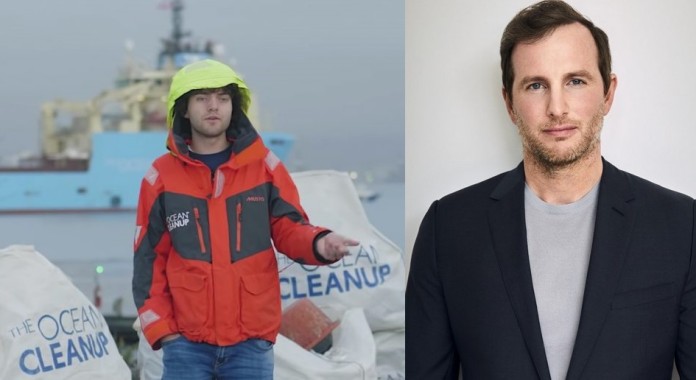
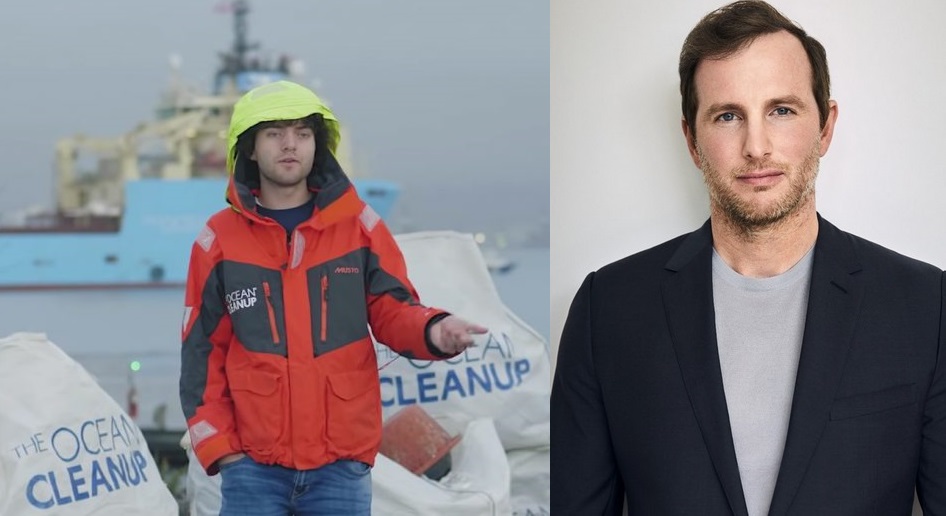
Boyan Slat, Founder of The Ocean Cleanup, and Joe Geddia, Co-Founder of Airbnb - Released
Boyan Slat, Founder of The Ocean Cleanup, and Joe Gebbia, Co-Founder of Airbnb – Released
The co-founder of Airbnb.org has just donated $25 million to support the Dutch nonprofit The Ocean Cleanup as they prepare to assemble and deploy the largest plastic capture system ever developed for use in the ocean.
The Ocean Cleanup’s pilot-scale ocean cleaning system, System 002, has been deployed in the Great Pacific Garbage Patch (GPGP) located between Hawai’i and California since late 2021. It has so far removed close to 200,000 kilograms, or roughly 440,000 pounds, of plastic that otherwise would have remained trapped for decades or more.
This pilot system is now in the process of being scaled up to the largest, most cost-effective ocean cleaning system ever developed, and will feature a capture area 2.5 kilometers (1.5 miles) across, and a three-vessel team that will allow it to operate 24-7.
“I’m proud to partner with The Ocean Cleanup in their crucial work to remove harmful plastics from our oceans,” said Joe Gebbia, co-founder of Airbnb and Samara. “The Ocean Cleanup has created systems and technology that actually work at scale. In order for them to deploy across our oceans and rivers, they now need to scale their funding. It is my hope that this donation can inspire others to act.”
As the only group currently cleaning the trillions of plastic pieces in the GPGP, The Ocean Cleanup has streamlined their cleaning systems to be as cost-effective as possible, allowing their entirely not-for-profit income generation and any potential donations to go far.
Dutch wiz kid and Ocean Cleanup founder Boyan Slat has been developing the capture system for a decade, and has gradually enlarged and improved it based on fieldwork harvesting plastic from the GPGP. System 03, cleans ten times faster than the previous system and could clean all the plastic patches of the world’s oceans with about 10-50 systems.
“Joe’s continued support of The Ocean Cleanup’s mission has a direct impact on our operations all over the world,” said Slat. “Thanks, in part, to his generous assistance, we are able to scale up our work in oceans and rivers, helping us reach our goal of ridding the world’s oceans of plastic. On behalf of the world’s largest ecosystem, we are immensely grateful for the support.”
Slat’s work in the GPGP will go down as one of the greatest accomplishments in the 21st century. In front of him was a true leviathan of a problem—a patch of plastic trash twice the size of Texas swirling in International Waters where even the loudest climate-hollering nation-state had no desire to even crack an idea about how to clean it.
Relying only on his team, and his vision of basic scientific deduction and elegant engineering solutions, Slat proved that the most absurd problem was nevertheless solvable.
His vision attracted millions in private contributions from philanthropists like Gebbia, even while government scientists sneered at his use of fossil-fuel vessels to pull the nets to capture the plastic.
WATCH the explanation of the new cleanup system below…
SHARE This News Of Corporate Philanthropy With Your Friends…
The threat of antibiotic-resistant bacterial infections has been growing across human civilization for years, but a new look at a plant pathogen discovered years ago reveals a potential new method of combating it—an antibacterial agent that works like nothing else deployed in medicine.
Called albicidin, it belongs to a pathogen that causes a disease in sugarcane called leaf scald, but also seems to attack bacteria in a completely different way than common antibiotics like fluoroquinolones.
A new study looking at the mechanism used by albicidin to attack lifeforms found that it works as a DNA topoisomerase inhibitor.
Topoisomerases are nuclear enzymes that play essential roles in DNA replication, transcription, chromosome segregation, and recombination. In the study, albicidin was found to efficiently lock DNA gyrase in antibiotic-resistant E. coli, caused double-strand DNA breaks, and eventual cell death.
“We could not elicit any resistance towards albicidin in the laboratory,” said Dmitry Ghilarov, one of the researchers in a British-German-Polish group that studied the potential antibiotic at the John Innes Center in Norwich, UK.
“That is why we are really excited—because we think it will be very hard for bacteria to evolve resistance against albicidin-derived antibiotics.”
Antibiotic-resistant bacterial infections are one of the biggest challenges in conventional medicine today. Far more dangerous in terms of case fatality and total fatality than COVID-19 has ever been, developing new methods of fighting these infections has nevertheless been a task largely ignored by major pharma companies.
“Now we have a structural understanding, we can create modifications of albicidin to improve its efficacy and pharmacological properties,” said Ghilarov.
“We believe this is one of the most exciting new antibiotic candidates in many years. It has extremely high effectiveness in small concentrations and is highly potent against pathogenic bacteria—even those resistant to the widely used antibiotics such as fluoroquinolones.”
Animal infection models have already established both safety and efficacy in two derivatives of ablicidin.
Furthermore, the researchers write in their study that inhibitors of DNA gyrase represent an untapped reservoir of potential antibiotic compounds, and building a broad understanding of one will help expand the field outward, potentially turning over new leaves in the development of a whole new class of pharmaceuticals.
SHARE This Hopeful Development From The World Of Medicine With Your Friends..
An elderly Belgian man was able to meet the descendants of a neighbor who saved him from the Holocaust after his perseverant son and a helpful geneticist managed to track down his grandchildren.
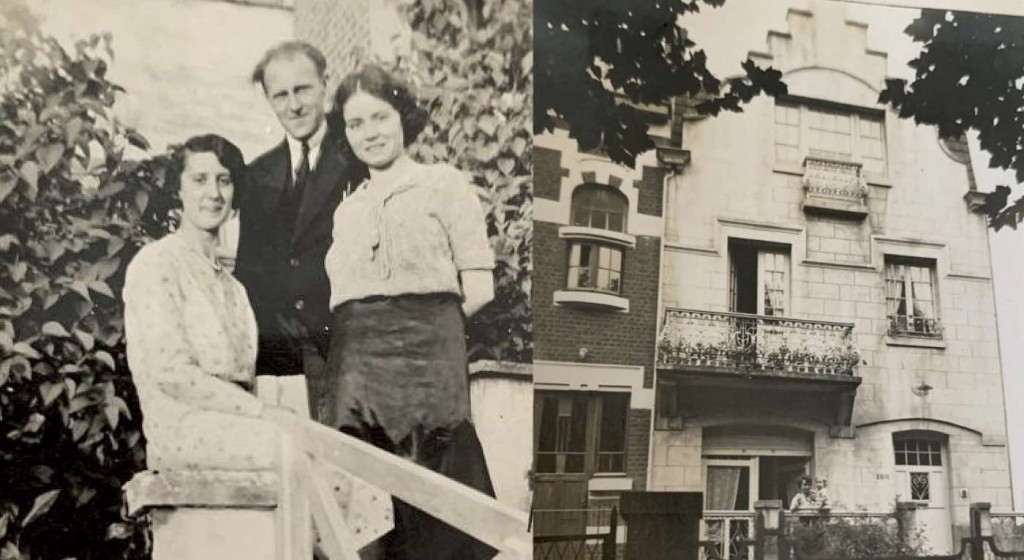
The meeting was organized in the same house where a 5-year-old David Rossler was hidden along with his mother. Now 85, Rossler had a chance to thank the grandchildren for what their grandfather, Georges Bourlet, had done.
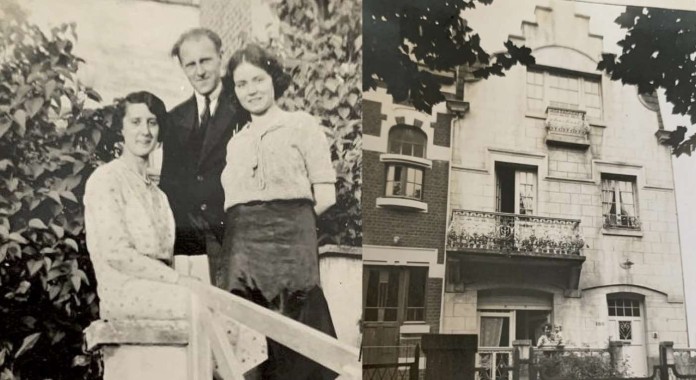
Mr. Bourlet lived in Auderghem, Brussels with his four adolescent children, Paul, Jacques, Anne-Marie, and Christiane. Together they gave shelter to Rossler and his mother towards the end of the war in 1944 after Rossler’s uncle and grandfather had already been seized and sent to Auschwitz.
In the present day, David Rossler’s son Lionel has tried for years to find the family that hid his father and grandmother. Thanks to social media and genealogist Marie Cappart at MyHeritage, he was able to track down Anne-Marie’s son Xavier.
“After browsing records and cross-referencing data, Marie found an Anne-Marie Bourlet, born in Auderghem in 1929,” said Lionel. “She discovered that Anne-Marie married someone with the surname Dedoncker and had five children—all of them possibly still alive.”
“After a bit more research, Cappart found Xavier, one of Georges Bourlet’s grandsons, and managed to contact him.”
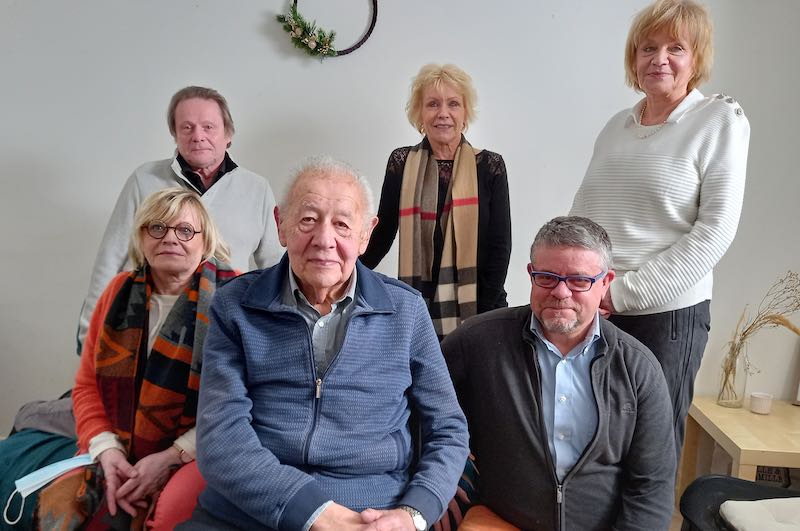
L-R back: Bernard Moens, Anne Moens, Pascale Moens. L-R front: Christine Moens, David Rossler, Xavier Dedoncker – SWNS
Through Xavier, Cappart got in contact with all five grandchildren of Georges Bourlet and explained that Lionel hoped to be able to introduce them to David whom their grandfather had saved when he was just a boy. It became clear that one of the grandchildren lived in the very house that David was hidden in, after which a meeting was set up there.
“It was an incredibly emotional day for us,” Lionel explained. “I was able to see, with my own eyes, the place where my father was kept safe from the Germans all those years ago.”
“If I had Mr. Bourlet in front of me, I would want to kiss him,” said David. “To say thank you with all my body, with all my life, I am alive, I have a family of which I am very, very, very proud of. To tell him that my life is thanks to him.”
“Nine people were saved thanks to what he did,” Lionel added. “My brother, myself, and our children would not be here today if not for his courage and kindness.
“In Jewish tradition, there is a saying that ‘he who saves one life saves all of humanity’ – Georges Bourlet saved humanity nine times over We are submitting our testimony to Yad Vashem in hopes that he will be recognized for his heroism and granted the title of ‘Righteous Among the Nations,'” said Lionel, referencing the Israeli civilian honor for those who risked their lives to save Jews during the Holocaust.
SHARE This Inspiring Story Of Rescue, Humanity, And Reunion On Social Media…
The pomegranate bush represents Katherine of Aragon while the Tudor rose represents Henry VIII. Credit: The Trustees of the British Museum
The pomegranate bush represents Katherine of Aragon while the Tudor rose represents Henry VIII. Credit: The Trustees of the British Museum
“People say it’s like winning the lottery; it’s not. People actually win the lottery. When was the last time a crown jewel was unearthed?”
Those were the words of Birmingham cafe owner Charlie Clark who after just 6-months of metal detecting as a hobby, found the treasure of a lifetime.
Elbows-deep in a field in Warwickshire after a day of turning up junk, Clark found a 300-gram necklace of 24-carat gold that is believed to have either belonged to or commissioned as a present for, King Henry VIII and his first wife Katherine of Aragon.
Despite seeming too good to be true, the curator of Renaissance Europe at the British Museum, Rachel King, confirms that the find is genuine, but what it was doing buried in a field in Warwickshire, and what its connection was to the King and his wife, are questions that as of now have no answer.
“In the British Museum, we’ve got the largest collection of objects from the early Tudor periods in precious metal; none of them are anything like this,” said King, explaining that the archives and collections were scoured for any scrap of evidence that might place the pendant and chain in the King’s possession.
The pendant bears the initials H and K on one side. Further evidence of its royal designation comes from the design on the front—a Tudor rose formed by precious stones, and a pomegranite bush, the latter the symbol of Katherine’s house. Lastly, a “Franglais pun” on the underside reads TOV IOURS, a blend between the translations of Toujours and All Yours, IOURS being the Old English spelling.
One hypothesis of its origin was that it was made by a wealthy courtier to be a present for them, but that it was perhaps never delivered or stolen. Another theory was that it could have been made for one of the tournaments which Henry VIII was so fond of putting on.
The pendant was deemed treasure under the UK’s Treasure Act which allows the government to buy archaeological and historical finds for fair market value based on metal and antiquity trades. 96% of all treasure finds between 2,020 and 2,022 were found by metel detectives.
The sum has not been released, but Mr. Clark said it will be split with the landowner of the field in which he found the pendant, and spent to give his son a first-class education.
Quote of the Day: “You can be a con or a man. You can’t be both.” – FBI Agent Peter Burke (from the TV Series, White Collar, about a conman)
Image: Joshua Earle
With a new inspirational quote every day, atop the perfect photo—collected and archived on our Quotes page—why not bookmark GNN.org for a daily uplift?
A large trial investigating the effectiveness of a celery-seed-derived neuroprotectant drug for use in ischemic stroke cases has shown significant promise.
Patients given the medicine called butylphthalide had a 70% better chance of improved neurological and general living outcomes 90 days post-stroke, a finding generated from a little over 1,000 cases.
Butylphthalide is already approved for use in treating strokes in China. Currently though, the FDA has not approved it for any use.
How butylphthalide works isn’t clear, with animal studies suggesting various possible mechanisms. It may help protect brain tissue from damage when the supply of oxygenated blood is cut off and it works alongside existing clot-busting drugs or procedures to remove blood clots in ischemic stroke conditions.
The trial consisted of 1,216 patients who were admitted for stroke in China where the drug is approved for use, and given it alongside a tissue plasminogen activator (tPA) and/or a mechanical clot removal procedure—two primary means of dealing with ischemic, or clot strokes.
Every year, more than 795,000 people in the United States have a stroke, with 87% of these being ischemic ones. The burden of these events is large, and they are a leading cause of disability in the elderly.
“This is the first trial to show the benefit of using a medication that protects the brain from damage caused by a lack of oxygen to brain tissue. The medication was given to patients with acute ischemic stroke who were also receiving treatment to restore blood flow to the brain,” said Baixue Jia, M.D., co-author of the study.
The patients were then analyzed for stroke symptoms 90 days after the event, and those who had received the celery-seed-derived butylphthalide fared better 70% of the time compared to placebo.
“The next step should be investigating the exact mechanisms of butylphthalide in humans,” Jia said. Other authors noted that the relation between the medication and eating celery seed or celery should not be considered as existent, since it is merely derived from the vegetable.
There are other options for clearing blood clots, so the study is limited to the fact that the patients only received two of the available methods.
The results will soon be presented to the International Stroke Conference this week in Dallas, Texas.
SHARE These Encouraging Findings With Your Friends…
Mr Butler's child on the trike - retrieved from KCRA, YouTube.
Mr. Butler’s child on the trike – retrieved from KCRA, YouTube.
No gas is no problem for one Stockton CA inventor who created a solar-powered tricycle that’s really catching on.
Milton Butler’s invention uses two batteries and a small electric motor gathered up in a normal plastic storage bin to power three bicycle wheels and is allowing his family to save money on $5.00 per-gallon gasoline.
He says he built the contraption based on something he saw in his dreams, and out of things he had lying around in his garage.
“I’m an inventor and that’s all I know how to do. I invented something that people can use everywhere,” said Milton Butler of his idea. “It came to me in my sleep and I saw how the sun is always out, so I went and got my boys and we built something that we can use from the sun.”
Butler told KCRA that a friend of his asked about the trike on behalf of a man from the other side of the world in The Philippines, who complained about $11.00 gas and 14 hours of sunlight per day.
In December Butler was hoping to drive the “Duckie” as it’s called, downtown to city hall and hopefully show off his newly-patented device.
The name comes from his late wife who did “everything perfect,” in Milton’s eyes. Currently, Mr. Butler is in the funding and development phase looking for investors who are committed to creating a better world.
WATCH Milton’s kids drive about in their tricycle…
WATCH This Inspiring Invention From A Brilliant Mind…
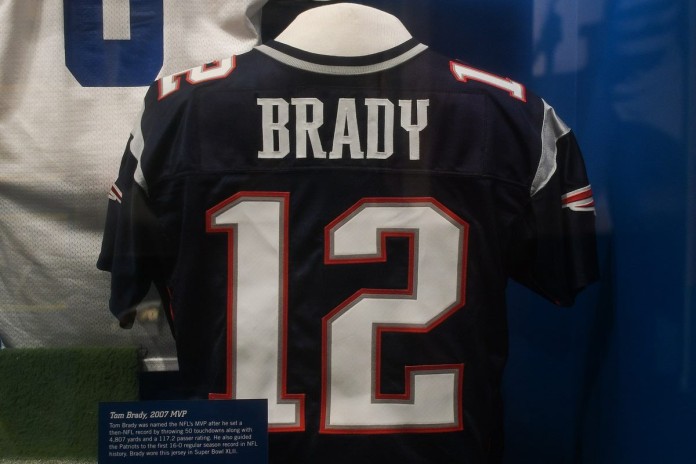
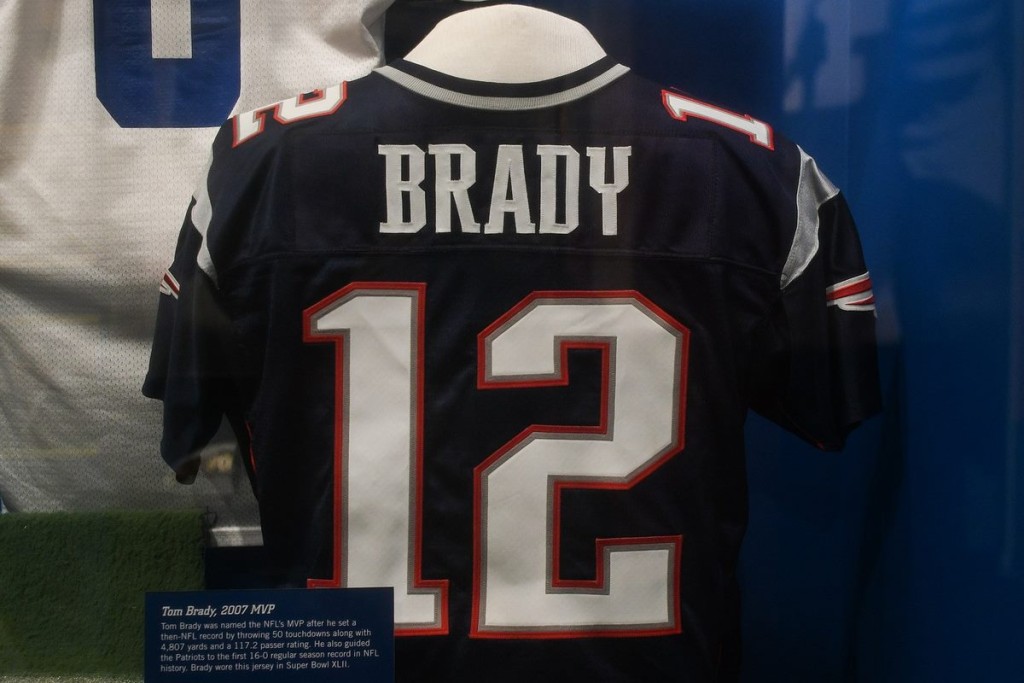
Brady's 2007 Jersey NFL Hall of Fame - CC 2.0. Erik Drost
Brady’s 2007 Jersey NFL Hall of Fame – CC 2.0. Erik Drost
23 years ago, Thomas Patrick Edward Brady Jr. was signed as a 6th-round draft pick. As of his current official retirement announcement on the 1st of February, 2023, he holds nearly every NFL quarterback record.
However, it might, even now, not be the end of the road for the 45-year-old. New England Patriots owner Robert Kraft has said he would offer the greatest quarterback of all time a 1-day contract so that he could retire as a Patriot.
“Not only do I want it, our fans are clamoring for it and to us, he always has been and always will be a Patriot,” Kraft continued at a press conference.
“We’ll do everything we can in our power to bring him back, sign off as a Patriot and find ways to honor him for many years to come. He did so much to bring life and good cheer to our community and he’s a beloved figure and he’s earned the respect and love that people feel for him like no other athlete in our town and we’ve had some great ones.”
After two decades of unprecedented dominance as the star of the Patriots, Brady did one of the hardest things to do in sport—transfer to another team and continue winning exactly as before. When Brady won Super Bowl LV with the Tampa Bay Buccaneers, it was only the 7th time in history that the Wildcard team won it, and also the first time Tampa Bay had.
He became the second player in history to win the Super Bowl with two different teams, but the first to win Super Bowl MVP with two different teams.
Brady retires with more NFL championship wins than any other player and holds countless records for passing, wins, touchdowns, and individual accolades.
Perhaps a good method of summarizing his performance was recently written in a CBS report, which was that if one divides Brady’s career into three decades, each one would mark a Hall of Fame-worthy career.
“Words cannot adequately express the gratitude my family, the New England Patriots and our fans have for everything he has done,” Kraft continued in a statement.
“It’s been a blessing for me to watch him grow, first as a young professional on the field, but most importantly, as a person off it. He is one of the most loving, caring and passionate players I have ever known and I will always consider him a part of our family.”
SHARE Around This Fitting End To The GOAT’s Career…
A kayaker got more than he bargained for when he set off hoping to encounter some beluga whales.
His innovative approach of conducting marine biology by singing at the top of his lungs actually managed to draw in a pod of these smaller whales who began to interact with his kayak.
After a period of elation and disbelief, he threw on a scuba mask and began to dive and swim near the animals, singing as he went.
In the most incredible inter-species duet one is likely to hear, the belugas actually began to sing back to him with their chirps and trills.
We’ll leave it to the scientists to make determinations of what exactly these intelligent marine mammals were doing, but beluga whales do communicate via high-frequency sounds that could resemble singing in the auditory environment of the ocean.
YouTube commenters noted nice it was for the belugas to join in, but that rightly detailed that unfortunately, the little whales shouldn’t take the strange singing man home—humans belong in the wild.
Quote of the Day: “Wisdom is sweeter than honey, brings more joy than wine, illumines more than the sun, is more precious than jewels.” – the Queen of Sheba, from Kebra Nagast, a (translated) 14th-century epic text from Ethiopia
Image: Josh Hild
With a new inspirational quote every day, atop the perfect photo—collected and archived on our Quotes page—why not bookmark GNN.org for a daily uplift?
Hanging out in a local park, lake, or garden really could be an antidote to ill health for people who live in cities, according to a recent study from Finland.
Researchers found lower use of drugs for depression, anxiety, insomnia, high blood pressure, and asthma among urban residents who often visit green spaces—regardless of their income or level of education.
The Finnish team said that the frequency of visits to urban green spaces, rather than simply viewing them from your house, was key.
Previous studies have suggested that exposure to natural environments is good for health and well-being, but the evidence is inconsistent.
The Finnish team looked at the number of green and blue spaces (bodies of water) within a community, then compared those to both the frequency of visits, and the views of such spaces from home, to see if they were separately associated with the use of certain prescription medications.
They chose prescription meds as a proxy for ill health and those for anxiety and insomnia, depression, high blood pressure, and asthma, in particular, because they are used to treat common and potentially serious health issues.
They drew on the responses of 16,000 randomly selected residents of Helsinki, Espoo, and Vantaa—the three cities making up the largest urban area in Finland.
The survey gathered information on how city dwellers over the age of 25 experience residential green and blue spaces within a one-kilometer radius of home.
Participants were also asked to report their use of prescribed meds—drugs collectively known as mental health drugs used for insomnia and depression, as well as high blood pressure and asthma drugs—for periods ranging from within the past week, within the past year, or never.
They were also asked how often they spent time, or exercised outdoors, in green spaces, during May and September, with options ranging from never to five or more times a week.
Participants reported whether they could see green or blue spaces from any of their windows at home, and if so, how often they took in those views, with options ranging from seldom to often.
Potentially influential factors—including outdoor air pollution and noise, and household income and educational attainment—were also considered.
The findings, published last month in the journal Occupational and Environmental Medicine, showed that neither the number of green/blue spaces nearby, nor views of them through your window, were associated with the use of the studied meds.
But the frequency of visiting the green spaces was.
Compared with less than one weekly visit, visiting three or four times weekly was associated with 33 percent lower odds of using mental health meds, 36 percent lower odds of using blood pressure meds, and 26 percent lower odds of using asthma meds.
Central Park in New York by Ajay Suresh, CC license
“The effects of visiting green spaces were stronger among those reporting the lowest annual household income,” said senior researcher Dr. Anu Turunen. “But overall, the associations found did not depend on household income and educational attainment.”
“These observed associations were weakened when weight was factored in, particularly for asthma meds, as obesity is a known risk factor for asthma,” added Turunen, of the Finnish Institute for Health and Welfare.
Finnish cities are relatively green, making it easy for those willing to use green spaces to access them with minimal effort.
“Mounting scientific evidence supporting the health benefits of nature exposure is likely to increase the supply of quality green spaces in urban environments and promote their active use.
“This might be one way to improve health and welfare in cities.”
SHARE the EASY Health Tip With Friends on Social Media…
Researchers in Australia, an island nation, have successfully split seawater to produce green hydrogen without pre-treatment.
An international chemical engineering team, led by the University of Adelaide’s Professor Shizhang Qiao and Associate Professor Yao Zheng, were motivated by the fact that the only thing emitted by hydrogen fuel is water.
“We have split natural seawater into oxygen and hydrogen with nearly 100 percent efficiency, to produce green hydrogen by electrolysis, using a non-precious and cheap catalyst in a commercial electrolyzer,” said Professor Qiao.
“We used seawater as a feedstock without the need for any pre-treatment processes like reverse osmosis desolation, purification, or alkalization,” said Associate Professor Zheng.
The team reports that the performance of their seawater with catalysts of cobalt oxide and chromium oxide is close to the performance of expensive platinum/iridium catalysts running in a feedstock of highly purified deionized water.
“Increased demand for hydrogen to partially or totally replace energy generated by fossil fuels will significantly increase scarcity of increasingly-limited freshwater resources,” explained Zheng.
Seawater is an almost infinite resource and is considered a natural feedstock electrolyte, which would be very practical for regions with long coastlines and abundant sunlight.
Seawater electrolysis is still in early development compared with pure water electrolysis because of electrode side reactions, and corrosion arising from the complexities of using seawater.
“It is always necessary to treat impure water to a level of water purity for conventional electrolyzers including desalination and deionization, which increases the operation and maintenance cost of the processes,” said Associate Professor Zheng, co-author of the study published in the journal Nature Energy.
“Our work provides a solution to directly utilize seawater without pre-treatment systems and alkali addition, which shows similar performance as that of existing metal-based mature pure water electrolyzer.”
The team will work on scaling up the system by using a larger electrolyzer so that it can be used in commercial processes such as hydrogen generation for fuel cells and ammonia synthesis.
MAKE a SPLASH on Social Media By Sharing the Vision of a Clean Economy…
This is the funny moment a guilty dog cowered into the corner of the bed and refused to look at his owner after destroying an expensive pillow.
Footage uploaded to social media shows owner Marcella Maioli gently scolding her one-year-old dog after she discovered the bits of the pillow strewn about the room.
Frisbee, a border collie and koolie cross, is seen hilariously hiding behind the bed as his mom tells him off.
But she can’t help but giggle over his reaction.
The 27-year-old from Sunshine Coast, in Queensland, Australia, said the pillow cost more than a hundred dollars.
“He has damaged a lot more before, too.”
Enjoy the video…
MAKE Your Friends Giggle By Sharing on Social Media…
Courtesy of Great British School Trip website -Hyundai Motor UK
Almost half of adults in the UK admit their fondest childhood memories include school trips. Nearly one-third even reported that their school trip had such an impact that it shaped their future career path.
But rising costs are making it harder to make school trips happen, which is why Hyundai launched its “Great British School Trip” program last week—to provide 25,000 school children, aged seven to 14, with free excursions.
With the aim of reaching 25,000 young people this academic year, The Great British School trip features free tickets to Disney’s Frozen the Musical and access to historical sites with 95 English Heritage venues.
“When you’re a child, it’s great to get out and bring your learning to life,” said Ashley Andrew, managing director at Hyundai Motor UK. “Getting out of the classroom not only creates memories but fundamentally brings a sense of excitement to a particular school subject.
“Also, school trips are often the first opportunity for a child to gain a sense of independence – so it’s no surprise that many people remember the small things like reserving the back of the bus, and spending time with friends in a new environment.”
Bookings are now open for the initiative, so schools should apply soon, but Hyundai wants to offer grants to as many schools as possible, spending £1 million on the program. They even offer curriculum resources to enhance learning.
Schools will need to bring a minimum of 30 students on the trip and grants will be prioritized in terms of need before being allocated on a first come first served basis.
“We may not be able to offer funding to cover the total costs of your trip, but tell us how much funding you need and we will try to cover as much as possible.”
Simply fill out the application form and wait for a reply to let you know whether your claim was successful. Afterward, schools will need to provide proof of the trip, like a venue booking receipt or a quote from a coach provider.
Trips will cover important subjects such as art, history, and STEM, and all are accompanied by a set of carefully curated curriculum-linked resources, so you know every trip is educationally robust. Choose from four inspirational themes; Imagination and Curiosity, Journeys and Adventures, Breakthroughs and Discoveries, and People and the Planet.
In the survey of UK adults carried out by OnePoll, 66 percent consider school trips to be an essential part of a child’s development.
Two in five also believed the responsibility lies with the school itself to arrange outings for students, but 39 percent feared their youngsters wouldn’t be offered the opportunity to go on any trips during this school year.
Thanks to Hyundai, many will now get the chance.
FAVORITE DESTINATIONS ADULTS REMEMBER FROM SCHOOL TRIPS:
Natural History Museum
Imperial War Museum
Royal Shakespeare Theatre
Houses of Parliament and Big Ben
Cadbury World
SS Great Britain ship tour
Mountains and glaciers of Snowdonia National Park
Cardiff Castle
Edinburgh Castle
Palace of Holyrood in Scotland
Tate Modern museum
Dover Castle
Warwick Castle
Stonehenge
Cheddar Gorge
Hadrian’s Wall
The National Videogame Museum
Birmingham Botanical Gardens
The Gates of 10 Downing Street
SHARE The Great OPPORTUNITY With UK Teachers on Social Media…
Quote of the Day: “Patriotism is not enough. I must have no hatred or bitterness towards anyone.” – Edith Cavell
Image: Stephen Leonardi
With a new inspirational quote every day, atop the perfect photo—collected and archived on our Quotes page—why not bookmark GNN.org for a daily uplift?