












All News - Page 372 of 1714 - Good News Network
Home Blog Page 372

World’s First Ocean-Assisted Carbon Removal Plant Launched in Hawaii

Heimdal
Heimdal

A company in middle of the Pacific has created a unique system that takes advantage of existing infrastructure to pull carbon from the ocean.

The advantage of taking carbon out of the ocean is simple—it holds more carbon in less space than in the air. Furthermore, plenty of machinery already pulls water out of the ocean—desalination plants for example—so it’s a simple matter of connecting the device held in a shipping container to existing systems.

In this case, the Hawai’i-based company Heimdal is taking advantage of the 50th state’s desalination plants on the Big Island.

Once seawater is pumped up into the Heimdal V1, it uses electrolysis to separate hydrogen and oxygen from the carbon-based acids that are warming the sea.

The purified seawater is returned to the ocean sans carbon, and the separated acids are sold as hydrochloric acid—a common manufacturing and laboratory compound that’s produced in factories to satisfy a 20-million-tons-per-year world market.

“When the excess acidity is removed from the ocean, it shifts how CO2 exists back to how it was pre-Industrial Revolution,” Erik Millar, co-CEO of Heimdal, told Fast Company.

RELATED: Scientists Engineer Bacteria to Eat CO2 and Release Valuable Acetone and Isopropyl That are Carbon-Negative

“This moves it away from being carbonic acid, which causes ocean acidification, and toward bicarbonate and carbonate. These are stable forms of mineralized carbon dioxide that make their way down to the ocean floor, where they are stored for more than 100,000 years.”

Heimdal

Breaking the cycle

Key to understanding why carbon in the oceans affects global temperatures is their place in the global carbon cycle. Climate systems are constantly transferring carbon molecules in and out of the soil, around in the atmosphere, and down into the sea.

The oceans have now taken on a third of the all CO2 pumped into the atmosphere, making them warmer and more acidic. Carbon in the ocean will eventually return to the atmosphere, and so withdrawing it while it’s contained in a denser solution (water) means humans call pull more of it out, and at a faster rate.

MORE: City Trees and Soil Are Sucking More Carbon Out of the Atmosphere Than We Thought

To that end, each Heimdal, deployed in its shipping container, can pull 1,000 tons of carbon out of the ocean per year at just a fraction of the cost of air-capture methods. At its current prototype, Heimdal pulls carbon out of the sea at around $475 per ton, but future plants should manage 5,000 tons a year±and for less than $200 per ton.

If industry interests in buying carbon offsets continue as they have, Heimdal predicts they could be managing five million per year in just five years’ time.

SHARE the Good Green News From the Big Island With Friends…

“Remember that you will never reach a higher standard than you yourself set.” – Ellen G. White

Quote of the Day: “Remember that you will never reach a higher standard than you yourself set.” – Ellen G. White

Photo by: Zac Durant

With a new inspirational quote every day, atop the perfect photo—collected and archived on our Quotes page—why not bookmark GNN.org for a daily uplift?

Portable Wind Turbine Fits in Your Backpack to Charge All Your Electronics – And Only Adds 3 Lbs

Shine / Kickstarter video
Aurea Technologies

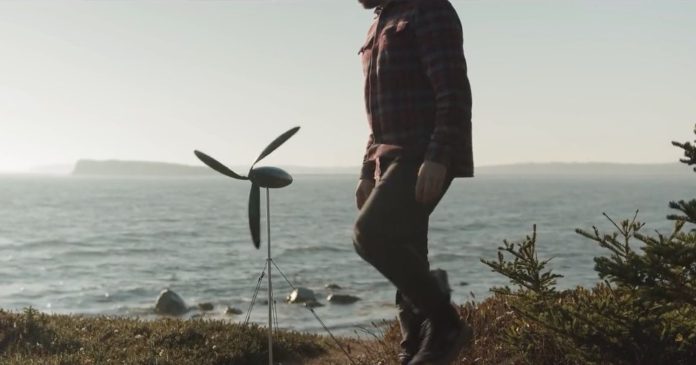
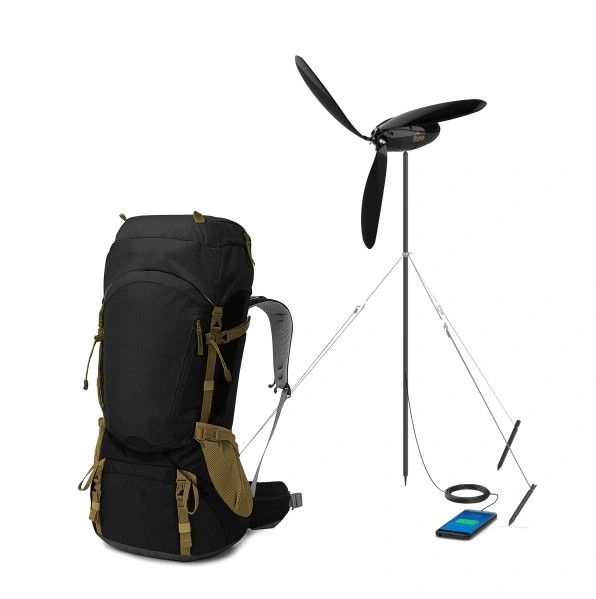
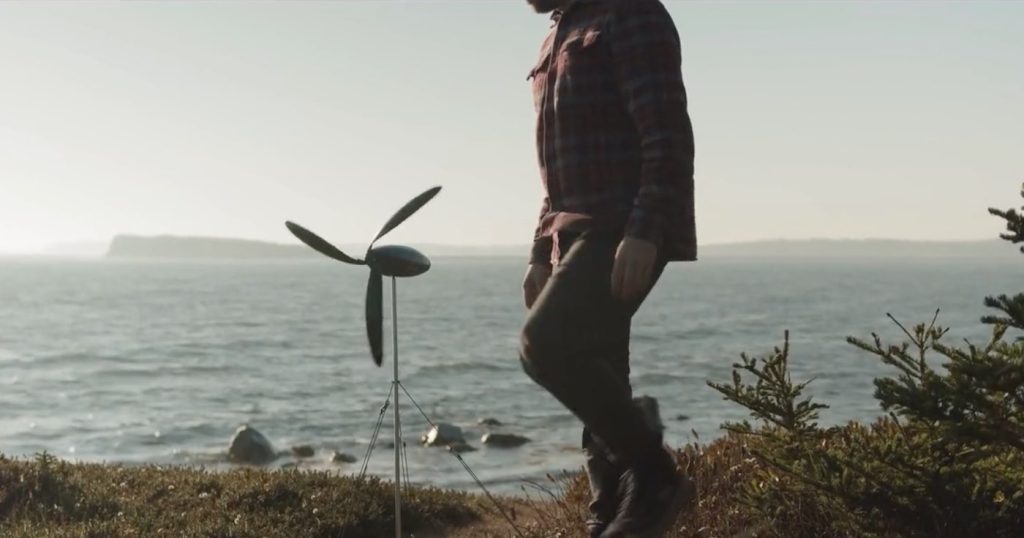
Meet the portable wind turbine for campers, RVers, backpackers, wilderness researchers, or anyone who needs a bit of USB power in the great outdoors.

Weighing three pounds, or just under 1.5 kilos, Shine was launched via Kickstarter last year, and on Indiegogo last week, and has already raised over $355,000 ($275,000 CAD) in the latest round of crowdfunding.

Aurea Technologies

To use Shine, you simple deploy a tripod and stick it into the ground with tensioning cables, and then mount the turbine on top, plugging your device into the underbelly where it can receive up to 40 watts.

Because the turbine spins into the wind, it doesn’t matter from which direction the breeze is coming. Power will always be produced.

Shine is manufactured by Aurea Technologies based out of Nova Scotia, who paid meticulously close attention to materials and design to get the weight of the device down to as little as possible. If you’ve ever met a serious backpacker and got them talking about weight and space saving, you’ll have heard all about why that matters.

Necessitating a battery that takes up a third of the weight, the other components had to be seriously light—including turbine blades made from polycarbonate reinforced plastic, which fold out from the body, and an aluminum tripod.

Shine / Kickstarter video

MORE: Carbon-Negative Plant Opens in Turkey Turning Algae Into Bio-Jet Fuel and So Much More

Aurea decided to pivot from their original plans of making miniature turbines that could be built into building facades. Interested campers and adventurers can preorder now at “40% off retail”, buying one for $324 ($418 CAD) with an estimated shipping date of October 2022.

POWER UP Inspiration for Future Backpacking Trips—Share This Story…

Diving Heroes Find Woman’s 100-Year-old Wedding Ring After it Flew Off her Finger Into a River

SWNS
SWNS

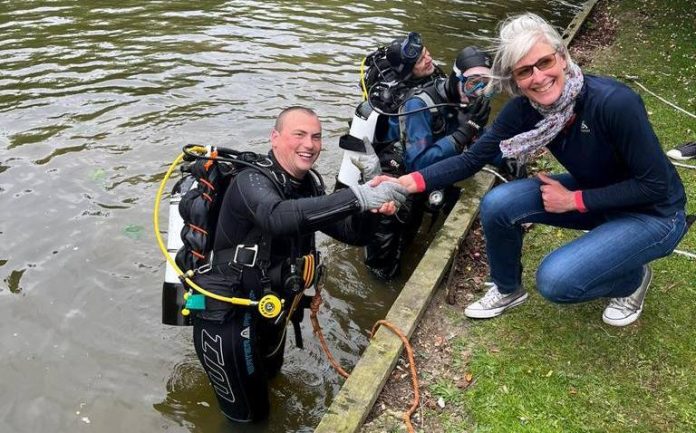
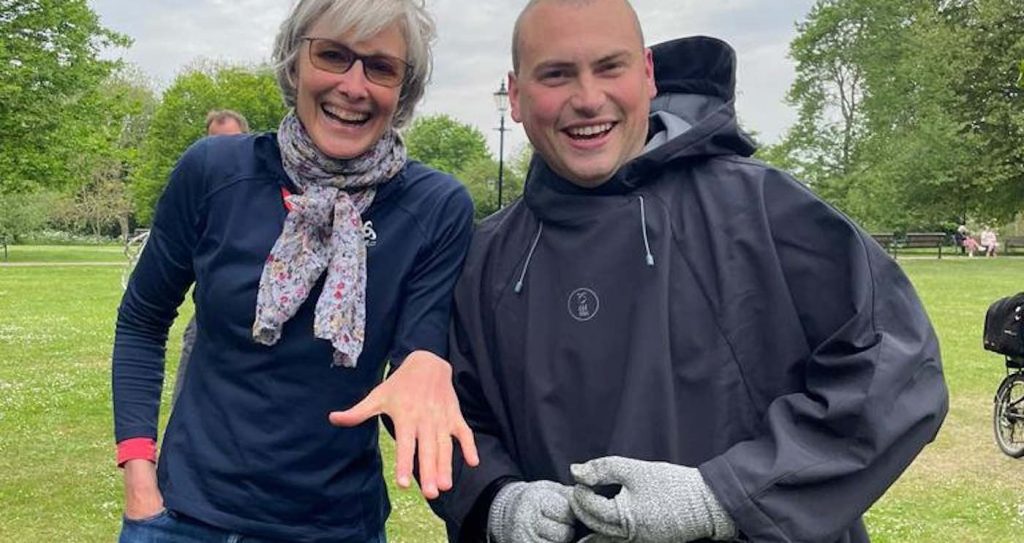
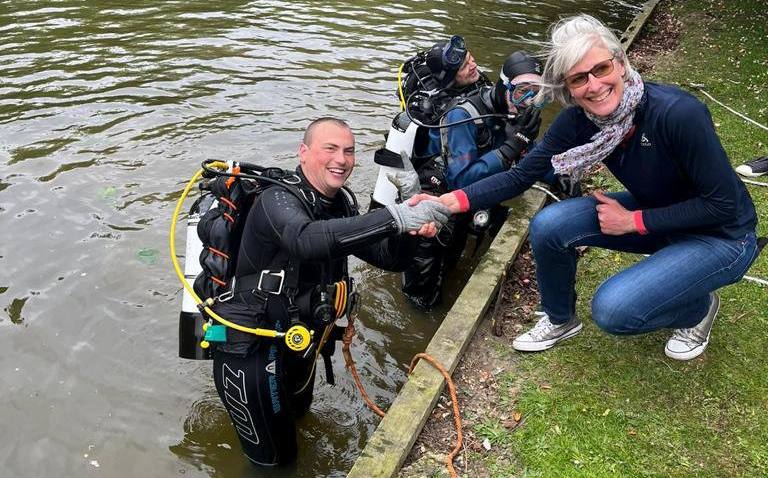
A team of scuba diving heroes have reunited a grateful woman with her lost antique wedding ring after it flew off her finger—and into a river.

Emma Lyon was watching a regatta from the banks of the River Great Ouse last Saturday when the 100-year-old jewelery flew into the water.

The gold wedding ring had belonged to her grandmother, and Emma was devastated when it quickly disappeared from sight.

She contacted Bedford Scuba Divers the following day after a friend suggested they could help, and couldn’t believe how quickly they responded to her plea.

By Monday evening, a team of divers had found the ring and handed it back to Emma.

MORE: Watch the Rescue Moment for Little Dog Trapped Down a Hole And Missing For Days

She naturally took the whole crew out for a thank you drink at a local pub afterwards, saying,  “The divers were absolutely amazing!

SWNS

“My grandmother died in 2000, aged 100. She worked at a corn merchant on Caldwell Street and would sometimes get up early and take the family’s punt out on the river before work.

RELATED: Metal Detector Left Him Stunned After Unearthing Ancient Ring Belonging to the Sheriff of Nottingham

“I did think that if we couldn’t find the ring, it had ended up in a fitting resting place.

“I am just so, so grateful to everyone from the scuba club who gave up their evening to help out and cannot believe [they were] able to find it. It was a total miracle.”

SHARE This Lucky Find With All Your Friends of Good Fortune…

New Hope for Reversing Acute Leukemia Patients’ Resistance to Treatment

AML leukemia CC license wikimedia commons Dr. Lance Liotta Laboratory
Dr. Lance Liotta Laboratory, CC license

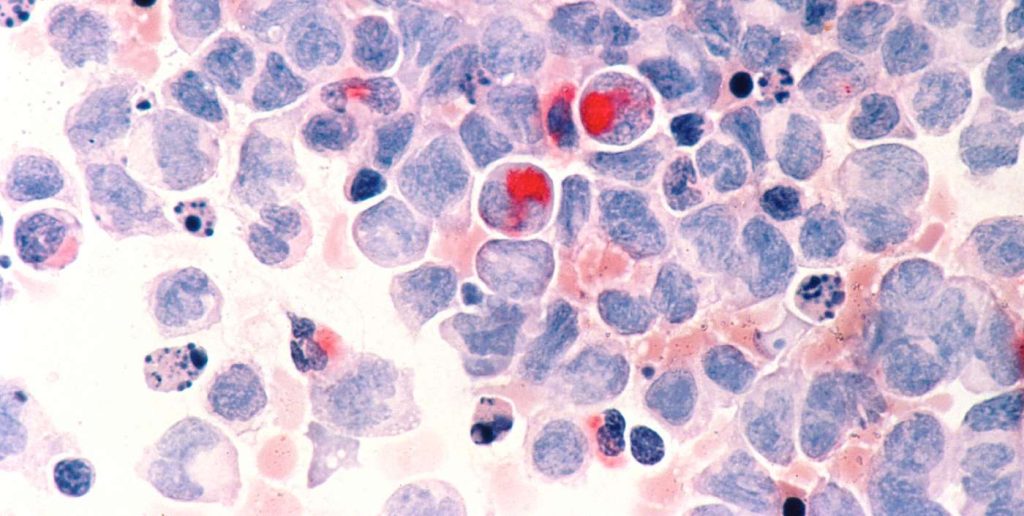
Scientists have made a significant breakthrough in overcoming drug resistance in acute myeloid leukemia, a rare and devastating blood cancer.

In a new study, researchers from the University of South Australia and SA Pathology’s Centre for Cancer Biology describe how they have discovered a way to suppress a specific protein that promotes resistance to drugs commonly used to treat acute myeloid leukemia (AML) patients.

Professor Stuart Pitson, one of the lead authors of the study, says the finding could revolutionize the treatment of AML, a disease that has claimed the lives of professional golfer Jarrod Lyle, high-profile American journalist Nora Ephron, and filmmaker Lynn Shelton.

This cancer of the blood and bone marrow is characterized by an overproduction of cancerous white blood cells called leukaemic blasts.

Prof. Pitson says these cells crowd out normal white blood cells, which then can’t do their usual infection-fighting work, thereby increasing the risk of infections, low oxygen levels, and bleeding.

READ: Doctors Say Cancer Patients Cured a Decade After Immune Cell Therapy at University of Pennsylvania

SA Pathology haematologist Associate Professor David Ross says many AML patients initially respond to Venetoclax, a new therapy for AML recently listed on the PBS, but over time AML cells become resistant to it.

Using a large biobank of patient-donated AML biopsies and world-leading advanced pre-clinical models, the CCB researchers demonstrated that by modulating lipid metabolism in the body, a protein called Mcl-1 is inhibited in AML cells—the protein that facilitates drug resistance.

“This process makes AML cells exquisitely sensitive to Venetoclax, while leaving the normal white blood cells unaffected,” SA Pathology researcher and co-lead author, Associate Professor Jason Powell says.

MORE: Experimental Treatment in Spain Puts 18 Cancer Patients in Complete Remission

The CCB team is now working hard to optimize drugs targeting this pathway to take into clinical trials for AML patients.

“For most people with AML, the chances of long-term survival are no better now than they were last century,” Assoc. Prof. Ross says.

“Now, we have a chance to remedy that. New treatments that prevent Venetoclax resistance have the potential to prolong survival, or even increase the chances of a cure in a disease for which improved outcomes are desperately needed.”

This study has been published in the world-leading hematology journal Blood.

Source: University of South Australia

SHARE This Breakthrough Good News Story With Others… 

Dog Sneaks Into Couple’s Home and Snuggles Her Way Into Their Bed During Storm

Julie Johnson
Julie Johnson

It could have been that a door was left ajar, or maybe a window, Julie Johnson from Tennessee isn’t sure; all she knows is that somehow, someway—a stranger was able to freely enter her house one night.

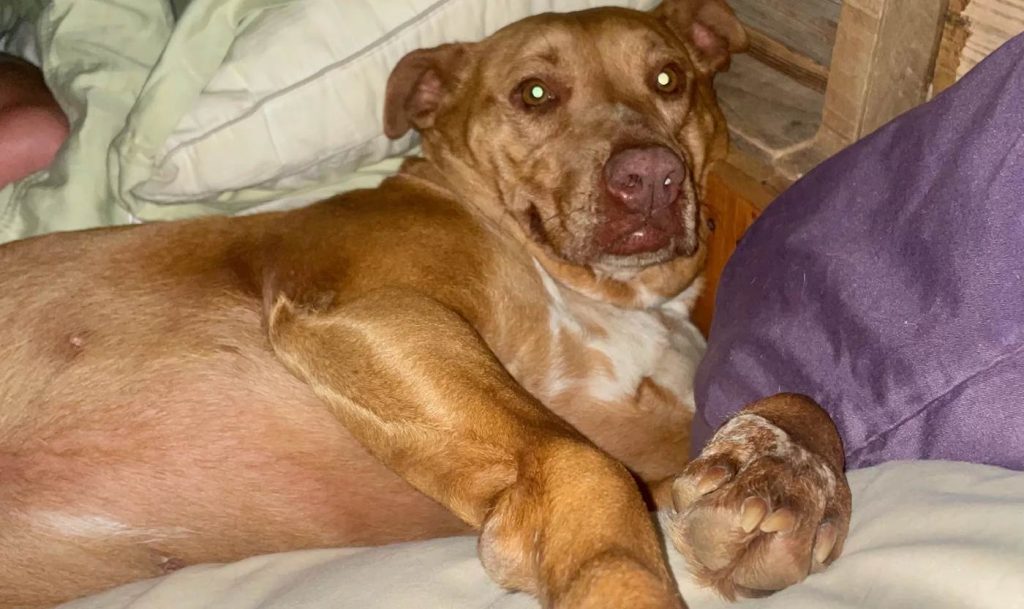
This stranger however wasn’t trying to steal, but only to snuggle. A brown bull terrier with a golden heart and silent feet crept into the Johnsons’ house, jumped right into bed next to Julie and her husband Jimmy, and went to sleep, head on the pillows.

“You could see light coming into our curtains in our bedroom and I feel my husband not just roll over, but kind of startled, like almost a jump roll over and it woke me up,” Julie told NPR. “And in a quiet but stern voice, he said, ‘Julie, whose dog is this?'”

Despite the startle, in such a situation, it didn’t take long for Jimmy and Julie to realize the intruder meant them no harm, and was just “100% content being there.”

How Nala the dog managed to enter their house without disturbing or garnering the attention of Jupiter, Hollis, and Zeppelin, the three dogs who normally sleep alongside the couple, the Johnsons will never know, and it must have made for an interesting chit-chat over morning coffee.

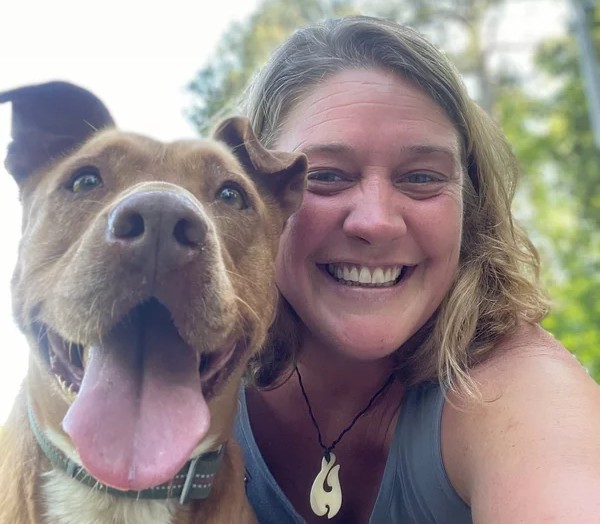
Julie took to Facebook to see if she could locate the dog’s owners, posting a variety of selfies she took with the pup.

Julie Johnson

Not long after, Nala’s owners contacted them to explain she had slipped out of her collar on a walk the day before just ahead of a serious thunderstorm.

She had escaped into the woods, and between the four dog parents, the working theory arose that Nala had entered the Johnsons’ house out of fear of the thunder and lighting.

MORE: Zeus is the World’s Tallest Dog – Because Everything’s Bigger in Texas

“Our overly friendly pup, Nala, has hit an all-time record for ignoring personal space and added yet another trick to her long list of Houdini acts,” Cris Hawkins, one of Nala’s owners, wrote on Facebook.

RELATED: Tiny Bomb-Sniffing Jack Russell is a National Hero, Sporting a Presidential Medal

“Shame [on] Nala for somehow breaking into a stranger’s house and invading their personal space. Thankfully, the couple thought it was hilarious and they aren’t even mad about it.”

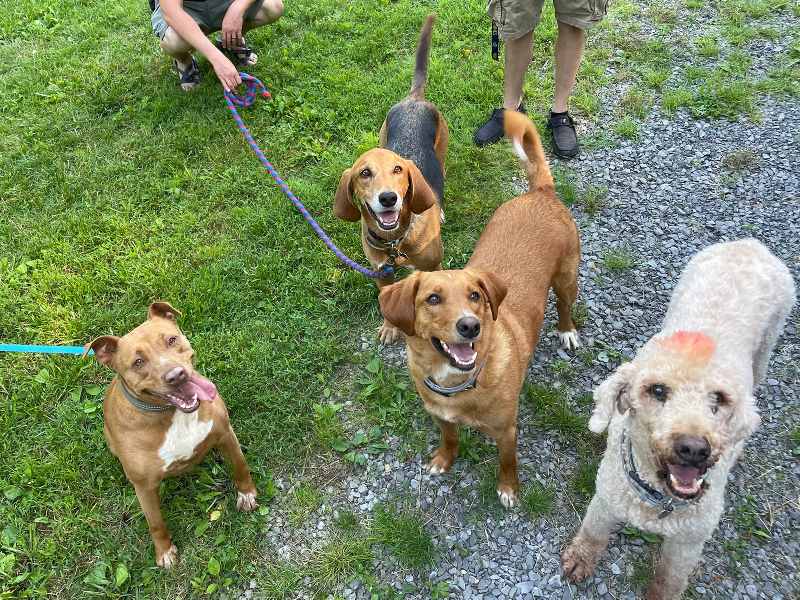
Nala on the left with her three new friends; Julie Johnson

Since the incident, the four pooches have had playdate in the park, celebrating their new, and entirely accidental friendship.

RAISE a Paw For This Fun Story; Share It With Pals…

“The more we see the beauty in ‘starting small,’ the more we empower ourselves to get started at all.” – Supriya Mehra

Quote of the Day: “The more we see the beauty in ‘starting small,’ the more we empower ourselves to get started at all.” – Supriya Mehra

Photo by: Sincerely Media

With a new inspirational quote every day, atop the perfect photo—collected and archived on our Quotes page—why not bookmark GNN.org for a daily uplift?

Bears Topped the List of Americans’ Favorite Children’s Books – How Well Did Yours Do?

More than half (54%) of Americans say they transport themselves back to their childhoods by reading the books they loved as kids—including 62% of people over 77 years old.

A new survey asked 2,000 U.S. adults about their favorite picture books in childhood and found that Stan Berenstain’s The Berenstain Bears books came out on top with 31%.

Other popular picks included The Giving Tree by Shel Silverstein (30%), The Tale of Peter Rabbit by Beatrix Potter (30%), and Goodnight Moon by Margaret Wise Brown (29%).

In the realm of chapter books, respondents cited Alice’s Adventures in Wonderland by Lewis Carroll (24%), Little House on the Prairie by Laura Ingalls Wilder (23%), and Charlie and the Chocolate Factory by Roald Dahl (22%).

Conducted by OnePoll on behalf of ThriftBooks, the survey also found that half (50%) still claim to remember every line from their favorite children’s book, with millennials the most likely to say so (56%).

When asked which kid’s books they’ve picked up again in adulthood, people named Beauty and the Beast, the Harry Potter series by J. K. Rowling, The Cat in the Hat by Dr. Seuss and Charlotte’s Web by E. B. White, among others.

MORE: Students Write Adorable Letters on Behalf of Shelter Animals to Boost Adoptions – And it Worked

Relatable characters that stuck with readers included Encyclopedia Brown, Harry Potter, Peter Pan, Frodo Baggins, Nancy Drew, and Pippi Longstocking.

“Adventurous” (52%) and “kind” (50%) were the book character traits people related to most.

Men were more likely than women to relate to generous characters (42% vs. 32%). Meanwhile, millennials were much more likely than Gen X to relate to characters who are brave (52% vs. 38%), generous (45% vs. 29%), and loyal (47% vs. 33%).

What did people love most about reading books as a child? Imagining the fictional characters and worlds were real (42%), getting lost in the story (35%), and looking at the artwork (35%).

Books have also taught many a valuable life lesson. According to respondents, the most important of these were to “always be friendly,” that “every living thing has feelings,” to “laugh at your mistakes,” and “to be true to yourself and not be swayed by social pressure.”

More than seven in 10 (73%) said their parents read to them each night when they were kids, with the average respondent listening to five books a night.

RELATED: Want Students to Do Better in Class? Take Them on Culturally Enriching Field Trips

And according to 69%, reading books as a child helped them learn to appreciate literature more in adulthood.

“Books clearly play an important role during the childhood years and have a lasting effect into adulthood.”

BEST MOMS IN CHILDREN’S LITERATURE

Ma Ingalls from Little House on the Prairie by Laura Ingalls Wilder – 33%
Marmee from Little Women by Louisa May Alcott – 29%
Molly Weasley from the Harry Potter series by J. K. Rowling – 29%
Charlotte from Charlotte’s Web by E. B. White – 29%
Dr. Kate Murry from A Wrinkle in Time by Madeleine L’Engle – 28%
Raksha from The Jungle Book by Rudyard Kipling – 28%
Mrs. Quimby from the Ramona series by Beverly Cleary – 28%

OPEN Up Those Nostalgic Memories; Share This Poll…

LEGO Brings Van Gogh’s Most Famous Painting Into the Third Dimension With 2,316 Fan-Designed Bricks

LEGO
LEGO

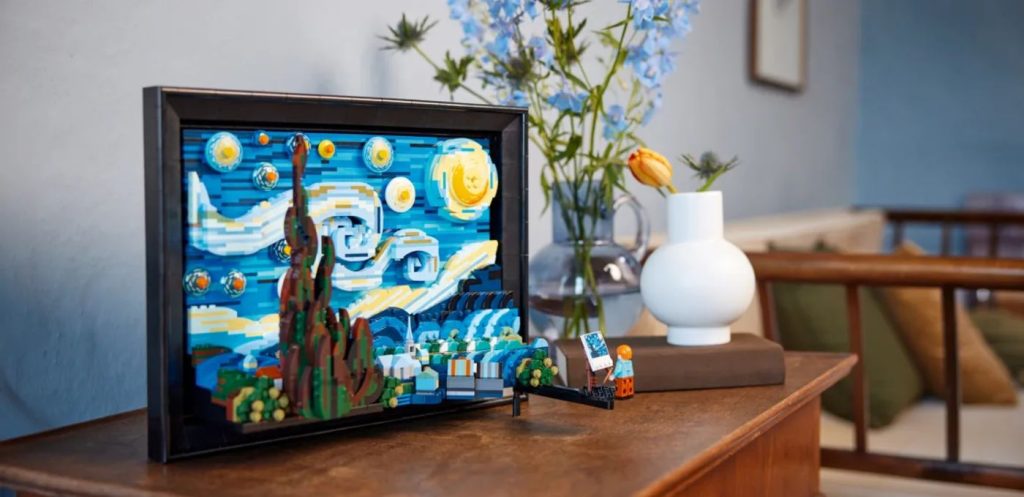
Always keeping an eye on its more mature fans, LEGO is preparing to release a set of Dutch painter Vincent Van Gogh’s great work, Starry Night. 

But rather than forming a flat mosaic of bricks to make that most famous of images, Truman Cheng, a 25-year-old PhD student from Hong Kong, built the whole scene as Van Gogh would have viewed it—with the moon, the town, and the clouds made three-dimensional.

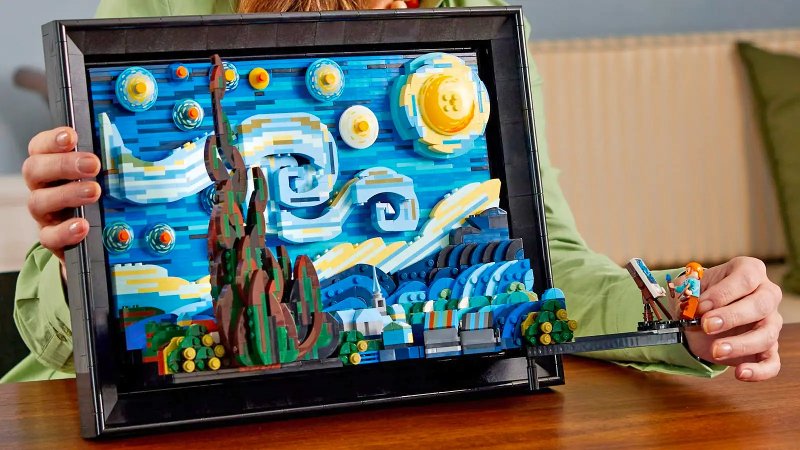
The result is Starry Night in 3D, complete with a little LEGO Minifigure of Van Gogh with a paintbrush, easel, and pallet, to be produced in partnership with the Metropolitan Museum of Art—where the original painting has been housed since 1935.

Cheng submitted the idea through LEGO Ideas, which allows fans to submit their own concepts for a set, and which has included intricately made additions to Star Wars and Harry Potter sets.

Cheng relied on making the painting 3D to emulate Van Gogh’s brushstrokes, and to lend to the moon and clouds that famous swirling effervescence they possess.

The little LEGO painter can be attached to the frame to make it look like he’s painting from where he might have been standing.

LEGO

Alternatively, because a frame of LEGO bricks is part of the—it can be hung on the wall like a normal painting.

LEGO

LEGO almost went bankrupt in the 2000s after some poor product launches, but was saved by the steady devotion of the first adults who grew up with LEGO.

Afterwards, the Danish company forever kept their over-21 crowd in their thoughts, providing different sets that were more complicated, that could be combined with electronic components, or that were particularly beautiful.

MORE: LEGO Unveils First Brick Prototype Made from Recycled Plastic –Watch Their ‘Clutch Strength’ and Smash Testing

For the current phase of nostalgia that American culture has wrapped itself around, LEGO has produced sets like the diner from Seinfeld, and other sets from popular ’90s television shows.

RELATEDLEGO Converts Their Instruction Manuals into Audio and Braille, Inspired by Blind Man

The 2,316 pieces Starry Night will be available from LEGO at $169.00.

PAINT Those Feeds With the Updated Beauty of These Swirling Skies…

Editor’s note: This story has been altered to correct the number of bricks in the set. 

Number of Greater One-Horned Rhinos Reaches New High – Up From Just 100 Individuals

IRF
(c) WWF Nepal

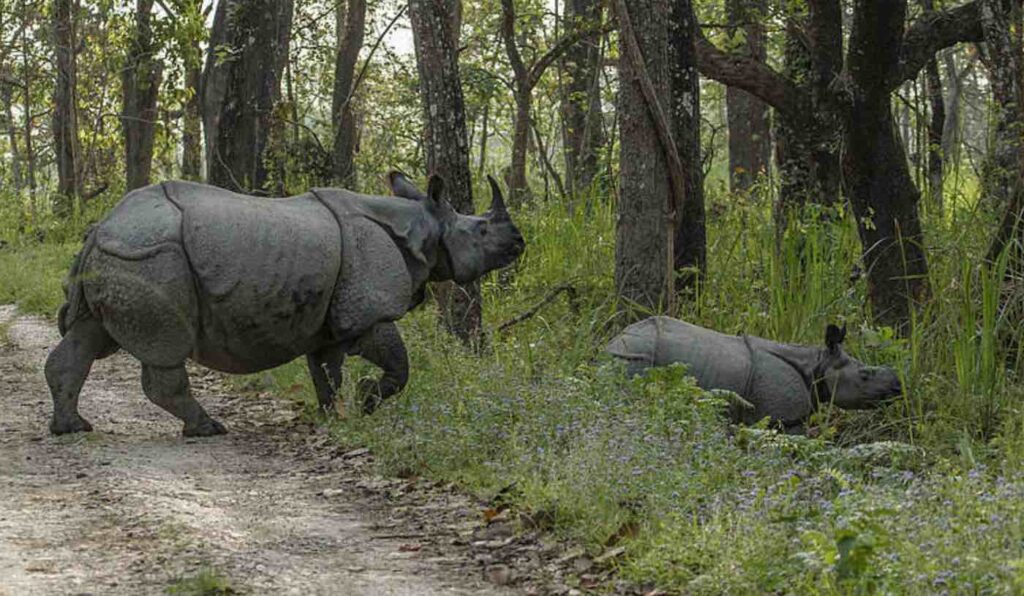
Confirmation from India came this week hailing a conservation success story for the greater one-horned rhino.

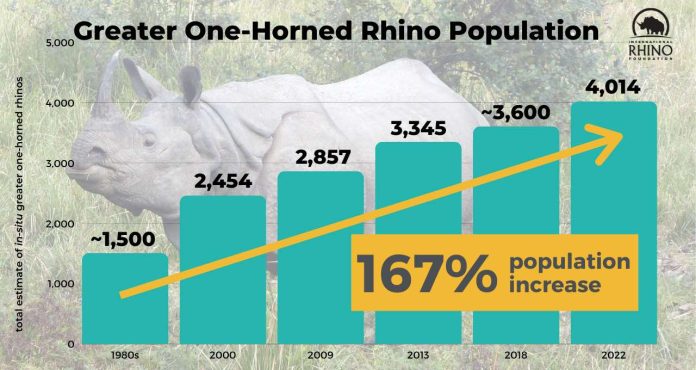
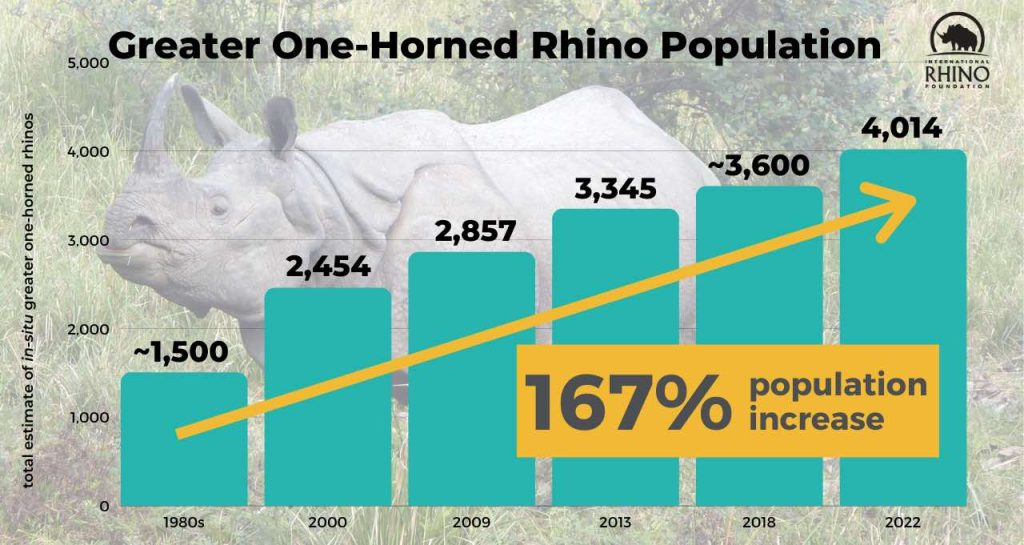
The International Rhino Foundation announced the milestone, reporting that the population now numbers 4,014 individuals—up from just 100 individuals 50 years ago.

The government of Assam, the state in India that is home to 70% of the population, just completed its biannual rhino census, saying the greater one-horned rhino total has increased by 274 rhinos since the last count.

Helped by a baby boom during the pandemic when many protected areas were closed to visitors, Nepal is the only other country where the species exists.

“For an animal that was once perilously close to extinction, numbering fewer than 100 individuals, this recovery is truly remarkable,” said the IRF in a fundraising plea.

Thanks to strict protection and conservation measures enacted by regional and national-level governments in India and Nepal, the greater one-horned rhino’s recovery provides a blueprint of hope for other rhino species.

The population is growing because the governments of India and Nepal have given rhinos the space they need to breed, while also preventing poaching deaths. Over the past three years, the government of Assam has more than doubled the area of Kaziranga National Park (home to the world’s largest greater one-horned rhino population) from 430 square kilometers to 1,040.

RELATED: Tiny New Species of Chocolate Frog is Discovered After Scientists Follow its Unique ‘Beep’ Sound

“The overall growth in population size is indicative of ongoing protection and habitat management efforts by protected area authorities, despite challenging contexts these past years,” said Ghana Gurung, Country Representative of WWF Nepal.

Earlier this year, it announced plans to increase Orang National Park by about 200 square km. With NGO partners, including the International Rhino Foundation, the government of Assam initiated translocation of rhinos within protected areas of Assam to give rhinos more room to breed. All rhino bearing protected areas are also closed to visitors during breeding season.

MORE: ‘Comical-Looking’ Bat Thought to Be Extinct is Found Again After 40 Years in Dense Rainforest

IRF also works with local NGOs—Aaranyak (in India) and The National Trust for Nature Conservation (in Nepal)—to control invasive plant species and assist native grasses to recover rhinos’ shrinking habitats. The end result of all of these programs is more space for rhinos and more rhino babies being born.

IRF

At the same time they’re expanding rhino habitats to increase population growth, the two Asian governments are also prioritizing rhino protection and enforcement of wildlife crime laws to reduce deaths.

IRF supports them by purchasing vehicles and equipment needed for anti-poaching patrols and providing training for forest guards and other law enforcement officers on wildlife law, crime scene investigation, evidence collection and case preparation.

SHARE The Baby Boom News With Rhino Lovers on Social Media…

Groundbreaking New Study Finds Possible Explanation for SIDS

Sudden Infant Death Syndrome (SIDS) may soon be a thing of the past, thanks to a world-first breakthrough.

Researchers at at The Children’s Hospital at Westmead have identified Butyrylcholinesterase (BChE) as the first biochemical marker that could help detect babies more at risk of Sudden Infant Death Syndrome (SIDS) while they are alive.

The study analyzed BChE activity in 722 Dried Blood Spots (DBS) taken at birth as part of the Newborn Screening Program, using only samples parents approved for use in de-identified research. BChE was measured in both SIDS and infants dying from other causes and each compared to 10 surviving infants with the same date of birth and gender.

Led by Dr Carmel Harrington, study lead and Honorary Research Fellow at CHW, who lost her own child to SIDS 29 years ago, the study found BChE levels were significantly lower in babies who subsequently died of SIDS compared to living controls and other infant deaths.

BChE plays a major role in the brain’s arousal pathway and researchers believe its deficiency likely indicates an arousal deficit, which reduces an infant’s ability to wake or respond to the external environment, causing vulnerability to SIDS.

LOOK: Pregnant Mom Saves Unborn Baby’s Life By Rushing to Hospital Despite Showing No Warning Signs: ‘It was Instinct’

Dr Harrington says the findings are game-changing.

“Babies have a very powerful mechanism to let us know when they are not happy. Usually, if a baby is confronted with a life-threatening situation, such as difficulty breathing during sleep because they are on their tummies, they will arouse and cry out. What this research shows is that some babies don’t have this same robust arousal response,” Dr Harrington said.

“This has long been thought to be the case, but up to now we didn’t know what was causing the lack of arousal. Now that we know that BChE is involved we can begin to change the outcome for these babies and make SIDS a thing of the past.”

SIDS is the unexplained death of an apparently healthy infant less than one year of age, during a period of sleep.

The incidence of SIDS has been more than halved in recent years due to public health campaigns addressing the known major risk factors of prone sleeping, maternal smoking, and overheating. However, the rate of SIDS remains high, contributing to almost 50 per cent of all post-neonatal deaths in Western countries and responsible for two infant deaths in Australia every week.

RELATED: Babies Use Kissing and Sharing Their Food as Signals to Interpret Their Social World, Says New Study

After losing her son, Damien, to SIDS, Dr Harrington has dedicated her career to finding answers for the condition, supporting much of her research through her crowd-funding campaign, Damien’s Legacy. She says these results not only offer hope for the future, but answers for the past.

“An apparently healthy baby going to sleep and not waking up is every parent’s nightmare and until now there was absolutely no way of knowing which infant would succumb. But that’s not the case anymore.”

“This discovery has opened up the possibility for intervention and finally gives answers to parents who have lost their children so tragically. These families can now live with the knowledge that this was not their fault,” Dr Harrington said.

While these findings do offer some hope for the future, parents are strongly encouraged to continue following safe sleeping practices including placing babies on their backs to sleep, keeping their head and face uncovered during sleep and ensuring a safe sleeping environment in both the day and night.

MORE: UK’s Most Premature Twins Finally Go Home 5 Months After Being Given 0% Chance of Survival

The next steps for researchers is to begin looking at introducing the BChE biomarker into newborn screening and develop specific interventions to address the enzyme deficiency. It is expected this will take around five years to complete.

“This discovery changes the narrative around SIDS and is the start of a very exciting journey ahead. We are going to be able to work with babies while they are living and make sure they keep living,” Dr Harrington said.

This study has been published by The Lancet’s eBioMedicine.

Source: The Sydney Children’s Hospital Network

SHARE the Medical Breakthrough With Others…

“Stop insisting on clearing your head. Clear your heart instead.” – Charles Bukowski

Quote of the Day: “Stop insisting on clearing your head. Clear your heart instead.” – Charles Bukowski

Photo by: Aleksandra Sapozhnikova

With a new inspirational quote every day, atop the perfect photo—collected and archived on our Quotes page—why not bookmark GNN.org for a daily uplift?

Livin’ Good Currency Ep. 10: Dominic Kalms on Bringing the E-Commerce Revolution to Philanthropy

The Lesson: If someone wants to start an e-commerce platform to sell goods or services online, there are literally thousands of tools ranging from simple drag-and-drop interfaces that the biggest luddite could use, to the most comprehensive panoply of features for enterprise-level operations. But for charitable or non-profit work, even though the market cap and market velocity are similar, the tools just aren’t there. Dominic Kalms has built several platforms capable of allowing people to set up a non-profit project for whatever social good they’re trying to achieve, as easy as using Shopify.

Notable Excerpt: “There’re 1.7 million non-profits, and starting a non-profit is hard. The average cost—labor and time is very prohibitive, I mean you’re talking $20,000-plus, average, to start a non-profit. To get the IRS to approve a non-profit, that’s 6-8 months, on average, and if you want to be compliant across the federal, state, and local jurisdictions across the United States, there are over 200 documents that need to be filed. So I thought to myself ‘there’s got to be a better way,’ so what I did with GVNG is I raised a round of venture capital financing and we built a digital one touch solution for instantly launching, running and managing your own non-profit project, or donor-advised fund. Over the last 5 years we’ve powered thousands and thousands and thousands of non-profit projects, we’ve processed millions of dollars of non-profit capital through our system.

The Guest: Dominic Kalms is a venture backed entrepreneur and philanthropist with an expertise in financial tech, charity and non-profits. He has created two revolutionary philanthropic platforms, B Generous, and GVNG, a venture-backed platform that facilitates the creation of instant charitable giving accounts. He has raised over $50 million in venture and philanthropic capital during his career, but is also a public speaker of a Tedx Talk, and a long list of global forums on philanthropy on Nexus Global Summit, or TechCruch’s Global Ventures Summit.

The Podcast: Livin’ Good Currency explores the relationship of time to our lives. It gives a simple, straight-forward formula that anyone can use to be present in the moment—and features a co-host who knows better than anyone the value of time (see below). How do you want to spend your life? This hour can inspire you, along with upcoming guests, to be sure you are ‘Livin’ Good Currency’ and never get caught running out of time.

The Hosts: Good News Network fans will know Tony (Anthony) Samadani as the co-owner of GNN and its Chief of Strategic Partnerships. Co-host Tobias Tubbs was handed a double life sentence without the possibility of parole for a crime he didn’t commit. Behind bars, he used his own version of the Livin’ Good Currency formula to inspire young men in prison to turn their hours into honors. An expert in conflict resolution, spirituality, and philosophy, Tobias is a master gardener who employs ex-felons to grow their Good Currency by planting crops and feeding neighborhoods.

Subscribe to the Pod:  On iTunes… On Spotify… On Amazon Music… Or Google Play.

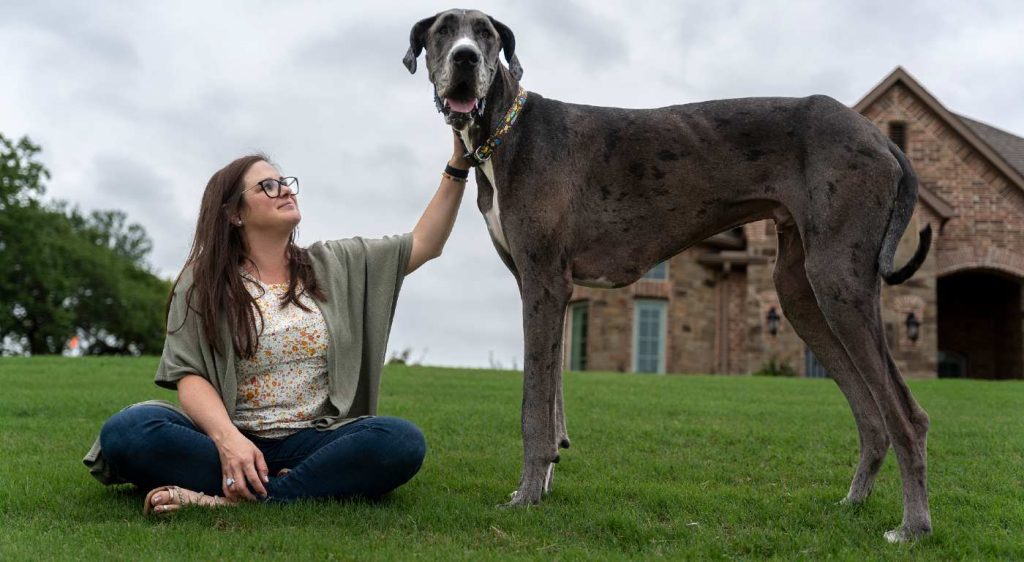
Zeus, the World’s Tallest Dog, is Big as Texas (LOOK)

Guinness World Records

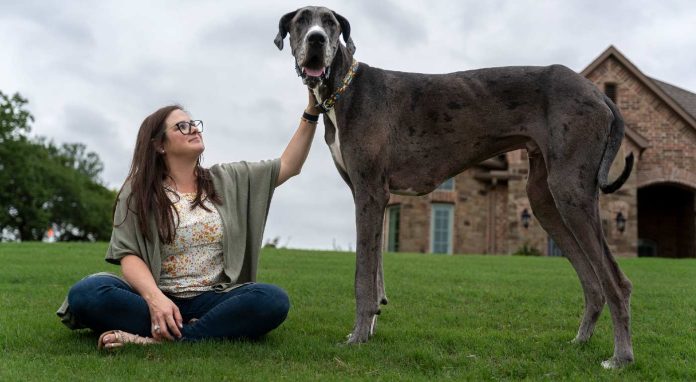
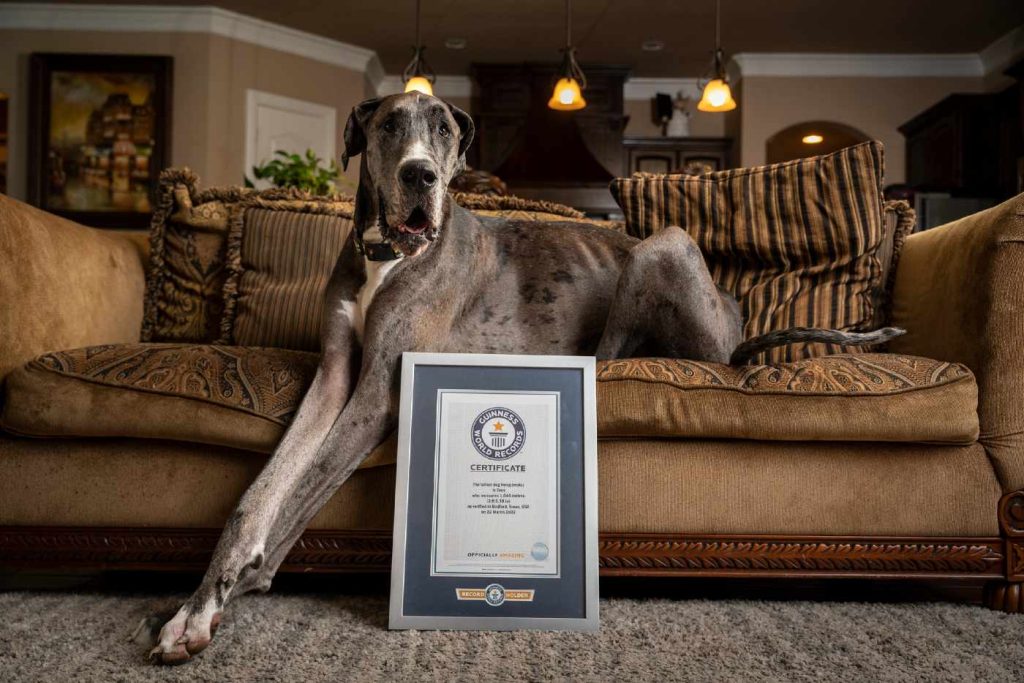
Zeus of Texas is now officially the world’s tallest dog, measuring an impressive 3 feet 5.18 inches tall.

Guinness World Records

The two-year-old Great Dane officially achieved the title on March 22, 2022, after his record-breaking height was measured and confirmed by his vet. 

“Ever since I was a little girl, I wanted a Great Dane named Zeus,” said Brittany Davis. Her dream became reality when her brother gifted eight-week-old Zeus to the Davis family.

She said, “At first, we were nervous about having such a large dog, but we fell in love with him and here we are!”

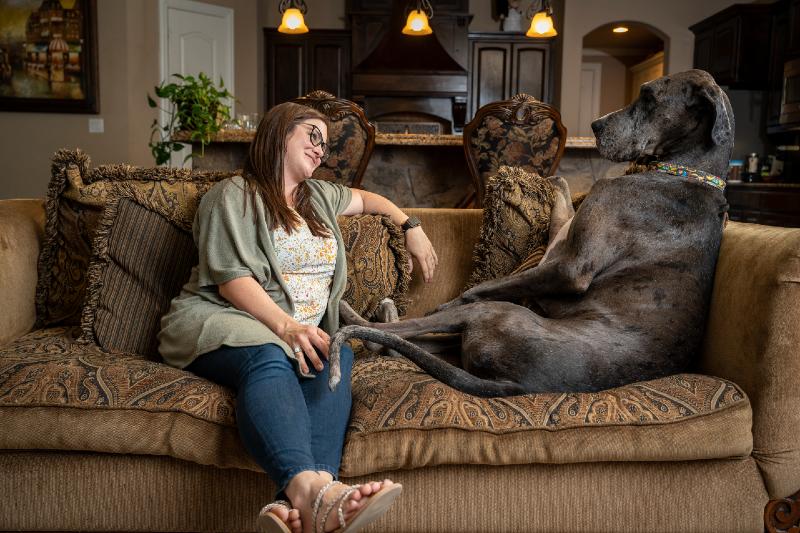
Zeus shares his home with three miniature Australian shepherds, as well as a cat. While he reportedly loves all his siblings, his best friend is the miniature Australian shepherd, Zeb.

Nothing, not even their vast height difference gets in the way of their playtime and bonding. 

MORE: Florida Chihuahua is World’s Oldest Living Dog Setting Guinness Record

According to Guinness World Records, “Zeus loves walking with his human brother and sleeping by his window in his chair.

He loves visiting the Dallas Farmers Market where he is always the center of attention. Vendors greet him by name and offer up extra treats; he’s a local celebrity!”

Guinness World Records

Known to be laidback, a little stubborn, and for loving everybody he meets, Davis commented that, “He is only naughty when he wants to take food off the counter or steal the baby’s pacifier.” 

Guinness World Records

She says when people see Zeus, they often comment on his size, even asking things like, “Can I ride him? Does he have a saddle?” 

Guinness World Records

To be fair, we can see why.

BOW (Wow) for the Good News; Share It With Pals…

Scientists Power a Computer Using Only Algae and Daylight to Make the Electricity

University of Cambridge; Paulo Bombelli

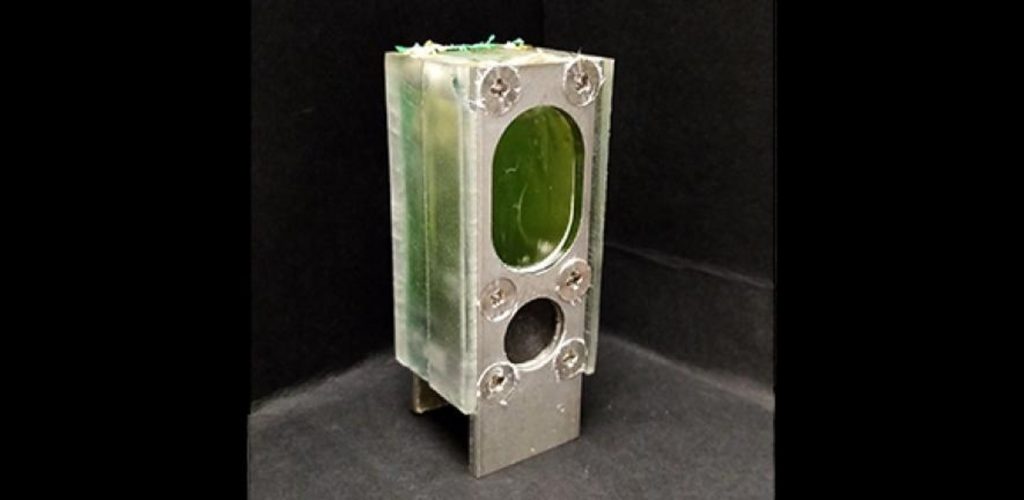
Researchers have used a widespread species of blue-green algae to power a microprocessor continuously for a year—and counting—using nothing but ambient light and water.

Their system has potential as a reliable and renewable way to power small devices.

Comparable in size to an AA battery, the system contains a type of non-toxic algae called Synechocystis that naturally harvests energy from the sun through photosynthesis. The tiny electrical current this generates then interacts with an aluminium electrode and is used to power a microprocessor.

The system is made of common, inexpensive, and largely recyclable materials. This means it could easily be replicated hundreds of thousands of times to power large numbers of small devices as part of the Internet of Things.

The researchers say it is likely to be most useful in off-grid situations or remote locations, where small amounts of power can be very beneficial.

CHECK OUT: The Perfect Energy Source Is Already Here – Endless Geothermal Is Poised for Release From Deep in the Earth

“The growing Internet of Things needs an increasing amount of power, and we think this will have to come from systems that can generate energy, rather than simply store it like batteries,” said Professor Christopher Howe in the University of Cambridge’s Department of Biochemistry, joint senior author of the paper.

LOOK: These Solar Panels Also Pull in Water Vapor to Grow Crops in the Desert

He added, “Our photosynthetic device doesn’t run down the way a battery does because it’s continually using light as the energy source.”

A new method

In the experiment, the device was used to power an Arm Cortex M0+, which is a microprocessor used widely in Internet of Things devices. It operated in a domestic environment and semi-outdoor conditions under natural light and associated temperature fluctuations, and after six months of continuous power production the results were submitted for publication.

RELATED: This Portable EV Charger is a Game-Changer For Drivers Who Need to Plug-in

“We were impressed by how consistently the system worked over a long period of time—we thought it might stop after a few weeks but it just kept going,” said Dr Paolo Bombelli in the University of Cambridge’s Department of Biochemistry, first author of the paper.

The algae does not need feeding, because it creates its own food as it photosynthesizes. And despite the fact that photosynthesis requires light, the device can even continue producing power during periods of darkness. The researchers think this is because the algae processes some of its food when there’s no light, and this continues to generate an electrical current.

MORE: Carbon-Negative Plant Opens in Turkey Turning Algae Into Bio-Jet Fuel and So Much More

The Internet of Things is a vast and growing network of electronic devices—each using only a small amount of power—that collect and share real-time data via the internet. Using low-cost computer chips and wireless networks, many billions of devices are part of this network—from smartwatches to temperature sensors in power stations. This figure is expected to grow to one trillion devices by 2035, requiring a vast number of portable energy sources.

The researchers say that powering trillions of Internet of Things devices using lithium-ion batteries would be impractical: It would need three times more lithium than is produced across the world annually. And traditional photovoltaic devices are made using hazardous materials that have adverse environmental effects.

The study is published in the journal Energy & Environmental Science.

Source: University of Cambridge

POWER Up the Good News; Share This Research From Cambridge…

We Finally Rid An Island of 300,000 Rats – Now Everything is Blooming

wikimedia commons Lord_Howe_Island_-_panoramio cc license wikimedia commonsDavid Stanley
David Stanley, CC license

One of the biggest conservation success stories in the 21st century has been exterminating invasive species from vulnerable islands.

Now, Lord Howe Island in Australia has finished eradicating the entirety of their invasive rat and mouse populations, and the recovery of the endemic-Australian ecosystem has been near-immediate.

A UNESCO-listed island in the East Tasman Sea, the island may have housed these mice as early as the mid-1800s, with the rats arriving later in 1918. As is so often the case with biodiversity Down Under, the native animals suffered.

Their absence, which took three years of eradication, is revealing a diverse landscape—with fruiting trees, returning numbers of land invertebrates, and one of Australia’s rarest birds, the flightless woodhen—whose population has doubled to 565 in the past three years.

“What is unfolding is an ecological renaissance, since the rodents have gone, the catchphrase is: ‘I’ve never seen that before’,” Hank Bower from the Lord Howe Island board told the Sydney Morning Herald.

MORE: Owl Immediately Adopts Two Rescue Chicks the Moment She Meets Them – After Her Own Eggs Failed

“There’s a vine which we didn’t know what the fruit looked like, people are taking photos of insects and sending them to the Australian Museum who are saying we’ve only got three of those on record ever but we are seeing hundreds of them. Everything is blooming, all the plants are flowering and we are seeing a carpet of seedlings.”

Noteworthy among the returning characters on the island are four species of land snail, one of which hasn’t been seen alive for 20 years, the black-winged petrel, and crickets.

“We’ve been hearing crickets. We’d only hear crickets very rarely, now every night there’s a chime of crickets,” Bower said, this time to ABC News Australia.

To do the business, poison was placed inside 22,000 lockable traps around the island, while in inaccessible areas, pellets were distributed via helicopter. Just to be sure, rat-catching dogs scour the island every few weeks—but one hasn’t been seen since last August.

CHECK OUT: Monumental Animal Sculptures Made From 35 Tons of Plastic Collected on Oregon Coast by Volunteers–LOOK

The Ministry of Environment of Australia said it was “an incredibly optimistic sign for the future of conservation.”

Globally, there have been more than 800 successful eradications of invasive mammals on 181 different islands since the year 2000—including the famous eradications of feral goats from the Galapagos Islands.

HELP Good News Thrive and Hope Grow—Share This Story…

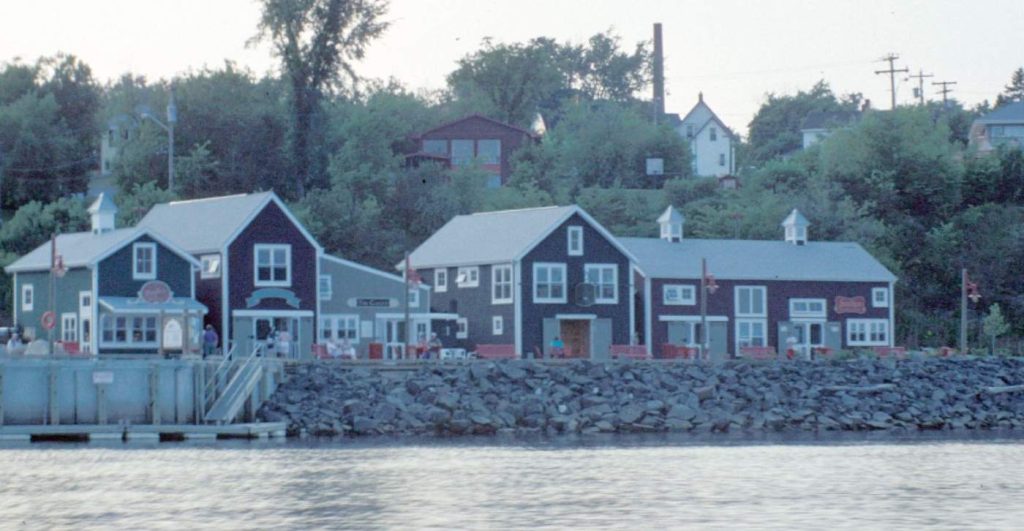
One Man’s Treasure Hunt Thrilled a Canadian Town, Turning Strangers into Friends

A horror-themed treasure hunt, organized anonymously in a small Canadian town, left the community enriched with funds and friends.

The town in question, Miramichi in New Brunswick, has a history replete with scary stories of murder and ghosts, which the hunt’s organizer used as context to keep the spooky search going all the way up to Friday the 13th—where the game came to and end with $1,000 (CAD$1,300) in total prizes.

Locals were sure that nothing of the sort has ever gripped the town of 17,000 quite like it, and for getting people out of the house after so many months of COVID restrictions, it’s been a catalyst for community reconnection, and a boon for businesses.

All of this began in early May when, on a Facebook page called the Miramichi Mystery Machine, a man calling himself Roman Dungarvan said there was 100 Canadian dollars hidden somewhere around the town harbor.

This mysterious Mr. Dungarvan claimed, according to the Guardian, to be a descendant of a 19th-century Irish cook who lived in town. Robbed, murdered, and buried in a shallow grave in the woods, the local legend of Dungarvan’s death was that on that night, the entire forest was filled with terrifying noises described as ‘whoops’ that sent the culprits running for their lives, leaving a tale of the Dungarvan Whooper in their frightened wake.

For days, Dungarvan posted videos and photos about where $100 bills could be found. One prize was found in French Cove, which is supposedly haunted by a headless ghost, and another was in an abandoned school building, the clue for which was the release poster for the 1980s slasher film Prom Night.

The big night

Lesfreck, CC license

On May 11th, Dungarvan announced that the last event would be Friday the 13th, which would include an extra $100 for the person with the best costume. The Facebook group exploded with activity.

MORE: Family’s New Puppy is Seriously a Golden – After Digging Up Rare Coins Worth $8k

The first clue was posted after 7:00PM, after which hundreds of people were out exploring, lending the treasure hunt an air of real camaraderie.

Tim Sutton, a local TikToker, found himself frustratingly close to one of the stashes of money.

“I… searched for nearly seven hours that night. I didn’t find it,” he told the Guardian. “But it’s not about the money. It’s more about the hunt and getting out in the fresh air and kind of making new friends.”

“It was good to see everybody out there having a good time,” said Mallory Barnaby, one of the Friday the 13th winners.

RELATED: Amateurs Claim to be ‘On the Verge’ of Uncovering Long Lost Treasure Horde Worth Over $20 Billion

Mr. Dungarvan posted an image of a text message he received that read, “Thank you Mr. mysterious for bringing the community out together and your amazing generosity. I saw so many smiling faces over the last two weeks on adults and children. Many friends made!!!”

A Friday the 14th comment on the Facebook group agreed, saying, “Maybe the real prize were the friends we made along the way.”

A new name

Some of the clues led hunters to local breweries or pizza shops, after which he would remind people to be respectful of their property and to tip their staff.

CHECK OUT: Historian Believes the Holy Grail and Lost Ark of the Covenant May be Hidden Under This House in English Countryside

On Friday the 13th, he warned hunters that with a heart condition should refrain from participating for risk of becoming startled with spooky conditions—exactly the kind of polite behavior one would expect from a Canadian. Hence the shifting of the organizer’s name from ‘Mr. Dungarvan’ into ‘Mr. Canadian’.

But this is really the story of how one individual used the character of a small town to bring it together at the end of a very difficult period in its history—with one high schooler remarking, “we absolutely love[d] it.”

SHARE in the Good Fun; Share This Story From the Maritimes…

“Every successful person I know starts before they feel ready.” – Marie Forleo

Quote of the Day: “Every successful person I know starts before they feel ready.” – Marie Forleo

Photo by: Alexander Londoño

With a new inspirational quote every day, atop the perfect photo—collected and archived on our Quotes page—why not bookmark GNN.org for a daily uplift?

Photo From Mars Curiosity Rover Looks Like We Found a Doorway

It looks like there’s a doorway on Mars.

That has been the topic of internet discussion since NASA released a new picture taken by the Curiosity rover on Mars.

The intriguing image snapped by the explorer’s Mast Camera on May 7 appears to show a cleanly-cut hole in a rock face.

There has been no official NASA statement about the sighting or the grainy image.

It looks like a doorway with an artificial wall, but many viewers are more practical, like one Reddit user who wrote, “It’s obviously not a little door, it’s just a flat piece of broken rock.”

Coincidentally, a U.S. Congressional House subcommittee is set to hold an open hearing next Tuesday about UFOs—the first time the fascinating topic has been on the docket in over 50 years.

LOOK: The Red Planet Has a New ‘Zen Garden’ After Mars Rover Leaves Peaceful Tracks

The US government released a report on documented cases of so-called ‘Unidentified Aerial Phenomena’ (UAP) in Summer 2021. In it, the Director of National Intelligence examined 144 cases of UFOs, but could explain only one.

SEE What Your Friends Say By Sharing This on Social Media…

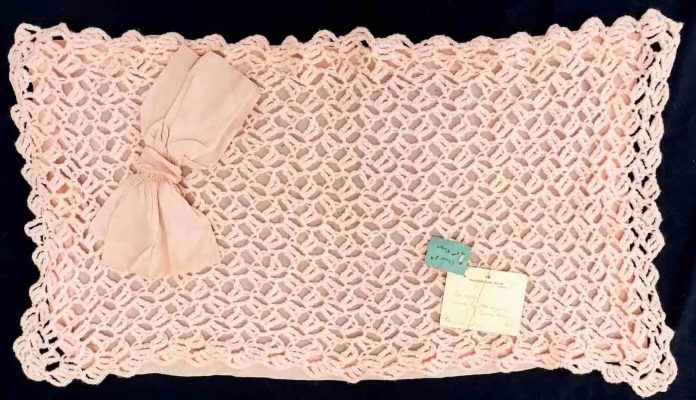
Baby Blanket Crocheted by Queen Mary and Surviving WWII Set to Raise Money for Ukraine Children’s Fund

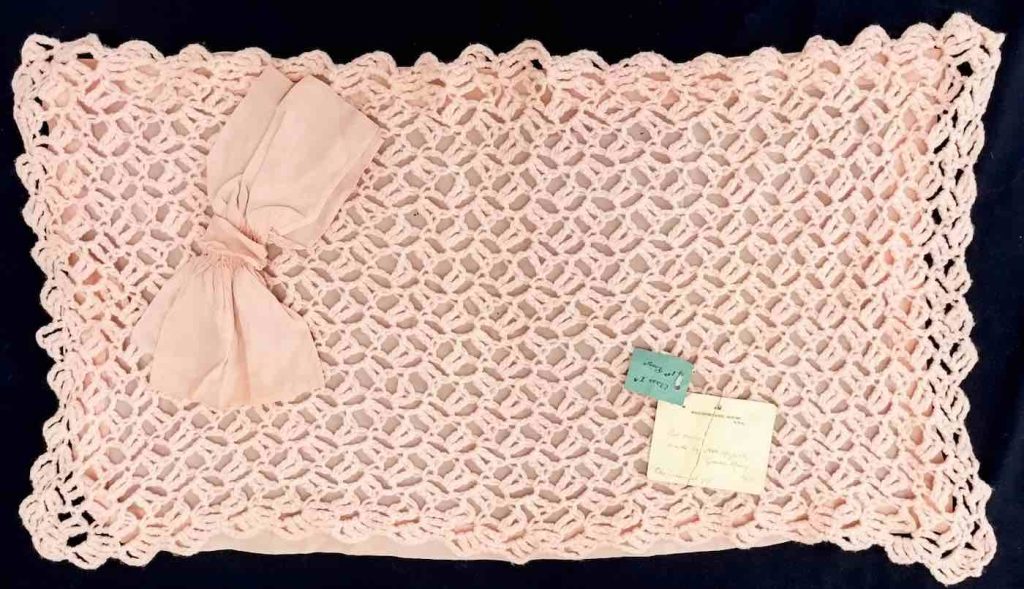
Blanket made by Queen Mary to be auctioned for Save The Children’s Ukrainian appeal - SWNS
Blanket made by Queen Mary to be auctioned for Save The Children’s Ukrainian appeal – Hansons Auctioneers / SWNS

A baby blanket which was crocheted by Queen Mary and survived World War II is being sold to raise money to help children in Ukraine.

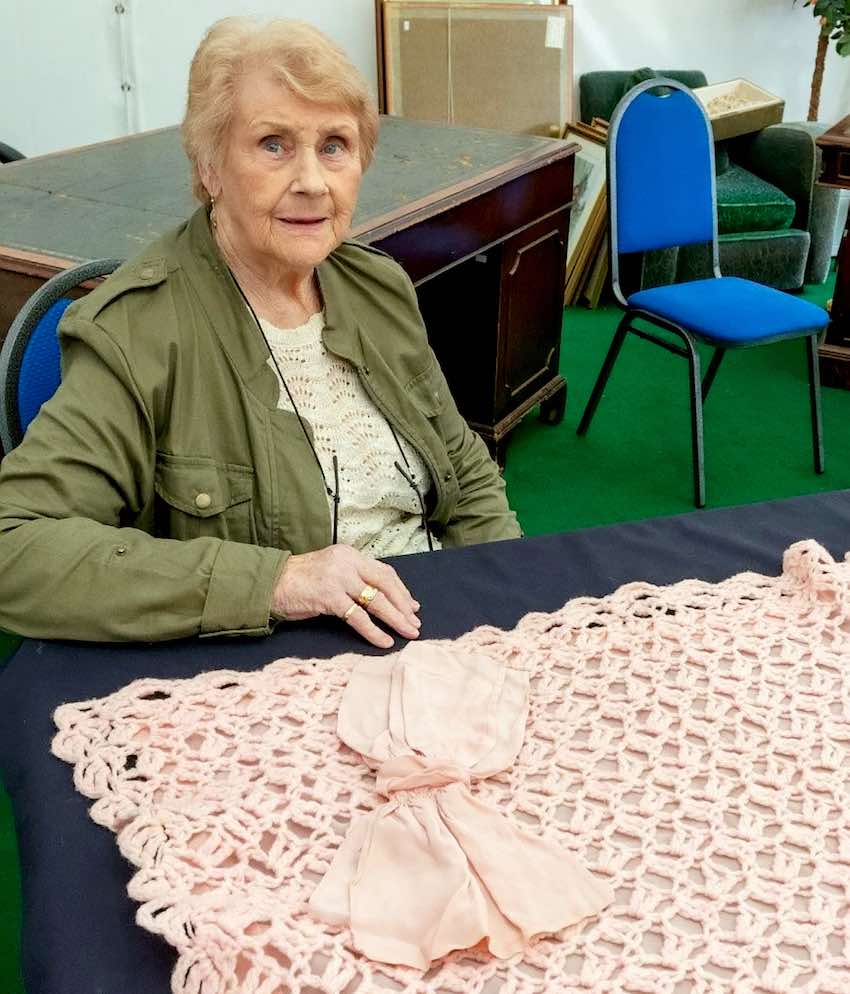
Great-grandmother Kathleen Pritchard was wrapped in the pink shawl as a baby after her mother Florence won a contest.

Two blankets, one pink and one blue, were knitted by Queen Mary and offered as prizes at a mother and baby clinic in 1938.

Florence won one of the crocheted blankets and later wrapped baby Kathleen, whose middle name is Mary, in the shawl while the family took refuge in an underground bomb shelter during air raids.

Kathleen, from Rainham, Essex, has now decided to sell the royal blanket in an auction with the proceeds going to Save The Children’s Ukrainian appeal.

“The blanket was my mother’s most valued and precious possession,” said the 83-year-old who has seven grandchildren and five great-grandchildren.

“It was never used but kept in a box. It was only given to me after I got married and became pregnant with my twins.”

RELATED: Man Who Tells the Queen He Engineers Solar Panels is Stunned When She Orders Some Installed on the Castle

The blanket still bears its original ‘1st prize’ tag and comes with a handwritten note on Marlborough House stationary paper saying ‘Made by Her Majesty, Queen Mary, 1938.’

Kathleen Pritchard with the blanket made by Queen Mary – Hansons Auctioneers / SWNS

It is expected to fetch around $1,000 (£800) when it goes under the hammer at the upcoming Royal Memorabilia Platinum Jubilee Auction.

Granddaughter Carlie Bussey says, “Nan has so many grandchildren and great grandchildren she can’t possibly choose between us to hand it down.”

LOOK: The Queen has Launched Her Own Gin Featuring Botanicals Grown on Her Country Estate

“She is also extremely saddened and upset by the conflict in Ukraine and wanted to raise some money to help children over there. She has chosen Save the Children’s Ukraine appeal, which ties in quite nicely as Princess Anne is patron.”

Anne’s great grandmother made the blanket, so it has ‘gone full circle’.

“It’s extremely moving to be honest. My nan doesn’t have a lot. This is still her most prized possession but she wants to help and give something back.”

Queen Mary (1867-1953) was the wife of King George V and was queen from 1910 until 1936. She died in 1953 at age 85.

CHECK OUT: Ukrainian Refugees Move Into Medieval Irish Castle Owned by Good Samaritan

Auctioneer Charles Hanson hopes to help Kathleen achieve an excellent price for her chosen charity. The blanket will be auctioned on May 26 in Derbyshire. Find out more on Hanson’s website.