All News - Page 383 of 1736 - Good News Network
Home Blog Page 383

Cannabis-Fed Chickens May Cut Antibiotic Use on Thailand Farms

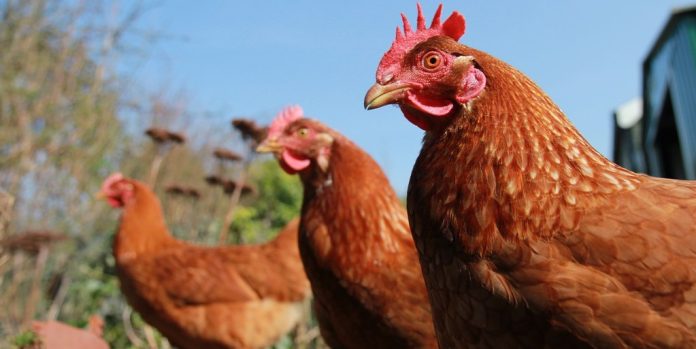
chickens mattandrubydavis cc license flickr

The government of Thailand just removed cannabis from its list of narcotic substances, which they hope will benefit the tourism and pharmaceutical industries.

Chickens could end up being the major beneficiary of the relaxation, as scientists in Chiang Mai have begun testing to see if cannabis could replace antibiotics in commercial farming.

Their findings, which have not yet been published, are that cannabis-supplemented chickens on an organic chicken farm suffered from fewer cases of avian bronchitis, and the quality of meat was judged to be superior, based on the amino acid and lipid profiles, as well as its tenderness, compared with non-supplemented chickens.

It all started when Ong-ard Panyachatiraksa, a farm owner in the north of the country licensed to grow medical cannabis, was trying to brainstorm what to do with all the extra leaves from the cannabis plants. He started giving them to his chicken brood, and then invited scientists to have a look.

Mass-use of antibiotics in commercial chicken production, is, just like in hospitals and schools, leading to the rise in antibiotic-resistant pathogens. The cannabis would offer a different avenue of biological support, without contributing to the already rampant problem.

MORE: Malaysia Abolishes Mandatory Capital Punishment for 11 Crimes Including a Non-Violent Drug Offense

The scientists from Chiang Mai University found, after studying 1,000 of Ong-ard’s chickens, that cannabis could help reduce farmers’ dependence on antibiotics, according to research lead Chompunut Lumsangkul, an assistant professor at the University’s department of animal and aquatic sciences.

Their working hypothesis is that the cannabis could be improving the chickens’ gut health. One of the major communicators with the immune system, a healthy, flourishing gut microbiota is key to staying fit for all lifeforms.

MORE: Malaysia Abolishes Mandatory Capital Punishment for 11 Crimes Including a Non-Violent Drug Offense

While it doesn’t necessarily mean the gut microbes, or cannabinoids are killing bacteria and viruses that cause salmonella or avian flu, a healthier, fitter chicken can better defend against those with its innate immune system.

CB2 receptors cover many cells in animals. These receive cannabidiol, or CBD, which interacts with the immune-system. This was shown to increase protection against viral infection and replication COVID-19 better than the vaccine in some cases, as well as effectively reversing the overreaction from the immune system itself that was the leading cause of death in COVID-19 infections, the so-called “cytokine storm.”

With no trace of THC or CBD in the chicken meat, the chickens that have been fed with cannabis will sell for a higher price at the farm’s restaurant, reports the Guardian. Chicken generally sells for 60 baht ($1.60) per kg, he said, but his would go for double.

Featured image: Mattandrubydavis, CC license 

GROW the Good News; Share It With Your Buddies…

Tunisians Make Generator That Produces Drinking Water From Thin Air – 25 Liters Per Day – Watch

SWNS
SWNS

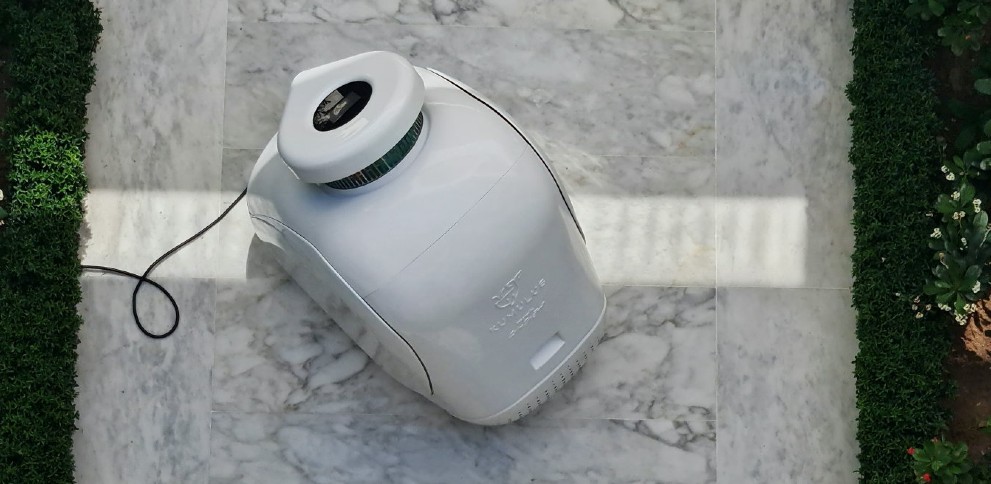
A tech start-up has developed a product that allows safe drinking water to be refined from vapor in the air.

Kumulus designed and produced the product, which is able to ‘produce 20 to 30 liters of healthy drinking water per day’.

It is able to refine the water vapor in the air and put it through a system that kills any harmful bacteria.

The drinking water is collected in a small reservoir and is then ready to be safely consumed.

The company believes that access to safe drinking water should not be a luxury and is a right to all human beings on Earth.

Kumulus’ machines are designed to be fully autonomous meaning that when fully operational they can be transported, set up, and maintained easily across the globe. (See the video below)

MORE: Cheap Gel Packs Can Pull Many Liters of Water From Even Desert Air

SWNS

CEO Iheb Triki is seen in the footage explaining how a prototype of the product works and giving an overview of each part’s function.

“The Kumulus technology is a replication of the dew effect and condensation of water from the air,” a Kumulus spokesperson said. “Humid air is drawn into the machine and passes through a particle filter then goes through a cooling process that causes droplets of water to appear in the collector.

“The dry air is now pushed out of the machine, while the water collected gets filtered multiple times to ensure the absence of any particles or bacteria and then gets mineralized and saved in the water reservoir, ready to be served on demand.”

LOOK: How Fog Nets Are Making Water Abundant in Arid Africa – And May Be Useful in California

The company has an ongoing mission to give the whole world access to drinking water and plans on further developing ideas to replace current systems that are already in place.

“We aim to provide everyone with their own sustainable and autonomous source of drinking water,” a spokesperson added.

“Currently, we are targeting locations that have access problems with a solution that brings fresh water to their hands. In the future, we aim to provide the Kumulus technology as a more sustainable and economical alternative to the solutions currently present in the market.”

Watch the machine at work, in this Reuters video…

CAPTURE and Share This Story of Real Innovation With Friends…

Light Therapy is Harnessed to Target and Kill Cancer Cells in This World First

Abhijit Bhaduri, CC license

An innovative light-activated therapy could help detect and treat an aggressive brain cancer type, a new study shows.The ‘photoimmunotherapy’ combines a special fluorescent dye with a cancer-targeting compound, which together boosts the body’s immune response.

In studies in mice, the combination was shown to improve the visibility of cancer cells during surgery and, when activated by near-infrared light, to trigger an anti-tumor effect.

The treatment, studied by an international team of researchers from the The Institute of Cancer Research and the Medical University of Silesia could ultimately help surgeons to remove brain cancers like glioblastoma more effectively, and boost the body’s response to cancer cells that remain after surgery.

Lighting-up brain cancer

Glioblastoma multiforme, also known as GBM, is one of the most common and aggressive types of brain cancer. New ways to improve surgery could help patients live for longer.

MORE: Bone Loss Meds May be Lowering Ovarian Cancer Risk, Scientists Find

Surgeons often use a technique called Fluorescence Guided Surgery to treat diseases like glioblastoma and other brain cancers, which uses dyes to help identify the tumor mass to be removed during surgery.

But due to these tumors growing in sensitive areas of the brain like the motor cortex, which is involved in the planning and control of voluntary movements, glioblastoma surgery can leave behind residual tumor cells that can be very hard to treat—and which mean the disease can come back more aggressively later.

The new research builds on Fluorescence Guided Surgery using a novel technique called photoimmunotherapy (PIT).

This treatment uses synthetic molecules called ‘affibodies’—small proteins engineered in the lab to bind with a specific target with high precision.

In this study, the researchers combined an ‘affibody’ created to recognise a protein called EGFR—which is mutated in many cases of glioblastoma—with a fluorescent molecule called IR700, which is used in surgery.

LOOK: Magnets Made by Soil Bacteria Offer Hope for Breast and Prostate Cancer

Shining light on these compounds causes the fluorescent dye to glow, highlighting microscopic regions of tumors left in the brain, while switching to near-infrared light triggers anti-tumor activity that kills tumor cells.

Offering new hope for brain cancer

The researchers tested this combined molecule, or ‘conjugate’—known scientifically as ZEGFR:03115-IR700—in mice with glioblastoma. They could see the cancer-targeting compound fluorescing in the brain tumours during surgery, just one hour after administration.

Shining near-infrared light on the tumour cells then activated the anti-tumour effect of the compound, killing cancer cells: scans of mice treated with the compound showed distinct signs of tumour cell death compared with untreated mice.

RELATED: Rectal Cancer Trials Deliver ‘Unheard Of’ Result: Remission in Every Patient

Photoimmunotherapy also triggered immune responses in the body that could prime the immune system to target cancer cells, so the treatment could help prevent glioblastoma cells from coming back after surgery.

As well as being a possible future treatment for glioblastoma, the approach used for ZEGFR:03115-IR700 could also be adapted against other targets in other forms of cancer, using new affibody molecules.

Researchers at the ICR are now also studying the treatment in the childhood cancer neuroblastoma. That’s hopeful news indeed.

This research has been published in the journal BMC Medicine.

Source: The Institute of Cancer Research; Featured image: Abhijit Bhaduri, CC license

SHARE the Results of This World-First Study With Others…

“Shouldn’t the distance between impossible and improbable be widened?” – Luke Johnson

Quote of the Day: “Shouldn’t the distance between impossible and improbable be widened?” – Luke Johnson

Photo by: Kristopher Roller

With a new inspirational quote every day, atop the perfect photo—collected and archived on our Quotes page—why not bookmark GNN.org for a daily uplift?

Livin’ Good Currency Ep. 15: Improving Business Acumen by Embracing all Kinds of Insecurity

The Lesson: There’s no place in the structure of a business where someone should be exempt from help, vulnerability, and failure. Whereas some people coach and write about how to crush vulnerability, prevent failure, or avoid help, Deborah Riegel, who writes, speaks and consults with the biggest firms and biggest journals, helps people understand that utilizing lived experience, and available help, can provide a better foundation for success in the work place, team cohesion, and work-life balance.

Notable Excerpt: “I helped found the Univ. of Michigan’s first improv comedy troupe, and so I was able to take the background I had in preparing for a presentation and then mix it with ‘well what do you do if you can’t prepare?’ So that theme of helping people think about preparing and helping people have sort of a scaffolding for what to do when you can’t prepare, has been a through-line of my professional career since I was 17, and I’m now 50.”

The Guest: Deborah Grayson Riegel is a keynote speaker, executive coach, and consultant who has taught leadership communication for Wharton Business School, Duke Corporate Education, Columbia Business School’s Women in Leadership Program, and the Beijing International MBA Program at Peking University. She writes for Harvard Business Review, Inc., Psychology Today, Forbes, and Fast Company, and has been featured in Bloomberg Businessweek, The Wall Street Journal, and The New York Times. She is the author of “Go to Help: 31 Strategies to Offer, Ask for, and Accept Help” and “Overcoming Overthinking: 36 Ways to Tame Anxiety for Work, School, and Life” and consults and speaks for clients including Amazon, BlackRock, Google, KraftHeinz, PepsiCo, and The United States Army.

The Podcast: Livin’ Good Currency explores the relationship of time to our lives. It gives a simple, straight-forward formula that anyone can use to be present in the moment—and features a co-host who knows better than anyone the value of time (see below). How do you want to spend your life? This hour can inspire you, along with upcoming guests, to be sure you are ‘Livin’ Good Currency’ and never get caught running out of time.

The Hosts: Good News Network fans will know Tony (Anthony) Samadani as the co-owner of GNN and its Chief of Strategic Partnerships. Co-host Tobias Tubbs was handed a double life sentence without the possibility of parole for a crime he didn’t commit. Behind bars, he used his own version of the Livin’ Good Currency formula to inspire young men in prison to turn their hours into honors. An expert in conflict resolution, spirituality, and philosophy, Tobias is a master gardener who employs ex-felons to grow their Good Currency by planting crops and feeding neighborhoods.

Dedicated Volunteer Works in Charity Shop Despite 4-Hour Commute – And He’s 100 Years Old

SWNS
SWNS

A dedicated charity shop volunteer spends 12 hours a week commuting to and from work— despite being 100 years old.

David Flucker celebrated his centennial birthday this week, but still went into work the next day, as usual, at the St. Columba’s Hospice shop in Edinburgh, Scotland.

David spends four hours traveling roundtrip to the shop—which he does regardless of the Baltic weather.

The sprightly widower started working in the charity shop after he was diagnosed with prostate cancer and spent two weeks being cared for by the Hospice. He just wanted to pay it forward for the kindness he received.

“It is a wonderful feeling to be doing something,” said the senior, who lives in Balgreen, Edinburgh.

WATCH: 100-Year-old Grandma Sets Guinness World Record as a Powerlifter, and Continues Winning Trophies

“It is two buses and a 20 minute walk to get to the shop, at least two hours,” he explained. “I work three days a week, Thursday, Friday and Saturday, which are the busiest days.

The grandfather-of-seven says the shop in Ocean Terminal gets a lot of donations, and he checks them all out to see if they’re OK.

“We get a lot of toys, books, jigsaw puzzles. We have got to check them all over.”

But what he loves the most is the social aspect of his work—when people “come in just to chat.”

CHECK OUT: Mystery ‘Garbage Man’ in Wisconsin Neighborhood is Revealed to Be a 75-Year-old Man

David, who was widowed in 2010, also spends time building model railways which he auctions off to raise money for the hospice.

David, who retired aged 72 having worked as a printer, said his advanced years were no barrier to enjoying himself.

For his birthday on June 22, he was taken on a boat tour of the Firth of Forth and even received a card from the Queen.

POPULAR: Man Who Tells the Queen He Engineers Solar Panels is Stunned When She Orders Some Installed on the Castle

“I saw parts of Scotland I’d not seen before… and got quite a surprise as the band started to sing ‘happy birthday’.

Back at the thrift shop, people came in to deliver well-wishes—and there was a “marvelous birthday cake” covered in raspberries.

“There might be more birthday cakes,” said the cheeky Scotsman.

INSPIRE More Seniors By Sharing on Social Media…

New Type of Plastic Made Directly From Organic Plant Waste Could Be the Game-Changer We Need

SWNS
SWNS

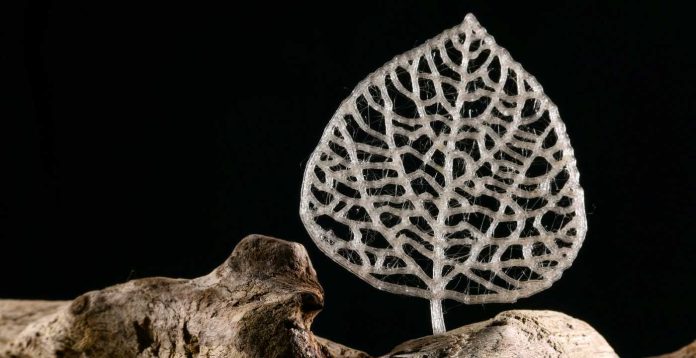
A new type of plastic made directly from organic plant waste has been created by scientists.

The new material is easy to make and could be used in everything from packaging and textiles to medicine and electronics.

The researchers in Switzerland have already used the technique to make packaging films, fibres that can be spun into clothes or other textiles and filaments for 3D printing.

Conventional plastic is so widespread because making it combines low cost, heat stability, mechanical strength, processability, and compatibility, the researchers say.

Until now, few if any alternative plastics have managed to match or surpass conventional plastic on these metrics, which is vital if they are to be used more widely.

To make the plastic, scientists ‘cooked’ wood and other non-edible plant materials in inexpensive chemicals to make a plastic precursor.

The sugar structure stays intact within the molecular structure of the plastic, making the chemistry much cheaper than other types of alternative plastic.

MORE: Enzyme Discovered in a Cemetery’s Compost Heap Can Break Down PET Plastic in Record Time

Back in 2016, the researchers found out that if they added an aldehyde chemical they could stabilize parts of the plant material to avoid their destruction during extraction. But now, instead of formaldehyde they are using glyoxylic acid, a solid organic compound that occurs naturally and is used in industry.

The team could simply clip ‘sticky’ groups onto both sides of the sugar molecules, which allowed them to act as plastic building blocks.

Using this simple technique, they could convert up to a quarter of the weight of agricultural waste, or 95 per cent of purified sugar into plastic.

“The plastic has very exciting properties, notably for applications like food packaging,” Professor Jeremy Luterbacher from the Swiss Federal Institute of Technology, who created the plastic, said.

RELATED: Texas Scientists Have Created a Protein That Breaks Down Plastic Bottles

“What makes the plastic unique is the presence of the intact sugar structure.

“This makes it incredibly easy to make because you don’t have to modify what nature gives you, and it is simple to degrade because it can go back to a molecule that is already abundant in nature.”

The findings were published in the journal Nature Chemistry.

DON’T WASTE the Good News; Share This Article With Pals…

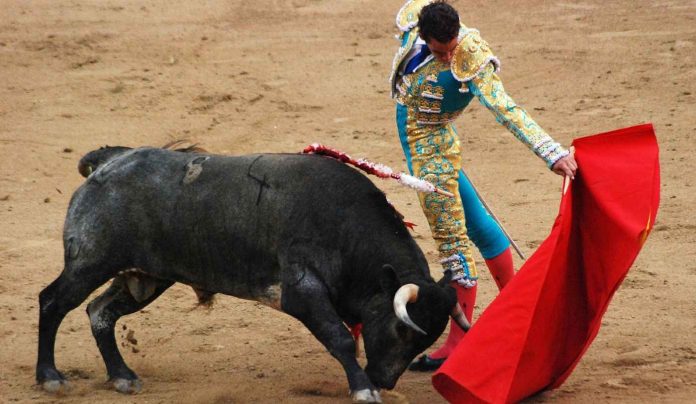
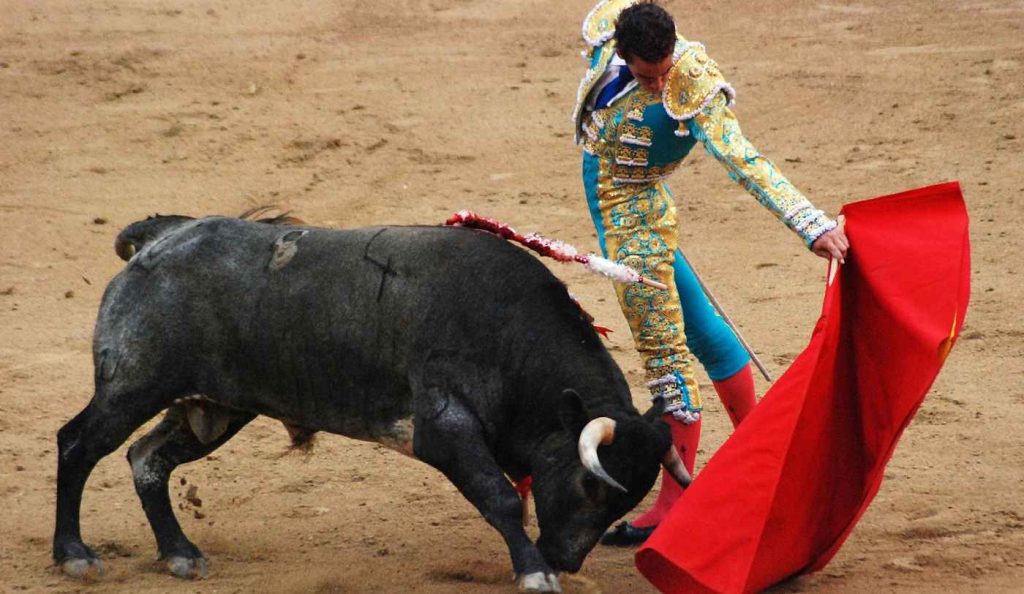
Mexico City’s Ban on Bullfighting Could be Death Knell to the ‘Sport’

Marcus Obal, CC license

Bullfighting is a romantic Spanish tradition that is said to be a tragedy ballet between the man and the bull. However richly that culture is ingrained in the traditions and histories of Spain, and by extension, Mexico, there’s no escaping the fact that for the bulls, who almost always lose the “fight,” it’s just a tragedy, without any romance.

For that reason, a majority of Mexican citizens recently polled supported a total moratorium on bullfighting in Mexico because the “animals are subject to mistreatment and cruelty that result in their death,” according to the Mexican assembly’s Animal Welfare Commission.

Bullfighting organizations have said they will appeal and contest the ban in Mexico City, however a higher court has already upheld a ban ruling against an appeal. Four states have already totally banned bullfighting, which historians believe may have passed the half-millennial anniversary in the country last year.

ABC news reports that a judge originally decreed a temporary ban in May, based on complaints that bullfights violated resident’s rights to a healthy environment free from violence. The decision will now be made on whether or not the ban should be permanent.

Currently, La Plaza Mexico in the capital is the world’s largest bullfighting venue, where matadors, toreadors, and picadors attempt to evade the fury of the bull, while repeatedly stabbing it with slightly-chemically-treated javelins to slowly weaken the animal before the toreador can finish it off with a thrust of his sword.

MORE: 100 Nations Take Action To Save Oceans from Illegal Fishing and Plastic Pollution

Throughout history, the peoples of the Mediterranean and Mesopotamia have been fascinated with antagonizing uncastrated male bovines. In ancient Mycenae, the “bull leapers” fresco dates this tradition back at least 3,400 years. Along with the Running of the Bulls in Pamplona, the Spanish brought about bullfighting at least as early as 1128 CE, when the general El Cid was said to be exceptional.

The bullfight we know today, done on foot with the red curtain, was first held at the turn of the 19th century, by Francisco Romero, in Ronda, Spain.

Bullfighting advocates say that it’s a kind of shared or intangible world heritage.

LOOK: Thailand Announces Ban on Coral-Damaging Sunscreens in Marine National Parks

In the documentary Gored, about one of the most famous of recent matadors, advocates say the tragedy about the “ballet” between the bull and the matador, which ends at the thrust of a sword, is that the matador loves the animal, and that in order for the show—bordering on a ritual, to be executed perfectly, the matador in fact must love the bull with all his heart. Therefore when it ends, there is chiefly sorrow for him.

Perhaps it’s correct then that the tradition itself, like the bull, and the ballet, ends.

SPREAD This Good News in the Name of Animal Welfare Far and Wide…

Boy Asked Frank Lloyd Wright to Design Him a Dog House – And He Did

Letter received by Frank Lloyd Wright, asking him to design a dog house – Courtesy of Marin County Civic Center

Designer of some of the most celebrated buildings in American history—including Falling Water and the Guggenheim Museum—Frank Lloyd Wright, as it turns out, helped fulfill the housing needs of other animals too.

In 1956, a 12-year-old boy asked the famous architect if—seeing as he was already designing a house for his family, the Bergers—the great designer wouldn’t be troubled to include a dog house to go with it.

Penning a reply, Wright said building a dog house for Eddie the Labrador retriever was an “opportunity,” but that on account of a packed schedule, young Jim Berger would have to wait about 18 months.

Marin County Civic Center

Jim was the son of Robert and Gloria, who had recently contracted Wright to build them one of his “Usonian style” homes for the American family.

Just as he had intended, Wright got around to the “opportunity” and provided plans for the four-square-foot doghouse the next year, written on the back of an envelope and at no charge.

The triangular structure was designed in keeping with the main house and included signature Wright details, such as the low-pitched roof with exaggerated overhang. Wright even suggested that Jim use scrap pieces of Philippine mahogany and cedar left over from the home’s original construction.

The youth never got around to building it, but eventually his brother and father built the doghouse, only to find that Eddie never used it and preferred to sleep inside where it was warmer. The roof leaked too, which was somewhat typical of Wright’s work. This led Jim’s mother Gloria to toss the thing in the landfill.

Doghouse designed by Wright in new exhibit / Marin Civic Center

But in 2010, the documentary Designed by Frank featured Jim and his brother rebuilding the doghouse according to the original plans, and, after they were finished, they donated it to Marin County for display at another of Wright’s buildings, the Marin County Civic Center.

RELATED: This Cabin’s Flexible Design Can Open To Nature or Enclose into Cozy Space Again (Watch)

Displayed only briefly, it was placed in storage in 2016, but the people who saw it never forgot, and so as of late May, the smallest building he ever designed is now on permanent display inside the largest existing building he ever designed.

Marin County Civic Center – copyright GWC

“The people love it,” Libby Garrison of the Marin County Department of Cultural Services, told the Marin Independent.

MORE: Visit ‘Fortlandia’ Where Designers Have Built Odes to Childhood Fort-Building in Austin, Texas

“We are a pet-loving community and I think it’s an intimate kind of lovely building and I feel like it tells a bigger Frank Lloyd Wright story. The doghouse adds further dimension to Frank Lloyd Wright in Marin County, and it’s a fun family story.”

SHARE This Fab Story of True Generosity With Chums…

“A shower can bestow a temporary taste of being born again. It’s fine to have one for that purpose alone with no further justification.” – William Sebrans

Quote of the Day: “A shower can bestow a temporary taste of being born again. It’s fine to have one for that purpose alone with no further justification.” – William Sebrans

Photo by: Laura Marques

With a new inspirational quote every day, atop the perfect photo—collected and archived on our Quotes page—why not bookmark GNN.org for a daily uplift?

What Did Albert Einstein, Da Vinci, and Steve Jobs Have in Common: Dyslexia – Why They’re Top Achievers

Photo by Jorge Alejandro Rodríguez Aldana

Dyslexia has affected some of history’s greatest minds—including Leonardo da Vinci, Albert Einstein, Pablo Picasso, and Sir Stephen Hawking.

The list also includes billionaire entrepreneurs—like Sir Richard Branson and Steve Jobs—who’ve built some of the world’s top companies, like Virgin and Apple.

Now scientists have discovered that people with dyslexia have special skills. They are better at solving problems and adapting to challenges.

Such skills enabled our species to survive, and could hold the key to tackling climate change.

Those with dyslexia (a common learning disability) actually specialize in exploring the unknown.

The findings published in the journal Frontiers in Psychology have implications both at the individual and societal level.

“The deficit-centered view of dyslexia isn’t telling the whole story,” said lead author Dr. Helen Taylor, of the University of Cambridge. “This research proposes a new framework to help us better understand the cognitive strengths of people with dyslexia.”

CHECK OUT: This Font is Designed Specifically For Dyslexia – and it Really Works

It is estimated that one-in-five have the condition. It mainly causes problems with reading, writing and spelling.

Other Celebrities

Celebrities known to have dyslexia range from Walt Disney and John Lennon to Jamie Oliver and Keira Knightley.

George Washington, Abraham Lincoln, and John F. Kennedy left an indelible mark on the world as presidents of the United States—regardless of their spelling ability.

“We believe the areas of difficulty experienced by people with dyslexia result from a cognitive trade-off between exploration of new information and exploitation of existing knowledge,” added Dr. Taylor.

“The upside is an explorative bias that could explain enhanced abilities observed in certain realms like discovery, invention and creativity.”

It is the first study to look at dyslexia from an evolutionary perspective, shedding fresh light on its prevalence among high achievers.

LOOK: 9-Year-old Boy With Dyslexia Uses His ‘Superpower’ to Make John Cena Portrait Out of Rubik’s Cubes

“Schools, academic institutes and workplaces are not designed to make the most of explorative learning,” insists Taylor. “But we urgently need to start nurturing this way of thinking to allow humanity to continue to adapt and solve key challenges.”

Dyslexia is found in up to 20% of the general population irrespective of country, culture, and world region.

It is defined by the World Federation of Neurology as “a disorder in children who, despite conventional classroom experience, fail to attain the language skills of reading, writing and spelling commensurate with their intellectual abilities.”

The study is based on a theory of evolution called “complementary cognition” which suggests humans evolved to specialize in different but supportive ways of processing information. Combining these abilities enables us to achieve more than the sum of parts—increasing creativity.

RELATED: New LED Lamp Has Helped 90% of Its Dyslexic Users to Read ‘Effortlessly’

For example, if you eat all the food you have, you risk starvation when it’s all gone. But if you spend all your time exploring for food, you are wasting energy you don’t need to waste. We must ensure a balance between ‘exploitation’ of known resources with exploration of new resources to best survive.

Exploration refers to activities that involve experimentation, discovery, and innovation, which dyslexia enhances.

Exploitation is concerned with using what’s already known including refinement, efficiency, and selection—and this includes tasks such as reading and writing.

“It could also explain why people with dyslexia appear to gravitate towards certain professions that require exploration-related abilities such as arts, architecture, engineering and entrepreneurship,” Taylor said.

RELATED: Explorer Who Found Many Iconic Shipwrecks Like the Titanic Credits Dyslexia For His Success

Educators, academics and policy makers consider people with dyslexia as having a developmental disorder. But its ubiquity suggests they have an advantageous form of cognition passed on to us from our ancestors over thousands of generations.

The results align with evidence from several other fields. An explorative bias in such a large proportion of the population indicates our species evolved during a period of high uncertainty and change.

Collaboration between people with different abilities might have aided the exceptional capacity of our species to adapt.

SHAER This Inspiring Study With Aspiring Friends on Social Media… 

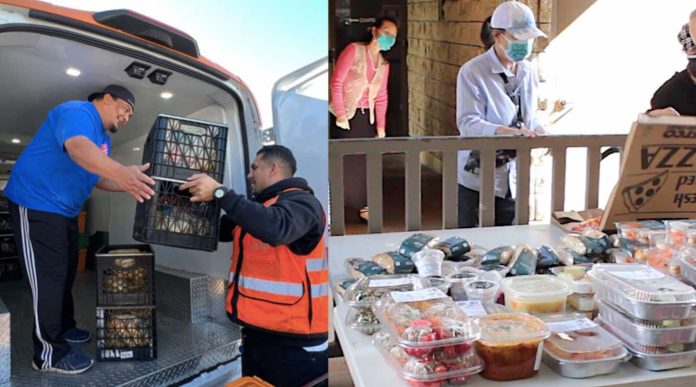
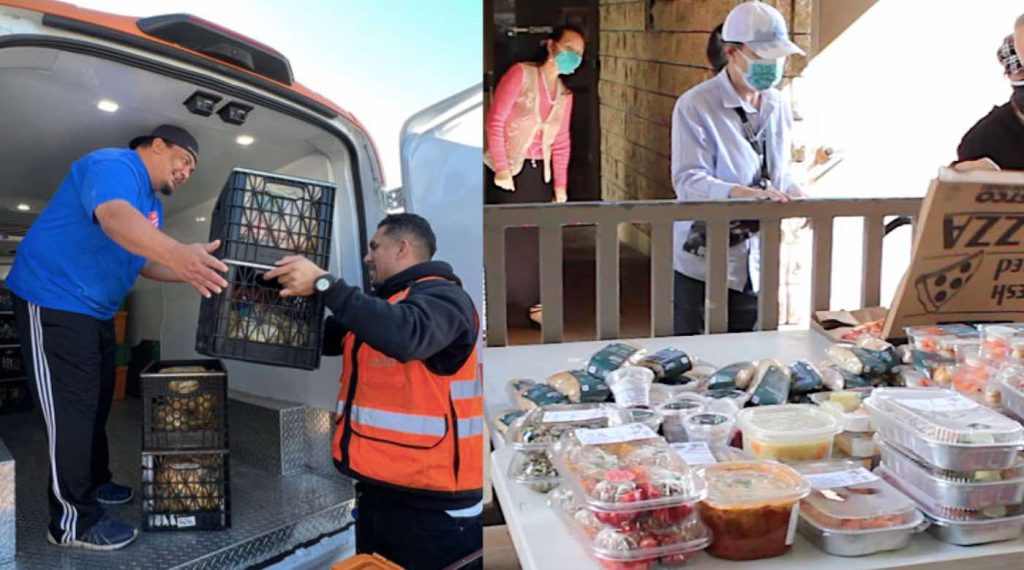
Unique Initiative Trains Homeless Folks to Drive Vans to Rescue Food For Distribution Back in the Shelter

Salvation Army Food Waste Program with Feeding San Diego

A unique collaboration between a trio of organizations in San Diego, California, reached a milestone in providing food and employment to those who need it most.

They also rescue perfectly-viable food that would’ve otherwise ended up in the landfill, while serving up a creative model that could be replicated across the country.

With funding from the Lucky Duck Foundation, The Salvation Army hires residents of its homeless shelter and trains them to be food rescue route drivers, who then operate routes for Feeding San Diego to pick up tasty food before it’s wasted.

The heartwarming partnership hit a milestone in June, announcing it had saved more than half a million pounds of food so far (227,000 kg), and every one of The Salvation Army residents who has participated in the program has secured full-time employment and is still housed.

POPULAR: Working at NYC Motel, Actor Now Gives Free Rooms to Those in Need – And Has Fun Along the Way

Daniel Rocha who had been homeless for nine months jumped at the job opportunity to be a route driver. He picks up the food three times per week from grocery stores, like Costco and Vons, from Starbucks, and Amazon warehouses, among other businesses.

The food is then distributed to those in need—often to the residents back at The Salvation Army shelter.

RELATED: Realtor Transforms Abandoned Properties into Tiny Home Villages That Give Permanent Housing to Chronic Homeless

“The uplifting program can potentially inspire similar collaborations elsewhere,” Foundation spokesperson Brian Hayes told GNN.

Watch the Salvation Army video featuring Daniel, below…

MULTIPLY The Good By Sharing the Win-Win Program to Inspire Others on Social Media….

Baby Girl Adorably Tries to Prank Mom With Fake Cough – WATCH

An adorable toddler learned that she gets extra love from mom when she’s sick—so she tries faking it ’til she makes it.

Kaitlin Moore shared the video of her daughter’s fake coughing, which became a little game between them.

As soon as the baby realized it was funny, she continued doing it, and mom captured the cuteness on her phone.

POPULAR: Guy Tries His Best to Catch a Bunny Rabbit, Captures the Hilarious Fail on Video

You might say the youngster was practicing for the future: “Mom, I can’t go to school today. I feel sick…”

SHARE The Giggles With Moms and Dads on Social Media…

Video Games Can Help Boost Children’s Intelligence; TV and Social Media Had No Negative Effect Says New Study

Children have been spending more and more time in front of screens—and whether it has a negative impact on their well being is being hotly debated.

Researchers in Sweden have now studied how the screen habits of U.S. children correlates with their intelligence, and how it develops over time.

The study found that children who spent an above-average time playing video games increased their intelligence more than the average, while TV watching or social media had neither a positive nor a negative effect.

Over 9,000 boys and girls in the USA participated in the study. At the age of nine or ten, the children performed a battery of psychological tests to gauge their general cognitive abilities (intelligence). The children and their parents were also asked about how much time the children spent playing video games, watching TV or videos, and scrolling on social media.

In a follow-up two years later, over 5,000 of the children were asked to repeat the psychological tests. This enabled the researchers from Karolinska Institute and Vrije University Amsterdam to study how the children’s performance on the tests varied from the first testing session to the other, and to control for individual differences in the first test. They also controlled for genetic differences that could affect intelligence and differences that could be related to the parents’ educational background and income.

MORE: Want Students to Do Better in Class? Take Them on Culturally Enriching Field Trips

The average child in the study spent 2.5 hours a day watching TV, half an hour on social media and 1 hour playing video games.

The results showed that those who played more games than the average increased their intelligence between the two measurements by approximately 2.5 IQ points more than the average. No significant effect was observed, positive or negative, of TV-watching or social media.

“We didn’t examine the effects of screen behavior on physical activity, sleep, wellbeing or school performance, so we can’t say anything about that,” says Torkel Klingberg, professor of cognitive neuroscience at the Department of Neuroscience, Karolinska Institute.

RELATED: Pokémon GO May Alleviate Some Depression, Says Study

“But our results support the claim that screen time generally doesn’t impair children’s cognitive abilities, and that playing video games can actually help boost intelligence. This is consistent with several experimental studies of video-game playing.”

Intelligence is not constant

The results are also in line with recent research showing that intelligence is not a constant, but a quality that is influenced by environmental factors.

“We’ll now be studying the effects of other factors and how the cognitive effects relate to childhood brain development,” says Torkel Klingberg.

One limitation of the study, published in the journal Scientific Reports, is that it only covered U.S. children and did not differentiate between different types of video games, which makes the results difficult to transfer to children in other countries with other gaming habits. Also, the accuracy of screen time and habits could not be confirmed since they were self-reported by families.

CHECK OUT: The Average American Has Made 5 New Friends Through Video Gaming in the Past Year

LEVEL UP Your Social Media With Positivity; Share This Story…

“We wish to make rage into a fire that cooks things rather than a fire of conflagration.” – Clarissa Pinkola Estés

Quote of the Day: “We wish to make rage into a fire that cooks things rather than a fire of conflagration.” – Clarissa Pinkola Estés

Photo by: Armando Ascorve Morales

With a new inspirational quote every day, atop the perfect photo—collected and archived on our Quotes page—why not bookmark GNN.org for a daily uplift?

Renaissance Masterpiece Found Hanging in 90-Year-Old Woman’s Bedroom

Dawsons
Dawsons

It’s every auctioneers’s dream to find an exquisite item among the thousands of items in someone’s estate that the family is ready to put up for auction.

One potential estate in London recently wasn’t revealing anything of much value until the estimator from Dawsons Auctions finally went up to the bedroom.

The owner of the home, a 90-year-old woman, had left Italy as a young girl and inherited a painting from her father. It had been in her possession for more than 30 years.

“I was utterly shocked when I saw this early religious painting hanging above her bed,” said Siobhan Tyrrell, Dawsons Head of Valuations in London. “It literally glowed with quality!”

Upon inspection, it was found to be painted by a follower of Renaissance artist Filippino Lippi.

POPULAR: The Painting Paid for Grilled Cheese Sandwiches 50 Years Ago – Now Earns the Restaurant Thousands

“I’m not a painting specialist, however I recognized that it was an exceptional work from the 16th century. I immediately told the family of its potential high worth, and they were keen for me to take it to be consigned to our Fine Art sale.”

In the case of this important painting—called The Depiction of the Madonna and Child—the result was “fantastic”. It sold for $320,000 (£255,000), and it delighted auctioneers for more reasons than one.

The seller is suffering from dementia and her family has been keen to provide improved care and accommodations to make her life more comfortable, but increased costs had made this impossible—until now.

RELATED:  101-Year-old Woman Is Amazed After Being Reunited with Her Lost Painting Looted by Nazis

As a direct result of the incredible sale price achieved, she will not have to worry about her ongoing nursing care, much to the relief of her family.

Fittingly, given the subject matter of the painting itself (a holy mother and child), this wonderful oil canvas has really turned out to be a godsend to them all.

(WATCH the video from Dawsons, below.)

Inspire Your Friends With This Lucky Find on Social Media—SHARE IT…

Mechanic Smashes World Record for Most Push-ups in an Hour – A Whopping 3,183 – All While in Pain

SWNS
SWNS

An Australian mechanic has smashed the world record for most push-ups in an hour—completing a staggering 3,182.

Daniel Scali took on the Herculean task in April and managed to surpass the previous total by 128—cranking out 51 push-ups every minute for a solid hour.

His feat has been officially confirmed as the second Guinness World Record achieved by the 28-year-old, following his record-breaking stint last year when he spent nine hours and 30 minutes in an abdominal plank position.

And, incredibly, he has done all this while suffering from a condition which can cause excruciating pain.

Daniel, from Henley Beach, has suffered from a condition called Complex Regional Pain Syndrome (CRPS) since he was 12.

It developed when he broke his arm and it’s virtually his brain telling his left arm that there’s pain there.

“Anything from a soft touch, wind, or a slight movement can cause unbearable pain,” he says. “I wanted to prove to myself that I have learnt how to deal with and manage pain, which lead me to my attempts.”

Daniel’s efforts to beat the push-ups record took three attempts, but meanwhile he has also raised $61,000 for the Australian Pain Management Association.

RELATED: World’s Most Premature Baby Defies 1% Survival Odds to Break Guinness Record

“For me breaking these records has been about raising awareness for chronic pain sufferers and inspiring belief in others.

“If you convince yourself that pain is a fuel to keep you going… I believe anyone is capable of anything they put their self out there to achieve.

“I wanted to show that you don’t have to be sheltered by the pain and it doesn’t have to be a barrier to success.

LOOK: Zeus, the World’s Tallest Dog, is as Big as Texas

“Although at times it might be hard and the days may seem longer, if you continue to pursue your goal, you are guaranteed a better outcome than those who don’t.

“I’m extremely happy and grateful to everyone that supports me with my achievements and I’m already looking forward to what comes next!”

WATCH: World’s Tallest Man and Shortest Woman Meet For the First Time

The previous men’s push-up record was held by Jarrad Young, a fellow Australian, since 2021. See the new Guinness World Record broken in the video below…

INSPIRE Your Friends With the Incredible Feat By Sharing on Social Media…

Rare Orchid Thought to Be Extinct in Vermont For 120 Years is Rediscovered – Biologists Call it ‘Astonishing’

Robert H. Mohlenbrock / USDA

Botanists with the Vermont Fish and Wildlife Department confirmed that they’ve discovered a population of small orchids believed to be extinct in Vermont since 1902.

“Discovering a viable population of a federally threatened species unknown in our state for over a century is astounding,” said Vermont Fish and Wildlife Department Botanist Bob Popp. “It’s Vermont’s equivalent of rediscovering the ivory-billed woodpecker.”

The small whorled pogonia is a globally-rare orchid that, in the past, had bloomed across the eastern US states and Ontario. Previous searches for the species in Vermont have been unsuccessful, but now have been documented as growing on Winooski Valley Park District conservation land in Chittenden County

As with many orchids, little is understood about the species’ habitat needs.

“A challenge of locating rare orchid populations for conservation is that so much of where they grow is determined by things we can’t easily see or measure, like networks of fungi in the soil,” said Vermont Fish and Wildlife Department Assistant Botanist Aaron Marcus.

Populations in Maine and New Hampshire are found in areas of partial sun including forest edges and openings—and the latest discovery was thanks to wildflower enthusiasts reporting their findings on an app.

Marcus says the department was first notified of a possible small whorled pogonia population in Vermont thanks to the observations of two community scientists: John Gange of Shelburne and Tom Doubleday of Colchester.

LOOK: These Moths Are So Gorgeous, They Put Butterflies to Shame

Small Whorled Pogonia by John Gange / VT Fish and Wildlife

“John is a passionate and skilled botanist who specializes in orchids and closely follows the sightings people report on the community science app iNaturalist,” said Marcus. “John noticed that a birder, retired greenhouse manager Tom Doubleday, had used iNaturalist to ask for help identifying an unfamiliar wildflower last July and reached out to us with the news that the orchid had very likely just been discovered in Vermont.”

Popp, Marcus, Doubleday, and Gange returned to the site together this spring and confirmed the presence of small whorled pogonia, which was in bloom at the time.

Rare orchids are at high risk from illegal collection and accidental trampling by passive visitors, according to Marcus. To protect the pogonia’s location from potential disturbances, Doubleday removed the public coordinates from his post using iNaturalist’s privacy settings.

CHECK OUT: Quiz Finds Which Plants Match Your Personality and Helps You Choose Perfect Potted Pal for Your Home

The department’s next steps will be to work with the Winooski Valley Park District to look for the small whorled pogonia on nearby conservation land and monitor the population to make sure this species has the best possible opportunity to flourish in Vermont’s portion of its native range.

“We’re incredibly fortunate that this small whorled pogonia population is on land protected by the Winooski Valley Park District,” said Popp. “It speaks to the importance of habitat conservation.

RELATED: Woman Races to Save World’s Largest–and Stinkiest—Flower, the 3-ft Wide ‘Corpse Flower‘

“When we conserve a piece of land, we rarely know all the species that are there, but we do know that conserving intact natural communities yields the best odds for supporting Vermont’s biodiversity, from common species to rare ones.”

GROW Some Hope on Social Media By Sharing the Good News…

Your Inspired Weekly Horoscope From Rob Brezsny: A ‘Free Will Astrology’

Our partner Rob Brezsny provides his weekly wisdom to enlighten our thinking and motivate our mood. Rob’s Free Will Astrology, is a syndicated weekly column appearing in over a hundred publications. He is also the author of Pronoia Is the Antidote for Paranoia: How All of Creation Is Conspiring To Shower You with Blessings. (A free preview of the book is available here.)

Here is your weekly horoscope…

FREE WILL ASTROLOGY – Week of June 25, 2022
Copyright by Rob Brezsny, FreeWillAstrology.com

CANCER (June 21-July 22):
Author John Banville wrote what might serve as a manifesto for some of us Crabs: “To be concealed, protected, guarded: that is all I have ever truly wanted. To burrow down into a place of womby warmth and cower there, hidden from the sky’s indifferent gaze and the harsh air’s damagings. The past is such a retreat for me. I go there eagerly, shaking off the cold present and the colder future.” If you are a Crab who feels a kinship with Banville’s approach, I ask you to refrain from indulging in it during the coming months. You’re in a phase of your long-term astrological cycle when your destiny is calling you to be bolder and brighter than usual, more visible and influential, louder and stronger.

LEO (July 23-Aug. 22):
“We wish to make rage into a fire that cooks things rather than a fire of conflagration,” writes author Clarissa Pinkola Estés. That’s good advice for you right now. Your anger can serve you, but only if you use it to gain clarity—not if you allow it to control or immobilize you. So here’s my counsel: Regard your wrath as a fertilizing fuel that helps deepen your understanding of what you’re angry about—and shows you how to engage in constructive actions that will liberate you from what is making you angry.

VIRGO (Aug. 23-Sept. 22):
Virgo author Jeanette Winterson was asked, “Do you fall in love often?” She replied, “Yes, often. With a view, with a book, with a dog, a cat, with numbers, with friends, with complete strangers, with nothing at all.” Even if you’re not usually as prone to infatuation and enchantment as Winterson, you could have many experiences like hers in the coming months. Is that a state you would enjoy? I encourage you to welcome it. Your capacity to be fascinated and captivated will be at a peak. Your inclination to trust your attractions will be extra high. Sounds fun!

LIBRA (Sept. 23-Oct. 22):
Libran lexicographer Noah Webster (1758–1843) worked hard to create his dictionary, and it became highly influential in American culture. He spent over 26 years perfecting it. To make sure he could properly analyze the etymologies, he learned 28 languages. He wrote definitions for 70,000 words, including 12,000 that had never been included in a published dictionary. I trust you are well underway with your own Webster-like project, Libra. This entire year is an excellent time to devote yourself with exacting diligence to a monumental labor of love. If you haven’t started it yet, launch now. If it’s already in motion, kick it into a higher gear.

SCORPIO (Oct. 23-Nov. 21):
“Shouldn’t the distance between impossible and improbable be widened?” asks poet Luke Johnson. I agree that it should, and I nominate you to do the job. In my astrological view, you now have the power to make progress in accomplishing goals that some people may regard as unlikely, fantastical, and absurdly challenging. (Don’t listen to them!) I’m not necessarily saying you will always succeed in wrangling the remote possibilities into practical realities. But you might. And even if you’re only partially victorious, you will learn key lessons that bolster your abilities to harness future amazements.

SAGITTARIUS (Nov. 22-Dec. 21):
Sagittarian novelist George Eliot wrote, “It is very hard to say the exact truth, even about your own immediate feelings—much harder than to say something fine about them which is not the exact truth.” I believe you will be exempt from this rule during the next seven weeks. You will be able to speak with lucid candor about your feelings—maybe more so than you’ve been able to in a long time. And that will serve you well as you take advantage of the opportunity that life is offering you: to deepen, clarify, and refine your intimate relationships.

CAPRICORN (Dec. 22-Jan. 19):
Author bell hooks (who didn’t capitalize her name) expressed advice I recommend for you. She said, “Knowing how to be solitary is central to the art of loving. When we can be alone, we can be with others without using them as a means of escape.” As you enter a phase of potential renewal for your close relationships, you’ll be wise to deepen your commitment to self-sufficiency and self-care. You might be amazed at how profoundly that enriches intimacy. Here are two more helpful gems from bell hooks: “You can never love anybody if you are unable to love yourself” and “Do not expect to receive the love from someone else you do not give yourself.”

AQUARIUS (Jan. 20-Feb. 18):
In April 2005, a 64-year-old Korean woman named Cha Sa-soon made her first attempt to get her driver’s license. She failed. In fairness to her, the written test wasn’t easy. It required an understanding of car maintenance. After that initial flop, she returned to take the test five days a week for three years—and was always unsuccessful. She persevered, however. Five years later, she passed the test and received her license. It was her 960th try. Let’s make her your role model for the foreseeable future. I doubt you’ll have to persist as long as she did, but you’ll be wise to cultivate maximum doggedness and diligence.

PISCES (Feb. 19-March 20):
In the eighth century, Chinese poet Du Fu gave a batch of freshly written poems to his friend and colleague, the poet Li Bai. “Thank you for letting me read your new poems,” Li Bai later wrote to Du Fu. “It was like being alive twice.” I foresee you enjoying a comparable grace period in the coming weeks, Pisces: a time when your joie de vivre could be double its usual intensity. How should you respond to this gift from the Fates? Get twice as much work done? Start work on a future masterpiece? Become a beacon of inspiration to everyone you encounter? Sure, if that’s what you want to do. And you could also simply enjoy every detail of your daily rhythm with supreme, sublime delight.

ARIES (March 21-April 19):
Aries actor Marilu Henner has an unusual condition: hyperthymesia. She can remember in detail voluminous amounts of past events. For instance, she vividly recalls being at the Superdome in New Orleans on September 15, 1978, where she and her actor friends watched a boxing match between Leon Spinks and Muhammad Ali. You probably don’t have hyperthymesia, Aries, but I invite you to approximate that state. Now is an excellent time to engage in a leisurely review of your life story, beginning with your earliest memories. Why? It will strengthen your foundation, nurture your roots, and bolster your stability.

TAURUS (April 20-May 20):
Poet Elizabeth Bishop noted that many of us are “addicted to the gigantic.” We live in a “mostly huge and roaring, glaring world.” As a counterbalance, she wished for “small works of art, short poems, short pieces of music, intimate, low-voiced, and delicate things.” That’s the spirit I recommend to you in the coming weeks, Taurus. You will be best served by consorting with subtle, unostentatious, elegant influences. Enjoy graceful details and quiet wonders and understated truths.

GEMINI (May 21-June 20):
In the coming weeks, you will need even more human touch than usual. Your mental, physical, and spiritual health REQUIRE you to have your skin in contact with people who care for you and are eager to feel their skin against yours. A Tumblr blogger named Friend-Suggestion sets the tone for the mood I hope you cultivate. They write, “I love! human contact! with! my friends! So put your leg over mine! Let our knees touch! Hold my hand! Make excuses to feel my arm by drawing pictures on my skin! Stand close to me! Lean into my space! Slow dance super close to me! Hold my face in your hands or kick my foot to get my attention! Put your arm around me when we’re standing or sitting around! Hug me from behind at random times!”

WANT MORE? Listen to Rob’s EXPANDED AUDIO HOROSCOPES, 4-5 minute meditations on the current state of your destiny — or subscribe to his unique daily text message service at: RealAstrology.com

(Zodiac images by Numerologysign.com, CC license)

SHARE The Wisdom With Friends Who Are Stars in Your Life on Social Media…

“6 minutes of walking outdoors solves more problems than 60 minutes of labored thinking.” – William Sebrans

Credit: Professor Habits

Quote of the Day: “6 minutes of walking outdoors solves more problems than 60 minutes of labored thinking.” – William Sebrans

Photo by: Professor Habits

With a new inspirational quote every day, atop the perfect photo—collected and archived on our Quotes page—why not bookmark GNN.org for a daily uplift?