All News - Page 412 of 1715 - Good News Network
Home Blog Page 412

“Courage and perseverance have a magical talisman, before which difficulties disappear and obstacles vanish into air.” – John Quincy Adams

Quote of the Day: “Courage and perseverance have a magical talisman, before which difficulties disappear and obstacles vanish into air.” – John Quincy Adams

Photo: by Ariel Pilotto

With a new inspirational quote every day, atop the perfect photo—collected and archived on our Quotes page—why not bookmark GNN.org for a daily uplift?


Elderly Couple Living in UK’s Darkest Village Lights Up the Sky With Huge Christmas Tree They Planted in 1978

The Rowlands neighborhood tree - SWNS
The Rowlands neighborhood tree in the village of Inkberrow, Worcs – SWNS

This tree-mendous pine is becoming known as The Little Tree That Could.

Planted by an elderly couple long ago when it was shorter than them, it has grown to more than 50-feet and provides a majestic light to a town with little illumination on any horizon.

Avril and Christopher Rowlands bought the fir costing £6 at a garden center shortly after moving into their home, using it as their first Christmas tree.

They planted the 6-foot tree in the front garden and took a photograph to commemorate the occasion.

The tree took root and thrived.

Today it towers, 43 years later, over the village of Inkberrow, Worcs.

The village—with its 17th century pub that inspired The Bull in Radio 4’s The Archers—is one of the darkest places in the UK as one of the only towns without any street lights.

The Little Tree That Could, 1979 – SWNS

But last week its 2,000 residents turned out to see the switching-on ceremony, which lit up the huge tree that can be seen from miles around.

SWNS

“The switching on of the lights has become quite a village tradition,” said Avril. “A lot of people in the village say that it’s the start of their Christmas.”

This year was quite special because last year the Rowlands had to do the switch-on by themselves due to Covid restrictions.

“We had fireworks, too, this year, plus a friend who brought down a trailer that had Christmas music on.”

LOOK: Australian Woman Finds Koala Hanging Out in Her Christmas Tree – And the Photos are Adorable

The tree has grown so big that a cherry picker is needed to help the couple decorate it with 3,000 lights ahead of the big unveiling.

“It’s been wonderful to see so many people enjoy the lights this year,” said the 75-year-old retired TV writer.

The Rolands – SWNS

And, since the tree is getting more and more attention, they decided to ask people to donate to a Cancer Research charity online, in memory of a close friend who died this year.

POPULAR: A Miracle on 34th Street for Tiny Owl Found Stowed Away in Rockefeller Christmas Tree

The couple say they are still stunned by the size of the tree which grows more than a foot each year: “We had no idea just how big it would grow. It’s absolutely huge now and towers over our house.”

Drone aerial view of the giant Christmas tree in 2019 –SWNS

Avril swooned, “We even get cards addressed to the tree, which is quite sweet.”

SHARE The Charlie Brown Tree With Friends and Family You Love on Social Media…

Finally, a Fusion Reaction Has Generated More Energy Than Absorbed By The Fuel

LLNL / Damien Jemison

Researchers at a lab owned by the U.S. government have passed a crucial milestone on the way to their ultimate goal of achieving self-sustaining nuclear fusion.

On Aug. 8, 2021, an experiment at Lawrence Livermore National Laboratory (LLNL) made a significant step toward ignition, achieving a yield of more than 1.3 megajoules. Researchers said this advancement puts them at the threshold of fusion ignition, which is defined as a sustainable and never-ending powerful energy source.

The experiment was enabled by focusing laser light—the size of three football fields—onto a target which is the size of a BB that produces a hot-spot the diameter of a human hair, generating more than 10 quadrillion watts of fusion power for 100 trillionths of a second.

“These extraordinary results advance the science,” said Jill Hruby, DOE under secretary for Nuclear Security and administrator of the National Nuclear Security Administration.

RELATED: Australian Company Works to Make Energy From Nuclear Fusion – But Without the Fiery Ball of Plasma

Experiments in pursuit of fusion ignition are important for providing data in an experimental regime that is extremely difficult, and is an important gateway to enable access to high fusion yields in the future.

While a full scientific interpretation of these results will occur through the peer-reviewed journal/conference process, initial analysis shows an 8X improvement over experiments conducted in spring 2021 and a 25X increase over NIF’s 2018 record yield. It also marked the first time the output exceeded the energy absorbed by the fuel used to trigger it, according to Science Alert.

“This result is a testament to the innovation, ingenuity, commitment and grit of this team and the many researchers in this field over the decades who have steadfastly pursued this goal,” said LLNL Director Kim Budil. “For me it demonstrates one of the most important roles of the national labs – our relentless commitment to tackling the biggest and most important scientific grand challenges and finding solutions where others might be dissuaded by the obstacles.”

POPULAR: Amazing Tech Developed by Private Firms Are on the Verge of Creating Nuclear Fusion Reactors to Power Humanity

The experiment built on several advances gained from insights developed over the last several years by the LLNL’s National Ignition Facility team, including new diagnostics; target fabrication improvements in the hohlraum, capsule shell and fill tube; improved laser precision; and design changes to increase the energy coupled to the implosion and the compression of the implosion.

“Gaining experimental access to thermonuclear burn in the laboratory is the culmination of decades of scientific and technological work stretching across nearly 50 years,” said Los Alamos National Laboratory Director Thomas Mason. “This enables experiments that will check theory and simulation in the high energy density regime more rigorously than ever possible before and will enable fundamental achievements in applied science and engineering.”

Looking ahead, access to this new experimental model will inspire new avenues for research and provide the opportunity to create further benchmarks. Plans for repeat experiments are well underway, although it will take several months for them to be executed.

MORE: China’s ‘Artificial Sun’ Brings Nuclear Fusion One Step Closer, Breaking World Record

FOCUS Your Friends Like a Laser on This New Energy Milestone via Social Media..

Scientists Excited by Odd Fish Sounds Recorded in a Restored Coral Reef—the Coolest Thing You’ll Hear All Week

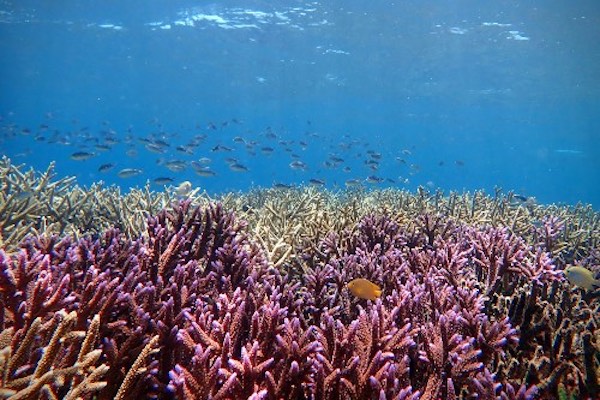
Few things are better than a natural mystery—and the rich diversity of chirps, croaks, and chit-chat captured in a recent recording at a newly-restored coral reef has delighted marine biologists with its audible mystery.

The recordings, made three years after a massive rebuilding of coral reef on a 10-acre plot in Indonesia, revealed an oceanic equivalent of an urban hum. It proved not only that the reef had recovered, but that soundscapes of fish here are far richer than ever expected.

The coral reef had been devastated by dynamite fishing off the Spermonde Archipelago in central Indonesia, but after bending steel rebar into hexagonal shapes called “reef stars”, the Mars Coral Reef Restoration project produced the growth of millions of tiny animals called polyps.

The Reef Stars stabilized loose rubble and kickstarted rapid coral growth, however, researchers were unsure whether this welcoming fresh start would revive an entire reef ecosystem.

The video below, recorded as the months passed, clearly shows how installing 20,000 of these supportive reef stars and planting over 300,000 corals brought the entire area back to life in just three years.

Despite the clear visual wealth of corals now present on the reef, scientists knew that much of reef life is difficult to see, remaining out of sight with adept camouflage.

But, a new study led by researchers from the University of Exeter and the University of Bristol, used special microphones called hydrophones, instead of cameras to measure just how diverse the restored reefs had become—and discovered diverse sounds, many of which have never been recorded before.

Dr Tim Lamont / University of Exeter

“Some of the sounds we recorded are really bizarre and new to us as scientists,” said Professor Steve Simpson of Bristol. “It’s amazing to be able to hear the ecosystem come back to life.”

RELATED: Once Biologically Dead, London’s River Thames Rebounds – With Seahorses and Seals

“This study provides exciting evidence that restoration really works for the other reef creatures too,” said lead author Dr. Tim Lamont from Exeter. “By listening to the reefs, we’ve documented the return of a diverse range of animals.”

Mochyudho Prasetya, and the Mars Coral Reef Restoration Project, have been restoring and monitoring these reefs here in Indonesia for many years. “Now it is amazing to see more and more evidence that our work is helping the reefs come back to life,” he said.

The sounds have been described variously as ‘laughs, purrs, growls, croaks, raspberries, whoops, foghorns.’

But exactly which fish making these calls remains a mystery.

“The foghorn one really blew our minds,” Lamont told The Guardian. “I got really enthusiastic about trying to work out exactly what fish was making it. So I downloaded the noise onto an MP3 player and… I was swimming around blasting it out, trying to get a call and response going.”

“I thought I got it replying a few times, but I never saw the fish itself swim out to meet the call. So the mystery continues.”

POPULAR: New Solution to Ridding Oceans of Microplastics Uses Acoustic Waves

WATCH the extraordinary video to hear the sounds and see the reef grow…

GIVE Others an Earful of the Reef Hustle-and-Bustle on Social Media…

After Raising $2.8M to Make Wishes Come True for Sick Kids, The ‘Night of a Million Lights’ Holiday Tour is Back

Give Kids the World Village / Night of A Million Lights

The Night of A Million Lights is back—the holiday spectacular that delights thousands of visitors and raises millions to give sick children and their weary families a vacation.

Give Kids the World Village / Night of A Million Lights

‘Give Kids The World Village’ has launched their second annual holiday lights extravaganza, running until Jan. 2

Illuminating the Central Florida skyline, the 52-night open house will once again provide the public with a rare glimpse inside Give Kids The World Village, an 89-acre, whimsical nonprofit resort that provides critically ill children with magical weeklong wish vacations at no cost.

What began as an inventive pandemic pivot for Give Kids The World has evolved into Central Florida’s most beloved new holiday tradition. More than 92,000 guests attended Night of a Million Lights in 2020, named by USA TODAY the “Number One Thing To Do In Orlando In December.”

A new dancing lights show, tram tours, and unique behind-the-scenes experiences are guaranteed to make this year’s Night of a Million Lights in Kissimmee, Florida, another dazzling success.

Last year’s event grossed $2.8 million to make wishes come true for children struggling with illness and their families,” spokesperson Cindy Elliott told GNN.

Tickets, which start at $25 but vary depending on the date and special add-ons, such as dessert parties, enable guests to immerse themselves in an exquisitely decorated fairytale neighborhood—the place where wish families call home during their stays.

LOOK: Christmas Fanatic Turns Her Office Cube Into Incredible Life-Sized Gingerbread House

Guests can explore a sparkling tree trail, take photos at one-of-a-kind step-in frames and backdrops, and enjoy a guided storytelling tour of 100 magnificently lit villas from the comfort of a tram—all of which are included in the price of the ticket.

Give Kids the World Village / Night of A Million Lights

The display features 1.25M linear feet of lights, including 3.2 million lights that were donated by Walt Disney World.

The event will run from 5:00 p.m. to 10:00 p.m. daily, with entry times staggered to prevent crowding. Guests will be required to follow all safety protocols and posted instructions established by Give Kids The World Village, in accordance with the guidelines of the Centers for Disease Control and Prevention (CDC.)

“Children with critical illnesses face countless appointments, treatments and hospital stays, and they are often told “no,” due to the limitations of their illness. We feel privileged to give wish children and their families a week of “yes” where they can forget their worries, experience joy, and spend precious time together,” said Give Kids The World President and CEO Pamela Landwirth, who reopened the facility this year following the pandemic shut-down. “Raising funds will enable us to continue creating the happiness that inspires hope for these precious families.”

Since 1986, Give Kids The World Village has welcomed nearly 177,000 families from all 50 states and more than 76 countries.

SWNS

Taking nearly two months to set up, and run by volunteers contributing more than 30,000 volunteer hours, this year’s Night of a Million Lights enhancements will include a 360-degree dancing lights show encompassing 21 fully-programmed buildings set to music, with six 3-minute holiday vignettes playing each hour that feature testimonials by GKTW wish children and their artwork.

POPULAR: Vending Machines Are Now ‘Giving Machines’ Where People Can Donate Chickens, Blankets, Boots, or Basketballs

Of course there will also be an opportunity for children to meet Santa in his elaborately decorated Florida home. Also new this year, guests can choose to add-on exclusive balcony experiences—providing a stunning setting for marriage proposals, vow renewals, birthday and anniversary celebrations.

All proceeds from Night of a Million Lights will support Give Kids The World, rated Four Stars by Charity Navigator 15 years in a row.

Tram tours for the Night of a Million Lights

When wish-granting organizations receive a request from a critically ill child who wants to visit Central Florida (or Disney World), Give Kids The World fulfills the wish – providing every child and his/her family with an all-inclusive dream vacation that includes transportation; accommodations in one of the Village’s 166 storybook villas; all meals and snacks; donated theme park tickets; nightly entertainment; daily gifts; and priceless experiences at the Village, featuring accessible rides and attractions.

Discounts are available for groups of 25 guests or more. To learn more and purchase tickets before they run out, visit www.gktw.org.

START Planning Your Holiday For Next Year by Sharing With Friends on Social Media…

“Don’t let life randomly kick you into the adult you don’t want to become.” – Chris Hadfield

Quote of the Day: “Don’t let life randomly kick you into the adult you don’t want to become.” – Chris Hadfield (astronaut, author, musician)

Photo: by Kristopher Roller

With a new inspirational quote every day, atop the perfect photo—collected and archived on our Quotes page—why not bookmark GNN.org for a daily uplift?


Revolutionary Technology Neutralizes Radioactivity Around Chernobyl by 47% – Using Only the Processes of Earth

Exlterra co-founders install final tubes in Chernobyl soil, September 2020

As they committed to doing last April, on the occasion of the 35th commemoration of the Chernobyl accident, the Swiss-based company Exlterra has reported spectacular results after one year of decontamination on a 2.5 acre plot of land (1 hectare), located in the radioactive exclusion zone around the plant in Ukraine.

Exlterra announced last month that radioactive pollution in the soil decreased by 47%, and in the air above the ground by an average of 37%, one year after the installation of its NSPS technology (Nucleus Separation Passive System).

The company believes total remediation of the area is “seriously conceivable within four years”—without moving any earth or using any chemicals.

Sustainability is what it’s all about at Exlterra (pronounced excel–terra), which was co-founded in 2013 by Polish-American Andrew Niemczyk. So far, its novel technologies are not only able to safely clean radiation-scarred landscapes—with promising prospects for the treatment of radioactive waste—but also transform hydraulic power and boost the nutrition levels of trees.

The NSPS underground technology was installed at Chernobyl between November 2019 and September 2020, and it significantly accelerated the decay of radioactive elements by harnessing existing energy in the ground in a sustainable process. It uses a series of tubes that are a specific shape, with a designated length and distance between each other, which enables the radionuclides to naturally decontaminate at a much faster pace than the 24,000 years, it would take on its own.

Twelve months after its deployment, the radioactive substances Cs137, Sr90, and Am241, were reduced by 47%, on average.

The methodology and rigorous measurement process were carried out by Ukrainian experts like Sergiy Kireiev, who have been in charge of caring for the plant since it was capped for safety decades ago.

“These results are remarkable,” says Kireiev, General Director of SSE Ecocentre in Chernobyl. “It is the first time in 35 years that such any technology has succeeded in reducing the level of radioactivity in the soil and air so significantly. This is a real hope for the whole area.”

“This 12-month reduction in radioactivity will allow us to bring this parcel back to its original radioactivity level over a 5-year period,” explains Frank Muller, co-founder and CEO of Exlterra. “We also want to quickly offer our solution at other problematic sites around the world, including Fukushima in Japan.”

POPULAR: Amazing Tech Developed by Private Firms Are on the Verge of Creating Nuclear Fusion Reactors to Power Humanity

Harnessing nature’s own high velocity particles

The NSPS technology uses scientific concepts of particle physics and nuclear energy to solve the problem of severe contamination. It leverages in particular high velocity particles, also known as positrons, to direct this naturally occurring force towards radioactive isotopes in the soil and breaks the bonds holding them together. This is done safely under the surface of the soil and no radioactivity is released further into the ground or above the ground in the air, according to Exlterra. Once the positron comes into contact with the radioactive isotope, it rejoins an electron and annihilates back to its original matter.

“What seemed impossible is now a reality,” said Exlterra President and CTO Niemczyk in the company announcement. “NSPS is an innovation that allows positrons to naturally accelerate in a passive system to remove contaminated areas. It harnesses renewable energy sources present in nature to considerably accelerate the natural decomposition process of contaminants in the soil.”

RELATED: 10 Years After Fukushima Nuclear Disaster, Two Men Are Still Living There Taking Care of Everyone’s Pets

“That’s what makes this invention unique – it uses natural energies to solve an industrial pollution without resorting to chemical substitutes or soil manipulations.”

A scientific revolution with multiple applications

In addition to treating radioactivity, NSPS technology can also be used to treat other types of soil contamination, including heavy metals and perfluoroalkyl substances, which are highly problematic for the environment.

“We are only at the beginning of the virtuous application of such a technology,” says inventor Niemczyk. “As with our other successfully commercialized technologies, we have demonstrated that we can use nature’s resources to heal the wounds we inflict on it. The common denominator of our technologies, installed underground, is the use of natural and renewable forces to achieve tangible results.”

Other positive aspects to this technology include being energy-passive and maintenance-free. For a detailed description of the NSPS technology, contact the company at www.exlterra.com.

Niemczyk’s breakthrough NSPS technology is featured in a new book, Grounds for Freedom: Saving Chernobyl, by journalist R.J. King, who also set up a website SavingChernobyl.com.

WATCH the video from Exlterra…

SHARE This Fantastic Story With Positivity-Starved Friends on Social Media…

This Week’s Inspiring Horoscopes From Rob Brezsny’s ‘Free Will Astrology’

Our partner Rob Brezsny provides his weekly wisdom to enlighten our thinking and motivate our mood. Rob’s Free Will Astrology, is a syndicated weekly column appearing in over a hundred publications. He is also the author of Pronoia Is the Antidote for Paranoia: How All of Creation Is Conspiring To Shower You with Blessings. (A free preview of the book is available here.)

Here is your weekly horoscope…

FREE WILL ASTROLOGY – Week beginning December 10, 2021
Copyright by Rob Brezsny, FreeWillAstrology.com

SAGITTARIUS (Nov. 22-Dec. 21):
A fashion company called Tibi sells a silver mini dress that features thousands of sequins. It’s also available in gold. I wonder if the designers were inspired by poet Mark Doty’s line: “No such thing, the queen said, as too many sequins.” In my astrological estimation, the coming weeks will be a fun time to make this one of your mottoes. You will have a poetic license to be flashy, shiny, bold, swanky, glittery, splashy, sparkling, and extravagant. If expressing such themes in the way you dress isn’t appealing, embody more metaphorical versions.

CAPRICORN (Dec. 22-Jan. 19):
“I have pasts inside me I did not bury properly,” writes Nigerian poet Ijeoma Umebinyuo. Isn’t that true for each of us? Don’t we all carry around painful memories as if they were still fresh and current? With a little work, we could depotentize at least some of them and consign them to a final resting place where they wouldn’t nag and sting us anymore. The good news, Capricorn, is that the coming weeks will be an excellent time to do just that: bury any pasts that you have not properly buried before now.

AQUARIUS (Jan. 20-Feb. 18):
In February 1967, the Beatles recorded their album Sgt. Pepper’s Lonely Hearts Club Band in London. A man claiming to be Jesus Christ convinced Paul McCartney to let him weasel his way into the studio. McCartney later said that if by some remote chance it was Jesus, he didn’t want to make a big mistake. I bring this to your attention, Aquarius, because I suspect that comparable events may be brewing in your vicinity. My advice: Don’t assume you already know who your teachers and helpers are. Here’s the relevant verse from the Bible: “Do not neglect to show hospitality to strangers, for by so doing some people have entertained angels without knowing it.

PISCES (Feb. 19-March 20):
According to Professor of Classics Anne Carson, ancient Greek author Homer “suggested we stand in time with our backs to the future, face to the past.” And why would we do that? To “search for the meaning of the present—scanning history and myth for a precedent.” I bring this to your attention, Pisces, because I think you should avoid such an approach in the coming months. In my view, the next chapter of your life story will be so new, so unpredicted, that it will have no antecedents, no precursory roots that might illuminate its plot and meaning. Your future is unprecedented.

ARIES (March 21-April 19):
Aries filmmaker Andrei Tarkovsky (1932–1986) was experimental and innovative and influential. His imagery was often dreamlike, and his themes were metaphysical. He felt that the most crucial aspect of his creative process was his faith. If he could genuinely believe in the work he was doing, he was sure he’d succeed at even the most improbable projects. But that was a challenge for him. “There is nothing more difficult to achieve than a passionate, sincere, quiet faith,” he said. In accordance with your astrological omens during the next 12 months, Aries, I suggest you draw inspiration from his approach. Cultivating a passionate, sincere, quiet faith will be more attainable than it has ever been.

TAURUS (April 20-May 20):
“All journeys have secret destinations of which the traveler is unaware,” said philosopher Martin Buber. How true! I would add that the traveler is wise to prepare for the challenges and opportunities of those secret destinations . . . and be alert for them if they appear . . . and treat them with welcome and respect, not resistance and avoidance. When travelers follow those protocols, they are far more likely to be delightfully surprised than disappointingly surprised. Everything I just said will apply to you in the coming weeks, Taurus.

GEMINI (May 21-June 20):
Gemini sleight-of-hand artist Apollo Robbins may be the best and most famous pickpocket in the world. Fortunately, he uses his skill for entertainment purposes only. He doesn’t steal strangers’ money and valuables from their pockets and purses and jackets. On one occasion, while in the company of former President Jimmy Carter, he pilfered multiple items from a secret service agent assigned to protect Carter. He gave the items back, of course. It was an amusing and humbling lesson that inspired many law-enforcement officials to seek him out as a consultant. I suspect that in the coming weeks, you may have comparable abilities to trick, fool, beguile, and enchant. I hope you will use your superpowers exclusively to carry out good deeds and attract inviting possibilities.

CANCER (June 21-July 22):
Many sportswriters regard Michael Jordan as the greatest basketball player ever. He was the Most Valuable Player five times and had a higher scoring average than anyone else who has ever played. And yet he confesses, “I have missed more than 9,000 shots in my career. I have lost almost 300 games. And I have failed over and over and over again in my life.” He says the keys to his success are his familiarity with bungles and his determination to keep going despite his bungles. I invite you to meditate on Jordan’s example in the coming days.

LEO (July 23-Aug. 22):
In his poem “Song of Poplars,” Leo author Aldous Huxley speaks to a stand of poplar trees. He asks them if they are an “agony of undefined desires.” Now I will pose the same question to you, Leo. Are you an agony of undefined desires? Or are you a treasury of well-defined desires? I hope it’s the latter. But if it’s not, the coming weeks will be an excellent time to fix the problem. Learning to be precise about the nature of your longings is your growing edge, your frontier. Find out more about what you want, please.

VIRGO (Aug. 23-Sept. 22):
Black is your lucky color for the foreseeable future. I invite you to delve further than ever before into its mysteries and meanings and powers. I encourage you to celebrate blackness and honor blackness and nurture blackness in every way you can imagine. For inspiration, meditate on how, in art, black is the presence of all colors. In printing, black is a color needed to produce other colors. In mythology, blackness is the primal source of all life and possibility. In psychology, blackness symbolizes the rich unconscious core from which all vitality emerges.

LIBRA (Sept. 23-Oct. 22):
In the tenth season of the animated TV series South Park, its two creators produced an episode called “Make Love, Not Warcraft.” The story lovingly mocked nerds and the culture of online gaming. Soon after sending his handiwork to executive producers, Libran co-creator Trey Parker decided it was a terrible show that would wreck his career. He begged for it to be withheld from broadcast. But the producers ignored his pleas. That turned out to be a lucky break. The episode ultimately won an Emmy Award and became popular with fans. I foresee the possibility of comparable events in your life, Libra. Don’t be too sure you know which of your efforts will work best.

SCORPIO (Oct. 23-Nov. 21):
Nobel Prize-winning Scorpio author André Gide (1869–1951) had an unusual relationship with his wife. Although married for 43 years, they never had sex. As long as she was alive, he never mentioned her in his extensive writings. But after she died, he wrote a book about their complex relationship and said, “I believe it was through her that I drew the need for truthfulness and sincerity.” I’d love for you to be lit up by an influence like Madeline Rondeaux, Scorpio. I’d be excited for you to cultivate a bond with a person who will inspire your longing to be disarmingly candid and refreshingly genuine. If there are no such characters in your life, go looking for them. If there are, deepen your connection.

WANT MORE? Listen to Rob’s EXPANDED AUDIO HOROSCOPES, 4-5 minute meditations on the current state of your destiny — or subscribe to his unique daily text message service at: RealAstrology.com

(Zodiac images by Numerologysign.com, CC license)

SHARE The Wisdom With Friends Who Are Stars in Your Life on Social Media…

Cardboard Habitat Pods Give a Fighting Chance to Animals Displaced by Wildfires

Photo credit: Alexandra Carthey

New habitat pods developed by an Australian University scientist might be the salvation of small animals trying to survive after wildfires sweep through.

Photo credit: Alexandra Carthey

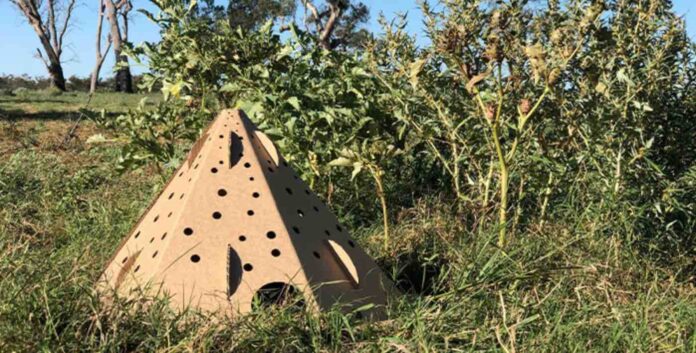
Macquarie University’s Dr. Alexandra Carthey developed the biodegradable wildlife shelters after seeing bushland ravaged by fire and hearing that more animals might die from predators in the post-fire period than during the burn itself.

Her habitat pods have been designed as a safe house for fauna such as bandicoots, possums, antechinus, bush rats and reptiles—ground-dwellers, that she felt, were missing life-saving refuge.

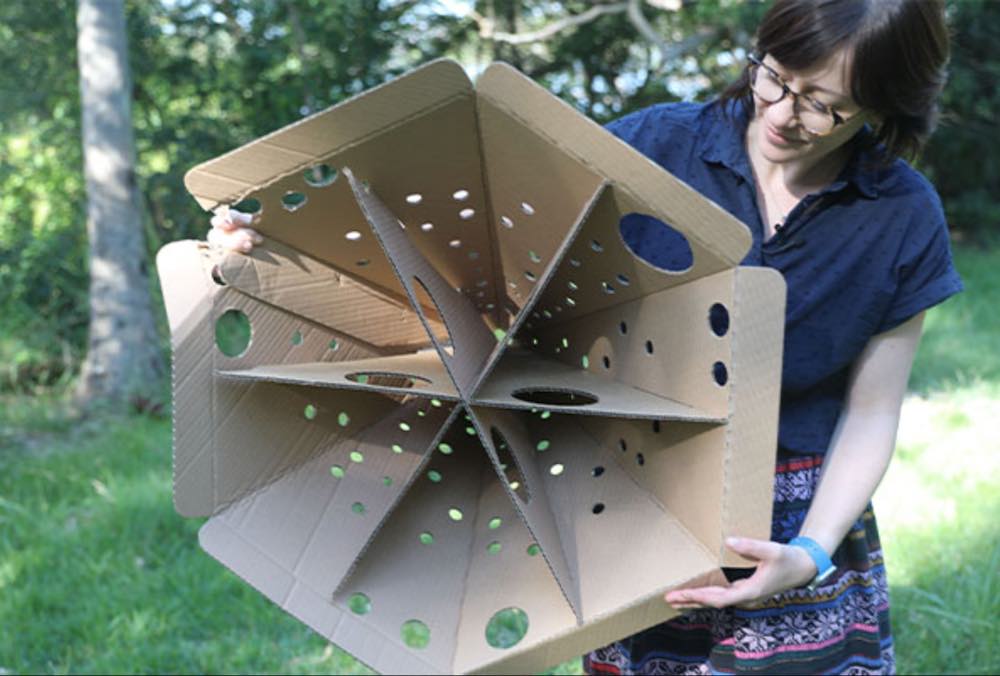
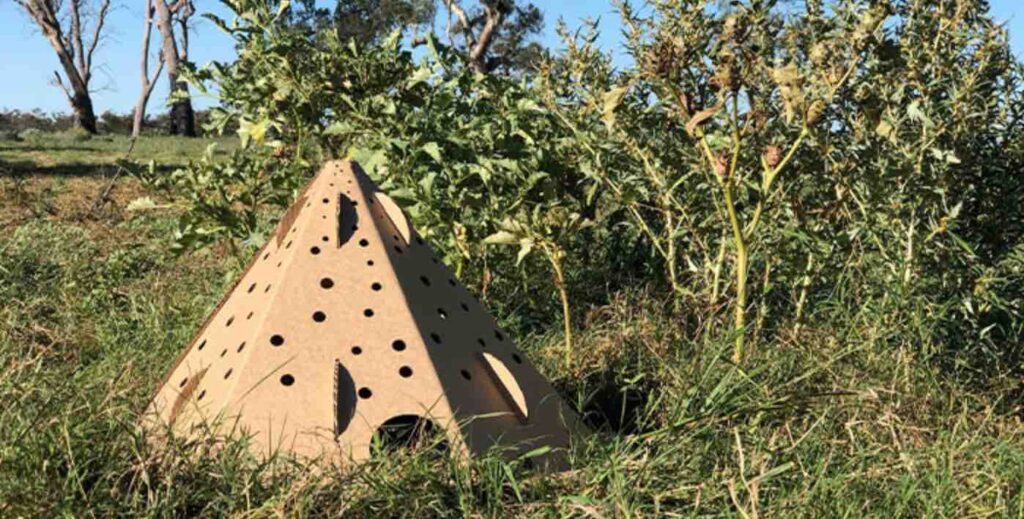
The cardboard shelters are six-sided pyramids, 24 inches wide on each side and 24 inches tall (60cm). They come in easy-to-assemble flat packs.

The pod’s internal structure is three triangles that intersect at a central axis, creating a kind of honeycombed space big enough for the larger animals and providing nooks and crannies for smaller creatures and invertebrates such as beetles, native cockroaches and lizards.

The holes—150 per pod—are also there to let light in, to help vegetation regenerate and eventually take over the site, leaving the pods to biodegrade in situ.

The pods can be anchored with rocks, sandbags or wooden stakes by using a “skirt” of cardboard around the base.

POPULAR: Heroic Dog Gets Award for Saving Over 100 Koalas From Australia’s Bushfires

Carthey has long had a fascination for the dynamics between wild predators and their prey. Seeing vulnerable, exposed wildlife being picked off by hordes of predators after the Black Summer bushfires in 2019 was a call to action.

Guests checking in to the habitat pods

Most tiny creatures will die by predation rather than old age, she maintains. “A lot of their life is about trying not to get eaten.

Dr. Alexendra Carthey demonstrates the interior design – Photo credit: WWF

RELATED: Old Irish Goats Return to Dublin Hills After a Century to Join Firefighting Brigade –And They’re Loving It

“They are hardwired to seek the safety of cover. And if you provide it, they will find it. After a bushfire, the thick grasses, leafy bushes, dropped bark, and leaf litter that small critters normally hide under have been burnt away. For the predator, it’s like suddenly spotting your prey across a mown grass lawn.”

And, cats and foxes are known to kill more prey than they can eat, she says. “For 10 bandicoots killed, for example, they might eat only one.

The need for cover is not a new idea, of course. “Chicken wire tunnels, sawn logs and piles of burnt logs have been used in the past. But most solutions involve dragging heavy things around, damaging fire grounds and preventing bush regeneration.”

“It’s not anticipated that the animals will seek cover and hide until the coast is clear,” says Carthey. “We suspect the animals will use the pods more as an escape hatch, that they will run in and out the other side and into another pod, using the network of cover to thwart the predator.

“The pods will be obstacles that block the predator’s line of vision and slows them down – giving the prey a better chance of getting away.”

RELATED: After Massive Wildfires, DroneSeed is Replanting Forests 6x Faster By Using Special Drones

Know when to fold ’em

The flat-pack project has evolved in collaboration with the Australian Wildlife Conservancy and NSW National Parks and Wildlife Service.

The key merit of the habitat pods, says Carthey, is their biodegradability, the idea that they are only there for as long as needed.

North Head Sanctuary in Manly where, in October last year, a hazard reduction burn destroyed 62 hectares of bushland, was the location for the first field trial.

The headland is also the site of a mammal reintroduction program run by Australian Wildlife Conservancy. Three small mammal species, which were locally extinct and have been restored since 2017, are likely contenders to benefit from the shelters.

Some 200 habitat pods will be deployed there. A further 100 will be used in a field trial in the Marramarra National Park, led by a student of Carthey’s, comparing the effectiveness of the pods in recently burnt areas with nearby unburnt areas.

LOOK: Australian Firefighters Pose With Adorable Rescued Wild Animals for Sizzling Charity Calendar

Remote sensing wildlife cameras, triggered by motion and heat, will capture the comings and goings. Surveys of both the pods and vegetation regrowth will be assessed monthly during what is expected to be a 12-month project.

“Pods like these have a huge potential to make a difference,” says the research fellow in the Department of Biological Sciences.

SHARE the Lifesaving Idea to Animal Lovers on Social Media…

“When you engage your brain, it just keeps getting fatter and richer and wonderful.” – Rita Moreno (turns 90 years-old today)

Credit: Giammarco Boscaro

Quote of the Day: “When you engage your brain, it just keeps getting fatter and richer and wonderful.” – Rita Moreno (turns 90 years-old today)

Photo: by Giammarco Boscaro

With a new inspirational quote every day, atop the perfect photo—collected and archived on our Quotes page—why not bookmark GNN.org for a daily uplift?


Probiotics Improve Nausea and Vomiting in Pregnancy, Study Shows

jordy clarke (cc license)

In a first-of-its-kind study, researchers found that probiotics significantly improve the symptoms of pregnancy-related nausea, vomiting, and constipation.

Nausea and vomiting affect about 85% of pregnancies and can significantly impact quality of life, particularly during early pregnancy.

“The cause of nausea and vomiting during pregnancy is unknown to this date. Various theories have been proposed, but none of them is conclusive,” said Albert T. Liu, lead author for the University of California – Davis study and a professor of obstetrics and gynecology.

“Nausea, vomiting and constipation during pregnancy can significantly diminish the quality of patients’ lives. Once nausea and vomiting during pregnancy progress, they can become difficult to control, and sometimes the patient even needs to be hospitalized,” Liu said.

Beneficial microbes

Probiotics are referred to as “beneficial bacteria.” They can be found in foods like yogurt, kimchi, kefir, sauerkraut, and tempeh. Probiotics are also available as food supplements. According to the National Center for Complementary and Integrative Health, other than vitamins, probiotics or prebiotics were the third most commonly used dietary supplement for adults.

Probiotics are thought to support the community of different microbes, often referred to as the “gut microbiome,” found in the gastrointestinal tract.

During pregnancy, hormones like estrogen and progesterone increase, bringing about many physical changes. These increases can also change the gut microbiome, which likely affects the digestive system functions and causes unwanted symptoms like nausea, vomiting and constipation.

LOOK: Coffee and Tea Drinking May be Associated With Reduced Rates of Stroke and Dementia

The researchers set out to determine whether supplementing with a probiotic could be beneficial for gastrointestinal function during pregnancy.

The study lasted for 16 days. A total of 32 participants took a probiotic capsule twice a day for six days and then took two days off. They then repeated the cycle.

The probiotics were available over-the-counter and mainly containedLactobacillus.a type of good bacteria. Each capsule contained approximately 10 billion live cultures at the time of manufacture.

Participants kept 17 daily observations of their symptoms during the duration of the study, for a total of 535 observations for the researchers to statistically assess.

What the researchers found was that taking the probiotic significantly reduced nausea and vomiting. Nausea hours (the number of hours participants felt nauseous) were reduced by 16%, and the number of times they vomited was reduced by 33%. Probiotic intake also significantly improved symptoms related to quality of life, such as fatigue, poor appetite and difficulty maintaining normal social activities, as scored by questionnaires.

CHECK OUT: One Man Set Out to Make the Perfect Pasta Shape, And it’s So Popular That Orders are Backed Up for Months

Probiotics were also found to reduce constipation significantly.

“Over the years, I’ve observed that probiotics can reduce nausea and vomiting and ease constipation. It’s very encouraging that the study proved this to be true,” said Liu. “Probiotics have also benefited many of my other patients who weren’t in the study,” said Liu.

New clues from gut microbes and byproducts

Participants also contributed fecal specimens before and during the study, the findings of which were published in Nutrients. The samples were analyzed to identify the type and number of microbes and the different byproducts of digestion.

This allowed the researchers to examine whether biomarkers in the fecal specimens corresponded with more severe nausea and assess how the probiotics affected participants who began the study with different baseline biomarkers.

TRY THIS FOR OBESITY: How Self-Compassion Can Help People Achieve Weight Loss Goals Despite Setbacks–and Resume Dieting Faster

One finding was that a low amount of bacteria that carry an enzyme named bile salt hydrolase, which generates bile acid to absorb nutrients, was associated with more pregnancy-related vomiting. Probiotics increase bile salt hydrolase-producing bacteria, which may explain why the supplements decreased levels of nausea and vomiting.

Another finding was that high levels of the gut microbes Akkermansia and A. muciniphila at the beginning of the study were associated with more vomiting. The probiotic significantly reduced the amount of those particular microbes and also reduced vomiting. This suggests Akkermansia and A. muciniphila may be reliable biomarkers that can predict vomiting in pregnancy.

Another finding was that vitamin E levels increased after taking probiotics. Higher levels of vitamin E were associated with low vomiting scores.

“This research provides key insights about the impact of gut microbes on gastrointestinal function during pregnancy. Our gut microbiota explains why we are what we eat, and why bacteria-generated metabolites and products have a huge impact on our health,” said Wan. “They affect the gastrointestinal tract as well as skin health and neurological function.”

RELATED: The Many Health Benefits of Eating Mushrooms That Are Wild – And Picking Them Doesn’t Deplete Supply

Although the findings are intriguing, the researchers caution that due to the small sample size, further studies will be needed to confirm the effects of the probiotics.

“Our previous work showed the benefits of probiotics in preventing liver inflammation. The current study might be one of the first to show the benefits of probiotics in pregnancy,” said Wan. “It would be interesting and important to further test whether probiotics can reduce nausea and vomiting caused by chemotherapy in cancer patients.”

Source: University of California – Davis Health

HELP Others Know the Latest Research; Share This Health News…

New Simple Therapy Offers Potentially Groundbreaking Treatment Option for ALS and Other Autoimmune Diseases

A man with Amyotrophic Lateral Sclerosis (ALS) had the advance of his disease slowed, and even halted altogether, thanks to a new trial that could offer hope to the 12,000 to 15,000 patients who currently suffer from the disease.

At 70 years of age, John Lay was diagnosed with ALS, the incurable progressive motor neuron disease known as Lou Gehrig’s disease—which Stephen Hawking had.

It was a cruel blow for a man in his golden years when things like playing with grandchildren, passing knowledge onto younger generations, and picking up new hobbies tend to be the features of one’s week to week, but Lay took it in his stride.

“I was disappointed to have a diagnosis like that, but I was also very grateful to be 70 years old and to have lived a wonderful, rewarding life and to have so many great people in my life,” Lay said. “This was something that we would learn to deal with and to learn from it and to contribute something if we could.”

In order to contribute, Lay was enrolled in a phase 2a trial from Coya Therapeutics at Houston Methodist Hospital, who are currently designing a novel treatment for ALS that involves seeing if T-regulatory cells, or “Tregs,” could potentially be re-trained to halt the attack on one’s own cells which characterize autoimmune diseases like ALS, and also neurodegenerative diseases like Alzheimer’s.

Coya’s phase 1 trial halted ALS progression with no adverse side-effects in all three patients, while the data from Lay and the other patients of the phase 2a trial is being prepared for peer review.

Back on track

“We found that when we expanded the cells outside the body, we found that those cells became normal, they became suppressive,” said Dr. Stanley H. Appel, renowned ALS researcher and lead-author of the phase 2a trial.

RELATED: Computer Allows Paralyzed Patients to Communicate – And They’re Happy With Life

“They put out the fires that are caused by other cells that are too inflamed. This gave us the idea and the inspiration: why don’t we take these out our patients, expand them, and then give them back to the patients. What was amazing is it appeared that we stopped progression.”

Tregs are a vital part of the combined-arms attack of our immune system, working as something like a coordinator. Coya Therapeutics have found that Tregs are suppressed in Alzheimer’s Disease, but that when introduced, like in the ALS trial, from outside the body, their immuno-modulatory properties are restored.

Coya Therapeutics has pioneered a way in isolating a patient’s dysfunctional regulatory T-Cells (Tregs) and converting them to “Super Tregs”, conferred with potent immunosuppressive and neuroprotective features.

Moreover, Coya has developed and patented the methods of freezing the cells from one manufacturing run for future infusions and reinfusing them back into the same patient over a year on an ongoing basis. Repairing the dysfunctional Tregs holds great promise based on the seminal findings that dysfunctional and decreased levels of Tregs are critical drivers of the neurodegenerative disease process.

MORE: New Research Shows That Gut Microbes May ‘Significantly’ Slow the Progression of ALS

When Lay’s clinical trial finished, the progression of his ALS sped-up, offering further evidence of the treatment’s efficacy.

“This has made us a lot more appreciative of every day when the sun comes up,” Lay said. “Being able to participate in a clinical trial during this period that marks the transition point in my life has been terrifically rewarding. Because my hope is that whatever we’ve contributed can be built upon and that other patients can benefit in the near future if I’ve benefited during the trial.”

SHARE This Breakthrough Research With Your Circle…

Meet the Sustainable Alternative to Concrete that Caught the Eye of Dior and Louis Vuitton

Irene Roca Moracia and Brigitte Kock

What do an American crayfish, a Japanese weed, a French fashion label, and a British designer have in common? They are coming together to create a more sustainable bio-concrete.

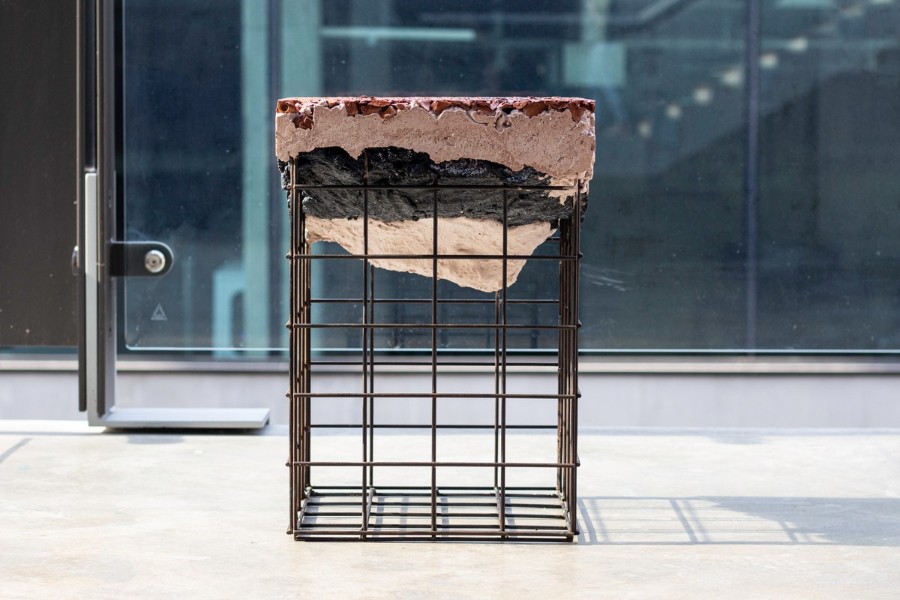
Using Japanese knotweed and shells from American signal crayfish to replace the sand and rocks that make traditional concrete strong but extremely emissions-heavy, a pair of British designers—Brigitte Kock and Irene Roca Moracia—have created a truly unique material that’s caught the eye of LVMH, a conglomerate which includes luxury brands Dior and Louis Vuitton.

Irene Roca Moracia and Brigitte Kock

Inspired by a hefty price tag of £1.8 billion ($2.4 billion) for the annual cost of removing invasive species like these two from the UK, Kock and Moracia discovered they could instead be used as the reinforcing agents in concrete.

Japanese knotweed has no predators in the UK, and because it slowly destroys asphalt and other surfaces, it is collected by specialist removers and incinerated. This ash is used like sand according to old recipes the Romans once used to make concrete, while the pulverized shells of the crayfish act like the gravel or rocks.

American signal crayfish undercut river banks and can lead to erosion and over sedimentation of waterways.

“We have played with the percentages and ratios to obtain really strong results,” Moracia explained to Dutch publication Dezeen. “The final colors and textures depend on the curing time and the aggregate’s chemical reactions with the binder and the water.”

MORE: Design Students Use Art to Reimagine Plastic Recycling – Creating Lamps, Seat Covers, and More

“We want to showcase the absurdity of the classification and disposal rules here in the UK that do not allow anything to be done with those species after they are treated and sealed in bags, while you can easily order those byproducts online and import them from China for example,” said Moracia.

Irene Roca Moracia and Brigitte Kock

Jade green, dark burgundy, marbled colors, natural stone, or unpolished concrete, patrons can have their bio-concrete in many striking colors and textures.

RELATED: This Cabin’s Flexible Design Can Open To Nature or Enclose into Cozy Space Again (Watch)

Their project was commissioned by the Maison/0 graduate program at Central Saint Martins, an arts and design college based in London.

Organized by LVMH, the project aims to create sustainable versions of building materials for use in their luxury stores. Just to create cement, with which one must mix sand, gravel, and water to get concrete, the process creates 0.6 tons of CO2 per ton of cement. Sand mining is incredibly carbon-intensive as well, as are other forms of mining to acquire the gravel.

Any structurally-viable alternative would be welcomed by firms worldwide looking to reduce their emissions. But rather than simply inventing a less-bad alternative, Moracia and Kock wanted to make one that actively improved the environment.

GREAT Design Should Be Shared; Show Others This… 

“Whatever it is that you do, when you really want something, it’s because that desire originated in the soul of the universe. It’s your mission on earth.” – Paulo Coelho

Quote of the Day: “Whatever it is that you do, when you really want something, it’s because that desire originated in the soul of the universe. It’s your mission on earth.” – Paulo Coelho

Photo: by Benjamin Davies

With a new inspirational quote every day, atop the perfect photo—collected and archived on our Quotes page—why not bookmark GNN.org for a daily uplift?


Ten Years After a Tsunami Devastated Eastern Japan, a 1,000km Hiking Trail Reclaims the Coast

t wikimedia commons cc license Shoestring at wts wikivoyage
Shoestring at WTS Wikivoyage/CC license

Ten years after the Tōhoku earthquake and tsunami hit eastern Japan and knocked the Fukushima Daichi nuclear plant into meltdown, a new 1,000 kilometer hiking trail, spanning the length of the island of Honshu, is revitalizing local communities.

The Michinoku Costal Trail offers stunning views of the Pacific, including rugged, rocky coastline, Japan’s highest cliffs, fertile seas studded with rock spires, sheltered pine forests on old hills, and white sandy beaches.

Named after the ancient word for the Tōhoku region through which much of the trail passes, it’s 1,000 kilometers start in Hachinohe City in Aomori Prefecture and travel up to Soma City in Fukushima. Between those points the trail brings hikers through fishing villages and other small communities that were reduced to flat rubble by the tsunami.

The 2011 tsunami followed the fourth most-powerful earthquake observed since human recording began: a magnitude 9.0 shudder that shifted the Earth’s axis, and sucked the ocean out into the Pacific before spitting it back at the Land of the Rising Sun. Millions of buildings were destroyed, and the subsequent $300 billion relief efforts included the Michinoku Coastal Trail from the beginning as a way to funnel tourist revenue into the worst-hit communities.

“Nature, born from the bonds between forest, village, river, and the sea, and the stories spun therefrom, are the beauty that exists only on this trail,” write the trail’s organizers.
“People’s lifestyles are passed on through this trail, and we hope they will ultimately be passed on into the future.”

RELATED: Just Go Walk: Studies Show Normal Walking Can Add Years to Your Life and Reduce Disease Symptoms

Among these lifestyles one can see are morning trips on one-man mackerel boats, launched from sheltered bays and inlets surrounded by nature. Locals are also offering cultural immersion in the form of cooking classes and salt-making workshops, and tours on their fishing boats out along the coast or for scuba-diving.

BBC Travel reports that news of the trail’s charms are growing but that the pandemic has prevented its blossoming. At the Natori Trail Center, English-trained guides help foreigners organize their trip along the Michinoku. The Managing Director, Kumi Aizawa, told the BBC that locals have a deep appreciation for thru-hikers, and that language barrier or none, a hiker isn’t alone in the rugged countryside.

MORE: Walking Storyteller Continues Historic 24,000-Mile Trek Retracing Passage of Human Ancestors Out of Africa

“After the tsunami, there were lots of volunteers who came from outside Tohoku to support locals. Now there are locals who want to give something back to visitors—whether that’s a place to put up a tent, or giving food and water,” Aizawa said. “When my 18-year-old daughter through-hiked the trail, there was one old man who was so worried about her camping in the mountains that he gave her a room and fed her.”

WALK This Adventure Opportunity Over to Your Buddies…

Fun Facts to Celebrate First Nobel Prizes 120 Years Ago: Youngest Laureate, First Woman, Most Wins, Who Declined?

PHOTO CREDIT: Robert Fisher Rare Book Library

120 years ago tomorrow, the first Nobel Prizes were awarded, including the first one in Physics for the discovery of X-rays.

Alfred Nobel, a Swedish chemist, engineer, poet, and the industrialist who invented dynamite, arranged in his will to spend money to establish a foundation to honor “those who have conferred the greatest benefit to Mankind.”

He bequeathed money to award 5 separate prizes—in Physics, Chemistry, Medicine, Literature, and Peace—which are regarded as the most prestigious honor for anyone in those fields.

Each awardee receives a gold medal, a diploma (see below), and 10 million Swedish krona (about $1.1 million).

Of the 975 Nobel laureates named since 1901, 28 were organizations, and 58 were given to women, including the physicist and chemist Marie Curie, who won twice. Curie’s husband shared one of Curie’s Prizes—for physics—and their daughter, Irène Joliot-Curie, was awarded her own Nobel in Chemistry for her work on radioactivity.

Another chemist, Linus Pauling, is the only person to win two unshared Nobel Prizes—one for Chemistry and the 1962 Peace Prize.

The elaborate Nobel diploma

The youngest laureate was 17-year-old Malala Yousafzai who won the Peace Prize in 2014. Other notable Peace Prize laureates include Anwar Sadat and Menachem Begin, Lech Wałęsa, Martin Luther King Jr., Desmond Tutu, and Jimmy Carter.

The Swiss International Committee of the Red Cross is the only 3-time recipient of the Nobel Prize, being conferred with Peace Prizes in 1917, 1944, and 1963. Further, the humanitarian institution’s co-founder Henry Dunant won the first-ever Peace Prize in 1901.

In 2020, two women, Jennifer Doudna and Emmanuelle Charpentier jointly shared the Nobel Prize in Chemistry becoming the 6th and 7th women (after Madam Curie) to win that category, for their “development of a method for genome editing—commonly known as CRISPR.

In 1969, an additional prize category for economics, and it became another honor that is also available, after the Bank of Sweden began providing funding for it.

But, not every category is awarded annually. During the World Wars, they were rare, and when the Nobel committee doesn’t believe anyone attained the degree of achievement in the prior year, no Nobel is awarded. That has happened 49 times.

The  U.S.A. is the country of birth for the most winners of the Nobel across the globe—around 30%—followed by the UK, France, and Germany, where, during a 2-year period, Adolf Hitler refused to allow three laureates (one in medicine, and 2 chemists) to accept their awards. Boris Pasternak, the 1958 Nobel Laureate in Literature (for Doctor Zhivago), was also coerced by the Soviet Union to decline the Prize.

Hope you enjoyed this article, which is a reprint from the daily history column written by GNN founder, Geri Weis-Corbley, Good News On This Day in History, where you can check out your birth date column—or get the free GNN app to easily see the history column and all our good news on any device.

SHARE the Nobel Fun Facts With History Buffs on Social Media…

60 Visitors Got Snowed-In at a UK Pub For 3 Days –And Loved It

The Tan Hill Inn/Facebook

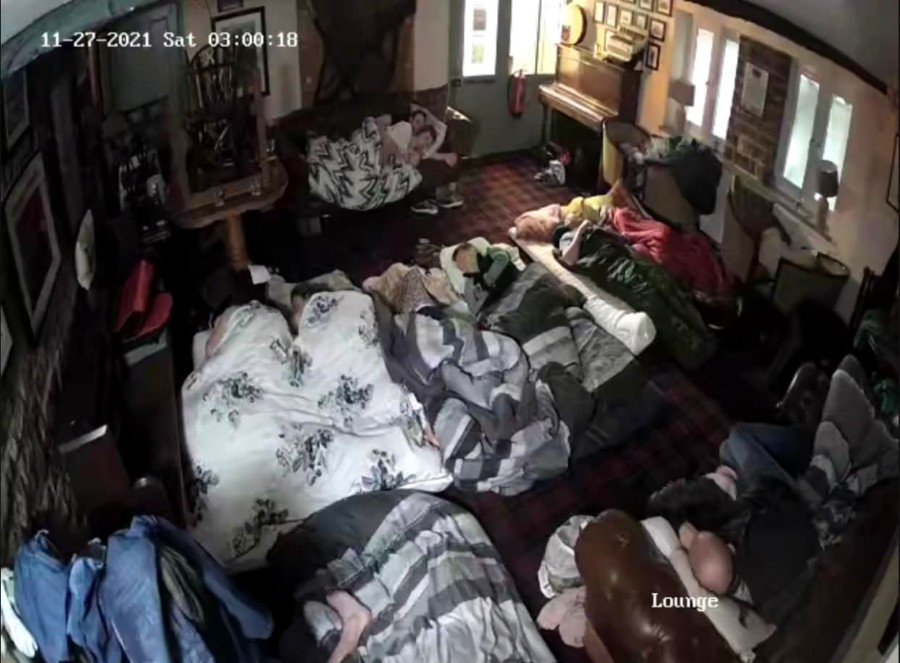
When sixty revelers went for a night in the UK’s highest pub, snow drifts and a downed power line ensured they got more time at the bar than they bargained for.

Yet between an Oasis cover band, tabletop games, trivia, and sing-along Christmas carols, three whole days in which no-one who entered could leave passed in holiday cheer—and the guests loved every minute of it.

The Tan Hill Inn/Facebook

“They’re all in good spirits, they’re all eating and drinking well,” said co-owner of the Tan Hill Pub Andrew Hields, to CNN. Tan Hill can be found in Swaledale in the beautiful Yorkshire Dales in northeast England, 1,732 feet above sea level—making it the highest sitting pub in the UK.

Three roads lead up to Tan Hill, two of which were covered in snow drifts by Storm Arwen, and the last road out was by blocked with a downed powerline. Some guests arrived Friday night with the intention of camping, but the storm destroyed their tents and campsite, so the staff made beds for them in the pub.

Tan Hill described it as a “life-changing experience,” calling the employees and the guests who came together under challenging circumstances, “amazing people.”

“You guys have been amazing! You’ve worked never ending shifts to keep us well fed and watered,” wrote another of the revelers Becky Longthorp on Facebook.

“We will never forget this extr[a]ordinary experience.”

In some places Arwen brought winds of 90 miles per hour (144 kilometers per hour) and brought civilization to a brief standstill.

MORE: Woman Falls Down Mountain, Writes Hilarious Review For Leggings Giving Them 5-Stars

Tan Hill has faced such squalls before, and the owners said that as soon as the Met office put out the storm warnings they stocked up on food and water.

Storm Arwen pub quiz at The Tan Hill Inn/Facebook

Completely off the grid, the downing of power lines didn’t affect their electricity needs, and the shut ins were able to shut out the weary world for a weekend.

SHARE This Story With Chums You’d Love to Share a Lock-In With…

Jet Flown by United Airlines Entirely Powered by 100% Plant-Based Fuel from Corn Stalk Waste

Jakob Owens
United Airlines

A United Airlines flight from Chicago O’Hare to D.C. Reagan National is nothing to write home about, but the 100 people who were aboard United’s recent Wednesday service were part of aviation history.

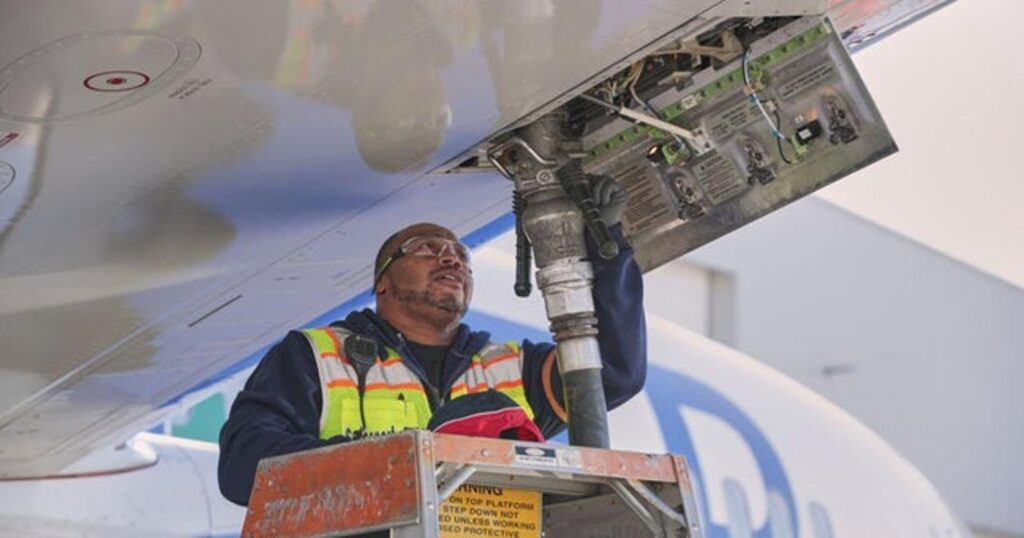
They were on the first passenger aircraft flight ever to be powered by 100% plant-based jet fuel, designed by Virent, and derived from agricultural waste like corn cobs and stalks.

Current legislation allows for aircraft to be powered only with 50% renewable fuels, and after completing a test flight without passengers in October, Virent and United were allowed to fill up entirely with the biofuel.

Performance indicators, according to the company, were the same as with fossil fuels.

One of the major advantages with Virent is the chemical similarities to petroleum-based jet fuels in terms of boiling point, thermal stability, and freeze points. This, the company hopes, means their biofuels can simply replace fossil fuels, but without replacing any of the infrastructure.

POPULARCanadian Startup to Build $400M UK Plant to Harness Nuclear Fusion in Entirely New Cost-Effective Way

“Today’s flight is not only a significant milestone for efforts to decarbonize our industry, but when combined with the surge in commitments to produce and purchase alternative fuels, we’re demonstrating the… impactful way companies can join together and play a role in addressing the biggest challenge of our lifetimes,” said United CEO Scott Kirby in a Wednesday statement.

Aviation is sometimes quoted as being 2%-2.5% of global greenhouse gas emissions. Others have quoted it as 5% if one accounts for CO2-equivalents, and others put it at 3.5%.

RELATEDResearchers Pull Carbon Out of the Sky And Convert it to Instant Jet Fuel, Reshaping Aviation For Good

Known as “synthetic aromatic kerosene,” Virent’s fuel turns plant sugars into an oil through a multistep, patented process that reduces greenhouse gas emissions when burned in flight by around 50%. It’s still in the research and development phase, funded mainly by Delaware’s Marathon Petroleum as a way of transitioning to a more carbon-neutral production strategy.

United Airlines will be partnering with Virent as it hopes to reach carbon-neutrality by 2050, and with their support Virent hopes to announce commercialization of the fuel in the coming months.

FLY This Progress to Green Friends on Social Media…

Your Body’s Own ‘Cannabis-Like’ Substance Can Reduce Chronic Inflammation During Exercise

Exercise increases the body’s own cannabis-like substances, which in turn helps reduce inflammation and could potentially help treat certain conditions such as arthritis, cancer, and heart disease.

In a new study, experts from the University of Nottingham found that exercise intervention in people with arthritis, did not just reduce their pain, but it also lowered the levels of inflammatory substances (called cytokines).

It also increased levels of cannabis-like substances produced by their own bodies, called endocannabinoids. Interestingly, the way exercise resulted in these changes was by altering the gut microbes.

Exercise is known to decrease chronic inflammation, which in turn causes many diseases including cancer, arthritis, and heart disease, but little is known as to how it reduces inflammation.

A group of scientists, led by Professor Ana Valdes from the School of Medicine at the University, tested 78 people with arthritis. Thirty-eight of them carried out 15 minutes of muscle strengthening exercises every day for six weeks, and 40 did nothing.

RELATED: Is Your Goal to Walk 10,000 Steps? Science Shows We Need A Lot Fewer

At the end of the study, participants who did the exercise intervention had not only reduced their pain, but they also had more microbes in their guts of the kind that produce anti-inflammatory substances, lower levels of cytokines and higher levels of endocannabinoids.

The increase in endocannabinoids was strongly linked to changes in the gut microbes and anti-inflammatory substances produced by gut microbes called SCFAS.

In fact, at least one third of the anti-inflammatory effects of the gut microbiome was due to the increase in endocannabinoids.

MORE: There’s ‘No Link’ Between Exercise and Developing Arthritis in the Knee

Doctor Amrita Vijay, a Research Fellow in the School of Medicine and first author of the paper, published in Gut Microbes, said, “Our study clearly shows that exercise increases the body’s own cannabis-type substances. Which can have a positive impact on many conditions.

“As interest in cannabidiol oil and other supplements increases, it is important to know that simple lifestyle interventions like exercise can modulate endocannabinoids.”

Source: University of Nottingham

RUN This Good Fitness News Over to Your Friends…
Tom Brady FaceTimes With High School Team After They Dialed the Wrong Number

In one of the most serendipitous mistakes ever made, the entering of a friend’s phone number incorrectly in a group text inadvertently connected a Michigan high school basketball team with all-time GOAT and quarterback for the Tampa Bay Buccaneers, Tom Brady.

It started when the freshmen basketball team at Notre Dame Prep in Pontiac, Michigan, made a group text to coordinate practices, and teammate Vinny Tartaglia accidentaly added the number of Buc’s cornerback Sean Murphy-Bunting.

“We were trying to add people, and the last person was Luca, but I was one digit off,” Tartaglia told local news.

P. Jason Whalen, a school councilor at Notre Dame whose son is on the team, documented the story on Twitter.

Obviously needing to prove his identity to the disbelieving teenagers, Murphy-Bunting switched over to FaceTime, and introduced the presumably shocked students to some of his teammates, including tight end Rob Gronkowski and running back Leonard Fournette.

“Leonard Fournette walked us through the locker room and showed us all the players,” said Tartaglia’s teammate Nate Seaman. “Sean Murphy-Bunting, Mike Evans, Lavonte Davis, Gronk, Richard Sherman. That’s when we all said, where’s the GOAT?”

MORE: Keanu Reeves Gifts His 4 Stuntmen With $20,000 Rolex Watches Engraved With Fun Messages

It would be Fournette who then turned the phone over to Tom Brady, a Michigan alumni himself.

“That was sweet,” Brady told CNN of the meeting. “I didn’t know who it was. [Leonard] said, ‘Here’s my boy’ or whatever he said. It was nice. It would have been nice for me when I had been in high school too.”

The reporter would inform the seven-time Super Bowl winner that the boys were from Michigan.

RELATED: Watch Dwayne Johnson Give $30K Truck to the Guy Who Took Him In When ‘The Rock’ was a Homeless Teenager

“Even better,” he said. “That was fun. That was really fun. It was really good to see all those young kids hyped up.”

Whalen confirmed that, tragically, it was only after the FaceTime call ended that “Luca,” the teammate whose number started the fiasco, was added to the group text.

BOUNCE This Fun Story Over to Your Chums; Share it on Social Media…