













125 years ago, the African-American writer, poet, and playwright Langston Hughes was born on what would become the first day of Black History Month. Hughes became a prominent figure in the Harlem Renaissance, writing often for The Crisis, the official magazine of the NAACP, as well as a weekly column in a primarily black newspaper called the Chicago Defender. He was also one of the earliest pioneers of what would become jazz poetry. Rather than simply taking an anti-segregation stance in his work he focused often on the divisions and prejudices within the black community itself, as well as many other cultural and societal aspects of America between the 1920s and the 1960s. READ more about Hughes and catch one of his poems… (1901)
One Armed Golfer Gets Hole-in-One After Learning the Game Since His Accident: ‘Golf Gave me the Will to Live’

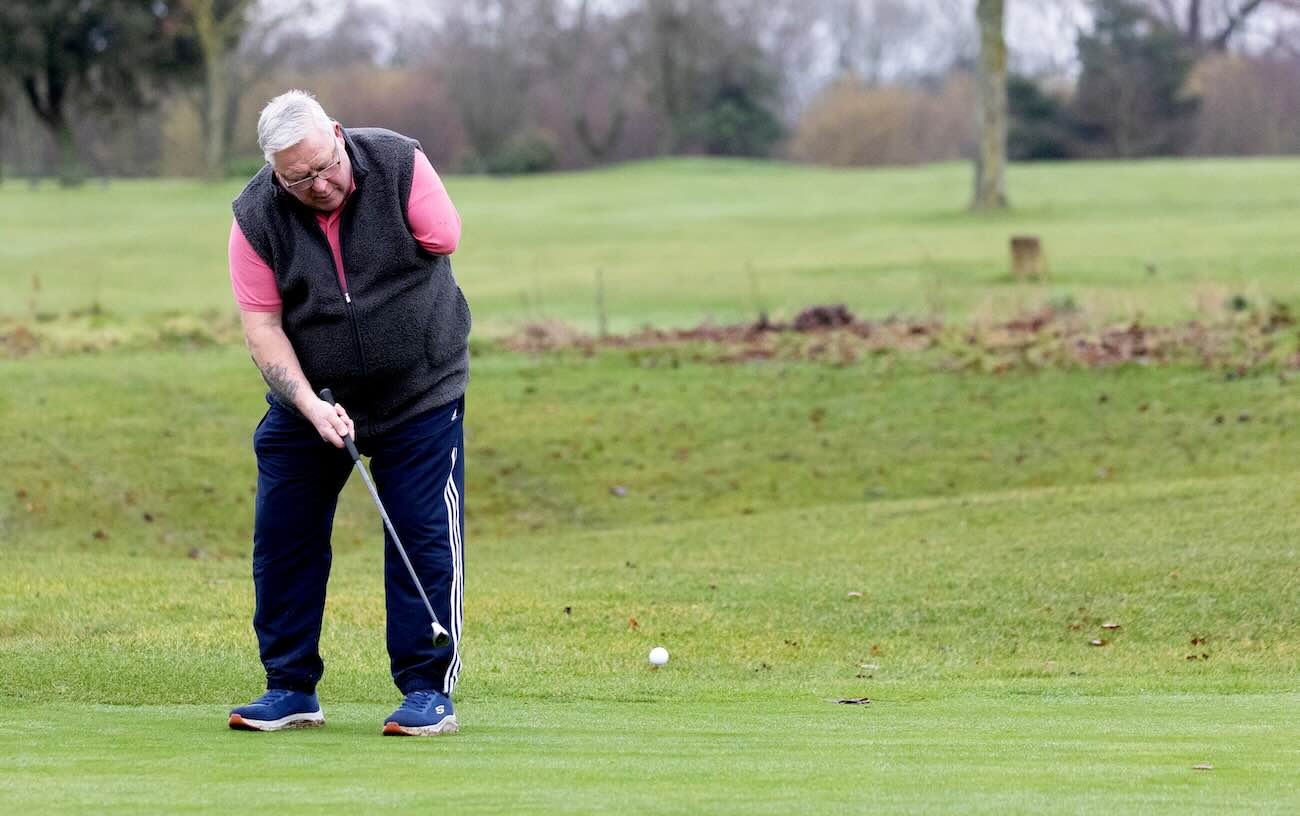
Golfers as old as 103 have hit holes-in-one—but have you ever heard of the feat being achieved by someone with only one arm?
But recently, an Irish golfer celebrated sinking his first ever hole-in-one, after learning how to play the game since an accident left him with only one arm.
A physically-challenged golfer is celebrating sinking his first ever hole-in-one, after learning how to play the sport after an accident left him with only one arm.
Patrick Duke beat the odds of 100,000 to 1 when he hit the perfect tee shot on the fourth hole at Overstone Park, in Northamptonshire, England.
The 67-year-old had been playing with friends on the 120-yard par-3 when he slotted his first ace with a seven iron.
The feat was even more remarkable, considering how new he was to the game, having learned how to play following his accident in 2012.
Pat credits golf with “saving his life” over the past 7 years while he has undergone serious physical and mental health challenges.
“I’m not very good at golf, but it’s saved my life,” Pat told SWNS news agency.
“Golf is not my game: I’m 280 pounds and 6-foot-2; my games were always rugby, Gaelic football, soccer and cricket.
“I’ve also worked all my life since I was 15, so I was very active until a workplace accident changed my life. I couldn’t see a way back for me, at times, but then a friend asked me if I had ever played golf.
“I had some lessons with a pro and told him to treat me as a blank canvas and I’ll do what you tell me to.
“He said, what works for me would not work for others—so I sort of developed my own technique.”
He managed to birdie on the hole before, a few weeks earlier, but this one had always been a problem for Pat.
“Eight times out of ten I knock it in the water—and it starts getting into your head. My clubs have very nearly gone in the lake there on a number of occasions.
“So I thought, this time I’m going to aim straight for the flag instead of the green.”

“If anyone else used a seven iron on that hole it would have been about 100 yards past the flag.
“As soon as I hit it, I knew I had caught it sweet. Kevin was telling me, ‘that’s on the button that is’.
“We watched it get nearer and nearer. It actually landed about a foot past the hole and rolled back, I got backspin on it but I’ve no idea how.
“People on the fifth hole walking by were applauding me. Kevin threw his club in the air; I couldn’t quite believe it, I was gobsmacked.”
That’s when he said to his playing partner Kevin, “Fancy getting beaten by a one-armed man?”
“I was told the odds of somebody with a disability getting a hole-in-one was 0.001% or 1 in 100,000.”
Pat had worked in the road surfacing industry for more than 30 years before his jacket became caught in a machine, ultimately leading to the loss of his arm. He later developed post-traumatic stress disorder and depression.
“I was in a really bad place. I had suicidal thoughts and lost confidence, self-worth, and relationships.”
Pat first tried golf in 2018 after he was introduced to Overstone Park’s PGA professional Brian Mudge. He quickly found both confidence and community at the club.
GOOD GOLF NEWS:
• Golf Buddies Sink Consecutive Holes-in-One on Same Tee-Shot–Beating 17 Mil to 1 Odds
• Cute Dog Walking Around Golf Course has Collected 6,000 Lost Golf Balls Which Are Donated to Charities
• Dentist Who Caddied There as a Kid Just Qualified to Play in the US Open on the Same Course: ‘It’s a Dream Come True’
“The people I’ve met have been phenomenal. It gave me confidence and a reason to get out of the house.
“If just one person could see this, even if its not golf, I just want people to know that there can be a life after something like this.
“To come from having suicidal thoughts, my self-worth going out the window—no courage, no confidence, no nothing—and then to find golf and friendship, I think everything happens for a reason.
“If I can do it, anybody can.
“Golf gave me confidence, friendship, and the will to live.”
SHARE THE INSPIRATION on Social Media With Folks Trying to Overcome…
Helping with Grandkids May Protect Against Cognitive Decline, Shows New Research


Being an involved grandparent is good for the brain, according to a new study which showed that caring for grandchildren may serve as a “buffer” against cognitive decline and dementia in older adults.
“Many grandparents provide regular care for their grandchildren—care that supports families, and society more broadly—but an open question is whether caregiving for grandchildren may also benefit grandparents themselves,” said lead researcher Flavia Chereches.
This researchers wanted to see if providing grandchild care might benefit grandparents’ health, potentially slowing down cognitive decline.
Ms Chereches, a doctoral candidate at Tilburg University in the Netherlands, and her colleagues examined data from 2,887 English grandmas and grandads all older than 50, with an average age of 67.
The participants answered survey questions and completed cognitive tests three times between 2016 and 2022.
The survey asked whether they had provided care for a grandchild at any point in the past year—and how frequently.
Were they watching grandchildren overnight, caring for them when they were sick, playing or engaging in leisure activities, helping with homework, driving them to school and activities, or preparing meals?
Overall, the researchers found that grandparents who provided childcare—regardless of the frequency and type of care they provided—scored higher on tests of both memory and verbal fluency compared with those who didn’t, even after adjusting for age, health and other factors.

The findings, published in the journal Psychology and Aging also found that grandmothers who provided care saw less decline on cognitive tests over the course of the study compared with those who didn’t.
“What stood out most to us was that being a caregiving grandparent seemed to matter more for cognitive functioning than how often grandparents provided care or what exactly they did with their grandchildren,” said Chereches.
“More research is needed, but if there are benefits associated with caregiving by grandparents, they might not depend on how often care is provided, or on the specific activities done with grandchildren, but rather on the broader experience of being involved with caregiving.”
Around five million grandparents in the UK regularly take on childcare responsibilities, with just under 90% of them babysitting at least once a week, according to the nonprofit Age UK.
CREATES YOUR OWN GRANDPARENT: When a Family Welcomed a Man into Their Home at Christmas, They Never Thought He’d Stay for 45 Years
One in 10 look after their grandchildren at least once a day, with the majority getting involved to help their own children save money to support their young family.
Age UK says “gran-nannying” has enormous benefits for older couples, keeping them mentally and physically active and combatting loneliness, if that caregiving is not stressful or a burden.
CHECK OUT: 10 Questions You Will Want to Ask Your Grandparents on Grandparents Day
One CBS news host says his mom helps with their kids, and asked her on the air what she thought of the new study showing it benefits grandparents—and she wasn’t surprised.
“They energize me, more than drive me down,” she said in the cute video below…
SHARE THE GOOD NEWS With Seniors and Families On Social Media…
Polar Bears are in Better Physical Shape than 25 Years Ago, Despite Sea Ice Losses
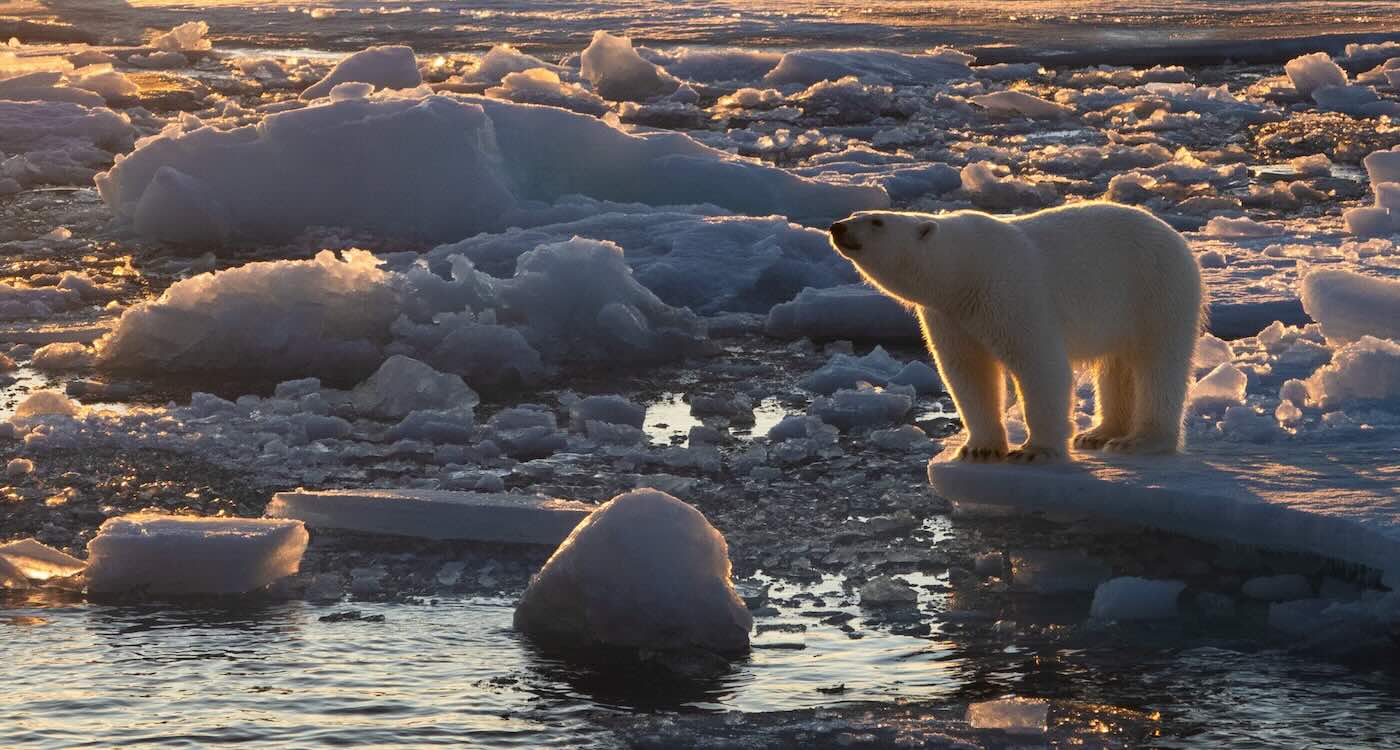
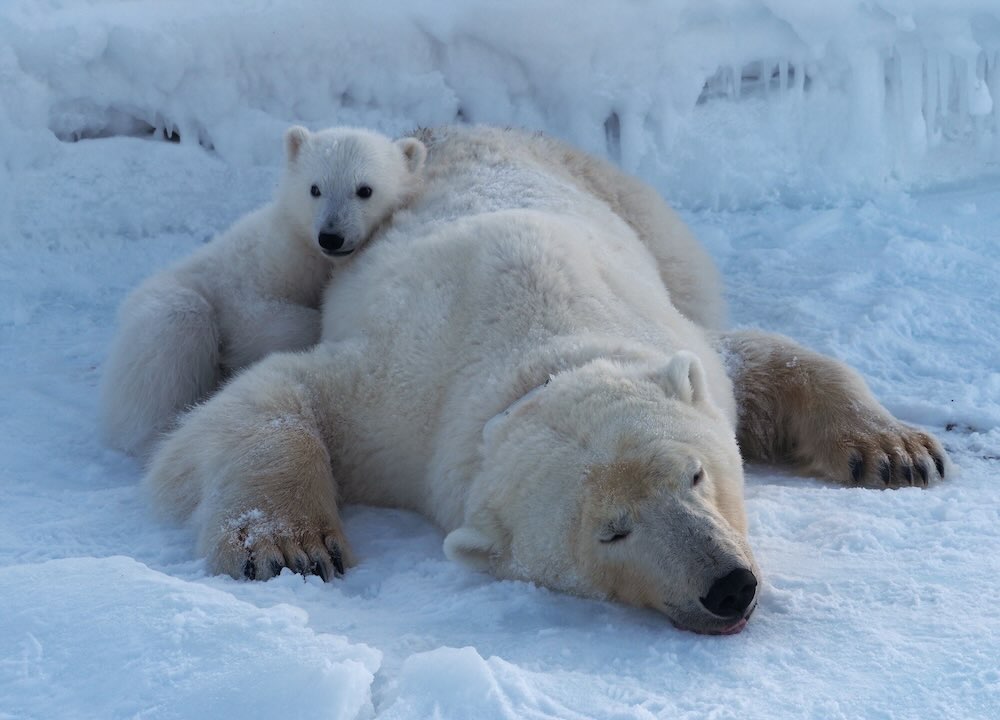
Polar bears are in better physical health than they were 25 years ago, despite the decrease in sea ice, reveals new research.
The well-being of the iconic white mammals living around the Norwegian island of Svalbard has improved in the face of climate change, likely due to better opportunities to hunt.
The scientists were ‘surprised’ that the bears’ fat reserves have increased since the year 2000, even while sea ice levels decreased.
The findings, published in the journal Scientific Reports, are in contrast to previous observations of polar bear population declining across the Arctic.
Previous research shows temperature increases in the Barents Sea around Svalbard of up to two degrees Celsius per decade since 1980.
The Barents Sea polar bear population numbered around 2,650 individuals in a 2004 census—and the population appears not to have shrunk in size, although the reasons for that have been unclear.
So, Dr. Jon Aars, senior scientist at the Norwegian Polar Institute, investigated with his colleagues the potential reasons for the stability of the Svalbard populations.
The team used data from 1,188 body measurement records of 770 adult polar bears taken on Svalbard between 1992 and 2019.
They compared changes in the bears’ body composition index (BCI), an indicator of fat reserves and body condition determined by tape measurement, to the number of ice-free days in the region across the 27-year period.
LOOK: Polar Bear Adopts a Cub That Isn’t her Own – Extraordinary Behavior Caught on Camera
The research team found that although the number of ice-free days increased by around 100 over the study period—at a rate of about four days per year—the mean BCI of the adult polar bears sampled actually increased after the year 2000.
“This indicates that fat reserves increased as sea ice levels decreased,” said Dr. Aars.
The researchers suggest that improvements in the body conditions of Svalbard polar bears could be attributed to the recovery of populations of land-based prey sources—such as reindeer and walrus—that were previously over-exploited by humans.
They also believe that sea ice loss may have lead to a food source, like ringed seals, concentrating on smaller areas of sea ice, which may increase the efficiency of polar bear hunting.
MORE GOOD NEWS FOR POLAR BEARS:
• Norway Rewilds Arctic Coal Mining Town in Largest Operation of its Kind, Gives New Hunting Ground for Polar Bears
• Orphaned Polar Bear That Loved to Hug Arctic Workers Gets New Life
• ‘Life Finds a Way’: Polar Bears Successfully Adapt Even Without As Much Sea Ice
But Aars speculated that this trend may be shaky.
“Further reductions in sea ice may negatively affect the Svalbard populations by increasing the distances they need to travel to access hunting grounds.”
“More research is needed to understand how different polar bear populations are adapting to a warming Arctic in the future.”
SHARE SOME GOOD NEWS With Polar Bear Lovers On Social Media…
Your Weekly Horoscope – ‘Free Will Astrology’ by Rob Brezsny
Our partner Rob Brezsny, who has a new book out, Astrology Is Real: Revelations from My Life as an Oracle, provides his weekly wisdom to enlighten our thinking and motivate our mood. Rob’s Free Will Astrology, is a syndicated weekly column appearing in over a hundred publications. He is also the author of Pronoia Is the Antidote for Paranoia: How All of Creation Is Conspiring To Shower You with Blessings. (A free preview of the book is available here.)
Here is your weekly horoscope…
FREE WILL ASTROLOGY – Week of January 31, 2026
Copyright by Rob Brezsny, FreeWillAstrology.com
AQUARIUS (Jan. 20-Feb. 18):
In ecology, there’s a concept called “keystone species.” This refers to organisms that have a huge effect on their environment relative to their abundance. Remove them, and the whole ecosystem shifts. I bring this up, Aquarius, because I believe you are currently functioning as a keystone species in your social ecosystem. You may not even be fully aware of how much your presence influences others. And here’s the challenge: You shouldn’t let your impact weigh on your conscience. You don’t have to sacrifice yourself as you carry out your service. Instead, ask how you can contribute to the common good while also thriving yourself. Ensuring your well-being isn’t selfish; it’s essential to the gifts you provide and the duties you perform.
PISCES (Feb. 19-March 20):
I foresee a dose of real magic becoming available to you: equivalent to an enchanted potion, a handful of charmed seeds, or a supernatural spell. But owning the magic and knowing how to use it are two different matters. There’s no promise you will instantly grasp its secrets. To give yourself the best shot, follow a few rules: 1. Keep it quiet. Only share news of your lucky charm with those who truly need to hear about it. 2. Before using it to make wholesale transformations, test it gently in a situation where the stakes are low. 3. Whatever you do, make sure your magic leaves no bruises behind.
ARIES (March 21-April 19):
In 1953, Edmund Hillary of New Zealand and Tenzing Norgay of Nepal became the first climbers to trek to the summit of Mount Everest. They both said later that the climb down was as important and challenging as the ascent. The lesson: Achievement doesn’t end when you reach the peak. Aries, you may be nearing or have just passed a high point of effort or recognition. Soon you will need to manage the descent with aplomb. Don’t rush! Tread carefully as you complete your victory. It’s not as glamorous as the push upward, but it’s equally vital to the legacy of the climb.
TAURUS (April 20-May 20):
Aurora borealis occurs when highly charged particles from the Sun strike molecules high in the Earth’s atmosphere, causing them to glow. The display that looks like gorgeous magic is actually our planet’s invisible magnetic shield and upper atmosphere lighting up under the pressure of an intense solar storm. Dear Taurus, I think your life has a metaphorical resemblance. The strength you’ve been quietly maintaining without much fanfare has become vividly apparent because it’s being activated. The protection you’ve been offering and the boundaries you’ve been holding are more visible than usual. This is good news! Your shields are working.
GEMINI (May 21-June 20):
“Nothing in excess” was the maxim inscribed on the ancient Temple of Apollo at Delphi. “Moderation is a chief moral virtue,” proclaimed the philosopher Aristotle. But I don’t recommend those approaches for you right now, Gemini. A sounder principle is “More is better” or “Almost too much is just the right amount.” You have a holy duty to cultivate lavishness and splendor. I hope you will stir up as many joyous liberations and fun exploits as possible.
CANCER (June 21-July 22):
When sea otters sleep, they sometimes hold each other’s paws to keep from drifting apart. This simple, instinctive act ensures they remain safe and connected. I suggest making their bond your power symbol for now, Cancer. You’ll be wise to formulate a strong intention about which people, values, and projects you want to be tethered to. And if sea otters holding hands sounds too sentimental or cutesy to be a power symbol, you need to rethink your understanding of power. For you right now, it’s potency personified.
LEO (July 23-Aug. 22):
To be healthy, we all need to continually be in the process of letting go. It’s always a favorable phase to shed aspects of our old selves to make room for what comes next. The challenge for you Leos is to keep showing up with your special brightness even as parts of you die away to feed new growth. So here are my questions: What old versions of your generosity or courage are ready to compost? What fiercer, wilder, more sustainable expression of your leonine nature wants to emerge? The coming weeks will be an excellent time to stop performing the hero you used to be and become the hero you are destined to become.
VIRGO (Aug. 23-Sept. 22):
The Haudenosaunee people practice “seventh-generation thinking”: making decisions based on their impact seven generations into the future. You would be wise to incorporate the spirit of their visionary approach, Virgo. Here’s the problem: You’re so skilled at fixing what needs urgent attention that you sometimes neglect what’s even more important in the long run. So I will ask you to contemplate what choices you could you make now that will be blessings to your future self. This might involve ripening an immature skill, shedding a boring obligation that drains you, or delivering honest words that don’t come easily. Rather than obsessing on the crisis of the moment, send a sweet boost to the life you want to be living three years from now.
LIBRA (Sept. 23-Oct. 22):
Are you open to the idea that new wisdom doesn’t always demand struggle and strain? In the days ahead, I invite you to move as if the world is deeply in love with you; as if every element, every coincidence, every kind pair of eyes is cheering you forward. Imagine that generous souls everywhere want to help you be and reveal your best self. Trust that unseen allies are rearranging the flow of fate to help you grow into the beautiful original you were born to be. Do you dare to be so confident that life loves you?
SCORPIO (Oct. 23-Nov. 21):
Psychologist James Pennebaker did studies showing that people who write about traumatic experiences for just 15 minutes a day show improved immune function, fewer doctor visits, and better emotional health. But here’s a key detail: The benefits don’t come from the trauma itself or from “processing feelings.” They come from constructing a narrative: making meaning, finding patterns, and creating coherence. The healing isn’t in the wound. It’s in the story you shape from the wound’s raw material. You Scorpios excel at this alchemical work. One of your superpowers is to take what’s dark, buried, or painful and transform it through the piercing attention of your intelligence and imagination. The coming weeks will be an excellent time to do this.
SAGITTARIUS (Nov. 22-Dec. 21):
In Jewish mysticism, tikkun olam means “repair of the world.” This is the idea that we’re all responsible for healing what’s broken. But the teaching also says you’re not required to complete the work; you’re only asked to not abandon it. This is your message right now, Sagittarius: You don’t have to save everyone. You don’t have to heal everything, and you don’t even have to finish the projects you’ve started. But you can’t abandon them entirely, either. Keep showing up. Do what you can today. That’s enough. The work will continue whether or not you complete it. Your part is to not walk away from your own brokenness and the world’s. Stay engaged.
CAPRICORN (Dec. 22-Jan. 19):
The Talmud teaches that “every blade of grass has an angel bending over it, whispering, ‘Grow, grow.’” I sense that you are now receiving the extra intense influence of your own guardian angels, Capricorn. They aren’t demanding or threatening, just encouraging. Please tune into their helpful ministrations. Don’t get distracted by harsher voices, like your internalized critic, the pressure of impossible standards, or the ghost of adversaries who didn’t believe in you. Here’s your assignment: Create time and space to hear and fully register the supportive counsel. It’s saying: Grow. You’re allowed to grow. You don’t have to earn it. Just grow.
WANT MORE? Listen to Rob’s EXPANDED AUDIO HOROSCOPES, 4-5 minute meditations on the current state of your destiny — or subscribe to his unique daily text message service at: RealAstrology.com
(Zodiac images by Numerologysign.com, CC license)
SHARE The Wisdom With Friends Who Are Stars in Your Life on Social Media…
Good News in History, January 31

56 years ago today, My Sweet Lord by George Harrison reached number 1 on the UK pop charts. It would hold the same position in the US, Ireland, Canada, Australia, Belgium, Sweden, Switzerland, West Germany, Japan, and others. His first single as a solo artist, the song was the first number-one single by an ex-Beatle. It was also a worldwide call to abandon religious secularism by blending the Hebrew word hallelujah with a Vedic mantra in praise of the Hindu god Krishna. READ more… (1970)
“Either you run the day or the day runs you.” – Jim Rohn

Quote of the Day: “Either you run the day or the day runs you.” – Jim Rohn
Photo by: Getty Images for Unsplash+
With a new inspirational quote every day, atop the perfect photo—collected and archived on our Quote of the Day page—why not bookmark GNN.org for a daily uplift?

18 Outdoor Dogs Rescued from Winter Storm–and One Gives Birth Safe and Warm Inside Shelter
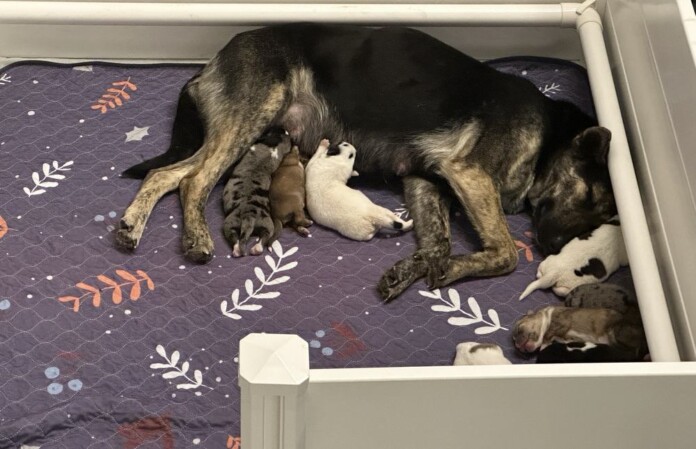
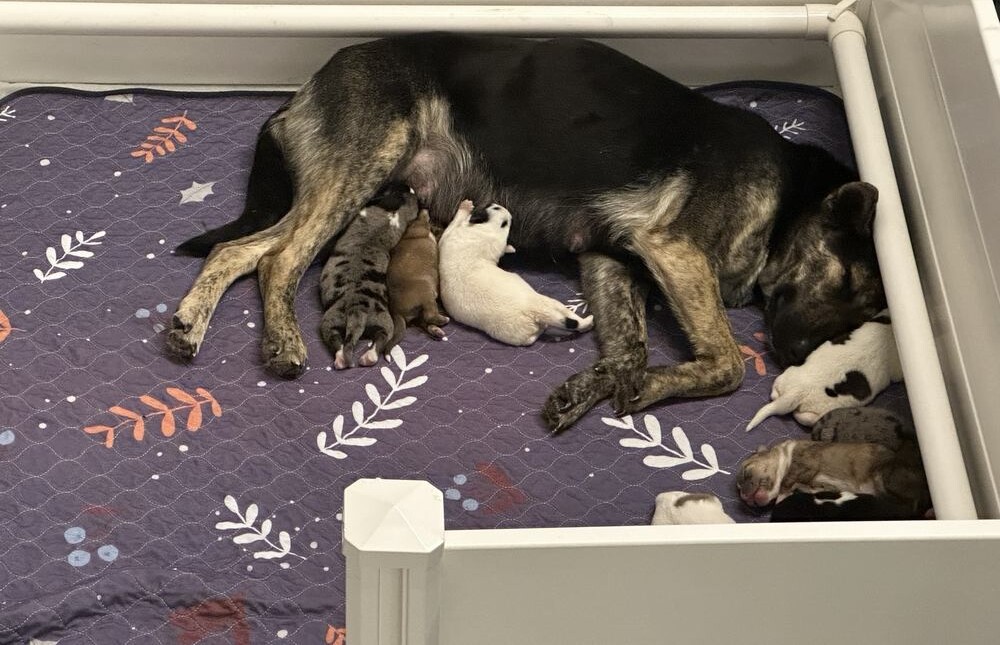
In southeast Missouri, the nonprofit Animal Rescue Corps helped save a pregnant female dog along with 17 others from the snow and freezing temperatures that battered so much of the United States.
Safe and warm at their rescue center outside Nashville, the ARC staff helped her welcome a litter of 9 adorable puppies into the world.
According to ARC, following a call in Doniphan, Missouri, their responders found several adult dogs chained up and multiple litters of puppies roaming freely on the property.
This is not a criminal case, says ARC Executive Director and finalist for the CNN 2025 Hero of the Year award, Tim Woodward, as it was the property owners who took the initiative to ask for help when the winter storm was on the horizon.
“The people living on the property recognized that the number of dogs had grown beyond what they could manage and that they could no longer properly care for the animals,” said Woodward.
“These individuals also agreed to have their personal dogs spayed or neutered immediately at ARC’s expense.”
ARC team members traveled to the area on Thursday night, met with local rescuers on Friday morning and transported seven adult dogs and 11 puppies to its rescue shelter near Nashville, Tennessee later that day, KFVS 12 reported.

Described as a “situation of uncontrolled reproduction that got out of hand,” the property owners had only gotten hold of the first few dogs after volunteering to help a family member.
MORE STORIES LIKE THIS: Veteran Inspired Drone Company Finds Lost Dog in Frigid Cold in Just 41 Minutes–Leading to ‘Cinematic’ Reunion
ARC doesn’t specialize in adoptions, but rather large scale rescues of multiple animals. Once mentally and medically recovered from the conditions they’re rescued from, and legal custody has been secured, ARC will work through their network of pre-approved 501(c)3 non-profit shelters and rescues where these animals will continue their journey to a loving home.
SHARE This Compassionate Organization’s Great Work With Your Friends…
Citizen Scientist Spots Earth-like Planet: Now Astrophysicists Will Focus Most Powerful Telescopes on it

In a story that proves you don’t have to be a star to find a star, astronomers are excited to train the next generation of telescopes at an Earth-like exoplanet discovered by a citizen scientist.
Alexander Venner, currently studying studying at the Max Planck Institute for Astronomy, picked his way by hand through the data collected by a now-retired NASA space-based telescope called Kepler, which was used to examine the sky for exoplanets during a survey of 500,000 stars that ended 8 years ago.
Datasets like these are huge, and often combed through with search algorithms, but the PhD student managed what others did not by rolling up his sleeves, so to speak.
“It was completely missed,” Mr. Venner told Science Magazine about his discovery, presented at the Rocky Worlds conference in Groningen. “The best way to detect it was to actually just look.”
The reason it was missed was because the exoplanet orbits a K-dwarf star designated HD 137010. At just 146 light years away, it’s close enough for Kepler to have recorded the presence of such a small planet, and for the most powerful telescopes of the day to record it in great detail.
Scientists look for exoplanets by centering a telescope on a distant star and waiting to see a dip in the star’s light, indicating there’s something orbiting the star large enough to reduce the light signal—a planet. This is called the transit method.
The first man to ever identify an exoplanet this way concluded shortly after there must be millions of them. Indeed, the number of known planets beyond our solar system has passed 6,000, yet those which are Earth-like in orbit and mass number merely a few dozen.
Most exoplanets are large and hot, making for easy detection because of the larger dips in light described earlier. Smaller, Earth-sized, rocky worlds orbiting within their star’s habitable zone are not only of the greatest interest to scientists, they’re also much harder to spot, since they’re cooler and smaller.
This is exactly why Venner was able to discover this planet, called HD 137010b. Search algorithms passed over its faint signal in the Kepler data. Venner came across the data through the Planet Hunters project which recruits citizen scientists and volunteer enthusiasts to search through data from Kepler and other planet-hunting telescopes to look for signals left behind by larger surveys.
Venner was thusly recruited during his time at the Planck Institute. Stumbling upon the signal dip from HD 137010, he and his colleagues determined that a planet—rather than a binary star—best explained the dip, and that by looking at the time between dips and the faintness of the signal, an Earth-sized world with about the same orbit as our planet fit the data.
STUDENTS LOOKING WHERE OTHERS HAVEN’T: The First Amateur Astronomer to Ever Discover a New Moon – And it’s Orbiting Jupiter
Venner and his teams’ findings were presented in the Astrophysical Journal Letters, and they propose that HD 137010b sits on the freezing edge of the habitable zone, attributable to HD 137010’s temperature of about 1,800°F lower than our Sun.
It’s doubly exciting because of the few dozen Earth-sized worlds known to science that orbit in what should theoretically be habitable zones—the not-too-hot/not-too-cold space where temperatures could support liquid water—many orbit M-type stars, which have a nasty habit of obliterating planetary atmospheres by spewing out high energy radiation.
MORE HABITABLE ZONE WORLDS: New Temperate Planet That Could Support Human Life Discovered in Pisces Constellation by UK Scientists
HD 137010b now presents as a really appealing target for two upcoming telescope missions: European Space Agency’s orbital PLATO telescope, a successor to Kepler due to launch in about 1 year, and the Isaac Newton Telescope on the Spanish island of Las Palmas, which is slated to begin the Terra Hunting Experiment in February.
“Many of these instruments are essentially proposing to observe particular stars, bright Sun-like stars, for many years,” in the hopes of randomly chancing upon a potentially habitable planet, Venner says. “The advantage of this star is that we already know there’s a planet with Earth-like properties.”
SHARE This Enterprising Young Student’s Huge Discovery Out In The Cosmos…
Simple Amino Acid Identified as Perhaps the Difference Between Life and Death from Illness


Not all diseases are caused nutrient deficiencies, but they often do come with one.
A deficiency of vitamin D, for example, is found most cases of illness, from cancer to upper-respiratory tract infections to sepsis and osteoporosis.
Recently, researchers at the renowned Salk institute for Biological Studies have identified that a simple amino acid called methionine, one which we all get from our diets mostly through animal-sourced foods, plays a key role in ameliorating the risk of death from infections.
Ambitiously, the Salk team were investigating what’s known as “disease trajectory” which describes the process from which an infection is contracted, or injury sustained, to the point at which the patient recovers or dies. Salk scientist Janelle Ayres, PhD, has spent decades researching why some patients go down the former track and others the latter.
Inflammation, she presents, is a key decider, and that the kidneys play an underappreciated role in clearing inflammation from the body when it’s important role in the healing process is finished.
“Our study indicates that small biological differences, including dietary factors, can have large effects on disease outcomes,” says senior author Ayres.
“Our discovery of a kidney-driven mechanism that limits inflammation, together with the protective effects of methionine supplementation in mice, points toward the potential of nutrition as a mechanistically informed medical intervention that can direct and optimize the paths people take in response to insults that cause disease.”
Inflammation is the immune system’s response to any invader. Whether that is a pathogen inside you or a splinter in your finger, immune cells rush to the scene to facilitate the healing process. As those immune cells arrive, they amplify the invader alarms using proteins called pro-inflammatory cytokines.
“Pro-inflammatory cytokines are ultimately what leads to sickness and death in a lot of cases,” says first author Katia Troha, PhD, a postdoctoral researcher in Ayres’s lab. “The immune system has to balance inflammation to attack the invader without harming healthy cells in the body. Our job is to find the mechanisms it uses to do that, so that we can target them to improve patient outcomes.”
To understand how the body regulates its cytokine levels, the researchers used a mouse model of systemic inflammation induced by the pathogen Yersinia pseudotuberculosis. The first thing they noticed was that the infected mice were not eating as much—a sign of likely metabolic changes. To asses nutritional status, the researchers looked at the levels of circulating amino acids, which are protein building blocks that support cellular health throughout the body.
Infected mice showed depressed methionine levels—an essential amino acid found in our everyday diets. Curious, Troha decided to feed a new batch of mice with methionine-supplemented chow, and surprisingly, these mice were protected against the infection.
ALSO CHECK OUT: Vitamin K Used in ‘Groundbreaking’ Prospective Treatment for Neurodegenerative Diseases
Further experiments showed that methionine reduced circulating cytokine levels by partnering with a surprising ally: the kidneys. Methionine increased the kidneys’ filtration capacity, improving blood flow and helping the body excrete pro-inflammatory cytokines through the urine. Importantly, this methionine-kidney effect cleared excess cytokines without hindering other key aspects of the immune response.
Curious whether methionine’s effect was present in other conditions, the researchers also looked at sepsis and kidney injury models. They found that methionine was also protective for these mice, supporting that methionine may be a useful tool in other inflammatory disease settings.
By supplementing their diets with methionine, Salk scientists were able to give infected mice entirely different disease trajectories. The amino acid boosted the animals’ kidney function and protected them against wasting, blood-brain barrier dysfunction, and death without hindering their bodies’ ability to fight and kill Yersinia pseudotuberculosis.
MORE NUTRITIONAL ANCHORS: Another Study Shows Daily Multivitamin for People Over 60 Slows Memory Decline That Comes With Aging
And the sepsis and kidney injury models show these effects extend to other infections and inflammatory conditions, too, making methionine a potentially useful tool for the treatment of infectious diseases, particularly in cases of kidney disease or failure, or for patients undergoing dialysis.
“Our findings add to a growing body of evidence that common dietary elements can be used as medicine,” says Ayres. “By studying these basic protective mechanisms, we reveal surprising new ways to shift individuals that are fated to develop disease and die onto trajectories of health and survival.”
SHARE This Perfect Reason To Eat A Bit More Meat Or Consider A Methionine Supplement…
Scientists Hail Record Number of Sightings in January as Auspicious for Endangered Right Whales
As the Critically-Endangered North Atlantic right whale continues its long, slow journey back from the brink of extinction, there have been many joyful milestones worth celebrating.
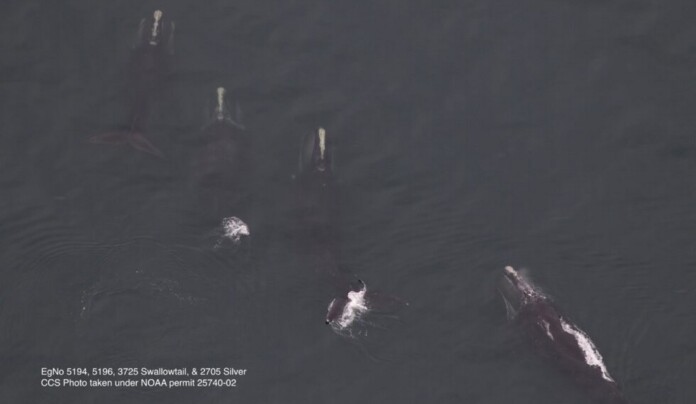
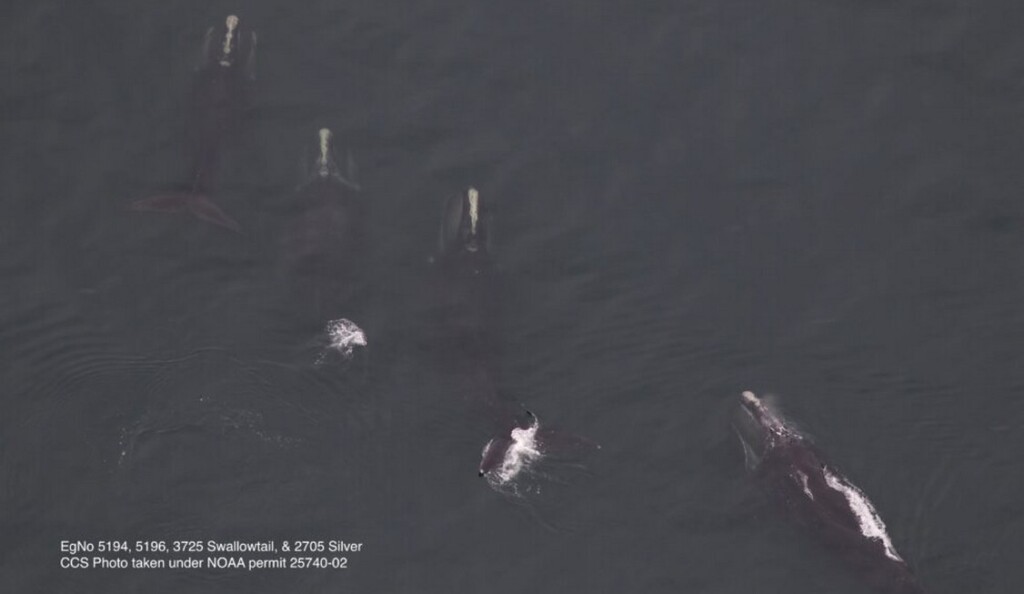
With the year still so young, there’s already been another: a record-number of sightings taken by a single aerial survey flight when a local marine life organization flew over Cape Cod.
The Center for Coastal Studies (CCS) says observers on a plane spotted 33 North Atlantic right whales on Saturday, the most ever for a single day in January, a statement by the center read.
Saturday’s survey was particularly noteworthy because researchers also observed right whale EgNo 1050, a male that’s at least 45 years old and has only been documented one other time in the last 15 years, as well as the 2025 calf of whale 2460. That calf surprised researchers last season when it was documented for the first time ever during a survey of Cape Cod Bay.
The New England Aquarium, another organization monitoring North Atlantic right whales, said that during 2 of their research flights, 23 whales were spotted.
“All around us, we saw groups of whales rolling, splashing, and bursting out of the water,” scientist Kate Laemmle said. “Seeing these critically endangered right whales on our first surveys of the New Year is a great way to start the season and leaves us hopeful for more whales returning to the area.”
With current estimates of the population standing at 384, these surveys aren’t just interesting opportunities to observe baleen ethnology, but snapshots of more than a tenth of the entire living legacy of these once-numerous giants.
MORE WHALE NEWS:
- Gray Whale, Extinct for Centuries in Atlantic, Is Spotted in Cape Cod
- ‘Remarkable’ Right Whale Saga Continues as Vagrant Pair Become First Ever Seen in Bahamas
It’s arguable these whales receive more hands-on conservation work than any other of their race. Tuesday’s sightings by the NE Aquarium triggered the activation of a “slow zone” for boat traffic in the area they were spotted—just south of Nantucket.
Ship strikes and entanglement with derelict fishing gear are the largest of threats to these animals. Last year, GNN reported that 11 calves were born in 2025.
SHARE The Uplifting Start To Whale Watching Season In Cape Cod…
“If you obey all the rules you miss a lot of the fun.” – Katharine Hepburn

Quote of the Day: “If you obey all the rules you miss a lot of the fun.” – Katharine Hepburn
Image by: Getty Images for Unsplash+
With a new inspirational quote every day, atop the perfect photo—collected and archived on our Quote of the Day page—why not bookmark GNN.org for a daily uplift?

Good News in History, January 30

200 years ago today, a groundbreaking piece of civil engineering debuted– the massive Menai Bridge opened, cutting nine hours from the journey between Wales and London. A triumph for its designer and engineer Thomas Telford, it was the biggest suspension bridge in the world at the time. Sixteen huge chains held up 579 feet of deck, allowing 100 feet of clear space beneath for tall ships navigating the seaway underneath. READ more about its construction… (1826)
Spider-Inspired Design Makes Metal Tubes ‘Unsinkable’–A Breakthrough in Maritime Engineering

It’s been 113 years since the ‘unsinkable’ Titanic sank, and engineers still have hopes of someday creating unsinkable ships.
None more so than a team at the University of Rochester that recently present a new “superhydrophobic” design that could lead to more resilient ships, floating platforms, and renewable energy innovations.
The design is special for several reasons, not least of which being its use of normal aluminum tubes rather than some expensive alloy or material. The process also replicates how the diving bell spider traps air to breathe when hunting underwater, meaning it works off a proven concept.
By making little etchings along the interior of aluminum tubes, the research team at the University’s Institute of Optics in New York created microscopic pits on the surface that turn it superhydrophobic, repelling water and staying dry.
Once modified, the tubes should theoretically stay afloat no matter how long they are forced into water or how heavily they are damaged, and indeed tests demonstrated just this.
“When the treated tube enters water, the superhydrophobic surface traps a stable bubble of air inside the tube, which prevents the tube from getting waterlogged and sinking,” said Chunlei Guo, lead author of the study presenting the technology in the journal Advanced Functional Materials.
“Importantly, we added a divider to the middle of the tube so that even if you push it vertically into the water, the bubble of air remains trapped inside and the tube retains its floating ability.”
Guo and his team first demonstrated superhydrophobic floating devices in 2019, but he says the current tube design “simplifies and improves” the technology in several key areas.
ENGINEERING AT SEA: The First Cargo Ship Running on Green Methanol Weighs Anchor Amidst Merchant Shipping Decarbonization
The disks that the researchers previously developed could lose their ability to float when turned at extreme angles, but the tubes are resilient against turbulent conditions such as those found at sea.
“We tested them in some really rough environments for weeks at a time and found no degradation to their buoyancy,” he commented to his university press. “You can poke big holes in them, and we showed that even if you severely damage the tubes with as many holes as you can punch, they still float.”
MORE STORIES LIKE THIS: Intricate Feather Patterns of an African Bird Inspires New Water Bottle Design
Multiple tubes can be linked together to create rafts that could be the basis for ships, buoys, and floating platforms, while the technology could be easily scaled to the larger sizes needed for load-bearing floating devices, such as the moorings of an offshore wind turbine.
“The mechanism is similar to how diving bell spiders trap an air bubble to stay buoyant underwater or how fire ants form floating rafts with their hydrophobic bodies.
WATCH the story below from the Univ. of Rochester…
SHARE This Innovative, Spider-Inspired Technology With Your Friends…
Homeless Woman Sleeping on Late Husband’s Grave Visited by an ‘Angel,’ with a Tiny Home


When a Syracuse police officer got the call that there was someone living among the dead at Oakwood Cemetery, you’d forgive them for perhaps being a little on edge.
But what they found wasn’t anything out of a horror film. Instead, it was 55-year-old widow Rhea Holmes, sleeping under a winter sky on the cold ground of her husband’s grave.
Holmes enjoyed 26 years of wedded bliss with her husband, Eddie. Together, by 2024, they had collected enough money to buy a small home in Syracuse. It wasn’t much, but it was their dream.
Offer accepted, they must have been preparing to sign on the dotted line, when Eddie suffered a fatal heart attack the very same day.
In shock, Holmes took the down payment and spent it on a grave plot, headstone, and bench incised with his name where she could come and reminisce. However, without her beloved Eddie by her side, she slipped into a depression, lost her job, and got evicted.
Rudderless, directionless, and alone, Holmes decided to go to the only place in the world where she felt she belonged: the slab of marble where Eddie Holmes lay in eternal rest.
Too proud to sleep at a shelter, she would volunteer at a food kitchen where she too could eat, and then, with night as her cloak, would slip into the cemetery to sleep under the stars—which she did from May of 2025 to this month.
“I assumed that I was going to die there,” Holmes said of the cemetery, but then “along comes an angel.”
Syracuse Police Officer Jamie Pastorello was informed of Holmes’ presence by a retired colleague, and went to investigate.
HELPING HANDS TO THE HOMELESS: Retired Cop Rehabs Bus into Mobile Laundry: He Now Washes Clothes for the Homeless
“First, he paid for a hotel room for Holmes,” wrote CBS News’ Steve Hartman in his “On the Road” segment. “Then he connected her with the president of LeMoyne College, who let Holmes stay on campus while the students were on winter break.”
Lastly, he connected her with a nonprofit called A Tiny Home for Good, which got Holmes her own tiny home at an affordable price.
THE LAST STREET JOURNAL: Boy Who Offers Tombstone Cleaning Services Wins National Attention And Donates Profit to Funeral Charity
“It was just the right thing to do,” Pastorello told Hartman. “And I wasn’t going to let Rhea sleep outside again. A complete turnaround, you know, in 20 days, she went from sleeping on the cold, hard ground in a cemetery, to her own home.”
He visits her from time to time, and all at once, the warm, confident character that’s easy to see how Eddie Holms could have fallen for emerges, and one gets the feeling, writes Hartman, she won’t go back to sleeping in a graveyard for a fair few years still.
WATCH the story below (tissues recommended)…
SHARE This Tragic Story With A Happy Ending With Your Friends On Social Media…
Farmers Enjoy Record Spring Harvests Despite Drought Thanks to Mixture of New and Old Methods


Farming adaptations have seen Canada’s farmers turn out record harvests in the middle of a 5-year drought.
Truly unsavory conditions, like oppressive rainfall followed by an immediate return to drought, would typically have left the wheat on Simon Ellis’ fields shriveled and worthless.
Instead, plump grains were ready to be scooped up by his combine. He contributed the extra grain—almost all of which will be exported abroad to developing countries—to a national harvest total that tops any on record despite a drought that started in 2020.
Spring wheat yielded 58.8 bushels per acre this year, according to a government data release. That’s a gain of 77% from 30 years ago, based on a three-year average, according to Reuters.
“We are constantly making little tweaks,” Ellis told the outlet. “That’s how we’re going to be able to keep fighting the changing climate.”
His farm in Wawanesa, Manitoba, has been the sight of some of those constant tweaks, including an underground system to prevent flooding, slow-release fertilizer, and more precise weedkilling.
But a huge effect will have come from the zero-till method of farming the 4th-generation farmer is employing. Today, 75% of farmers in Saskatchewan, Manitoba, and Alberta don’t till the soil before seeding.
The reason being that ripping up the ground exposes the whole of the soil microbiome to the annihilating rays of the Sun. It also reduces the need for weedkiller and pesticide spraying, because weeds grow rarely and more slowly in an already-grown field. Rip up the clover, grasses, and forbes, and invasive or pioneer weed species have free-rein.
This microbiome is a key part of robust plant health, as the interrelations of bacteria, fungi, and other microscopic life anchors the crop’s immune system, just as it does our own.
Zero-till agriculture is one of the key strategies of what is generally called regenerative agriculture, which means that from the time of the harvest to the next planting season, the fields become even more rich and fertile than the previous harvest. This is often accomplished by a combination of zero-till seeding and running animal herds over the fields before planting.
TECH ON THE FARM: Genetic Mutation Could Pave the Way for Self-Fertilizing Cereal Crops and a Revolution in Agriculture
Other strategies, like intercropping—growing multiple crops at the same time—and cover cropping—growing a harmless plant like clover after harvests to protect the soil from the Sun—as well as self-guided tractors and “tile drainage,” mean that in conditions that would have once produced crop failures, farmers are growing more food than they could in the best conditions two decades ago.
Conditions in the Western Canadian Prairie are notoriously difficult to farm, and would be more difficult still under current changing climatic patterns if not for the incredible success in farming technology. Grain-growing regions in Australia face similar challenges, Reuters reported, but is seeing similar successes thanks to a similar suite of farming advances.
FARMING IN THE FUTURE: This Year’s Nice Rice Price Marks an 18-year Low Amid a Doubling of Per-Acre Yield
At the front end, many of these innovations are really expensive. A smart combine or high-speed-data-enabled tractor/seeding drill can run more than a million dollars, even without insurance. Tile drainage, a system of pipes that takes water and channels it into an underground network rather than letting it pool atop the field, is expensive as well.
At the backend, however, these also save sizable amounts in annual fuel, fertilizer, pesticide, water costs.
SHARE This Blend of Traditional And Cutting Edge Ag Techniques Bringing Massive Yields To Canadian Fields…
‘DC Snow Heroes’ Shovel Neighbors Out of Trouble After Winter Storms


After low winter temperatures battered multiple regions of the country with snow, heroes in Washington, DC, stood up to be accounted for.
With major thoroughfares taking priority for District plows and employees, the ‘DC Snow Heroes’ hit the blocks, shovels in hand, to clear sidewalks for the elderly, the young, the disabled, or even just the overwhelmed.
Organized by the mayor’s office, Serve DC is a volunteer program that includes a special segment whose mission it is to shovel snow and clear ice—both of which had accumulated in the District at the start of this week.
“As a community, we have to stick together, we have to do what we can do for one another, and it’s a lot of people that [are] unable to do things, so that’s where we come in,” David Ford, one of the Snow Heroes, told DC News Now.
“Service is the gateway to all success,” remarked another volunteer when asked why he volunteers his time shoveling snow.
The storm had dumped mounds of dry snow 10 inches high on Sunday, which promptly refroze over the evening, making it treacherous to walk on.
Volunteers cleared both the snow and the ice in front of homes like that of Shirley Thomas, a DC resident who needs a crutch to get around.
“It’s not too many people in the world like that,” she said watching the Snow Heroes do their heroics.
MORE SNOW STORM HEROICS: Man Saves Boatloads Of ‘Stunned’ Animals After He Spotted Shadows in the Waves
Organized by the mayor’s office of Muriel Bowser, anyone living in the area looking to be a hero, as David Bowie said, just for one day, can go to the Serve DC website here.
“It is outstanding… This is really neighbors helping your neighbors showing the kind of community and love that the mayor thrives off that we are building, and making sure that we sustain a district,” said Lamont Carey, Director of Community Affairs for the Mayor’s Office.
WATCH the story below…
SHARE These Fantastic American Volunteers Helping Neighbors In A Storm…
“The only normal people are the ones you don’t know very well.” – Alfred Adler

Quote of the Day: “The only normal people are the ones you don’t know very well.” – Alfred Adler
Image by: Felix MacLeod
With a new inspirational quote every day, atop the perfect photo—collected and archived on our Quote of the Day page—why not bookmark GNN.org for a daily uplift?

Good News in History, January 29
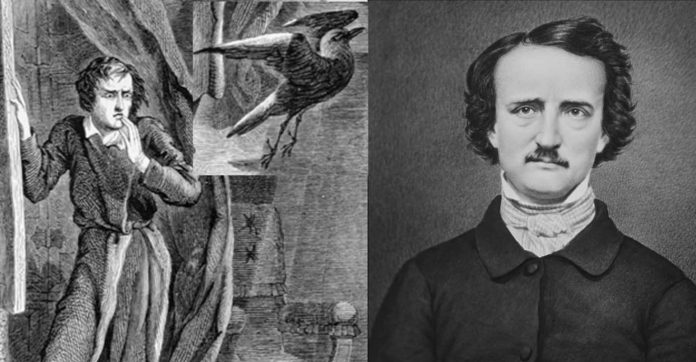
181 years ago today, Edgar Allan Poe’s iconic poem The Raven was first published. Printed in the New York Evening Mirror, it made Poe a household name almost immediately, and turned the writer into a national celebrity. The narrative poem depicts a mysterious bird’s midnight visit to a distraught lover. READ a short excerpt… (1845)
Guatemala Opts Out of Oil Extraction in Favor of Protecting Jaguars and Macaws in Mayan Biosphere
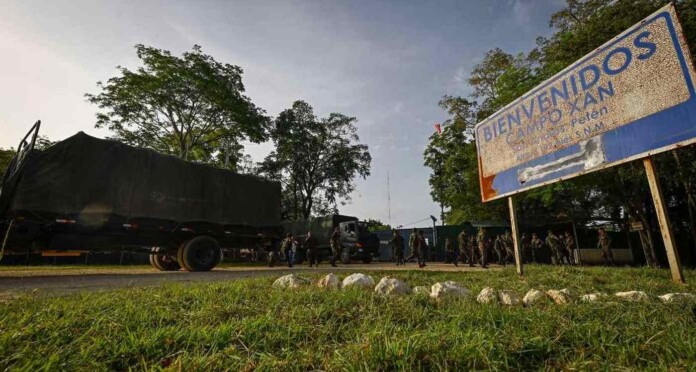
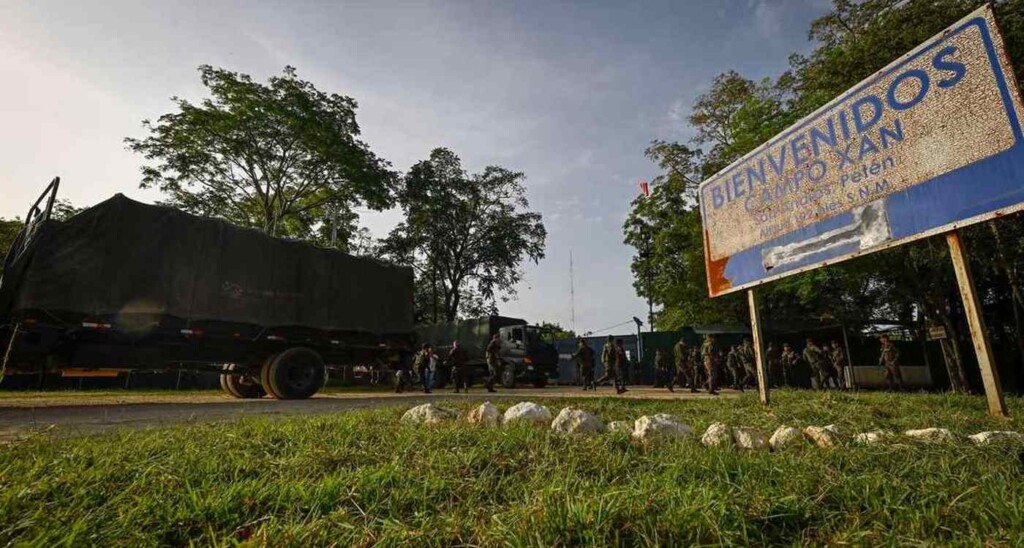
Guatemala has opted out of renewing a lease agreement on a 7,000-acre oil field in order to use the land for better protection of the surrounding Laguna del Tigre Biosphere Reserve.
An 830,000-acre component of the greater Mayan Biosphere Reserve which allows Mesoamerican wildlife to roam freely between the country and neighboring Belize and Mexico, it’s one of the world’s most important protected areas.
As such, the presence of an oil field inside its borders was controversial, even as the revenues provided critical GDP growth for the developing country. Now, a combination of pollution from the oil operations, sustained low oil prices, and illegal activities within the biosphere has led the government to determine that it is no longer profitable, and chose not to renew the extraction agreement with the Anglo-French developer Perenco.
Instead, the wells will be closed and the land will be turned over to the Guatemalan military for purposes of keeping a closer eye on the giant green emerald that is Laguna del Tigre.
“This marks the beginning of a process of taking control of a vast portion of the national territory that has long been open to all kinds of actors who often exploit it for illicit activities,” President Bernardo Arévalo said during a speech about the new facility.
Laguna del Tigre is one of the most-often exploited parts of the Mayan reserve, with thousands of acres lost every year to illegal cattle ranching, farming, and logging.
The Ministry of National Defense and the National Civil Police will occupy the Campo Xan for the purpose of cracking down on these illegal activities and incorporating a more collaborative cross-border policing program with Mexico and Belize.
TREES OVER OIL: Rainforest Oil Exploration Stopped as Court Rules Uncontacted Tribes Have Right to Remain in Isolation
Critics have suggested the taking over of Xan Oil Fields is more of a political show than anything tangible, and that the reserve already has a security component—rendered inefficient by rampant corruption, Mongabay reports.
However, President Arévalo ran on a platform of ecological integrity, environmental protection, clean energy, and indigenous rights, so at the very least there is a mandate to put an end to these exploitative activities.
MORE CENTRAL AMERICAN NEWS: Newly-Found Metropolis with Pyramids Shows We’re Not Even Close to Discovering Every Mayan City
Environment and Natural Resources Minister Patricia Orantes said the government is trying to do a “180-degree” shift on many management decisions, with a special focus on the Mayan Biosphere.
“We must conserve [the Maya Forest] for the good of Guatemalans and for the world,” Orantes said. “Protecting the climate is our responsibility, and that is what we’re aiming for.”
SHARE This Great Story With The Eco-Lovers In Your Social Medias…