












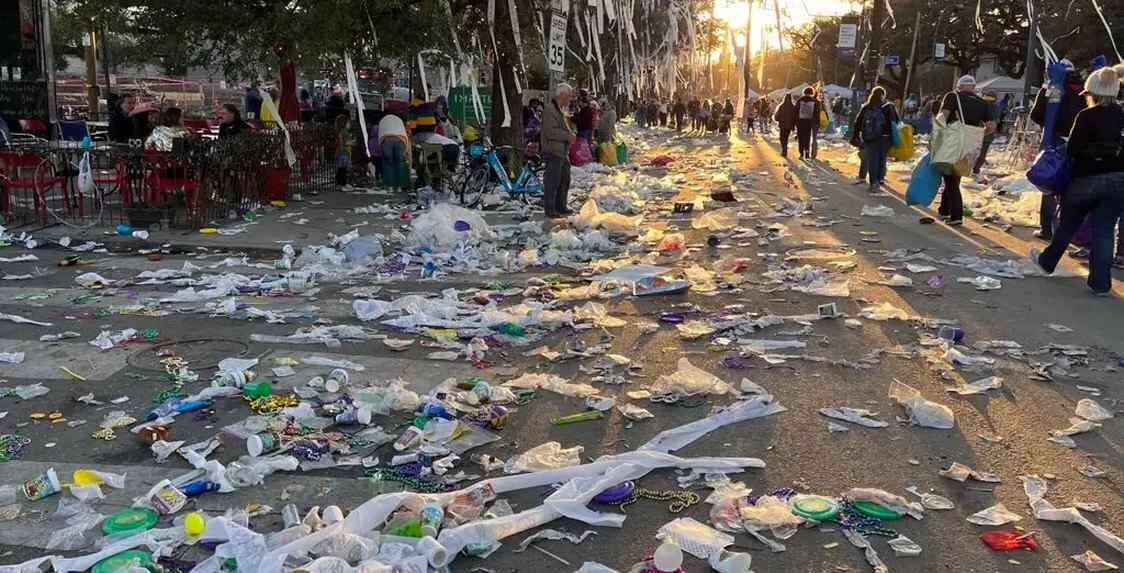
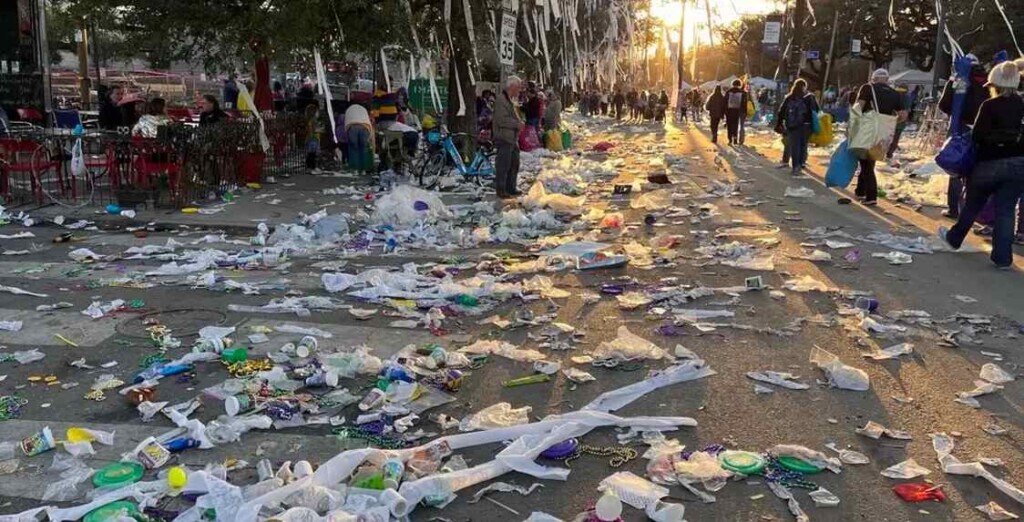
Flung plastic beads, coins, and other trinkets can seem like treasures in the heat of a Mardi Gras moment, but if you’ve ever seen the streets of New Orleans the morning after, you’d recognize only trash.
That’s why a coalition of government agencies and nonprofits is creating “seed beads,” biodegradable party favors, and culturally-smart alternatives like bags of Jambalaya spices, as a way of cutting back on this mountain of party waste.
It’s not just about removing this unnecessary burden of 1,123 tons per year from the landfill; it’s a climate necessity, as the countless plastic objects have been found time and time again to clog the stormwater system.
It’s been 22 years since Hurricane Katrina caused one of America’s largest and most destructive weather-related disasters, and anything that impedes the city’s drainage capacity is considered far more than an inconvenience.
Grounds Krewe, one of the nonprofits working to reduce the environmental footprint of Mardi Gras, operates within a coalition organized by the city’s tourism association called Recycle Dat.
At first, the coalition would work to gather up all the Mardi Gras waste, whether drink cans or plastic beads, and either repackage them or recycle them. Founder of Grounds Krewe Brett Davis realized that, unfortunately, the work was clearing the streets of toxic, cheap crap no one wanted and preparing it only to clutter the streets again.
Since the 2024 Mardi Gras season, he’s managed to sell $1 million of interesting and or environmentally sound “throws.” Davis, a New Orleans native, told the New York Times that when he was a kid, there was desperation to catch anything that came off the parade floats that ply the city center.
After regulations came into effect that prevented any logo or identifiable image on objects thrown from the floats, the name of the game became the cheapest, least valuable stuff participants could afford. It led to a kind of “bead fatigue,” and now, most of what’s thrown from the floats is neither caught nor desired.
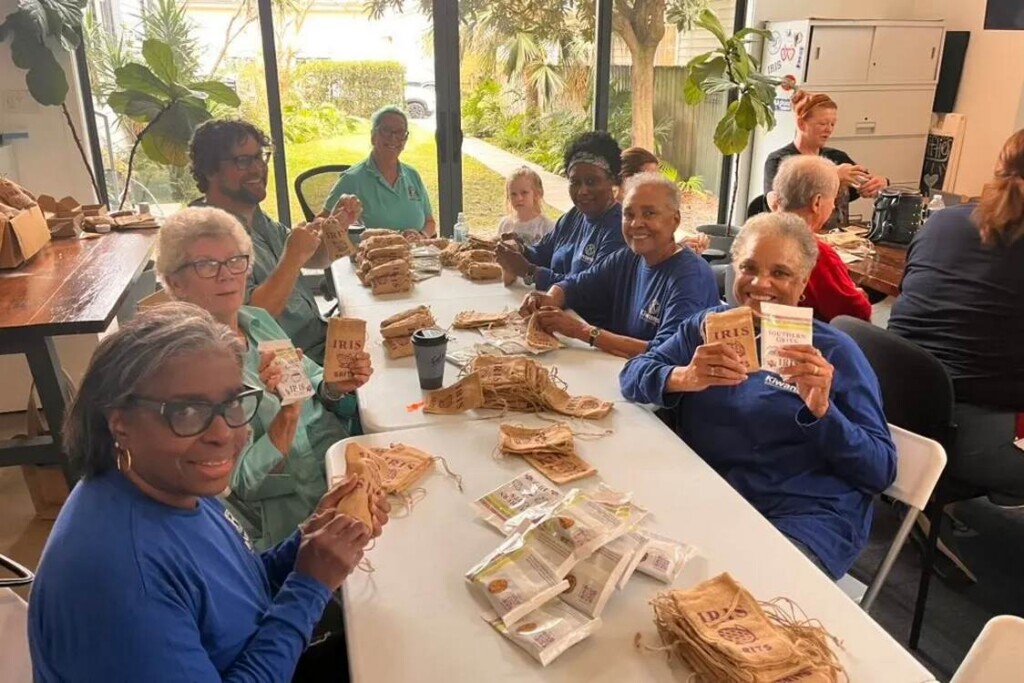
Davis’ opinion is that this could all change if what’s thrown off the floats is actually interesting. So far he has assembled a large team of volunteers of all age groups to put together tiny burlap sacks of Jambalaya spice, native flower seed mix, or plant-based glitter.
CUTTING BACK ON WASTE: New ‘eBay for Government’ Helps Counties and States Auction Off Property, Reduce Waste
It’s not a totally new idea to throw things of value. In the Carnival culture of Mardi Gras, some floats bring really interesting things like hand-painted coconuts, and the idea of scarcity—of throwing something that people actually want—something rare and interesting, not only reduces the ecological footprint of the event, but brings back some of the animus it had when Davis was young.
The Times report also covered the work of two University of Louisiana scientists who began experimenting with creating beads from algae. One of the scientists, Naohiro Kato, used 3D printers to form the algae beads, which he filled with okra seeds. This not only helps the beads break down faster as the okra germinates, but encourages those who’ve caught them to pay attention to what it is they’re actually holding.
NEW ORLEANS NEWS: Birds Sing Anew After Residents of New Orleans Ninth Ward Restore 40-Acre Wetland to Historic Glory
Another LSU scientist, Qinglin Wu, approached the bead problem differently: using a byproduct of sugarcane production called begasse. These sugarcane beads were thrown out for the first time this year by a long-time float organizer.
“The city used to measure the success of Mardi Gras based on the trash collected,” said Kevin Ferguson, chief of staff for the New Orleans mayor. “But there are a lot of reasons we have to make a change.”
SHARE These Important Efforts To Reduce The Trash Burden From This Famous Festival…