











A historic greenhouse in Glasgow is set to finally be revived after 40 years of dereliction.
$1.5 million will help a trust organized to save the building do just that, while simultaneously opening it up to events and perhaps more.
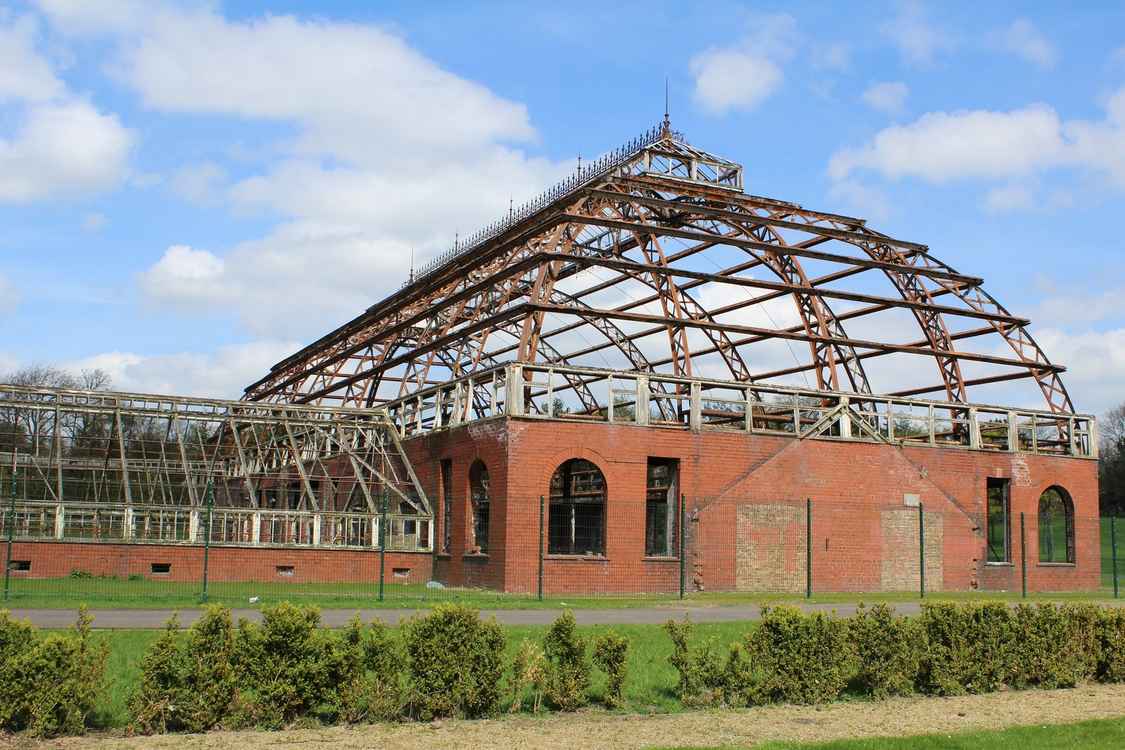
Located in the northern district of the same name, the Springburn Winter Gardens was Scotland’s largest greenhouse when there was still green in the house. Built in 1892, it played host to classical concertos and exotic flower displays behind the massive glazing held up by attractive British ironworks.
In the post-war years, however, the gardens and park began to decay with the general Springburn neighborhood, and in 1983, the Winter Garden was closed after a huge storm damaged it. It has ever since remained in disrepair and disregard.
Plans to tear it down were rebuffed by locals with long, fond memories of the greenhouse in Springburn Park, and in 2012, the Springburn Winter Garden Trust was formed to preserve the building, whose first charge was to perform emergency stabilization work in 2017.
This very trust just recently received £1.1 million from the Regeneration Capital Grant Fund which aims to renew community sites in disadvantaged areas around Scottish cities.
MORE SCOTTISH STORIES: Couple Converts Their Home into ‘Hedgehog Haven’ to Rehabilitate Over 500 Spiky Critters
Sarah Robinson Frood owns a company called Innovate Rural, which is now developing a plan to take the first step towards restoring the greenhouse by turning it into a “living ruin.”
She spoke to BBC Scotland with more details.
“On a basic level it’s going to make it accessible again and stop it falling down. There has been a lot of technical reporting over the past couple of years and that has shown it is in a precarious state.”
TURNING THE PAST INTO A PRESENT: Archaeologists to Excavate Glasgow’s First Skatepark with the Help of Former Skateboarders
“It’s just about bringing it back into use after stabilizing it. It’s something like a ruined church or a bandstand, where the structure is still there and can be utilized while not being a completed or closed building.”
Ways of utilizing the heritage-listed building could involve making it into a hub for arts and culture, with leasable spaces, a performance venue, and cafe/bar.
SHARE This Story Of How This Historic Building Will Be Saved In Glasgow…