














By instantaneously heating electronics to 3,000°C via an electrical current, scientists have found a way to extract decent grades of precious metals without creating hazardous waste.
According to their analysis, relying on e-waste for a precious metals supply could be 13-times cheaper than mining them from the ground. However, previous methods have involved throwing this or that broken gizmo into a furnace powered by copious amounts of energy while also releasing toxic substances into air.
By contrast, “flash joule heating,” a way of using electrical currents to vaporizing the valuable metals from the materials that hold electronics together is between 80 and 500-times more energy efficient.
One 2008 study calculated that one ton of mobile phones without batteries contains about 130kg of copper, 3.5kg of silver, 340 grams of gold, and 140 grams of palladium.
Those totals, if assayed as part of a drilling survey at a mine, would be considered world class results in the 99th percentile of grades.
Most open pit mining operations will run at a rate of between 0.5 and 1.8 grams per-ton gold and 100 to 180 grams per-ton silver. Some 40 million tons of e-waste is produced annually, so some simple mathematics reveals the potential economy to be found in harvesting e-waste for metals—a process termed “urban mining” by scientists.
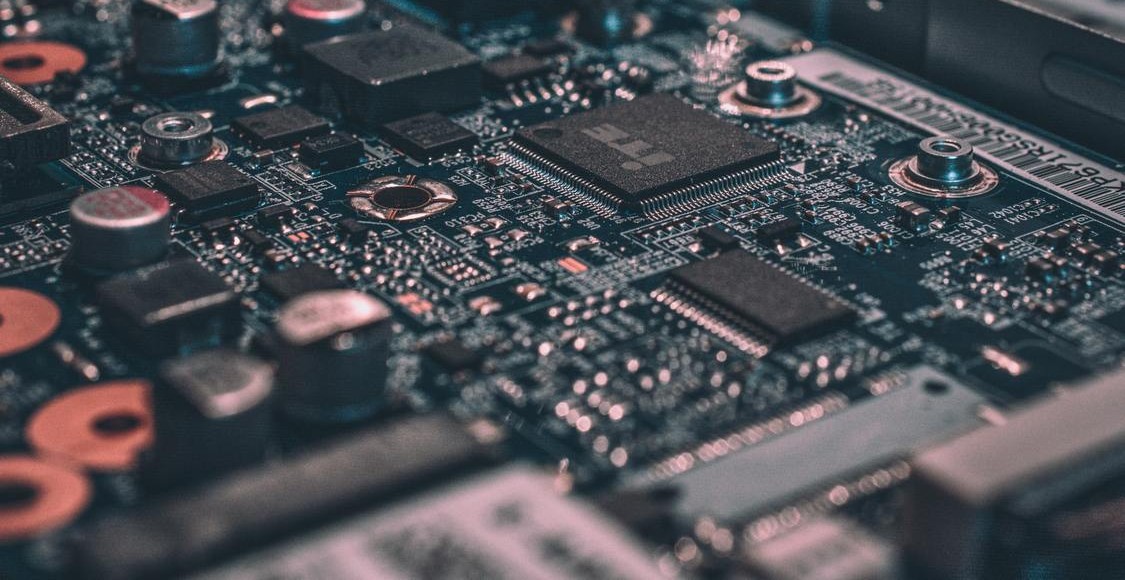
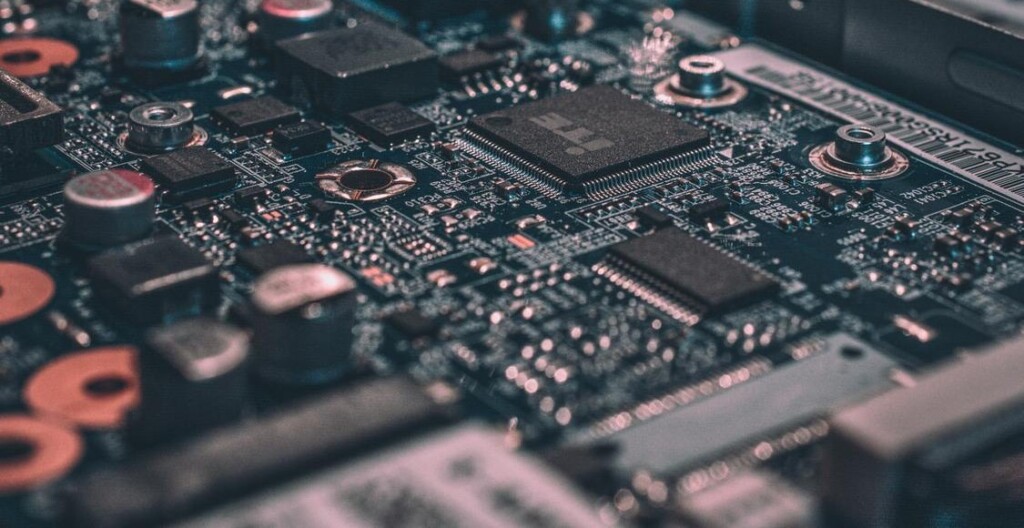
Scientists at Rice University shredded a printed circuit board for their experiments, and mixed it with carbon black as a conductive additive. Once in the flash joule chamber, the current applied is so high that the precious metals, like rhodium, copper, and gold, turn briefly to vapor, while the carbon-based components like the plastic, are carbonized. This same process has been used to turn plastic into diamonds.
ON THE SUBJECT OF METALS:
- Samsung’s 600-Mile-Range Batteries That Charge in 9 Minutes Ready for Production/Sale Next Year
- Recyclers Switch from Smelting to Solvents, Recovering Precious Metals from E-waste with Fewer Emissions
- Graphene Dream Becomes a Reality as Miracle Material Enters Production for Better Chips, Batteries
- Chinese Scientists Produce ‘Impossible’ Steel to Line Nuclear Fusion Reactors in Major Breakthrough
Mining companies for base and precious metals use a variety of patented recovery processes to separate gold, zinc, or nickel from the ore body.
Just like in mining, additives enhanced the recovery percentage of the metals from their vaporized form, including halides or fluorine-based substances. These brought the recovery of rhodium up to greater than 80%, and palladium to 70%. Bleach and other chlorine-based compounds brought the silver recovery rate up to greater than 80% as well.
With the prices of these metals skyrocketing of late, new and cheaper supplies will be crucial to ensure important industries remain intact and competitive.
SHARE This Clever Concept Of Urban Mining With Your Friends…