












From the SpaceX Dragon capsule high above the Earth, astronaut Jessica Meir was left stunned and moved by what she was witnessing.
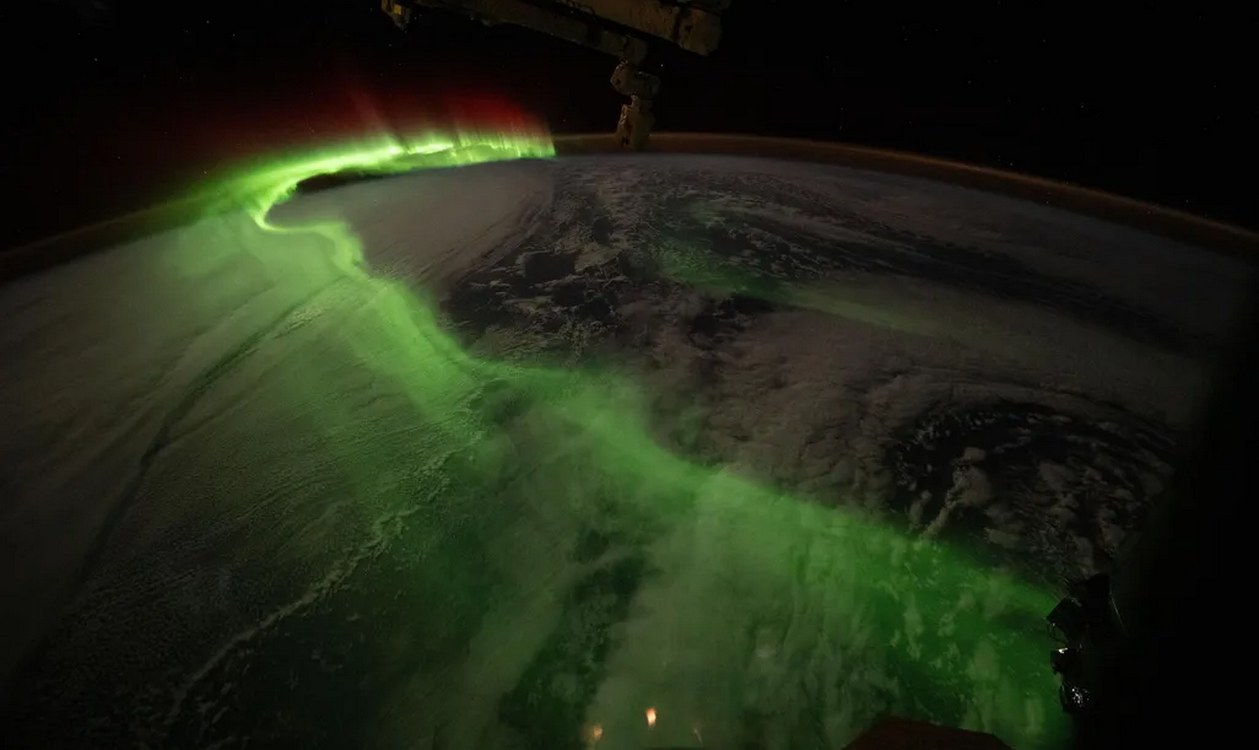
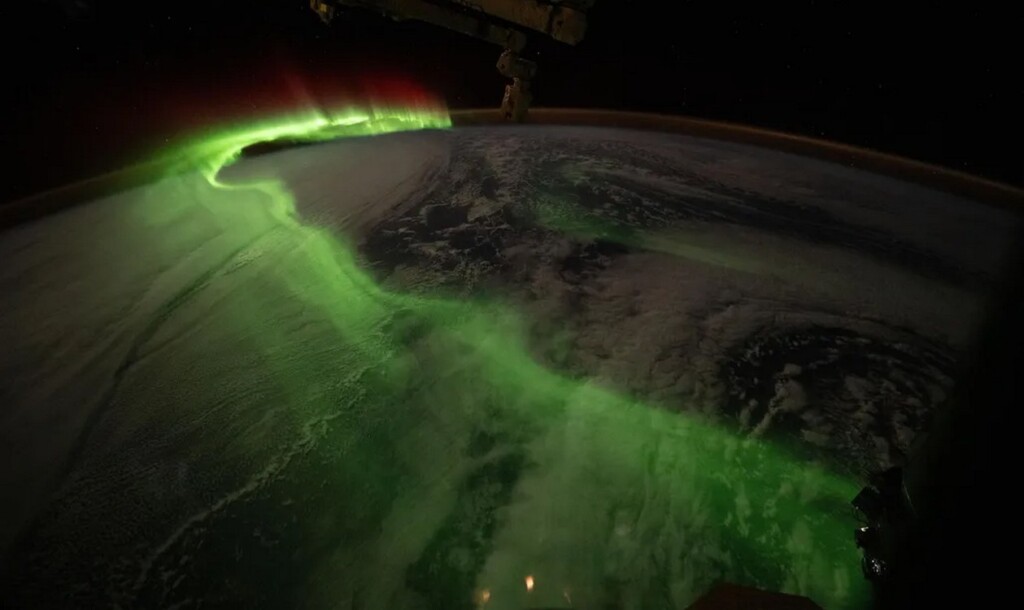
As our own blue marble spun around to show its white underbelly, a blast of solar wind had ignited the Southern Lights, or Aurora Australis, which spread out from Antarctica before snaking and scintillating its way across the South Pole.
“As opposed to the previous aurora I’ve seen, this one danced and snaked its way directly below us, putting on quite a show,” Meir wrote on X. “I am in awe of this ethereal and emotionally evocative phenomenon.”
As with all aurorae, the Aurora Australis occurs when large amounts of charged particles expelled by our Sun strike the Earth’s magnetosphere. The particles move to the magnetic poles where they concentrate, energizing endemic elements in the atmosphere. The result is a discharge of energy that turn the oxygen and nitrogen into plasma that glows and glitters in the night sky.
Though the Earth is constantly being bombarded by solar radiation, occasional large bursts, such as from solar events like coronal mass ejections, cause more dramatic and wider aurorae at the north and south poles.
“The auroras’ colors give clues to which gases are involved and where the interactions are taking place,” writes Sara Hashemi at Smithsonian Magazine.
“Green lights, for instance, come from interactions with oxygen at lower altitudes, around 60 to 180 miles above the surface, while red lights can indicate oxygen at higher altitudes.”
MORE AURORA GLIMPSES: James Webb Telescope Reveals New Details and Mysteries Hidden in Jupiter’s Own ‘Northern Lights’
Meir was in the Dragon capsule after arriving at the International Space Station in February for an 8-month mission to conduct experiments related to human biology and medicine in space, including the effects of pneumonia-causing bacteria, and how to make IV fluid from scratch.
On June 5th, she and NASA astronaut Chris Williams took shelter in the capsule on the Agency’s orders while their Roscosmos colleagues worked to find and fix an air leak on their side of the station.
ALSO CHECK OUT: Humanity’s Long-Awaited Return to Lunar Space Captured with Brilliant Photographs Aboard Artemis II
“There is a lot going on right now on the @Space_Station,” Meir wrote in a social media post on June 6. “But fortunately, we are all safe and witnessed a spectacular southern aurora show yesterday thanks to a recent solar event.”
WATCH the video below…
A timelapse view from our @SpaceX Dragon of the spectacular southern aurora seen in yesterday’s post, a result of a recent solar event. As opposed to the previous aurora I’ve seen, this one danced and snaked its way directly below us, putting on quite a show. I am in awe of this… pic.twitter.com/ReztjH3x9H
— Jessica Meir (@Astro_Jessica) June 7, 2026
SHARE This Stunning Reminder Of The Beauty Of Our Planet…