












For 600 years, the waters off Copenhagen have hidden an exceptional secret.
Now, maritime archaeologists from the Viking Ship Museum in Denmark reveal the discovery of the world’s largest “cog,” a medieval cargo ship whose size and previously unknown construction details offer new insight into the maritime technology and trade networks of the Middle Ages.
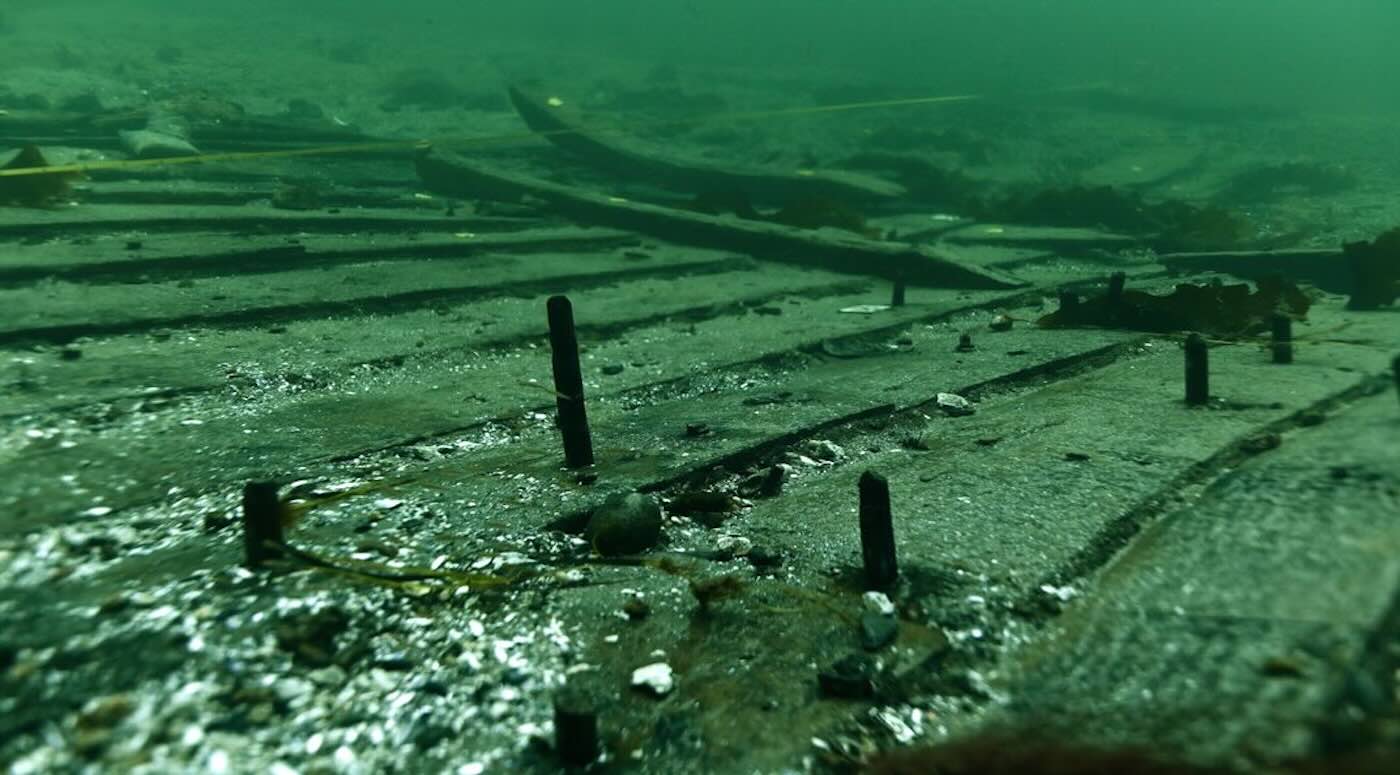
With the entirety of its starboard side buried within the mud of the Oresund strait, the body of water that separates Sweden from Denmark, its timbers, rigging, and even brick galley were preserved in excellent detail.
The ship, named Svælget 2 (Svaelget 2) after the channel where it was found, measures approximately 98 feet long, over 25 feet wide, and 18 feet high, with an estimated cargo capacity of 300 tons. It represents the largest example of a cog ever discovered anywhere in the world.
“The find is a milestone for maritime archaeology,” says archaeologist Otto Uldum, the leader of the excavation, in a statement. “It is the largest cog we know of, and it gives us a unique opportunity to understand both the construction and life on board the biggest trading ships of the Middle Ages.”
Tree-ring dating shows that the Polish oak cut to build the ship was felled around 1410. Sailors’ effects, such as combs and rosary beads, were found among the wreckage even as it seems to have sunk without a cargo on its way North from the Netherlands.
Cogs were the next step in medieval shipbuilding above the clinker-built longboats of the Viking age, called ‘knarrs.’ Cogs were larger, built to carry large cargos of raw materials like timber, salt, and bricks, but could be manned by small crews all the same.
Evidence of how with come in the form of the preserved rigging buried along with the timbers in the mud. The rigging was the arrangement of ropes and pullies that allowed the sailors and pilot to control, stow, and secure the sail.
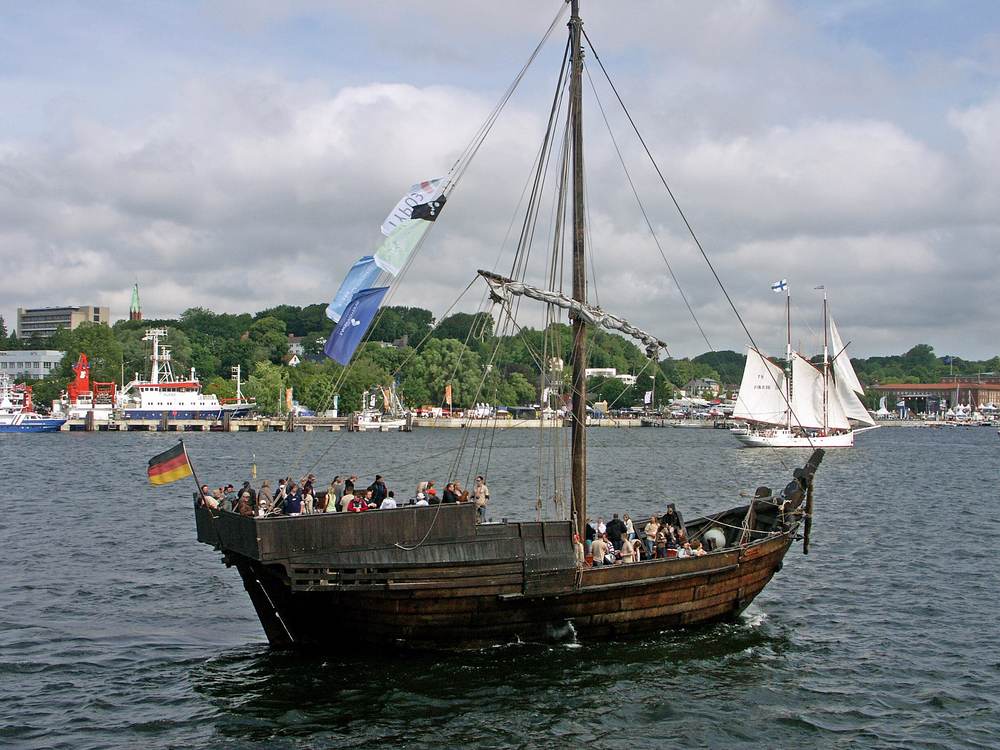
The remains of Svaelget 2 included a covered platform known as a “castle deck” where sailors could hide from the weather.
“We have plenty of drawings of castles, but they have never been found because usually only the bottom of the ship survives,” Uldum says. “This time we have the archaeological proof.”
MORE MEDIEVAL SURPRISES: Exquisitely Preserved 1,000-yo Gaming Pieces Found in German Castle Offer Snapshot of Medieval Pastimes
Remains of a brick-built fireproof galley, including 200 bricks and more than a dozen tiles, were also found. Cogs came built with these fireproof rooms where sailors could cook their meals around an open fire—a huge quality of life improvement over the exposed longboats of their ancestors.
So much can be inferred from a vessel like this, and Uldum said in the statement that this includes the size and organization of the societies which financed, built, and used these vessels.
MORE SHIPWRECK NEWS: Shipwrecked Cargo of Roman Lead Bars Provides a Chance to Observe Dark Matter on Earth
“Perhaps the find does not change the story we already know about medieval trade,” Uldum says. “But it does allow us to say that it was in ships like Svaelget 2 that this trade was created. We now know, undeniably, that cogs could be this large—that the ship type could be pushed to this extreme.”
The only reason to build a ship so large is if there were a large enough trade to go with it, and the scope of Svaelget 2 demonstrates that it would have been large indeed to have merited such a large ship.
SHARE This Remarkable Find With Your Friends Interested In Sailing History…