













132 representatives from world governments recently adopted a sweeping set of conservation measures aimed at protecting migratory species and their habitats worldwide.
The 15th Conference of the Parties to the Convention on the Conservation of Migratory Species (CMS) took place in Brazil this March, where 40 animals were granted special protections under one of the UN’s premier wildlife conservation treaties.
Protections were provided for animals of the seas, skies, and lands, from as small as a godwit bird to as large as the hammerhead shark.
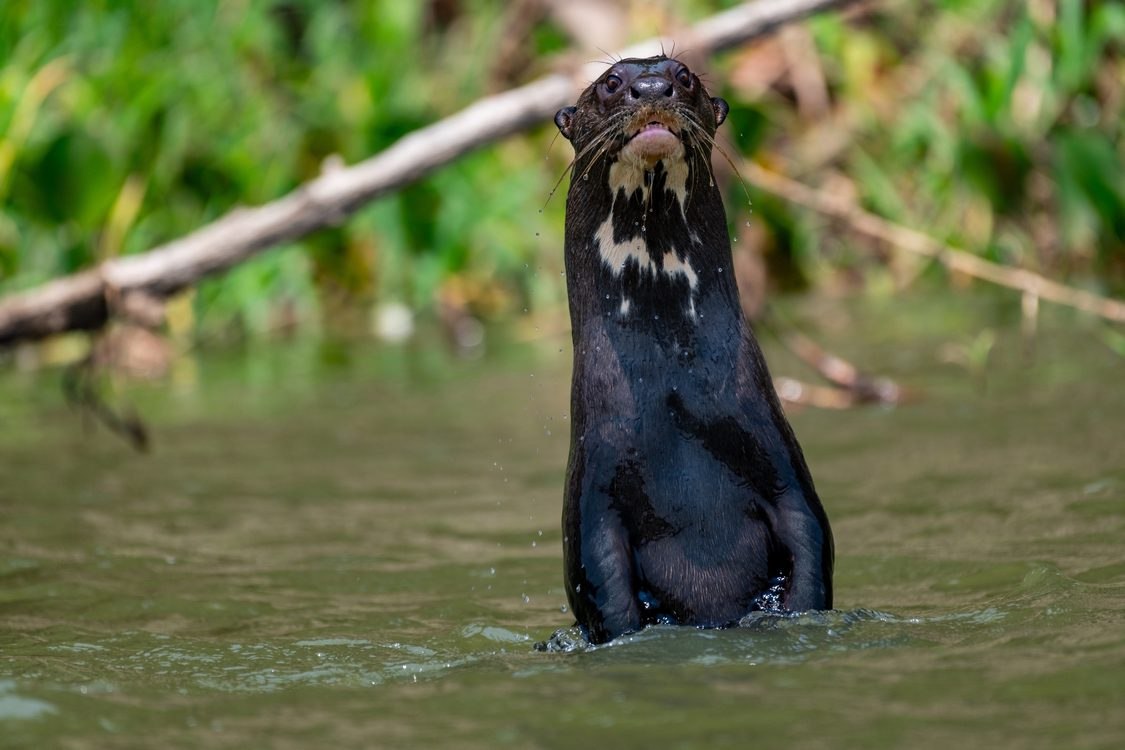
Among the animals that were listed in the treaty’s appendices include two species of hammerheads, the thresher shark, two species of migratory Amazonian fish, the jaguar, striped hyena, giant river otter, snowy owl, manta rays, and Hudsonian godwit.
“These listings send a clear signal that the global community recognizes the urgent need to act for species that depend on connected landscapes and waters that span borders,” said Susan Lieberman, Vice President for International Policy at the Wildlife Conservation Society (WCS), who gave a speech at the event’s Plenary session.
The CMS lists animals under Appendix I for migratory species threatened with extinction that require protections wherever they roam. Appendix II are those species that quality for protections under Appendix I, but which require specialized international collaboration to help facilitate or guarantee their movement across borders.
Beyond simply listing the animals, multiple courses of action were agreed on, including the need to develop plans to help better ensure cross-border movement of freshwater fish, jaguars, and protections for migratory sharks from bycatch.
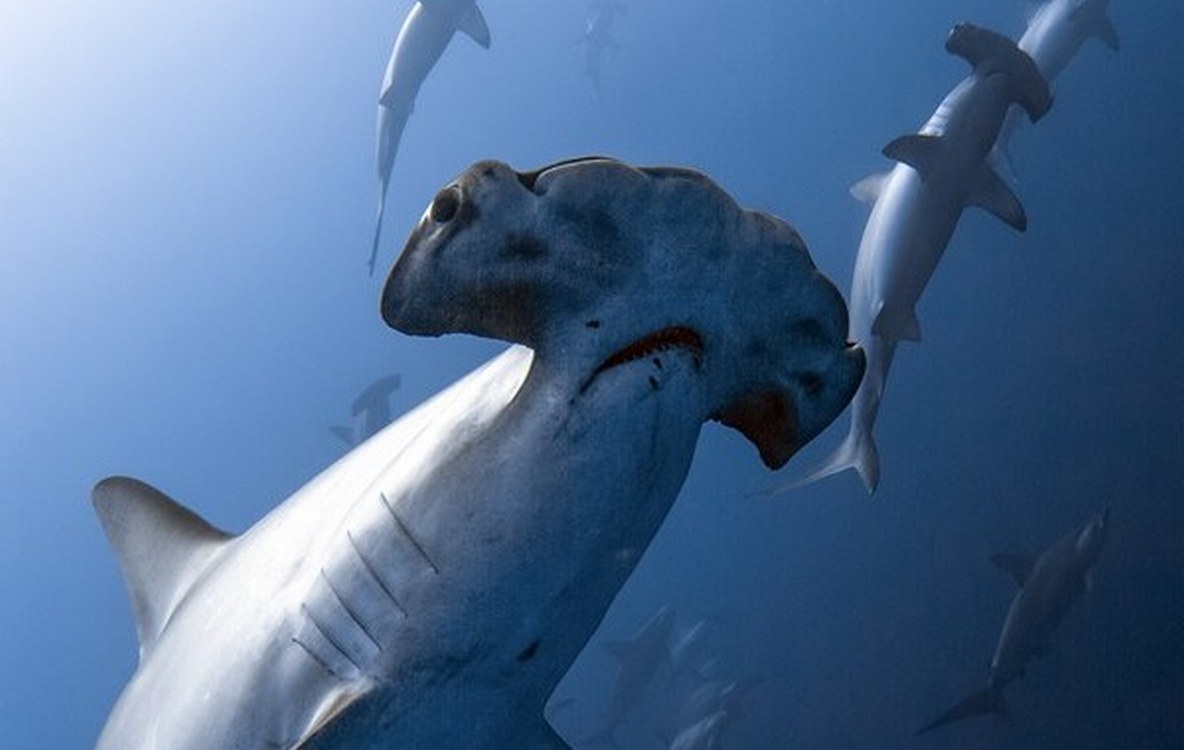
“Expanded protections for striped hyena, snowy owls, giant otters, great hammerhead sharks, and many more, demonstrate that nations can act when the science is clear,” said CMS Executive Secretary Amy Fraenkel. “Our duty now is to close the distance between what we’ve agreed and what happens on the ground for these animals.”
GLOBAL CONSERVATION: Kazakhstan Plants 37,000 Seedlings to Prepare for Imminent Return of Tigers
These plans, known under CMS jargon as “Concerted Actions,” have worked well in the past. At the conference, 5-year results on the Concerted Action for 4 species of giraffe showed that the animals had grown in number over that period to 140,000, up from 113,000 before the action was taken.
A variety of sharks, dolphins, and rays, along with the Eurasian lynx and chimpanzee had new Concerted Actions approved on their behalf.
UN TREATIES SEEING SUCCESS: 30,000 Animals Rescued from Illegal Captivity in the Largest Wildlife Trafficking Raid in History
The conference was hosted by Brazil in the city of Campo Grande, where the Executive Secretary of the country’s Ministry of the Environment, João Paulo Capobianco, spoke on the responsibility to protect species wherever they’re found
“We protect species that may never remain within our borders. We invest in a natural heritage we do not own, but are all responsible for. In doing so, we give concrete meaning to global solidarity, recognizing that migratory species transcend nations, jurisdictions, and generations.”
SHARE This Great Outcome For Species Conservation Around The World…