











All News - Page 147 of 1714 - Good News Network
Home Blog Page 147

Aging Voyager 1 Restarts a Radio it Hasn’t Used Since 1981–Prompted from 15 Billion Miles Away

Voyager 1 - credit NASA/JPL/Caltech
Voyager 1 – credit NASA/JPL/Caltech

Facing one obstacle after another, the operators of NASA’s Voyager 1 probe continue to find creative solutions to keep the farthest manmade object from Earth transmitting radio communications.

Launched in 1977, it is currently 15 billion miles (24 billion kilometers) from Earth, and is now well beyond the heliosphere, the bubble of particles emitted by the Sun that extends beyond Pluto and out into interstellar space.

Recently, a days-long communication blackout was triggered after a radio command sent by Earth to turn on the probe’s heaters. For some reason, the heating command, which is used to temporarily undo damage sustained by radiation, activated a failsafe that instantly shuts off all non-essential functions to conserve power.

One of those functions was the more high-powered radio transmitter called the X-band, which allows for the probe to send large packages of science data back to Earth. Such messages take 23 hours to arrive, but compared to the S-band, the secondary radio transmitter that uses a different frequency, it’s by far the more powerful.

The S-band hasn’t been used since 1981—there hasn’t really been a need, as it isn’t powerful enough to send back telemetry (flight status and diagnostics) or the data collected by the probe’s monitoring instruments.

“The S-band signal is too weak to use long-term,” said Bruce Waggoner, the Voyager mission assurance manager. “So far, the team has not been able to use it to get telemetry, let alone science data. But it allows us to at least send commands and make sure the spacecraft is still pointed at Earth.”

The engineers at NASA’s Jet Propulsion Laboratory in Pasadena, California, believe that the failsafe reduced the potency of the X-band frequencies, and sure enough, were able to find it faintly among the signals received by the Deep Space Network, a series of satellite dishes that allow NASA to communicate with its autonomous spacecraft all over the solar system.

Then, on October 19th, the X-band signal ended altogether.

The team at JPL doesn’t want to command the probe to turn on the X-band until they’re sure there’s no risk of draining too much power too quickly. Instead, they were able to use the S-band frequency three days later to confirm the probe was still alive, and just conserving power.

If they could get the X-band transmitter working again, it would allow them to receive telemetry data containing information on what happened. As the probe continues to drift further into interstellar space, there’s a very real chance another failsafe event could be triggered, shutting the X-band down again.

MESSAGES FROM EARTH: NASA to Send ‘Message in a Bottle’ Into Space Designed to Communicate With Extraterrestrials

GNN reported that in March 2024, JPL managed to hone in on an issue that was preventing two-way communication with the probe for months.

After diagnosing and fixing this issue by dividing corrupted computer code into short sections and storing them in different places on the probe’s flight data subsystem before ensuring the onboard computer could find them again, JPL once again issued commands to restart sending scientific data on May 19th, 2024.

OTHER NASA PROJECTS TO GET EMOTIONAL ABOUT: The Mars InSight Lander Signs Off on Social Media With Encouragement for Humanity – LOOK

All four instruments were eventually restarted. They gather data on plasma waves, magnetic fields, and particles beyond the solar system.

“We never know for sure what’s going to happen with the Voyagers, but it constantly amazes me when they just keep going,” Suzanne Dodd, Voyager’s project manager, told CNN in April.

SHARE This Latest Mission Update From A Far Away Friend… 

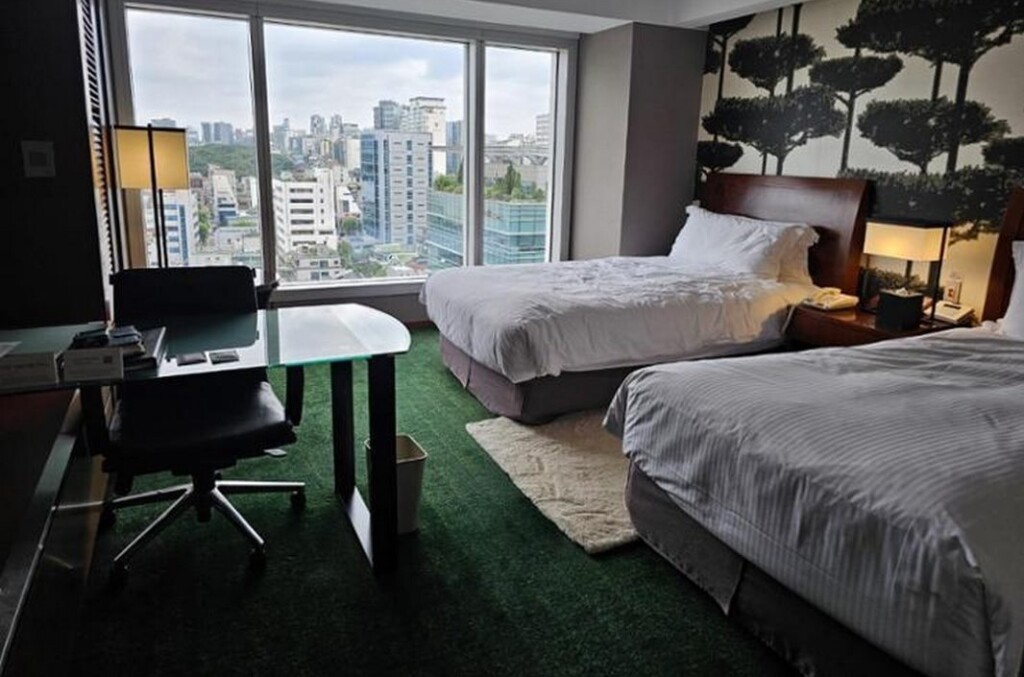
14 Luxury Hotels Are Donating Outdated Furniture to Low-Income Families in Need

Courtesy, Metro. Government of Seoul

Going on 10 years, the municipal government of Seoul has been collecting used furniture from luxury hotels and donating it to low-income earners and homeless city residents.

Over that time, partnerships with 14 different luxury hotels in the Seoul metropolitan area have seen 120,000 used furniture items distributed to low-income housing, homeless facilities, and other shelter initiatives.

This year, the program has recruited an additional 10 hotel partners, which along with boosting the amount of furniture collections, will also maintain an employment opportunity pipeline to those who are out of work and in danger of living on the streets.

“We express our respect and gratitude to the 24 hotels that have helped create a better Seoul through sincere support beyond corporate social responsibility,” a Seoul government official said.

“Sponsored goods from the refurbishment process of luxury hotels will be provided to families with little household goods, which will play a major role in enhancing the self-esteem and satisfaction of low-income citizens.”

MORE NEWS FROM SOUTH KOREA: South Korea Created A Program that Reuses 90% of the Country’s Food Scraps–to Grow Crops Instead of Landfills

There’s something to be said for the value of not only supporting the bottom line of a low-income earner, but also their “self-esteem.” The sight of well-made pieces of stained wood, brushed zinc, or polished marble, may offer an intangible benefit to someone with the stresses of living near the poverty line that direct financial support may not.

Once collected, the furniture pieces are held by the city government before being distributed to various locations upon request.

SHARE The Long Success Of This Great Urban Initiative With Your Friends… 

NHL Team Owner Is Giving $50,000 to Every Employee–Sharing the Profit from Sale of His Stake in the Franchise

The Amalie Arena - Photo by Goji on Unsplash
The Amelie Arena – Photo by Goji on Unsplash

In late October, word broke that the owner of the NHL team representing Tampa Bay—the Lightning—was selling up.

Millions were coming his way via a pair of money managers from New York set to take over during the next 3 years, and the affair seemed like business as usual.

But Lighting Owner Jeff Vinik is anything but usual, and in an email that was both a surprise and not a surprise, he informed the 300 full-time employees of the Jeff Vinik Sports Group they would be sharing in his profits.

$20 million in farewell bonuses would be split between them, depending on conditions currently unreported, but the email stipulated that the minimum amount would be $50,000.

“He’s the best owner in the sport. I have friends who are involved in other sports and they all say the same thing: Jeff is the best,” said Julien BriseBois, the general manager of the Lightning.

It’s not the first time Vinik has opened his bank account for the sake of others, with GNN reporting all the way back in 2011 that he had donated $10 million to “deserving community heroes and charity partners in the Tampa Bay area.”

Johh Romano at the Tampa Bay Times got an exclusive interview with BriseBois after the news of the sale and the email disclosing the bonuses made it to the press.

At the time of Vinik’s takeover, the ‘Bolts’ were nearing insolvency, and were losing both on and off the ice. It was during the 2008 Financial Crisis, when Florida was one of the hardest-hit states.

The GM recounted a conversation he had when Vinik first bought the franchise, when, nearing bankruptcy, losing connection with the fans, and managing one of the worst records in the NHL, Vinik saw an opportunity to do some good.

“He said, ‘Well, I turned 50 and I was wondering what I was going to do with the next chapter of my life,’” BriseBois told Romano for the Times.

“He said, ‘I’ve been very fortunate. I happen to be good at something that made me a lot of money, and I feel I need to give some back. I’ve always been a hockey fan and I thought I could buy a hockey team and use it as a vehicle to improve the lives of people in the community.’”

ALSO CHECK OUT: Saving Woman’s Son from Flying Hockey Puck, the 3 Reunite on Center Ice in Playoffs After Viral Video

Writers are speculating that this is exactly what Vinik is aiming to do. In the wake of the worst hurricane season to hit Florida in recent times, what wouldn’t someone do to have an extra $50,000 lying around?

After Hurricane Helene, the Amelie Arena was used as a collection point during the first two home games, with fans encouraged to bring in non-perishable foods, cleaning and baby supplies, hygiene products, and other household necessities for donation to victims of the hurricane.

MORE AMERICAN PHILANTHROPY: Charitable Giving in the U.S. Rose 5.1% Last Year to a Record High of $471 Billion in 2020

The collections have been completed and donated to Feeding Tampa Bay, Metropolitan Ministries, and the University Area Community Development Corporation (UACDC).

The Lightning Foundation also donated $2 million to relief efforts.

SHARE This Owner’s Generosity And Efforts To Help The Community And Its Team…

The Azores Protects Whales and Corals with Marine Preserve as Big as Virginia and Georgia Combined

Azores, Portugal by Raphael Lopes / Unsplash+

A massive new marine protected area (MPA) has been established in the eastern Atlantic off the coast of the Azores.

Covering 287,000 square kilometers of ocean makes it the largest MPA network in the North Atlantic—the size of Virginia and Georgia combined.

15% of Azorean waters are now designated as fully protected and 15% as highly protected, which means that fishing and other extractive activities will either be restricted or banned in the area.

The Azores, a chain of nine volcanic islands in the Atlantic Ocean that are part of Portugal, is surrounded by deep-sea corals, whales, dolphins, sharks, manta rays, fish, and unique hydrothermal vent ecosystems—much of which is now protected.

The decision of what and how much to protect came about through a thorough surveying expedition, informing a highly participatory process shepherded by the regional government.

The announcement comes as the world prepares for the UN Biodiversity Conference at the annual summit for the parties to the Paris Climate Agreement, known shorthand as the COP.

At the last summit, in 2022, the world agreed to protect 30% of land and ocean by 2030. Right now, only 8% of the ocean is protected in some way and less than 3% is fully or highly protected.

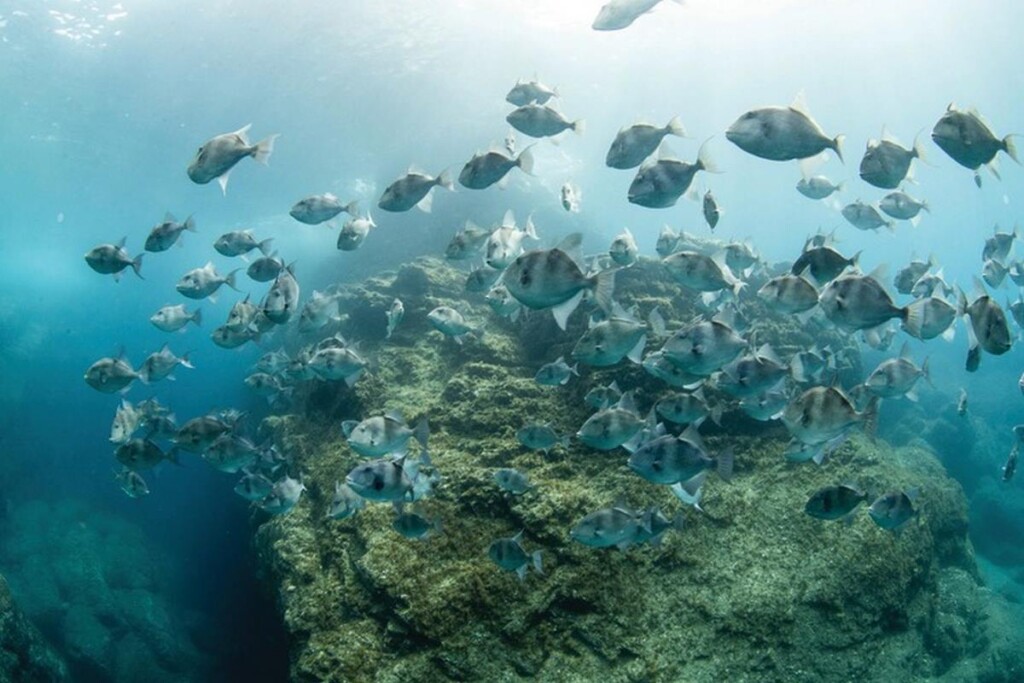
Sea life in the Azores from the Nat Geo Pristine Seas expedition – credit, National Geographic, released

“As negotiators gather in Cali, Colombia, to assess the state of nature protection, the case of the Azores provides a model of ocean protection for the world to follow,” said Enric Sala, the founder of National Geographic Pristine Seas, who took part in the scientific exploration of the area now under protection.

CARING FOR OUR SEAS:

“What is so remarkable about the new protected area network is not only its massive size, but also the fact that so many local groups worked together to make it happen. Government officials, scientists, industry representatives, and local citizens banded together to devise a system of protection that works for everyone.”

In 2018, in partnership with the regional government, local scientists, the Waitt Institute, Oceano Azul Foundation, and other partners, Pristine Seas participated in scientific expeditions in the Azores to help identify priority areas for protection. Using high-tech tools like underwater cameras to assess coastal, open sea, and deep sea areas, the expeditions added new information about their biodiversity—as well as the impact of human activity.

“We witnessed that the marine ecosystems of the Azores are one of the most diverse and dynamic in the North Atlantic,” said Alan Friedlander, the chief scientist of Pristine Seas.

Also looking to impress in advance of COP16, the Brazilian state of Para recently created a protected area around some of the largest trees ever identified in the Amazon Rainforest, stretching 1.3 million acres, around the size of America’s Yosemite and Grand Tetons national parks put together.

SHARE This Amazing News With Your Friends Who Value Conservation… 

Man Is Overwhelmed with Emotion Trying Color Blind Glasses for First Time–‘My God. This is Amazing’ (WATCH)

Kris Sipe watching the Wizard of Oz through colorblind glasses for the first time - credit, SWNS
Kris Sipe watching the Wizard of Oz through colorblind glasses for the first time – credit, SWNS

This is the moment a man became overwhelmed with emotion after trying on colorblind glasses for the first time.

Kris Sipe, 47, who has been colorblind his whole life, bought the glasses on a whim without knowing whether they would work.

A video made by Kris shows him trying on the eyewear in his Tulsa, Oklahoma home and immediately becoming captivated by the colors around his living room.

“It was so overwhelming to experience for the first time,” he said. “I wasn’t even sure the glasses would work so to have everything changed so much was crazy to me. It felt like a big light had been turned on and everything was illuminated.”

Picking out the most colorful film he could imagine watching on his high-definition TV, Kris was delighted with the green of the Emerald City in The Wizard of Oz. 

“With my regular sight, the best way to explain it is that things are a bit duller and I don’t see exact colors,” he explains. “To me, a green traffic light just looks like a white light, and rainbows are just a yellow line.”

“I’ve been like this my whole life and when I couldn’t match colors in kindergarten, my parents realized what was up.”

ALSO CHECK OUT: Virginia State Parks Install Viewfinders for Colorblind Visitors–Just in Time for Autumn Leaves

Kris has owned the glasses since 2021 and goes about his day with the lenses clipped onto the nose bridge of his eyeglasses. He actually doesn’t wear them all the time as he says the intensity of the color spectrum can be overwhelming at times.

“It just feels too much to be seeing all these bright colors all the time. But if I know something is particularly colorful, I will flip them on and have a look,” he said. “The prettiest thing I’ve ever seen is a yellow fire hydrant. It was just so bright and vibrant.”

MORE MOMENTS LIKE THIS: Boy’s Reaction to Trying On Colorblind Glasses is Helping Finance Hundreds of Pairs for Other Kids Like Him

“I also never knew how bright and how blue the sky is but I take the time to look at it now.”

Optical technology that translates colors into the eyes of colorblind individuals is becoming more and more affordable.

WATCH his reactions to seeing colors for the first time… 

SHARE This Touching Video Of A Man Having A Dramatic Change In Perspective… 

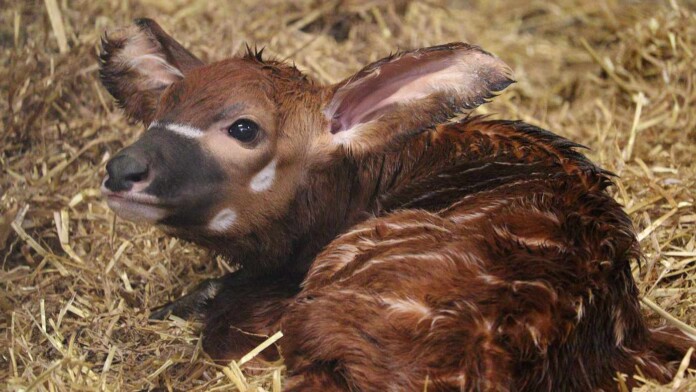
Britain Celebrates Birth of Baby Bongo Antelope–with Fewer Than 100 Left on Earth

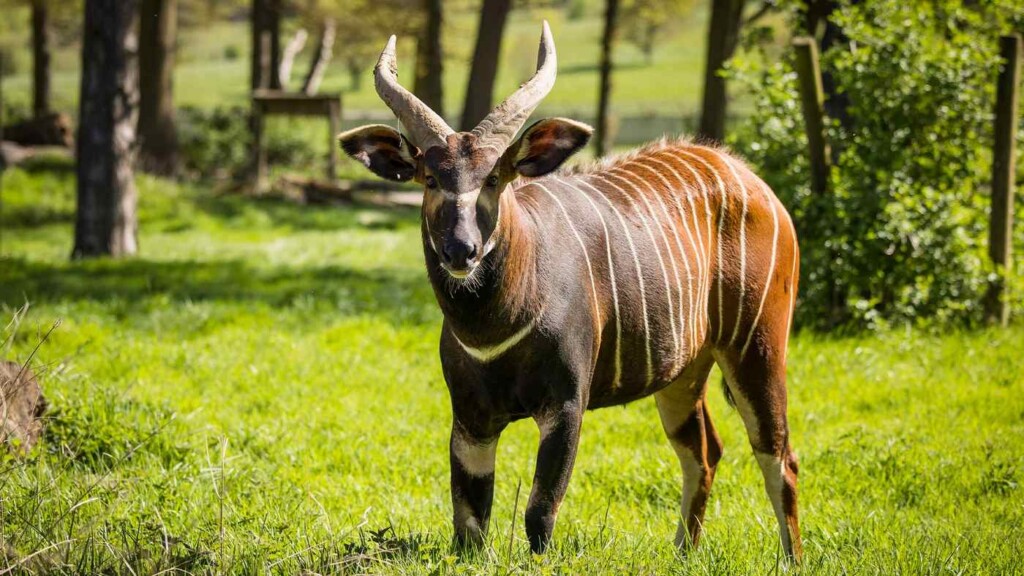
credit - Woburn Safari Park
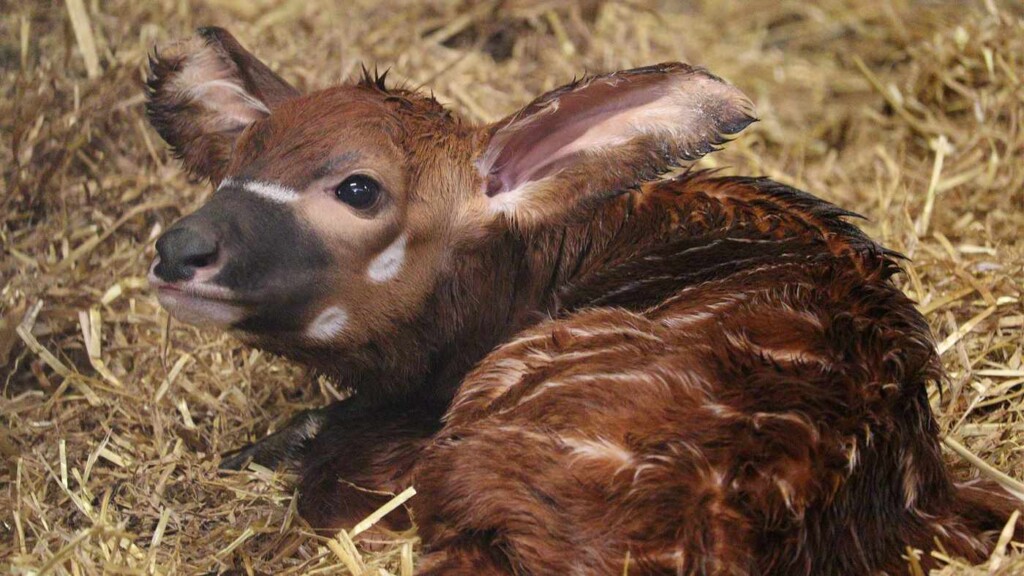
credit – Woburn Safari Park

In an English safari park, keepers are celebrating the arrival of a calf from the world’s most endangered species of antelope, the eastern mountain bongo.

Born October 16th, first-time mom Othaya welcomed a male calf in the late afternoon marking the first bongo calf born at Woburn Safari Park in over 10 years.

The calf’s father, Sonny – credit, Woburn Safari Park

It’s both a major success for the park and global conservation efforts to save this species native to Kenya.

“Othaya the bongo has successfully given birth to her first calf on Wednesday afternoon. After a long labor, the large healthy male calf was born and was soon seen standing on wobbly legs, in the deep bed of straw prepared for his arrival,” stated Tom Robson, Head of Reserves at the park. “Both mom and calf are doing really well.”

Sonny, the calf’s father, joined the four-strong bongo herd at the park last November and successfully mixed with the females, wasting no time in doing his job and displaying breeding behaviors.

“The bongo is part of a crucial breeding program and we are hoping in the future our new calf will travel to another wildlife collection and start a breeding group of his own,” Robson added.

Once the mom and baby are ready, they will rejoin the rest of the bongo herd in the African Forest exhibit, where visitors will soon have the chance to see the calf in person.

ALSO CHECK OUT: Polish Zoo Celebrates ‘Globally unprecedented’ Birth of 4 Critically-Endangered Sumatran Tigers – (LOOK)

The eastern mountain bongo species has been hunted almost to extinction in the wild, and with less than 100 individuals remaining, this birth is hugely important for the future of the species.

Its near-cousin the lowland bongo is readily dispersed across the Congo region and southern West Africa, and is not endangered. The mountain bongo, with its much deeper red coat, is found only on Mount Kenya.

MORE ZOOS MAKING A DIFFERENCE: Endangered Baird’s Tapir Calf Born at San Diego Zoo Delights Visitors (LOOK)

It has been estimated that without appropriate protections, the eastern mountain bongo may go extinct within 2 decades. However, several Critically Endangered species, like the West African lion, have made recoveries on the continent in recent years.

WATCH the story below from Africa News… 

SHARE This Wonderful News For The Sake Of This Little-Known Species…

Life Savings of an Entire Small Town Recovered from the Depths of Crypto-Scam, Thanks to FBI

FBI building, Washington - CC 2.0 Ajay Suresh
FBI building, Washington – CC 2.0 Ajay Suresh

A Wichita courtroom rang out with sobs and cheers when over two dozen people learned that their life savings had been recovered after being lost by a local bank.

Over $8 million in children’s university funds, retirement accounts, funds for eldercare, and bequeathments to children and grandchildren were returned after the FBI located and seized a cryptocurrency wallet linked to an account in the Cayman Islands.

The bank’s founder Shan Hanes, claims he had unintentionally lost it all by investing in a sophisticated cryptocurrency scam, though he ultimately lost his defense and received 24 years in prison for defrauding depositors and investors.

In August, Heartland Tri-State Bank was put into receivership by federal regulators after being drained of cash. The FDIC paid out $47 million to everyday depositors and other investors, but the rural, community-owned bank had 30 shareholders who had carefully planned long-term accounts that were not insured.

Last Monday, in Judge John W. Broome’s courtroom, the shareholders were told one by one that they were going to be made entirely whole again, after the FBI’s financial crimes division located the cryptocurrency account linked to Tether Ltd. where their savings had been moved.

The AP reported that shareholder Margaret Grice came to court that day figuring she’d get $1,000 back. Instead, she learned she’d recover almost $250,000, her entire 401(k).

“I’m just really thrilled,” she said. “I can breathe.”

The shareholders were almost all Hanes’ friends and neighbors, but that didn’t stop him from putting millions of debt on the books in a “pig butchering” scam.

Having gained his trust through WhatsApp communications, scammers convinced Hanes to buy $5,000 in cryptocurrency. The money appears on a fake website and proceeds to grow in value over time.

Either believing he had made the investment pick of a lifetime, or because he was in on the scam somehow, Hanes eventually spent $60,000 belonging to his local church, $10,000 from a local investment club, and $60,000 from his Daughter’s college fund, before making 11 separate wire transfers totaling $47 million—the entire deposit value of the bank—over a series of weeks.

SOPHISTICATED SCAMS DEFEATED: Attorney Warns His Voice was Cloned by AI in Phone Scam That Nearly Tricked His Dad Out of $35k

Hanes’ defense stated that the money was being put up in order to close the account and cash out on what appeared to be close to 400% returns, but instead, the money was “jettisoned into the ether.”

Ironically, Hanes has been a long-time advocate of community-owned and operated banks and the necessity of these local institutions in protecting Americans from the shark-infested waters of international investment markets. He even testified before Congressional banking and finance committees on the topic.

STOPPING THE SCAM BEFORE IT HAPPENS: Hero Bank Teller Saves Customer From Losing Millions on a Scam–by Asking a Few Simple Questions

However, an investigation from the Federal Reserve revealed that it was exactly this community aspect, and it was exactly his prominent role in the culture of local banks, that disarmed Heartland employees who might have otherwise detected the fraudulent activity.

“Heartland employees circumvented the bank’s internal controls and policies; following those internal controls and policies may have prevented or detected the alleged fraudulent activity,” the report read. “We believe that the CEO’s dominant role in the bank and prominent role in the community contributed to a reluctance on the part of Heartland employees to question or report the alleged fraudulent activities earlier.”

Prosecutors argued that even if Hanes was just the first of the scam’s many victims, he knowingly broke both customer agreements and federal banking regs when he began transferring depositors’ and investors’ funds into the scam account.

MORE SCAM VICTIMS MADE WHOLE: Bank Decides it Should have Prevented Dementia Depositor from Getting Scammed–So Restores Entire Life Savings

“I just can’t describe the weight lifted off of us,” said local shareholder Bart Camilli to the AP, who will be recovering a half-million dollar fund he lost in the scam. It’s life-changing.”

The story of Heartland Tri-State Bank is a great reminder to make certain you understand the risks before any investment.

SHARE This Fantastic News Of Justice For These Fraud Victims… 

“Love is better than anger. Hope is better than fear. Optimism is better than despair. So let us be loving, hopeful and optimistic.” – Jack Layton

Quote of the Day:  “Love is better than anger. Hope is better than fear. Optimism is better than despair. So let us be loving, hopeful and optimistic.” – Jack Layton

Photo by: Jonny Gios for Unsplash+

With a new inspirational quote every day, atop the perfect photo—collected and archived on our Quote of the Day page—why not bookmark GNN.org for a daily uplift?

Pioneering Nonprofit Treats the Remnants of Grief with Somatic Healing Techniques

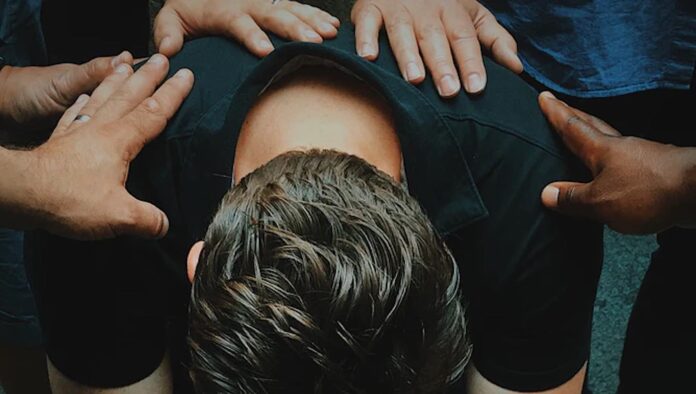
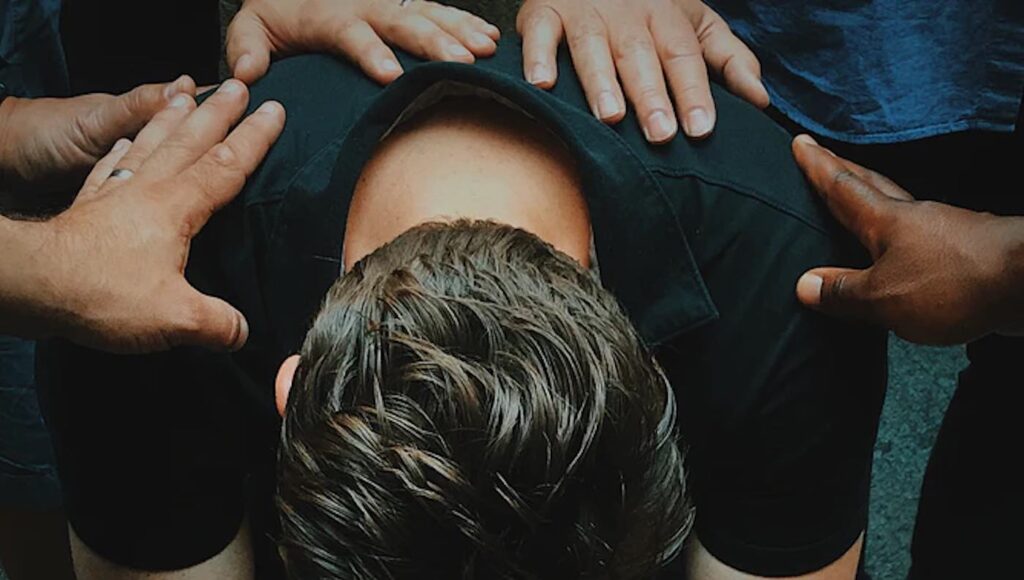
- Jon Tyson
– Jon Tyson

What we English speakers refer to as grief is actually a complex web of not only emotional, but also physical states.

A newly established non-profit founded last fall is pursuing a mission to support individuals navigating grief and burnout through community support and somatic-based practices, instructing them how to grow through grief taking direct control over the nervous system.

Grief is a universal experience affecting both mind and body, with feelings in our brain directly affecting our physiology in ways that can leave us stressed and numb.

Recognizing its profound impact on overall well-being, the Denver-based LIGHT Movement utilizes scientific insights from the Polyvagal Theory developed by neuroscientist Dr. Stephen Porges, and organizes classes, retreats, and workshops to help overcome grief in a powerful, organic way.

Polyvagal Theory explains how grief can trigger physiological responses in the nervous system, leading to states of anxiety, disconnection, or numbness.

“Grief can significantly alter our physiological state, making it crucial to address both emotional and physical aspects,” said Amy Pickett-Williams founder and co-executive director of the LIGHT Movement. “By understanding these responses, we empower individuals with techniques to grow with their grief, leading to re-engagement with life.”

The word somatic refers to one-half of the division of the human nervous system, with the other half being the autonomic nervous system. Somatic refers to those aspects of the nervous system we can control and it plays a key role in how grief unfolds across our physiology.

LIGHT Movement promotes and uses somatic techniques like breath control. Inhaling slowly through the nose, but critically, extending the exhale activates the parasympathetic nervous system, (related to ‘rest and digest’ as opposed to the ‘fight or flight’ response of the sympathetic nervous system) promoting calm and present-moment awareness.

Mindful movements that mirror emotional states—practicing the oscillation between expanding outward into vulnerability and contracting inward when the pain is deep—this pendulation fosters growth from grief, according to Pickett-Williams.

MORE OPPORTUNITIES FOR GROWTH: Anxiety Can Be a Habit – Which Means We Can Stop it, If We Know How

She founded the LIGHT Movement after the loss of her father followed by a stomach cancer diagnosis and long recovery.

In today’s fast-paced world, the LIGHT Movement also addresses burnout, recognizing it often comes with its own form of grief—the loss of passion and motivation. Their programs provide tools to alleviate burnout symptoms and promote overall well-being.

Many of these focus on another somatic method called bilateral stimulation, which involves rhythmic stimulation of both sides of the body, such as alternating taps, walking, swimming, art, baking, cooking, or gardening. These activities help support integration between the brain’s hemispheres, aiding growth and resilience.

“We invite individuals and organizations to join us in bringing LIGHT to communities worldwide,” added Pickett-Williams. “Through virtual and in-person offerings, we strive to make growing with grief accessible to all.”

ALSO CHECK OUT: Dance Away Your Tears With This ‘Grief Disco Kiosk’

At 7 p.m. MST [think Denver] on the winter solstice, a date celebrated for millennia as a crossing-over point in the year, LIGHT Movement will host a worldwide/in-person event to help alleviate the burden of grief.

“This December 21st, we hope to quadruple the in-person and virtual attendance (nationally and globally) with the goals of reminding people they are not alone, to teach somatic based tools to support integration and finding meaning/purpose, and stand in solidarity of ALL people and ALL types of loss,” Pickett-Williams said. “Our world is grieving and we must support each other.”

SHARE This Opportunity With Anyone You Know Who May Be Grieving…

Black-Footed Ferret Cloned to Add Diversity Just Gave Birth to Two New Kits Helping Save Species

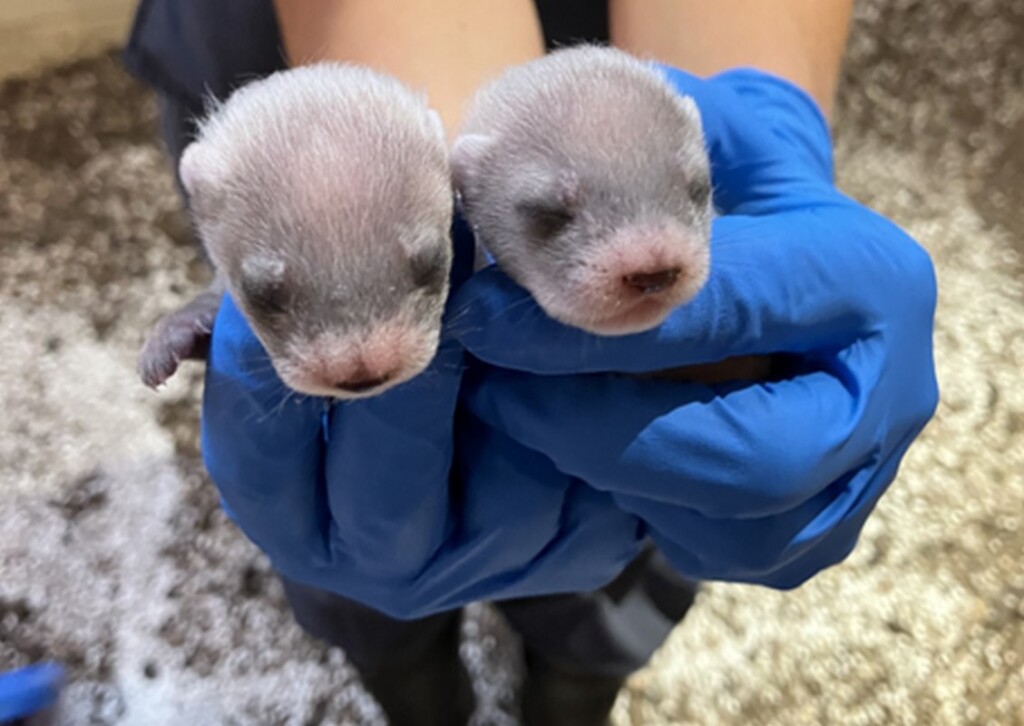
Antonia, one of three cloned ferrets based on DNA of a female captured in 1980 - credit, US Fish and Wildlife Service
Antonia, one of three cloned ferrets based on DNA of a female captured in 1980 – credit, US Fish and Wildlife Service

In Front Royal, a black-footed ferret named Antonia has just given birth to two healthy kits.

Antonia was cloned from the DNA of a ferret taken into captivity in Wyoming. Her name was Willa and she died in the 1980s, but through her DNA, one of the most endangered North American mammals will have a new genetic lineage that may help it one day recover into the voracious, adorable hordes that once roamed the North American Prairie.

The black-footed ferret program, run by the US Fish and Wildlife Service, was the first time cloning was used as a conservation tool in North America. Antonia was one of three ferrets cloned in 2020. The others are named Noreen and Elizabeth Ann and live in a Colorado facility.

All black-footed ferrets are descended from seven individuals, resulting in unique genetic challenges to recovering this species. Cloning may help address the issues of genetic diversity and disease resilience in wild populations, as without an appropriate amount of genetic diversity, a species often becomes more susceptible to diseases and genetic abnormalities, as well as limited adaptability to conditions in the wild and a decreased fertility rate.

Once thought to be extinct and currently listed as an Endangered Species, black-footed ferrets were rediscovered by a Wyoming rancher whose dog dropped a recently deceased ferret on his doorstep. A small colony of 24 individuals was eventually located, which started the captive breeding program in which 7 reproduced.

FROZEN ZOOS: How ‘Frozen Zoos’ Are Helping Save Vanishing Species

These 7 have led to thousands of captive-bred ferrets being dropped onto the grasslands of Wyoming, Colorado, and other states, but at great risk of poor genetic diversity. By contrast, Antonia’s kits, and those of Noreen, who is also liable to breed (Elizabeth Ann isn’t) hold three times the genetic diversity as the currently wild population members.

credit – Smithsonian’s National Zoo and Conservation Biology Institute

In September, Colorado wildlife officials were enthusiastic about reports of at least two healthy litters of wild-born black-footed ferrets at May Ranch in southeastern Colorado, and program members speaking with the Colorado Sun said that if an 8th genetic lineage could be added to this population, that would make a major difference over the generations. Antonia’s offspring will not be reintroduced, but may eventually lead to future offspring who will be.

OTHER STORIES LIKE THIS: 12 Critically Endangered Red Wolf Pups Are Born in North Carolina – A Conservation Baby Boom

Experts say proof that cloned animals can reproduce safely is key to the healthy restoration of the severely endangered ferrets, and increases the confidence conservation scientists may have when saving other species from extinction in the future, such as the northern white rhino, by attempting to clone them.

SHARE This Amazing News For The Return Of This Important Species… 

Sunken Class Ring Returned to Canadian Man Who Lost it in 1977 off Barbados Coast

images credit - Morgan Perigo
images credit – Morgan Perigo

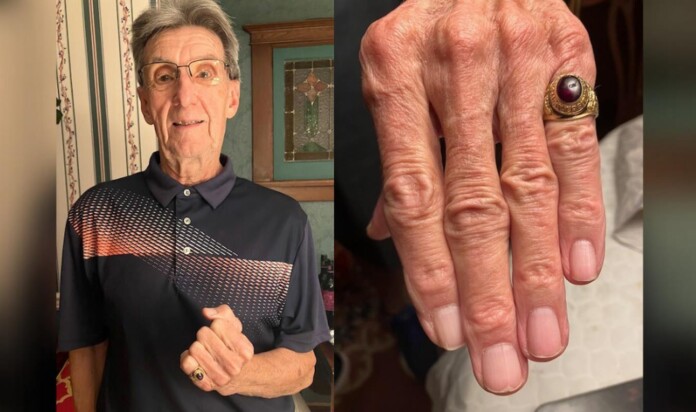
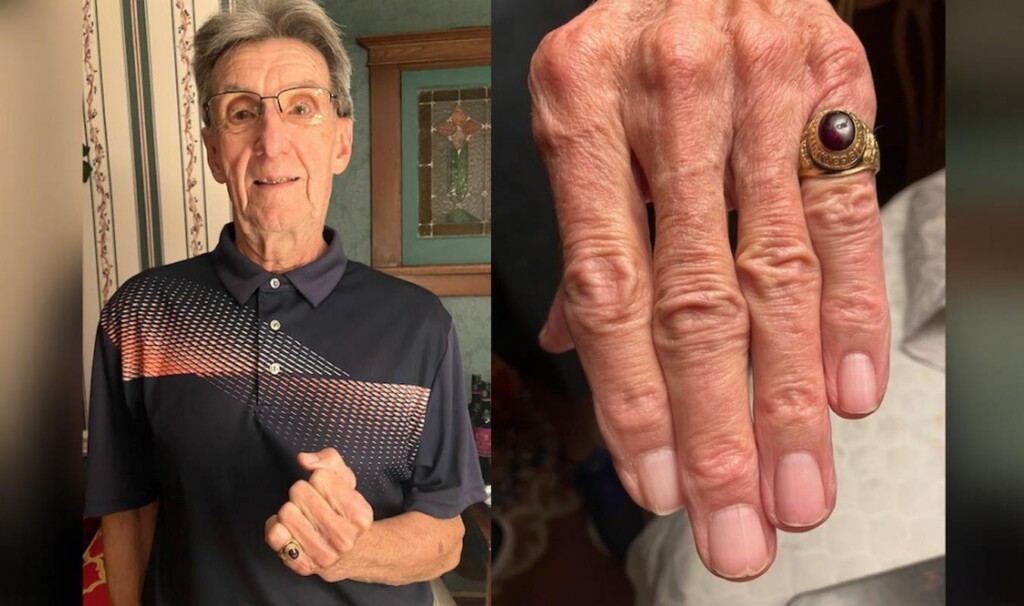
When a Canadian professor lost his class ring while splashing around in Barbados with his son, finding a needle in a haystack must have seemed like a breeze by comparison.

Yet miraculously, after 47 years of tumbling about in the surf, sand, and shells, the man celebrated his 83rd birthday by slipping on his MacMaster Alumni ring again after it was found by a freedriver.

As one might imagine, as soon as the ring wasn’t immediately found, Perigo was certain he’d never see it again.

“One day I took my younger son and waded into the ocean. He was knocked over by a wave, so I reached to grab hold of him. He pulled on my hand and my Mac Alumni ring came off,” recalled Perigo in an email to the university press. “We searched for it but were unsuccessful.”

He had received the gold and ruby ornament when he graduated in 1965 from the faculty of science. Fast forward to 2024, and something truly unbelievable happened.

Incredibly, there was another MacMaster University scholar visiting Barbados recently, and along with being a Mac alumni, was also a professional freediver; and along with being a professional freediver, also brought along an underwater metal detector.

The freediver, named Alex Davis, found Mr. Perigo’s ring, having decided to swim about on the same stretch of water, if it can be believed, and recognized it as belonging to one of his colleagues.

SIMILAR LUCKY STORIES: Man’s Wedding Ring Lost in Ocean is Found So He Drives 1,600 Miles to Thank Humble Metal Detectorist in Person

“I found a McMaster University signet ring with three initials on the inside,” he wrote to alumni officer Laura Escalante. “I found it metal detecting in Barbados this morning and suspect it’s been lost for some time.”  

Compared to Perigo and Davis, Escalante had a fairly straightforward treasure hunt in front of her, as the ring was not only engraved with the year 1965, but with the initials FMP. In little time, she determined it was Frederick Morgan Perigo.

OTHER LOST RINGS: Stranger’s Diligence Leads to Emotional Reunion With Lost Ring of Woman’s Mother

Organizing contact between the two men, there was plenty of joy for all parties, and a delightfully unexpected birthday present for Perigo, who received it in the mail on his day of celebration.

SHARE This Truly Unbelievable Story With Your Friends… 

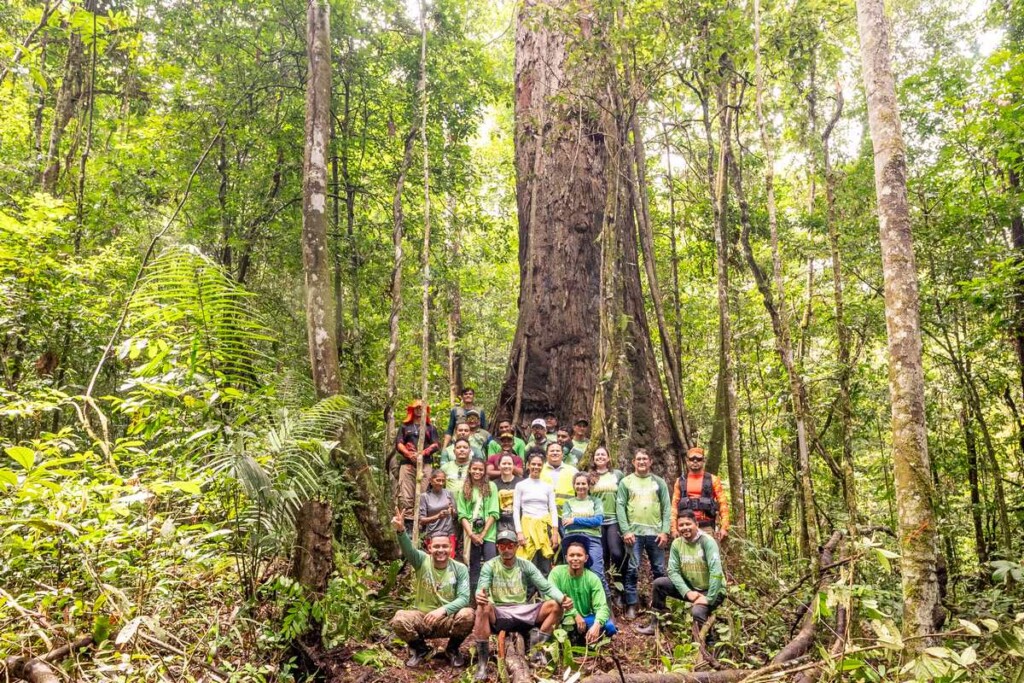
Grove of 100 Giant Trees Discovered in 2019 Are Tallest in the Amazon–and Now Protected by State Park

Foto: Fernando Sette ©
– Fernando Sette ©

From the depths of the Brazilian Amazon comes the incredible news that a massive new protected area, guarding the tallest and most valuable trees in the great rainforest, has been established in the state of Pará.

Established by Pará’s governor Helder Barbalho on September 28th during New York Climate Week, Giant Trees of the Amazon State Park spans 1.3 million acres, as big as Yosemite and Grand Tetons National Parks put together.

Located along the Yari and Ipitinga rivers, a portion of the new park’s borders overlaps with an existing state-owned forest block, that has now been reorganized for stricter protection.

It contains over 100 individual trees from the pea family called the “Angelim Vermelho” or  Dinizia excelsa. It’s considered the tallest tree in the tropical Americas at a height of 290 feet (88.5 meters). Many of those contained in the park are 400 to 600 years old, and may hold the total carbon of 500 average-sized trees.

According to the decree establishing the park, the indigenous people and their activities of gathering Brazil nuts and camu-camu shall not be interfered with, aided by a wide buffer zone around the park.

Funding for the establishment of the park was provided generously by the Amazon-Andes Fund, one of the largest conservation-focused trusts in South America, that, throughout its history, has helped establish 42 million acres of protected areas and secure 48 separate land titles for indigenous people.

“The Giant Trees State Park is very important for the protection of a unique Amazonian forest that is a marvel for the world due to the size of its trees,” said Enrique Ortiz, Andes Amazon Fund’s Senior Program Director. “It is also a critical area that provides ecosystem services which are particularly important during these times when we see extreme rains, droughts, and climatic events.”

The discovery of these tropical giants was an unlooked-for shock that came about during a randomized survey of the Amazon via satellite. Brazil’s National Institute for Space Research (Inpe) mapped 850 random 900-acre blocks of remote forest.

Foto: Fernando Sette ©

Eric Bastos Gorgens, a forest engineering researcher, was part of the team that parsed through the data, told Smithsonian what went on at the moment they began to find sets of numbers that indicated something out there was very, very tall.

“It could have been a bird flying by, a tower, a sensor error,” says Gorgens, who authored a recent study about the trees in the journal Frontiers in Ecology and the Environment. “So we started to look into what could have given us these numbers that were so far from standard. And as we started looking at the data more carefully, we realized they weren’t errors. They were, in fact, giant trees.”

BIG TREES FROM AROUND THE WORLD: He Found the Largest Old Growth Cedar in BC – The Tree of His Lifetime (LOOK)

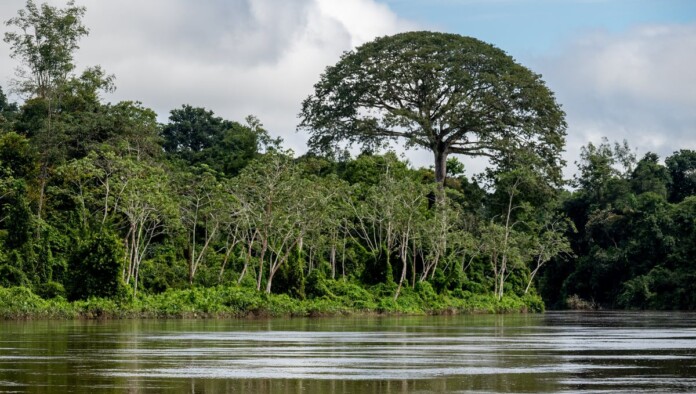
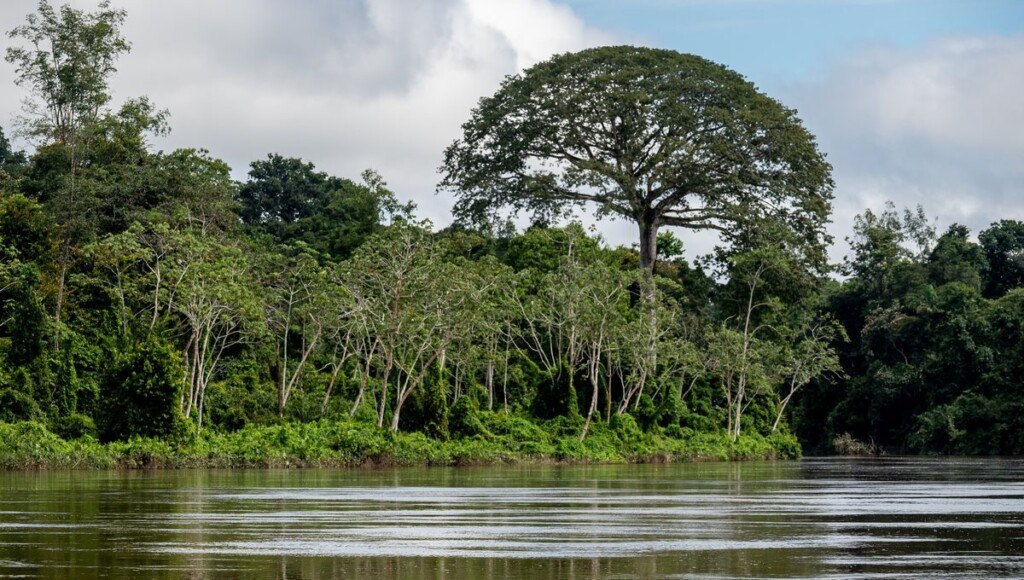
Knowing they absolutely had to see these trees for themselves, a major expedition was planned up the Yari River near an area known as the Guiana Shield. It took five days to reach base camp, during which they were able to easily visit some of the trees that were growing conveniently by the riverside.

Towering above the surrounding canopy, professional photographer Fernando Sette captured stunning imagery of the trees and the lush riverine jungles surrounding them.

One of the trees measured 82 meters tall—but another would later be identified as 88.5 meters—almost 30 feet higher, and almost 300 feet in total.

MORE FOREST PROTECTIONS: Couple Plants 2 Million Trees in 20 Years to Turn Destroyed Forest Back Into a Wildlife Haven

Speaking with Smithsonian, researchers both involved and not involved with the study said the reason for the giant trees’ survival in that area isn’t totally understood. Angelim Vermelho trees can be easily pushed over in strong storms, but this eastern area of the rainforest near the Guiana Shield sees little wind and few storms compared to areas further west.

WATCH one of the researchers climb one of these giant trees… 

SHARE This Wonderful Discovery And Even More Wonderful Protections… 

“We are bound together by the most powerful of all ties — our fervent love for freedom and independence, which knows no homeland but the human heart.” – Gerald Ford

Quote of the Day: “We are bound together by the most powerful of all ties — our fervent love for freedom and independence, which knows no homeland but the human heart.” – Gerald Ford

Photo by: Silas Baisch

With a new inspirational quote every day, atop the perfect photo—collected and archived on our Quote of the Day page—why not bookmark GNN.org for a daily uplift?

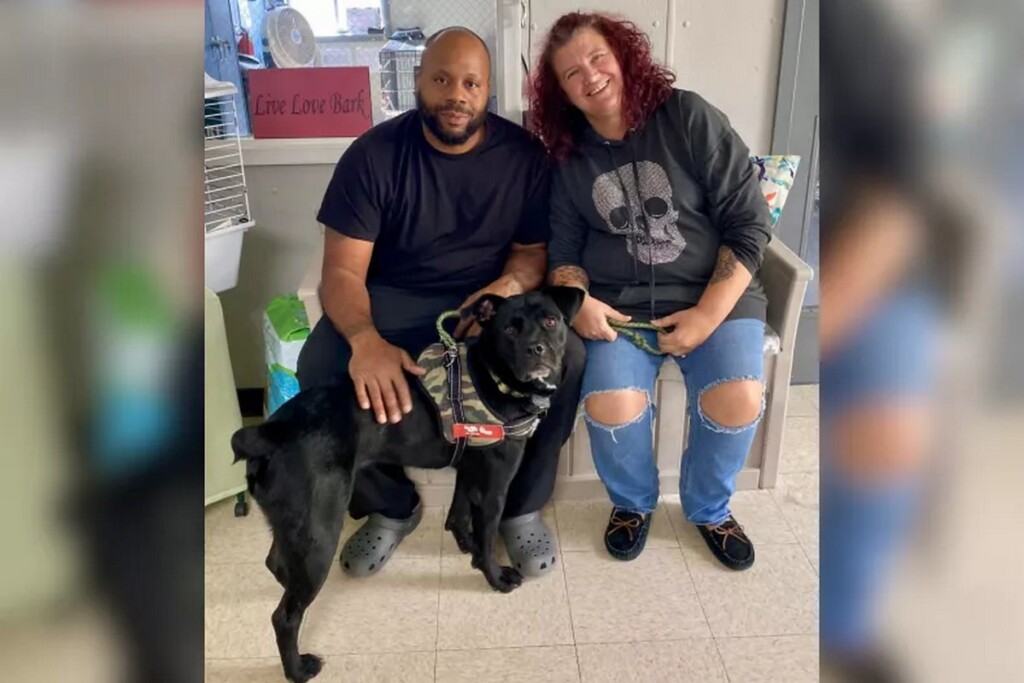
Couple Takes a Chance on ‘Mouthy’ Dog Overlooked in Shelter—Have Zero Regrets

Jax and his new family - credit Central Pennsylvania Humane Society
Jax and his new family – credit Central Pennsylvania Humane Society

In central Pennsylvania, a couple are the happy new owners of a dog that was seriously in need of a loving, calm, disciplined home after spending a year at a shelter.

This pit bull/rottweiler mix named Jax is a cheery enough fellow, but such a long time in a shelter, coupled with poor training during his infancy left him “kennel stressed.”

Abandoned in the yard of the Central Pennsylvania Humane Society (CPHS), his hyperactivity, inability to play with other dogs, and poor training left him particularly “mouthy,” a phrase to describe a dog that interacts with the world through its mouth.

“He was constantly passed up. He had little to no interest at all,” said CPHS in a statement on Facebook announcing Jax’s adoption. “He was the definition of kennel stressed. He would jump 24/7. He was mouthy due to pent up energy.”

The ASPCA states that “adult dogs who mouth people probably never learned not to do so during puppyhood,” and that “mouthing is often more difficult to suppress in adult dogs because adults aren’t as sensitive to our reactions as puppies are.”

Despite this, the CPHS persevered, keeping him for a whole year and continually making efforts to find him a permanent home.

Last month they brought Jax out to an event called Paws in the Park, where dogs available for adoption can strut their stuff in front of families and individuals looking perhaps to add a four-legged family member to their household.

GOOD ADOPTION STORIES: 2 Unwanted Dogs Spending Months in Shelter Become Best Friends–Now They’re Family After Adoption of Both

Sure enough, a couple who saw Jax that day instantly felt drawn to his energy, and eventually showed up at the CPHS to adopt him.

“This is why we do what we do. Moments like this make it all worth it,” the CPHS wrote on Facebook. “Have a great life Jax. We are so happy you are finally home.”

FINDING HOMES FOR NEGLECTED DOGS: Snowy Husky Pups Get Adopted Together After Being Thrown Over Shelter Fence

“Such a beautiful little happy face. Thank you for adopting Jax and showing him the love and respect he deserves,” wrote one of over 100 commenters on the post, in which many community members recognized Jax’s new mom as a local named Tracy, who was lauded along with her husband for bringing an end to this disruptive period in the dog’s life.

SHARE This Great Story Of A Neglected Dog Finding A Loving Home… 

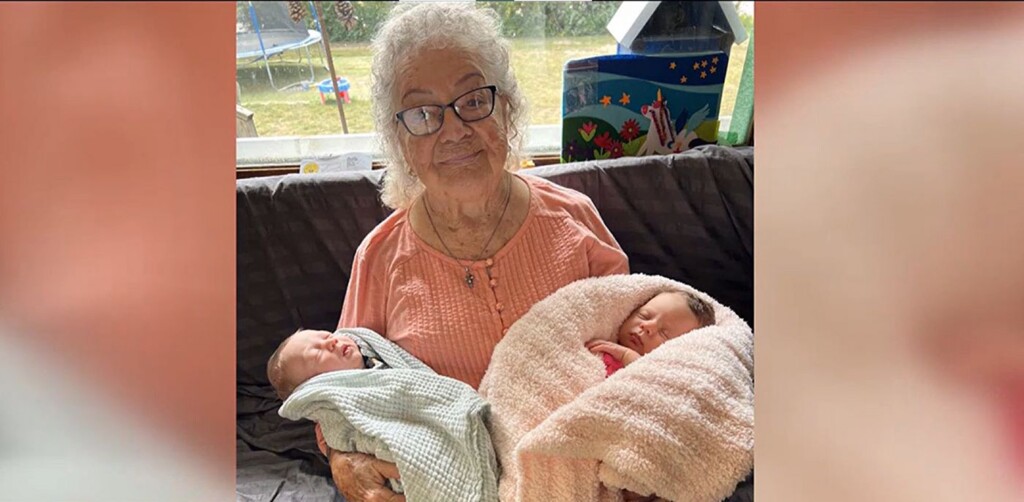
95-year-old Pickleball Player Dominates the Courts: ‘I Keep moving’

Lois White with two of her four great-great grandkids - credit, family photo, released
Lois White with two of her four great-great grandkids – credit, family photo, released

From Kansas comes the story of a timeless American: a great-great-grandmother who sings, dances, and plays pickleball twice a week.

Lois White puts the elder in ‘elderly,’ and has lived a life of play, sport, love, and family to be celebrated from one corner of the country to the next.

Pickleball is an American sport similar to padel played on a hard court with a hollow ball to reduce ball speed, and has rapidly gained popularity as a way to stay active for players of any age—especially among seniors.

Every Tuesday and Thursday, White takes to the pickleball court at New Century Fieldhouse, Gardener, Kansas. She holds her own against whippersnappers in their 50s and 60s.

“On top of this, I play cards every week,” White told KCTV News 5. “I picked up square dancing. Then, I decided I want to play the Mandolin. So, I bought me some books and I do play and sing. I belong to the Pickers and Fiddlers.”

Indeed, pickleball is just the most recent example of the richness of White’s life.

Born before an airplane had ever flown over Kansas, she married a soldier at age 17 and had 6 kids.

“We always did what the kids wanted to do. I’ve played basketball, football, you name it,” White said. “My husband and I had a softball team with our daughters for years.”

THIS MIGHT BE HER SECRET: A New Study of Over 10,000 People Revealed Regular Physical Activity Is Linked to Larger Healthier Brains

After her husband passed away 30 years ago, the “stubborn” woman continued to stay busy—easy to do when you have 6 kids, 20 grandkids, 37 great-grandkids, and now four great-great grandkids.

OTHER TIMELESS SENIORS: He Raced Against Great-Grandson During his 85th Birthday Event for Viral Community Running Club

Many of these offspring tell her she needs to take it easy, but she interjects: “I know one thing, you need to keep moving.”

WATCH the timeless treasure in action on the court… 

SHARE This Inspiring Woman With Your Senior Friends Who Need A Bit Of A Push…

Kids Leave Halloween Candy on Doorstep, Seeing Signs of Son’s Hospitalization–Family ‘Overwhelmed’ by Kindness

credit - Amy Schmitt, released.
credit – Amy Schmitt, released.

Amy Schmitt and her son love to dress up for Halloween. The house is always festooned with decorations, and locals know it’s a must-visit stop along any trick-or-treating route.

However, after her son was hospitalized two days before, Schmitt had no time to join in the festivities, and left a simple note on her door apologizing that her son Jacob was in the hospital and there’d be no candy this year.

You can picture Schmitt’s disappointment, but as the night began to fade, her phone began to buzz.

It was the Ring doorbell camera app, alerting her to movement—a group of children who were dumping some of their own candy into a bucket on Schmitt’s porch for her and for Jacob.

“It’s overwhelming, all the love we’ve got… and I don’t know half these people,” Schmitt told ABC 7 News Detroit, adding that the parents deserve major credit for raising such considerate young neighbors. “It’s just amazing… what these parents have raised these kids to be.”

ANOTHER STORY JUST LIKE THIS: Ring Camera Video Catches Teenage Trick-or-Treaters Refilling Empty Candy Bowl: ‘It feels really good’ – WATCH

Several groups of children made the ad-hoc donations, including 6-year-old Mia, who WXYZ Detroit notes had finished trick-or-treating, only to ask her father to go out again to collect candy specifically to leave at Schmitt’s door for Jacob.

“She felt bad and didn’t want anybody not to have candy on Halloween,” said Mia’s father James Sayen.

WATCH the video below from WXYZ… 

SHARE This Beautiful Spontaneous Camaraderie Between Children… 

Jordan Recognized as First in the World to Eradicate Leprosy

Dr. Jamela Al-Raiby, WHO Representative to Jordan (left) and H.E Prof. Feras Ibrahim Hawari, Minister of Health, Jordan (right) - credit WHO, released.
Dr. Jamela Al-Raiby, WHO Representative to Jordan (left) and H.E Prof. Feras Ibrahim Hawari, Minister of Health, Jordan (right) – credit WHO, released.

It is a disease that has been plaguing commoners and kings alike for millennia (as well as armadillos), but for the first time in history, a country has completely eliminated leprosy.

The Hashemite Kingdom of Jordan has completed this amazing achievement, and is the first country ever to be recognized as doing so by the WHO, whose Director-General, Dr. Tedros Adhanom Ghebreyesus, congratulated the nation for their diligent work on behalf of their citizenry.

Leprosy, also known as Hansen’s disease, is a chronic infectious disease caused by Mycobacterium leprae. It primarily affects the skin, peripheral nerves, mucosal surfaces of the upper respiratory tract, and eyes. Left untreated, leprosy can cause permanent damage to the skin, nerves, limbs, and eyes. Early diagnosis and treatment can prevent disability.

Leprosy is considered a neglected tropical disease (NTD) that still occurs in more than 120 countries. More than 200,000 new cases are reported every year.

It famously affected King Baldwin IV, the crusader monarch of Jerusalem from the 11th century, who is said to have worn a mask and veil to hide his disfiguration from his subjects.

“Leprosy has afflicted humanity for millennia, but country by country we are stopping transmission and freeing individuals, families, and communities from its suffering and stigma,” said Dr. Ghebreyesus.

Jordan’s success in targeting transmission saw the country go without any reported autochthonous cases of leprosy for over two decades, and after a thorough review by the WHO investigation team, it was awarded the distinction of being the first to eliminate the disease entirely.

MORE VICTORIES OVER DISEASE: Cape Verde Becomes the First African Country in 50 Years to Eradicate Malaria

“Jordan’s elimination of leprosy is an achievement that will transform the discourse around this age-old, stigmatizing disease,” said WHO Regional Director for the Eastern Mediterranean Dr Hanan Balkhy. “As the first country to achieve this target globally, Jordan stands as an inspiration to other countries, encouraging them to enhance their efforts and overcome barriers to achieve this remarkable feat.”

The announcement follows on the heels of Egypt’s recognition as being a malaria-free country.

SHARE The March Of Medical Progress With Your Friends… 

“There was always just enough virtue in this republic to save it; sometimes none to spare, but still enough to meet the emergency.” – William Seward, U.S. Sec. of State during the Civil War

Quote of the Day: “There was always just enough virtue in this republic to save it; sometimes none to spare, but still enough to meet the emergency.” – William Seward, U.S. Sec. of State during the Civil War

Photo by: Getty Images / Unsplash+

With a new inspirational quote every day, atop the perfect photo—collected and archived on our Quote of the Day page—why not bookmark GNN.org for a daily uplift?

Experts Demonstrate How Solar Farms Can Become Hubs for ‘Biodiversity Enhancement’ at Every Level

credit - Aldward Castillo For Unsplash+
credit – Aldward Castillo For Unsplash+

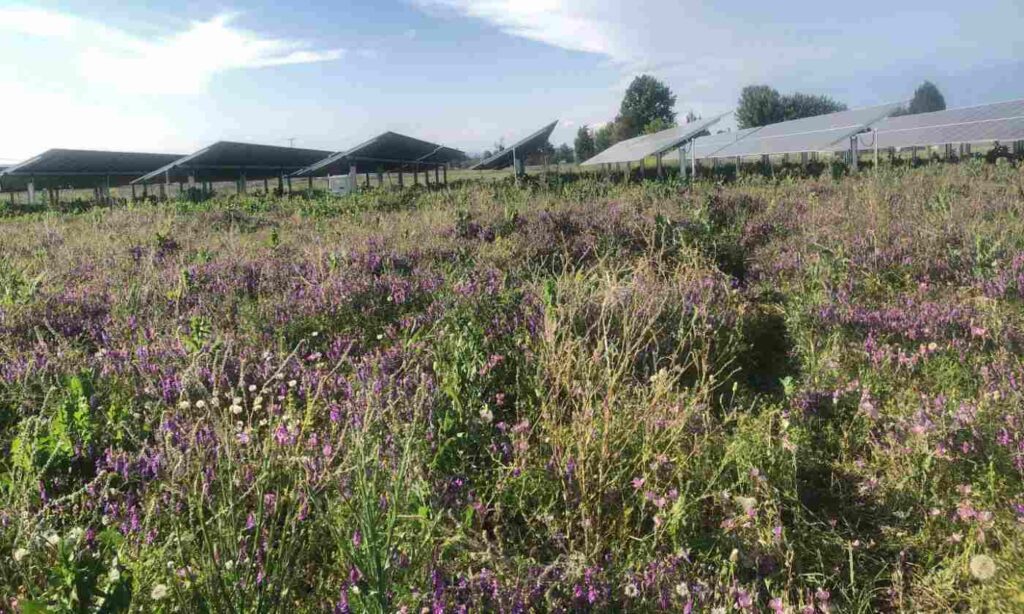
In the same way that artificial coral reefs can jumpstart marine ecosystems, solar farms, if they’re constructed properly, can create more biodiversity than agricultural fields.

That’s the key point a coalition of Australian planners and researchers are trying to get across to land developers in the state of New South Wales (NSW), where a flat, grassy, sometimes riparian ecoregion called the Tablelands is seen as an optimal place for solar power stations.

In a planning guide entitled: Better Biodiversity on Solar Farms, innovative strategies and evidence are compiled that show how solar farms, often criticized as land-hogging eyesores, can be set up in a way that not only makes room for native biodiversity, but contributes actively to its flourishing.

The strategies are referred to as agrivoltaics and conservoltaics.

Regarding the former, GNN has already reported that it can benefit biodiversity, and can include obvious strategies like allowing native grasses, herbs, and forbs to grow underneath the solar panels which can remain pasture for animals like sheep and cows.

In both strategies, nature can complement technology. Rich groundcover vegetation growing underneath a solar panel has been shown in multiple studies to keep the panel cooler, thereby allowing it to generate electricity more efficiently. Surrounding a solar farm with a high hedge of native shrubs blocks the accumulation of dust and dirt blown off country roads, while also offering a haven of shelter and security to many native species.

“Planning a renewable energy development offers a chance to consider shared land use,” NSW regional coordinator for the Community Power Agency Heidi McElnea explains. “We know from projects being developed in Europe, the US and now emerging in Australia, that conservation and agriculture don’t need to come off second best to renewable energy.”

OTHER WAYS TO DO AG: This Wonder Tree is a Game-Changer for Rainforest Agriculture in Honduras And Deforested Sites Worldwide

The guide suggests that degraded agricultural land makes for a perfect site for solar projects as the landscape needs to be regenerated eventually anyway, while existing infrastructure like roads and grid connections can save developers money.

In other cases, where new developments are taking place, byproducts of leveling the ground such as rocks and logs can be set aside for later use reconstructing habitats for reptiles and insects in and around the solar farm.

Oregon State University

“Similar to artificial reefs in aquatic ecosystems, solar farms can serve as hubs for biodiversity enhancement, introducing structural complexity into the environment and providing crucial shelter and habitat for various species,” University of New England (Australia) researcher Dr. Eric Nordberg explained to ESD News.

OTHER WAYS TO DO SOLAR: California Begins Covering Canals with Solar Panels to Fight Drought

Using tracking systems that turn the solar panels to follow the path of the Sun throughout the sky helps ensure adequate sunlight to vegetation underneath the panels, while higher mounting racks can allow mammals to move underneath and use them for shade.

Any developer looking to build in the NSW countryside has to assess the biodiversity score of the property pre and post-development via a points total, and pay for credits to make up for each point lost under a certain requirement.

Part of that total will be the Vegetation Integrity Score, and it’s usually assumed until proven otherwise that this VIS will be zero, amounting to a significant addition in terms of cost and time for any project that could, by contrast, potentially be completely avoided by following the methods for cultivating native grasslands and habitat outlined in the guide, the authors conclude.

SHARE The Evolution Of the Solar Farm With Your Friends…

New Study of 10,000+ People Revealed Regular Physical Activity Is Linked to Larger Healthier Brains

- credit, Getty Images for Unsplash +
– credit, Getty Images for Unsplash +

In a new study, scientists seeking to better understand how physical activity protects against neurodegenerative diseases like Alzheimer’s found it’s because exercise makes the brain larger.

2 to 3 days of moderate to vigorous physical activity was correlated to a significant increase in total brain matter and in specific regions like the temporal lobe and hippocampus.

To ensure the record is understood absolutely clearly—there’s no doubt that physical activity protects the brain from neurodegenerative diseases, including mild and severe cognitive impairment, Alzheimer’s, Parkinsons, and other forms of dementia.

The Canadian/American research team sought to better understand the mechanisms behind this effect.

Light physical activity, number of steps taken per day, and number of city blocks traversed per day, are all modalities that have been used to measure connections between physical activity and preventing these diseases, showing that even pedestrian, non-athletic, non-sportive activity can be neuroprotective in some cases.

One of the main culprits, in a positive sense, for this effect is brain-derived neurotrophic factor (BDNF). BDNF is released into the brain during periods of exercise where it lowers neuro-inflammation, improves synaptic connection, and performs other functions too numerous to list here.

The study benefitted from the use of a deep-learning neural network that allowed for multiple MRI scans of the same brain to be analyzed rapidly.

10,000 participants (and their brains) with an average age of 54, but ranging from 18 to 97, who were about half men and half women made up the study cohorts.

Exercise was self-reported—an inevitable flaw when conducting large population studies like this one. Participants were asked how many days of the week they engaged in 10 minutes or more of moderate or vigorous intensity exercise.

While previous studies quantified moderate and vigorous intensity through heartbeats per minute, this and other more modern studies simply define moderate as being engaged in physical activity and still being able to talk, but not being able to sing. Vigorous was defined as being in a state where only a few words could be spoken before pausing to breathe.

10,125 brain MRI scans were examined, and it was determined that a higher number of days of moderate to vigorous physical activity “predicted larger normalized brain volumes in multiple regions, including total gray matter volume, total white matter volume, hippocampus, frontal cortex, parietal lobes, and occipital lobe,” the authors wrote.

OTHER BRAIN-BENEFITS OF EXERCISE: Visiting the Gym Today Could Trigger a Bright Idea Next Week, New Study Shows

This was particularly true for the occipital lobe, parietal lobe, hippocampus, posterior cingulate, and temporal lobe, which all had correlative significance (also known as the p-value) of 6 or higher. A result of 6 or higher is typically when scientists begin to take notice of correlations—trained as they are to take them always with a grain of salt.

Brain matter and size are all predictors of better cognitive and neurological health as we age, while neurodegenerative diseases are often found in less-dense brains.

ON THE TOPIC: The Mechanism Behind Memory Loss in Aging Was Identified By Scientists at Johns Hopkins

“The study included adults aged 18-97, showing it’s never too early or late to start,” wrote Chris Kresser, founder of the California Center for Functional Medicine, who was not involved in the study.

“While 75% of participants reported doing some regular physical activity, many didn’t meet standard exercise guidelines—yet still showed brain benefits. This adds to growing evidence that even modest physical activity can protect brain health.”

DEFENSE AGAINST DEMENTIA: Vitamin D Supplements May be Fending Off People’s Dementia, New Large Study Shows–Especially in Females

“Notably, moderate exercise appeared more beneficial than vigorous activity, suggesting you don’t need to be a super-athlete to reap the brain benefits,” he added.

SHARE This Study’s Important Discovery With Your Friends On Social Media…