All News - Page 221 of 1715 - Good News Network
Home Blog Page 221

Historic Effort Returns 136 Juvenile Galápagos Tortoises into the Wild

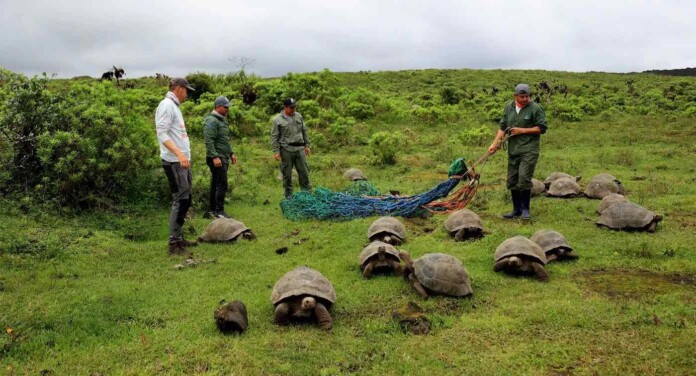
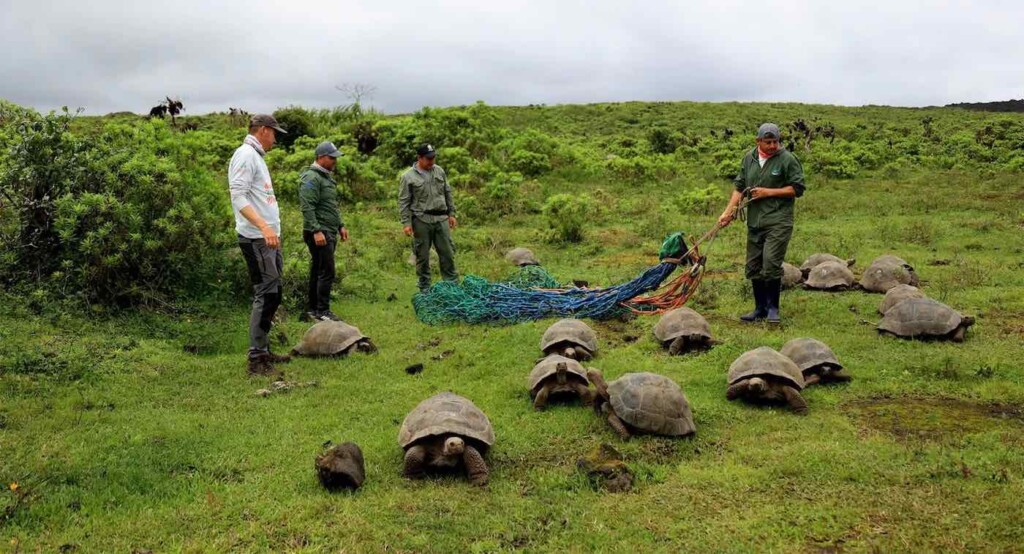
Juvenile tortoises released into their natural habitat on Isabela Island ©Galápagos Conservancy

The Galapagos Conservancy successfully airlifted 136 juvenile tortoises to the volcanic terrain on Isabela Island, their only natural habitat on Earth.

The giant Galápagos tortoises between the ages of 5 and 9 years were hatched and raised at the Breeding and Rearing Center on the island, where dedicated park rangers ensured their well-being and development from birth.

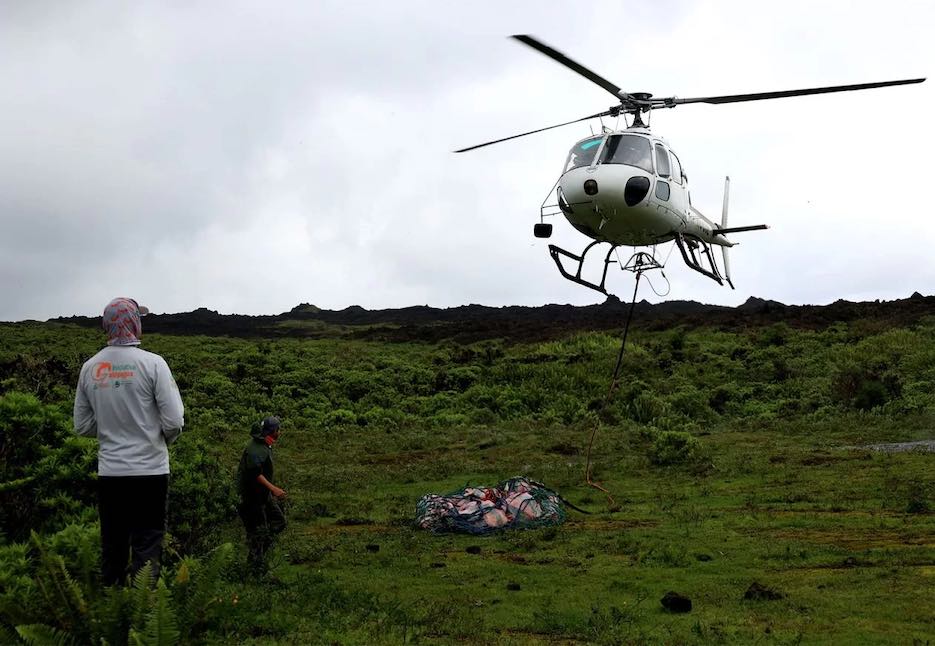
They were safely moved via helicopter, which is a crucial new tool for repatriating this species.

Without the helicopter support, paid for by public donations, the only alternative would be to transport them by sea and then carry them on shoulders across several miles of lava fields and challenging terrain that would take a long time and multiple expeditions.

The 136 animals all grew up healthy and were ready to take the exciting journey back to their homeland, where they now can enjoy a lifetime in their natural state, living over 100 years on average.

After being quarantined, dewormed, analyzed for health, and microchip marked for identification, the tortoises were flown to their destination in the picturesque south of Isabela Island “under strict safety standards”.

Helicopters are key for transporting tortoises to the volcanic terrain of Isabela Island – ©Galápagos Conservancy

These Galápagos projects play a crucial role in restoring the ecological balance of the Ecuadoran island chain in South America. Tortoises are primary herbivores that actively participate in shaping the landscape and dispersing seeds. These are crucial factors in maintaining ecosystem stability.

CHECK OUT: 100-Year-Old Galápagos Giant Tortoise Found on Fernandina Island is Indeed Member of ‘Extinct’ Species

Successfully rehoming this new group of 136 juvenile turtles by helicopter marks “a crucial milestone in our conservation mission in Galápagos,” said Dr. Jorge Carrión, the Director of Conservation at the Galapagos Conservancy.

Another crucial milestone reached by the Galápagos National Park two years ago saw their rodent eradication program completed on two Galapagos Islands—with conservationists excitedly declaring the lands rat-free. Now, native biodiversity can return to normal in those ecosystems of Seymour Norte and Mosquera islands.

SHARE THE GREAT News With Turtle-Lovers on Social Media…

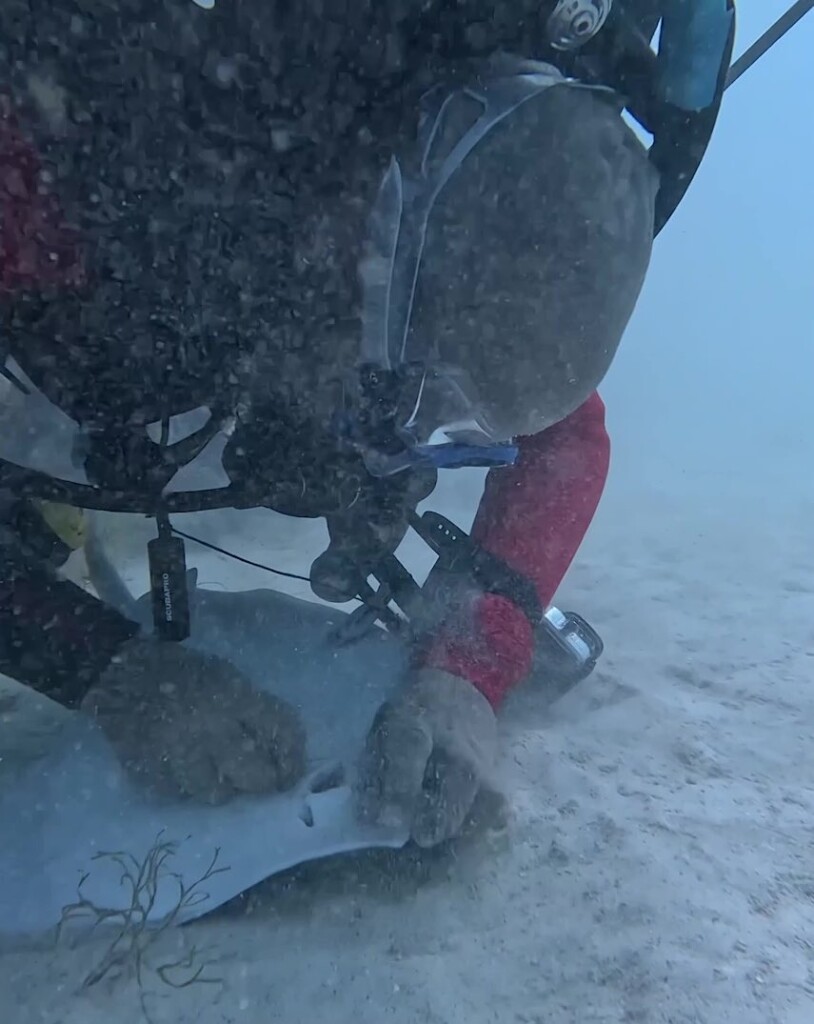
Diver Spends 5 Minutes Pulling Fishing Hook From Frightened Stingray’s Mouth (Watch)

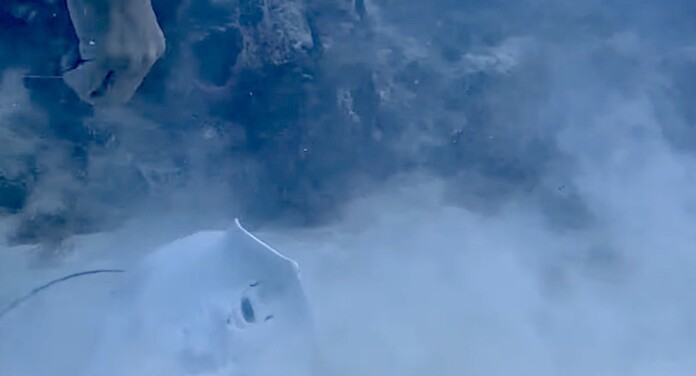
Diver rescued stingray – SWNS Photo / Valais Sarbach

A diver painstakingly worked to remove a stray fishing hook from the mouth of a frightened stingray.

Good Samaritan Raffa Wake-Valais Sarbach was enjoying the clear waters off the Dominican Republic this month when he and his partner spotted the ghost fishing line.

They saw three fish had already died attached to hooks along the 20-meter line—but, then noticed a juvenile stingray was caught on one end, a hook stuck in its mouth.

After carefully turning over the ray, the 37-year-old divemaster worked for almost five minutes to dislodge the hook in the animal’s mouth without causing injury.

Watching it finally swim away was a great moment.

“Fortunately I think we were lucky and that it wasn’t hooked for too long, likely less than an hour,” said Raffa, from Switzerland.

Video grab of good Samaritan diver painstakingly removed fishing hook from the mouth of stingray off Bayahibe, Dominican Republic – SWNS Photo / Valais Sarbach

“It took me a good five minutes to remove the hook. Apart from slight injuries to the mouth, the stingray seemed fine.

“If I hadn’t managed to remove it, the hook could have caused the stingray to die. It could have had trouble eating and been unable to swim away.”

Videoshot of diver Valais Sarbach with stingray – SWNS

“The line had two fishes still alive before we got to the stingray—and we freed them too.”

SEE ALSO: Ocean Lover Saves 1,000 Seals off Britain–And Even Built Them a Hospital

Watch the timely rescue below…

SHARE This With Compassionate Divers on Social Media…

Grocery Worker Rescues Mom By Asking a Crying Toddler if She Wants to Scan Items (WATCH)

Cashier Fatima helps Mary-Ann's daughter - SWNS
Cashier Fatima helps Mary-Ann’s daughter – SWNS

It doesn’t matter how expert you are and calming your child, sometimes they are simply inconsolable; and parallel to that fact is another that as much an expert as you may be at calming your child, every so often you meet a person who is a master.

That was the case for Mary-Ann Byrnes, 38, who was shopping at a Dollar Tree in Cedar Grove, New Jersey, when her two-year-old daughter, also named Mary-Ann, started to have a meltdown.

Fortunately for the Mary-Anns, they were in the presence of such a master—the cashier, who was recorded picking up the youngster and instantly calming her down with an invitation to scan the items together.

“I went to a Dollar Tree store about a town away with my daughter and mom to pick up some stuff for Christmas,” Mary-Ann said. “My mom had a separate cart and was still shopping by the time we were in line and the store was pretty busy.”

“My daughter is of that toddler age where she gets restless and she wants to be picked up all the time. So she started to cry and have a little meltdown, which was hard to manage with all my stuff that I was trying to pay for and not keep people waiting behind me,” she explained.

The cashier Fatimah Leftwich noticed that Mary-Ann was struggling and kindly asked the toddler in her Terrible Twos if she wanted to help behind the counter.

MORE LIKE THIS: Triplets Reunite With Garbage Truck Driver–Their Childhood Hero—4 Years After Adorable Story Went Viral

The little Mary-Ann immediately said yes.

“She asked if it was cool for her to pick my daughter up and then helped her scan all of my items and even some of the people’s items behind me!

“I saw a woman who had the ability to calm my daughter down with such a wonderful, trusting energy. It was amazing,” said her mother.

KIND HEROES EVERYWHERE: Good Samaritan Surprising Strangers with Kindness Every Day for 3 Years Is Crowned UK Hero with a Statue

A video shows Mary-Ann completely at ease in Fatimah’s arms, scanning items whilst being encouraged by Fatimah telling her that “she’s a fast learner.”

Mary-Ann and Fatimah have kept in contact since the video was filmed and Fatimah has since been transferred to a Dollar Tree closer to her home.

WATCH the master work below… 

SHARE This Great Reminder Of How Everyone Has A Superpower… 

“There is little that can withstand a man who can conquer himself.” – Louis XIV

Quote of the Day: “There is little that can withstand a man who can conquer himself.” – Louis XIV

Photo by: Ian Stauffer

With a new inspirational quote every day, atop the perfect photo—collected and archived on our Quotes page—why not bookmark GNN.org for a daily uplift?

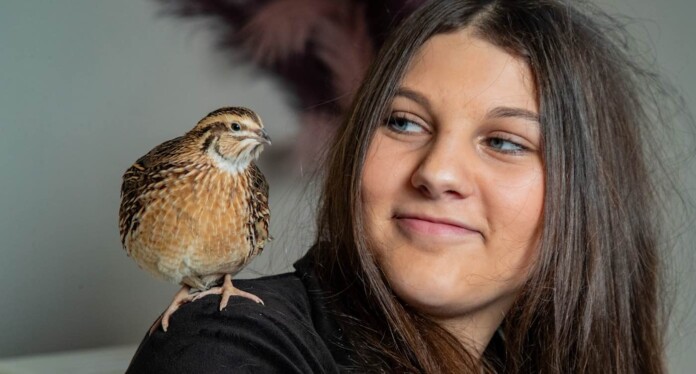
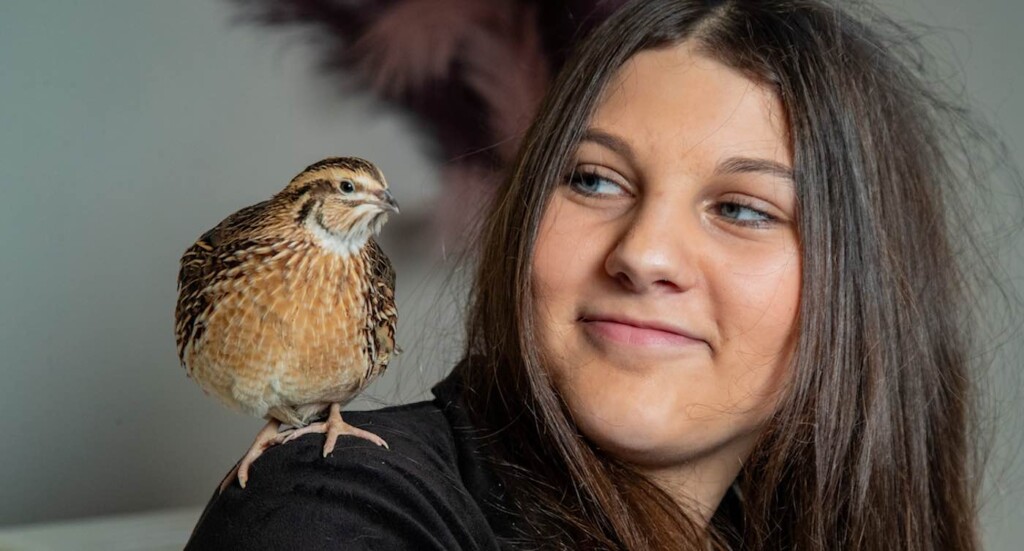
Girl Hatches a Quail From a Supermarket Egg And Now Has a Devoted Pet (Video)

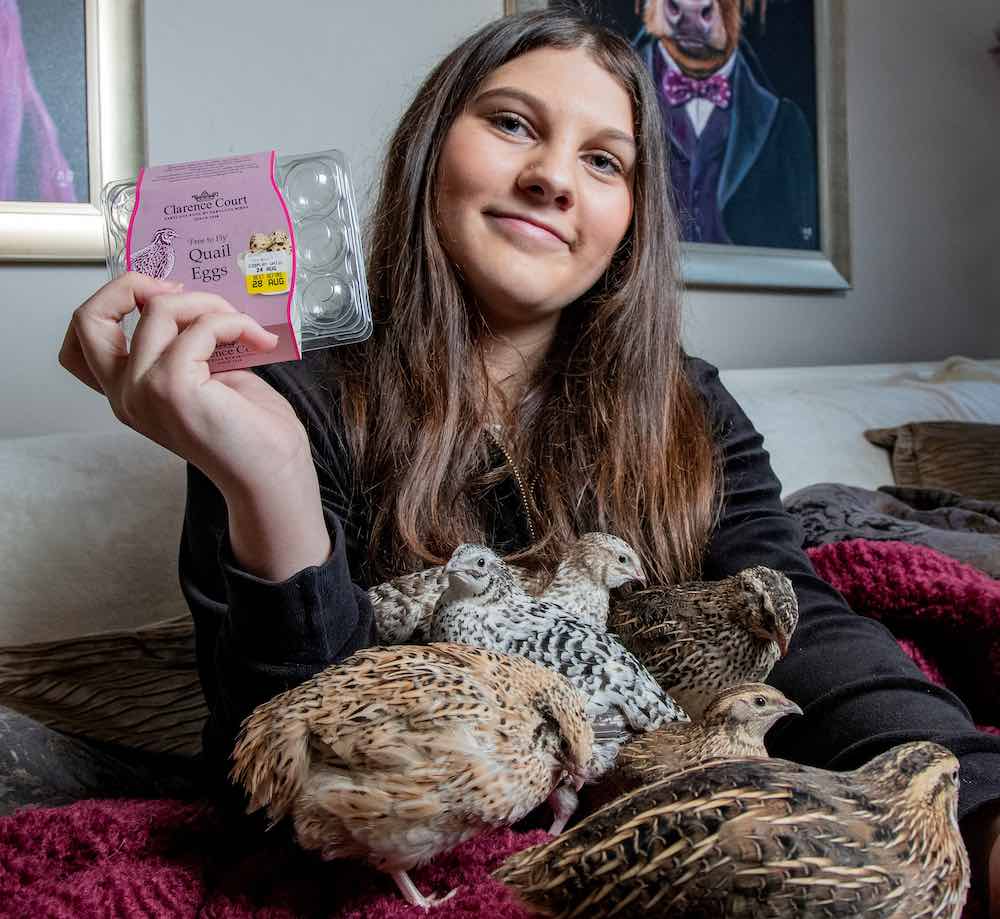
Zara Sutcliffe, 13, from Manchester, England hatched a quail – SWNS

A 13-year-old girl hatched a quail from a supermarket egg—and now hopes the bird might start its own family.

Zara Sutcliffe calls the affectionate fowl her “best friend” after she reared him from an egg purchased at the local grocery store in England.

For months she had begged her mother to try an incredible project she heard about online about how a shopper had managed the same feat with a duck egg.

Mrs. Sutcliffe eventually relented and bought her a box of Clarence Court quail eggs, even though her husband had insisted the family ‘couldn’t have any more animals’.

At the store, Zara had a choice between chicken and quail eggs, and she loved how small the quail eggs were.

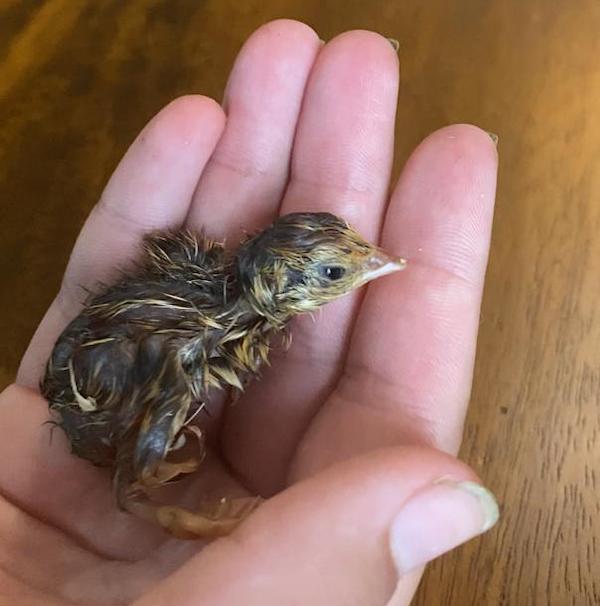
After three weeks of warming and nurturing the egg, Zara hatched “Pebbles” at her suburban home outside of Manchester, and began raising him in her bedroom.

“It was exciting but also scary because you always wonder if you’re going to do anything wrong,” said the teen.

Mom Claire recalls, “She kept checking them and she said, ‘I think one’s got one in it.’”

Zara Sutcliffe / SWNS

“When they did hatch they ended up in her bedroom, so she had them in a mesh dog crate with a heater, a brooding lamp, and he ended up living in her room for weeks.

“When she goes to the cage, Pebbles lifts his bum up in the air—that’s what they do when they’re excited. And he gets giddy and runs up and down.”

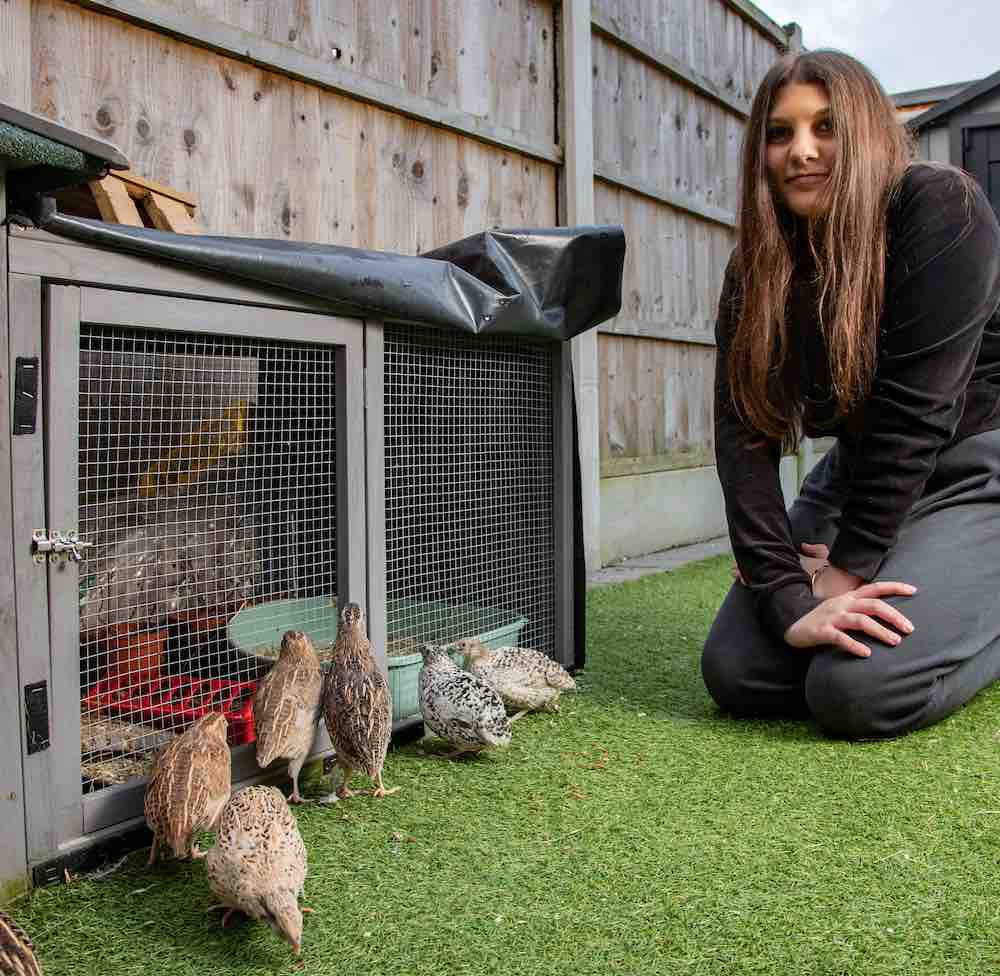
Last week, the family went a step further and bought a “harem” of six new female quails so that Pebbles could start living among his own kind—and maybe even have some chicks of his own.

“Pebbles is a life that never should have been,” Zara said, “and he might end up making life.”

Their collection of pets already includes a dog, three cats, and two red-footed tortoises, but now mom is a big supporter of enlarging the quail klan.

“They are really sweet little birds and they will sit on your knee. I don’t know why more people don’t have them.”

WATCH: Man Takes His Turkey Everywhere: Inseparable Companions Even In the Pub and Sleeping at Home

Zara Sutcliffe holds the box of eggs she bought which hatched a quail. – SWNS

Claire said she had a tough time breaking the initial news to her husband Simon. “He’d said ‘no more animals’ (so) he was fuming. But there’s nothing you can do, it happened. It’s just one of those things.”

“They will always be with us.”

After the eggs hatched in a heated tank, Pebbles spent six weeks living in Zara’s room, going from strength to strength, and now treats her as a mother figure.

He is now settling in well with his gaggle of six females living in a chicken coop in the back garden of their property—with occasional invitations to come in the house for a visit.

OMG. THIS VIDEO: Farmer Filmed the Adorable Moment His Newborn Quails Caused a Mini Stampede in His Home

Zara with her flock of quails – SWNS

Claire, who wants to work with animals when she’s older, reported, “He’ll be coming up to breeding season soon, so he’ll be a proper quail with his harem.”

Watch the adorable video below…

SHARE THE ‘TWEET Story With Other Families on Social Media…

Popping a Daily Multivitamin Could Prevent Cognitive Decline as we Age, Shows Third Study

By Julia Zolotova

Researchers found that those who took a daily multivitamin improved their memory and slowed cognitive aging by two years.

The team from Mass General Brigham says their research “confirms consistent and statistically-significant benefits” of a daily multivitamin versus placebo for both memory and global cognition.

“The meta-analysis of three separate cognition studies provides strong and consistent evidence that taking a daily multivitamin, containing more than 20 essential micronutrients, helps prevent memory loss and slow down cognitive aging,” said first author Chirag Vyas, a founding member of the Mass General Brigham healthcare system.

The team crunched data from the COcoa Supplement and Multivitamin Outcomes Study (COSMOS)—a meta-analysis of 5,000 participants—and also gathered 573 participants and had them undergo detailed, in-person cognitive assessments over a two-year period.

Some of the participants took a daily multivitamin supplement during this time, while others took a placebo pill.

They found that those taking the multivitamin had better global cognition and episodic memory than those taking the placebo, with the multivitamin slowing cognitive aging by two years. No impact on executive function or executive attention was observed.

ALSO GET SOME SAFFRON: Herbs May Improve Mild Dementia Using Ginseng, Ginkgo Biloba, and Crocus Sativus – Study

“Cognitive decline is among the top health concerns for most older adults, and a daily supplement of multivitamins has the potential as an appealing and accessible approach to slow cognitive aging,” said Vyas.

Olivia Okereke, director of Geriatric Psychiatry and the study’s senior author, added: “These findings will garner attention among many older adults who are, understandably, very interested in ways to preserve brain health, as they provide evidence for the role of a daily multivitamin in supporting better cognitive aging.”

ALSO SEE: Experts Find Why Exercise Prevents Alzheimer’s Disease–Which Could Lead to Cure

The study, published in the American Journal of Clinical Nutrition this week, also highlights that this is the third COSMOS experiment that praised daily multivitamins in this way—adding even more weight to the findings.

The Alzheimer’s Association estimates that many aging adults in the future will be at elevated risk of cognitive decline and Alzheimer’s disease unless interventions can help preserve cognitive function before deficits begin.

Dr. JoAnn Manson, who led the overall COSMOS trial, said the findings from these three separate placebo-controlled studies were very “exciting”.

OPTIMISM WORKS TOO: Looking On the Bright Side of Life Could Help Cut Your Risk For Dementia

“It further supports the promise of multivitamins as a safe, accessible, and affordable approach to protecting cognitive health in older adults.”

URGE FRIENDS to Stay Healthy By Sharing This on Social Media…

Critically-Endangered Gorilla Born at London Zoo–in Moments Mom is Gently Cradling Her Newborn (Photos)

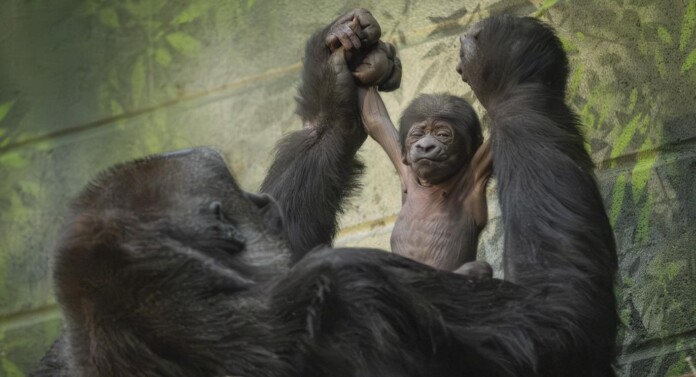
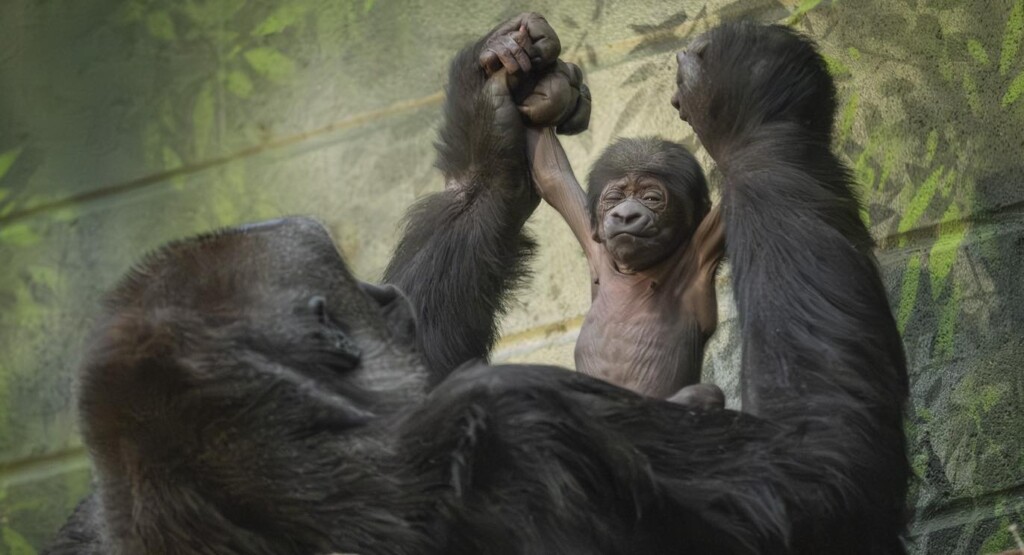
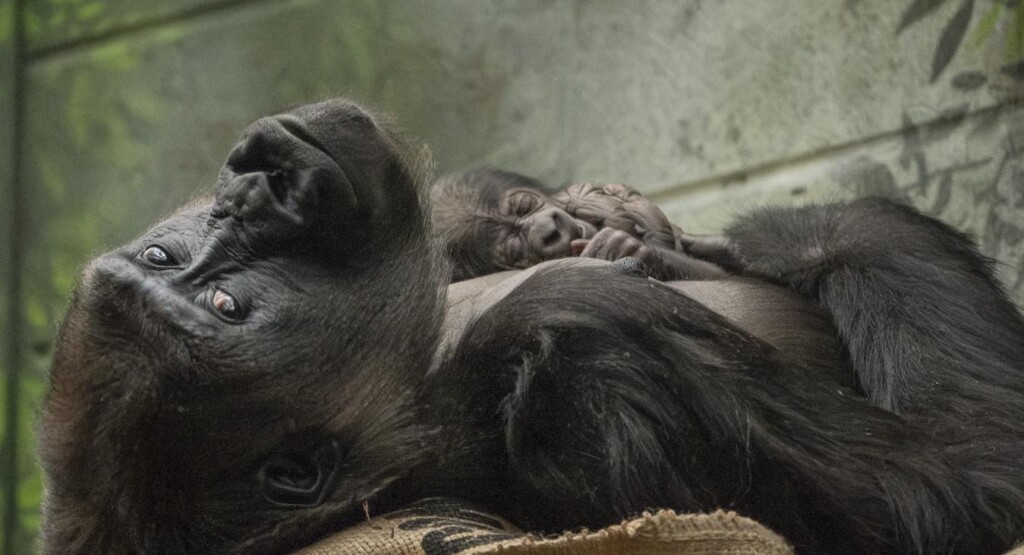
Mjukuu holds up her baby born at the London Zoo on January 17 – SWNS

A critically endangered western lowland gorilla has been born at the London Zoo—and the photos are beyond precious.

Mjukuu gave birth for the second time on January 17, following an eight-and-a-half-month pregnancy and a speedy 17-minute labor.

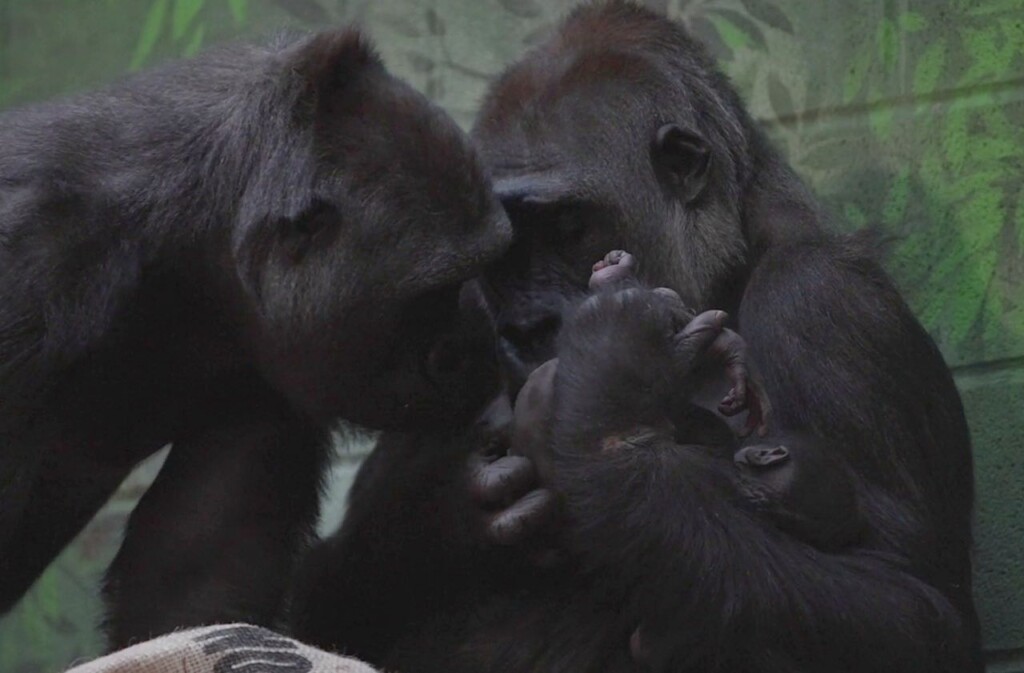
Just moments after the birth, she could be seen gently cradling her tiny infant, before welcoming the gorilla troop’s curious youngsters Alika and Gernot to examine the new arrival.

London Zoo said the birth was a cause for celebration, as western lowland gorillas are classified as critically endangered.

Zookeepers were carrying out their usual morning duties when they first spotted that Mjukuu was in labor. They decided to give her some space, but monitored her via CCTV cameras installed in the ceiling.

“After a very quick labour, Mjukuu was spotted on camera tenderly holding her newborn and demonstrating her wonderful mothering instincts – cleaning her infant and checking it over,” reported London Zoo’s Primates Section Manager Kathryn Sanders.

Western lowland gorilla cradles her newborn in the London Zoo – SWNS

The infant was fathered by Kiburi, a western lowland gorilla who arrived at London Zoo from Tenerife in November 2022 as part of an international conservation breeding program.

The preservation program aims to promote a genetically diverse and healthy population of western lowlands – a gorilla subspecies – in response to their decline.

“To say we’re happy about this new arrival would be a huge understatement,” said Kathryn. “We’ve all been walking around grinning from ear to ear.”

“We’ll be giving mum and baby lots of time and space to get to know each other, and for the rest of the troop to get used to their new addition.

“They’re as excited as we are and can’t stop staring at the baby.”

Western lowland gorillas examine the baby born in London Zoo – SWNS

DID YOU KNOW: Apes Remember Friends Even Though They’ve Not Seen Them for 25 Years (LOOK)

Zookeepers are yet to confirm the sex of the infant, who has primarily remained cradled in its adoring mum’s arms.

If it is male, it could reach a height of up to 6ft.

LOOK: Watch the Adorable Moment a Baby Gorilla Born Prematurely is Reunited With its Family

The infant is expected to remain in close contact with Mjukuu for the first six months of its young life.

ANNOUNCE THE ADORABLE Arrival By Sharing The Story on Social Media…

Your Horoscope for the Week: A ‘Free Will Astrology’ From Rob Brezsny

Our partner Rob Brezsny, who has a new book out, Astrology Is Real: Revelations from My Life as an Oracle, provides his weekly wisdom to enlighten our thinking and motivate our mood. Rob’s Free Will Astrology, is a syndicated weekly column appearing in over a hundred publications. He is also the author of Pronoia Is the Antidote for Paranoia: How All of Creation Is Conspiring To Shower You with Blessings. (A free preview of the book is available here.)

Here is your weekly horoscope…

FREE WILL ASTROLOGY – Week of January 20, 2024
Copyright by Rob Brezsny, FreeWillAstrology.com

AQUARIUS (Jan. 20-Feb. 18):
In the fall of 1903, The New York Times published an article that scorned human efforts to develop flying machines. It prophesied that such a revolutionary technology was still at least a million years in the future—possibly 10 million years. In conclusion, it declared that there were better ways to apply our collective ingenuity than working to create such an unlikely invention. Nine weeks later, Orville and Wilbur Wright disproved that theory, completing a flight with the airplane they had made. I suspect that you, Aquarius, are also primed to refute an expectation or prediction about your supposed limitations. (Afterward, try not to gloat too much.)

PISCES (Feb. 19-March 20):
Your sweat and tears are being rewarded with sweets and cheers. Your diligent, detailed work is leading to expansive outcomes that provide relief and release. The discipline you’ve been harnessing with such panache is spawning breakthroughs in the form of elegant liberations. Congrats, dear Pisces! Don’t be shy about welcoming in the fresh privileges flowing your way. You have earned these lush dividends.

ARIES (March 21-April 19):
Aries chemist Percy Julian (1899–1975) was a trailblazer in creating medicine from plants. He patented over 130 drugs and laid the foundation for the production of cortisone and birth control pills. Julian was also a Black man who had to fight relentlessly to overcome the racism he encountered everywhere. I regard him as an exemplary member of the Aries tribe, since he channeled his robust martial urges toward constructive ends again and again and again. May he inspire you in the coming weeks, dear Aries. Don’t just get angry or riled up. Harness your agitated spirit to win a series of triumphs.

TAURUS (April 20-May 20):
Taurus actor Pierce Brosnan says, “You struggle with money. You struggle without money. You struggle with love. You struggle without love. But it’s how you manage. You have to keep laughing, you have to be fun to be with, and you have to live with style.” Brosnan implies that struggling is a fundamental fact of everyday life, an insistent presence that is never far from our awareness. But if you’re willing to consider the possibility that his theory may sometimes be an exaggeration, I have good news: The coming months could be less filled with struggle than ever before. As you deal with the ease and grace, I hope you will laugh, be fun to be with, and live with style—without having to be motivated by ceaseless struggle.

GEMINI (May 21-June 20):
Gemini author and activist William Upski Wimsatt is one of my role models. Why? In part, because he shares my progressive political ideals and works hard to get young people to vote for enlightened candidates. Another reason I love him is that he aspires to have 10,000 role models. Not just a few celebrity heroes, but a wide array of compassionate geniuses working to make the world more like paradise. The coming weeks will be an excellent time for you to gather new role models, dear Gemini. I also suggest you look around for new mentors, teachers, and inspiring guides.

CANCER (June 21-July 22):
I want you to fulfill your desires! I want you to get what you want! I don’t think that yearnings are unspiritual indulgences that divert us from enlightenment. On the contrary, I believe our longings are sacred homing signals guiding us to our highest truths. With these thoughts in mind, here are four tips to enhance your quests in the coming months: 1. Some of your desires may be distorted or superficial versions of deeper, holier desires. Do your best to dig down and find their heart source. 2. To help manifest your desires, visualize yourself as having already accomplished them. 3. Welcome the fact that when you achieve what you want, your life will change in unpredictable ways. You may have to deal with a good kind of stress. 4. Remember that people are more likely to assist you in getting what you yearn for if you’re not greedy and grasping.

LEO (July 23-Aug. 22):
I regard Leo psychologist Carl Jung (1875–1961) as a genius with a supreme intellect. Here’s a quote from him that I want you to hear: “We should not pretend to understand the world only by the intellect; we apprehend it just as much by feeling. Therefore, the judgment of the intellect is, at best, only the half of truth, and must, if it be honest, also come to an understanding of its inadequacy.” You may already believe this wisdom in your gut, Leo. But like all of us, you live in a culture filled with authorities who value the intellect above feeling. So it’s essential to be regularly reminded of the bigger truth—especially for you right now. To make righteous decisions, you must respect your feelings as much as your intellect.

VIRGO (Aug. 23-Sept. 22):
In 1916, most women in the world could not vote. Many men considered women to be inferior—lacking in courage and initiative. It was the Dark Ages! That summer, two sisters named Augusta and Adeline Van Buren rebelled against the stereotypes by riding their motorcycles across America. Roads were poor, rains were frequent, and police arrested them frequently for wearing men’s clothes. Male-dominated media derided them, with one newspaper criticizing their escape from “their proper roles as housewives.” I nominate them to be your role models in 2024, no matter what gender you are. It will be a favorable time to transcend conventional wisdom, override decaying traditions, and be a cheerful rebel.

LIBRA (Sept. 23-Oct. 22):
Even if you are currently bonded with a spouse or partner, I recommend you consider proposing matrimony to an additional person: yourself. Yes, dear Libra, I believe the coming months will be prime time for you to get married to your own precious soul. If you’re brave enough and crazy enough to carry out this daring move, devote yourself to it with lavish abandon. Get yourself a wedding ring, write your vows, conduct a ceremony, and go on a honeymoon. If you’d like inspiration, read my piece “I Me Wed”.

SCORPIO (Oct. 23-Nov. 21):
Talking about a problem can be healthy. But in most cases, it should be a preliminary stage that leads to practical action; it shouldn’t be a substitute for action. Now and then, however, there are exceptions to this rule. Mere dialogue, if grounded in mutual respect, may be sufficient to dissolve a logjam and make further action unnecessary. The coming days will be such a time for you, Scorpio. I believe you and your allies can talk your way out of difficulties.

SAGITTARIUS (Nov. 22-Dec. 21):
Sagittarian cartoonist Charles M. Schulz wrote, “My life has no purpose, no direction, no aim, no meaning, and yet I’m happy. I can’t figure it out. What am I doing right?” I suspect that in 2024, you may go through a brief phase similar to his: feeling blank, yet quite content. But it won’t last. Eventually, you will be driven to seek a passionate new sense of intense purpose. As you pursue this reinvention, a fresh version of happiness will bloom. For best results, be willing to outgrow your old ideas about what brings you gladness and gratification.

CAPRICORN (Dec. 22-Jan. 19):
We all go through phases that feel extra plodding and pedestrian. During these times, the rhythms and melodies of our lives seem drabber than usual. The good news is that I believe you Capricorns will experience fewer of these slowdowns than usual in 2024. The rest of us will be seeing you at your best and brightest on a frequent basis. In fact, the gifts and blessings you offer may flow toward us in abundance. So it’s no coincidence if you feel exceptionally well-loved during the coming months. PS: The optimal way to respond to the appreciation you receive is to ratchet up your generosity even higher.

WANT MORE? Listen to Rob’s EXPANDED AUDIO HOROSCOPES, 4-5 minute meditations on the current state of your destiny — or subscribe to his unique daily text message service at: RealAstrology.com

(Zodiac images by Numerologysign.com, CC license)

SHARE The Wisdom With Friends Who Are Stars in Your Life on Social Media…

“I have woven a parachute out of everything broken.” – William Stafford

Quote of the Day: “I have woven a parachute out of everything broken.” – William Stafford

Photo by: Sgt. Sara Keller, Department of Defense

With a new inspirational quote every day, atop the perfect photo—collected and archived on our Quotes page—why not bookmark GNN.org for a daily uplift?

Grandmother Graduates 60 Years After She Began College–and They Planned a Moving Tribute for Her (Watch)

Angela Davidson at her graduation ceremony – The University of Liverpool / SWNS

An English grandmother has finally graduated from university nearly 60 years after she first started pursuing her degree.

Calling the pursuit off after she became pregnant with her first child with her partner, whom she met in the same college, she had been one of 6 women studying animal sciences at the time.

Six decades after she left university, Angela Davidson went back to university and graduated with a Bachelor’s (honors) in Animal Sciences in December 2023.

As she walked onto the stage, a member of the university told the crowd that “today [our] class of veterinary students numbers some 200; about 80% of them are women.”

In 1960, they continued, that number was just six, “and one of those students, Angela Davidson, still waits for her degree—and today she will get it.”

Angela Davidson at her graduation ceremony at the University of Liverpool / SWNS

The speaker said that the University was “unable to support her” at the time she was pregnant in class, but explained to the gathered audience that she not only entered a happy family life, but also had a very successful professional life.

On the day of her graduation, Angela was surrounded by her children and grandchildren.

ANOTHER SENIOR IN CAP AND GOWN: 72-Year-old Graduates from College with His 99-yo Mom Cheering Him On

“It was a most wonderful morning. I’ve waited years for this,” she said. “The early 1960s was a very different time for women and that has been acknowledged today—I felt such a warm atmosphere.”

“I’ve waited many years for this and my daughter who I was expecting when I left the course was here with me today to see me finally pick up my degree.”

WATCH her special moment in the ceremony below… 

CELEBRATE This Determined Gran With Your Friends On Social Media… 

Scores of Endangered Butterflies Slated to Be Released Along California Coast Using $1.5 Million Private Grant

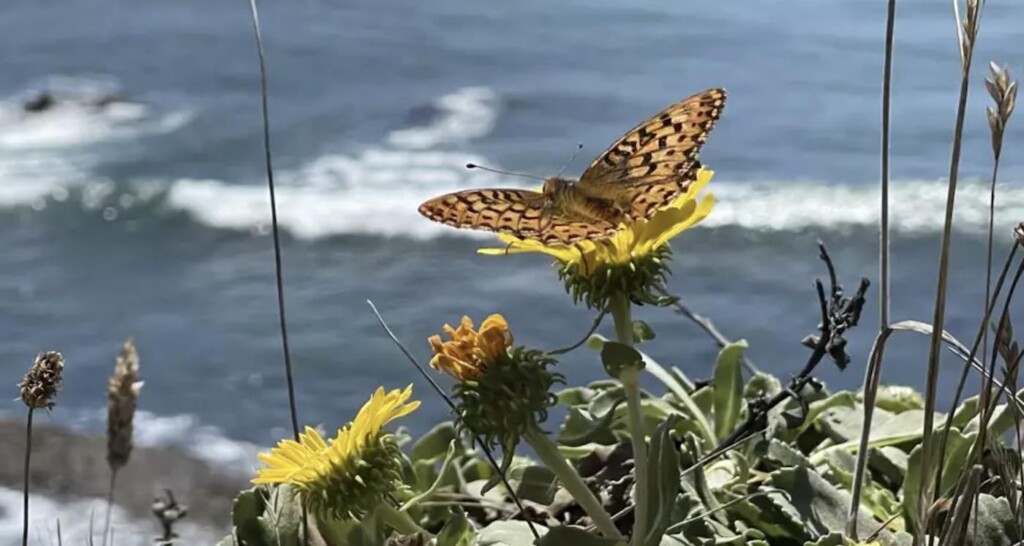
The Behren’s silverspot butterfly along the Pacific coast – By US Fish and Wildlife Service

In California, a joint effort will oversee a multi-stage, four-year plan to help Behren’s silverspot butterfly return in numbers to the coastline of Northern California.

Vitalized by a $1.5 million grant from the State of CA Wildlife Conservation Board, the Mendocino Land Trust (MLT) is planning to plant 35,000 early blue violets, the only plant which the caterpillars of these blazing orange butterflies can eat, along with a mixture of supporting native plants.

Invasive grasses have greatly decreased the footprint of these small purple flowering plants along Northern California’s Mendocino coastline—from Salt Point Park in Sonoma County to the Mendocino Headlands, Anna Bride—and the conversion of these plants back to native wildflowers will cover 53 acres.

Furthermore, scores of caterpillars bred in captivity by Speyeria Conservation and Research are set to be released into this new habitat this spring. According to Speyeria, Behren silverspot caterpillars enter a state called ‘diapause’ during wintertime, which is a little like hibernation but for insects. They don’t grow and don’t develop an appetite.

MORE BUTTERFLY STORIES: Efforts to Save Endangered Blue Butterfly Quadruples its Population–but Also Saves a Lupine from Extinction

In a Facebook post, the organization said it has 1,412 caterpillars in diapause currently in captivity, meaning it promises to be a busy spring.

The joint effort involves California State Parks, the Bureau of Land Management, the Laguna Foundation, the Sequoia Park Zoo, and Wynn Coastal Planning & Biology, and will last for four years during which time they hope to release 600 of these specimens.

“MLT’s winning this grant is a victory for the butterfly and a testimony to the dedication of all of these organizations,” MLT wrote in a statement.

CALIFORNIA CONSERVATION: California City Sees Explosion in Spawning Salmon Population in San Jose After 10 Years of Habitat Cleanup

The plan comes not a moment too soon, as scientists working on the project told SF Gate that a mere 92 sightings of this butterfly have been documented over the past 15 years.

The Wildlife Conservation Board was established in 1947, and it has evolved today to be an organization that has three primary goals: land acquisition, habitat restoration, and development of wildlife-oriented public access facilities.

On its website, WCB details 17 programs, ranging from butterfly rescue to forest and desert conservation.

SHARE These Dedicated Individuals Working For To Rescue The Butterflies…

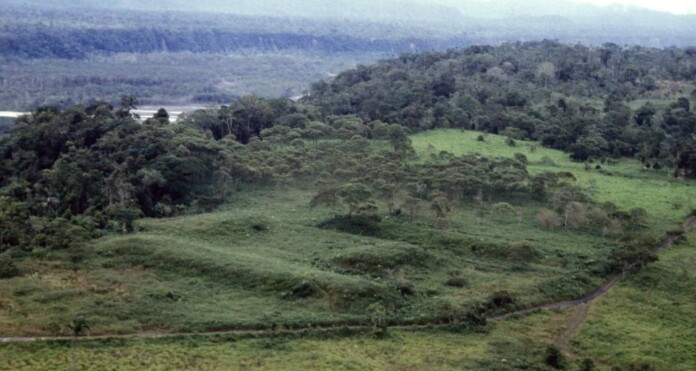
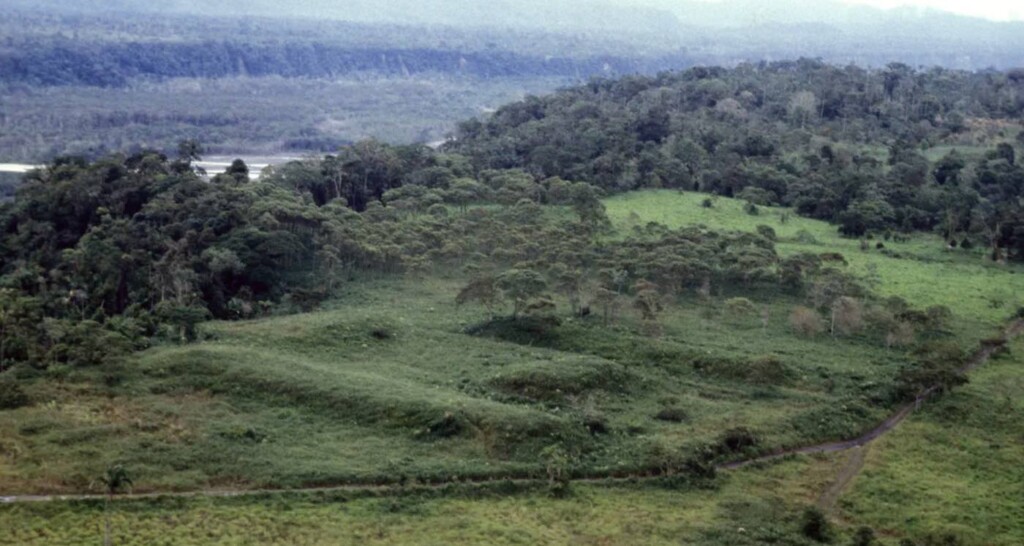
Archaeologists Discover Ancient Cities Hidden in the Ecuadorian Amazon

Ancient City Hidden near Ecuadoran river – Photo by study’s lead author Stéphen Rostain
Ancient City hidden near Ecuadoran river – Photo by study’s lead author Stéphen Rostain

Another ancient and lost city has been identified by archaeologists working with LiDAR in the Amazon Rainforest—with this most recent society dating as far back as the Greco-Persian Wars of Ancient Greece.

Located in Ecuador’s Upano Valley on the eastern side of the Andes Mountains, the area’s vast civilizational footprint had been surveyed and excavated in places going back 20 years before the government employed LiDAR to determine the scope of the city(ies) once and for all.

Published last week in the journal Anthropology, the researchers identified 6,000 earthen platforms across an area of 100 square miles. In their current theories, the researchers divide the society’s works into 16 different settlements connected by a series of sophisticated roads that were wide and straight.

Since the advent of laser radar systems like LiDAR (light detection and ranging) in archaeology, the Amazon Basin, once considered a dead-end street for the locating of worthwhile sites, is now the single-most exciting place on Earth, with evidence of lost civilizations appearing under the trees spanning thousands of years of history and at a level of sophistication that no one believed to be possible.

It now shows that, during certain centuries, the Amazon’s poor soil and seemingly impenetrable jungle may have been home to millions of agrarians capable of brilliant displays of organization and engineering.

At the moment, little is known about the people who inhabited this land 2,500 years ago. They were agrarian for certain, evidenced by the agricultural terraces and drainage ditches, and probably grew maize and sweet potatoes.

“Scientists are demonstrating conclusively that there were a lot more people in these areas, and that they significantly modified the landscape,” said Christopher Fisher, an archaeologist at Colorado State University who has done similar work but not at Upano, told Science News.

MORE NEWS LIKE THIS: Archaeologists Uncover ‘Complete Roman City’ From 1,800 Years Ago in Luxor–Including Pigeon Towers

“This is a paradigm shift in our thinking about how extensively people occupied these areas.”

According to a statement released by the researchers from Ecuador and the French National Center for Scientific Research, this 2,500-year-old society constitutes the earliest and largest low-density agrarian urbanism documented in the Amazon thus far. Such extensive early development in the Upper Amazon resembles similar Maya urban systems in Central America.

EQUALLY STUNNING:  Ancient Mayan City Hidden for Over 1,000 Years Discovered by LiDAR

“Such a discovery is another vivid example of the underestimation of Amazonia’s twofold heritage: environmental but also cultural, and therefore Indigenous,” writes lead author Stephan Rostain and his colleagues. “…we believe that it is crucial to thoroughly revise our preconceptions of the Amazonian world and, in doing so, to reinterpret contexts and concepts in the necessary light of an inclusive and participatory science.”

LiDAR has uncovered sites of similar importance in Belize, Mexico, Bolivia, and Brazil.

SHARE This Paradigm Shift with Your Friends Interested In Ancient History…

“Ill habits gather unseen degrees, as brooks make rivers and rivers run to seas.” – John Dryden

Quote of the Day: “Ill habits gather unseen degrees, as brooks make rivers, rivers run to seas.” – John Dryden

Photo by: Lycheeart

With a new inspirational quote every day, atop the perfect photo—collected and archived on our Quotes page—why not bookmark GNN.org for a daily uplift?

Humans Are Living Longer All Across the World and the Male-Female Longevity Gap is Closing

Whether in the harshest parts of Africa or the richest parts of California, longevity in humans is increasing.

Also, the gap between male and female life expectancy is narrowing, the researchers at Spain’s Universidad de Alcalá report in the journal PLoS One.

The authors split world populations into five clusters and found each area demonstrated longer life expectancies and fewer disparities between genders over the last 30 years. They also said their data predicts that these trends will continue into the next decade.

But although safer and safer conditions for blue-collar jobs have meant that men are dying less on the job, the experts believe they will never average the lifespans of women due to conditions caused by their Y chromosome, which seems to be associated with increased risk of lethal, non-communicable diseases.

In terms of life expectancy, researchers found that most countries in the world have seen improvements in longevity over the past two centuries according to data from across all continents between 1990 and 2000. Measures used were life expectancy at birth and eight other mortality indicators from the United Nations Populations Division records relating to 194 countries.

They then lumped these countries together to create five separate clusters based on their mortality and longevity characteristics between 1990 and 2010.

YOU MAY ALSO LIKE: Six Lifestyle Choices to Slow Memory Decline Identified in 10-Year Study of Aging

Amongst all five of the clusters of countries, the researchers found that life expectancy is increasing and the male-female mortality gap shrinking. The researchers also extended their model to predict outcomes for the groupings in 2030 and found a continuation of these trends.

Though all areas improved, Africa was found to be the region with the most significant improvements in mortality indicators.

“This fact clearly presents the growth in the aging processes around the world during the last 30 years,” said lead author Professor David Atance. “Even the best-performing high-income countries continue to grow, although these improvements slowed over time.”

He added that the closing of the gender longevity gap, which is decreasing in both the cluster analysis and country analysis worldwide, could be explained by the past “harmful” lifestyles of blue-collar males falling by the wayside in recent years.

HERE’S ONE WAY TO LIVE LONGER: 8 Weeks of Lifestyle Changes Reduced Biological Age by 3 Years In Groundbreaking Proof-of-Concept Study

If larger and larger slices of national populations age into their late 70s, 80s, and 90s as Atance and others have predicted, humanity will need to rapidly re-examine the picture of old age in our societies away from sitting in rocking chairs being cared for.

Renowned psychologist Gabor Mate has compared the phenomenon of a gerontocracy to the idea of “elders versus the elderly” where in traditional societies the old are still contributing and valued members of the community, who are consulted for their wisdom, but who can also still physically pull their weight.

SHARE These Encouraging Upward Trends With Your Friends… 

Small ‘Magic Balls’ for Grid Power Lines Can Increase Capacity by 30%–Coming to the US

Courtesy of Arva via Heimdall Power

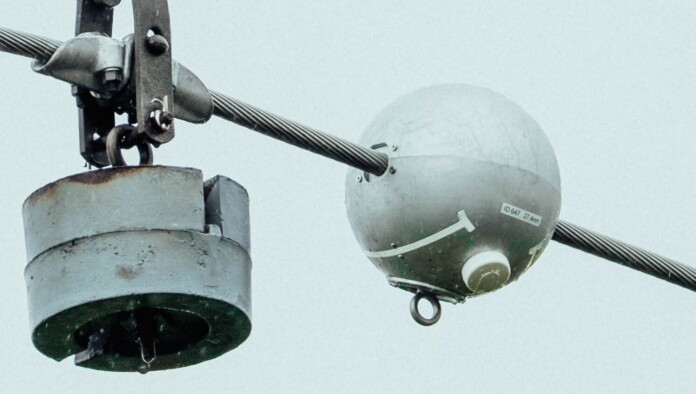
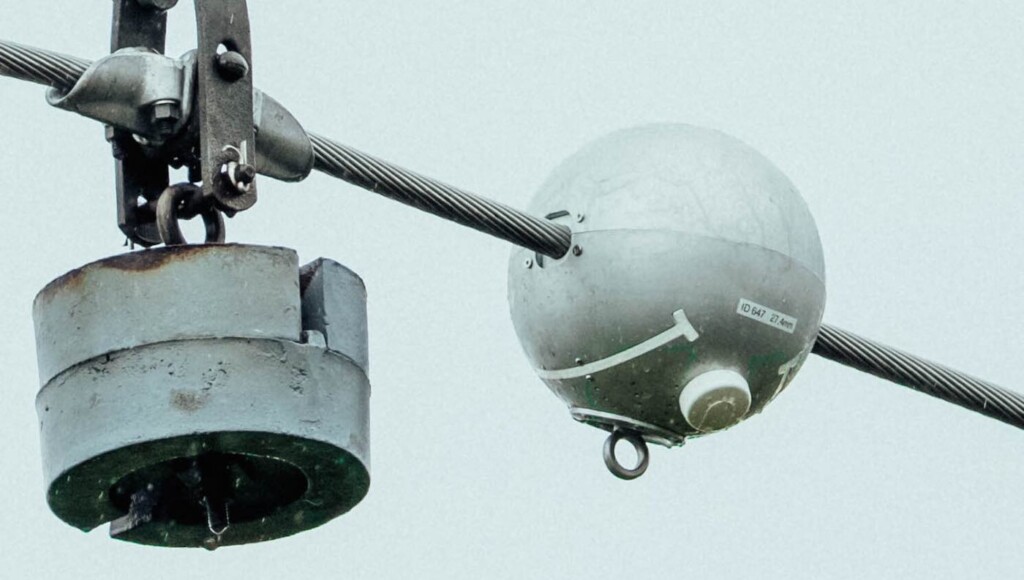
A Norwegian company named after a mythical Norse god is helping power lines transmit as smoothly and evenly as possible with the help of a small magic sphere the size of a soccer ball.

Heimdall Power is bringing its technology—which is already a hit across Europe—to North America, with a first stop in Minnesota and Michigan.

Power lines today, explains Michelle Lewis writing at Electrek, are mostly ‘dumb’ which is to say that there is no information about how much more electricity is being delivered than is needed, or how much less. No real-time information exists about how they are operating at all in most cases.

For a country like the United States of America where there can be found 160,000 miles of power lines, the untapped potential is enormous.

Installed in a few minutes by a drone, Heimdall’s flagship product, a spherical sensor that mounts on high voltage power lines and is called the Neuron, monitors the voltage, temperature, and angle of electrical currents in the lines in real-time, transmitting that information back to grid managers who may, for example, see that there is an enormous over-transmission in one part of the grid that could either be tamped down to save money for the consumers, or reallocated to another part of the grid where demand is higher.

The Neuron was pioneered with the Norwegian utility Arva, which now uses them extensively through its grid portion.

YOU MAY ALSO LIKE: World’s First Electric Self-Propelled Container Ship Launches in Oslo to Replace 40K Diesel Truck Trips

“Both Arva and other grid companies are going to build out the power grid, to double the capacity we have today over the next ten years,” says Trond Are Bjørnvold, department manager at Arva, in a statement. “The investments will be enormous, but we should not invest more than necessary. We should also strive to prioritize the development in the correct order.”

With the Neurons: “We now know exactly how much spare capacity that is available in the line, and how much power we could potentially send through the network,” Bjørnvold added

Heimdall claimed in a statement that better control over the lines has saved customers hundreds of millions of Norwegian Kroner, or almost $10 million.

MORE UTILITY UPGRADES: First Public Microgrid in the US is Powering Up in Chicago to Keep Energy Flowing During Emergencies

To further increase the accuracy of the Neuron, Heimdall has partnered with the Switzerland-based Meteometrics, which added machine learning data and computational software on weather conditions. This finished product is now coming to the US on the back of deals with Great River Energy in Minnesota, and another, unnamed, publically-traded utility in Michigan.

“By combining our weather insights with Heimdall Power, we’re offering companies a look into their real-time power line capacities—something that a majority of energy grid companies have not had access to before,” said Paul Walsh, CEO of Meteomatics North America. “We’re looking forward to continuing our work together stateside.”

SHARE This Awesome Improvement To World Power Transmission…

Elton John Just Achieved EGOT Status with Emmy Win–Only 19 People Have Done it in History

Elton John During His Farewell Yellow Brick Road World Tour, for which he won an Emmy - CC 2.0. slgckgc. Flickr
Elton John During His Farewell Yellow Brick Road World Tour, for which he won an Emmy – CC 2.0. slgckgc. Flickr

It’s not referring to a tropical disease to say that someone has an EGOT. It means they’ve got a mantlepiece at home where stand an Emmy, a Grammy, an Oscar, and a Tony—the four major pop culture awards in America.

Only 18 entertainers have achieved this quadruple, and now Elton John stands among them as the 19th, having recently won an Emmy for his concert film, Elton John Live: Farewell From Dodger Stadium.

John was not able to attend the ceremony because of needed recovery from a knee surgery, “which isn’t surprising if you think of the number of pianos he’s jumped off from in platform heels,” said John’s husband, David Furnish.

John has collected two Oscars: one for The Lion King’s Cany You Feel The Love Tonight? and another for Rocketman’s (I’m Gonna) Love Me Again. 

For the ‘T’ in EGOT, he won a Tony for scoring the musical version of the opera Aida. 

For the ‘G’—the Grammy, it’s a case of take your pick, with John having collected quite a few over his decades as a musician.

“I am incredibly humbled to be joining the unbelievably talented group of EGOT winners tonight,” said John in a statement. “The journey to this moment has been filled with passion, dedication, and the unwavering support of my fans all around the world. Tonight is a testament to the power of the arts and the joy that it brings to all our lives. Thank you to everyone who has supported me throughout my career; I am incredibly grateful.”

MORE PERFORMING ACHIEVEMENTS: Taylor Swift is a Hero to Food Banks Across the U.S. at Each Stop of Her Eras Tour

According to Smithsonian Magazine, the term EGOT was first used on Miami Vice. Its imaginary alumni include Richard Rogers, Hellen Hayes, Rita Moreno, Whoopi Goldberg, Viola Davis, John Legend, Alan Menken, Mell Brooks, Audrey Hepburn, John Gielgud, Marvin Hamlisch, Johnathan Tunic, Mike Nichols, Scott Rudin, Robert Lobez, Andrew Lloyd Weber, Tim Rice, and Jennifer Hudson.

It seems appropriate that the acronym would be finished on Elton’s final show ever on tour in North America; the curtain call of all curtain calls, and a tremendous achievement to mark the end of a long chapter in a tremendous career.

WATCH Tiny Fey and Amy Pohler present the award along with peers…

CELEBRATE John’s Wonderful Achievement With Fans You Know… 

Astronomers Detect Oldest Black Hole Ever Observed Dating ‘From the Dawn of the Universe’

Artist's illustration of a black hole; NASA/JPL-Caltech
Artist’s illustration of a black hole; NASA/JPL-Caltech

Researchers have discovered the oldest black hole ever observed, dating from the dawn of the universe, and found that it’s still in the process of consuming its host galaxy.

The international team, led by the University of Cambridge, used the James Webb Space Telescope to detect the black hole, which dates from 400 million years after the Big Bang, more than 13 billion years ago.

The results, which lead author Professor Roberto Maiolino says are “a giant leap forward”, are reported in the journal Nature.

That this surprisingly massive black hole—a few million times the mass of our Sun—even exists so early in the universe challenges our assumptions about how black holes form and grow.

Astronomers believe that the supermassive black holes found at the center of galaxies like the Milky Way grew to their current size over billions of years. But the size of this newly-discovered black hole suggests that they might form in other ways: they might be ‘born big’ or they can consume matter at a rate that’s five times higher than had been thought possible.

According to standard models, supermassive black holes form from the remnants of dead stars, which collapse and may form a black hole about a hundred times the mass of the Sun. If it grew in an expected way, this newly detected black hole would take about a billion years to grow to its observed size. The catch is that the universe was not yet a billion years old when this black hole was detected.

“It’s very early in the universe to see a black hole this massive, so we’ve got to consider other ways they might form,” said Maiolino, from Cambridge’s Cavendish Laboratory and Kavli Institute of Cosmology.

He suggests that because the first galaxies to form were extremely gas-rich “they would have been like a buffet for black holes.”

Indeed, this ancient black hole seems to have the metabolism of one who frequents buffets, because the scientists determined it’s gobbling up surrounding matter much more vigorously than its siblings at later epochs.

MORE CUTTING-EDGE SCIENCE: First-time Ever, Scientists Find Planet Almost as Big as its Host Star: ‘How little we know about the universe’

The young host galaxy, called GN-z11, glows from such an energetic black hole at its center. Black holes cannot be directly observed, but instead they are detected by the tell-tale glow of a swirling ‘accretion disc,’ which forms near the edges of a black hole. The gas in the accretion disc becomes extremely hot and starts to glow and radiate energy in the ultraviolet range. This strong glow is how astronomers are able to detect black holes.

GN-z11 is a compact galaxy, about one hundred times smaller than the Milky Way, but the black hole is likely harming its development. When black holes consume too much gas, it pushes the gas away like an ultra-fast wind. This ‘wind’ could stop the process of star formation, slowly killing the galaxy, but it will also kill the black hole itself, as it would also cut off the black hole’s source of ‘food’.

Maiolino says that the gigantic leap forward provided by JWST makes this the most exciting time in his career.

YOU WILL SURELY LIKE: Hubble Sees a Possible Runaway Black Hole Creating a Trail of Stars

“It’s a new era: the giant leap in sensitivity, especially in the infrared, is like upgrading from Galileo’s telescope to a modern telescope overnight,” he said. “Before Webb came online, I thought maybe the universe isn’t so interesting when you go beyond what we could see with the Hubble Space Telescope. But that hasn’t been the case at all: the universe has been quite generous in what it’s showing us, and this is just the beginning.”

Maiolino says that the sensitivity of JWST means that even older black holes may be found in the coming months and years. Maiolino and his team are hoping to use future observations from JWST to try to find smaller ‘seeds’ of black holes, which may help them untangle the different ways that black holes might form: whether they start out large or they grow fast.

SHARE This Great Leap In Astronomy With Your Friends Who Love The Stars…

“The most wasted day of all is that on which we have not laughed.” – Nicolas Chamfort

Quote of the Day: “The most wasted day of all is that on which we have not laughed.” – Nicolas Chamfort

Photo by: sean hall

With a new inspirational quote every day, atop the perfect photo—collected and archived on our Quotes page—why not bookmark GNN.org for a daily uplift?

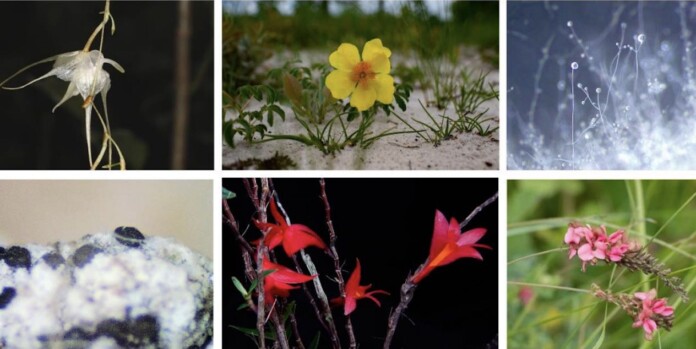
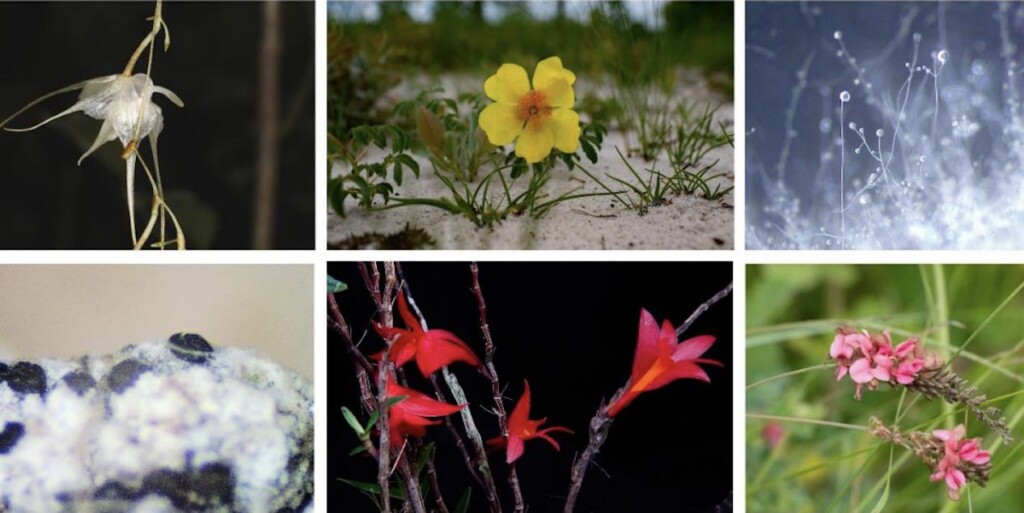
Scientists Pick 10 Favorite New Plants and Fungi Discovered in 2023–From the Mysterious to the Magnificent (Look)

Courtesy of KEW Science
Courtesy of KEW Science, photo credits below.

From microscopic fungi growing on lichens in Antarctica, to a towering tree in Cameroon’s cloud forest, weighing in at 7-8 tons, 2023 was a great year for expanding humanity’s understanding of our woody, flowering neighbors.

74 plants and 15 fungi were named and described for the first time by botanists and mycologists studying around the world on behalf of the prestigious Kew Gardens in London last year.

Recently profiled for your reading pleasure, Kew Gardens selected some which it thought were deserving of special mention as we enter 2024 in earnest.

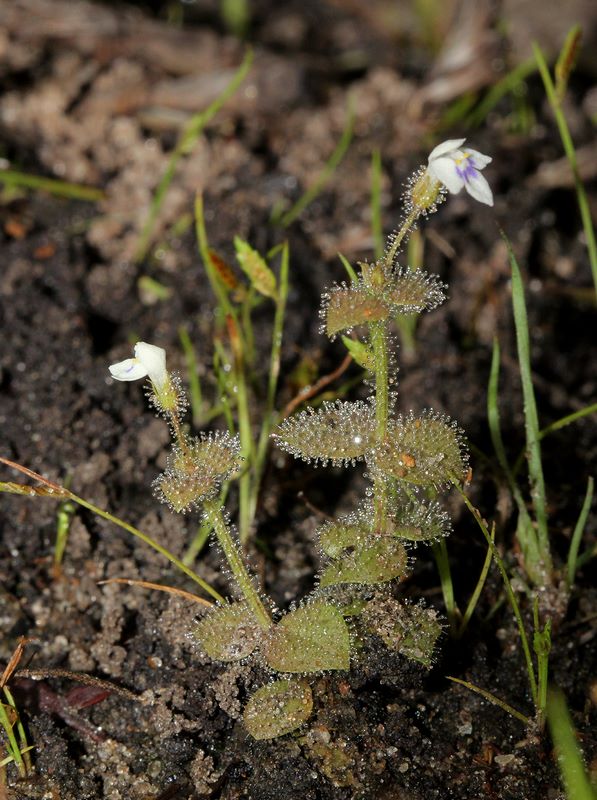
Crepidorhopalon droseroides – © Bart Wursten

During a botanical exploration of Mozambique, botanist Bart Wursten encountered a mysterious plant covered in insect-trapping hairs. It looked just like a sundew (Drosera), a genus famous for its trapping and consumption of insect prey.

Yet, further examination alongside Kew’s Dr. Iain Darbyshire found the plant belongs to the genus Crepidorhopalon, a group of flowering plants in the order Lamiales—including mints and their relatives. In the family that Crepidorhopalon belongs to, no plant carnivory has ever been previously recorded.

Plenty of field and laboratory studies are still needed to confirm whether this new species is truly carnivorous. While we know it can attract and trap insects, whether it can digest and absorb them for nutrition is another question.

Dendrobium lancilabium wuryae – © Yanuar Ishaq Dwi Cahyo

A scientific expedition to the volcanic Indonesian island of Waigeo hoped to rediscover a long-lost blue orchid (Dendrobium azureum) last seen more than 80 years ago.

This they did, on the very summit of Mount Nok. The team, including Kew’s Dr. André Schuiteman, also found multiple previously unknown orchid species as well.

One new find was Dondrobium lancilabium wuryae (a new subspecies of D. lancilabium), an orchid with spectacular red flowers named for Mrs. Wury, the wife Ma’ruf Amin, Indonesia’s vice-president. It is the ninth new orchid from Southeast Asia to be described in the last 12 months by Dr. Schuiteman and partners.

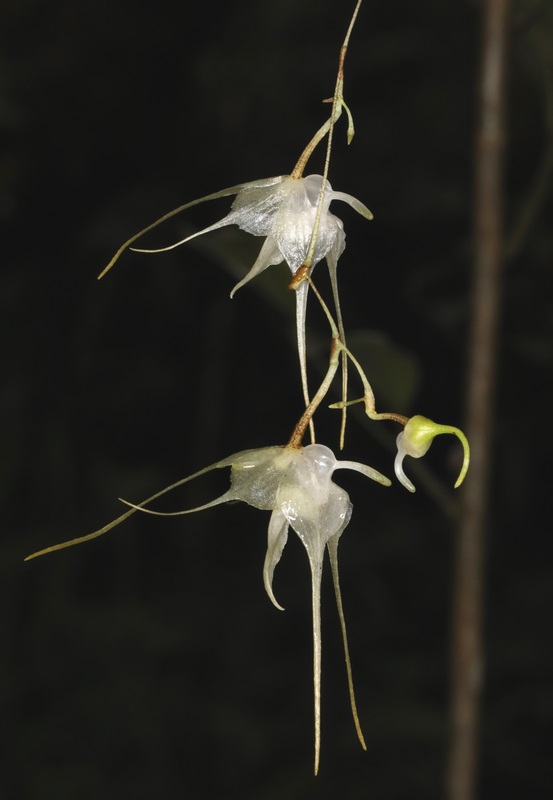
Aeranthes bigibbum – © Johan Hermans RBG Kew

Speaking of orchids, check out this one—growing on top of another plant.

In a tiny forest reserve in Madagascar, a group of Malagasy villagers protect and manage the forest with the hope of protecting the Endangered helmet vanga (Euryceros prevostii), a stunning blue-beaked bird. Visitors flock to glimpse a sight of this rare animal bringing income to villagers and incentivizing the forest’s protection.

It’s in this tiny patch of forest that Kew’s Johan Hermans and his Malagasy botanist collaborators found A. bigibbum, an epiphyte orchid that spends its life growing atop other plants.

Were it not for the care and love for a unique bird, it’s likely this forest would’ve been gone long ago, taking its plant life with it. Care for one species can protect countless others that share its home.

Cochlospermum adjanyae – © Steve Boyes

While this may look like a simple ground dwelling wildflower, the truth of its identity will surprise you. It’s a tree.

During a National Geographic Expeditions survey of remote Angola, Kew’s Dr. David Goyder found two new tree species buried in the Kalahari sands. Trees known to this region have as much as 90% of their body mass deep under the surface.

Cochlospermum adjanyae is named for Adjany Costa, an Angolan colleague recognized for her achievements with the 2019 UN Young Champions of the Earth Africa prize.

Lichtheimia koreana – © Hyang Burm Lee

Of the six Lichtheimia species of fungi known to exist already, three can cause unpleasant human diseases from lung infections to serious skin lesions.

We’re thankful then the latest addition to this genus, found in soy waste across multiple South Korean provinces by Kew mycologist Dr. Paul Kirk, is not so related to its pathogenic cousins and poses minimal health concern.

L. koreana’s relatives have been found across the globe in soil, food products, and busy infecting invertebrates.

Indigofera abbottii – © G. Grieve

This nice flower has a nicer story.

Of the 750 species of Indigofera known to science, 80 of them owe their scientific naming to Dr. Brian Schrire, a Kew Honorary Research Associate. With his co-authoring colleagues, he has named 18 from South Africa in the last year, giving him the special title of Kew’s highest scoring taxonomist of 2023.

One of the new species, Indigofera abbottii is named for Anthony Thomas Dixon Abbott. Abbott’s work as a pioneering conservationist and amateur plant collector has made many new species finds possible. Pressure is on for this new indigo species, with clearance of habitat for agriculture and housing posing questions for the future.

Microchirita fuscifaucia habitat – © Naiyana Tetsana.

Microchirita fuscifaucia arrives on the new species list already threatened. It’s known to just two sites in Thailand, both of which are unprotected and at risk of clearance.

The 47 known Microchirita species live a life almost exclusively atop limestone rocks, with their striking flowers of many colors and patterns. This new species is named for its charismatic dark throat.

It joins seven other species described in 2023 by former Kew scientist Carmen Puglisi, and colleagues David John Middleton, Naiyana Tetsana, and Somran Suddee.

SHARE These Awesome, Intriguing Plants With Green Thumbs You Know…

Farmer Combats Flooding by Returning Creeks to Nature: ‘Wildlife That Has Come is Phenomenal’

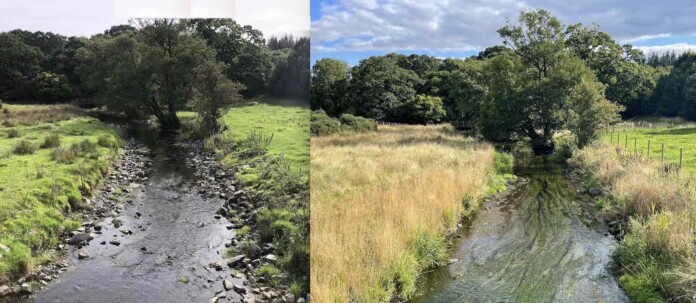
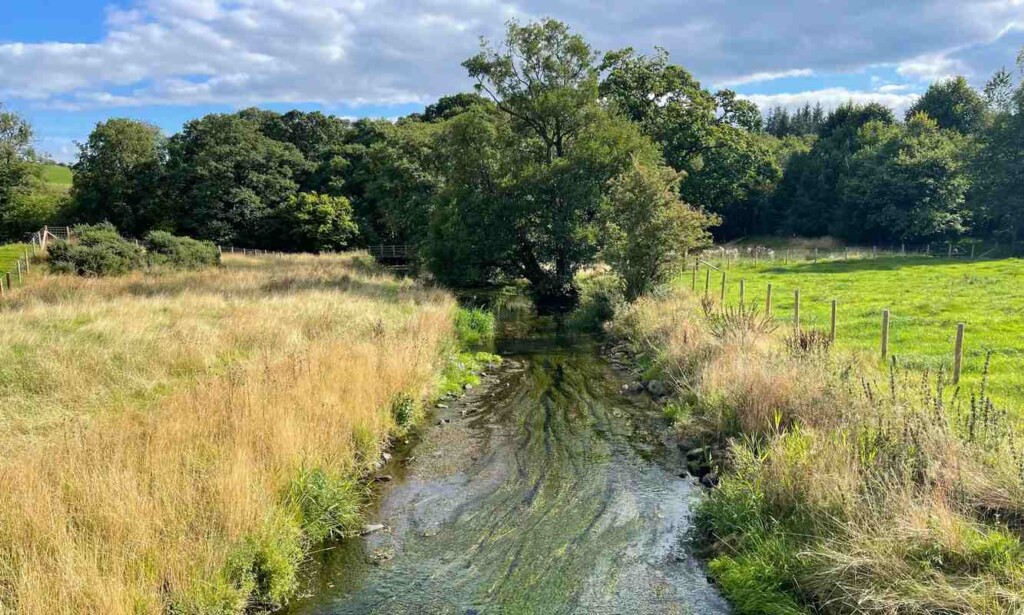
Rewilded creek on Strickley Farm – Courtesy of owner James Robinson

In the UK, farmers are combatting flooding by returning areas of their farms to a more natural state, and seeing the benefits not only in wildlife returning but in flood mitigation.

James Robinson, an intergenerational farmer from Cumbria in northwest England, has worked together with the Ullswater Catchment Management CIC to turn a number of areas of his farm into wetland havens where birds and invertebrates have come back in phenomenal numbers.

To explain a long, related, and detail-filled story in brief, flooding is the UK’s major natural hazard, and part of reason is that many waterways—even small ones—were turned into deep and straight canals hundreds of years ago to permit boats to travel across the country.

Rivers and streams that are deep, straight, and have high banks channel water at much greater volumes and speed than natural, meandering streams—a process which is exactly what some UK farmers like James Robinson have been working to reverse.

The Ullswater CIC, or Community Interest Company, has watched their model of stream restoration spread across the region, which for English readers includes Glenridding, Windermere, West and South Cumbria, and Ullswater.

“People seem to like this model,” said Danny Teasdale, the CEO of Ullswater Catchment Management, in a long, on-site interview conducted by DEFRA.

“And then farmers talk and then someone else will get in touch. We are growing. We’ve been able to employ local contractors, and any money that comes into the CIC goes locally as well,” he said.

There have always been streams running through Strickley Farm where James Robinson and his family have been farming for generations. He calls them “becks” and they have been the epicenter of much flooding over the years.

Becking the trend of flooding

Every so often, Mr. Robinson has had to dredge the streams, pulling up weeds and clearing them out—which was supposed to be flood control, but he never saw it make much of a difference at all.

“Now this bit of land that we had here, 4 or 5 acres—it was rubbish,” he says in a rich northern accent, “in agricultural terms; it was rubbish, but environmentally and its potential or habitat was huge,” Robinson told DEFRA. “So might as well really put it to something where it’s actually going to do a better job than it was for farming.”

ALSO FROM ENGLAND: Wild Bison Return to UK After Thousands of Years – And Are Ready to Tear S*!# Up

Teasdale explains that he surveyed around to map the lowest areas, before re-meandering the stream, putting some ponds where the surrounding depressions were located, and planting about ten acres of trees in clumps along it to prevent soil erosion. Robinson also fenced off the area from his cattle to ensure the vegetation had a chance to robustly regrow.

“The amount of life that has come is absolutely phenomenal,” he told the Guardian. “We get the extra bird life as well. It’s now a fantastic area where there’s always water, there’s always standing water, even when it’s really, really dry.”

“There’re dragonflies in it, there’s snipe in it,” said Teasdale, before adding that Robinson had even seen a barn owl, which hasn’t been seen on the farm in 40 years.

OTHER REWILDING SUCCESS STORIES: Irish Metalhead Turns His Ancestral Estate into Model of Rewilding: It Naturally Grew Into Biodiverse Eden

“We’ve come down here one evening and there it was hunting, and we see it most evenings now hunting over there,” says Robinson.

There are numerous other benefits to restoring the natural path and character of streams and rivers, including for carbon sequestration. Grasslands, and in particularly wetlands, store more carbon underground than forests, because there’s less decomposition of plant material.

YOU MAY ALSO LIKE: Abandoned Ohio Golf Course Being Rewilded into Public Land with Native Fish and Wildlife Returning

Furthermore, in the largest study of its kind in the UK, scientists at the UK Center for Ecology & Hydrology found that numbers of the majority of species did better at a partially-rewilded farm than in other comparable farmed landscapes, but without a drop in yield corresponding to the surrender of farming acres.

The scientists put this down to a variety of “ecosystem services” that are difficult to quantify all together, but could involve such things as like natural pest control from increased numbers of insect-eating birds.

WATCH the interview and see the project for yourself… 

SHARE This Great Project That’s Making Room For Nature In The North of England…