Chris Oman and Rebecca MacDonald were tying the knot in Scotland—with photographer Michael Carver taking pictures.
Michael was packing up when his partner texted him to say that the Northern Lights could be seen over the venue at Bogbain Farm.
Moving at breakneck speed, he asked a guest to fetch the bride and groom in the middle of their wedding afterparty while he set up for what he knew could have been the chance of a lifetime.
“I know how quickly this can come and go so I shouted at some poor guy who was smoking outside to quickly run in and grab the bride and groom whilst I set up my camera,” Michael said.
“I could see the skies flaring up and was even able to see the bright colors with my eyes. We had found Chris but Rebecca was no place to be found. Eventually someone dragged her from the dance floor and I had a few seconds to try and grab a shot while the Northern lights pulsed brightly.”
The newlyweds raced outside and got into position before the lights faded into twilight just seconds after Michael had taken a set of photos.
Newly married couple Chris and Rebecca were thrilled with their photos, which added to the already-magical night.
“There had been rumors during the evening that there may be Northern Lights but no sign before Michael was leaving,” said Rebecca. “We’d said our goodbyes when I heard people shouting for me and saying the Lights were out. Michael got Chris and I in the perfect position and the photos have come out amazing.”
“It was just an unexpected but amazing way to celebrate our wedding! We both feel so lucky to have seen such a spectacle and have Michael capture it so beautifully.”
CELEBRATE This Beautiful Union And One-Of-A-Kind photo On Social Media…
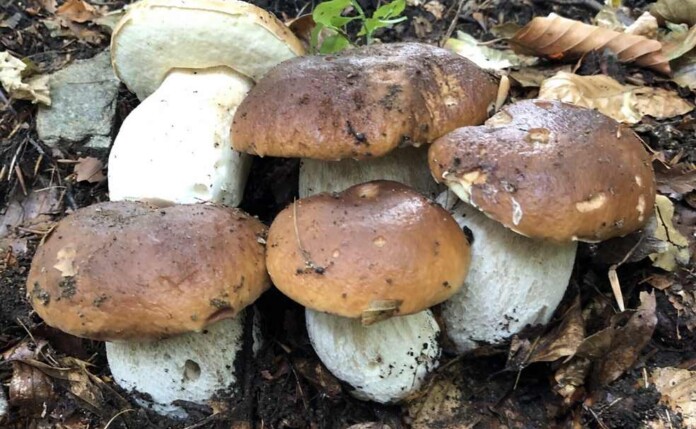
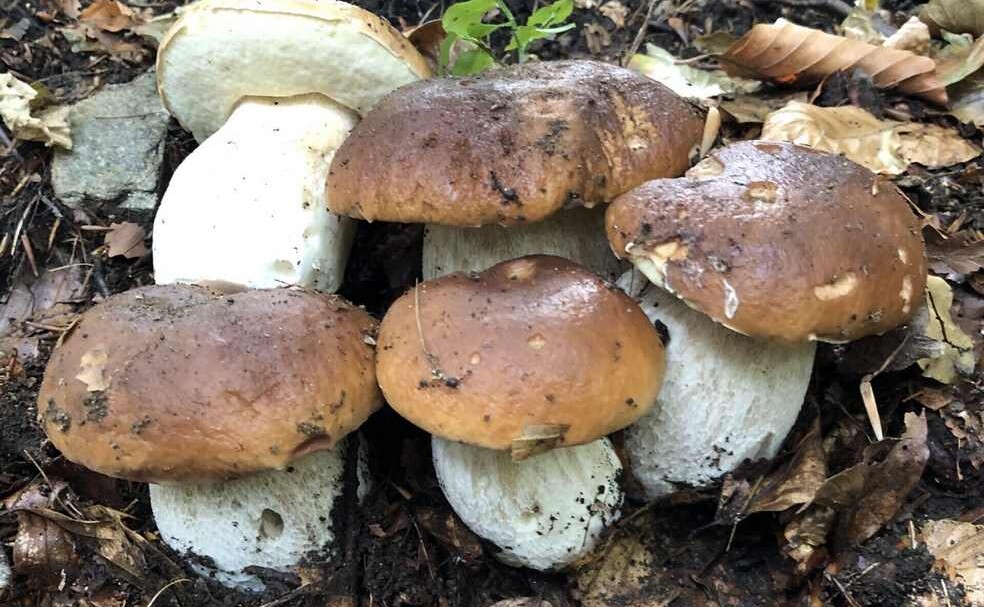
Across Europe, autumn heralds the arrival of the coveted and delicious porcino, or Boletus edulis mushroom. A cultural and culinary icon in Italian cooking, these mushrooms are the target of recreational mushroom picking in Italy and other countries, but they are also powerful antioxidants and can protect against everything from Crohn’s disease to preeclampsia.
Porcini have been harvested for probably thousands of years, but it’s only recently that they’ve been identified as having the second-highest content of a powerful nutrient among all mushrooms examined for it.
The nutrient is called ergothioneine, styled ‘ERG’ for short, and may very well be the 15th vitamin that science has only just discovered we need. If a vitamin is classified as a compound that organisms need for survival, and which they cannot synthesize themselves, but which isn’t a mineral, a fatty acid, or an amino acid, then ergothioneine is a vitamin. It cannot be created in our own bodies, and we even adapted an endogenous transporter molecule specifically for ergothioneine.
Vitamins in large part must be obtained from the diet, and humans’ only whole food source of ergothioneine is mushrooms as near as makes no difference. Some bacteria and yeast can also synthesize ergothioneine naturally, and in consuming them humans consume ergothioneine. However the scientific particulars of that, including the bioavailability of yeast-born ERG, the levels obtainable through consumption, and the potential side effects, are practically non-existent.
A broad review of ergothioneine published in 2020 reports that its deficiency in humans has been found in cases of acute respiratory distress syndrome, CVD, chronic obstructive pulmonary disease, pre-eclampsia, overhydrated hereditary stomatocytosis, “and is significantly lowered in others such as certain leukemias”.
“Brain and serum ERG levels are also markedly different in Parkinson’s disease… and even in sudden infant death syndrome, and ERG has been shown to be protective against β-amyloid-induced neuronal injury, and cytotoxicity,” the authors note, noting that 1-5 mushroom servings per week in the diet can as much as halve one’s chances of developing cognitive impairment.
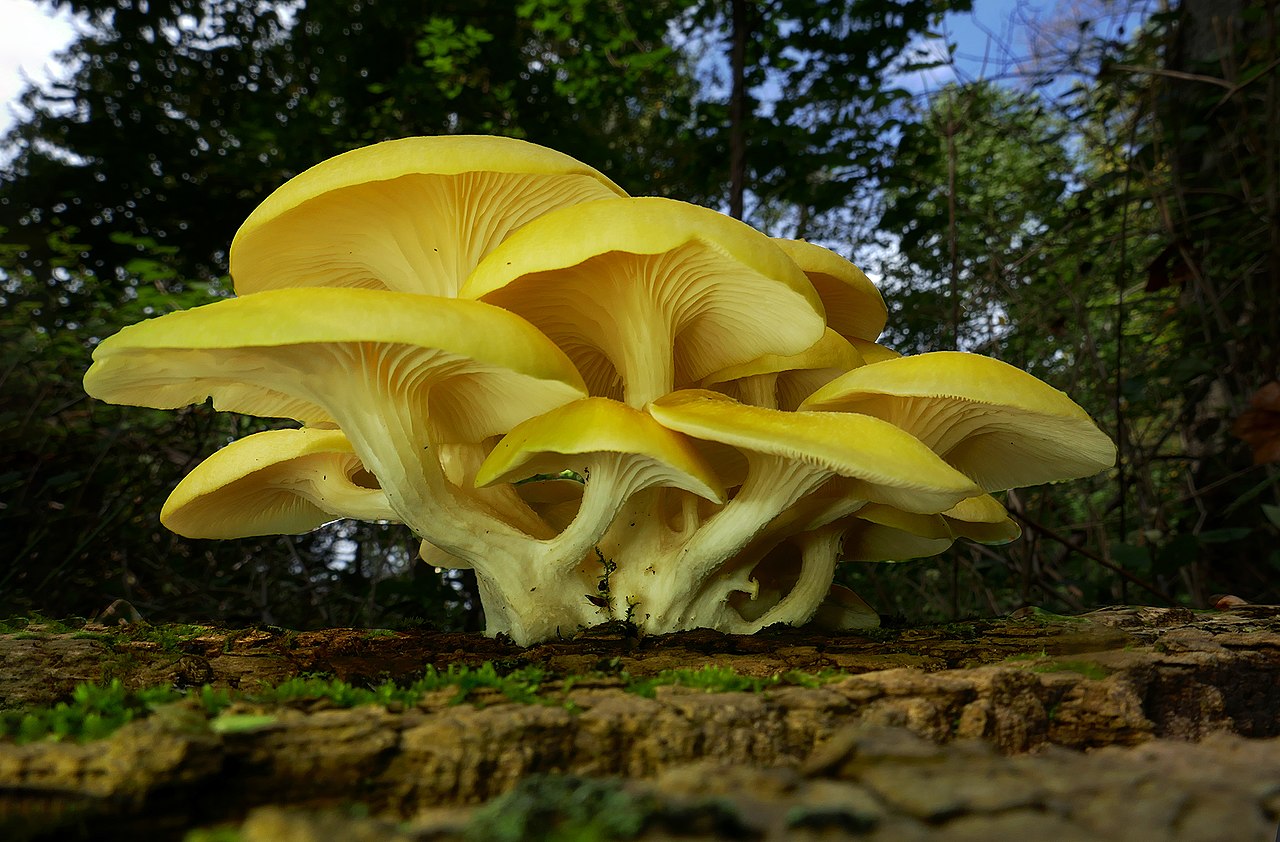
PICTURED: Pleurotus citrinopileatus, or the golden oyster mushroom – CC 3.0. Kerry Givens
The 15th vitamin
Part of the story of ERG becoming a nutrient of such importance as to potentially be considered a new vitamin is SLC22A4, or Solute carrier family 22, member 4. This transport molecule was first identified as being a transporter of carnitine and tetraethylammonium, as well as around 85% of all pharmaceutical drugs designed to take up natural products once inside the body.
The authors of the review quoted above state that a groundbreaking discovery showed in 2005 that ergothioneine was taken up by SLC22A4 at rates 100 times greater than tetraethylammonium, and it became known afterwards as the ergothioneine transporter.
Ergo, (pun intended) vertebrate life either evolved SLC22A4 specifically for fungal consumption and ergothioneine transportation, or it adapted SLC22A4 to suit the transport of ergothioneine after evolving it for some other purpose. In both cases, and since SLC22A4 is found in birds, fish, mammals, and some reptiles, it means life adapted to using ergothioneine as an antioxidant a very long time ago.
Ergothioneine is the main antioxidant in mushrooms. WaL published a three-part story on mushrooms as functional medicine, and indeed the variety of active compounds like triterpenes, polyphenols, and a type of fiber called beta-glucan most importantly, all have incredible antioxidant and anti-inflammatory powers.
In the 2020 review, the authors point out that ergothioneine can prevent the formation of or detoxify, hydroxyl radicals, singlet oxygen, ozone, superoxide, peroxide, hypochlorite, and peroxynitrite—all of which are common “oxidants” which ergothioneine is “anti” to.
Mice, the authors discuss, that had their ergothioneine pathways removed via genetic alterations were at exceptionally higher risks of oxidative stress, and were thus more liable to ischaemic stroke, erythroid differentiation, hearing loss, rheumatoid arthritis, lupus, Crohn’s disease, hearing loss, type 1 diabetes, and diabetic embryopathy.
For this reason, people consider ERG a 15th vitamin because of the rapid degradation of the individual without it, and in fact there is a notable relationship between ergothioneine consumption and longevity.
ERGO, eat mushrooms
Many mushrooms that are thought of as cooking ingredients could easily be described as crossing over from food into edible medicine, something some people call “functional food”. At what point does a food item become so protective and fitness-promoting can we consider it in the same class as medicine? Modern scientists are hashing that out more or less in this generation, but oyster mushrooms certainly fit the bill.
“Many authors indicate that oyster mushrooms could be classified as functional food due to their positive effect on the human organism,” reads a review on the species, concluding that among the various compounds, such as beta-glucans, terpenoids, and polyphenols, oyster mushrooms exhibit “immunostimulatory, anti-neoplastic, anti-diabetic, anti-atherosclerotic, anti-inflammatory, hepatoprotective and anti-oxidative properties”.
Among ERG-containing mushroom species, the highest known to science is the golden oyster mushroom, which if you saw growing from a log in a rain-soaked forest, certainly would appear to be a magical healing herb. Some cultivated specimens have been found to contain 10 milligrams of ERG per gram of dry-weight mushroom.
Porcini, which are mostly not cultivated, can be up to 7.2 mg per gram, the second-highest known source of ERG among measured mushrooms. WaL
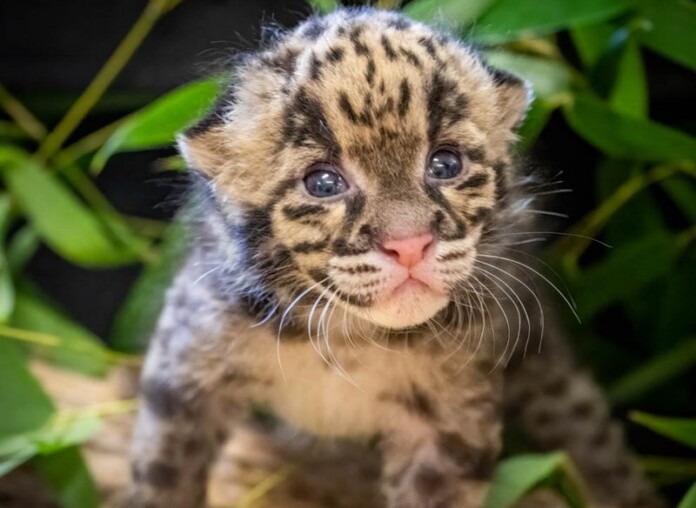
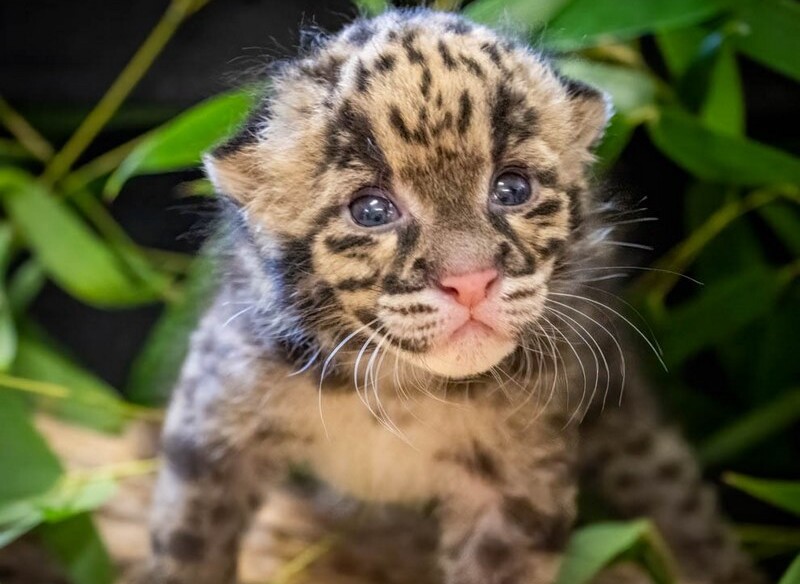
In August, a clouded leopard mother named Rukai gave birth to a kitten, who’s “eating, sleeping and growing,” according to the keepers at the Oklahoma City Zoo where he was born.
The tiny tropical predator, named JD, is doing well, and the zoo reported that as part of a program to ensure the clouded leopard’s survival in the wild, this little fellow will play an important role as an ambassador to the public, 99.999% of whom will never see this nocturnal predator in the wild.
But even with all this seriousness, the zoo couldn’t help but forecast their August as “cloudy, with a 100% chance of making you go ‘Aww.'”
Clouded leopards are native to South and Southeast Asia, but have disappeared entirely from several nations like Vietnam and Taiwan. Current science states that it was the first cat to diverge from the common ancestors of all big cats over 9 million years ago.
Clouded leopards have incredible dexterity, and can climb down trees head first and are able to hang from tree branches by bending their hind paws and tail around a tree limb. They can climb onto horizontal branches whilst hanging with their back to the ground like a monkey.
A unique population, the Formosan clouded leopard native to Taiwan, is officially considered extinct, though anecdotal sightings are enough to make science also officially open to considering the alternative. If they do still exist, they would be the rarest wildcat on Earth.
A solitary cat in the wild, early captive-breeding programs involving clouded leopards were not successful.
“For a long time, [zoos] were having a lot of injuries and even deaths of females when people were trying to do breeding introductions,” Adrienne Crosier, a biologist at the Smithsonian’s National Zoo, told Smithsonian Magazine.
“So, we started pairing young individuals—male and female—together so that they would grow up together, they would have that bond and then they would breed as adults.”
Earlier this year, the Panther Ridge Conservation Center in Florida welcomed four clouded leopard kittens, as did a zoo in Nashville, a real boon to the population which is considered Vulnerable by the IUCN Red List.
WATCH the Nashville Zoo’s kitten explore its new world…
ADORABLE 🥰 Nashville Zoo has welcomed their very own clouded leopard cub!
Quote of the Day: “You’re only here for a short visit. Don’t hurry and don’t worry.” – Walter Hagen
Photo by: Amy Treasure
With a new inspirational quote every day, atop the perfect photo—collected and archived on our Quotes page—why not bookmark GNN.org for a daily uplift?
In 2015, Drs. Xiao Zhen Zhou (left) and Kun Ping Lu discovered the association between cis P-tau and Alzheimer’s, traumatic brain injuries and stroke. The new study is the first to identify the toxic protein outside the brain in the placenta and the blood of preeclampsia patients. (Schulich School of Medicine & Dentistry photo)
In 2015, Drs. Xiao Zhen Zhou (left) and Kun Ping Lu – Schulich School of Medicine & Dentistry photo
A protein long believed to be linked with Alzheimer’s has now been identified as a potential smoking gun for the most common cause of mortal childbirth complications after a drug was shown to have cure-like effects in mice.
Pre-eclampsia is a pregnancy complication that affects up to 8% of pregnancies globally and is the leading cause of maternal and fetal mortality due to premature delivery, complications with the placenta, and lack of oxygen.
It was during the course of looking for a treatment for pre-eclampsia that Brown University’s Surendra Sharma and Sukanta Jash discovered that a key marker for the disease was also present in the brains of Alzheimer’s patients.
Cis P-tau protein is a toxic amyloid found abundantly in the brains of people with strokes, Alzheimer’s disease, traumatic brain injury, and other cognitive degeneration, an association discovered by Drs. Kun Ping Lu and Xiao Zhen Zhou from Western Ontario University.
Dr. Zhou was in the middle of trialing an antibody drug that targeted cis P-tau while leaving other proteins unharmed.
Drs. Sharma and Jash were curious whether the same antibody could work as a potential treatment for pre-eclampsia. Upon testing the antibody in mouse models they found astonishing results.
“In this study, we found the cis P-tau antibody efficiently depleted the toxic protein in the blood and placenta, and corrected all features associated with pre-eclampsia in mice,” Dr. Sharma told the Western University press.
“Clinical features of pre-eclampsia, like elevated blood pressure, excessive protein in urine, and fetal growth restriction, among others, were eliminated and pregnancy was normal.”
Lu and Sharma had met at Brown in 2019, where Lu was invited to give a lecture on his research. Following an engaging session and a few dinners together, a collaboration between the Western researchers and Brown was forged.
“Science surprises us. I had never thought of working on finding a therapy for preeclampsia,” Lu admitted. “It also shows that a collaboration can be transformative.”
Sharma and his team at Brown have been working on developing an assay for early detection of preeclampsia and therapies to treat the condition. He believes the findings of this study have brought them closer to their goal.
SHARE This Serendipitous Cure Potential With Your Friends…
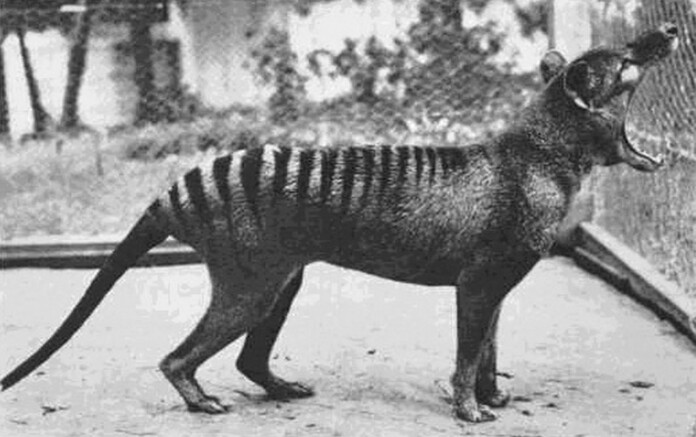
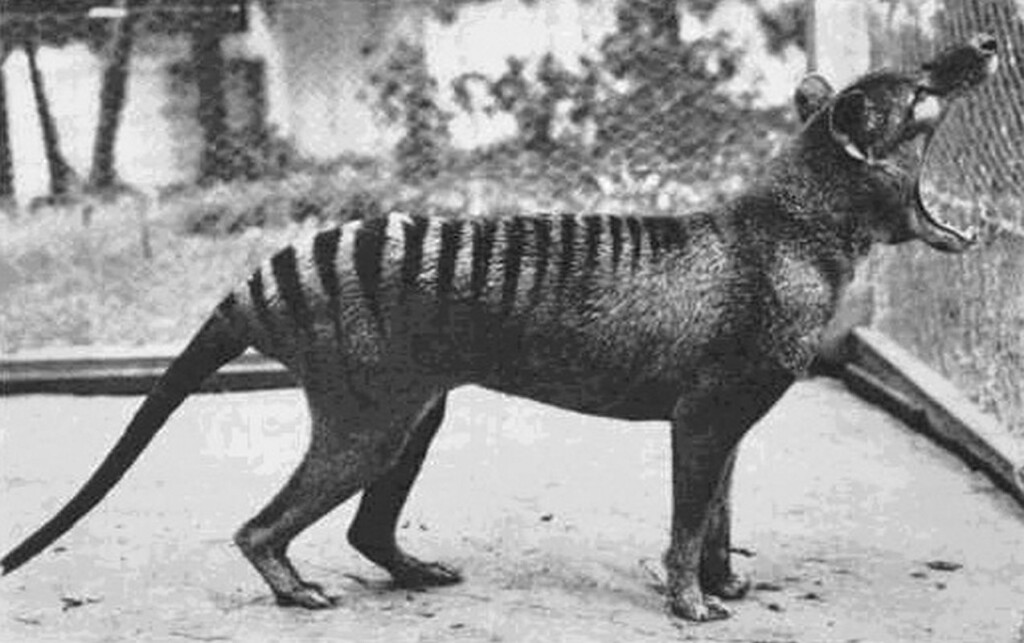
A team of Scandinavian researchers has recovered messenger and micro RNA from a Tasmanian tiger specimen kept in a museum collection.
It’s the first-ever collection of RNA from an extinct creature in history, an achievement long sought after in the study of extinct species and for other applications.
The Tasmanian tiger, or thylacine, was truly unique for an apex predator. This large predatory marsupial was king among Tasmanian forests which remain largely intact since its extinction 130 years ago.
For this reason, the potential resurrection of the thylacine has received a lot of attention, as it would immediately solve many problems facing the balance of the Tasmanian ecosystem without the complexities of trying to replace the apex predator role with a non-native animal.
The thylacine evolved on Tasmania, and putting it back would be by far the easiest solution provided the incredibly difficult task of somehow recreating the thylacine through paleogenomics could be accomplished. Colossal Biosciences in Texas is currently working to produce viable thylacine-like embryos using already sequenced DNA to raise in surrogates over the next few years.
Now though, a Swedish-Norwegian team has isolated the transcriptome of the skin and skeletal muscle tissues from a 130-year-old desiccated Tasmanian tiger specimen preserved at room temperature in the Swedish Museum of Natural History in Stockholm.
The functional difference between DNA and RNA is that DNA stores genetic information which only RNA can read. RNA reads and carries out the instructions for protein-coding contained within DNA.
The researchers were able to isolate useable RNA from a thylacine that carried instructions for skin and skeletal muscle coding which might be key to any resurrection.
“This is the first time that we have had a glimpse into the existence of thylacine-specific regulatory genes, such as microRNAs, that got extinct more than one century ago,” says Marc R. Friedländer, Associate Professor at the Wenner-Gren Institute at Stockholm University.
The authors point out that museum collections around the world contain vast collections of endangered and extinct species, and their technique for recovering the thylacine RNA holds promise for the study and or protection of all these creatures.
They write that the RNA from the thylacine looks a lot like that of existing marsupials.
“Resurrecting the Tasmanian tiger or the woolly mammoth is not a trivial task, and will require a deep knowledge of both the genome and transcriptome regulation of such renowned species, something that only now is starting to be revealed,” says Emilio Mármol, the lead author of a study recently published in the Genome Research journal.
The idea of resurrecting a species has nothing to do with cloning, and has so far centered around the idea of altering the genetic expression of the animal’s closest living relative in utero. In the case of the wooly mammoth, it would be the elephant, and in the case of the thylacine, perhaps the fat-tailed dunnart or Tasmanian devil.
SHARE This Impressive Feat Of Science With Potentially World-Changing Implications…
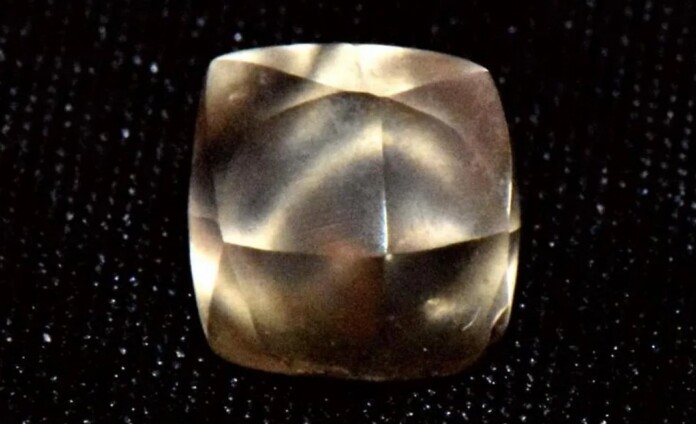
Whether she likes Disney Princesses or not, a 7-year-old girl was certainly celebrating her birthday like one after finding a 2.95-carat diamond on a hike in Arkansas.
Found in Crater of Diamonds State Park, located on the site of an extinct diamond volcano, it’s about the size of a green pea, golden brown in color, and without a single broken facet.
Aspen Brown and her father Luther went to the park in September for her birthday, several weeks after construction workers had dug out a 150-foot-long trench for infrastructure, which the Park Superintendent, Caleb Howell, said probably brought several tons of diamond-bearing material to the surface.
Dad Luther remembers the moment quite clearly, as it was a very warm day in the diamond search area.
“She (Aspen) got hot and wanted to sit down for a minute, so she walked over to some big rocks by the fence line,” Mr. Brown said according to a park statement. “Next thing I know, she was running to me, saying ‘Dad! Dad! I found one!’”
It’s the second-largest diamond found in the park this year, and was found close to where another large diamond, the 3.72-carat Caro Avenger, was discovered in 2019. The birthday girl decided to name it the “Aspen Diamond.”
A Google search for a diamond of that size in white shows they can cost anywhere from $12,000 to $50,000 polished and set.
“Aspen’s diamond has a golden-brown color and a sparkling luster. It is a complete crystal, with no broken facets and a small crevice on one side, created when the diamond was formed,” said Waymon Cox, assistant park superintendent. “It’s certainly one of the most beautiful diamonds I’ve seen in recent years.”
100 million years ago, a hotspot where pressures, temperatures, and materials mix in the perfect quantities to forge diamonds deep in the Earth’s mantle—the second layer of the planet below the crust—was forced to the surface through volcanism.
Smithsonian Institute’s Sarah Kuta reports that precious stones found in the park include garnet, jasper, quartz, amethyst, and agate, as well as diamonds in three colors: yellow, brown, and white.
The Crater of Diamonds is the only safe place in the world where the public can prospect for diamonds and keep what they find. Around 89 carats in total have been found there.
SHARE This Sparkling Story Of An Unforgettable Birthday With Your Friends…
The search has intensified for alternative energy-saving technologies for heating and cooling that don’t run on fossil fuels.
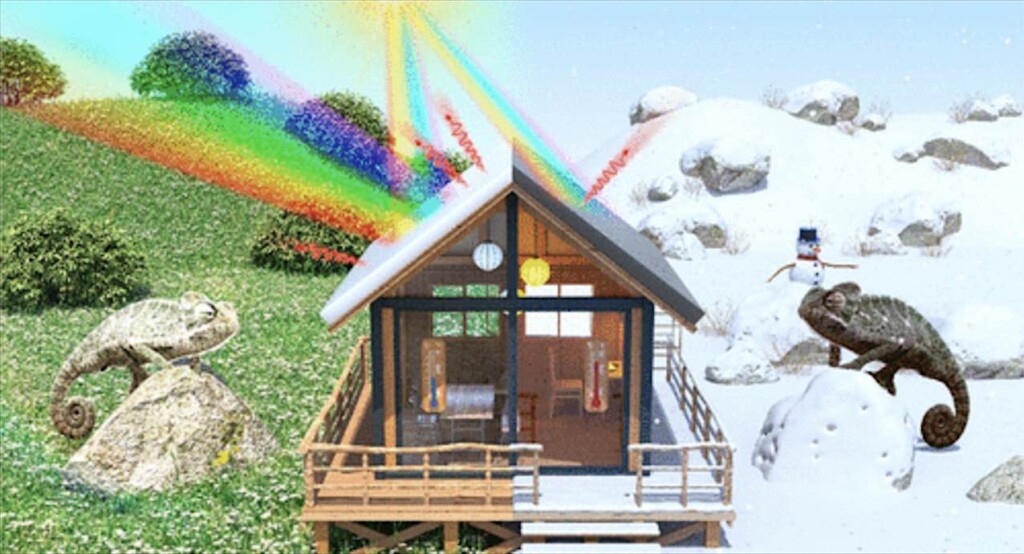
Now, by mimicking a desert-dwelling chameleon, Chinese scientists have developed a cheap energy-efficient, cost-effective coating on houses.
They say the new material could keep buildings cool in the summer or warm in the winter without using additional energy.
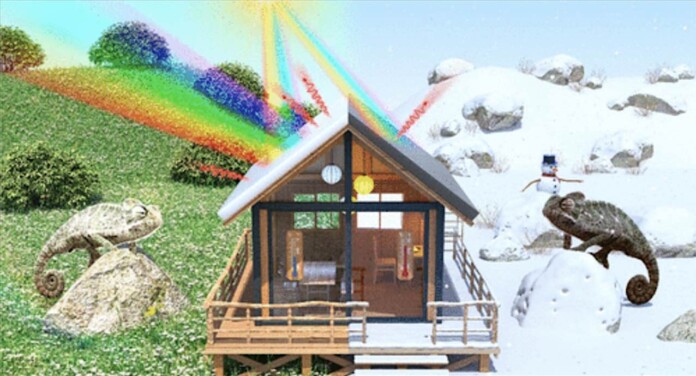
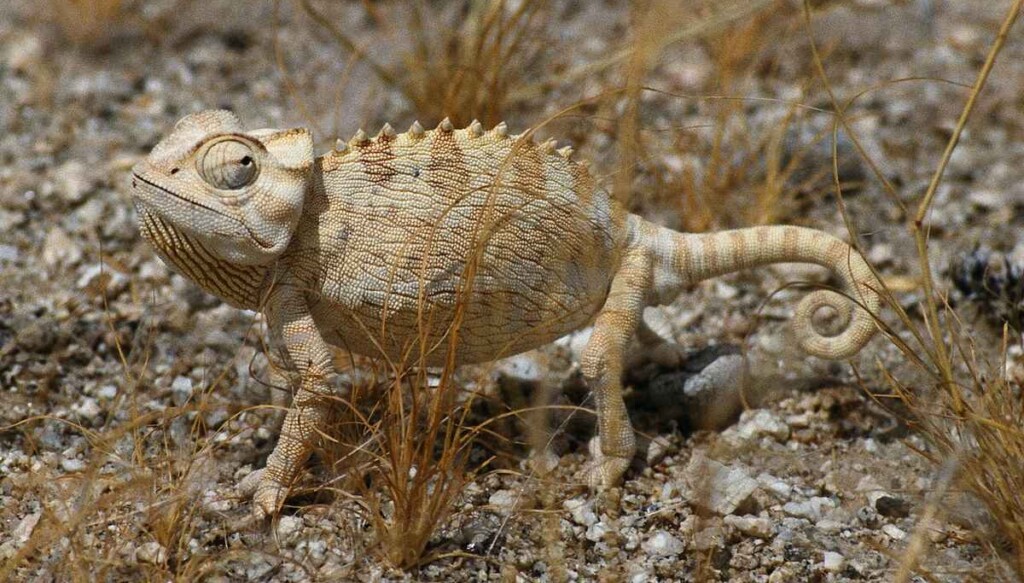
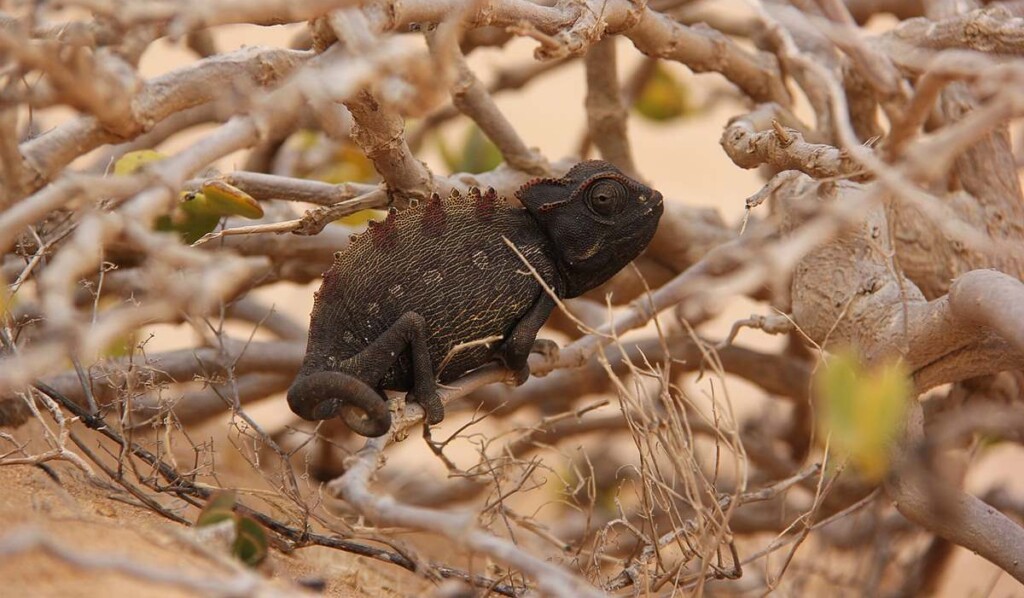
“Many desert creatures have specialized adaptations to allow them to survive in harsh environments with large daily temperature shifts,” said Dr. Fuqiang Wang, author on the paper describing the invention and researcher at the Harbin Institute of Technology. “For example, the Namaqua chameleon of southwestern Africa alters its color to regulate its body temperature as conditions change.”
This critter in particular appears light grey in hot temperatures to reflect sunlight and keep cool, then turns a dark brown once it cools down to absorb heat instead.
This unique ability is a naturally occurring example of passive temperature control—a phenomenon that could be adapted to create more energy-efficient buildings.
But many systems, such as cooling paints or colored steel tiles, are only designed to keep buildings either cool or warm, and can’t switch between modes.
Inspired by the Namaqua chameleon, Dr. Wang and his colleagues wanted to create a color-shifting coating that adapts as outside temperatures fluctuate.
To make the coating, the team mixed thermochromic microcapsules, specialized microparticles, and binders to form a suspension layer, which they sprayed or brushed onto a metal surface.
When heated to 68 degrees Fahrenheit, the surface began to change from dark to light grey. Once it reached 86F, the light-colored film reflected up to 93% of solar radiation.
Namaqua Chameleon Hans Stieglitz CCLaika – CC2.0 Namaqua Chameleon
“Even when heated above 175 degrees Fahrenheit for an entire day, the material showed no signs of damage,” reported Dr. Wang.
The team then tested it alongside three conventional coatings—regular white paint, a passive radiative cooling paint, and blue steel tiles in outdoor tests on doghouse-sized buildings throughout all four seasons.
In winter, the new coating was slightly warmer than the passive radiative cooling system, though both maintained similar temperatures in warmer conditions.
In summer, the new coating was significantly cooler than the white paint and steel tiles, according to the findings published in the journal Nano Letters.
“During spring and fall, the new coating was the only system that could adapt to the widely fluctuating temperature changes, switching from heating to cooling throughout the day,” Dr. Wang added.
The researchers say that the color-changing system could save a “considerable” amount of energy for regions that experience multiple seasons, while still being inexpensive and easy to manufacture.
SHARE This Nature-Inspired Solution To Save On Heating With Your Friends…
Quote of the Day: “Though we travel the world over to find the beautiful, we must carry it with us, or we find it not.” – Ralph Waldo Emerson
Photo by: Ryan Spencer
With a new inspirational quote every day, atop the perfect photo—collected and archived on our Quotes page—why not bookmark GNN.org for a daily uplift?
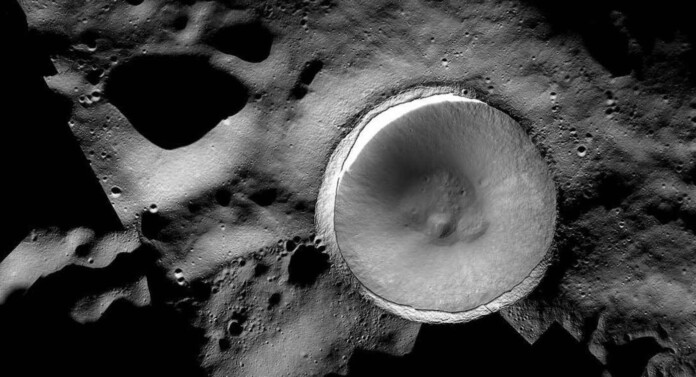
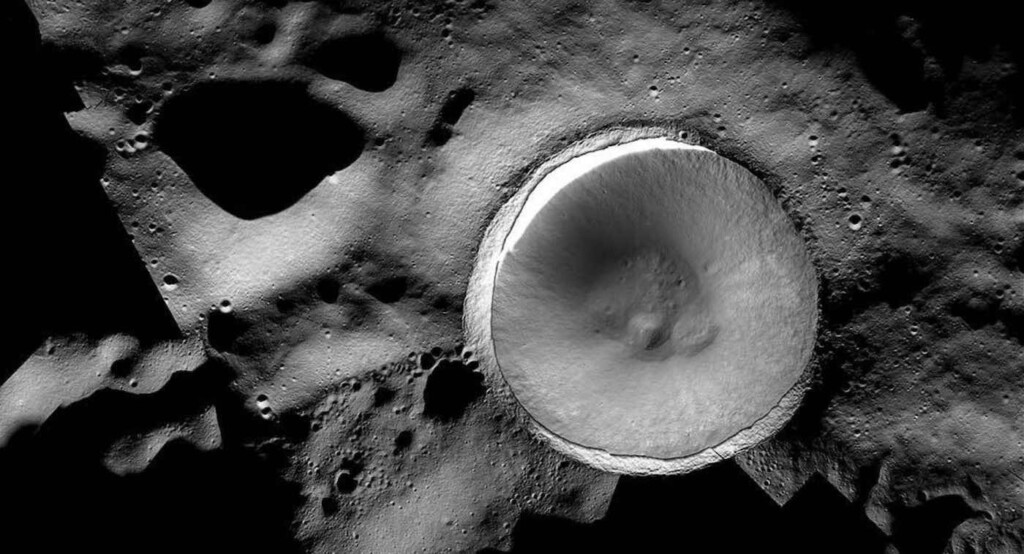
Shackleton crater on the moon - NASA ShadowCam / Arizona State University / Korea Aerospace Research Institute
Shackleton crater on the moon – NASA ShadowCam / Arizona State University / Korea Aerospace Research Institute
Of all of NASA’s missions and toys, ShadowCam has gone under the radar after it went into orbit around the Moon last December.
Designed to image directly into the permanently shadowed craters at the Lunar poles, ShadowCam is 200 times more sensitive to light than previous Lunar cameras.
ShadowCam is one of six instruments on board the Korea Aerospace Research Institute (KARI)’s Korea Pathfinder Lunar Orbiter, known as Danuri, which launched in August 2022.
What secrets is ShadowCam revealing? It’s helping scientists understand how much ice is located at the bottom of these craters which have been measured as some of the coldest places in all the solar system. NASA knows there are ices there, but what they hope to learn with ShadowCam and a future mission involving a rover will be what happens to ice and soil when they go without so much as a single lumen of sunlight for literally billions of years.
In 2009, NASA crashed to spacecraft into the Moon and revealed the presence of “volatiles,” a shorthand term in astronomy to refer to solid, icy forms of gases or liquids like water, methane, CO2, carbon monoxide, and ammonia.
The condition of these volatiles is important to understand since they can be used to create drinking water for astronauts, rocket propellent for returning home, and as shielding agents against the harmful radiation of the Sun, key components of sustaining the longtime goal of the Artemis missions to establish a permanent presence on the Moon.
“We know the volatiles are there, but we don’t know if it’s icy dirt or dirty ice,” Jacob Bleacher, chief exploration scientist at NASA, told Nat Geo.
To get a closer look, or to examine specific examples spotted by ShadowCam, NASA is sending the VIPER, or Volatiles Investigating Polar Exploration Rover next year, to make daily dips into the polar craters and extract samples before hurrying back up to the surface before the 9 hours of battery expires down in the darkness without the Sun’s rays to recharge it.
In general, it’s difficult for spacecraft to survive on the moon since after 14 days of perpetual daylight it has to endure 14 days of darkness, but the VIPER will have solar panels mounted on the sides of its chassis which will catch sunlight in the polar regions that receive low-angled sun pretty much all the time.
WATCH a NASA explainer video…
EXCITED About The Return To The Moon? SHARE This Story With Others…
The indigenous people of the Himalayas, often referred to as Sherpas, are without a doubt some of the most incredible members of our species.
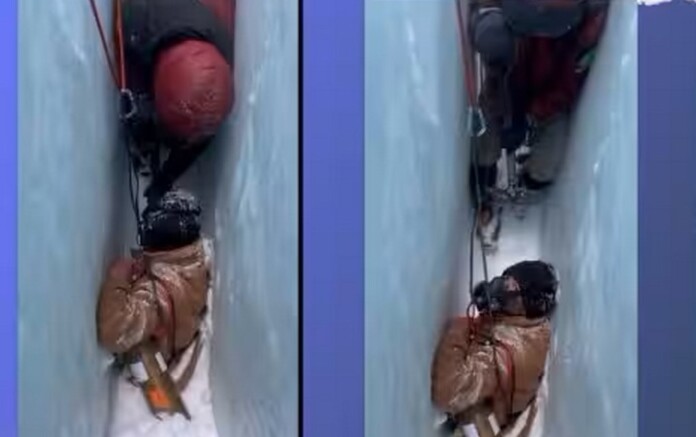
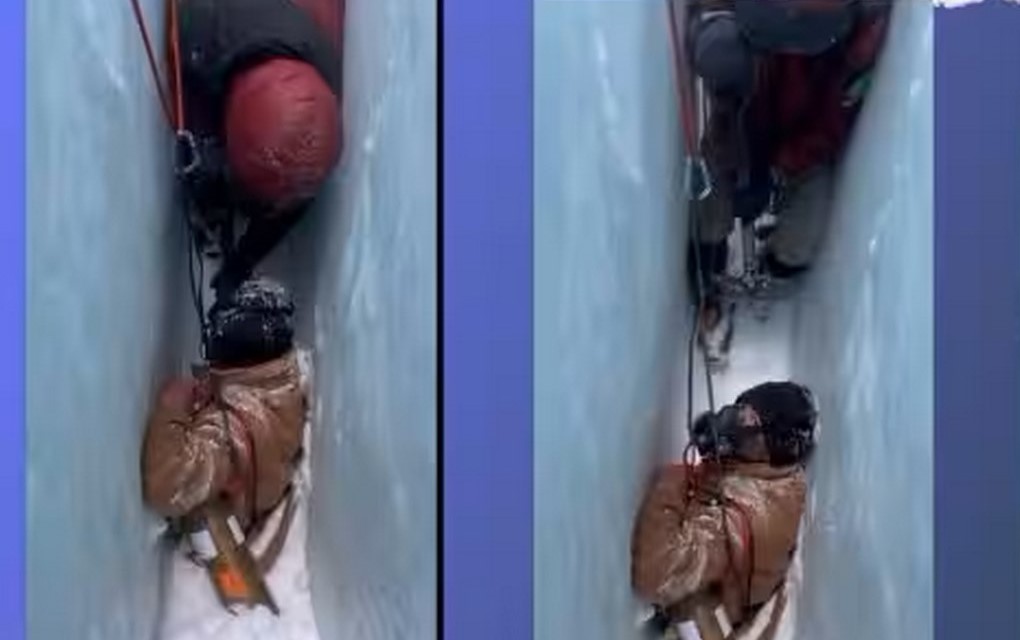
Just take a look at this video of master mountaineer Gesman Tamang, rescuing a comrade who fell 200 feet down a crevasse, 20,000 feet up on the slopes of Everest, or Sagarmatha, in their language.
Whilst shoveling out the snow to free the trapped Sherpa, Tamang and another Sherpa can be heard laughing and cracking jokes during what is a textbook example of the single worst place a climber could ever find themselves in.
Mountain glaciers are literally rivers of ice, and they can move several feet per day. Crevasses form during this slow-motion grind down the mountain, as the top layer of ice isn’t as strong, and cracks rather than resists the pressure.
Crevasses can be 200 feet deep or more, and can form or expand in just a matter of hours.
“My gratitude goes out to all those involved in this rescue, and also to the Sherpa himself. His strength and resilience played a significant role in his survival.”
During this year’s climbing season, GNN reported on another Sherpa guide who convinced his client to abandon the attempt to summit Everest so he could rescue a Malaysian climber trapped in the Death Zone where humans can’t survive without oxygen masks.
In the video he posted to his equally worthwhile Instagram account, he can be seen wrapping the injured climber in a blanket, tying it up with cords, and carrying him down on his back.
A common surname, ‘Sherpa’ is actually a slang term for “Eastern People”.
These super-human Himalayans hold dozens of world mountain climbing records and have epigenetic adaptations and spiritual beliefs suited for living at high altitudes.
SHARE This Story Of Sherpas Saving Sherpas On Your Friends’ Social Media…
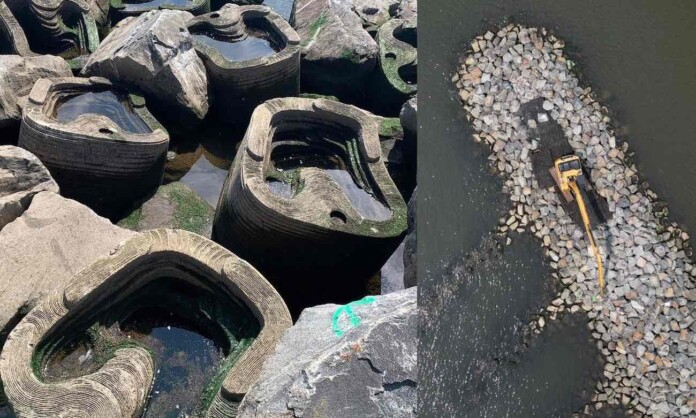
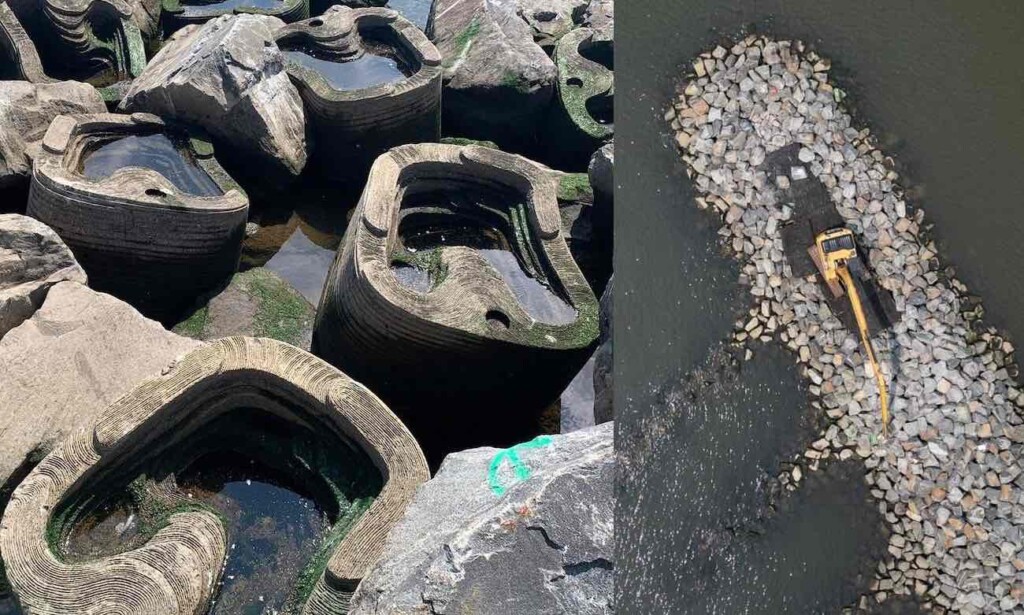
Living Breakwaters coastal defense system in Staten Island – Obel Award winner 2023
Living Breakwaters coastal defense system in Staten Island – Obel Award winner 2023
Off Staten Island, a new concrete breakwater is being assembled that makes room for nature in a beautiful, yet simple way.
Dubbed a ‘Living Breakwater,’ every one of the blocks is specially formed to maximize the space for bivalves like oysters to glom onto, while above the water line, depressions capture the seawater and allow for tidal pools to form in the tops.
Designed by Kate Orff, of the eco-design and architecture firm SCAPE, their brilliance comes from the subtle tweak to an existing product that makes room for nature.
Orff had originally created them for a US Department of Housing and Urban Development contest in the wake of Hurricane Sandy called Rebuild by Design, but now, Living Breakwaters have been awarded the Obel Award (not to be confused with the Nobel Award) for this year’s theme of adaptation.
“The physical design of Living Breakwaters is an ingenious mix of natural and carefully modeled artificial elements that mimic naturally occurring reef formations in order to support marine life,” read the Obel Award citation.
“Architecture must recognize its ecological and social responsibilities. Living Breakwaters does exactly that. As such, this relatively low-cost, low-tech response provides a seminal example of how to design not against but with nature in adapting to the changes that lie ahead.”
As oysters colonize and put the ‘life’ in the Living Breakwaters, the space between each individual block will narrow and harden, making it more effective as a flood and storm defense system.
Orff explained that with her invention and other solutions like it, humanity can act fast to tie back the various components of nature’s protective systems.
“[It] will not only protect humans and revitalize the coastline of New York City but also restore lost marine biodiversity,” said American landscape architect Martha Schwartz, who served as chair of this year’s Obel Award jury.
“This is a visionary project that tackles the full task of adaptation, and which has the capacity to inspire and to positively impact vulnerable shorelines worldwide.”
SHARE This Award-Winning, Osyter-Approved Harbor Wall With Your Friends…
After an 18-year-old got caught under the tire of the rear axle of a Berlin commuter bus, a swarm of bystanders jumped into action.
It started with the bus driver who quickly noticed the young man and stopped, after that it was down to around 40 passengers and passersby who all lined up alongside the vehicle and began to push.
“There was chaos,” Frank Kurze, one of the volunteer rescuers told German news channel n-tv. “I saw the men trying to lift the bus, and it was clear to me that I also had to help lift the bus and try pull the young man from underneath.”
Before long the manpower prevailed and the victim was hauled out to a trio of waiting physicians—two nurses and a surgeon, who administered first aid on what the Berlin police department described as an injury to the pinned arm.
“He was responsive but very perplexed and didn’t know what was happening,” said Sandra Grunwald, one of the nurses, who along with two colleagues saw what was happening from their office window, and all together ran out to help. “I think it’s nice that one can still more or less have trust in society,” she added.
N-tv further reported that the man was taken to the hospital and underwent surgery on his arm.
The Berlin police said they were impressed by the quick, collective actions of the Berliners, who they described as “heroes”.
“Thank you, Spandau, thank you, Berlin,” the police department wrote on X, formerly known as Twitter.
WATCH some of the rescue footage…
Es gibt sie doch noch die guten Nachrichten: In Berlin wird ein 18-Jähriger eingeklemmt und 40 Menschen heben den Bus an. Mit ihrer Hilfe wurde die rechte Seite des Busses der Linie 135 der Berliner Verkehrsbetriebe (BVG) angehoben. Der Jugendliche konnte so geborgen werden.… pic.twitter.com/fs2xEGgt8X
Quote of the Day: “Just remember, once you’re over the hill you begin to pick up speed.” – Charles M. Schulz
Photo by: Centre for Ageing Better
With a new inspirational quote every day, atop the perfect photo—collected and archived on our Quotes page—why not bookmark GNN.org for a daily uplift?
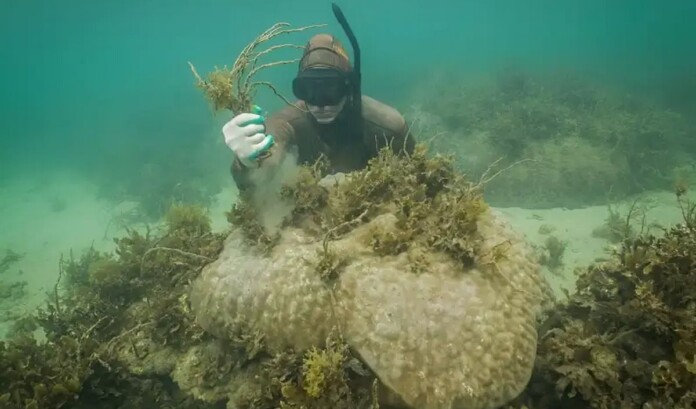
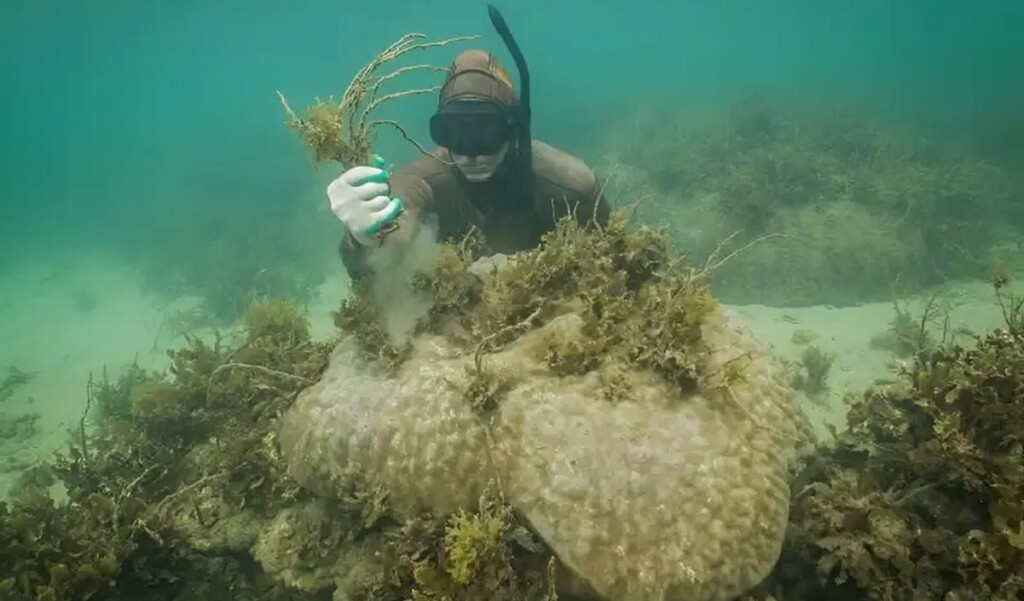
Dr. Adam Smith removes macroalgae from corals off the coast of Magnetic Island. Credit Roxana Caha
Dr. Adam Smith removes macroalgae from corals off the coast of Magnetic Island. Credit Roxana Caha
Any good gardener knows what a good de-weeding can do for a vegetable garden. As it turns out, it’s much the same for coral reefs.
Following a volunteer “sea-weeding” program launched in Australia, scientists are witnessing compounding coral recovery both in quantity and diversity, and suggest that this simple method has the power to transform degraded reefs overrun by macroalgae.
In a balanced ecosystem, macroalgae is kept in check by the size and health of corals, but as extreme weather events or coral bleaching causes some sections of reef to die, macroalgae has no other neighbor keeping a check on its spread.
Over a period of three years, the joint Earthwatch Institute program led by James Cook University Senior Research Officer Hillary Smith and Professor David Bourne, also at JCU and the Australian Institute of Marine Science, has organized volunteer citizen scientists to help remove macroalgae at two experimental reef sites.
The results of the first three years of work and study have now been published in the Journal of Applied Ecology, and they show a 600% increase in coral recovery rates.
“It’s just like weeding your garden,” Smith said. “Every time we return, the seaweed is growing back less and less, so this method could provide lasting benefit without requiring endless effort.”
The sites were located in the central zone of the Great Barrier Reef at an inshore location called Yunbenun (or Magnetic Island).
The importance of the study, Smith details, is that a lot of reef recovery efforts globally are powered by expensive, high-tech, and experimental solutions. The study hoped to show that manual de-weeding was just as effective, and thereby encourage organizations or nations that lack the tech or funding of a country like Australia to pursue sea-weeding as a way of protecting their corals.
“We have yet to see a plateau in coral growth within these plots at Magnetic Island, which is characterized as one of the degraded reefs on the Great Barrier Reef,” Smith said. “We also found an increase in coral diversity, so this method is benefitting a wide range of different coral types.”
Smith said her team are now scoping other locations where the sea-weeding technique could be useful, including the Whitsunday Islands, which are home to a different species of predominant seaweed.
They also want to employ them in French Polynesia, Indonesia, and even Singapore, where experts have identified out-of-control macroalgae spread along coral reefs.
SHARE This Undersea Gardening Story With Your Friends…
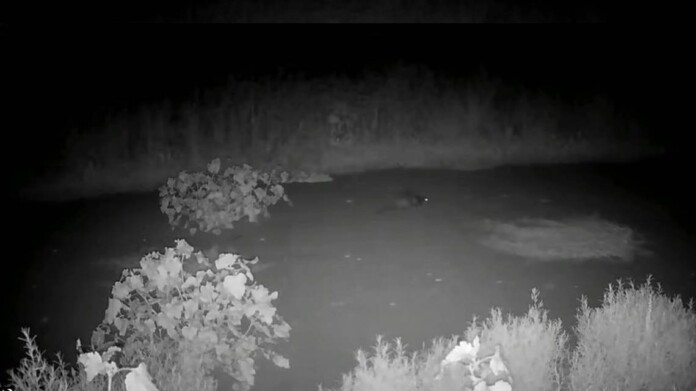
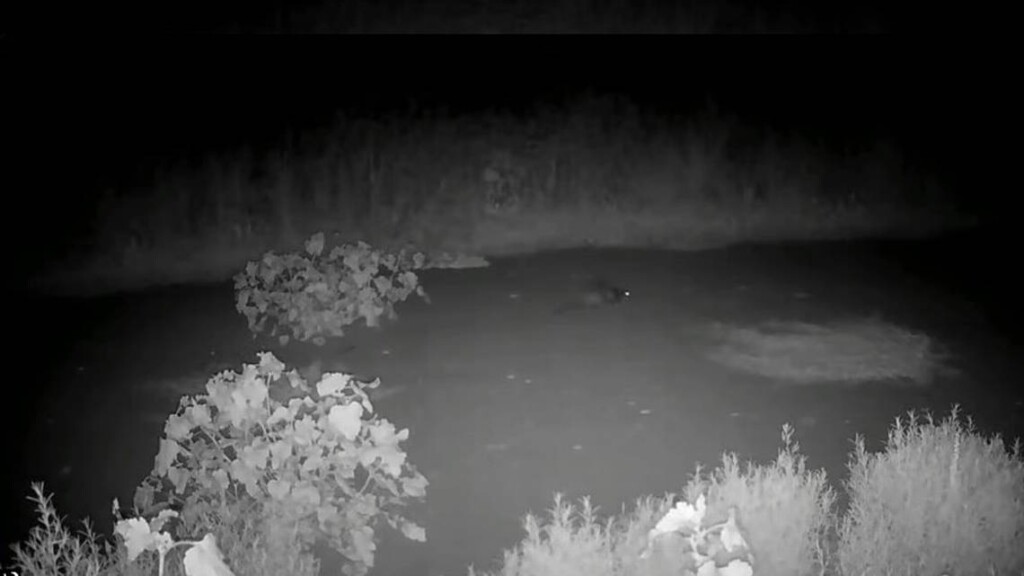
A strange creature was spotted in a trail cam scampering across the Matadero Creek near Palo Alto south of San Francisco.
Biologists were scratching their heads as they reviewed the footage. It was clearly a mammal, but there are only a certain number of mammals in the area.
“Finally, it hit me in the head,” Bill Leikam, president and co-founder of the Urban Wildlife Research Project, told SFGate. “Could that be a baby beaver?”
In the 21st century, the Bay Area has witnessed a number of mammalian returns and the Urban Wildlife Research Project has typically specialized in documenting the return of the gray fox, but breeding beavers haven’t been recorded in the Palo Alto area in 160 years.
In September 2022, a pair of beavers was photographed on the trail cameras; Leikam believes that it’s possible they have had a baby, because the one that darted past their trail camera was simply too small to be an adult.
Leikam believes the mating pair and their baby are offspring of a group of beavers that were reintroduced to the nearby Los Gatos Creek by CA Fish and Wildlife.
“It’s taken them this long to disperse, have babies, and spread, and spread and spread,“ he said. “It looks like they’re going along the northwestern edge of San Francisco Bay.”
Palo Alto Online provides extensive reporting on the various creeks the beavers might expand into if their population naturally continues to grow. Research has shown that from the concrete channel creeks in the Baylands to the natural creeks in the uplands, beavers tend to positively affect their riverine environments.
By building dams they turn creeks into creeks + ponds, which retain water for longer and fortify the surrounding area from drought. In the winter, meltwater floods blow the dams out, preventing them from becoming so big as to dry up creeks lower down. It’s also documented that various game fish like trout and salmon can leap over the dams no problem.
“The beaver ponds in the uplands will also create habitat for all manner of birds, amphibians, bats, and will serve as an insect cafeteria for trout and salmon. That’s why we refer to the beaver as a keystone species,” said Dr. Rick Lanman, President of the Institute for Historical Ecology.
WATCH the beaver pass by…
SHARE This California Return With Your Bay Area Friends…
The early Van Gogh painting ‘Parsonage Garden’ was stolen on the anniversary of the artist's birth 167 years earlier – By Singer Laren Museum
The early Van Gogh painting ‘Parsonage Garden’ was stolen on the anniversary of the artist’s birth 167 years earlier – By Singer Laren Museum
An early van Gogh painting worth millions was stolen during a museum heist in 2020 under the cover of COVID lockdowns, but while the thief was arrested, the painting remained at large.
Now, with the help of private art detective Arthur Brand, the painting has returned to the Groniger Museum, after an anonymous person who was able to take possession of the painting left it on Brand’s doorstep in an Ikea bag.
The painting, The Parsonage Garden at Nuenen in Spring, by Vincent van Gogh is from 1884 and painted in oil on paper on panel. It’s one of his earliest surviving works and clearly was made before he developed his iconic style.
DNA evidence left on the broken glass at the Singer Museum in Laren, where the painting was on loan, was used to confirm the burglar’s identity—a Mister “Nils M.” However the painting was still at large, but no one wanted to cash in.
“We knew that the painting would go from one hand to another hand in the criminal world, but that nobody really wanted to touch it,” Brand told the Guardian. “You could only get in trouble. So it was a little bit cursed.”
With Nils M. in prison for several years and harangued with a $9 million fine for the theft, the subsequent profiting off of it would mean exponentially greater penalties if caught.
Smithsonian Magazine reports that Brand has recovered over 200 artworks through his detective work, including two bronze horse sculptures commissioned by Hitler, and works by Picasso, Dali, and even artifacts such as 15th-century Persian poetry manuscripts.
The media has branded him the ‘Indiana Jones’ of the art world, though since his Instagram handle is ‘art detective,’ Sherlock Holmes seems the more apt fictional celebrity comparison.
Apparently, Brand had heard from someone anonymously who could get their hands on the painting and return it, and Brand worked to gain their trust, explain the situation to the authorities, and sanction an unmonitored drop-off.
“Mr. Brand, I could turn in the van Gogh, but I don’t want to get in trouble,” the person wrote.
The work will be thoroughly investigated in the near future. The painting has suffered, but is, at first glance, still in good condition. It will be scientifically investigated in the coming months.
SHARE This Wonderful Work Of Detecting And Sleuthing With Your Friends…
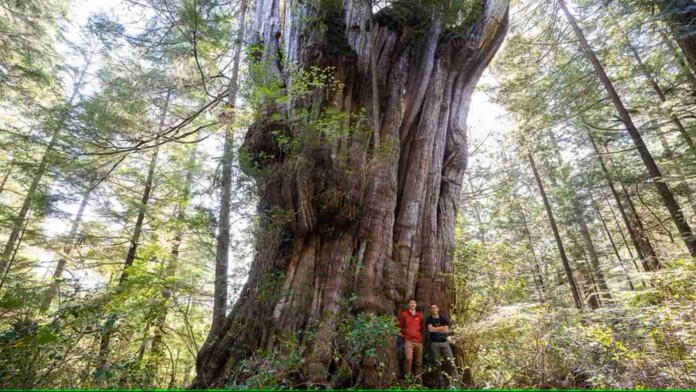
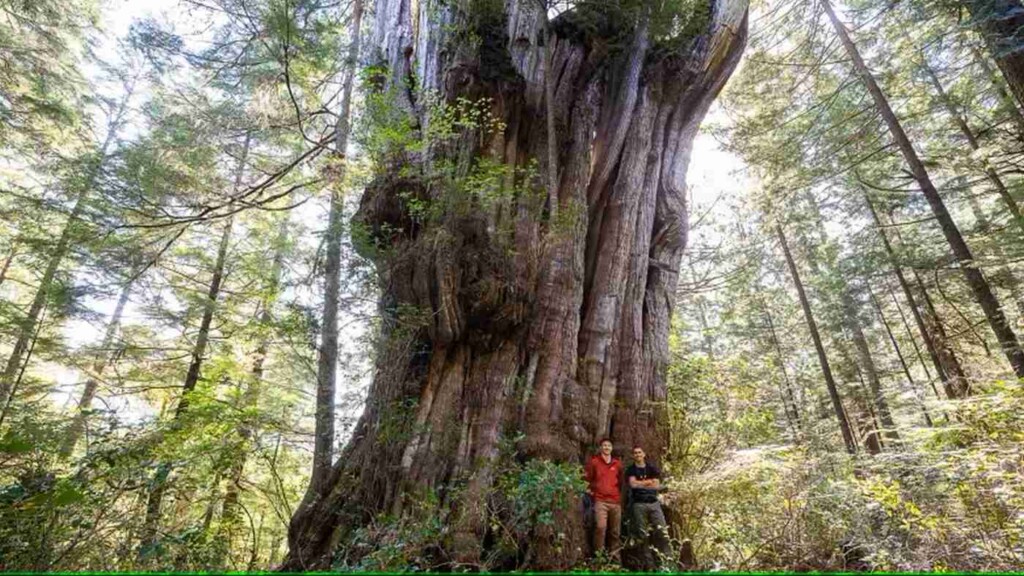
Ancient Forest Alliance photographer TJ Watt and Ahousaht hereditary representative Tyson Atleo stand beside an ancient western red cedar tree that ranks as one of the biggest trees in Canada (TJ Watt/Ancient Forest Alliance)
Ancient Forest Alliance photographer TJ Watt and Ahousaht hereditary representative Tyson Atleo stand beside an ancient western red cedar tree that ranks as one of the biggest trees in Canada (TJ Watt/Ancient Forest Alliance)
Logging still goes on in British Columbia where nature lovers would prefer it didn’t, but rather than bemoan the decision from afar, photographer TJ Watt goes and looks for the best arguments for forest protection—giant, ancient trees.
Ever since he was 19, Watt has been trekking across the verdant landscapes of his home to look for the oldest trees he can, but on a recent trip to Flores Island in Clayoquot Sound, he has found one of the largest, oldest trees in the country.
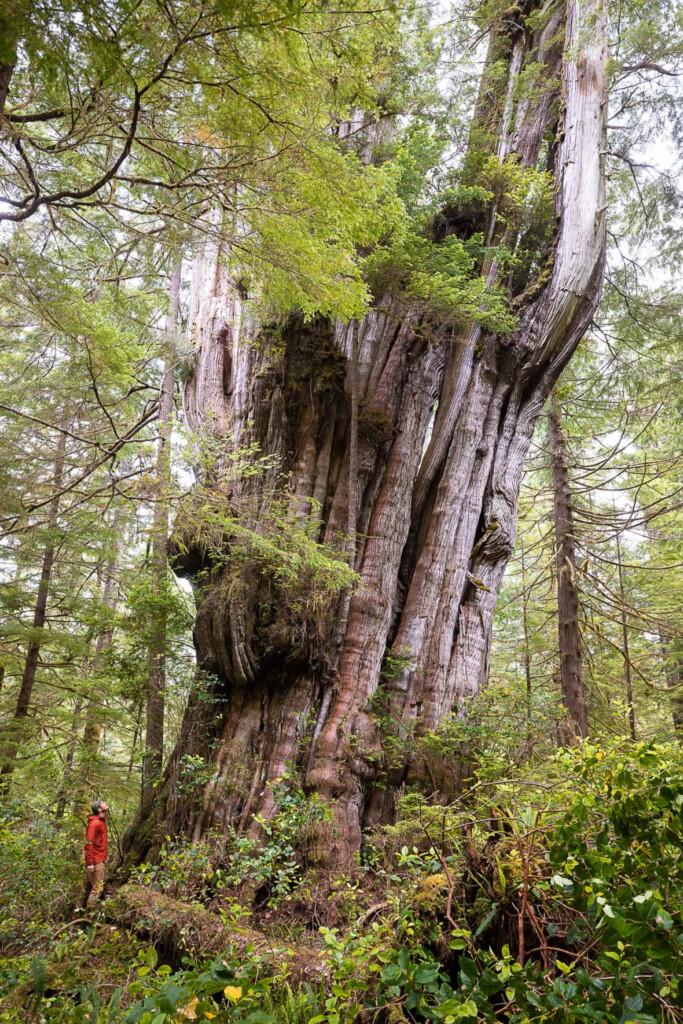
“No tree has blown me away more than this one,” he told CBC News. “It literally is a wall of wood.”
Found on Ahousaht First Nation land, the tree is a Western red cedar, sometimes called redcedar because it’s not actually a cedar tree. It’s estimated to be 1,000 years old, with a width at its base of 5 meters (16.5 feet), and a height of 45 meters (147 feet.)
The tree has been nicknamed “The Wall” or “ʔiiḥaq ḥumiis,” meaning “big redcedar” in the Nuu-chah-nulth language
“Unlike most other trees, it actually gets wider as it goes up,” said Watt. “It’s really the highlight of my life to come across something this spectacular.”
Ancient, large trees like this one are ecosystems unto themselves, and provide the forests they live in with a wealth of genetic information on how to survive diseases, pests, drought, storms, and more, as they continually produce or pollinate offspring.
TJ Watt-Ancient Forest Alliance
The Ahousaht Nation is using the giant tree as a reminder to those seeking eco-tourism excursions in the Clayoquot Sound, recognized by UNESCO as a Biosphere Reserve, that the forests hold many awe-inspiring surprises.
This tree is located in a forest that’s ineligible for logging, which hopefully means it will enrich the forest for centuries to come.
SHARE This Forest Giant With Your Friends In The Northwest…
Quote of the Day: “What happens is not as important as how you react to what happens.” – Ellen Glasgow
Photo by: Denis Oliveira
With a new inspirational quote every day, atop the perfect photo—collected and archived on our Quotes page—why not bookmark GNN.org for a daily uplift?
Oceanographic Magazine is heralding the conclusion of its photo/photographer of the year awards, and the results highlight the otherworldy nature of our oceans.
The winners of the various categories had to beat out thousands of entries and come from all over the Earth, from quiet estuarine seagrass meadows to the blackness of the ocean Pacific.
“The range and quality of submissions entered into this year’s competition is special. From world-class drone images of megafauna to breathtaking underwater images of deep-dwelling ocean wildlife, the full spectrum of ocean life is brought to life like never before,” Will Harrison, editorial director of Oceanographic Magazine and the Ocean Photographer of the Year, said in an email sent to CNN Thursday.
“This is an extraordinary collection of photography from an extraordinarily talented group of ocean photographers: divers, surfers, and sailors uniting to dazzle the world.”
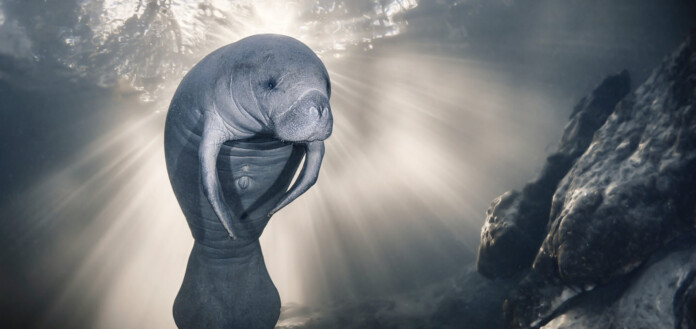
In the category entitled Marine Conservation (Hope), Sylvie Ayer from Florida caught the above image: a manatee comes for a visit with what looks like the light of the Holy Spirit from behind.
“The manatee on the picture came close to look at me and was suddenly perfectly positioned in front of the sun’s rays,” Ayer recounts. “I hope this photo helps raise awareness of the need to protect these mammals.”
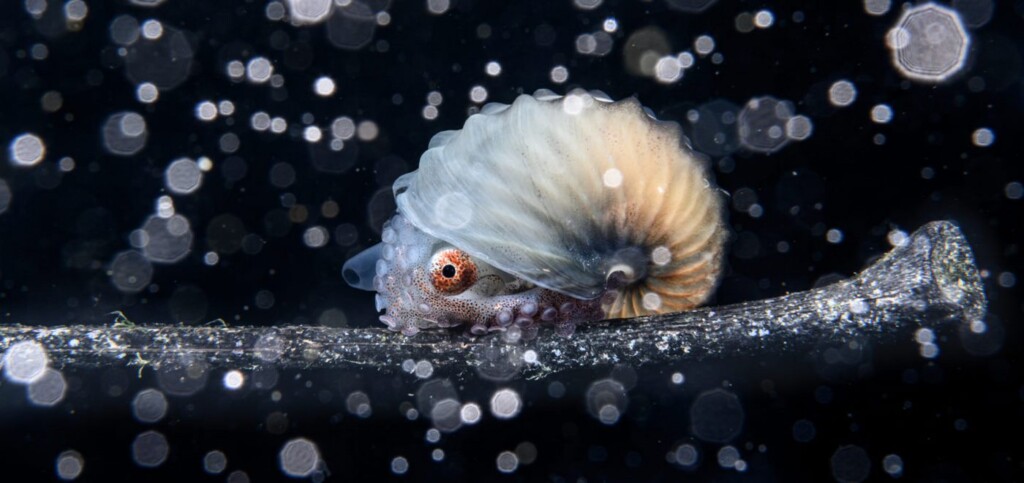
The overall contest winner was captured during a nighttime dive in the Pacific off the coast of the Philippines, where spotlights are used to attract marine life.
Jialing Cai – released
“Following the Taal Volcano eruption in the Philippines, the water column filled with particles from the stirred-up sediments,” remembers contest winner Jialing Cai. “Navigating through the low visibility and dense fog during a blackwater dive, I found this female paper nautilus. When I pressed the shutter, the particles reflected my light.”
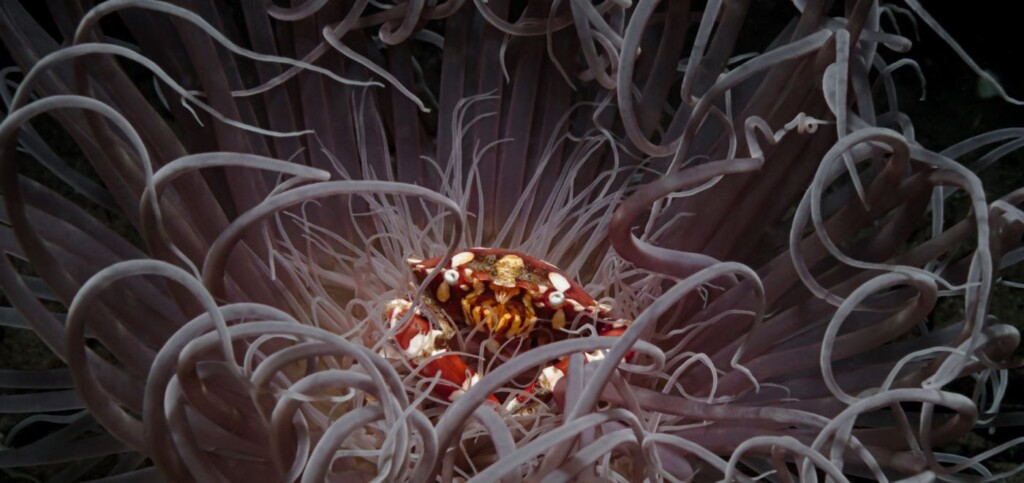
Second place was taken by a diver investigating a large anemone for other inhabitants. Winner Andrei Savin says that anemones are a lot like apartment complexes where other animals live a symbiotic life among their tentacles.
Andrei Savin – released
This crab happened to emerge right as Savin had the anemone in focus, and it sat in the middle looking right into the viewfinder.
CNN also featured some of the results, like two octopuses in an interlocking hug, or a marlin turning about-face to look back at the bait ball it just plunged through.
SHARE These Amazing Photographs With Your Friends…