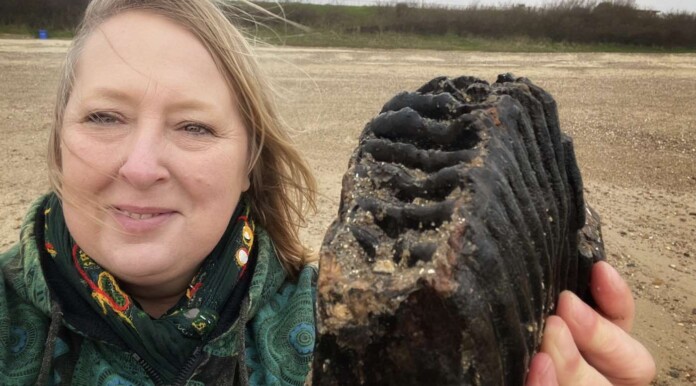
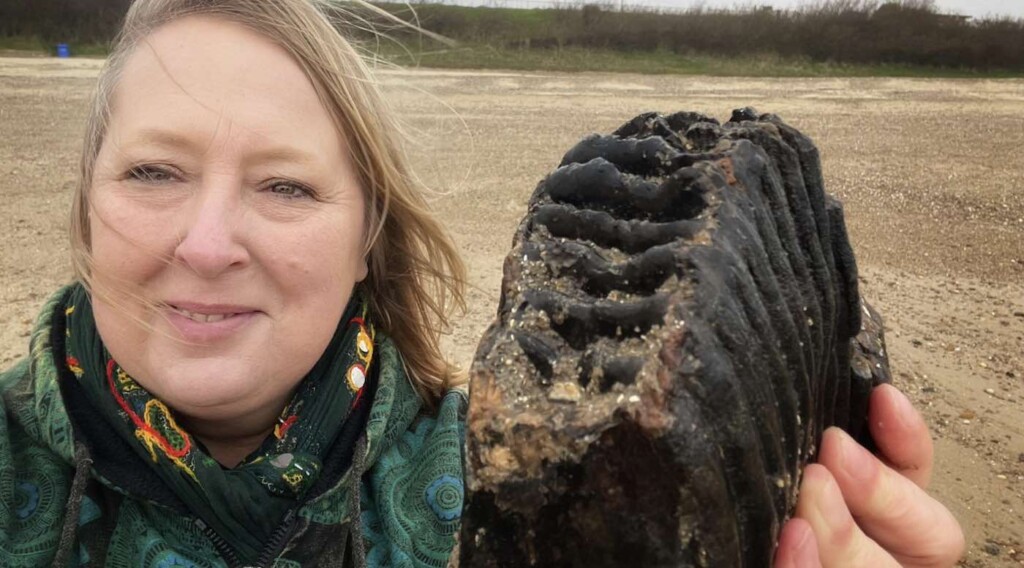
Chris Bien with mammoth tooth she found on a beach – SWNS
Chris Bien with mammoth tooth she found on a beach – SWNS
[SWNS] – An amateur fossil hunter is celebrating a once-in-a-lifetime discovery after finding a huge mammoth tooth on a beach.
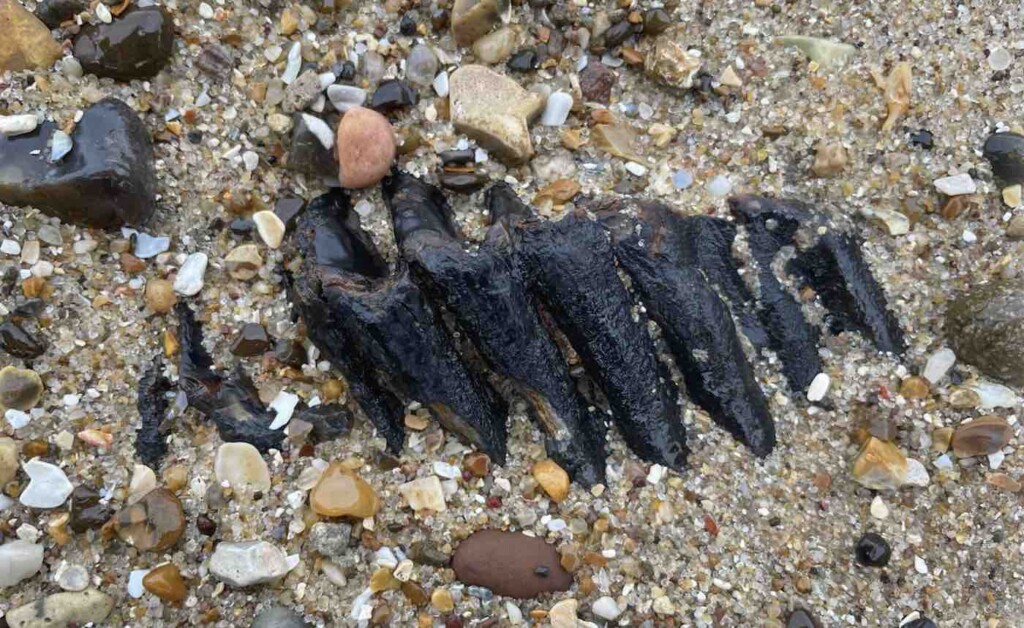
Chris Bien was visiting Holland-on-Sea, Essex, as part of her birthday celebrations when she took a walk on the beach with her husband Mark. She stopped to sit on a rock by the water’s edge when she looked down and saw a wavy line pattern in the gravel.
“I saw it poking out and thought it must be a tooth to have a pattern like that,” said the 56-year-old mother-of-one.
“I started scraping away with my hands but it was so deep in the ground that hands weren’t good enough. Mark and I had bought a trowel with us and so we dug it out that way – it was fully fossilized. (Watch the moment in a video below…)
“I was in disbelief. While we were digging it out I was hoping it was a mammoth tooth but I kept saying to my husband: ‘it can’t be’.
“I had said earlier that day ‘I’m going to find a mammoth’s tooth’ and then we had a moment where we just burst out laughing as we stood on the beach holding it.
“It is so beautiful with its ridges. I’m overjoyed.”
By Chris Bien via SWNS
The find is believed to be the root of the tooth and measures six-and-a-half to seven inches in depth and width, weighing over 4 pounds (2 kilos).
After seeking advice online, Chris believes the tooth could have belonged to a steppe mammoth, one of the largest mammoth species. They were ancestors of the woolly mammoth and roamed the earth around 1.8 million years ago.
Chris added that she thinks the fossil is only half a tooth as there’s only two inches of the chewing plate and the rest is the root, indicating some of it is missing.
She is going to preserve the tooth and it is already soaking in distilled water where it will stay for a few weeks. After drying out, it will be preserved in a coating of preservation glue and ethanol.
Chris volunteers for her local museum in Worthing and has been a part of the Brighton and Hove Archaeological Society for 17 years.
The North Essex beaches are known for being a trove of fossilized treasure. Other finds she has made are mammoth leg and toe bones, and an Ice Age horse tooth and ankle bone.
“I want people to know about the deep, rich history behind this find.”
Watch the moment captured on a video…
ENCOURAGE YOUR FRIENDS TO LOOK DOWN–By Sharing the Find on Social Media…
A poll of 2,000 literary lovers in Britain has revealed the top 35 places to visit made famous by iconic authors and the scenes from their books.
Some of the top must-see locations for book buffs are right in London, including Shakespeare’s Globe theater, the John Keats home, and 221-B Baker Street, better known as the home of Sherlock Holmes.
Travel 56 miles (90 km) northwest of London to Oxford, and tip a pint of ale at the Eagle and Child Pub, where authors JRR Tolkien and CS Lewis, who created the mystical realms of Middle Earth and Narnia, held regular meetings on Thursday evenings with their writers’ group The Inklings.
Further into the countryside of West Yorkshire, visit Haworth, the #1 most beloved literary stop. It was the home of the Brontë sisters and its moorland setting had a profound influence on the writing of Charlotte, Emily, and Anne.
Many of the sites, like Haworth, also have museums located on the property.
Sherwood forest, with its historic connection to the legend of Robin Hood, and Shakespeare’s birth town of Stratford-upon-Avon, also joined Jane Austen’s Chawton cottage in Hampshire in the top 35 ranking (see full list below).
Globe Theater in London
“Iconic locations such as Shakespeare’s Globe and the home of the Brontë sisters hold such cultural importance, and it’s great to see them feature so prominently in our research,” said Darren Hardy, author and editorial programs manager at Amazon, which commissioned OnePoll to carry out the survey to launch the Kindle UK Storyteller Award, celebrating the best self-published stories.
The University of Oxford English Literature Professor Elleke Boehmer said the British Isles are rich in vital literary traditions.
“In Britain, you almost get the sense in some literary places of the land, trees and surroundings pregnant, still, with the writer’s presence, or a sense of how they have interacted with the context—like Coleridge’s Quantock hills.
“The walks that he made through those hills still exist today, and as we walk them we can imagine him pacing out the lines of his poetry, like ‘The Ancient Mariner’, looking out onto the Bristol Channel at the passing ships from around the world.
“Some of my favorite literary sites, like Coleridge’s Nether Stowey, the Brontës’ Haworth or DH Lawrence’s Eastwood, also feature truly wonderful and significant houses where the rooms in which the writers were born, or wrote some of their key works, are preserved for all generations.”
The poll also asked people to name their favorite British writers—Charles Dickens came out on top, followed by Charlotte Brontë and George Orwell.
TOP 35 LITERARY LOCATIONS IN THE UK
1. Haworth, the home of Brontë sisters
2. Shakespeare’s Globe theater, London
3. Jane Austen’s Chawton cottage
4. 221B Baker Street, home of Sherlock Holmes
5. The Eagle and Child Pub, where JRR Tolkien and CS Lewis wrote
6. Sherwood Forest
7. Royal Shakespeare theatre in Stratford-upon-Avon
8. Shakespeare’s birthplace, Stratford-upon-Avon
9. British Library, London
10. William Wordsworth home, Dove Cottage in Grasmere, Cumbria
11. Hilltop House, the home of Beatrix Potter
12. Whitby, the setting for Bram Stoker’s 1897 Dracula
13. PoohSticks Bridge, A.A. Milne’s Winnie the Pooh scene in Ashdown Forest
14. Anne Hathaway’s cottage, Stratford-upon-Avon
15. Chatsworth House, named in Jane Austen’s Pride and Prejudice
16. Charles Dickens’ birthplace museum, Portsmouth
17. The Jane Eyre trail, Peak District
18. Poets’ Corner, Westminster Abbey
19. Agatha Christie’s Devon retreat, Greenway
20. Roald Dahl’s Gipsy House, Great Missenden
21. Keats’ House, London
22. Thomas Hardy’s Birthplace, and Max Gate House, Dorset
23. Sedbergh book town, Lake District
24. Abbotsford, near Selkirk, Scotland, made famous by Walter Scott
25. Dylan Thomas boathouse, Laugharne, Wales
26. John Rylands library, Manchester
27. Charles Dickens home at 48 Doughty Street
28. John Milton’s Cottage, Chalfont St. Giles, Buckinghamshire
29. D.H. Lawrence Birthplace and Hagg’s Farm
30. Elizabeth Gaskell’s house, Manchester
31. Lamb House, Rye, East Sussex, associated with Henry James
32. Rudyard Kipling home, Bateman’s in East Sussex
33. Shelley Lodge, Marlow, home of Mary Shelley
34. Woolwich, and central London, famously associated to Bernardine Evaristo
35. Samuel Taylor Coleridge home, Coleridge Cottage, Nether Stowey
The Kindle Storyteller Award is a £20,000 literary prize recognizing outstanding writing, open to authors publishing in English in any genre through Kindle Direct Publishing. Readers play a significant role in selecting the winner, helped by a panel of judges including various book industry experts.
“We are looking forward to seeing what stories are submitted for this year’s Kindle Storyteller Award – perhaps some will have been inspired by some of our iconic literary landmarks and the authors connected to them.”
SHARE THE COOL LIST With Travelers and Book Lovers on Social Media…
Katie Everett in Basingstoke and North Hampshire Hospital – SWNS
Katie Everett in Basingstoke and North Hampshire Hospital – SWNS
A British woman says an eye test saved her life, after her optician spotted a brain tumor during a routine examination.
Katie Everett’s eyesight had gotten noticeably worse and, indeed, they found an abnormality in both of her eyes, so referred her to Basingstoke and North Hampshire Hospital.
After an MRI scan there, doctors diagnosed her with meningioma, the most common type of primary brain tumor.
Now, two-and-a-half years later, Katie believes the routine eye test found a tumor that would have otherwise been undetected.
She underwent two operations to have the mass removed in July 2021 and went on to have radiation therapy, which prevents tumors from growing back in 90 percent of cases.
The surgery was a success, although not all the tumor could be removed, meaning Katie has to have check ups for the next 10 years.
The beautician, from Hampshire, England feared she might have otherwise gone blind: “If it was left any longer, I could have lost my vision completely due to it pressing on my optic nerve.”
“It’s hard to believe, I really didn’t think something like that could happen,” said the 31-year-old.
The type of tumor Katie had is classified as benign and is slow-growing, however, it was pressing on her pituitary gland which caused her menstrual cycles to stop and severely impacted her vision.
“I’ve had some hair loss where the radiotherapy was targeting the mass, and my nose and throat are still recovering from the second surgery where they cut away what they could of the tumor.
“Other than that, I feel fortunate to be able to share my story to help raise awareness.”
She also helped by raising lots of cash for tumor research.
“We’re grateful to Katie for sharing her story, as well as fundraising an incredible amount,” said Mel Tiley, community development manager at Brain Tumor Research.
As so often occurs, life’s biggest challenges can bestow inspiring benefits.
“It’s made me realize that even when you don’t feel that you’re strong enough to deal with something like this, when it comes down to it you somehow find the strength within you.”
ENCOURAGE FRIENDS TO GET A CHECK-UP By Sharing With Friends on Social Media…
Quote of the Day: “Silence is the mother of truth.” – Benjamin Disraeli
Photo by: Guillaume de Germain
With a new inspirational quote every day, atop the perfect photo—collected and archived on our Quotes page—why not bookmark GNN.org for a daily uplift?
As Americans prepare for the wondrous celestial spectacle of a total solar eclipse on April 8, cloudy skies or thunderstorms have been forecast for some areas in the direct path of totality.
The latest national weather forecast shows that during the eclipse heavy rain and severe thunderstorms are likely to be soaking parts of the southern Plains and lower Mississippi Valley, which includes Louisiana, Mississippi, southern Arkansas and the majority of Texas.
The best chances for viewing the totality under clear skies—while the moon passes in front of the sun creating darkness during the day—will be the New England area or the northern regions of Indiana and Ohio.
Another region with potential for clear skies runs from northern Arkansas to central Indiana through southern Illinois and Missouri, although this area has the greatest uncertainty due to possible high clouds.
With Dallas, Texas likely to be mostly cloudy or rainy, people interested in the eclipse might want to look into driving to northern Arkansas or eastern Oklahoma.
Best places for viewing the totality
Further north in Indianapolis, skies should be partly sunny, with possible clouds.
Another city ripe for the eclipse spotlight is Buffalo, New York, which also features a forecast of partly sunny, with possible clouds.
However, a cloudy forecast doesn’t mean your experience will be totally ruined. As opposed to completely overcast, a ‘broken sky’ with clouds that don’t form a thick layer can be thinner in spots and offer some viewing opportunities—so there’s hope for some clearing compared to an overcast day. The sky will also grow quite dark during totality and may turn different, sunset-like colors.
High clouds are also not as bad. Under these, while in the path of totality, people may get a few chances to see the phenomenon. The eclipse will be visible, but blurry behind a layer of thin clouds.
Don’t forget to wear glasses, which are widely available inexpensively, because even during eclipses it is never good to stare at the sun.
SHARE THE UPDATED FORECAST With Eclipse Watchers on Social Media…
Ultrasound images in female patient with multifocal papillary thyroid cancer, showing no more tumor growth - China-Japan Friendship Hospital in Beijing / SWNS
Ultrasound images in female patient with multifocal papillary thyroid cancer, showing no more tumor growth – China-Japan Friendship Hospital in Beijing / SWNS
A new study this week shows that patients could avoid thyroid cancer surgery with a minimally invasive procedure that could be used for this disease, and would spare people from having to undergo an operation.
Researchers at China-Japan Friendship Hospital in Beijing developed the new application using microwave ablation, and the research marks the first multi-centre analysis of patients who used the new procedure compared with those who got surgery for their multi-focal papillary thyroid cancer (PTC).
“These findings challenge traditional treatment paradigms and open new avenues for less invasive management strategies,” said Dr. Ming-An Yu, director of interventional medicine.
Thyroid surgery can impact the patient’s quality of life due to factors like scarring, lifelong hormone replacement, and potential complications, such as permanent hoarseness.
The study, published in the journal Radiology, looked at 775 patients with Stage 1 PTC, who were being treated with either microwave ablation or surgery at ten different centers between 2015 and December 2021.
The patients—229 in the microwave ablation group and 453 in the surgical resection group, all with two or more lumps found in the gland—were followed-up for between one and four years.
Microwave ablation was associated with similar progression-free survival rates to surgery—but with fewer complications and a greater potential for preserving thyroid function.
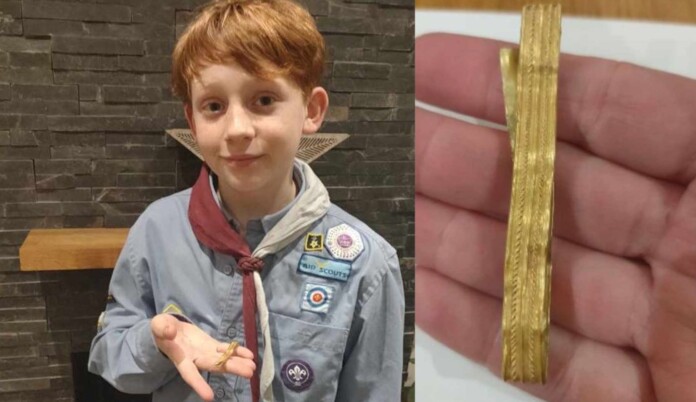
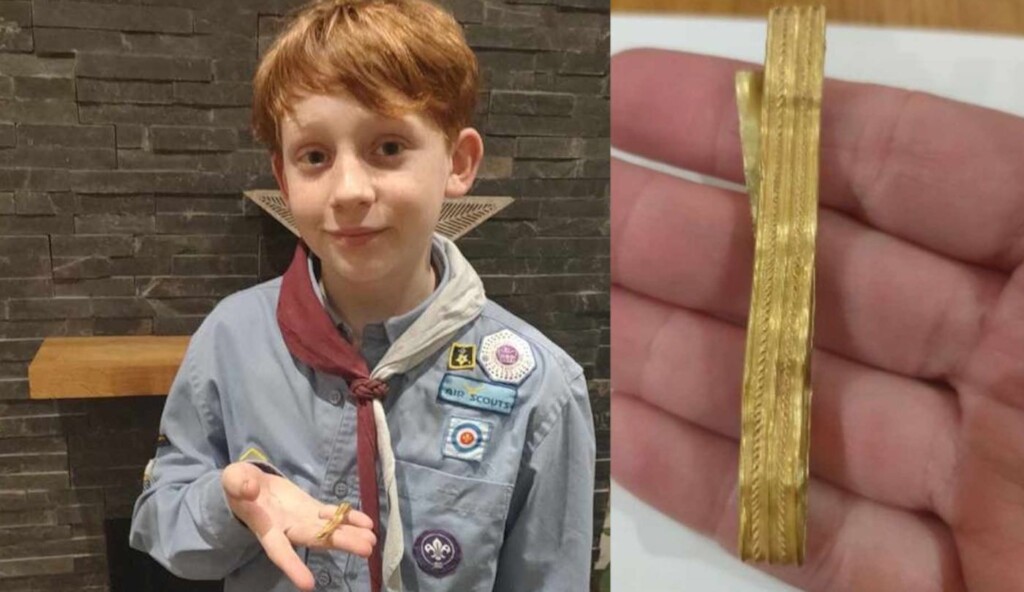
Rowan Brannan with the 2,000-year-old gold Roman bracelet – Amanda Kenyon via SWNS
Rowan Brannan with the 2,000-year-old gold Roman bracelet – Amanda Kenyon via SWNS
A 12-year-old boy picked up a treasure in the dirt that his mother thought was just strapping used for packaging, but it turned out to be 2,000 years old and made of gold.
Rowan Brannan was with his mother Amanda walking the dog in a field in Sussex, England, when he spotted the band which dates back to the first century AD.
“Rowan has always been into finding all sorts of bits and pieces. He’s very adventurous and is always picking stuff up off the ground,” said his mom. “I’m forever saying ‘put it down—it’s dirty.”
It was caked with dirt, but the more Rowan kept holding the bit of metal, the more he was convinced that it could be actual gold.
“It was just normal to me, because I pick up a lot of things that I probably shouldn’t,” said the dutiful lad.
Rowan took the piece home and researched how to tell whether it was real gold.
It met all the criteria on the checklist, but they didn’t realize just how lucky Rowan’s discovery was until a hairdresser came to their house.
She told the pair that she was going on a metal detecting trip, which reminded Rowan to show her the metal he had found.
She took a photo of the piece and showed it to the leader of the metal detector group who said it looked old and recommended they contact a British Finds Officer.
Rowan described how the excitement kept building over the months following his discovery. He learned that the find was classified as ‘treasure’ because it was older than 300 years and was made of a precious metal.
The family was asked to bring the item to Horsham to the Finds Liaison Officer because the artifact belongs to the nation.
“Then it got to the treasure process,” said the excited boy.
Amanda said the piece has gone through the Coroner’s Court in a ‘fascinating’ process where they have been learning more and more about the bracelet.
“It’s very exciting whenever we read an email and we have been kept up to date throughout the whole process.”
After much study, officials told the boy from Bognor, that he’d uncovered an “exceptionally rare” armilla Roman bracelet, a fact that was confirmed by the British Museum.
FREE WILL ASTROLOGY – Week of April 6, 2024
Copyright by Rob Brezsny, FreeWillAstrology.com
ARIES (March 21-April 19):
Aries author Eric G. Wilson claims, “Darker emotional states—doubt, confusion, alienation, despair—inspire a deeper and more durable experience of the sacred than contentment does.” I disagree. I know for a fact that an exquisite embrace of life’s holiness is equally possible through luminous joy and boisterous triumph and exultant breakthroughs. Propagandists of the supposed potency of misery are stuck in a habit of mind that’s endemic to the part of civilization that’s rotting and dying. In any case, Aries, I’m pleased to tell you that in the coming weeks, you will have abundant opportunities to glide into sacred awareness on the strength of your lust for life and joie de vivre.
TAURUS (April 20-May 20):
Will humans succeed in halting the decimation of the environment? Will we neutralize the power of fundamentalism as it fights to quash our imaginations and limit our freedoms? Will we outflank and outlast the authoritarians that threaten democracy? Sorry I’m asking you to think about sad realities. But now is an excellent time for you to ponder the world we are creating for our descendants—and resolve to do something in loving service to the future. Meditate on the riddle from Lewis Carroll’s book, Through the Looking Glass: “It’s a poor sort of memory that only works backwards.”
GEMINI (May 21-June 20):
The genius polymath Galileo Galilei (1564–1642) contributed much treasure to science and engineering. One encyclopedia sums up his legacy: “He was the father of observational astronomy, modern-era classical physics, the scientific method, and modern science.” Unfortunately, many of Galileo’s ideas conflicted with the teachings of Catholicism. The church fathers hounded him for years, even arresting him and putting him on trial. The Vatican eventually apologized, though not until 350 years after Galileo died. I expect that you, too, will generate many new approaches and possibilities in the coming months, Gemini—not Galileo level, of course, but still: sufficiently unprecedented to rouse the resistance of conventional wisdom. I suspect you won’t have to wait long to be vindicated, however.
CANCER (June 21-July 22):
Now would be a perfect time to prove your love. How? You might begin by being extra considerate, sensitive, sweet, and tender. I hope you will add sublime, scintillating touches, too. Maybe you will tell your beloved allies beautiful truths about themselves—revelations that make them feel deeply understood and appreciated. Maybe you will give them gifts or blessings they have wanted for a long time but never managed to get for themselves. It’s possible you will serenade them with their favorite songs, or write a poem or story about them, or buy them a symbol that inspires their spiritual quest. To climax all your kindness, perhaps you will describe the ways they have changed your life for the better.
LEO (July 23-Aug. 22):
Leo naturalist and ornithologist William Henry Hudson (1841–1922) said, “I am not a lover of lawns. Rather would I see daisies in their thousands, ground ivy, hawkweed, and dandelions with splendid flowers and fairy down, than the too-well-tended lawn.” I encourage you to adopt his attitude toward everything in your life for the next few weeks. Always opt for unruly beauty over tidy regimentation. Choose lush vitality over pruned efficiency. Blend your fate with influences that exult in creative expressiveness, genial fertility, and deep feelings. (PS: Cultural critic Michael Pollan says, “A lawn is nature under totalitarian rule.”)
VIRGO (Aug. 23-Sept. 22):
I praise and celebrate you for your skills at helping other people access their resources and activate their potentials. I hope you are rewarded well for your gorgeous service. If you are not, please figure out how to correct the problem in the coming months. If you are feeling extra bold, consider these two additional assignments: 1. Upgrade your skills at helping yourself access your own resources and activate your own potentialS. 2. Be forthright and straightforward in asking the people you help to help you.
LIBRA (Sept. 23-Oct. 22):
I don’t regard a solar eclipse as a bad omen. On the contrary, I believe it may purge and cleanse stale old karma. On some occasions, I have seen it flush away emotional debts and debris that have been accumulating for years. So how shall we interpret the total solar eclipse that will electrify your astrological house of intimate togetherness in the coming days? I think it’s a favorable time to be brave and daring as you upgrade your best relationships. What habits and patterns are you ready to reinvent and reconfigure? What new approaches are you willing to experiment with?
SCORPIO (Oct. 23-Nov. 21):
At your best, you Scorpios are not invasive manipulators. Rather, you are catalysts. You are instigators of transformation, resurrectors of dead energy, awakeners of numb minds. The people you influence may not be aware that they long to draw on your influence. They may think you are somehow imposing it on them, when, in fact, you are simply being your genuine, intense self, and they are reaching out to absorb your unruly healing. In the coming weeks, please keep in mind what I’ve said here.
SAGITTARIUS (Nov. 22-Dec. 21):
In my astrological opinion, it’s prime time for you to shower big wild favors on your beautiful self. Get the fun underway with a period of rigorous self-care: a physical check-up, perhaps, and visits with the dentist, therapist, hairstylist, and acupuncturist. Try new healing agents and seek precise magic that enhances and uplifts your energy. I trust you will also call on luxurious indulgences like a massage, a psychic reading, gourmet meals, an emotionally potent movie, exciting new music, and long, slow love-making. Anything else, Sagittarius? Make a list and carry out these tasks with the same verve and determination you would give to any important task.
CAPRICORN (Dec. 22-Jan. 19):
The coming days will be a favorable time for you to wrestle with an angel or play chess with a devil. You will have extraordinary power in any showdown or collaboration with spiritual forces. Your practical intelligence will serve you well in encounters with nonrational enigmas and supernatural riddles. Here’s a hot tip: Never assume that anyone is wiser than you. You will have a special knack for finding compassionate solutions to address even the knottiest dilemmas.
AQUARIUS (Jan. 20-Feb. 18):
Your featured organ of the month is your nose. This may sound beyond the scope of predictable possibilities, but I’m serious: You will make robust decisions and discriminating choices if you get your sniffer fully involved. So I advise you to favor and explore whatever smells good. Cultivate a nuanced appreciation for what aromas can reveal. If there’s a hint of a stink or an odd tang, go elsewhere. The saying “follow your nose” is especially applicable. PS: I recommend you take steps to expose yourself to a wide array of scents that energize you and boost your mood.
PISCES (Feb. 19-March 20):
When is the best time to ask for a raise or an increase in benefits? Can astrology reveal favorable periods for being aggressive about getting more of what you want? In the system I use, the time that’s 30 to 60 days after your birthday is most likely to generate good results. Another phase is 210 to 240 days after your birthday. Keep in mind that these estimates may be partly fanciful and playful and mythical. But then in my philosophy, fanciful and playful and mythical actions have an honored place. Self-fulfilling prophecies are more likely to be fulfilled if you regard them as fun experiments rather than serious, literal rules.
WANT MORE? Listen to Rob’s EXPANDED AUDIO HOROSCOPES, 4-5 minute meditations on the current state of your destiny — or subscribe to his unique daily text message service at: RealAstrology.com
Quote of the Day: “The best way to keep your friends is not to give them away.” – Wilson Mizner
Photo by: Melanie Stander
With a new inspirational quote every day, atop the perfect photo—collected and archived on our Quotes page—why not bookmark GNN.org for a daily uplift?
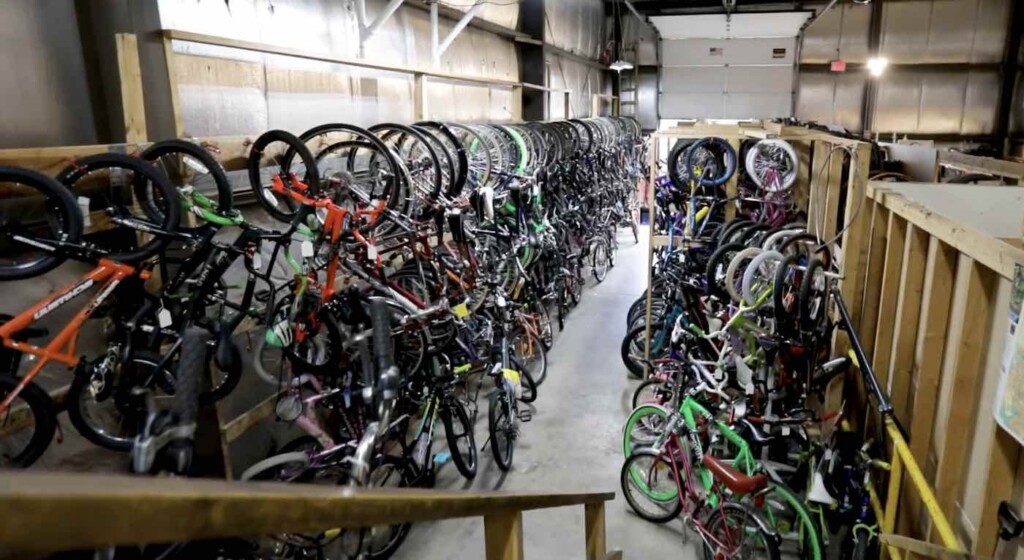
In one of America’s most cycling-friendly cities, a volunteer group is rewarding anyone who puts in time serving the community with a brand old-new bicycle.
Wheels for Winners only asks that applicants provide evidence that they completed 10 hours of community service for any organization in Maddison, Wisconsin.
After that, it’s a simple matter of showing up, selecting a bike, and riding off into the sunset.
Relying on donated bikes for parts, Chairman of the Wheels for Winners Board Neil McCallum, says that bikes are completely restored, dismantled for parts, or donated to other partners. Not a single one goes to waste.
“We turn out about 400 bikes a year, but we take in probably 750 bikes,” said McCallum. “What we’re trying to do here is allow young people that might not be able to afford a bike to have a bike with just a little bit of ‘sweat equity.'”
Sweatquity has a ring to it; maybe something McCallum should consider.
Wheels for Winners isn’t alone in its admirable operations, and as a 501(c)3, receives support from the community at a tax-free level, and even received a generous grant recently from American Family Insurance.
Wheels for WinnersWheels for Winners
“We distributed 175 bikes to earners, and an equal amount to support community biking events,” said another board member, Richard Castelnuovo, in a video put out by American Family.
Last year they held 12 events, at the heart of which was their mobile bike library and team of volunteer mechanics, that give away bikes and tune-ups to kids in various neighborhoods.
Wheels for Winners members are quick to point to the smiles on children’s faces when they receive their new bike, and point out that the liberty a bike provides makes it a semi-seminal moment in any child’s life.
Typically the ‘earners’ are those in the community who can’t outrightly afford a bike.
WATCH Wheels for Winners in action below…
SHARE This Inspiring Volunteer Work With Your Friends…
While a cup of joe from Cafe Joyeux is a normal experience in European cities, this radical and tremendous coffee chain just opened its doors in the Big Apple.
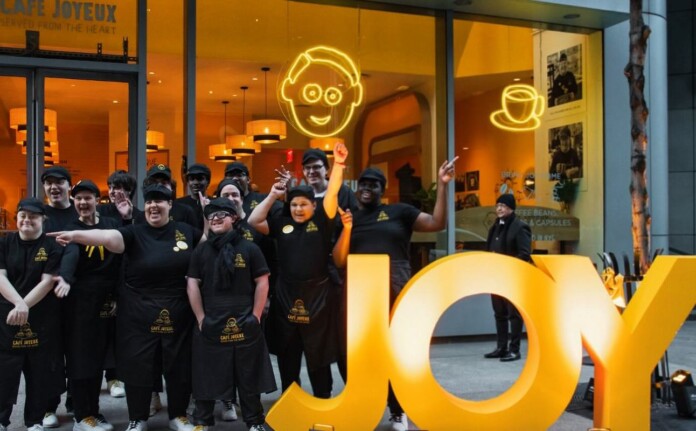
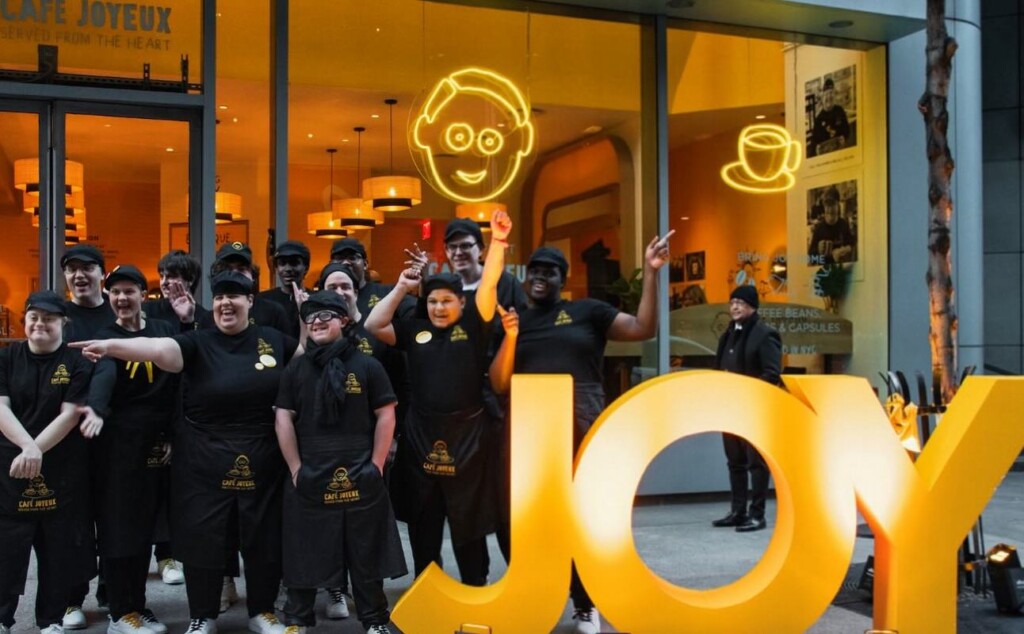
Located at 599 Lexington Avenue, East 52nd Street, the first American Cafe Joyeux employs crew members with intellectual and developmental disabilities, empowering them through meaningful training and employment.
With Autism Awareness Day having just passed, it’s the perfect time to go for a coffee there.
It’s a beautiful thing to see the average Joe helping out his neuro-divergent neighbors, but as humans are a communal species of social primates, few things can empower a person as much as the vote of confidence that they are worthy and capable of performing gainful, meaningful employment.
To that end, and whether it’s broad-spectrum autism or Down Syndrome, the staff at Cafe Joyeux are trained and expected to perform like any other employee, something which Rachael Barcelona told CBS News “changed her life.”
“I’ve been rejected so many times and told I was a burden because of my autism,” she said, describing the shock she had when someone offered her a job, “and I was going to get paid too!”
Founded by a French social entrepreneur, there are 20 Cafe Joyeux across the Old World, a number most Americans will agree would be joyeux to see here Stateside.
In the Madre de Dios region of southern Peru, small, artisanal gold mines and the miners that work them have become a source of inspiring environmental work.
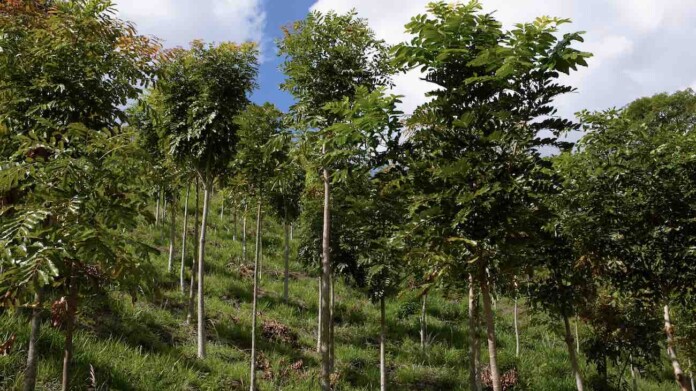
Once slashing and burning tens of thousands of acres of jungle in search of gold which they extracted with mercury, they’re now focused on restoring the land they excavated by planting a biodiverse rainforest—and swapping the toxic mercury for more sanitary methods of mining.
Behind the project is the environmental NGO Pure Earth which sought to achieve with a delicate touch what local and national governments failed to achieve with aggressive legislation and police raids.
Realizing that the miners, despite coming mostly from the Andes regions, took no pleasure in the clearing of pristine tropical rainforest, and that even after the price of gold skyrocketed following the 2008 Financial Crisis, they were operating on “a lot of stick but not much carrot,” Pure Earth gradually gained their trust enough to set up a pilot program.
“It feels good to see the forest grow back,” Pedro Ynfantes, a 66-year-old miner whose legal mining concession of 1,110 acres included a 10-acre patch of land for the pilot program, told NPR. “We don’t want to deforest. When we had the opportunity to let the forest grow back, we took it. It’s much better this way.”
There are dozens of understory and canopy species growing now and Ynfantes’ land, each tagged with scientific and local names in order to raise just a little bit the collective sense of knowledge and responsibility the miners have while operating in the mighty Amazon.
Bordering Brazil, Bolivia, and the other Peruvian parts of the Amazon Basin, Madre de Dios is almost entirely Amazonian rainforest, and contains a variety of tribal groups who live in large forest reserves, and, according to legend, a lost city of the Inca. More tangibly, it is a stronghold of biodiversity for the western reaches of the Amazon Basin and an emerging tourist destination.
It isn’t only for the sake of Western-style environmentalism that the miners are replanting on their concessions, but also for the sake of the health of the community. Madre de Dios, and Peru more generally, suffers from some of the highest rates of mercury poisoning in the world, causing developmental delays for children and other neurological problems, as well as significant damage to the lungs and kidneys, and immune system dysfunction.
Recently, Pure Earth helped four artisanal and small-scale gold mining communities in Madre de Dios achieve the internationally-recognized Fairmined Certification, which proves their mining efforts are minimally damaging to the environment and human health by pairing their reforestation efforts with a switch away from using mercury to extract gold.
Since 2014, 1,7 tons of certified gold have been sold to the international market, empowering more than 3,000 miners from certified mining organizations, according to Pure Earth. In return for their commitment to responsible mining practices, mining organizations have received more than 7 million dollars of Fairmined premium.
This substantial economic recognition not only validates their dedication but also serves as a compelling incentive for continued investments in technical enhancements that make mining gold a minimally invasive procedure.
WATCH a short video of one of the mining sites below…
SHARE This Inspiring Story Of Responsible Miners Changing Their Practices For The Sake Of Us All…
From the Czech Republic comes a fascinating archaeological find—a 1,000-year-old ice skate blade made of a horse’s shinbone.
Located during excavations of a cellar in the city of Přerov, it was designed to be tied with leather straps to a boot sole.
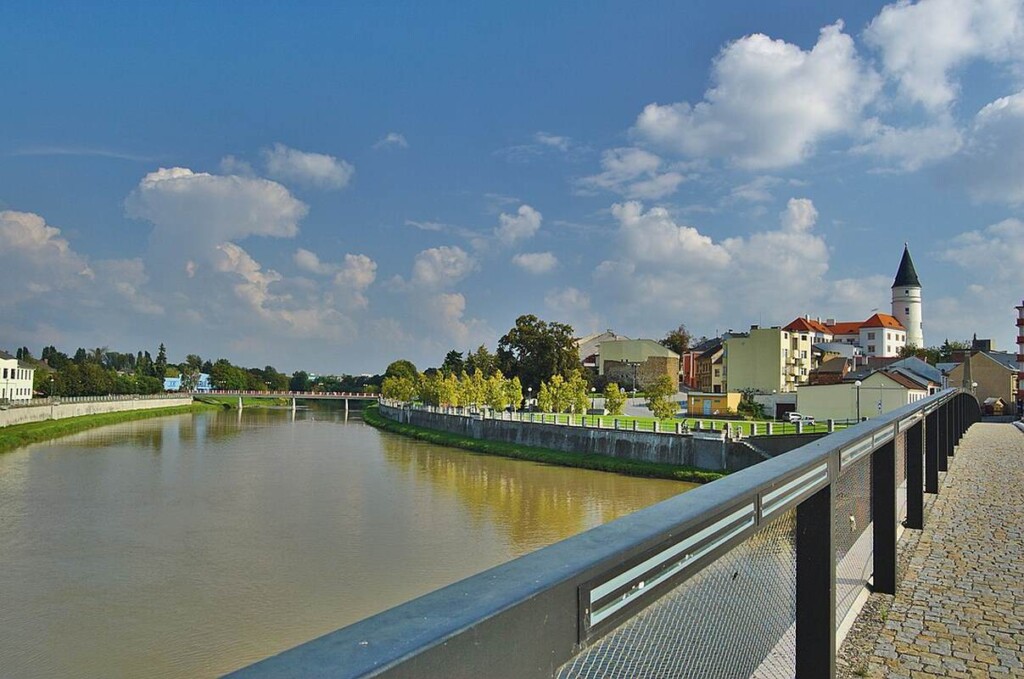
In the early Middle Ages, Castle Přerov was situated on a mound on the left bank of the River Bečva in Moravia, Czechia. It was a very important medieval stronghold at the crossroads of long-distance trade routes linking east and west, south and north.
To that commercial end, residents needed a way to move across the broad river in the wintertime, and would have carved skates like these out of animal bones.
Archaeologist Zdeněk Schenk, Ph.D., from the Comenius Museum in Přerov who found the skate, explained that they were typically made from metapodia or the radii bones of cattle and horses.
“The object has a specific shape. On one side, it is curved into a tip which has a hole drilled in it and there is another hole at the back,” Dr. Schenk told Radio Prague International. “They were used to thread a strap through, which was used to attach the skate to a shoe or to a wooden sled.”
“I was born in Přerov. I remember when I was a child, I enjoyed with my friends ice skating over the frozen Bečva River,” Schenk told GNN. “My mom and daddy and grandparents skated there before, so it’s a long tradition. But, what is surprising is that our ancestors skated over the frozen Bečva River 1,000 years ago.”
The Bečva River, with the tower of Castle Přerov seen in the background. CC 4.0. Jiří Komárek.
Schenk believes that they would have used wooden poles to shuffle themselves along inch by inch rather than actually skating as we imagine it today. The activity itself is older than the 1,000-year date of this skate.
The find is nearly identical to skates recovered in Northern Europe, “for example from Birka in Sweden a very famous archaeological site from the Viking Age,” Schenk said, “also from York in England or Dublin in Ireland.”
While for us the activity is purely recreational, a thousand years ago it was just an easier way to move across the landscape.
SHARE This Look At The Ancient Origins Of A Beloved Pastime…
Quote of the Day: “Of all possessions a friend is the most precious.” – Herodotus
Photo by: Joel Muniz
With a new inspirational quote every day, atop the perfect photo—collected and archived on our Quotes page—why not bookmark GNN.org for a daily uplift?
East Asia was part of the largest net gain in life expectancy of 8.3 years – credit, Joey Huang
Reductions in deaths from leading killers in the developing world such as as diarrhea, lower respiratory infections such as bronchitis and pneumonia, and stroke, have raised the global life expectancy by more than six years since 1990, a new study has revealed.
Improved healthcare and better disease prevention also helped people live longer, until government-mandated lockdowns and business closures disrupted the global supply chains and reversed this trend during the pandemic years.
Researchers from the Institute for Health Metrics and Evaluation (IHME) studied causes of death around the world over the last three decades and analyzed how global life expectancy changed during that period.
They found that overall, life expectancy is up by 6.2 years since 1990, with the most pronounced reduction in deaths recorded between 1990 and 2019 in Oceania, East Asia, and Eastern sub-Saharan Africa.
This was driven by a sharp drop in deaths from enteric diseases—including diarrhea and typhoid—and significantly reduced mortality from lower respiratory infections.
Eastern sub-Saharan Africa experienced the largest life expectancy increase of 10.7 years.
The super-region of Southeast Asia, East Asia, and Oceania saw the second-largest net gain in life expectancy with 8.3 years, largely due to drops in deaths from stroke, lower respiratory infections, chronic respiratory diseases, and cancer.
The area’s management of the pandemic also helped preserve its life expectancy gains, the team said.
South Asia was the super-region with the third largest net gain with 7.8 years, which has been attributed to a steep decline in deaths from diarrheal diseases.
The study, published in The Lancet, also highlights how COVID-19 altered the top five causes of death for the first time in 30 years—replacing a long-dominant killer, stroke, to take second place.
Researchers found that the super-regions of Latin America, the Caribbean, and sub-Saharan Africa were hit the hardest by the pandemic, losing the most years of life expectancy in 2021.
Dr. Liane Ong, co-first author of the study and a Lead Research Scientist at IHME, added that the study can help scientists deepen their understanding of death-reduction strategies and offer more information on what kinds of public health interventions are successful.
The study’s findings also revealed which diseases have become more concentrated in certain locations, which co-first author Professor Mohsen Naghabi, the Director of Subnational Burden of Disease Estimation at IHME, said can help with prevention and treatment.
“Our study shows that in 2021, deaths from enteric diseases were largely concentrated in sub-Saharan Africa and South Asia,” said Naghabi.
“Likewise, 90 percent of deaths from malaria occurred in an area inhabited by just 12 percent of the world’s population: a stretch of land ranging from western sub-Saharan Africa through central Africa to Mozambique.”
“We already know how to save children from dying from enteric infections including diarrheal diseases, but now we need to focus on preventing and treating these diseases,” he added.
SHARE News Of These Billions Of Added Years Of Life With Your Friends…
At HarperCollins, a lot of attention and thought is given to deciding exactly what combinations of margin measurements, font, and layout feel most appropriate for the genre, and writing style.
But in a case of do-your-part environmentalism, designers at the publishing house have now standardized a series of subtle and imperceptible alterations to normal font style, layouts, and ink that have so far removed the need for 245 million book pages, totaling 5,618 trees.
Telling the story in Fast Company, representatives from HarperCollins, one of the four largest publishing houses in the world, explained that the idea first arose in Zondervan Bibles, HarperCollins’ Christian publishing division. Being that the Bible is 2,500 pages or sometimes more, saving ink and pages was not just an environmental consideration, but one of production costs.
A new typeface called NIV Comfort Print allowed Zondervan to shave 350 pages off of every Bible, which by 2017 had amounted to 100 million pages, and which, as Fast Company points out, would be four times higher than the Empire State Building if stacked.
The production and design teams then wondered how much they could save if they applied the same concepts to other genres like romance and fiction. Aside from the invention of the eBook, publishing hasn’t changed much in the last 100 years, and the challenge was a totally novel one for the teams—to alter all their preconceived ideas and try and find a font and typeface that resulted in fewer pages without being harder to read.
They eventually standardized 14 different combinations their tests determined were the most environmentally friendly, and which delivered an unchanged reading experience.
But the challenge didn’t stop there. Printed books, one might not know, are printed in large sheets which are then folded into sections of sixteen pages, meaning that Leah Carlson-Stanisic, associate director of design at HarperCollins, has to calculate the savings of space, words, and ultimately pages with the help of her team to fall in multiples of sixteen.
Nevertheless, they have been successful with it so far, and in the recent print run of one popular book, 1 million pages (or a number near 1 million that coincides with the 16 times tables) were saved.
“We want to make sure our big titles, by prominent authors, are using these eco-fonts,” Carlson-Stanisic said. “It adds up a little bit at a time, saving more and more trees.”
SHARE This Excellent Bit Of Corporate Responsibility And Innovation…
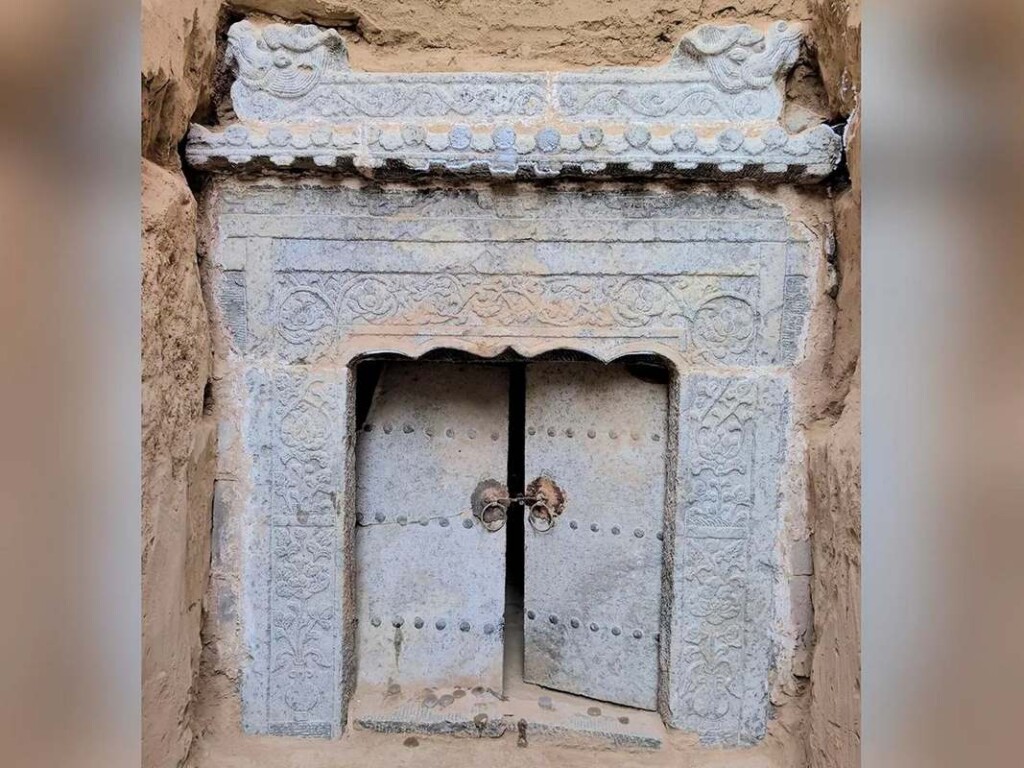
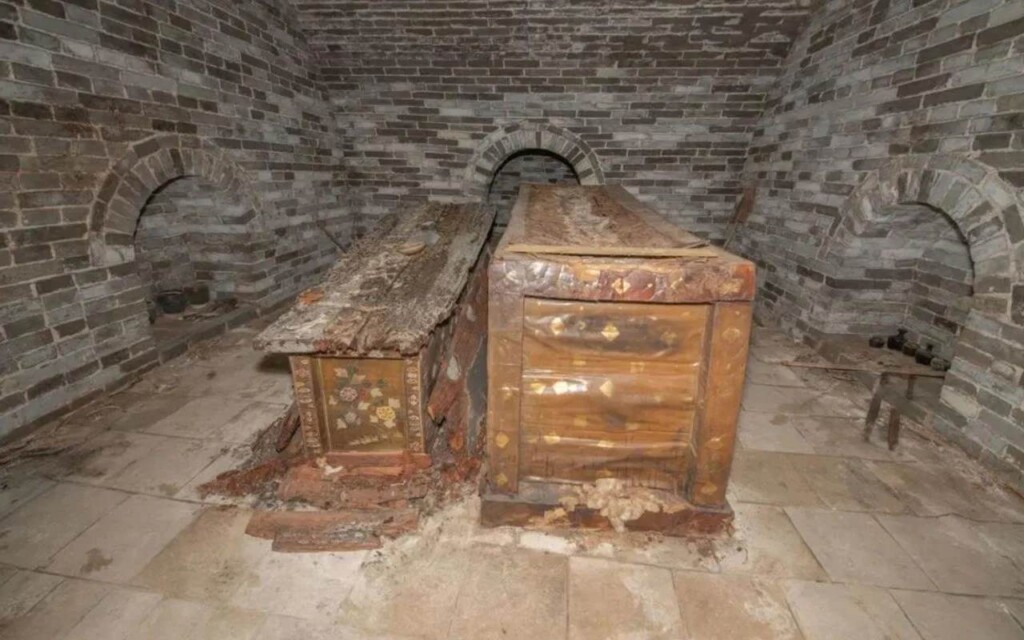
A tomb dating to the middle of the Ming Dynasty has been excavated in the Chinese province of Shanxi, revealing a wealth of exquisitely preserved funerary objects that tell the story of imperial life.
Belonging to a court official, even the exterior facade of the tomb is in excellent condition, and Chinese archaeologists state the discovery is exceptionally rare.
Wang Luo had great taste when he administered the city of Xinzhou on behalf of the imperial civil service, and this is reflected in the wealth of wood and ceramic objects that decorated his tomb, inscribed in his honor.
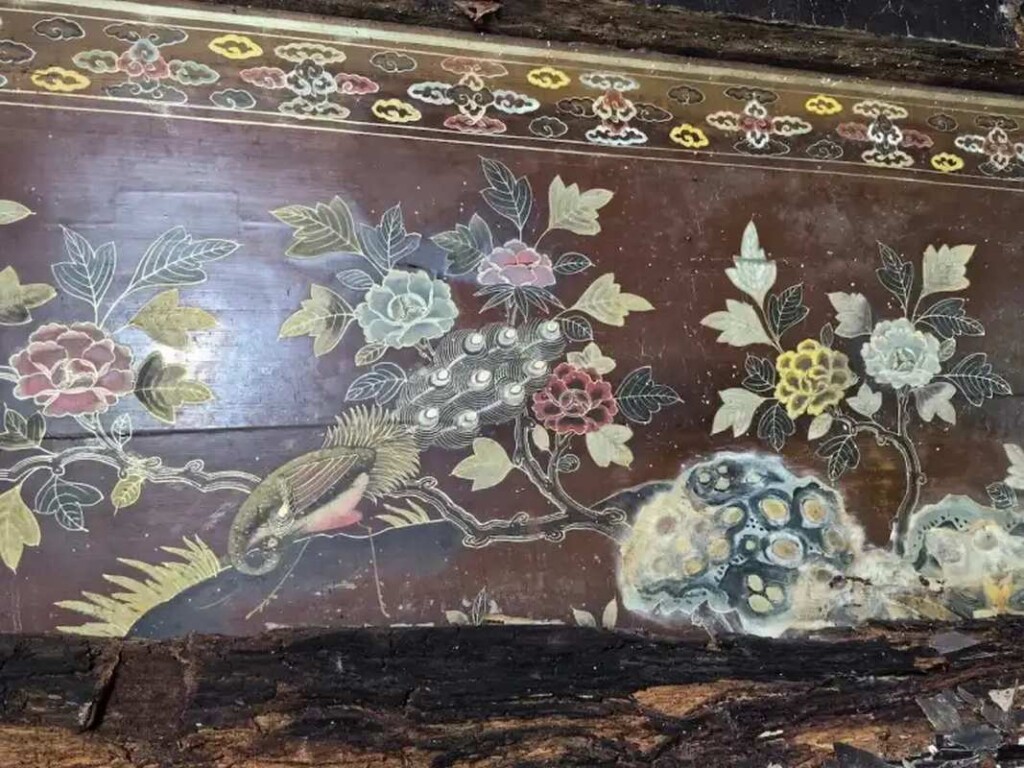
“Entrusted by the Ming dynasty to serve the royal court as a palace official,” read his coffin of tan wood painted with diamonds and flowers.
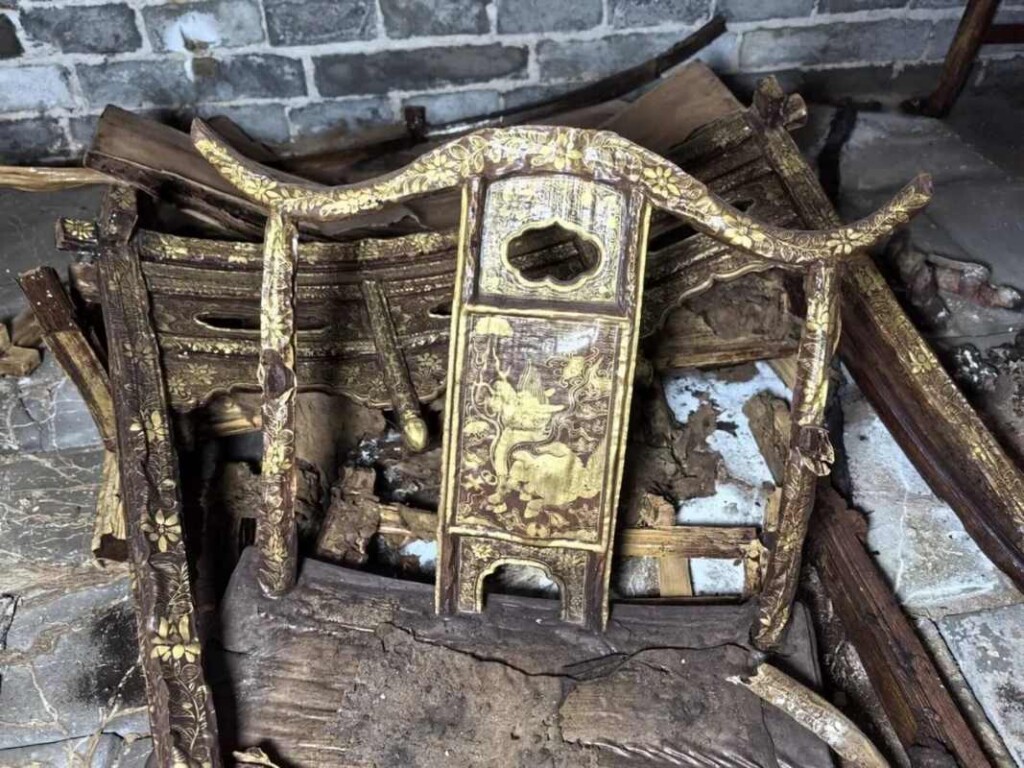
All around the tomb were signs of high office. An ornate wooden desk and chair sat in one of the chambers, on which were candlesticks, incense burners, painted wooden figurines, ink stones, brushes, and brush holders. A gorgeous chair of lacquered wood with gold and black designs and a dragon image sat behind the desk.
Other tables had ceramic and stone bowls and pots, that in their great state of preservation, give the appearance it wasn’t long ago that a meal was shared on them.
The right coffin is the one believed to have contained the remains of the official – credit, Shanxi Institute of Archaeology, releasedThe rear chamber – credit, Shanxi Institute of Archaeology, released
“It is rare in Xinzhou and even the entire province. It provides precious physical information for studying the local Ming dynasty tomb shape, social life, and burial customs,” wrote the scientists in an announcement about their discovery.
The tomb was found as part of a monumental discovery in Xinfu District that identified a sort of “Valley of the Officials” to borrow from the famous Egyptian Valley of the Kings.
66 tombs, dating as far back as the nearly Neolithic Longshan Culture, through to the Warring States Period, and onto nearly all of the most important imperial dynasties, including the Han, Tang, Jin, Yuan, Ming, and Qing dynasties, covering around 1,500 years.
They were discovered during the realignment of China’s National Highway 108, and Wang Luo’s tomb was found on a brick terrace near the village of Hexitou.
Decorations inside the tomb – credit, Shanxi Institute of Archaeology, released.The chair found in the rear chamber – credit, Shanxi Institute of Archaeology, released
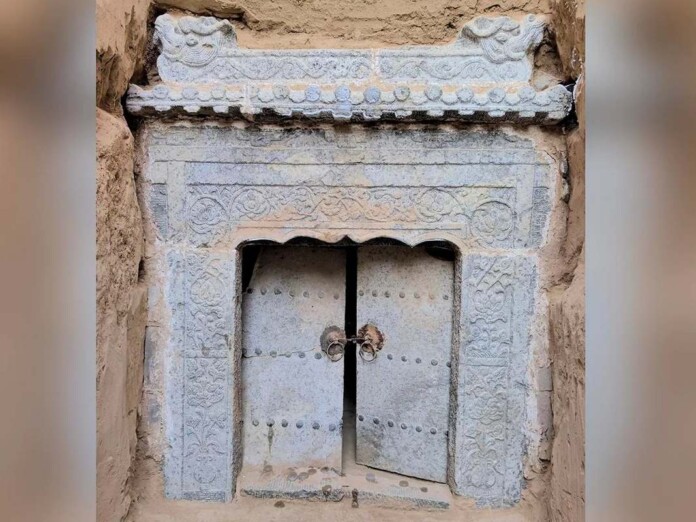
Shaped like an addition sign, the exquisite stone doors and portico are carved with interlacing flowers. A corridor runs to a central chamber, the length of which is around 75 feet.
Niches stand on each side of the chamber, and a larger, rear chamber containing the desk and most of the funerary goods also includes a stone stele with Wang’s epitaph, which contains some curious life advice carved in the Zhuan script, as well as personal information.
“Those who have borrowed money to become prosperous should not be arrogant,” the epitaph read, adding that Wang was the third youngest brother of a famous palace eunuch named Wang Zhi.
SHARE These Gorgeous Photos With Your Friends Who Enjoy Chinese History…
Two firms in Boston have just laid the foundations of a large building using a USA-made zero-carbon cement mixture, representing one of the first adoptions of this technology in the real world.
Many companies are testing or subsidizing low/zero carbon cement and concrete hoping to reduce their carbon footprint, but few as yet are using it liberally to build real structures.
Manufactured by Sublime Systems, which was just named to Fast Company Magazine’s Most Innovative Companies in Sustainability for 2024, the firm uses an electrochemical process to create the cement for ready-mix products.
At the heart of traditional Portland and other kinds of cement is its heating in a kiln wherein calcium carbonate reacts with silica-bearing minerals to form a mixture of calcium silicates. Over a billion tonnes of cement are made per year, and cement kilns are the heart of this production process: heating the mixture to over 1,300°C and producing around 5% of all made-made carbon emissions worldwide, according to The Economist.
By eliminating the kiln altogether, Sublime Systems has removed the large majority of emissions from the process.
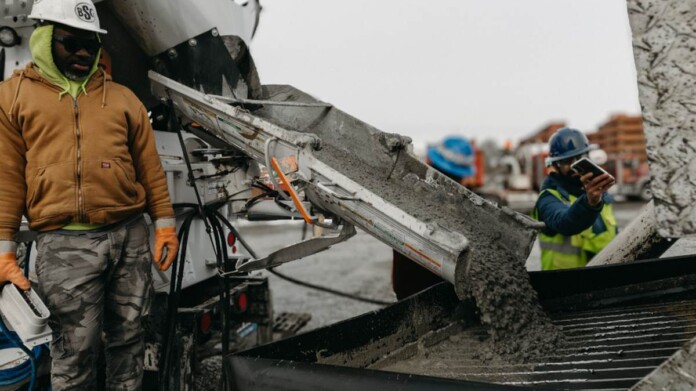
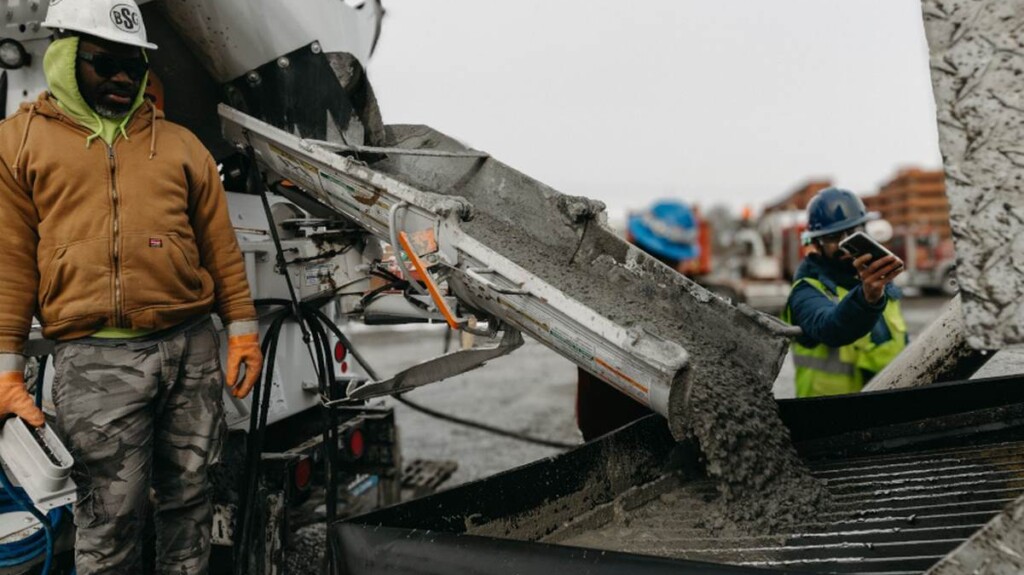
Best of all, it’s actually being used right now in the Greater Boston Area. Boston Sand & Gravel is supplying Turner Construction Co. with ready-mix cement containing Sublime Systems’ product to form the mud mat of a large building.
“It’s going to be in that building for decades to come,” Leah Ellis, Sublime Systems’ CEO, told Engineering News Record.
“It really was the culmination of a lot of effort to see it not just being done for testing’s sake, but actually, replacing cement that would otherwise have been the carbon-intensive variety.”
Along with reducing the carbon emissions budget of that new building, the construction has validated that several key targets of Sublime Systems’ product have been met: the product was transported to the site in a ready-mix concrete truck like normal, maintained malleability during transit, was poured out of the concrete truck and into a hose, and the hose was able to deliver it to the setting where it stuck and hardened—all exactly like traditional cement.
“In the grand scheme of things, it was, really, very boring for construction,” David Robb, a Turner estimator and the preconstruction manager on the Boston-area project, told ENR. “But it’s it’s a huge step in terms of our embodied carbon reduction goals that we’re striving toward in the future here at Turner.”
Government money as well as private investment has been pouring into Sublime Systems’ which seems poised to lead a great revolution in cement by building its first full-scale, dedicated manufacturing facility in Holyoke, Mass.
SHARE This Great Advancement In Green Construction With Your Friends…
Quote of the Day: “Anyone who has never made a mistake has never tried anything new.” – Albert Einstein
Photo by: Todd Quackenbush (cropped)
With a new inspirational quote every day, atop the perfect photo—collected and archived on our Quotes page—why not bookmark GNN.org for a daily uplift?
When I was young, backpacking through Europe with my sister, we took a train into Paris completely unaware that the Seine had flooded the city, and the train workers were on strike.
Most travelers lack immediate access to travel intelligence information or communication capabilities that may be critical in the event of a travel, medical, or security emergency, and for that reason, the Global Rescue Intelligence Delivery system app (GRID 2.0.) is winning awards.
Global Rescue is the undisputed world leader in providing medical, security, evacuation, and travel risk-management services for business or charity workers—and even young backpackers.
A membership with Global Rescue means you have the ultimate red button to press in case of an emergency—whether that’s a broken leg on a remote mountaintop, or being stranded by a natural disaster. Global Rescue’s staff of military veterans, paramedics, intelligence experts, and translators are on standby to help at all times, whether that’s a telehealth diagnosis or an emergency field evacuation.
And it’s all covered under the same membership cost, without co-pays, without deductibles, without coverage networks, and without claim forms.
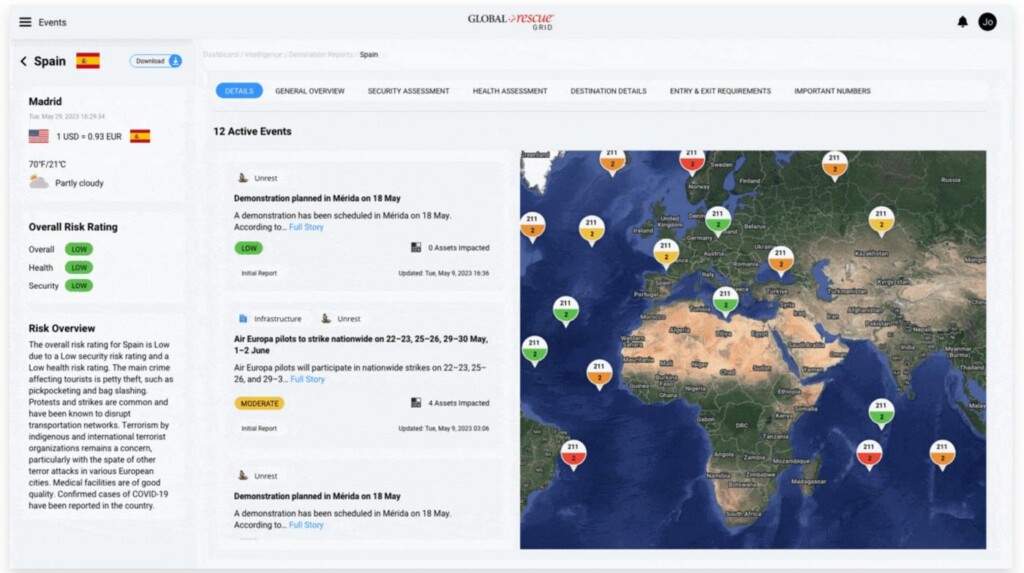
Also included in the membership is the GRID 2.0 app, not available on Apple or Google Play, which distributes targeted notifications and alerts to individuals who could be impacted by events including civil unrest, disease-related developments, safety issues, transportation disruptions, communications blackouts, and natural disasters such as floods, hurricanes, earthquakes, and volcanic activity.
For a concerned parent, the membership not only gives unparalleled protection for a charge far from home, but also the ultimate way to keep track of their journey and minimize risk.
“It is the world’s only integrated medical and security mobile app for travel risk, asset tracking, intelligence delivery, and crisis response management. Last year more than a million targeted event alerts were distributed to individuals who could be affected by more than 10,000 global events reported,” said Dan Richards, CEO of Global Rescue.
The GRID 2.0 system is comprised of two parts to reduce traveler risk. The Individual Traveler Mobile App and the Desktop Administrator Control Center work together to help individuals, organizations, companies, and universities protect, track, and communicate with remote travelers, employees, and students.
credit – Global Rescue, screengrab
Travelers using the GRID 2.0 Individual Traveler Mobile App can research medical and security risks by destination, obtain automatic Destination Reports, receive active security alerts including analysis and advice, connect for GPS “check-ins” with real-time location tracking, and stay in touch with in-app communications both internally and with Global Rescue, making it the ultimate choice for traveling in unstable regions or nations.
Back at home, headquarters, or wherever the traveler is striking out from, those using the Desktop Administrator Control Center can keep in contact with individual app users, keep watch on their locations, monitor real-time global threats and analysis with Event Alerts, and get comprehensive assessments of global risks that might affect app users 24/7/365.
“In an emergency, the GRID 2.0 app puts its users in immediate contact with the medical teams and military special operations veterans who staff Global Rescue’s Global Operations Centers,” said Harding Bush, associate director for Global Rescue security operations.
A membership to Global Rescue that includes the app starts at $319 for one year of unparalleled security and risk management.
Global Rescue was added to Fast Company’s prestigious list of the World’s Most Innovative Companies of 2024 as a result of the successful launch of GIRD 2.0. Over 2,000 NGOs, tour companies, and government agencies use Global Rescue to secure their overseas travel.
Over 1 million private individuals use Global Rescue, which having just entered its 20th year of business, has conducted just over 25,000 operations, including evacuations and rescues during some of the world’s most challenging crises.
SHARE This Amazing App And Service For Travelers You Know…