Our moms and dads used to tell us about their mile-long walk to school, which they did in the rain and the snow, and somehow was uphill both ways, but if we’re talking about peda-powered travel to school, this man has set a new standard.
Leaving his home in Conakry, Guinea, on a bike, Mamadou Safayou Barry traveled across the whole of West Africa and the Sahara Desert’s road network—2,500 miles—and across 5 countries in the mere hopes he’d be accepted into an Egyptian university.
Along the way, the husband and father of one crossed Benin, southern Mali, Togo, and Chad, as well as some of the most bandit-filled areas on Earth, including parts of Burkina Faso and Niger.
He was detained without cause or charge on three separate occasions, twice in Burkina Faso and once in Togo. It was in Chad, nearly four months after he left home, that he caught an auspicious wind. A local journalist reported on his efforts which led to a local philanthropist getting the man a flight to Cairo.
Once there, the prestigious Al-Azhar University offered him a full scholarship, first for Islamic studies, then for engineering.
Furthermore, Hollywood megastar Will Smith heard about Barry’s successful voyage, and gave a surprise congratulations to the man. The BBC reported on Barry’s ride in September, which is how Smith heard about it. He video-called the Guinean in Cairo to gift him a new bicycle and a laptop for his studies.
“When I saw him, I was confused in my head, because I had seen that man before,” Barry told the BBC from Cairo. “Then I remember—it’s Will Smith! Wow… I used to watch his films. I was sat on a chair in front of Will Smith!”
WATCH Mamadou Barry’s reaction…
SHARE This Cyclist’s Just Rewards With Your Friends In Need Of Inspiration…
Quote of the Day: “Dream in a pragmatic way.” – Aldous Huxley
Photo by: Kalen Emsley
With a new inspirational quote every day, atop the perfect photo—collected and archived on our Quotes page—why not bookmark GNN.org for a daily uplift?
Regular insulin and a syringe from ampoules and vials of medicines
Regular insulin and a syringe from ampoules and vials of medicines
Until this year, Americans with diabetes have been impacted—some horribly—by a steep rise in the cost of insulin as the price tripled between 2002 and 2013, and kept rising more than inflation.
Now, since the US Congress and Biden White House passed the 2022 Inflation Reduction Act, three pharmaceutical companies that control almost the entire insulin market, Novo Nordisk, Eli Lilly, and Sanofi, have all lowered the cost of their name-brand exogenous insulin products—feeling the pressure after the reform bill capped monthly insulin costs at $35 for all Medicare patients.
Insulin is essential for millions of people with diabetes, and there are no alternatives—yet it’s an old drug that has seen incremental innovations since it became widely available decades ago.
Another bill passed, the 2021 American Rescue Plan Act, included a regulation that forced big pharma companies to provide rebates to state Medicaid programs if the cost of their drug rose faster than the price of inflation.
credit - released to the press by Salak Phra Wildlife Sanctuary
credit – released to the press by Salak Phra Wildlife Sanctuary
This decade has been one of the most positive for news about tiger conservation of any since conservation science began in earnest, and a highlight must be this mother tiger and her two cubs sighted in Western Thailand, the first such sighting in more than 10 years of close monitoring.
Tigers are stable or increasing across their entire remaining strongholds, including China, Russia, India, Nepal, Bangladesh, Bhutan, and now Thailand—the only Southeast Asian country to see measurable increases in tiger population over the last 12 years.
There may now be as many as 190 tigers in the country, up from 46 logged in a population survey in 2007.
The sight of the mother and her cubs, in the Salak Phra Wildlife Sanctuary, part of the sprawling Western Forest Complex of Thungyai–Huai Kha Khaeng Wildlife Sanctuaries that stretch across 2,400 square miles, is a sign that Thailand’s conservation efforts are really working; not only are tigers breeding outside of core areas, but that must therefore mean there is enough large game, like sambar deer, to feed them.
“This is a big news for us,” said Rattapan Pattanarangsan, the conservation program manager at the Thai chapter of Panthera, a renowned wildcat conservation NGO. “…now we are the source, we can produce tigers from our place. That means our place is safe enough, and has enough prey for the mothers to eat and breed.”
Neighboring Laos, Cambodia, and Vietnam haven’t been able to make meaningful progress in restoring their tigers, and if they ever needed a few individual animals, Thailand now has a stable, growing population that is adapted to similar forest conditions.
Pattanarangsan told The Guardian that creative efforts to stop poachers, such as by working together with ranchers to place early warning cameras on forest trails have worked significantly.
Reductions in commercial bamboo harvesting have also reduced human-tiger conflict, and the animals look poised to continue flourishing in the western rainforests of the country.
SHARE This Ferocious Bite Of Good News With Your Friends…
An Englishwoman’s ring camera captured a beautiful interaction between her and a stranger who had stopped by on the fly to return a lost purse.
The woman, Georgia Girelli, was “literally crying” her eyes out over the missing bag—probably imagining the interminable amount of paperwork and security checks she would have to do to replace the bank cards, driver’s license, and any other identity documents therein.
Unable to open the door and thank the unnamed man face-to-face, she ended up having a short chat with him through the doorbell camera’s intercom from her friend’s house where she was at the time.
The man, likely from the Merseyside area due to his Liverpudlian accent, remarked that he had thought about swinging by in the morning, but remembered that his girlfriend had once lost her purse on a night out, and was inconsolable about it.
Georgia tries as hard as she can to reward the good samaritan, asking for a phone number and bank details, and even encouraging him to take some money out of the purse itself, but he refuses all of it.
“Nah, just pay it forward,” he replies, adding that he is a firefighter and by nature doesn’t need any reward for a good deed. “Just do something nice for the next person,” he concludes by saying.
A beautiful video, a beautiful exchange, and a beautiful lesson—pay it forward.
Singapore's ban on cats in government housing makes it difficult to reclaim a pet if you lose one. CC 2.0. Gilly Berlin
Singapore’s ban on cats in government housing makes it difficult to reclaim a pet if you lose one. CC 2.0. Gilly Berlin
Singapore has decided to lift a 30-year ban on owning cats in government housing, in which about 80% of the 3.6 million inhabitants live.
Singapore’s a beautiful, friendly, ordered place—a vision of a classless, harmonious, market-based society. But the government has gone to extreme lengths to establish and preserve this, and outrightly made illegal many normal things like chewing gum and cats.
Dogs, however, were not banned when the government housing program began more than 30 years ago, and many citizens now feel that a not-so-small modicum of justice has been served to the pet-owning community.
“Cats are so much quieter than dogs. If they allow dogs, I don’t understand why not cats,” said a 30-year-old Singaporean named Sunny, who has owned a cat clandestinely and lives in a government-built high rise.
Sunny, like most young people, lives in government-owned high rises, and told the Taipei Times that, even though the laws banning cats aren’t well-enforced, the fact that they are illegal in her home means she can’t register for pet insurance, or get certain veterinary procedures.
It also means that, if Sunny were to lose her cat Mooncake, she would have no way to prove ownership in the case that Mooncake was picked up by animal control.
MORE ANIMAL POSITIVITY:
The Times speculates that it was a recent survey among government housing occupants in which 9 out of 10 said cats make good, non-disruptive pets that led to the legislative about-face.
“I think it’s a good thing and it’s a step forward after 30 years,” Sunny said.
It will be interesting to see how many clandestine cats now come out of the shadows. It will certainly be enlightening for government bureaucrats curious to see how closely a law is followed when enforcement is lax.
SHARE This Positive Legislation In East Asia With Your Friends…
Quote of the Day: “No one has a greater asset for his business than a man with pride in his work.” – Hosea Ballou
Photo by: Štefan Štefančík
With a new inspirational quote every day, atop the perfect photo—collected and archived on our Quotes page—why not bookmark GNN.org for a daily uplift?
A man in Inner Mongolia, China, went above and beyond to rescue a pregnant horse that was trapped in a deep hole in the snow.
He found the horse laying lifeless, unable to find any strength to pull itself out.
The rescuer who lives in Hulunbuir summoned his friends and eventually used a loader with a rope to hoist the horse out of the hole.
A heartwarming video shows the successful rescue after which the horse seemed completely unharmed by the ordeal.
The Good Samaritans reportedly said that before the horse wandered away from the scene, it looked back at them and gave them a gesture which seemed like an expression of gratitude.
After Japan’s 7.6 earthquake on January 1st, veteran educator Anne Hanson urgently sought to learn the fate of her former host family who live in Uozu, a coastline city not far from the quake’s epicenter.
After decades-old email addresses proved useless, Anne searched the internet for Uozu information and made a hope-against-hope effort to reach them by completing a form found on the website for Uozu City Hall.
That’s when a miracle happened. Less than 24 hours later, she received an email from Akihiko Kiyokawa, her Japanese host of 22 years ago.
Akihiko told Anne about the serendipity: “It just so happens that a close friend of mine who can speak some English saw Anne’s message and forwarded it to me. If that friend had overlooked it, this connection would not have happened.”
“When I entered my information into each online window provided, I knew the odds of reaching Akihiko were huge,” Anne told GNN. “But I also knew I believed in miracles and prayed that someone in the office of the beautiful Uozu community might take the time to locate the Uozu teacher Akihiko Kiyokawa.”
She painstakingly crafted a subject line that identified herself as a Fulbright Memorial Fund alumni because she knew the respect the community felt for all the American teachers who had visited Japan to foster mutual understanding through the program.
Subject: “Prayers for you and Japan from Fulbright Memorial Fund 2001 alumna Anne Hanson”
In the message she identified and greeted her host: “Dear Uozu and Family of Akihiko Kiyokawa, my dear FMF host from 2001.” And, from those details, she was reunited with her beloved host family.
“I am so grateful that Akihiko’s friend ‘happened’ to see my message. But for me and Akihiko, our reunion is no mere coincidence—it is a miracle,” says Anne.
The Japanese woman and her relatives had lost their homes, but nevertheless reported good news from the disaster.
“Fortunately, there were no injuries and my life was saved,” she wrote. “Under these circumstances, I never expected to receive a message of sympathy from America. I believe this is a truly miraculous event that should make it onto the news. I would like to cherish it.”
As a 30-year educator, writer, and believer in miracles, Anne could not agree more with Akihiko’s interpretation of our electronic reunion.
“That my dear host had a friend in the office at just the right time, saw my message, and forwarded it to Akihiko—Yes! A true miracle and, yes again, worthy of making it onto the news.”
An African psychedelic plant “significantly” alleviated the symptoms of war veterans suffering from traumatic brain injuries (TBIs), according to another new study.
Ibogaine, a naturally occurring compound found in the roots of the African shrub iboga, was found to successfully improve functioning, PTSD, depression and anxiety in military veterans.
The plant-based psychoactive drug, which has been used in Africa for a thousand years during spiritual and healing rituals, was also found to contain no adverse side effects—with some veterans saying the experimental treatment saved their lives.
Hundreds of thousands of troops serving in Afghanistan and Iraq have sustained TBIs in recent decades, and these injuries are suspected of playing a role in the high rates of depression and suicide seen among military veterans. With mainstream treatment options not fully effective for all veterans, researchers have sought therapeutic alternatives.
Ibogaine has gained notoriety in scientific communities for its potential to treat opioid and cocaine addiction, because it increases signaling of several important molecules within the brain, some of which have been linked to drug addiction and depression.
Traumatic brain injury is defined as a disruption in the normal functioning of the brain resulting from external forces—such as explosions, vehicle collisions or other bodily impacts. Such trauma can lead to changes in the structure of the brain, which, in turn, contributes to neuro-psychiatric symptoms.
Stanford Medicine researchers discovered that ibogaine, when combined with magnesium to protect the heart, safely and effectively reduces symptoms like PTSD, anxiety, and depression—and improves functioning—in veterans with TBI.
Their new study, published on Jan. 5 in Nature Medicine, includes detailed data on 30 veterans of U.S. special forces.
“No other drug has ever been able to alleviate the functional and neuropsychiatric symptoms of traumatic brain injury,” said Nolan Williams, MD, an associate professor of psychiatry and behavioral sciences. “The results are dramatic, and we intend to study this compound further.”
Tabernanthe iboga plant by Giorgio Samorini CC 2.0
Since 1970 ibogaine has been designated as a Schedule I drug, preventing its use within the U.S., but clinics in both Canada and Mexico offer legal ibogaine treatments.
“There were a handful of veterans who had gone to this clinic in Mexico and were reporting anecdotally that they had great improvements in all kinds of areas of their lives after taking ibogaine,” Williams told Stanford Medicine News. “Our goal was to characterize those improvements with structured clinical and neurobiological assessments.”
Dr. Williams and his Stanford team partnered with VETS, Inc., a foundation that has facilitated psychedelic-assisted therapies for hundreds of veterans. 30 special operations veterans with a history of TBI and repeated blast exposures—almost all of whom were experiencing clinically severe psychiatric symptoms and functional disabilities—were recruited after they’d independently scheduled themselves for an ibogaine treatment at a Mexico clinic.
Navy Seal and VETS co-founder Marcus Capone has flown 700 Seals to Mexico for a day of ibogaine treatment. In most cases, the veterans are “cured” of intractable PTSD and opiate addiction. Photo by Steve Jurvetson (CC license)
Before the treatment, the researchers gauged the participants’ levels of PTSD, anxiety, depression and functioning based on a combination of self-reported questionnaires and clinician-administered assessments. Participants then traveled to a clinic in Mexico run by Ambio Life Sciences, where under medical monitoring they received oral ibogaine along with magnesium to help prevent heart complications that have been associated with ibogaine. The veterans then returned to Stanford Medicine for post-treatment assessments.
19 of the participants had been suicidal, and seven had attempted suicide.
“These men were incredibly intelligent, high-performing individuals who experienced life-altering functional disability from TBI during their time in combat,” Williams said. “They were all willing to try most anything that they thought might help them get their lives back.”
On average, treatment with ibogaine immediately led to significant improvements in functioning, PTSD, depression, and anxiety. Moreover, those effects were still lasting one month after treatment, when the study ended.
Before treatment, the veterans had an average disability rating of 30.2 on the disability assessment scale, equivalent to mild to moderate disability. One month after treatment, that rating improved to 5.1, indicating no disability.
Similarly, one month later, they experienced average reductions of 88% in PTSD symptoms, 87% in depression symptoms and 81% in anxiety symptoms. Formal cognitive testing also revealed improvements in participants’ concentration, information processing, memory and impulsivity.
“I wasn’t willing to admit I was dealing with any TBI challenges. I just thought I’d had my bell rung a few times—until the day I forgot my wife’s name,” said Craig, a 52-year-old study participant from Colorado who served 27 years in the U.S. Navy.
“Since [ibogaine treatment], my cognitive function has been fully restored. This has resulted in advancement at work and vastly improved my ability to talk to my children and wife.”
“Before the treatment, I was living life in a blizzard with zero visibility and a cold, hopeless, listless feeling,” said Sean, a 51-year-old veteran from Arizona with six combat deployments who participated in the study and says ibogaine saved his life. “After ibogaine, the storm lifted.”
Importantly, there were no serious side effects of ibogaine and no instances of the heart problems that have occasionally been linked to ibogaine. During treatment, veterans reported only typical symptoms such as headaches and nausea.
The team is planning further studies, along with analysis of brain scans that could help reveal how ibogaine led to improvements in cognition. They also think ibogaine’s drastic effects on TBI suggest that it holds broader therapeutic potential for other neuro-psychiatric conditions.
“I think this may emerge as a broader neuro-rehab drug,” said Williams. “I think it targets a whole host of different brain areas and can help us better understand how to treat other forms of PTSD, anxiety and depression that aren’t necessarily linked to TBI.”
SHARE THE FANTASTIC NEWS With Veterans on Social Media…
The majority of Americans (62%) believe there are too many different ideas of what it means to be “healthy”, according to new survey.
Based on the random double-opt-in poll of 2,000 U.S. adults, over 40 percent point to eating healthy foods and being physically active.
But this view may be holding Americans back from other factors that impact their health: just 29% consider getting 7 hours of sleep as part of being healthy—even though scientific research shows it has a direct link to memory, dementia, mental health, and longevity.
Even fewer respondents see the health value of having a positive mindset (25%) or seeking mental health care (12%), even though research shows that optimism might add years to your life.
Conducted by OnePoll on behalf of Cambia Health Foundation, which supports more accessible health care, 80% of respondents said their doctor always asks about their physical health, but nearly a third said they’re never asked about their mental health (29%).
39% weren’t aware that it can have a direct impact on physical health, and 50% reported they’ve never received mental health care.
Besides those who felt like they didn’t need it (42%), others were open to mental health care but haven’t sought help because it was too expensive (14%) or they couldn’t find the time (11%).
One thing that respondents can agree on is that being healthy means more than just visiting the doctor (82%).
Yet, one-third admitted that they often put-off taking care of certain health concerns and they avoid seeking medical care because of concerns over what the doctor will find (33%).
One in five Americans surveyed rate their intake of healthy foods as below-average, but looking toward the future, 84% of Americans want to do better in making their health a priority as they get older.
In fact, 65% are feeling inspired to take better care of their health.
TOP WAYS AMERICANS WILL CARE FOR THEIR HEALTH IN 2024
1. Be more physically active — 40%
2. Eat healthier foods — 37%
3. Maintain a positive mindset — 30%
4. Spend time doing things they love — 22%
5. Sleep more hours — 22%
6. Spend more time with loved ones — 19%
7. Set goals for themselves — 16%
8. Monitor stress levels — 16%
9. Utilize products that help their body internally (vitamins, superfoods) — 14%
10. Visit their health care provider more often — 12%
Here’s hoping that we all can improve our health in at least one of these areas in 2024.
Quote of the Day: “Be faithful in small things because it is in them that your strength lies.” – Mother Teresa
Photo by: Humphrey Muleba
With a new inspirational quote every day, atop the perfect photo—collected and archived on our Quotes page—why not bookmark GNN.org for a daily uplift?
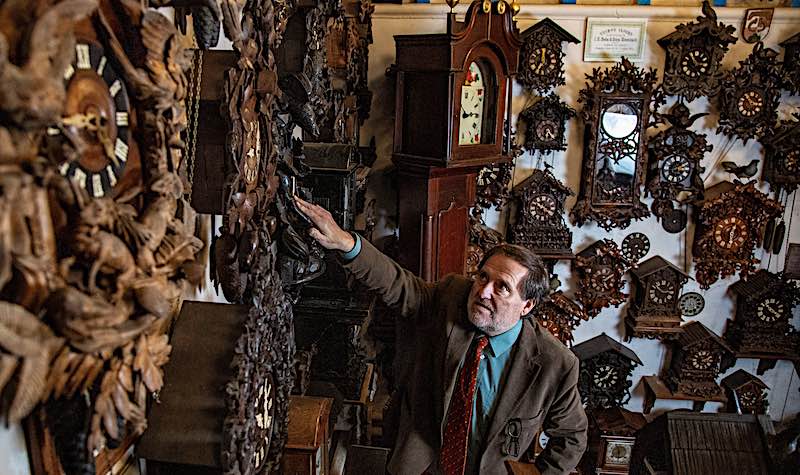
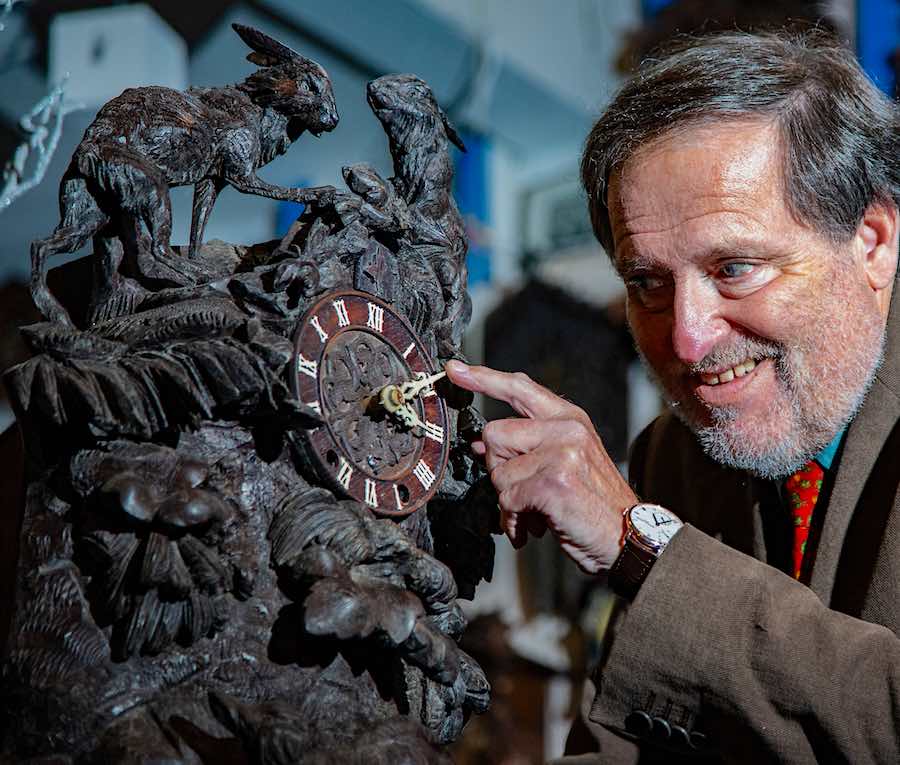
Cuckooland’s Roman Piekarski with the world’s largest collection of cuckoo clocks in Cheshire, England – SWNS
Cuckooland’s Roman Piekarski with the world’s largest collection of cuckoo clocks in Cheshire, England – SWNS
Two unmarried brothers are seeking an heir to take over their cuckoo clock collection—the largest one in the world.
For five decades, Roman and Maz Piekarski have collected 750 intricate pendulum-driven clocks to display in their ‘Cuckooland’ museum.
But as time ticks down on their careers, the siblings who have no children are now desperate to find someone to take on the metronomic menagerie before their deaths, according to Southwest News Service.
“I’m 71 and Maz is 69, and we have not got anybody to leave it to,” explained Roman.
“It would be wonderful if we could get someone to take it on. It really would be.”
They became fascinated with clocks as teens and went into the trade as apprentices after leaving school at 15.
The brothers from England traveled all around the world hunting down unique timepieces while trying to beat rival collectors from the U.S. and Germany.
But after amassing the world’s largest collection for their museum outside of Cheshire (see video below), they now have no sons or daughters to leave it to.
Roman Piekarski, 71, begins turning back clocks for daylight savings at Cuckooland – SWNS
“For the last four years, I have been making small inquiries as to finding somebody who could take it over,” says Roman. “But I’ve not found a single person who could come in and run it.
“We are looking for a body to take Cuckooland on, hopefully keep it together for all time. We’ve still got the time to teach people—and we don’t care where we have to go to do it—so they’ll know how to maintain, look after, give guided tours, whatever is necessary.”
They caught the bug for European cuckoo clocks after learning that they all came from a 25-mile patch of the Black Forest in Germany.
Their finest pieces include one made for Frederick I, the Grand Duke of Barden in the 1860s, and another was brought aboard a Lancaster bomber in World War II.
Cuckooland – SWNS
The rarest clocks can take years to acquire, and whenever the pair hears a whisper that there might be an antique clock coming to market, they are ready to travel and get in ‘the hunt’.
“If it’s a special clock that’s come up for sale, I would do the deal and then get the next flight out of Manchester to the nearest airport to where the people live and then locate it and pay for it and then fly back – all in the same day. And now we have got some very, very rare pieces.”
At a fair in the Black Forest, for instance, he laid eyes on a hotly desired 1860s hand-built clock that he’d been chasing for two years—and quickly snapped it up.
“How I’d found it before everyone else? We have a saying in England: ‘First up, best dressed’.”
Roman said he’d approached various people about taking on the collection but had not received any offers, despite mostly rave reviews from visitors and specialists.
“The British museum got in touch with us, and they said ‘If we could lift your place and put it in our place, that would be the best thing we could do.
“I’ve got it in me to teach someone how to do the guided tours and about the clocks and the different stories—and my brother’s got time to teach someone about doing the movements.
“When people leave our museum, they are absolutely gobsmacked. People just can’t believe what we’ve managed to put together.”
Their website has been abandoned, but if you are interested in a new career or to inquire further, contact them by phone (+44 1565 633039) or visit them on Chester Road in Tabley, Cheshire.
Get a look at the museum in the video below…
⬇️ IT’S TIME to Share the Extraordinary Opportunity on Social Media–And Help Someone Find Their New Passion…
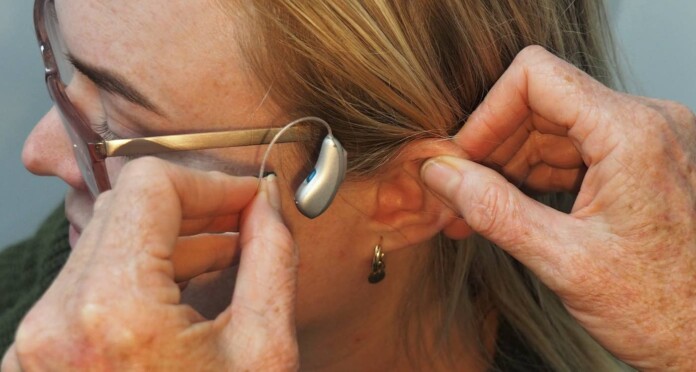
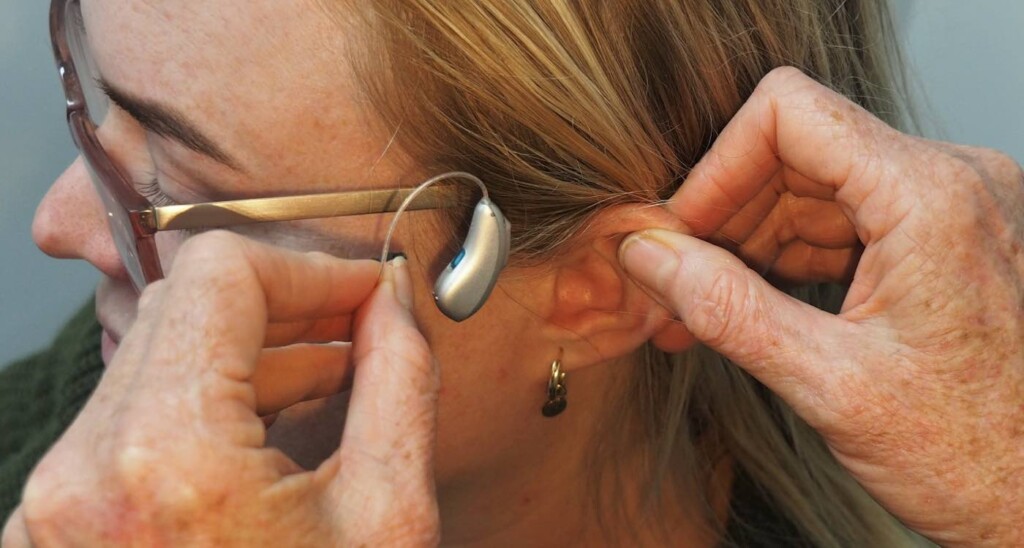
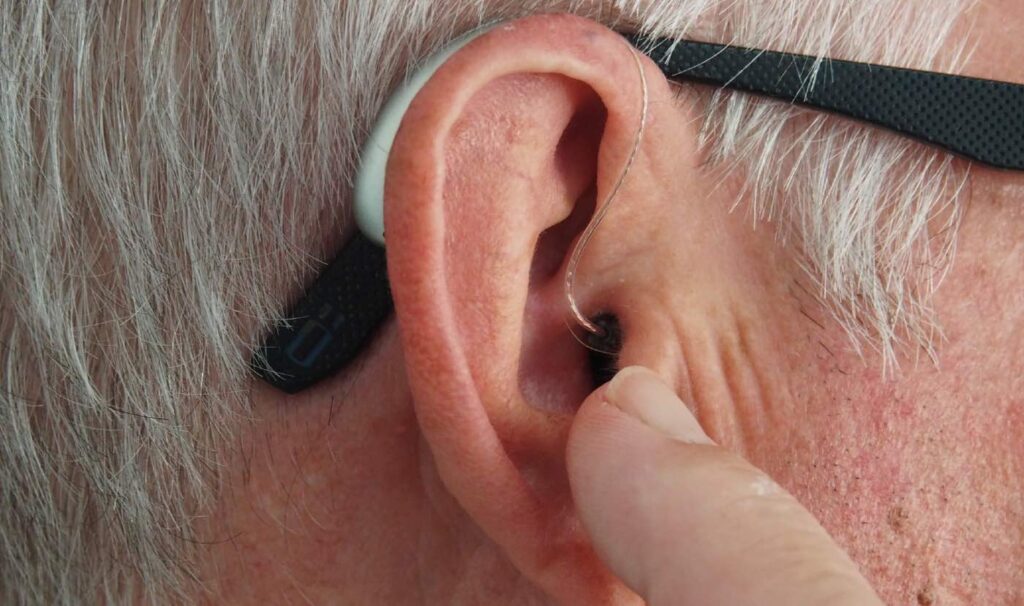
New research suggests hearing aids may help people live longer, showing that such devices reduce the risk of death by almost 25 percent.
Hearing loss affects tens of millions of people around the world—but only one in 10 who need hearing aids use them.
Those who refuse their doctor’s advice to wear hearing aids may want to make a New Year’s resolutions to wear one, according to Scientists at the University of Southern California who conducted a new study published in The Lancet journal Healthy Longevity.
“We found that adults with hearing loss who regularly used hearing aids had a 24 percent lower risk of mortality than those who never wore them,” said lead research Dr. Janet Choi.
“These results are exciting because they suggest that hearing aids may play a protective role in people’s health and prevent early death.”
Previous research has shown that untreated hearing loss can result in a reduced life span, and higher levels of depression and dementia, but there’s been little research examining if the use of hearing aids can reduce the risk of death.
Dr. Choi, an otolaryngologist with USC’s Keck Medicine, said that the new study represents the most comprehensive analysis to date on the relationship between hearing aid use and mortality.
She and her colleagues used data compiled by a national survey from 2012 to identify almost 10,000 adults 20 years and older who had completed audiometry evaluations, a test used to measure hearing ability, and who filled out questionnaires about their hearing aid use. Their mortality status was followed for a follow-up period of 10 years after their evaluations.
By Mark Paton
A total of 1,863 adults were identified as having hearing loss. Of these, 237 were regular hearing aid users, which were characterized as those who reported wearing the aids at least once a week, five hours a week or half the time, and 1,483 were identified as ‘never-users’ of the devices. Subjects who wore the devices less than once a month were categorized as ‘non-regular’ users.
Researchers found that the almost 25% difference in mortality risk between regular hearing aid users and never-users remained steady, regardless of variables such as the degree of hearing loss (from mild to severe); age, ethnicity, income, education and other demographics; and medical history.
There was no difference in mortality risk between non-regular users and never users, indicating that occasional hearing aid use may not provide any life-extending benefit.
While the study didn’t examine why the hearing aids may help people live longer, but Dr. Choi pointed to recent research linking hearing aid use with lower levels of depression and dementia.
She believes the improvements in mental health and cognition that come with improved hearing can promote better overall health.
She, herself, was born with hearing loss in her left ear—but did not wear a hearing device until her 30s. She hopes this research will encourage people to overcome factors like stigma and cost, which might keep them from acquiring a device.
A hero dad saved a woman and her three-year-old daughter after he saw their car being swept away in a flooded river.
Liam Stych leapt into action fighting a raging torrent after hearing the woman screaming “Help me, help me, please save my baby!”
A video shows the woman’s car being dragged under a footbridge as floods surged through Birmingham, England on Tuesday following Storm Henk.
Not only did the 28-year-old dangle off the bridge and smash the rear passenger window, the quick-thinking dad used ratchet straps to lash the Fiat to the bridge to stop it from sinking. (See the video below…)
“We were walking over a bridge and I heard a woman screaming from inside a car.
“The front of her car was pointing down into the water so I dangled off the bridge. I didn’t want to make the situation worse by sinking the car with my weight.”
“I told the woman to remain calm and unwind her window and to hand me her child.”
The woman could only get her window half-way down but he grabbed the baby and “hurled her” into the arms of his pregnant partner who was on the bridge. The highway engineer then sprinted back to his work van and grabbed a set of 3.5 ton ratchet straps.
“Once the baby was safe I ran to get the straps and climbed back to the car and smashed the back passenger window.”
The car secured to the bridge following the rescue in Hall Green, Birmingham – SWNS
“I secured the car to the bridge with the ratchet straps so it wouldn’t drift any further under the bridge.”
“I then told the woman to climb into the back and get out the window.
“She managed to get out and we held hands to jump together into the water after a count of three. (The current) was really strong and I dragged her out of the water.”
West Midlands Police hailed Liam a hero, but the modest dad-of-two insisted he just acted “on instinct”.
“I think if I hadn’t done what I did the car would have been dragged under the bridge and there would have been no way of getting them out.
FREE WILL ASTROLOGY – Week of January 6, 2024
Copyright by Rob Brezsny, FreeWillAstrology.com
CAPRICORN (Dec. 22-Jan. 19):
“All the things I really like to do are either illegal, immoral, or fattening,” quipped Capricorn author Alexander Woollcott (1887–1943). Since he was never arrested, I conclude he didn’t get to enjoy some of the activities he relished. Was he immoral? Not exactly, though he could be caustic. Offering his opinion about a famous pianist, he said, “There is absolutely nothing wrong with Oscar Levant that a miracle couldn’t fix.” The good news for you, Capricorn, is that 2024 will be mostly free of the problems Woollcott experienced. You will be offered an abundance of perfectly legal and moral enjoyments. They may sometimes be fattening, but so what?
AQUARIUS (Jan. 20-Feb. 18):
Singer-songwriter Tori Amos says she’s sure she was burned for being a witch in a previous lifetime. I suspect most of us had past incarnations in which we were punished simply for being our beautiful selves. I bring this up, Aquarius, because I think 2024 will be a favorable time to get some healing from any ancient hurt like that. You will have a series of experiences that could help you recover from the illusion that being faithful to your truth is somehow wrong. Life will conspire with you to help you reclaim more of the full audacity to be your gorgeous, genuine self.
PISCES (Feb. 19-March 20):
I believe 2024 will be one of the best years ever for your education. Your willingness and eagerness to learn will be at a peak. Your knack for attracting inspirational teachers will be excellent. It’s likely you will be exceptionally curious and open to good influences. My advice is to be alert for lessons not just from obvious sources of wisdom and revelation, but also from unexpected founts. Don’t be too sure you know where revelations and illumination might come from.
ARIES (March 21-April 19):
The plan I will propose in this horoscope is for temporary use. I’m not recommending you stick to it for all of 2024, but just for the next 15 to 18 days. If you do, I believe it will set you up for beautiful success in the coming months. Here’s my idea: Embark on a free-form extravaganza of playing and having fun. Just for now, set aside your ambition. Don’t worry about improving yourself and producing results. Simply enjoy a phase of suspending inhibitions, creatively messing around, having nothing to prove, and being motivated by the quest for joy.
TAURUS (April 20-May 20):
Climate change is impacting rainbows. Rising temperatures and dryer conditions mean that some parts of the world will get fewer rainbows, and other areas will get more. Canada and Siberia will benefit, while the Mediterranean will be less well-endowed with sky-borne arcs of color that come from sunlit rain. But I predict that no matter where you live, the rainbow will be a potent and regular symbol for you Bulls in 2024—more than ever before. That means you will have increased reasons to entertain hope and more power to find beauty. On occasion, there may even be very good luck at the metaphorical rainbow’s end.
GEMINI (May 21-June 20):
As one of your inspirational stories for 2024, I offer this tale from singer-songwriter Tom Waits: “Once upon a time, there was a crooked tree and a straight tree. They grew next to each other. Every day, the straight tree would look at the crooked tree and say, ‘You’re crooked. You’ve always been crooked, and you’ll continue to be crooked. But look at me! I’m tall, and I’m straight.’ Then one day, lumberjacks came to the forest and looked around. The manager in charge said, ‘Cut all the straight trees.’ And that crooked tree is still there to this day, growing strong and growing strange.” (PS: Here’s more from Gemini writer Ralph Waldo Emerson: “Be true to your own act, and congratulate yourself if you have done something strange and extravagant.”)
CANCER (June 21-July 22):
Japanese artist Hokusai (1760-1849) developed a fascination for his country’s iconic Mount Fuji. In his seventies, he produced a series of woodblock prints titled Thirty-Six Views of Mount Fuji. Later, he added three books of prints collectively called One Hundred Views of Mount Fuji. Some art historians say his obsession stemmed from the legend that the mountain was home to the secret of immortality. The coming year will be a fine time for you Cancerians to celebrate and concentrate on your own Mount Fuji-like passion. Sometime soon, identify what it is, and start making plans to commune with it intensely.
LEO (July 23-Aug. 22):
If you will ever in your life go viral—that is, create or do something that suddenly becomes widely known and influential—I bet it will be in 2024. Even if you don’t produce TikTok videos seen by 10 million people, you are at least likely to become more visible in your local community or field of endeavor. Of course, I would prefer that your fame and clout spread because of the good deeds you do, not the weird deeds. So I urge you to cultivate high integrity and a wildly generous spirit in the coming months. Be a role model who inspires and uplifts.
VIRGO (Aug. 23-Sept. 22):
I expect 2024 to be a free-spirited, wide-ranging, big-vision type of year for you, dear Virgo. I predict you will feel an abundance of urges to travel, roam, and explore. You will be more excited than anxious about the prospect of leaving your comfort zone, and you will have a special fondness for getting your mind expanded by interesting encounters. That doesn’t mean you will avoid all awkwardness and confusion. Some of that stuff will happen, though it will usually evolve into educational adventures. And the extra good news is that wandering out in nature will provide even more inspiration and healing than usual. Treasure this quote from conservationist Rachel Carson: “Those who contemplate the beauty of the earth find reserves of strength that will endure: the migration of the birds, the ebb and flow of the tides, the folded bud ready for the spring.”
LIBRA (Sept. 23-Oct. 22):
I am pleased to inform you that a visit to hell will not be on your itinerary in 2024. You may be invited to take a few excursions into the realm that depth psychologists call the underworld, but that’s a good thing. There you will be able to hunt for treasures that have been hidden and uncover secrets that will illuminate your epic, months-long quest for wholeness. It may sometimes be dark and shadowy down there below, but almost always dark and shadowy in ways that will lead you to healing. (I will reiterate what I implied above: The underworld is NOT hell.)
SCORPIO (Oct. 23-Nov. 21):
I hope that working hard on togetherness will be a fun project for you in the coming months. To do it well, you must outgrow some habitual ways of doing friendship and intimacy. You will have to be imaginative and ingenious. Are you willing to believe that you do not yet know all there is to know about being a fantastic ally and partner? Are you ready to approach the arts of collaboration and cooperation as if enhancing your skills is the most important thing you can do? For the sake of your best selfish goals, be a brilliant teammate in 2024.
SAGITTARIUS (Nov. 22-Dec. 21):
Each of us is a complex, kaleidoscopic work of art, whether or not we consciously approach our destiny in that spirit. Every day, we use our creative imagination to craft new elements of the masterpiece known as the story of our life. Leos come by this fun project naturally, but you Sagittarians also have great potential to embrace it with glee and panache. I trust you will be especially keen on enjoying this sacred work in 2024. And right now, today and in the coming weeks, will be an excellent time to ramp up the scintillating drama.
WANT MORE? Listen to Rob’s EXPANDED AUDIO HOROSCOPES, 4-5 minute meditations on the current state of your destiny — or subscribe to his unique daily text message service at: RealAstrology.com
Quote of the Day: “Man’s capacity for justice makes democracy possible, but man’s inclination toward injustice makes democracy necessary.” – Reinhold Niebuhr
Photo by: Andy Feliciotti
With a new inspirational quote every day, atop the perfect photo—collected and archived on our Quotes page—why not bookmark GNN.org for a daily uplift?
VRSA (Staphylococcus Aureus), a kind of medically-resistant infection, under a microscope
VRSA (Staphylococcus Aureus), a kind of medically-resistant infection, under a microscope
An entirely new kind of antibiotic has been found to be 100% successful in animal trials in eliminating one of three antibiotic-resistant infections believed to pose the greatest risk to human health.
Known as Carbapenem-resistant Acinetobacter baumannii, or CRAB for short, it is classified as a priority 1 pathogen by the WHO, a significant cause of damaging infections in patients, particularly those on ventilators, and resistant to several antibiotics.
Designed by Roche Pharma Research in Basel, Switzerland, the new antibiotic is called Zosurabalpin, and it was able to defeat strains of CRAB-induced pneumonia and sepsis in mouse models.
Many resistant bacterial species come from a family known as Gram-negative bacteria, which boast a defensive shell made of a toxic substance called lipopolysaccharide.
The Guardian reports that no new drug has been developed to combat Gram-negative bacteria in 50 years. In one of the preliminary studies for efficacy, a team from Harvard found that Zosurabalpin prevented the bacteria from transporting the LPS to its exterior shell, rendering it vulnerable to all kinds of attacks.
“LPS allows bacteria to live in harsh environments, and it also allows them to evade attack by our immune system,” Dr. Michael Lobritz, the global head of infectious diseases at Roche Pharma, told the Guardian.
“This is the first time we’ve found anything that operates in this way, so it is unique in its chemical makeup and mechanism of action.”
Stopping CRAB is not the end of the medical crisis of antibiotic-resistant infections, but some of those involved in Zosurabalpin’s development believe it opens something of a door to experimenting with similar mechanisms against antibiotic-resistant E. coli or Pseudomonas aeruginosa, the latter of which has been shown to be vulnerable to similar drugs.
Roche Pharma is tempering expectations as efficacy in animal trials doesn’t equate to human efficacy. A Zosurabalpin trial is already underway in humans.
SHARE This Promising Development Amid A Goal Medical Emergency…
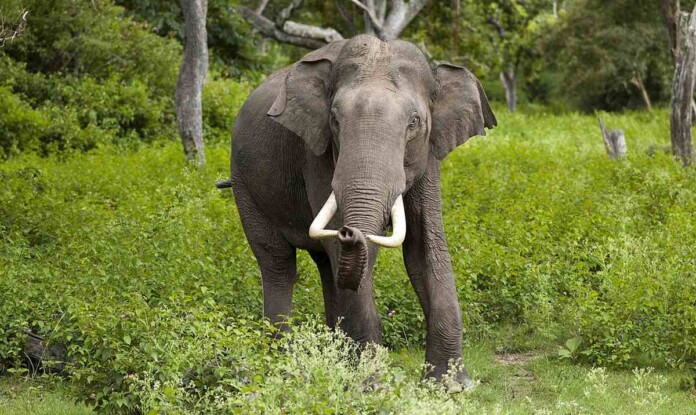
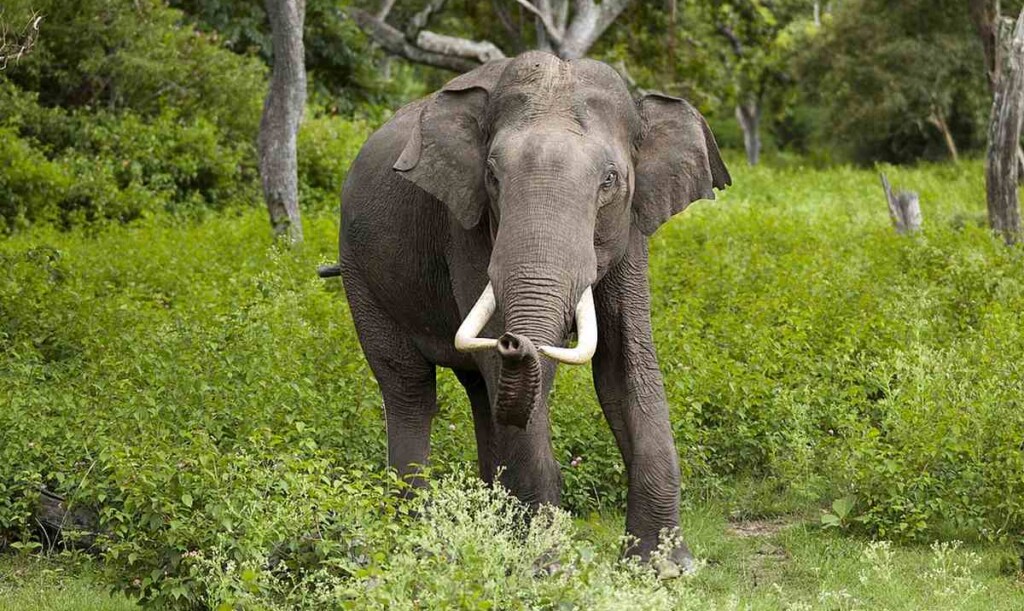
Indian elephant bull in musth in Bandipur National Park - credit Yathin S Krishnappa CC 3.0.
Indian elephant bull in musth in Bandipur National Park – credit Yathin S Krishnappa CC 3.0.
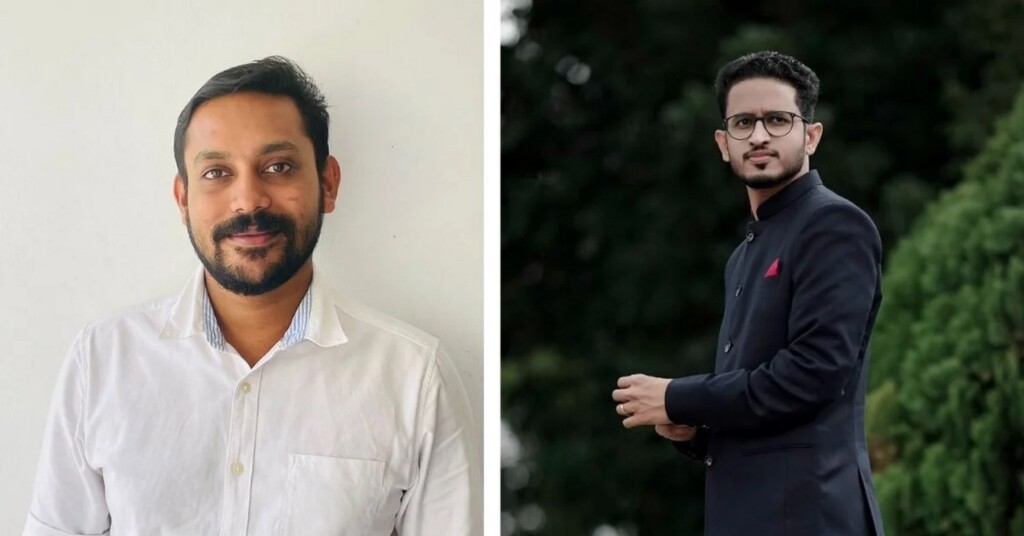
Rather than taking their software and programming degrees into the tech sector, two young Kerala men are using them to bring India’s efforts to track, prevent, and punish wildlife crime into the 21st century with a suite of sophisticated apps and tools.
They believe they are the first to bring this level of digitization into wildlife conservation, allowing courts to rapidly process wildlife crime cases, rangers to track and analyze patterns of criminal activity in forests, and much more.
Paper records, written by hand, recorded by memory, are the kind of data that so many ranger teams and criminal prosecutors of wildlife crime have to rely on around the world in the course of their noble work, and India is no exception.
“I realized how there is a gap in the market. There is almost zero technology to track any kind of wildlife crime in India,” said Allen Shaji, co-founder of Leopard Tech Labs. “Working with the Wildlife Trust of India and with their support, our company was able to make HAWK or ‘Hostile Activity Watch Kernel’ with the forest department of Kerala,” he says.
Along with his college buddy and fellow cofounder Sobin Matthew, Leopard Tech Labs developed four unique programs now in use by the Kerala Forest Department, called Cyber HAWK, SARPA (Snake Awareness, Rescue and Protection App), Jumbo Radar, and WildWatch.
“HAWK is an offense management system that includes case handling, court case monitoring, communication management, and wildlife death monitoring,” Allen told The Better India, explaining that before this, all casework was recorded on papers. Now, HAWK can quickly summarize vast amounts of data into various kinds of digital documents, like a Google spreadsheet, PDF, Microsoft Excel, etc.
HAWK can surf the data inputs in seconds, enabling real-time answers to be generated while court or parliament is in session, whether that’s a spreadsheet on the year-over-year rate of elephant deaths, or a police report from the scene of a wildlife crime arrest or trafficking bust.
HAWK is not only used by the authorities, but contains big datasets provided by the IUCN, the world’s largest wildlife conservation organization.
Sobin Mathew and Allen Shaji of Leopard Tech Labs – credit Leopard Tech Labs, released to The Better India
In addition to HAWK, Jumbo Radar allows the forest departments of India to track elephants in real-time in case they should depart a nature reserve, while WildWatch uses machine learning to predict future incidents of human-wildlife conflict before they happen.
In particular, it uses seasonal movements of animals, past records of violence against wildlife, and data on crops including the amount of land cropped, the proximity to nature reserves, and when in the year humans are working on the boundaries of the cropped areas all to predict where conflicts will happen before they do.
“This information allows for targeted interventions, such as advising villagers to relocate or alter crop cultivation practices, thereby mitigating conflicts and promoting coexistence,” Allen says.
Already Leopard Tech Labs’ products are moving beyond Kerala to Tamil Nadu, and three tiger reserves have begun using their suite of solutions. Leopard Tech has even developed an app for Brazil—to help reduce human-snake conflict.
Wildlife trafficking is the third-most lucrative illegal trade in the world, and nations with weak enforcement of environmental laws risk becoming hotbeds for poaching of far more than just elephants and rhinos.
SHARE This Inspiring Story Of Tech Used For Good In South Asia…
Among the oldest video games in society, Tetris had never been ‘beaten’ before by a human: until now.
Nearly 40 years after its development, an Oklahoma teen is believed to be the first person in history to ever beat Tetris, which for those gamers in the reading audience occurs when the blocks fall so fast, and the mechanism for keeping score records 999999 points for so long, that the low-tech hardware can’t continue to process and the game freezes.
Previously only AI or simply bot programs have been able to cause the game to reach its freeze point, but according to the Classic Tetris World Championship, 13-year-old Wilis Gibson is the first person to ever provide proof that their human eyes, brain, and fingers achieved this.
Known by his gamer tag Blue Scuti, Gibson recorded the event and posted it on YouTube on Tuesday. He starts the game, and plays for 38 minutes until level 157 when the blocks are whizzing down so fast he barely has time to think.
After 38 minutes, he can be heard saying “Oh I missed it,” believing he lost his chance after a misplaced brick scuttles the pattern of blocks he was building up.
Then the game freezes and poor Gibson starts to hyperventilate with excitement, saying “Oh my god, I’m going to pass out, I can’t feel my hands.”
“It’s never been done by a human before. It’s basically something that everyone thought was impossible until a couple of years ago,” Vince Clemente, the president of the Classic Tetris World Championship, told the New York Times.
WATCH the magical moment below…
SHARE This Personal Accomplishment With Your Gamer Friends…