All News - Page 319 of 1719 - Good News Network
Home Blog Page 319

“Don’t try to ignore the hurt, because it is real. Just let the hurt soften you instead of hardening you.” – Bryant McGill

Quote of the Day: “Don’t try to ignore the hurt, because it is real. Just let the hurt soften you instead of hardening you.” – Bryant McGill 

Photo by: Ivana Cajina

With a new inspirational quote every day, atop the perfect photo—collected and archived on our Quotes page—why not bookmark GNN.org for a daily uplift?

Aussie Dad Recovers from Brain Tumor, Stroke, and Coma in 5 Month ‘Miracle’ to Spend Christmas at Home

Credit - Leslie Rutledge
Credit – Leisa Rutledge

A family in Australia had a lovely Christmas despite the second half of 2022 bringing enough medical misfortunes for a whole lifetime.

Danual Rutledge discovered in July he had a brain tumor, which would have been difficult enough, had he not suffered a stroke in his brain stem after surgery, and fallen into a coma after.

His wife Leisa had to relocate their family of three teenage kids to Brisbane for Danual’s treatment, during which time they were called to the hospital to “possibly say goodbyes.”

No one knew what kind of Danual would be there when he woke up; if he woke up.

Fast-forward to December and Rutledge did, in fact, wake up. Then he began talking, and can even walking again, bringing the neurosurgeon to discharge him from the hospital by saying “Dan, you’re a complete medical miracle.”

Leisa detailed to ABC News Australia that he started his long/short road to recovery tracing letters on her hand to spell out words, with the first being ‘I’m I ever going to walk or eat again?”

His neurosurgeon however responded with ‘yes’ which gave the shattered man confidence to persevere with his recovery. He’s now completed several months of speech, physical, and occupational therapies.

This December, the family returned to their home in the city of Yeppoon, just in time for Christmas Day.

MORE MIRACLES: Miracle Preemie Baby Born the Size of an iPhone Came Home For Christmas After a Year of Fears That He May Not Survive

“It was hard, there were times where I started to get really down, thinking I’m never going to be any good… but Leisa kept pushing me the whole time,” Rutledge told ABC.

His goal is to get back to fixing things around the house, drive his car, and perhaps above all, play golf again.

SHARE This Absolute Miracle With Your Friends On Social Media… 

British Company Develops First Tractor in the World to be Completely Powered by Cow Dung

A Cornish company has developed a ‘world first’ and created a tractor powered solely by cow poo. The blue 270-horsepower prototype was unveiled earlier this month and is fitted with a game-changing fuel tank technology making it the first tractor of its kind to be fueled by liquid-methane gas.See SWNS stlory SWLNtractor. The tractor powered by animal excrements with help farmers to become both energy independent and 'better' than carbon neutral. The New Holland T7 Methane Power Liquefied Natural Gas tractor was created by Bennamann, a company based Aerohub Business Park near Newquay who have spent over a decade researching and developing biomethane production to establish a way to turn methane gas into fuel. The tractor was created in partnership with New Holland’s parent company CNH Industrial and was put through its paces during a pilot run on a farm in Cornwall earlier this year. To create the liquified fuel, the methane gas is first collected and stored in one of Bennamann’s on-farm biomethane capture and storage systems.
– SWNS

New Holland’s brand new tractor runs on liquified methane, allowing farmers to decrease their emissions and save money on expensive diesel.

But that isn’t the only reason it’s more efficient, as the company says the fuel can easily be produced by methane from cow pies, allowing for a more circular economic model in the most circular of industries.

The pioneering 270hp tractor is claimed to be a match for the performance of standard diesel-powered versions. The groundbreaking machine was developed by British company Bennamann, which has been researching and developing biomethane production for over a decade.

Waste byproducts from a herd as small as 100 cows are turned into a fuel called fugitive methane in a biomethane storage unit based on the farm.

A cryogenic tank fitted on the tractor keeps the methane in liquid form at -162 degrees°C giving the vehicle as much power as a diesel but with significant emission savings.

It was put through its paces during a pilot run on a farm in Cornwall where carbon dioxide emissions were slashed from 2,500 metric tons to 500 metric tons in just a year.

YOU MAY ALSO LIKE: Nutrient-Rich Human Waste is Poised to Sustain Agriculture and Improve Economies, Say Researchers

“The T7 liquid methane-fuelled tractor is a genuine world-first and another step towards decarbonising the global agricultural industry and realizing a circular economy,” said Bennamann co-founder Chris Mann.

The company is also investigating the wider uses of the technology and hope it could one day be used to charge electric vehicles in rural locations.

The Cornwall and Isles of Scilly Local Enterprise Partnership (LEP) are now co-funding a study to assess the scale of fugitive methane emissions in Cornwall, the location of Bennanmann’s headquarters.

They will investigate the current emissions from sites such as dairy farms and wastewater treatment plants.

MORE AGRICULTURE NEWS: Sharp-Shooting Farm Robot Can Treat 500,000 Plants Per Hour With 95% Decrease in Chemical Sprays

The partnership will also study the future potential use of biomethane as a fuel for the likes of transport and agriculture.

“If we can make our agriculture industry energy-independent in the face of soaring input costs and volatile energy prices, while reducing emissions, then we can provide a huge economic boost for rural communities, greater food security, and move towards net zero,” said chair of the LEP, Mark Duddridge.

“These applications are not limited to agriculture or Cornwall. They are global.”

WATCH the company explain how it works… 

SHARE This Terrific Tractor Innovation With Your Friends…

These ‘Moonwalker’ Shoes Let You Walk at the Speed of Your Run

Shift Robotics - YouTube
Shift Robotics – YouTube

This summer, a pair of strap-on shoes will be available that allow you to walk at the speed of a run.

Aptly titled, “Moonwalkers” a set of eight wheels per shoe move your feet as if you were on a moving walkway at an airport.

The obvious question is, ‘how is that different from a rollerskate?’ with the answer being that the wheels move only when you do, and only when you reach a regular walking stride.

On stairs, entering or exiting public transit, or in crowded areas, the wheels won’t move a millimeter.

Designed by an American tech start-up called Shift Robotics, they accelerate normal walking pace to around 6.8 mph, around the clip of a comfortable run. Their crack team from the Carnegie Mellon Institute consisted of jet propulsion engineers, race car technicians, and running shoe designers.

“I asked myself why I never walked to work – and it’s not just me, a lot of people don’t rely on walking, which is surprising considering it’s much safer, easier and more convenient, plus it’s better for the environment,” Zhang Xunjie, founder of Shift Robotics, said in a statement.

SIMILAR: Shoes Made From Coffee Grounds and Recycled Plastic Bottles Are Not Only Waterproof But Super Comfy

“The problem is that walking is just too slow and inefficient. So I made it my mission to enhance walking instead of replacing it”.

Simple gestures, the raising or pivoting of the heel, switches the shoe from locked to moving mode, allowing a rather seamless transition between speed and safety. Inside the shoes are algorithms that can learn the wearer’s natural walking pace in under 10 steps.

Price points are not available at the moment, but they will be shipping this summer.

WATCH Them move, and hear the story of how they were made… 

SHARE This Wild Way To Walk With Your Friends… 

Alpacas and Llamas in Cornwall Enjoy Festive Feast of Christmas Trees After Unique Recycling Appeal by Owner

Chy Lowen Alpacas Tregaswith / SWNS News

After our own Christmas dinners had long been finished, some British llamas and alpacas finally got to enjoy their own festive feast after their farm received a glut of donated Christmas trees.

Mary Harvey, who runs CHAT (Chy Lowen Alpacas Tregaswith) in Cornwall, revealed the camelids ‘love’ to munch on Christmas trees in an appeal on social media.

She was inundated with trees. One tree lasts about a week, however, they now have enough to last the herd a whole three months.

Mary said alpacas and llamas like to graze on hedgerows, but there isn’t much available in winter, so Christmas trees provide a tasty and long-lasting alternative.

Chy Lowen Alpacas Tregaswith – Facebook

Christmas trees of pine, spruce, or fir, are a source of vitamin C and antioxidants, making them great dietary supplements for both alpacas and llamas (and humans besides). Pound for pound, they contain more vitamin C than lemons or oranges.

CHAT is a non-profit organization that is dedicated to helping children and young adults with a variety of issues using animal-assisted intervention.

SHARE This Funny Animal Story With Your Friends… 

“Surrender does not simply mean to give up; more to give up one’s usual self and allow something to enter and redeem the psyche where genius resides.” – Michael Meade

Quote of the Day: “Surrender does not simply mean to give up; more to give up one’s usual self and allow something to enter and redeem the psyche where genius resides.” – Michael Meade

Photo by: Jon Tyson

With a new inspirational quote every day, atop the perfect photo—collected and archived on our Quotes page—why not bookmark GNN.org for a daily uplift?

Breakthrough Obesity Treatment in Early Research Can Target Bad Fat Anywhere in the Body

Illustration of depot-specific targeting of fat by cationic nanomaterials. Credit Nicoletta Barolini - Columbia University
Illustration of depot-specific targeting of fat by cationic nanomaterials.
Credit Nicoletta Barolini – Columbia University

Folks struggling with obesity might wonder that with all the medical miracles modern technology has produced, how come there isn’t a more sure-fire way to get rid of excess body fat?

Well now, researchers at Columbia University have found that a positively charged nanomaterial called P-G3 interacts with negatively charged fat cells in obese mice that could open the door to precision non-invasive body fat removal.

As fat cells (adipocytes) take on energy in the storage form of fats, called lipids, genetic changes cause them to behave in a chronically obese manner, and not like that of a fat cell from a normally-weighted person.

Reversing these changes is at the heart of the Columbia researchers’ experiment. Discovering that the structure of the cell’s exterior was negatively charged, they thought it might act as a transporter for their P-G3 nanomaterial, but they were surprised to find it acted on the cell by shutting down the lipid storage functions of the adipocytes.

This however did not interfere with the cells’ other functions. In the mice who received the P-G3 injections, their adipocytes reverted to more metabolically healthy fat cells, the kind one might find in newborns or athletes.

SIMILAR: Breakthrough Using CRISPR to Target Fat Cells in Genetic Study of Obesity

“With P-G3, fat cells can still be fat cells, but they can’t grow up,” said study author Kam Leong. “Our studies highlight an unexpected strategy to treat visceral adiposity and suggest a new direction of exploring cationic nanomaterials for treating metabolic diseases.”

Lead author Lei Qiang believes they have found the “secret” to targeting fat in a specific way in specific places, saying in a press release that “now we can shrink fat in a depot-specific manner—anywhere we want—and in a safe way without destroying fat cells. This is a major advance in treating obesity.”

LEARN MORE: Specific Gut Bacteria Extract More Energy Which Seems to be Associated with Obesity

Qiang et al’s work was published in two papers: the first targeting subcutaneous fat which is found under skin tissues and which produces flabby arms, and visceral fat which produces pot bellies, according to the university press.

Know Someone Trying To Lose Weight? SHARE This Interesting Research…

Aztecs Used the Mountains to Create Sophisticated Farming Calendar that Even Accounted for Leap Years: Study

Ben Meissner
Mount Tlaloc observatory – Ben Meissner

Without clocks or modern tools, ancient Mexicans watched the sun to maintain a farming calendar that precisely tracked seasons and even adjusted for leap years.

In the early 16th century, the largest city in Spain had a population of less than 50,000, whereby in contrast the land the Spanish were on the verge of conquering could sustain millions.

By this time, the people living in the Mexican Basin had been using a calendar so precise, that it allowed them to time the planting of their crops to avoid the dangers of hot dry springs and summer monsoons, and detect both equinoxes, as well as both solstices, and leap years.

Research now compiled by the University of California, Riverside, shows how the Aztec, or Mexica as they called themselves, were able to achieve such accuracy in timing the seasons and the weather.

“We concluded they must have stood at a single spot, looking eastwards from one day to another, to tell the time of year by watching the rising sun,” said Exequiel Ezcurra, distinguished UCR professor of ecology who led the research.

RELATED: Amaranth is a Health Trend 8,000 Years Old That ‘Could Feed the World’

That single spot was identified through Mexica manuscripts that tell of a Mount Tlaloc east of the Mexican Basin. Using computer modeling of the sunrise, Ezcurra et al. determined that atop this sacred mountain lies a temple, and that on the first day of the Mexica New Year, Feb. 24th, the sun would have risen precisely behind a causeway-like structure on the temple seen in the image above.

“Our hypothesis is that they used the whole Valley of Mexico. Their working instrument was the Basin itself. When the sun rose at a landmark point behind the Sierras, they knew it was time to start planting,” Ezcurra said. “The Aztecs were just as good or better as the Europeans at keeping time, using their own methods.”

MORE STORIES LIKE THIS: Fun Facts and Strange Customs to Celebrate the Vernal Equinox

By using a fixed point of sunrise, the Aztecs were able to account for very particular celestial phenomena, for example “solar declination.” In winter, due to the tilt of the Earth, sunrise occurs below the celestial equator and appears from the Mexican Basin in the southeastern sky, while during summer the reverse happens, and the sun swings round to the northeast.

Other topographical features have been observed as potentially having a place in the calendar system, for example the sun rises behind Mount Telapón on October 15th, and behind Mount Tehuicocone on the Winter Solstice.

SHARE This Ancient Wisdom With Your Friends… 

This Startup Captures CO2 by Injecting it Straight into Volcanic Rock–Plentiful in Barren Part of Kenya

Francis Kimani - courtesy Cella Mineral Storage
Francis Kimani – courtesy Cella Mineral Storage

A startup in Kenya is growing minerals by capturing CO2 from the air and storing it deep underground in volcanic basalt.

Far from the fertile grasslands of Tsavo or Amboseli national parks, northern Kenya is a more barren land owing to its volcanic past. When the basalt rock 1,300 feet underground comes into contact with CO2—for instance when it’s pulled from the atmosphere, a chain reaction occurs that could kick start a continental climate revolution.

Cella Mineral Storage is a startup that’s partnering with Kenya’s flourishing geothermal energy sector to offer a zero-emissions permanent carbon sequestration solution. They’re planning to attach a facility that pulls CO2 from the air and deposits it underground where the geothermal plant is drilling to generate electricity.

Owing to poor access to electricity and unreliable grids, Africa is the furthest along to becoming a climate-neutral continent.

Kenya however is uniquely positioned to take advantage of solar, wind, and most importantly, geothermal energy sources. The government hopes to become the continent’s largest exporter of carbon credits—a digital asset that represents an investment in carbon capture programs to offset the emissions from a particular company’s operations.

“When you’re thinking about large-scale carbon removal, it makes the most sense in a place where there’s a ton of renewables,” Claire Nelson, CEO of Cella Mineral Storage, told Fast Company.

CHECK OUT: This Startup Uses Volcanic Rock Dust to Capture Carbon on Farms

Roughly half of Kenya’s electricity needs are met with geothermal, and renewables in total supply 92% of the current use demand for power. There’s so much geothermal electricity going around that in fact there’s a surplus so large it could power 20 large carbon capture stations.

Currently Cella has not given estimates on how much carbon dioxide these capture stations would indeed capture, but looking at similar installations can give clues.

RELATED: World’s First Ocean-Assisted Carbon Removal Plant Launched in Hawaii

In June GNN reported on Tata Chemicals’ large carbon capture plant, which captures 40,000 metric tons of carbon dioxide each year—the equivalent to taking over 20,000 cars off the roads. Another large project in Iceland, which will use the exact same set up and methods as Cella will in Kenya, captures 4,000 tons per year.

If the Iceland plant is so similar, a fact Fast Company added in its own report on Cella’s work, then at 20x capacity their stations in northern Kenya would be capturing 80,000 tons of carbon dioxide each year.

SHARE This African Innovation With Your Climate Concerned Friends… 

Vaccine that Could Cure and Even Prevent Brain Cancer Developed by Scientists

MRI of a glioblastoma - CC 2.5. Christaras A
MRI of a glioblastoma – CC 2.5. Christaras A

In Boston, a potentially-revolutionary treatment for deadly brain cancer is showing promising early signs in mice both for the eradication and prevention of tumors and individual cancer cells.

A vaccine in the true sense of the word, the method involves repurposing living cancer cells to destroy the tumors which spawned them.

Cancer cells have very particular characteristics, one of which potentially makes them even better cancer-killers than immune molecules. That characteristic is their ability to travel long distances through the body returning to the tumor they came from.

By using a similar technique to CRISPR called CRISP-CAS9, researchers at Brigham and Women’s Hospital in Boston were able to change proteins within the living cancer cells to prime tumors and other cells for destruction. The priming got the immune system involved, which then resulted in the mice in immunological memory just like vaccines for viruses.

In experiments, it worked on mice carrying cells derived from humans, mimicking what will happen in patients, which had the deadliest form of brain cancer called glioblastoma.

MORE LIKE THIS: Achilles Heel for Glioblastoma Discovered—a Rogue Protein that Turns Natural Defenses Off

“Our team has pursued a simple idea: to take cancer cells and transform them into cancer killers and vaccines,” said corresponding author Dr Khalid Shah.

“Using gene engineering, we are repurposing cancer cells to develop a therapeutic that kills tumor cells and stimulates the immune system to both destroy primary tumors and prevent cancer.”

– Shah et al

Glioblastomas have one of the lowest survival rates of any cancers, with fewer than 10% of patients living past 3 years.

MORE MEDICINE NEWS: Light Therapy is Harnessed to Target and Kill Cancer Cells in This World First

CRISPR has almost the ultimate potential to eliminate cancer through gene-editing, but targeting exactly which genes to edit in cancerous or non-cancerous cells is a matter of serious research.

“Throughout all of the work we do, even when it is highly technical, we never lose sight of the patient,” said Dr. Shah. “Our goal is to take an innovative but translatable approach so that we can develop a therapeutic, cancer-killing vaccine that ultimately will have a lasting impact in medicine.”

DOo You Believe In A Cancer Cure In Your Lifetime? ASK Your Friends… 

“When you are immune to the opinions and actions of others, you won’t be the victim of needless suffering.” – Don Miguel Ruiz

Quote of the Day: “When you are immune to the opinions and actions of others, you won’t be the victim of needless suffering.” – Don Miguel Ruiz

Photo by: Daniel Schaffer

With a new inspirational quote every day, atop the perfect photo—collected and archived on our Quotes page—why not bookmark GNN.org for a daily uplift?

Livin’ Good Currency Ep. 27: Alex Amouyel on Starting a Life Impact Audit

The Lesson: Everyone can make an impact if they give 10%—effort, time, money, etc. to ensuring that across all dimensions of life they are making a positive impact rather than a negative one. Sometimes it takes a hard look in the mirror, but it’s always worth it in the end.

Notable Excerpt: “[Do] an audit of your life across all the different categories. So career and job is one of them, but also your money, volunteering, your side-hustles, your family or the institutions you’re part of, look at all your life and first start rating it by how much time are you spending on these categories and then whether you’re having a positive-neutral-negative effect.”

The Guest: Alex has spent over 15 years working in the social impact space for one of the largest children’s nonprofits. Save the Children and the Clinton Foundation. She now leads MIT Solve.

As a founding Executive Director of Solve. Alex has built and now oversees a fast-growing team whose mission is to drive innovation, to solve global challenges. Their team finds funds and supports the most promising social innovators in entrepreneurs all around the world.

To date solve has brokered funding commitments of over 60 million to their “solver” teams and entrepreneurs worldwide.

The Podcast: Livin’ Good Currency explores the relationship of time to our lives. It focuses on learning how super-successful people align their purpose with their passions to do good for themselves and others daily, and features a co-host who knows better than anyone the value of time (see below). How do you want to spend your life? This hour can inspire you, along with upcoming guests, to be sure you are ‘Livin’ Good Currency’ and never get caught running out of time.

The Hosts: Good News Network fans will know Tony (Anthony) Samadani as the co-owner of GNN and its Chief of Strategic Partnerships. Co-host Tobias Tubbs was handed a double life sentence without the possibility of parole for a crime he didn’t commit. Behind bars, he used his own version of the Livin’ Good Currency formula to inspire young men in prison to turn their hours into honors. An expert in conflict resolution, spirituality, and philosophy, Tobias is a master gardener who employs ex-felons to grow their Good Currency by planting crops and feeding neighborhoods.

Episode Resources:
 
Alex Amouyel | instagram
Alex Amouyel | Twitter
Your Impact Life | Website
SolveMIT | Twitter

Are you ready to start your health journey today? Go to viome.com/goodcurrency to get $50 off Viome’s Full Body Intelligence test or bundle, the most advanced at-home health test currently available to consumers. Use Promo Code: CURRENCY50

Hero or Nuts, He Ran a Marathon Every Day in 2022–And Then Went to Work at His Job–Raising a Million for Charity

sporlab

For many, running a marathon is an accolade of life, a culturally-fixed way of proving athletic ability and determination—but for Gary McKee, it’s literally just another day in the office.

McKee ran a marathon every day of 2022 to raise money for cancer treatment, and a simple multiplication problem of 26.2 x 365 will reveal he ran 9,500 miles (15,300km) during the year, equivalent to crossing the United States three times.

He ran through 20 pairs of running shoes, and what’s more, his marathon was only a prelude to going to work in the morning at the Sellafield nuclear site.

On New Year’s Eve he finished his final marathon to cheering crowds and fireworks near his Cumbrian home. News came in that he had raised £1 million in donations for Macmillan Cancer Support and West Cumbria Hospice at Home.

“It’s not the distance, it’s because it’s the last one. It’ll be a special day. Cancer affects everybody so it isn’t just a west Cumbrian thing, it’s a national thing,” McKee told the BBC at breakfast ahead of his final run.

“I just hope that people do get behind us and we do raise that million pounds. If we don’t, it won’t be because I haven’t run 365 marathons.”

MORE ATHLETIC NEWS: NBA Basketball Star Donates Full Salary This Season to Build Hospital in DR Congo to Honor Father

“It’s difficult to put into words how grateful we are to Gary for taking on this unbelievable challenge,” said Hayley McKay, director of funding and communications for Hospice At Home West Cumbria. “The physical and mental strength he has shown is incomprehensible.”

After McKee was finished, he expressed his contentment in laconic terms, telling the BBC “we’ve done the job.”

SIMILAR: Nebraska Teen Runner Helps Competitor Finish Race After He Collapsed, Giving Up His Own Qualifying Hopes

He celebrated with his supporters; a “Marathon Man IPA” in his hands on what was a cold and rainy, yet intensely satisfying December day.

WATCH the start and finish of his final marathon… 

SHARE This Unbelievable Feat Of Athletics For A Good Cause On Social Media…

Life Might Be Found on One of Saturn’s Moons Without a Spacecraft Even Needing to Land

Artists rendition of Enceladus Credit: NASAJPL-Caltech
Artists rendition of Enceladus Credit: NASA/JPL-Caltech

Evidence of life on the icy Saturnine moon of Enceladus could be uncovered by a robot spacecraft sampling plumes of methane jetting out of its liquid interior, scientists suggest.

All NASA needs would be a robot that can either sample these plumes, or punch through the planet’s icy exterior to what we now know is a warm, salty ocean below.

When it was first surveyed by NASA in 1980 it looked like a not-too-exciting snowball in the sky.

A second NASA mission between 2005 and 2017 found its thick layer of ice hides a vast, warm saltwater ocean outgassing methane, a gas that typically comes from microbes on Earth.

The methane was discovered when the mission’s Cassini spacecraft flew through giant water plumes erupting from the surface of Enceladus.

Last year, scientists from the University of Arizona in the US and Université Paris Sciences et Lettres in France worked out that if life has emerged on Enceladus, this could explain why methane is found there.

While the number of bacteria in its ocean would be small, all it would need to uncover them would be a visit from a robot spacecraft.

Professor Régis Ferrière from the University of Arizona recently lead a study that showed how a well-equipped robot wouldn’t even need to land on Enceladus, but only fly through one of its plumes to “confidently” determine whether life has evolved there.

Why Enceladus?

One of Saturn’s 83 moons, the surface is like a frozen pond glinting in the sun, and it reflects light like nothing else in the solar system.

Along the moon’s south pole, at least 100 giant water plumes erupt through cracks in the icy landscape created by Saturn’s gravity. The excess methane expunged in the plumes resembles Earth’s hydrothermal vents found under the sea where two tectonic plates meet each other.

Where they meet, hot magma below the sea floor heats the ocean water in the porous bedrock creating “white smokers” which release scorching hot, mineral-rich sea water.

RELATED: NASA Measures Interior of Mars for the First time, Revealing Huge Liquid Core

Tiny organisms under the sea have no access to sunlight so they need the energy from chemicals released by white smokers to stay alive.

“On our planet, hydrothermal vents teem with life, big and small, in spite of darkness and insane pressure,” Ferrière recently explained. “The simplest living creatures there are microbes called methanogens that power themselves even in the absence of sunlight.”

Methanogens convert dihydrogen and carbon dioxide to gain energy and release methane as a byproduct.

The researchers’ calculations were based on the theory that Enceladus has methanogens that inhabit oceanic hydrothermal vents resembling the ones found on Earth.

MORE LIKE THIS: NASA Detects Carbon Dioxide–the Building Block of Life–in Exoplanet’s Atmosphere for First Time

The team worked out what exactly the total mass of methanogens on Enceladus would likely be, as well as the likelihood that their cells and other organic molecules could be ejected through the plumes.

The team say any regions of Enceladus that contain life would feed the plumes with just enough cells or organic materials to be picked up by instruments on a future space ship.

The team say a future mission may struggle to find direct evidence of life but the presence or absence of certain organic molecules, such as particular amino acids, would serve as indirect evidence for or against an environment abounding with life.

CHECK OUT: NASA Probe Enters the Sun’s Atmosphere for the First Time, Immediately Teaching Us New Things About Our Star

“The definitive evidence of living cells caught on an alien world may remain elusive for generations,” said the study’s first author Dr. Antonin Affholder. “Until then, the fact that we can’t rule out life’s existence on Enceladus is probably the best we can do.”

Scientists now want to go back to Enceladus and one mission proposes to land there in the 2050s to collect “extensive” data about it.

Hundreds of Mayan Cities and Towns with Ball Courts and Roads Discovered in LiDAR Survey in Guatemala

La Danta Pyramid at El Mirador - CC 2.0. Dennis Jarvis
La Danta Pyramid at El Mirador – CC 2.0. Dennis Jarvis

Researchers studying the Mayan Empire have discovered that hidden under the rainforests of Guatemala were more than 900 habitations including at least 4 large cities and thousands of yards of raised causeways connecting them.

Together the research reveals the true scope of territorial reach and technological sophistication of the Maya like never before.

The revolutionary method that led to this discovery was a light detection and ranging (LiDAR) survey, which uses lasers to give centimeter-accuracy of the terrain features below a forest canopy, effectively allowing archaeologists to do what used to take decades of expensive excavations with a few fly overs in a plane.

650 square miles across northern Guatemala’s Mirador-Calakmul Karst Basin (MCKB) revealed 30 of the famous ball courts of the Ancient Mesoamerican team sport, 195 cement reservoirs which literally drained nearby lakes dry, and 110 miles of elevated walkways connecting 417 villages.

All of this dates to the middle and late Preclassical period of Mayan History, contemporary with such famous events in the Near East as the sack of the ancient Elamite capital of Susa by Assyria, the destruction of the Temple of Solomon by the Babylonians, and the Greco-Persian Wars including the Battle of Thermopylae.

The past 40 years of traditional excavations in the MCKB revealed around 56 sites, including the city of El Mirador, which contains the largest stone pyramid in the history of the Mayan world, La Danta. 205,508 limestone blocks comprise La Danta, and since it’s even larger than the great pyramid of Giza, would likely have required 6 to 10 million days of labor to build.

A great power of organization

“The skeleton of the ancient political and economic structure as a kingdom-state in the middle and late Preclassic periods has a tantalizing presence in the Mirador-Calakmul Karst Basin,” the research team, led by Idaho State University archaeologist Richard D. Hansen, concluded in its recent study on the LiDAR survey in Ancient Mesoamerica.

As seen in this Twitter post, having only a topographical visualization of the MCKB, the challenge of trying to make sense of each individual site’s level of sophistication was a big one, and the researchers utilized a tiered system with 6 levels. El Mirador with its enormous pyramid is the highest tier, and the other areas march backwards from it.

The authors set definitions for city, town, and village, but admit that their data is limited to visible features on the surface.

MORE LIDAR NEWS: Almost 500 New Mesoamerican Structures Discovered By Using Lasers

“To further complicate issues, the Mirador Basin Project has identified an astonishing presence of “invisible” house mounds, with packed earthen floors, postholes, and Preclassic pottery in situ, but with no surface indications of architecture,” the authors write, explaining that some settlements could be larger than the surface architecture suggests.

“The consistency of architectural forms and patterns, ceramics, sculptural art, and unifying causeway constructions within a specified geographical territory suggests a centralized political, social, and economic organic solidarity among the occupants,” they continue.

“The magnitude of the labor in the construction of massive platforms, palaces, dams, causeways, and pyramids dating to the Middle and Late Preclassic periods throughout the MCKB suggests a power to organize thousands of workers and specialists, ranging from lime producers, mortar and quarry specialists, lithic technicians, architects, logistics and agricultural procurement specialists, and legal enforcement and religious officials, all operating under a political and ideological homogeneity.”

YOU MAY ALSO LIKE: Incredible Discovery Beneath the Southern Amazon Reveals Urban-Agrarian Society Never Seen Before

Poor soil conditions in tropical rainforest has long been cited as a limiting factor of Mesoamerican civilization, but not only was it not a problem for the leaders ruling in El Mirador to organize thousands of people for the occasional, Stonehenge-like effort, but for regular construction projects on a vast scale over hundreds of years.

SHARE This Transformative Discovery With Your Friends On Social Media…

Family Rescued After Lucky Tesla Survives Plunge Over Cliff in California

The state of California remains 4 citizens richer after an incredible stroke of luck saw four people including two children rescued after the Tesla they were traveling in plunged 250 feet off a cliff on the coast.

Witnesses called 911 after the vehicle went over the cliff on State Route 1, at Devil’s Slide, between San Francisco and Half Moon Bay, California shortly after 11AM, on Monday.

Despite rescue officials describing the car as flipping over several times before landing on its wheels, all four people not only survived the impact but are in stable condition.

The California Highway Patrol, U.S. Coast Guard and multiple fire agencies responded to the scene, where the first responders then spotted movement in the front seat and called helicopters in to rescue the survivors.

Firefighters rappelled down to the crash site and hoisted the two children, believed to be a four-year-old girl and nine-year-old boy, into the helicopter.

READ MORE: Watch Migrant’s Incredible ‘Spider-Man’ Rescue That Earned Him Citizenship and a Job

“We were actually very shocked when we found survivable victims in the vehicle,” said CA Fire and Rescue commander Brian Pottenger. “So that actually was a hopeful moment for us.”

The adults were then flown to Stanford Medical Center, while the children were transported by ambulance.

All four were in stable condition after arriving, according to fire officials.

WATCH local news report on the lucky escape…

SHARE This Harrowing Escape With Your Friends… 

“To travel is to discover that everyone is wrong about other countries.” – Aldous Huxley

Quote of the Day: “To travel is to discover that everyone is wrong about other countries.” – Aldous Huxley

Photo by: Meduana (cropped)

With a new inspirational quote every day, atop the perfect photo—collected and archived on our Quotes page—why not bookmark GNN.org for a daily uplift?

NFL Fans Shocked by Sudden Collapse of Athlete Donate $5 Million in 24-hrs to His Humble Toy Drive–Including Tom Brady

Chasing M's Foundation / Gofundme

NFL fans and players are sending thoughts and prayers to the family of Buffalo Bills player Damar Hamlin, who collapsed on the field during the Monday Night Football game yesterday.

Reports say the player is currently in critical condition after his heart suffered cardiac arrest during game play. Eventually, he was taken away in an ambulance that had driven onto the field.

The shocking news generated an avalanche of compassion that has already raised nearly $5 million for Damar’s charity in less than a day.

The 24-year-old, who now plays safety in Western New York, created the charity to provide toy drives and back-to-school supplies for children in his hometown of Pittsburgh.

‘Tom Brady’ just donated $10,000 in the past hour—being one one of 160,000 people who opened their hearts by contributing.

The Chasing M’s Foundation first posted the humble fundraiser on GoFundMe in December of 2020, with Damar writing:

“As I embark on my journey to the NFL, I will never forget where I come from and I am committed to using my platform to positively impact the community that raised me.”

“I created The Chasing M’s Foundation as a vehicle that will allow me to deliver that impact, and the first program is the 2020 Community Toy Drive.”

The Hamlin Family posted a recent update saying, “We can’t thank all of you enough. Your generosity and compassion mean the world to us.”

SHARE the Fundraiser With Football (and Bills) Fans on Social Media…

Improving Her Depression, Woman Tries Something New Every Day for a Year–And Vows to Keep it Up

Jess Mell Instagram / SWNS

A woman who struggled with depression found a way—actually, more than 300 ways—to improve her mental health by doing something new every day for a year.

Jess Mell says she’s now the happiest she’s been in a decade after trying new things for 365 days, including a try at hot yoga and beekeeping.

During the pandemic, the 34-year-old suffered from anxiety and depression—but the lockdown made her realize that she was depending upon her routine as insurance to keep her going.

So, last year on December 27th—as the pandemic was fading—she decided to try something new every day for 100 days. When that period ended in April, she found herself eager to do more.

One full year later, the Englishwoman has completed her challenge—yet still has no plans to stop.

Jess completed a wide range of ‘firsts’, including bleeding a radiator, using a sewing machine, and joining a gardening group.

From her home in Surrey, she was able to visit European cities like Vienna, Budapest, Copenhagen, Dublin, and Krakow—and, back on home soil, she tried speed dating and line dancing.

“I feel pretty emotional about it to be honest,” said the resident of Redhill. “I can’t believe it.

Jess Mell tried beekeeping for a day – Instagram / SWNS

“I wanted to finish it off with something exciting, so in the end I finished up by convincing my dad to let me sit on the roof of his car as he drove down the road,” she told SWNS news service. “My final one was making my first ever Instagram reel of some of the things I’d done in the year.”

PRO TIP: She adjusted her goal midway through the year, after finding it difficult to do ‘one thing every day’. She settled on simply doing 365 new things throughout the year.

“That way, I could do ten things in one day if I was free.”

Joined sometimes by friends, Jess says the best part about the whole experience has been putting herself out of her comfort zone.

“I feel like I should constantly be doing something.”

RELATED: 14 Unique Ways People Are Generating More Physical Activity in Daily Routines

From entertaining ‘firsts’—like watching an ice hockey match to playing with miniature pigs—to educational quests—like learning the DIY tasks of hanging a picture and sewing a button—her list is a unique hodgepodge of items.

“It’s now just part of what I do,” said Jess, who’s been keeping track of it all on her Instagram page.

“There’s still a lot more I want to try… What has been so nice about the whole experience has been that whenever I’ve thought ‘I could try that’, rather than putting it off I just ask myself ‘why don’t I’.”

CHECK OUT: 18 Science-backed Tips For Unblocking Your Creativity

Her Partial List: (Maybe it will inspire you to try something similar)

Got Instagram
Watched ET
Made a lampshade
Grew a plant from seed
Bled a radiator
Tried origami
Went to hot yoga
Dyed my hair pink
Did 1000 piece jigsaw by myself
Made muffins
Visited an aircraft hangar
Used the “scary” gym equipment
Got a henna tattoo
Watched the Great Escape
Learned how to tie various types of knots
Learned to shuffle cards
Went to a life drawing class
Completed a paint by numbers
Learned to pick a lock
Made/ate a vegan meal
Hung a picture on the wall
Learned to sew a button
Learned some British Sign Language
Went to a board game club
Learned to change indicator light bulbs in my car
Tried a Guinness
Joined a community volunteer group
Ate using chopsticks
Attended a first aid course
Went to the British Library
Had an Espresso Martini
Used a sewing machine
Poached an egg
Played chess for the first time
Successfully completed some monkey bars
Went to the Tate Modern museum
Changed a car wheel (or helped to!)
Played golf
Made a pizza from scratch
Did a French braid
Whittled some wood
Learned a simple tap routine
Tried to whistle with my fingers – couldn’t do it loudly!
Made a rainbow cake
Tried embroidery
Bowled without bumpers
Visited a Mormon Temple
Tried to start a fire without matches – failed!
Tried soldering
Went on my first solo trip
Went to Belfast/Northern Ireland for the first time
Made butternut squash soup
Tried knitting
Drove a van
Upcycled an old stool
Went paddle boarding
Tried papier mache
Visited St Paul’s Cathedral
Fixed my bathroom plug
Attempted to learn to play the ukulele (gave up!)
Watched a foreign film without subtitles
Went on my first solo trip outside of the UK
Made jam from scratch
Fed a tortoise
Made tapas from scratch including a Spanish tortilla
Tried sherry
Joined an outdoor fitness class
Went on an organized walk
Made banana bread
Tried Geocaching
Went to a butterfly house
Visited Krakow, Poland
Tried local dish, pierogi
Went on an e-scooter
Went to a poetry reading session
Tried bubble tea
Tried Zumba
Did a proper tequila shot
Tried reflexology
Did a solo escape room
Went to a local town’s museum
Learned a magic trick
Ate fish eggs
Used a bidet
Tried teeth whitening strips
Saw the changing of the guard
Sat on someone’s shoulders
Watched Tower Bridge going up
Tried a gooseberry
Made my own protein bars
Went to an outdoor cinema screening
.. And watched Casablanca for the first time
Went to a hot air balloon show
Had a beekeeping experience afternoon
Watched a jousting tournament
Tried plantain
Gave blood
Made a scarecrow
Swam in the sea during a storm
Had a birds of prey experience afternoon
Went on a tractor ride
Tried pumpkin spiced latte
Went to a casino
Went to an Oktoberfest
Finally worked out how to screen cast from my phone to the TV
Watched and painted along to a Joy of Painting with Bob Ross
Made ice cream
Saw the Little Mermaid statue
Went pumpkin picking
Went to puppy yoga
Watched Hocus Pocus for the first time
Went on a Murder Mystery Train experience
Ran up a downwards escalator
Drove a Tesla
Went to a sketch comedy show
Went to an ice hockey match
Made a key lime pie
Tried mulled cider
Toasted a marshmallow on a fire
Pulled a pint in a pub
Snapped a wish bone
Attended an online cookery class
Tried curling
Caught a grape in my mouth
Streaked!
Went line dancing
Went speed dating

SHARE the Inspiring Ideas With Friends on Social Media…

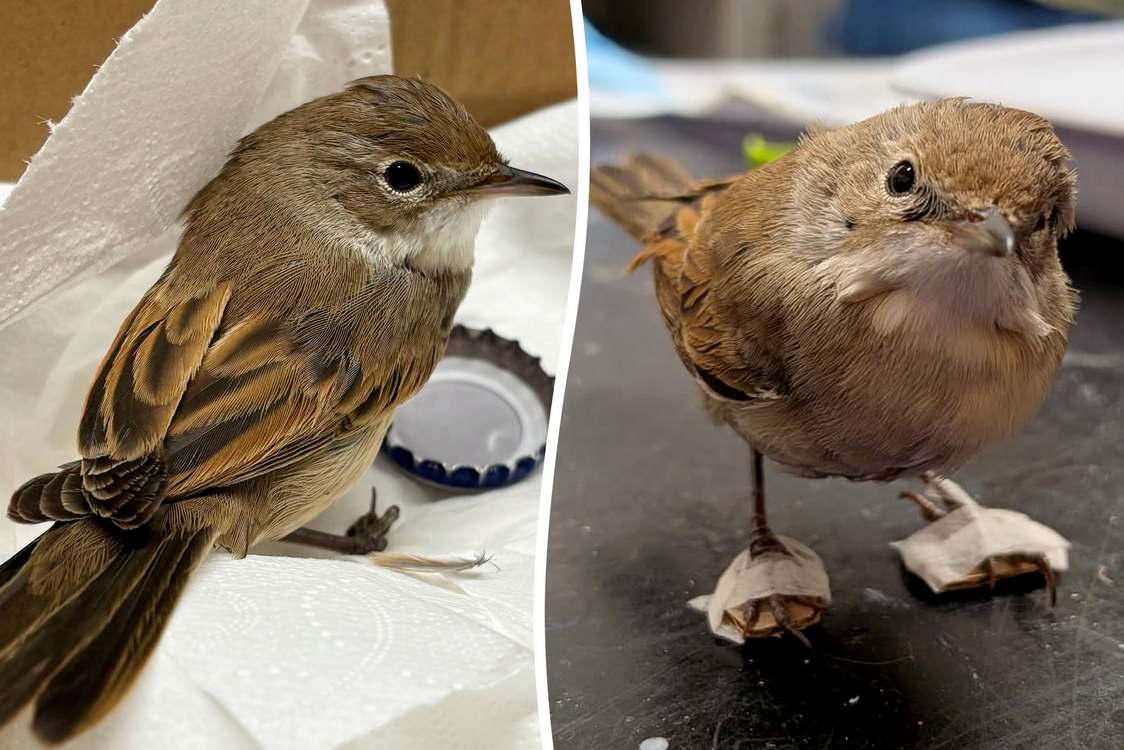
South American Songbird Hailed as Most Expert Musician of the Animal Kingdom (LISTEN)

Illustration by Gonzalo Nazati / SWNS

When it comes to keeping time, an unassuming species of songbird is on a par with professional musicians, according to an audio analysis.

The study is the first to investigate natural time-keeping ability of an animal in the wild, rather than under observation in the lab—and scientists have hailed the song abilities of the scaly-breasted wren for its perfectly-timed whistle-like chirps.

The small brown bird from Central and South America demonstrated better time-keeping skills than those of mammals and birds trained in captivity, according to Carlos Antonio Rodriguez-Saltos, who conducted the research and led the study at the University of Texas at Austin.

Birds don’t have songbooks. But some species sing the same tune, chirping notes in an identifiable pattern. For the scaly-breasted wren, the pattern goes like this: an opening blast of chirps followed by alternating intervals of chirps and pauses, with the pauses between each chirp getting progressively longer.

Rodriguez-Saltos became familiar with the song of the wren as an undergraduate student in Ecuador when his ecology professor taught him how to identify the distinct pattern among the din of rainforest sounds. Years later, he realized that a unique feature of the wren’s song — the steadily growing pauses between the chirps — presented a unique opportunity to delve into the bird’s time-tracking abilities.

LOOK: Rare Singing Hummingbird Unexpectedly Rediscovered in Colombia Cloaked in Iridescent Blue and Green

The pauses between each chirp grow in a predictable way — lengthening by about a half second each time. After the pause reaches about 10 seconds long, the birds then repeat their song from the top.

“It is a really remarkable change from short intervals to long intervals in the same song,” Rodriguez-Saltos said.

In laboratory experiments, most animals — including humans — have difficulty determining how much time has passed after just a second or two. In general, the longer an interval of time, the worse animals are at estimating its passage.

Carlos Antonio Rodriguez-Saltos / University of Texas at Austin

But for the wild wrens, 43% of the songs (10 out of the 23 songs that met the requirements for evaluation) consistently kept time for the duration of the song, with the intervals holding the established pattern even as the pauses increased in length.

For two of those songs, the accuracy of the wren was higher than that of the average professional musician, said Saltos, the study’s lead author who published the results in Animal Behaviour.

Susan Healy, a professor who studies bird behavior at the University of St. Andrews and who was not part of the study, said that the paper raises questions about how timing might play into the mating displays of wrens.

“If females are especially interested in a male’s ability not just to produce the right notes but also the timing of their production, then the pressure is on,” she said.

RELATED: Birds Have Self Control, Just Like Humans–And Some Have a Lot of It

The birdsong analyzed in the study came from field recordings. (See videos below…) Some were made by Rodriguez-Saltos and co-author Fernanda Duque in Ecuador. Others came from bird aficionados who uploaded recordings of the wren’s song online.

Co-authored the study, Professor Julia Clarke, an expert on evolution of bird vocalization in both living and extinct species, said the research demonstrates the importance of turning to nature to study birds in their natural environments.

“We take wild birds for granted… This case shows how studying birds can provide huge new insights into cognition.”

 

Listen to more below—and CHECK OUT: Biologists Identify First Animal That Uses the Complexity of Human Language: the Song Sparrow – LISTEN

CHIRP the Fascinating News to Musicians and Birders on Social Media…