Quote of the Day: “Make visible what, without you, might never have been seen.” – Robert Bresson
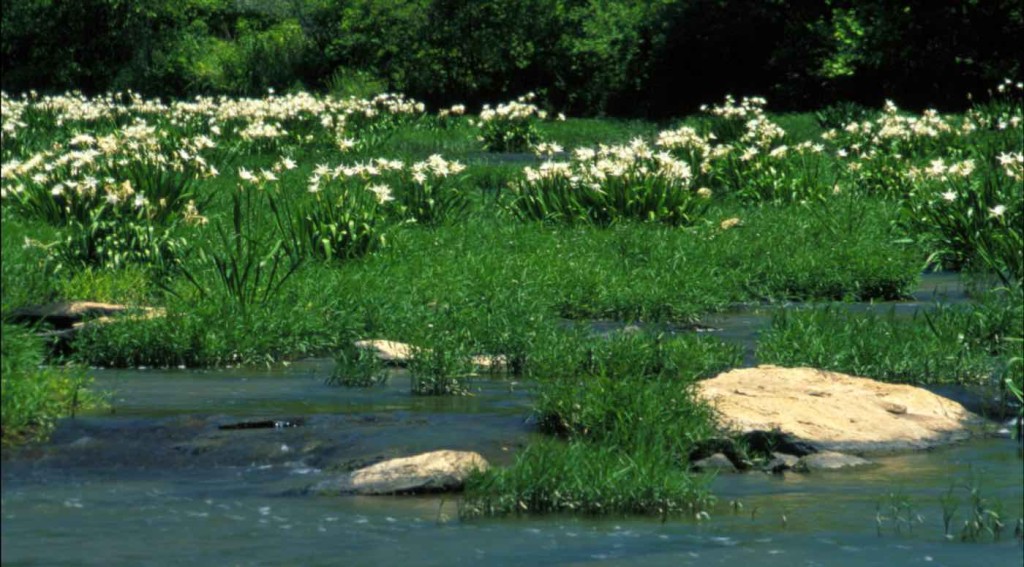
Photo by: DESIGNECOLOGIST
With a new inspirational quote every day, atop the perfect photo—collected and archived on our Quotes page—why not bookmark GNN.org for a daily uplift?
An organic solar cell - CC 4.0. Masaya Nogi, Makoto Karakawa, Natsuki Komoda, Hitomi Yagyu
An organic solar cell – CC 4.0. Masaya Nogi, Makoto Karakawa, Natsuki Komoda, Hitomi Yagyu
Korean researchers have created electrodes designed for use in all-organic solar cells using inexpensive zinc oxide, promising a dramatic upgrade in photovoltaic energy.
Organic solar cells (OSCs) are foreseen to be light weight, flexible, and of a high conversion efficiency. But, most OSC electrodes use indium tin oxide, which is too costly and fragile to enable the manufacture of flexible, large-area solar panels with OSCs.
If the indium tin oxide could be replaced, the cells could be not only be made more cheaply, but in many national cases, domestically. Even in an advanced country like South Korea, the production of indium tin oxide was so impracticable, that all such material was imported from abroad.
Organic solar cells have desirable features and massive commercial potential. Their light weight, flexibility, malleability, and, most importantly the high power-conversion-efficiency of any kind of light, whether natural or unnatural, direct or indirect, make them ideal for a wide range of applications.
Now, Dr. Hongkyu Kang and Prof. Kwanghee Lee from the Gwangju Institute of Science and Technology recently put forth a new method to create OSCs using inexpensive zinc oxide, the active ingredient in non-chemical sunscreen, that overcame the issues of cost and scalability without comprising the high power-conversion-efficiency inherent in organic solar cells.
Most OSCs are produced using a technique called “spin coating”, which allows for high power conversion, but makes for poor scalability.
The team mapped a zinc oxide nanoparticle layer using a “blade coating” technique, which is a little like putting a screen protector on a phone; whereby a small about of liquid is deposited continuously through a small opening before a blade-like tool smooths it over the material in question.
Creating a uniform bilayer on an ultrathin silver-film electrode, the OSC maintained its flexibility and high energy conversion from sunlight.
“The ultrathin silver film electrode with [zinc] bilayer has the flexibility, wettability, and high surface energy of ITO but is not brittle or expensive,” said Dr. Kang. “This makes it easier to use ZnO for manufacturing organic solar cells and developing a printing technology for large-area solar cell technology.”
OSCs manufactured in this way demonstrated an efficiency of 7.67% for a module area of 0.5 square feet, which makes it the most efficient large-area OSC when compared to previous research.
Another advantage is that zinc is a byproduct of many separate mining operations for things like gold, silver, and copper, so existing established supply chains are available for future OSC producers.
Kang and Lee’s research was part of an industry-university collaboration, and they transferred it to MSWAY Co., Ltd., a South Korea-based electronics company which had been entirely dependent on foreign imports as the domestic production of indium tin oxide didn’t really exist.
With the new technology, the pair expect that a value chain will be established for the commercialization of OSCs with construction and equipment companies.
“Our method opens doors to the commercial use of these OSCs, such as their integration into building walls and windows to realize self-sustaining buildings,” said Prof. Lee.
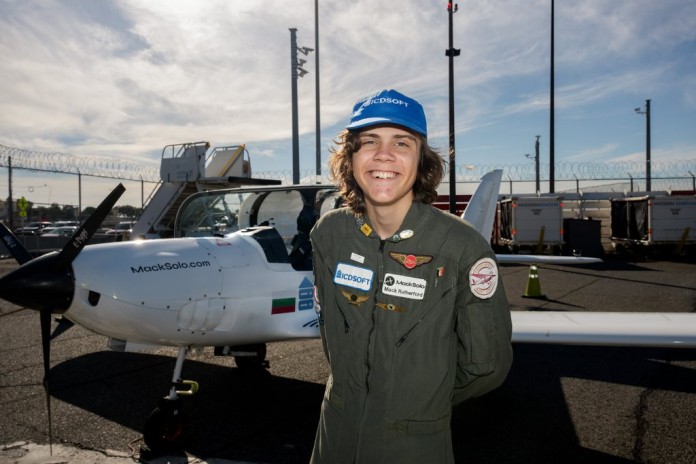
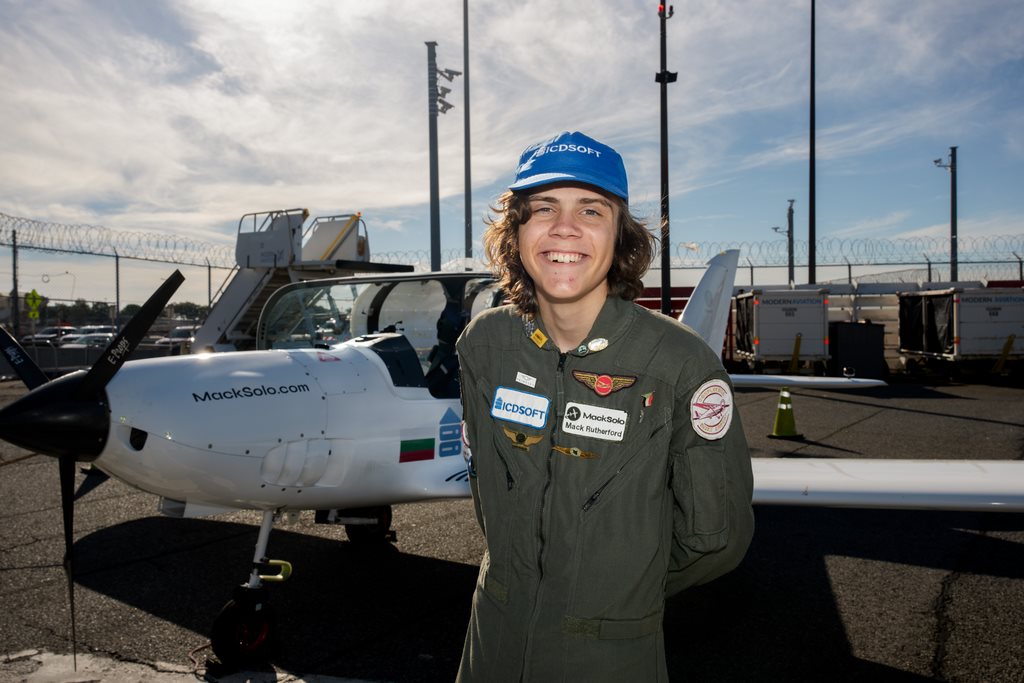
A 16-year old British boy is nearing the final leg of his five month adventure to become youngest person to fly around the world solo.
Mack Rutherford set off on the daredevil mission from an air base in Sofia, Bulgaria in March, and if successful he will become the youngest person to circumnavigate the world solo in an aircraft.
He would clinch a Guinness World record currently held by fellow Brit Travis Ludlow, who was 18 when he completed the mission last year.
His sister Zara Rutherford, 19, became the youngest woman to fly around the world solo when GNN reported that she finished a similar mission earlier this year and still holds the title.
After a period in New York, he set off from JFK Airport 2 days hence, and will land in the UK at Biggin Hill Airport on Monday the 22nd. The teen is looking, weather permitting, to return to his starting point in Bulgaria and complete his mission on the 24th.
Over his five month trip, Mack headed from Bulgaria to Cagliari in Sardinia, on to Africa, visiting Congo, Madagascar and Mauritius.
He then headed north to UAE, to India, China, South Korea and Japan, before flying to Alaska and continuing along the west coast of America to Mexico.
Mack then flew north again along the east coast to Canada, crossing the Atlantic, and will now be stopping in Iceland before the UK.
Throughout his trip, Mack has faced sandstorms in Sudan, Dubai’s extreme heat, airport closures in India and electrical failures in the system which pumps his reserve fuel to the aircraft’s main tanks.
Mack, who qualified for his pilot license in September 2020, and has dual British-Belgian nationality, was born in a family of aviators. His father Sam is a professional ferry pilot, his mother Beatrice is a private pilot, and his sister Zara, as mentioned earlier, is also a pilot. Mack became the youngest pilot in the world, aged 15 years and two months.
“I have been fortunate to have had a family that has been able to help me progress in my flying,” said Mack, who lives on the outskirts of Brussels. “But no matter what background you have I believe it is never too early to work towards your dreams and you shouldn’t limit yourself by others’ expectations.”
Mack has flown hundreds of hours with his dad, who is a professional pilot. The flights included two Trans-Atlantic crossings, but ever since he became a pilot, he has been planning his solo flight around the globe.
Mack will also become the youngest person to circumnavigate the world in a microlight, the title held currently by his sister Zara, after which one images there would be a fair amount of simmering sibling rivalry in future missions.
Just like Zara, Mack has been flying a Shark, a high-performance ultralight aircraft manufactured in Europe.
It is one of the fastest ultralight aircraft in the world with a cruising speed reaching 300 km/h.
The aircraft had been specially prepared for such a long journey and ICDSoft, a hosting company and Mack’s main sponsor, has very kindly loaned him the plane for the attempt.
WATCH a February interview with Mack and his Sister…
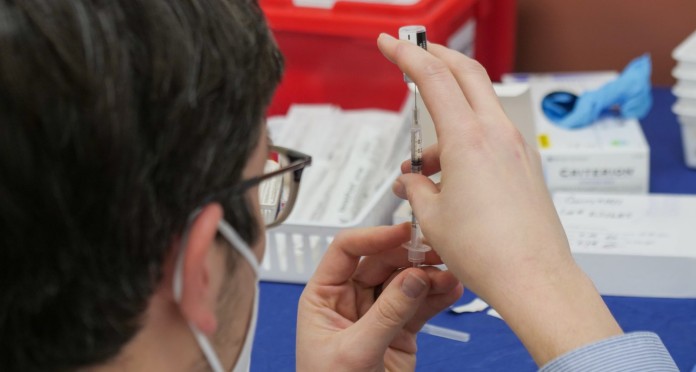
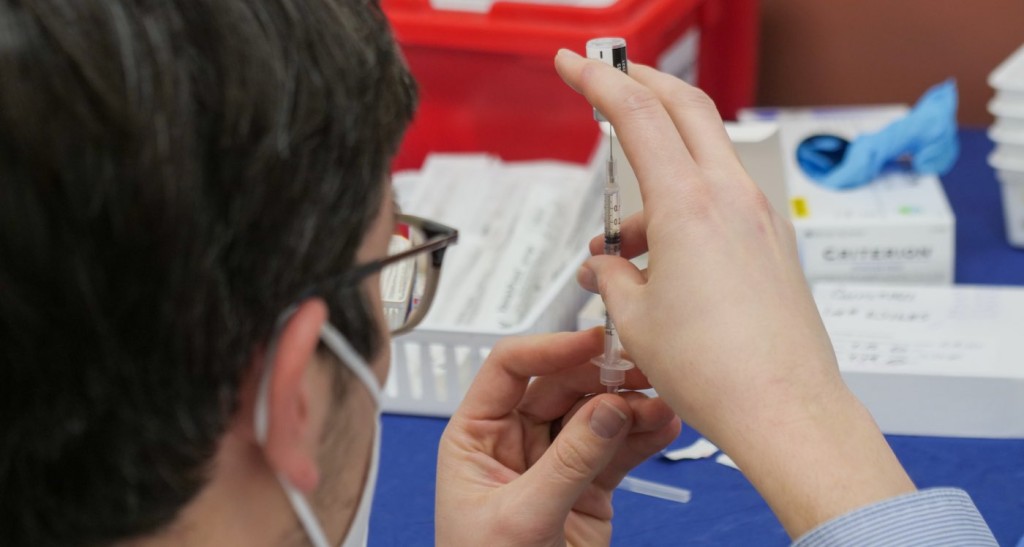
Researchers from the University of Oxford have today reported new findings from a Phase 1 clinical trial studying the immune response and safety of their newly-developed single-shot rabies vaccine, and the results look great.
12 volunteers were recruited into the study in total, with three receiving a low dose, three receiving a medium dose and six receiving a high dose of ChAdOx2 RabG, and strong immune responses against rabies were seen in all but the low dose trio.
Additionally, the researchers assessed longer term immune responses. Six of the seven middle and high-dose recipients who returned for an additional follow-up one year after vaccination maintained neutralizing antibody levels above the protective threshold set internationally by the WHO for rabies vaccines, demonstrating that the immune response from the vaccine persists over time.
All existing rabies vaccines are either 2 or 3 dose procedures, and despite these having been available for years, there are still around 60,000 deaths worldwide from rabies every year. Often patients in developing countries can afford only one, as each shot is expensive to manufacture.
Unlike the Covid vaccines, which weren’t vaccines in the traditional sense, and were more like targeted therapies only designed to identify the virus’ spike protein, ChAdOx2 RabG creates dead viruses that code for a rabies glycoprotein that allows the body’s immune-system to recognize the whole virus, and thusly destroy it.
“We’re absolutely delighted with these early results – the vaccine has performed even better than we had expected,” reported chief investigator on the trial Sandy Douglas.
“The problems with existing rabies vaccines are that they are expensive and require multiple doses. We’re very hopeful that expanded trials in countries affected by rabies will prove that this new vaccine could enable routine, affordable, single-dose vaccination against this devastating disease for people living in such areas.”
Quote of the Day: “It’s no parade but you’ll get down the street one way or another, so you’d just as well throw your shoulders back and pick up the pace.” – Barbara Kingsolver
Photo by: Lindsey LaMont
With a new inspirational quote every day, atop the perfect photo—collected and archived on our Quotes page—why not bookmark GNN.org for a daily uplift?
A UNESCO Natural Heritage Site has been saved from a rabbit and rat rampage, and 8 years after being declared free of invasives, the island is looking like its old self again.
A mere speck in the vast waters that separate Australia from Antarctica, Macquarie Island was listed by UNESCO in 1997, as there was simply nowhere else on earth like it.
At approximately 21 miles long and 3.4 miles wide at its broadest point, the island is the only place in the world where rocks from the earth’s mantle are actively exposed above sea level.
Macquarie Island’s birdlife is also extraordinary, and the breeding populations of penguins (including the endemic royal penguin), albatrosses, petrels and prions are recognized as one of the greatest concentrations of seabirds in the world.
However just like every other island on Earth, sailors during the 1800s brought cats, rats, mice, and rabbits ashore which decimated the head-high endemic vegetation and insect populations, causing knock-on effects that seriously threatened to turn the island into a barren rock.
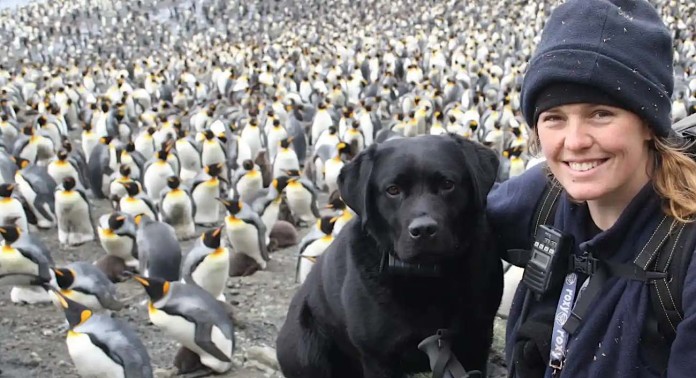
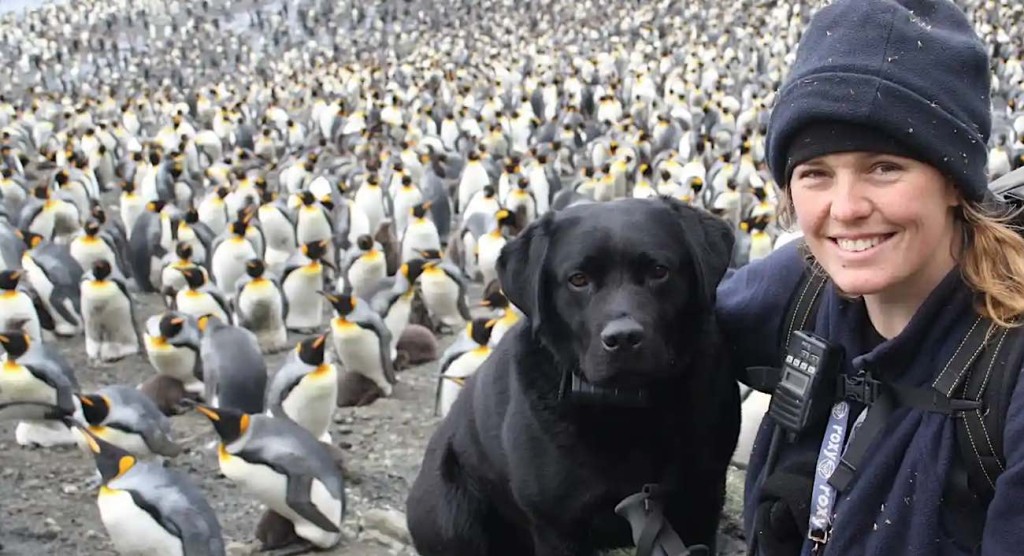
Melissa Houghton was brought ashore as a dog handler with her black lab “Wags” as part of a AU$24.6 million effort by Tasmania and Australia to eradicate the invasive mammals from the island launched in 2007.
By Houghton’s arrival the island had already eliminated the feral cats, and seen decreased rodent populations thanks to poison bait drops during previous consecutive winters. Fewer numbers both of rodents and seabirds found on the island during winter made it an ideal time to drop the poison bait, which would also be a welcomed “food” source for the rodents during the lean times.
By 2011, hunters with teams of dogs came in to work on the much-diminished populations, but even with the success, Houghton told the Guardian that beyond the stony beaches packed with penguins and elephant seals, the land had been decimated. It was undermined by constant rabbit borrowing, while their “all-you-can-eat buffet” of native herbaceous tussock was chomped down so far that slime and lichen took hold and sloughed the limited soil down steep hills into the sea.
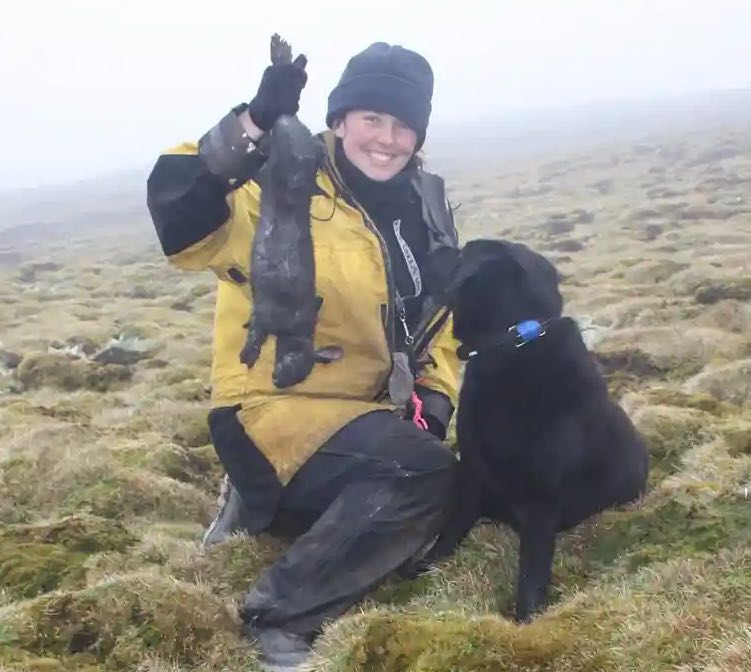
The last rabbit on the island – Courtesy of Melissa Houghton
“You’d have slime and lichen and landslips where albatrosses were trying to raise chicks and survive,” Houghton said. “I couldn’t even envision what the island was meant to look like.”
She and Wags had the honor of locating the very last pest—an adult female rabbit and her young, in 2014, and since then the island has rebounded spectacularly.
Native orchids and other plants found nowhere else are growing everywhere. The leafy tussock which tastes like celery is now over your head, and the numbers of insects are now very high. Most of the birds that nest there are returning, and their poop is building nutrients and mass in the soil again. No rodent has been seen since 2014.
Island eradication is one of the best-performing conservation strategies employed worldwide by humans, and many islands, from Macquarie, to the Galapagos, are now free from introduced European pests.
Indeed, Macquarie is just one of 181 islands that have since 2000 eradicated over 800 invasive species.
ERADICATE The Bad News On Social Media With This Good Conservation Story…
Armed with a big research grant, a crack team of scientists will seek to develop an injectable gene therapy to cure one of the most horrible diseases imaginable.
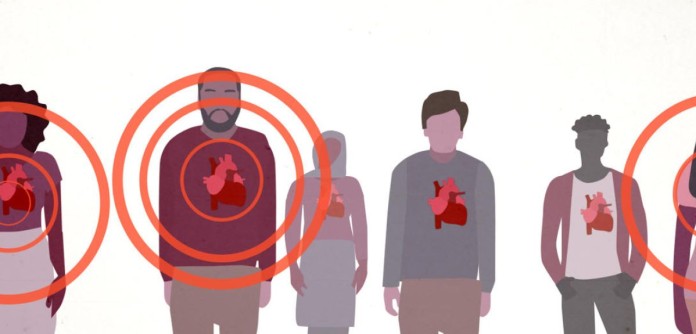
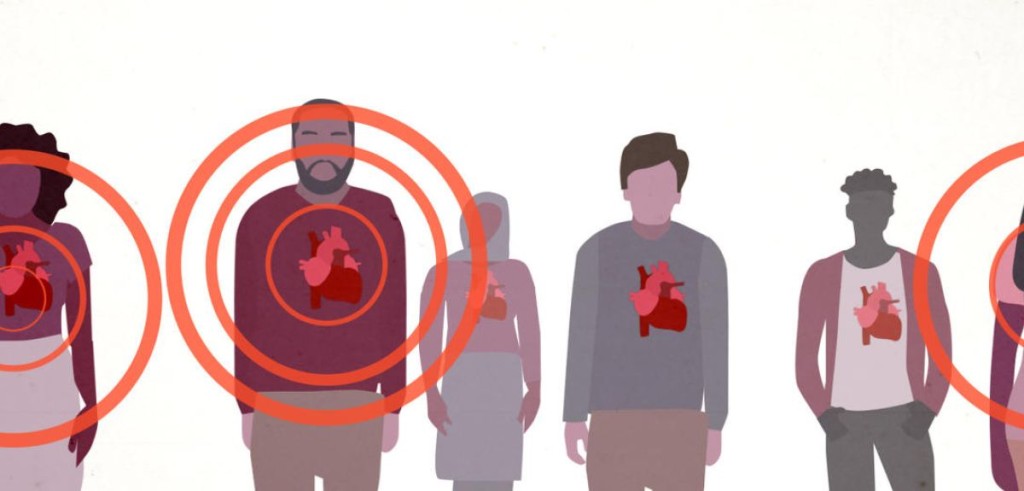
Genetic cardiomyopathies make up a group of diseases that are genetically passed on to offspring at a 50/50 chance, and result in faulty genes causing heart failure, often striking down young adults in their prime years—in the UK at a rate of 12 per day among those under the age of 35.
A global team of experts from the UK, US and Singapore at CureHeart have recently been awarded a £30 million grant from the British Heart Foundation to develop a treatment to reprogram the genetics which cause muscular heart disease.
The grant was awarded based on preliminary work in animal studies which have shown a single-shot treatment based on CRISPR technology called “base and prime editing” can cure various genetic ailments of the heart that affect 1 in every 250 people worldwide.
The shot first aims at correcting genes producing abnormal proteins in the pumping machinery of the heart. Depending on the type of myopathy, the gene could be re-written, or switched off forever.
Secondly, where genes are not producing enough proteins to support a healthy functioning heart, the jab will aim to correct that by either correcting the faulty copy, or reinforcing the correct copy.
“This is our once-in-generation opportunity to relieve families of the constant worry of sudden death, heart failure and potential need for a heart transplant,” said Professor Hugh Watkins, from the University of Oxford and lead investigator in the project.
“After 30 years of research, we have discovered many of the genes and specific genetic faults responsible for different cardiomyopathies, and how they work. We believe that we will have a gene therapy ready to start testing in clinical trials in the next five years.”
“The £30 million from the BHF’s Big Beat Challenge will give us the platform to turbo-charge our progress in finding a cure so the next generation of children diagnosed with genetic cardiomyopathies can live long, happy and productive lives,” he said.
WATCH a short explanation…
PUMP Some Good News Out Into The Arteries Of Social Media…
A street-legal three-wheeled car that turns at the push of a button into a 200 mph plane is ready for final testing.
Having received its airworthiness certificate from the FAA, the Samson Switchblade is ready for test flights after 14 years of development.
Flying cars are almost here, with one being granted airworthiness from the Slovakian authorities, the aptly-named “AirCar,” in January of this year and which is now set for production.
The Switchblade, which takes its name from the way the wings hide under the main chassis, would technically be registered as a motorcycle due to the three wheels. It has a 1.6 liter, three cylinder engine that takes 91-octane gasoline to create 190 horsepower which powers an electric motor that pushes the wheels on land, and propeller in the air.
This can create almost 200 miles per hour of cruising speed, with a 450-mile range on a full tank. You will need around 1,100 feet of runway to take off, and another 700 to land, but once the wings and tail fold up, the thing is little bigger than a family sedan.
If, say, flying cars could be as widely sold as a higher-end sports car, (the Switchblade will cost $150,000, but Samson has already taken 1,600 reservations) then one could imagine smaller airstrips popping up to service them, and existing a little like yacht clubs or other membership-based models.
As New Atlas puts it, Samson has been working on the Switchblade since the original iPhone was a year old, so the team is scurrying to finally get some flight tests under their belt.
WATCH a runway test from the company below…
FLY This Story Over To Social Media To Show Your Friends…
Smart contact lenses have been developed by scientists that diagnose cancer by detecting tumor chemicals found in tears during the early stages of the disease.
It captures the signals of transporters called ‘exosomes,’ which are a little like secret messengers within our bodies.
Found within cells, they end up in various fluids and have a wealth of proteins on their surfaces which can be used as hallmarks of cancer, viral infections, or injury.
Minimizing delays to treatment improves survival rates in cancer patients. Every month can raise risk of death by around 10%. These contact lenses offer a potential platform for cancer pre-screening and or supportive diagnostics tool that is easy, rapid, sensitive, cost-effective and non-invasive.
“The lens can detect exosomes in various solutions from various cell lines—and human tears,” said Project leader Professor Ali Khademhosseini. “It can differentiate expression of surface proteins as cancer biomarkers.”
Exosomes were once thought to be the dumping grounds for unwanted materials, but it’s now known they carry different biomolecules between cells. They can also strongly influence tumor regulation, progression and spread.
“They are a rich source of markers which can be targeted for several biomedical applications,” said Dr. Khademhosseini. “The methodology our team has developed greatly facilitates our ability to tap into this source.”
Previous attempts to harness their importance have been hampered by problems in isolating enough to provide sufficient information. Current methods involve tedious, complicated, time-consuming and costly equipment, and take at least ten hours to complete an analysis.
Khademhosseini’s U.S. team’s simple technique eliminates these issues. Tears are also a better and cleaner source of exosomes than other bodily fluids.
The eyeglass is fitted with microchambers bound to antibodies that the exosomes stick to. In experiments, it was successfully tested on exosomes secreted into lab liquids from ten different tissue and cancer cell lines—and tears from ten human volunteers.
The exosomes are scanned using a pair of antibodies on gold nanoparticles so potential signs of cancer can be visualized.
Further analysis showed the lens identified exosomes in solutions from three cell lines with varying surface markers and using different combinations of antibodies.
“The resultant patterns of detection and non-detection of exosomes from the three different cell lines were as expected,” he said. “It validated its ability to accurately capture and detect exosomes with different surface markers.”
Coal mining left a legacy of destroyed habitats and polluted waters down in the middle of Alabama, but thanks to the state’s Abandoned Mine Land Reclamation program, a wildlife refuge is bringing back spectacular natural beauty—and thousands of tourists clamoring for photographs of a rare white lily.
When the state acquired the land 20 years ago, they also acquired a problem, says manager Steven Trull, who runs the Cahaba River National Wildlife Refuge. But he is seeing a transformation as swift as the river that he oversees.
“Being able to clean it up and stop the chemicals from going into the Cahaba River is a wonderful thing on so many levels.”
The Cahaba River is an ecological marvel in a state whose rivers have been dammed up, dumped upon, and badly degraded. It flows from springs and seeps 190 miles to the Alabama River. Nearly three-fourths of the river is free-flowing, the longest stretch of unimpeded river in Alabama. Beyond Birmingham, the Cahaba runs through the rolling hills that mark the end of the Appalachian Mountains, with rocky shoals along the river’s upper reaches, and barely any riverside development.
No other similarly sized river in North America is home to as many fish species as the Cahaba. Fifty of the continent’s 300 types of mussels are found in the river, and roughly 10 percent of North America’s gill-breathing freshwater snail species.
But it’s the white Cahaba lily (or shoals spider-lily) that draws crowds of swooning nature lovers.
Rare, though not federally threatened or endangered yet, it is a flower that prompted 18th century naturalist William Bartram to gush that “nothing in vegetable nature was more pleasing.”
FWS
The lilies, for which the Cahaba River was named, bloom each spring and draw crowds from as far away as Upstate New York and far-off Canada. The fragrant white lilies are short lived—each flower opens overnight and lasts for just one day—but the show of new flowers lasts 6-8 weeks.
By mid-June, the lilies have disappeared. And so too have most of the visitors, while the refuge returns to bucolic splendor to await next year’s crop of camera-toting tourists.
The annual Cahaba Lily Festival attracted 1,000 carloads of enthusiasts this year, but Manager Trull envisions year-round recreation at the conservation preserve south of the cities of Birmingham and Tuscaloosa.
The perennial flower, Hymenocallis coronaria—which also grows in Georgia and the Carolinas—require swift-moving waters, rocky shoals, and a lot of sunlight, which is why the species is considered imperiled, due to all the dams built along its rivers.
The white flowers reach about 3 feet tall (0.9 m) and develop from a bulb that lodges in the cracks of rocky shoals. The gorgeous blooms are three inches wide with six petals and a nectar irresistible to pollinators.
Cleaning the water
Nine wastewater treatment plants use the Cahaba River between Birmingham and the refuge. Failing septic tanks, residential and industrial development, and agricultural runoff contribute to the water-quality woes. Wildlife officials also have to deal with the pollution from the abandoned mining operations—heavy metals, toxic chemicals, sedimentation.
Today, the refuge contains 5,000 acres for which the state has secured an additional $5 million in mine-reclamation money to continue cleaning up the mine’s waste. And the refuge, with partners, will spend another $735,000 to reduce woody undergrowth, help prevent wildfires, and benefit the native plants and longleaf pines.
In 2021, the Service bought 1,164 acres of well-tended forest on the river’s eastern bank. Fittingly, the $3.2 million spent for the property came from the Land and Water Conservation Fund which parlays revenues from offshore oil and gas leases into conservation and recreation projects.
“It’s got hunting access, new trails, canoeing, kayaking, fishing, wildlife observation—all sorts of recreation opportunities for the community,” Trull, a former miner himself, says.
A beaver pond below the now-sealed Piper mines remains contaminated by sulfuric acid runoff that leached out and washed downhill. A state agency has already capped the pits and cleaned up some of the toxic mess. Now, it’ll clean up the rest and help restore the refuge to its natural state.
Quote of the Day: “Unless we are creators, we are not fully alive.” – Madeleine L’Engle
Photo by: Johnny Magrippis
With a new inspirational quote every day, atop the perfect photo—collected and archived on our Quotes page—why not bookmark GNN.org for a daily uplift?
A pair of Mississippi River salvage divers found a message in a bottle that has briefly brought back to life a dearly departed son who died more than 30 years ago.
It was an ordinary salvage trip on the Yazoo River that brought a message from an 8th grader named Brian into the hands of Billy Mitchell and Brad Babb, a pair of shipyard workers at Vicksberg, Mississippi.
Owing to their unique job, Mitchell is always on the lookout for interesting things, and the green bottle just happened to come close enough to allow the man to see inside—there was a note.
With the help of “shish kebab sticks,” Michell and boss Babb extracted the remains of the letter—sun bleached and ripped, but still legible in places.
It was written by a boy with the last name of “Tahl” or maybe “Dahl,” from Oxford, MS, and a date—1989.
“We’re all kids at heart really. We could all envision ourselves as that 11-year-old boy,” said Babb, safety manager at Big River Shipbuilders in Vicksburg, Mississippi. “It really just fueled us to go and say, ‘let’s go find this guy’ cause this is kind of a kindred spirit where, ‘would I want somebody to find me? Yes I would.'”
It became the talk of the office, and scheming how to reunite the author with their letter, the crew decided to post it on Facebook, where it was then widely shared.
Eric Dahl, his wife Melanie and son Chris, got wind of the message, which saw them drive 200 miles to the shipyard to read young Brian’s letter.
Passing away at 29, Brian was a cyclist who beat cancer, but then died in an accident at home. He was 11 years old when he wrote the letter as part of a field trip that started by dropping the bottle into Mississippi’s Talahatchie River.
USA Today got in contact with Brian’s teacher, who is now 82 and explained that one message was found in Louisiana, while Brian’s floated 200 miles to the Yazoo River where it entered a canal. Had it caught a different current, it could have landed in the Gulf of Mexico.
It was tears and smiles when the salvage divers met the family, who shared stories of Brian with those who allowed such an intimate glimpse at their dearly departed son.
“He’s with them still,” said Mitchell. “I think that’s what the note meant when we found it. To let his parents know that he was watching over them as well.”
WATCH the moment when they meet to read the bottle for the first time…
SEND This Story In A Post Drifting Out To Social Media…
British divers have found a US shipwreck from WWI that has been missing since 1917.
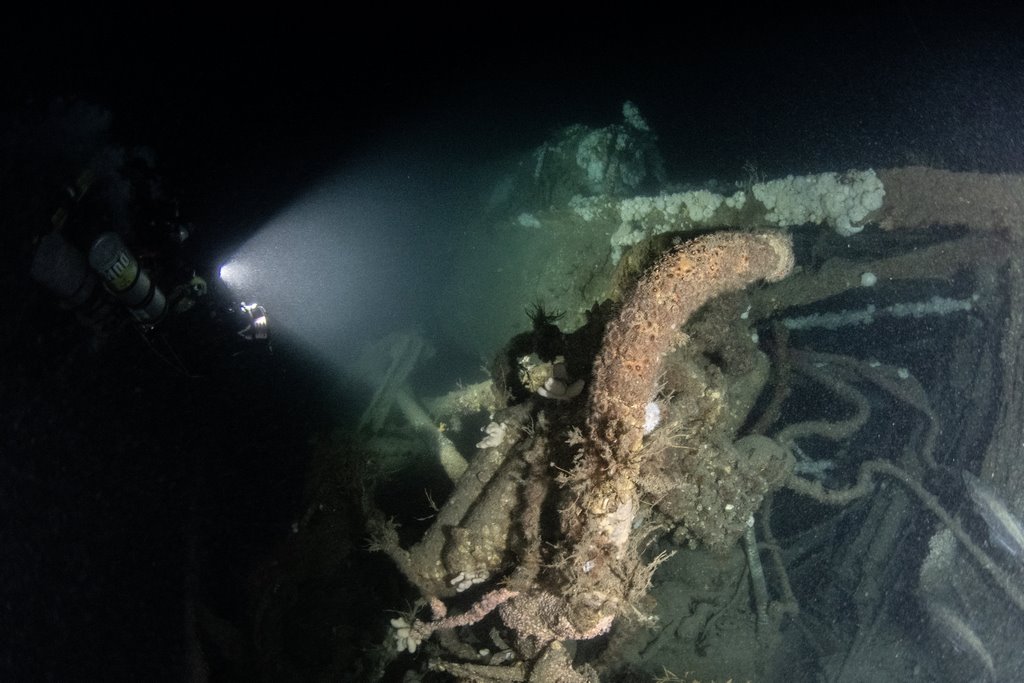
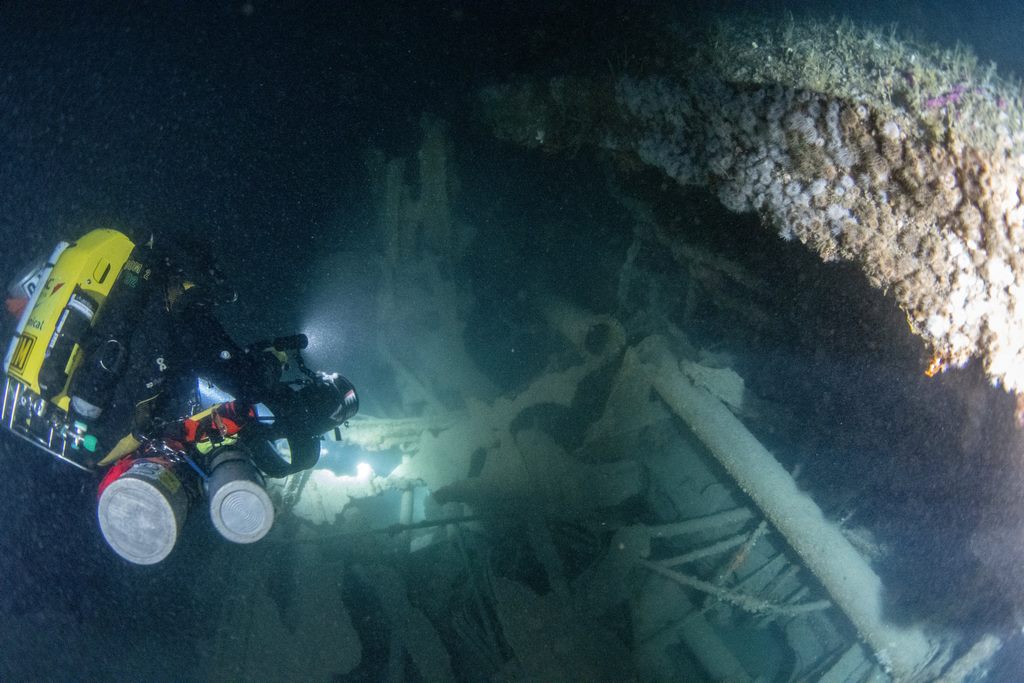
A team of experienced warship divers were able to locate the missing vessel on August 11th, 40 miles off the coast of the Isles of Scilly where it was sent to patrol.
The USS Jacob Jones was one of six Tucker-class destroyers, designed by and built for the US Navy before the nation entered World War One. The Jacob Jones was the first modern warship ever sunk by the enemy—torpedoed off the Isles of Scilly in 1917 by a German submarine.
“This is such an exciting find,” said Dominic Robinson, one of the team’s divers. “The ship, lost for over 100 years, has been on a lot of people’s wish lists because of its historical weight.”
Dominic and his team at Dark Star diving have a long history of deep diving exploration, and have identified wrecks from all over the UK, including the HMS Jason in Scotland and HMS B1 Submarine.
– SWNS– SWNS
Jacob Jones measured at 315 feet (96 meters) long and just over 30 feet (9.1 meters) wide, was armed with eight 21 inch torpedo tubes, and four four-inch guns. She was powered by a pair of steam turbines which were able to propel the vessel to a speed of up to 30 knots (34.5 miles per hour).
One of the most interesting things about this vessel was the remarkable stories that came with its sinking, both of heroism and honor.
“The destroyer’s commander ordered all life rafts and boats launched, but as the ship was sinking her armed depth charges began to explode—which is what killed most of the men who had been unable to escape the ship initially,” Robinson explains.
One of the officers, Stanton F. Kalk, spent his time swimming between the rafts in the freezing Atlantic water helping men into the life boats. He ended up dying of cold and exhaustion and was posthumously awarded the Navy’s Distinguished Service Medal for his heroic actions that day.
“The German submarine commander, Captain Hans Rose, actually saw all the U.S. sailors in the water and took two badly injured crewmen aboard his own submarine,” Robinson added. “He then radioed his enemies at the US base in Queenstown with their coordinates to come and rescue the survivors.”
40 miles off the coast, the ship proved difficult to find, and Dark Star spent weeks going to different GPS locations provided by the UK hydrographic office who have information on objects on the seabed, but don’t know which ones they are.
“We found the vessel on our second day of diving to other wrecks in the area, but there had been many hours of research before hand,” said Robinson. “It was very clear that it was Jacob Jones immediately—you can see its name written on parts of the shipwreck.”
“War ships look very different to cargo ships underwater,” he added. “We could actually see the guns, torpedo tubes and one of the prop shafts that was bent 390 degrees, which would have happened either when the vessel exploded or when it hit the sea bed.”
“But for me, the thing that brought it home was the bent prop shaft which shows the trauma the vessel must have been through when it was torpedoed. Absolutely incredible.”
WATCH the divers explore the wreck…
REMEMBER This Lost Vessel By Sharing This Article On Social Media…
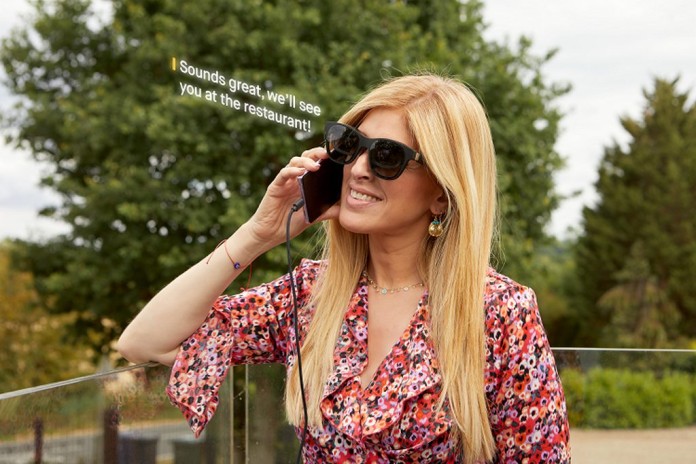
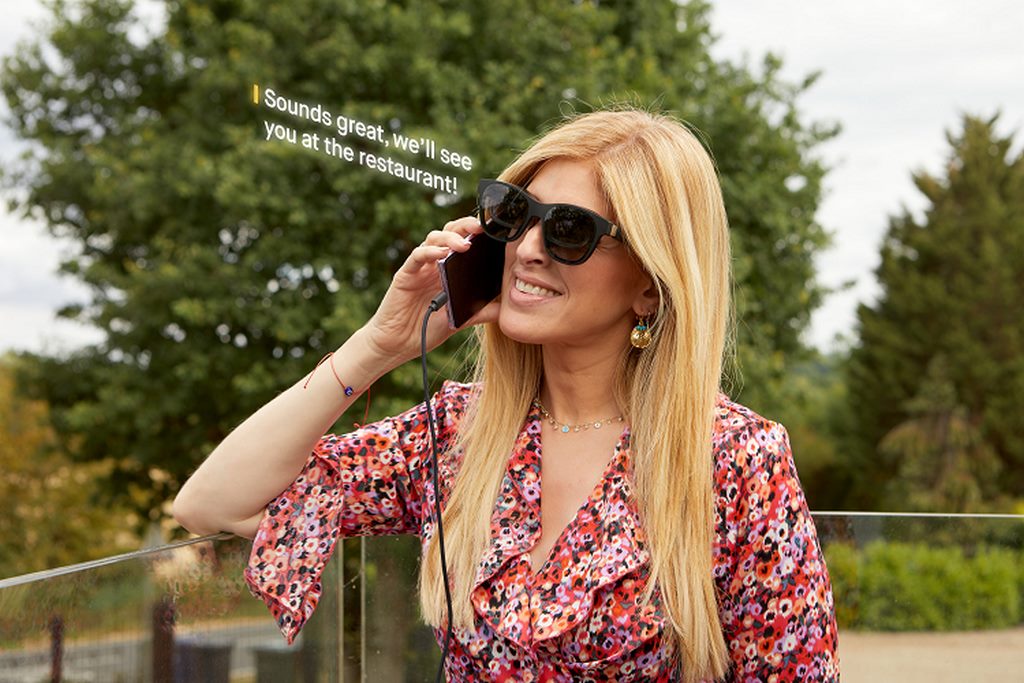
A company has created augmented reality spectacles that place subtitles on conversations happening in the real world.
Dan Scarfe was sad to see his 97-year-old grandfather sitting quietly in a room on Christmas Day, surrounded by his family, but unable to join in with conversation because of his hearing loss.
“It’s got to the point now where he literally just sits in silence,” said Scarfe. “And I thought, well, hang on a second. He watches TV all the time with subtitles. Why can’t we subtitle the world?”
What seem like an ordinary pair of glasses are actually using Amazon Alexa software to turn incoming audio into closed captioning, before the software developed by Scarfe and his company Nreal project those CCs through augmented reality onto the world through the glasses.
It took him just six months to launch the XRAI glasses, and while the software can’t cope with people speaking over each other, Scarfe insists it’s just the beginning.
“We’re going with a small number to begin with to prove it out, to get the feedback, to understand what people like, what they don’t like, [and] rapidly innovate on that,” said Scarfe. “And then we’re hoping if the winds are behind us, then we will reach general availability by September.”
The portability is impressive, as the glasses are just glasses, and a normal cable connects to your smartphone. It’s being hailed as a lifechanging innovation by Britain’s Royal National Institute for Deaf People (RNID) and the organization DeafKidz.
“As a profoundly deaf person myself, I was blown away by this technology,” said Steve Crump, Founder and Chair, DeafKidz International. “When I tried on the glasses, I was astonished—real time subtitles that enable you to engage and participate as never before.”
With 12 million potential users, the glasses can be purchased through a British healthcare provider network, and financed for around £35 per month for 11 months.
WATCH a deaf woman try them for Eurozone news…
AUGMENT Social Media With This Good News Innovation…
Quote of the Day: “That people do not learn much from the lessons of history is the most important lesson that history has to teach.” – Aldous Huxley
Photo by: Dmitrij Paskevic
With a new inspirational quote every day, atop the perfect photo—collected and archived on our Quotes page—why not bookmark GNN.org for a daily uplift?
Take a brief trip through the galaxy with a video released by the European Space Agency of their phenomenal new telescope.
Consisting of dozens of individual images that make it look like you’re using the telescope’s zoom feature, a 1-minute video shows the exact position of the Southern Ring Nebula in the galaxy.
In the opening salvo of images from the James Webb Space Telescope, a blue circle surrounded by radiating red and orange gases flew around the internet in celebration of the telescope’s achievements.
This bright star at the center of NGC 3132, which while prominent and beautiful when viewed by Webb in near-infrared light, plays merely a supporting role in sculpting the surrounding Southern Ring Nebula.
A second star, barely visible at lower left along one of the bright star’s diffraction spikes, is the nebula’s actual source. It has ejected at least eight layers of gas and dust over thousands of years.
Data from Webb’s Near-Infrared Camera (NIRCam) were used to make this extremely detailed image. It is teeming with scientific information, and research will begin following its release.
It’s okay to feel overwhelmed by concept of scale in the video. Webb’s primary mission time of ten years will see it overlap with several other remarkably advanced, and complimentary space telescopes which promise the late 2020s and early 2030s to present the finest images and conclusions about the universe and our place therein in human history.
WATCH the ESA video below…
PASS The Telescope Over To Your Friends On Social Media…
New research suggests that snacking on grapes might combat the effects of consuming a junk food diet—flushing out the refined fats and sugars of processed food.
Eating the grapes led to “unique gene expression patterns, reduced fatty liver, and extension of lifespan” for animals consuming the high-fat diet, said Dr. John Pezzuto who led the team at Western New England University.
Pezzuto, who has authored over 600 studies, called it “truly remarkable.”
“It adds an entirely new dimension to the old saying ‘you are what you eat.’”
In a series of experiments, mice gorged on a high fat diet, similar to those consumed in western countries.
They also received over a cup of daily powdered grape supplement. These lab rodents had less fatty liver—and lived longer than those who didn’t.
The effect was an alteration of gene expression. As shown in this paper, fatty liver—which affects around 25% of humans and can eventually lead to liver cancer—is prevented or delayed. The genes responsible for the development of fatty liver were altered in a beneficial way by feeding grapes.
In addition to genes related to fatty liver, the researchers found increased levels of antioxidant genes after the grape-supplemented diets.
“Many people think about taking dietary supplements that boast high antioxidant activity,” explained Pezzuto. “In actual fact, though, you cannot consume enough of an antioxidant to make a big difference. But if you change the level of antioxidant gene expression, as we observed with grapes added to the diet, the result is a catalytic response that can make a real difference.”
Precisely how this relates to humans remains to be seen, but it is clear that the grapes actually change the expression of genes—in more places than the liver, too, explained the professor of pharmaceutics.
In a separate study recently published in the journal Antioxidants by Pezzuto and his team, it was found that grape consumption alters gene expression in the brain. It also had positive effects on behavior and cognition that were impaired by a high-fat diet, suggesting the alteration of gene expression produced this beneficial response.
More studies are required, but it is notable that a team led by Silverman at UCLA reported that the daily administration of grapes had a protective effect on brain metabolism. It now may be suggested this is due to alteration of gene expression.
Although it is not an exact science to translate years of lifespan from a mouse to a human, Pezzuto’s best estimate is the change observed in the study would correspond to an additional 4-5 years in the life of a junk-food-eating human.
“These data illustrate the extraordinary influence of nutrigenomics, a burgeoning field of investigation that will augment our appreciation of diet and health.”
The research, which was partly funded by the California Table Grape Commission, was published in the journal Foods.
SEND This Seedless Story to Grape Lovers on Social Media…
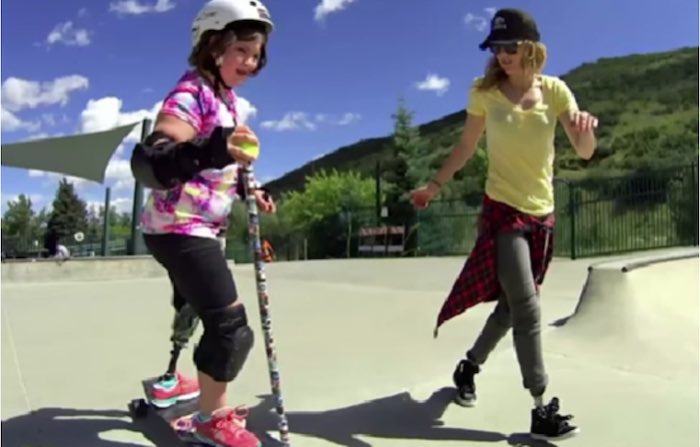
At the age of nineteen, Amy Purdy, who was an avid snowboarder, experienced flu-like symptoms that were later diagnosed as Bacterial Meningitis, a deadly blood infection.
Amy was given less than a 2% chance of living.
Losing both of her legs, hearing in her left ear, her kidney and her spleen, Amy was forced to reassess how she would embark on new adventures and achieve her dreams.
In essence, Amy had to decide how she wanted her life to go and how she would write the next chapter of her life.
While leaning into change is never easy, Amy embraced it as an opportunity. She promised herself two things: one, she would get back on her snowboard. “I was so passionate about snowboarding, which really is what got me through my darkest days. That and being grateful that I was alive.”
And two: something positive would be born out of this experience. That’s been her steadfast determination ever since.
Amy’s transition back into daily life was hard-fought, and she learned first-hand the myriad challenges that people with disabilities face every day. What struck a real chord was the complete lack of resources for engaging in active sports—which brought her the most happiness.
Instead of closing that chapter of enjoying and competing in snowboarding, Amy instead co-founded Adaptive Action Sports, a nonprofit organization focused on supporting children and adults with disabilities who want to participate in active sports.
“She inspires, not only these athletes that are in a similar situation that she has gone through, but she helps everyone believe in themselves and believe anything they put their minds to,” says Morgan Whitehouse from Adaptive Action Sports.
“As much as I’m helping other people through this organization, this organization is helping me,” says Amy.
Doing crafts, playing an instrument, or reading a book might help lower your risk of dementia by a significant margin, according to new research.
The meta-analysis reviewed available studies on two million people, comparing the effects of cognitive activities, physical activities, and social activities, to the risk of getting dementia.
The research published in the journal Neurology—the medical journal of the American Academy of Neurology—widely defined leisure pastimes as things people engaged in for enjoyment.
After adjusting for factors such as age, sex and education, researchers found that leisure activities overall were linked to a reduced risk of dementia—especially mental activities.
• Mental activities consisted of intellectual pursuits like reading or writing for pleasure, watching television, listening to the radio, playing games or musical instruments, using a computer and making crafts. Researchers found that people who participated in these activities had a 23% lower risk of dementia.
• Physical activities included walking, running, swimming, bicycling, using exercise machines, playing sports, yoga, and dancing. Researchers found that people who participated in these activities had a 17% lower risk of dementia.
• Social activities mainly referred to activities that involved communication with others and included attending a class, joining a social club, volunteering, visiting with relatives or friends, or attending religious activities. Researchers found that people who participated in these activities had a 7% lower risk of dementia.
“Previous studies have shown that leisure activities were associated with various health benefits, such as a lower cancer risk, a reduction of atrial fibrillation, and a person’s perception of their own well-being,” said study author Lin Lu, PhD, of Peking University Sixth Hospital in Beijing, China. “However, there is conflicting evidence of the role of leisure activities in the prevention of dementia.”
“Our research found that leisure activities like making crafts, playing sports, or volunteering were linked to a reduced risk of dementia.”
The team reviewed 38 studies from around the world, which together looked at over two million people who did not have dementia and followed them for at least three years. During the study, 74,700 developed the disease.
“This meta-analysis suggests that being active has benefits, and there are plenty of activities that are easy to incorporate into daily life that may be beneficial to the brain,” said Lu.
“Leisure activities may reduce the risk of dementia. Future studies should include larger sample sizes and longer follow-up time to reveal more links between leisure activities and dementia.”
This study can’t prove that these activities actually cause the lower risk for dementia, only that there may be a connection. A limitation of the study was that people reported their own physical and mental activity, so they may not have reported the activities correctly.
The study, published in the August 10 issue of Neurology, was supported by the Natural Science Foundation of China, China Association for Science and Technology.
SHARE The Encouragement And Organize A Game Night on Social Media…
At the Southwest Region championship in Little League Baseball, the crowd was treated to not only the best performances from the boys aged 10-12, but their best manners, as well.
One of the balls thrown by the pitcher for Texas East got away from him and beaned the batter in the head, knocking off his helmet and leaving him lying on the ground.
The 12-year-old Oklahoma player got up and signaled he was alright, and walked to first base, as fans in Waco, Texas, applauded him.
Even though Isaiah Jarvis recovered, he noticed from 90 feet away that the pitcher was having a much harder time.
Kaiden Shelton was hanging his head, clearly upset after his last pitch hit Isaiah in the head.
That’s when something unusual happened. Isaiah dropped his helmet at the bag and walked slowly to the pitcher’s mound where Kaiden was still struggling.
He wrapped his arms around the pitcher, and began assuring him that everything was okay.
Isaiah told CNN he wanted to “make sure that he knows that I’m OK— that I’ll be OK.”
The whole scene was the opposite of what normally happens in baseball—when the pitcher might walk over to make sure the batter who got hurt is okay. Here, the blonde from Oklahoma, who later said he only had a small bruise from the incident, was soothing the emotional wounds that the pitcher was feeling on the inside.
People in the crowd were clearly moved, with TV cameras catching people wiping their eyes during the touching scene.
Kaiden told CNN, “I think the lesson is that you should care for other people. Like if they’re down, you should just care for them, try to build them up.”
Kaiden ended up leading Texas East to a win, which advanced them to the Little League World Series which will be held later this month. Isaiah said he’ll be rooting for them.