










All News - Page 473 of 1749 - Good News Network
Home Blog Page 473

Is Your Goal to Walk 10,000 Steps? Science Shows We Need A Lot Fewer

Registering 10,000 steps a day with a pedometer is a fine goal that deserves celebration, but far from being a doctor-recommended dose of activity, it’s actually a complete myth.

The good news is that for most people whose physical activity is limited to walking, one need only accumulate between 4,500 and 7,000 steps a day to reduce, sometimes dramatically, their chance of dying young.

Most governments, and we can start with the CDC at home, recommend 150 minutes of moderate-intensity physical activity per week. The measurement is made with a unit of time and not of repetitions, which has its limits, as some studies show number of steps correlates more strongly with lower disease risk than did time spent walking.

According to Gretchen Reynolds writing for the New York Times, the goal of accumulating 10,000 steps in a day for fitness’ sake is actually based on a fad invented by a Tokyo watchmaker in the wake of the 1964 Tokyo Olympics, when more and more people in the city became interested in health and fitness.

Like a harmless version of the other falsehoods in eastern medicinal practices (rhino horn tea anyone?) the idea that somehow 10,000 steps was the threshold for some exceptional therapeutic results spread across the globe.

MORE: Just Go Walk: Studies Show Normal Walking Can Add Years to Your Life and Reduce Disease Symptoms

In reality 10,000 steps is almost 5 miles, a lot more than is necessary for lowering your disease risk. Reynolds points to a 2019 study that found woman in their 70s who managed just 4,500 steps a day lowered their risk for premature death of any cause by 40%, compared to those who walked just 2,700 steps or less.

In a Japanese study cohort in 2020, it was found that among 4,840 adults aged 40 and up, walking 8,000 steps per day was enough to reduce risk of premature death by 49%.

However the critical detail is that between 4,000 to 8,000 steps, the benefit was immense, but between 8,000 and 12,000, the benefit diminished, suggesting there is fast-approaching upper limit of how much benefit the mere act of walking will confer.

RELATED: Study Says Combining a Daily Protein Shake With Exercise Doesn’t Just Make You Stronger, It Makes You Smarter Too

It’s actually a good thing, probably, to suggest not trying to walk 10,000 steps, but rather to walk between 6,000 to 8,000 steps, and use the time one saved to do other physical activities of equal importance such as weight training or stretching—both key factors in preventing various pathologies of morbidity like muscle and bone-density loss, or the loss in flexibility.

WALK a Dose of Good News Over to Your Friends on Social Media…

“I try to avoid looking forward or backward, and try to keep looking upward.” – Charlotte Bronte

By Bobby Stevenson

Quote of the Day: “I try to avoid looking forward or backward, and try to keep looking upward.” – Charlotte Bronte

Photo: Bobby Stevenson

With a new inspirational quote every day, atop the perfect photo—collected and archived on our Quotes page—why not bookmark GNN.org for a daily uplift?

Cure for Osteoarthritis Could Be ‘No Further Than the End of Your Nose’, Researchers Find

Credit: cottonbro
Credit: cottonbro

A cure for osteoarthritis could be no further than the end of your nose—as nasal cells can relieve chronic inflammation in the knee, according to new research.

Doctors say the treatment could revolutionize therapy for a crippling condition that impacts 8.5 million people in the UK alone.

The cells originate from embryonic brain and spinal cord tissue—known as the neuroectoderm. Co-lead author Professor Ivan Martin, of Basel University in Switzerland, described them as “amazing.”

He explained, “Unlike the cartilage tissue in the joints, these cartilage cells originate from precursor cells of the neuroectoderm. They therefore have a distinct regenerative and adaptive capacity—or plasticity. Tissue grown from nasal cartilage cells seems also to retain these special properties.”

Unlike other tissues cartilage that cushions the surface of joints has little capacity to grow back.

Osteoarthritis, the most common form of arthritis, can lead to damage. Knee replacement surgery is often the only option.

Now clinical studies have shown cartilage cells from the nasal septum, the partition that divides the nostrils, combat the disease.

Orthopaedic and plastic surgeons took a tissue sample from the noses of two patients—and cultivated them in the lab.

They then used them to grow a cartilage layer that was then implanted into the knee joint.

The young volunteers had severe osteoarthritis due to misalignment of the leg bones. They faced having a whole knee prosthesis.

A hopeful path

But following implantation of the engineered cartilage both reported a reduction in pain, and increased quality of life.

MORE: Sufferers Living With Severe Arthritis Could be Given Lasting Pain Relief Thanks to a New Technique

MRI (magnetic resonance imaging) scans showed the bones in the knee of one of the patients were further apart than previously.

This was an indication of the joint’s recovery. The other volunteer could only be interviewed for a subjective assessment owing to the pandemic.

The bones in both volunteers could be surgically corrected—and the most likely cause of their osteoarthritis eliminated, said the researchers.

They are confident patients will be able to manage without knee joint prostheses, at least for some time.

Martin said, “Our results have enabled us to lay the biological foundation for a therapy, and we are cautiously optimistic.”

Unlike knee traumas caused by sports injuries and falls, an osteoarthritic knee suffers persistent inflammatory reactions.

Martin said, “First we had to test whether the cartilage replacement was attacked and degenerated by the inflammatory factors.”

The international team initially tested human cartilage tissue in the presence of inflammatory factors.

Experiments were carried out in mice and various other models of the disease.

Martin said, “First we had to test whether the cartilage replacement was attacked and degenerated by the inflammatory factors.”

The durability of the tissue was also tested under stress and inflammation in sheep.

Cartilage cells were taken from the nose of the animals and transplanted into their osteoarthritic knee joints.

The tissue proved to be extremely robust—and also seemed to counteract the inflammatory reactions.

Further analysis suggested the effect was caused by a chemicals fuelled by osteoarthritis, known as the WNT signaling pathway.

CHECK OUT: Molecule Combo Actually Reverses Arthritis in Human Cartilage and Rats, Says ‘Exciting’ New Study

The study, published in the journal Science Translational Medicine, found it was dampened by by the presence of the nasal cartilage cells.

Next steps

In-depth clinical trials using the approach for the treatment of patellofemoral osteoarthritis are now being planned.

It’s caused when the articular cartilage wears out and the bone ends rub on one another,  causing extreme pain.

The researchers also aim to further develop the method for other types of osteoarthritis to treat a broader spectrum of patients.

They pioneered nose-to-knee cartilage transplants a decade ago in nine patients who had suffered sports injuries, falls or other accidents.

RELATED: First Ever Study Shows Chair Yoga is Effective Arthritic Treatment

It followed successful experiments in goats. This is the first time it has been used for osteoarthritis.

Globally it affects more than 300 million people. It occurs when the protective cartilage that cushions the ends of the bones wears down over time.

Osteoarthritis can damage any joint but is usually found in the hands, knees, hips and spine.

Osteoarthritis symptoms can usually be managed—although the damage to joints can’t be reversed.

Staying active, maintaining a healthy weight and receiving certain treatments might slow progression and improve pain and joint function.

SHARE This Hopeful News With Your Chums…

Good Samaritans Rescue 60 Cows From Hurricane Ida Floodwaters

Twitter/@kennylopez

It might be “herd” to believe, but some Louisiana cowboys recently undertook a very different kind of cattle drive after Hurricane Ida left grazing lands flooded—and they’ve been using airboats to do get the job done.

“We got about 300 head of cattle… out here that we couldn’t get out from the back pastures in time before the storm came in, being that it was a quickly developing storm,” lead volunteer Derek Billiot told WGNO News.

In storms past, Billiot routinely employed his airboat to rescue people rather than livestock. This time, luckily, since most folks who found themselves in Ida’s path heeded advance evacuation orders, he didn’t have to.

So far, Billiot and his water-skimming crew have rounded up about 60 head of cattle in Parish Plaquemines.

The exhausted bovines aren’t always 100% cooperative, but at present, the rescuers are taking a “no cow left behind” attitude.

Many of the stranded animals are mired in mud and trapped by marsh debris.

The volunteers have been attempting to coax the heifers to higher ground when possible, but mostly, they’ve had to resort to roping the flood victims and dragging them to safety.

MORE: Houston’s Mattress Mack and Lakewood Church Open Doors to Hurricane Ida Refugees, Send Truckloads of Supplies

While this good Samaritan-led cattle drive is a serious business, Billiot can’t help but see the lighter side of the roundup. “Welcome to south Louisiana,” he quipped. “Real rodeoing.”

(WATCH one of the im-moo-vable cows below.)

HOLY COW! It’s Time To Share the Good News…

Judge Throws Out Trump-era Rule That Allowed Filling Streams, Marshes, and Wetlands for Development

In the face of a legal challenge mounted by six Native American Tribes, a district court judge in Arizona has thrown out a Trump-era interpretation of the Clean Waters Act (CWA) that would allow actors to fill in, pollute, or dredge wetlands, streams, and marshlands,

District Judge Rosemary Marquez noted that there were numerous “serious errors” in the regulation that was passed to help states better identify and manage waters that are legally protected by the CWA.

It was in June that the Biden Administration announced they would revisit Trump’s Navigable Waters Protection Rule (NWPR), but it was Marquez who felt that leaving it in place while new rules were made risked causing “serious environmental harm.”

Marquez’s decision applies nationwide, according to the Washington Post, and will protect drinking water and wildlife habitat for millions of Americans and billions of animals.

As with most legal challenges in this country, the battle arose over unclear language.

“To restore and maintain the chemical, physical, and biological integrity of the Nation’s waters,” reads the purpose of the CWA, defining the nation’s waters as “navigable waters of the United States, including territorial seas.”

Navigable waters could mean a number of things. For starters, navigable by whom, humans or fish? Based on that lack of clarity, farmers and industry pushed the Trump Administration to allow the states to determine the fate of as many bodies of water as could be found without clear federal protection. These included feeder streams, marshes, and wetlands.

In 2006, Justice Antonin Scalia authored a four-justice opinion which stated waters of the United States should be “relatively permanent, standing or continuously flowing bodies of water forming geographic features,” adding that “only those wetlands with a continuous surface connection to bodies that are ‘waters of the United States’.”

However the Obama Administration’s revisiting of the CWA added federal protection for waters that were not “standing or continuously flowing,” like marshes that might feed a river far away, or even streams which only come alive during periods of heavy rainfall, such as a desert wash.

It was these protections Trump acquiesced to eliminate. Indeed report from the Army Corps of Engineers, whose job it is to grant permits for dredging or filling waterways, stated that 333 currently-submitted projects would have required environmental review under the Obama rules, but not under Trump’s.

MORE: Florida is Purchasing 20,000 Acres of Everglade Wetlands to Protect It From Oil Drilling

The lawsuit was launched on behalf of six Native American Tribes by Earth Justice, who noted that between June 22, 2020 and April 15, 2021, the Corps approved
jurisdictional determinations under the NWPR of 40,211 aquatic resources or water
features, and found that approximately 76% were vulnerable under the NWPR.

In states like Arizona and New Mexico where water resources are exceedingly precious, they found that almost every one of the 1,500 assessed ephemeral streams and washes were non-jurisdictional of the CWA.

Marquez ruled that the potential ruination of these waters while the Biden team conduct their review could have “cascading and cumulative downstream effects,” invalidated and remanded the NWPR, and sent it off to the Corps and the EPA for review.

RELATED: One Year Since Bipartisan Bill Funds Repairs at National Parks: See What Projects are Underway in 40 States

“The sacred waters that were put at risk by the Trump administration are essential to our cultural and religious lives as indigenous people,” said Tohono O’odham Nation Chairman Ned Norris, Jr., whose tribe participated in the lawsuit. “This decision by the court rightfully vacates a grievous error.”

CONSERVE the Good News—Share This Story…

Archaeologists in Egypt Discover Mummy With Gold Tongue

Egyptian Ministry of Tourism and Antiquities

The English phrase about someone being “silver-tongued” clearly runs cross-culturally, as recently a set of mummies were unearthed in Egypt, and one was buried with a golden tongue.

The mummies date to the Greco-Roman period of Egypt after it had come under the thumb of the Northern Mediterranean following the conquests of Alexander the Great, and were found in gilded sarcophagi buried in rock-cut “wall-hole” tombs in the Temple of Taposiris Magna in the Classical-Era city of the same name.

Within these small chambers, the mummies were in a poor state of preservation, which highlights, according to a press release from the Ministry of Tourism and Antiquities, the characteristics of mummification in the Greek and Roman periods.

A gold foil amulet, shaped in the form of a tongue, was found placed in the mouth of a mummy in a special ritual to ensure their ability to speak before the Osirian court in the afterlife.

MORE: 1,500-Year-Old Skeletons Found Locked in Loving Embrace Might Have Been ‘Romeo and Juliet’ Ending in China

Osiris was the god of the underworld, and it would be considered vital for people to have a way to speak with him. It’s not clear, but the gold tongue might have been related to that idea, although Smithsonian brought up that perhaps the deceased had a speech impediment.

The two most important mummies were wrapped in golden bonds of papyrus. One bore decorations characteristic of Osiris, while the other wore an Atef crown, sporting horns and a coiled cobra around the head, and a falcon design on their chest to honor the god Horus.

RELATED: Archaeologists Discover ‘Dazzling’ 3,000-Year-old Egyptian City, Left ‘As if it were yesterday’

The discovery was made by a joint Egypt-Dominican team, led by Dr. Kathleen Martinez.

They also discovered eight marble masks depicting faces of the Roman and Greco influence in the region with striking detail, and a near-body-length female funerary mask.

“In the last 10 years, the mission has found several important archaeological finds that have changed our perception of the Temple of Taposiris Magna,” read the statement on the Ministry’s website. “A number of coins bearing the name and image of Queen Cleopatra VII were found inside the temple walls, in addition to many parts of statues.”

HELP the Dazzling News Stick Out by Sharing This Story…

First Galápagos Study of Pink Iguanas Reveal New Details – And Rangers Believe They Can Be Saved

Copyright Joshua Vela/ Galápagos Conservancy

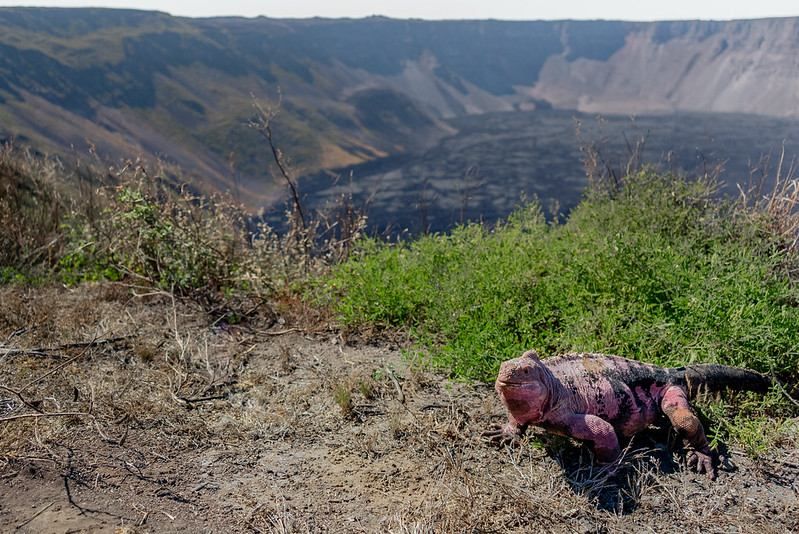
In concluding their expedition to Wolf Volcano on Isabela Island in the Galápagos, scientists have finished the first survey of the pink land iguana, a Critically Endangered species that lives nowhere else on Earth.

The survey used camera traps and involved 30 scientists spreading out over nearly 1,000 acres of the “most inhospitable places in Galápagos,” positively identifying 53 adult pink land iguanas, but no juveniles.

The effort which took place through early-to-mid August was led by Conservation Manager Jorge Carrión and Conservation Director Washington Tapia at the Galápagos Conservancy, who have overseen some remarkable close shaves at their hugely successful Giant Tortoise Restoration Initiative.

The pair recently reported on their expedition, and how with a little data, and a little hope, they believe they can rescue this quite recently-discovered species from the brink on which it was found teetering over.

“They are iconic as much for being recently discovered and limited to a small geographic area, as for the inherent challenges of managing the future of an animal of which we know very little about,” Carrión wrote, at the Conservancy’s website.

The challenges of conserving them are partly the terrain, as Carrión details, for Wolf Volcano is as unwelcoming as a wolf or a volcano. The iguanas nest at 5,600 feet above sea level, where there is little shade, and the temperatures can rise to 100 °F in the air and 160 °F at the level of the ground. At night however, the temperature plummets to 50 °F with a strong, constant and freezing wind.

The steep, mountainous ground is littered with cacti, and there are more ticks on Isabella than any other island. Finally, the iguanas can easily bite a finger off if they get the opportunity, so handling them is kept to a minimum.

MORE: Iguanas Successfully Reintroduced to Galapagos Island After They Were Last Seen By Darwin 184 Years Ago

“During the expedition, we documented never-before-seen behavior such as the symbiotic relationship with Darwin’s finches, which feed on parasites on the iguana’s body, and the unusual sight of an iguana seeking out the sun on a tree branch in an area where the sunlight couldn’t penetrate the dense undergrowth.”

Copyright Jorge Carrión/Galápagos Conservancy

The last juvenile was spotted in 2014, just five years after the species was first officially described as different from both the normal, and yellow land iguanas of the famous islands.

Using the mark and recapture method of analysis, the Conservancy believes that 211 individuals may remain on Isabella.

Copyright Joshua Vela / Galápagos Conservancy

Iguana experts from around the world, at the behest of the Galápagos National Park Directorate, arrived for a brainstorming event on the data gathered during the expedition in late August. With their help, the Directorate and the Conservancy hope to craft the first action plan for saving the pink iguana.

(WATCH the video below.)

KEEP Good News From Becoming Endangered; Share This Story…

“Life is like a movie, write your own ending. Keep believing, keep pretending.” – Jim Henson

Quote of the Day: “Life is like a movie, write your own ending. Keep believing, keep pretending.” – Jim Henson

Photo: Alex Litvin

With a new inspirational quote every day, atop the perfect photo—collected and archived on our Quotes page—why not bookmark GNN.org for a daily uplift?


Quick-Thinking Teen Rushes to Save People Trapped In Burning Building, Inspired by Her Favorite Show

SWNS
SWNS

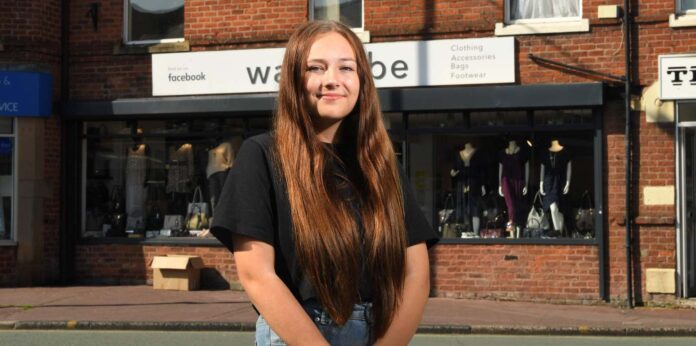
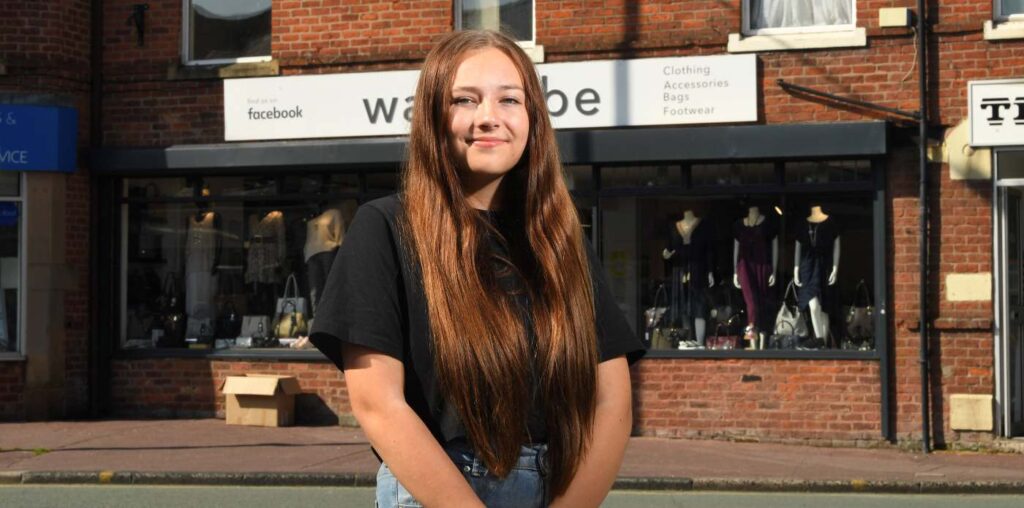
A hero schoolgirl who saved people trapped in a burning apartment raised the alarm after being inspired by a TV show about the emergency services.

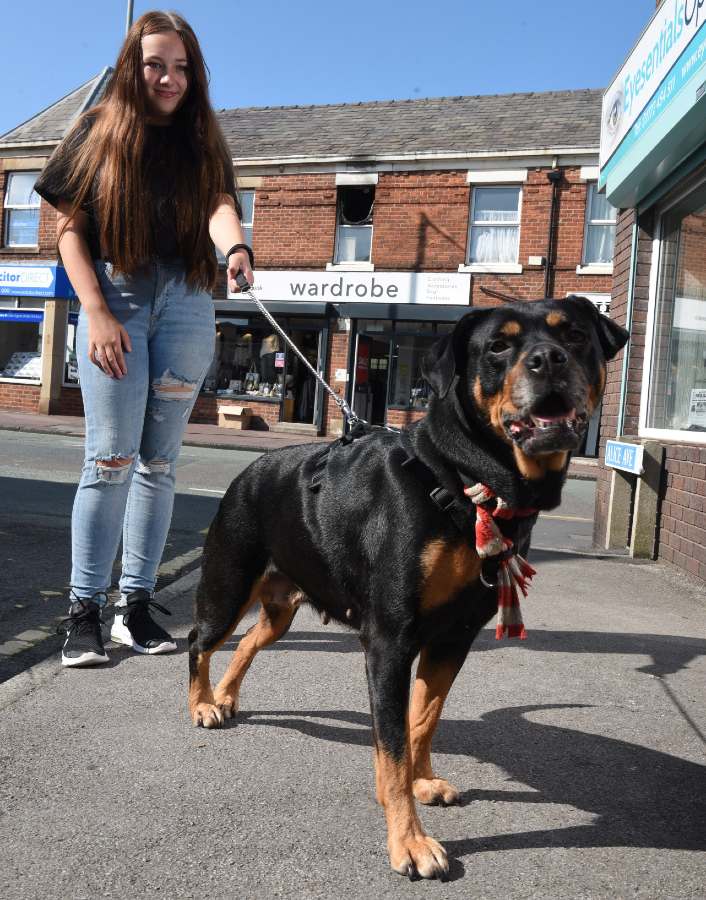
14-year-old Lily Swanson is obsessed with the Disney+ show 9-1-1, so when she noticed a strong burning smell she immediately stopped to investigate.

She had been on a walk with her Rottweiler Isobel near her home in Leyland, Lancashire, but decided to try and find the source of the smell.

The quick-thinking teenager looked around and finally spotted black smoke billowing out of an apartment window on Hough Lane.

Lily ran home to wake her dad Mike Swanson and rang 999.

Mike grabbed his ladders and ran to the scene to help those trapped inside before the building was engulfed in flames.

Lily said, “As soon as I called the fire brigade, we ran back outside and we could see people hanging out the window.

“It had only been a minute or two since I first saw the smoke but as we were running over to help them, one of the windows blew off and fell into the street.

SWNS

“That’s when me and my dad saw the flames. I told my dad we should try and get everyone out of the other window above the barber’s next door.

MORE: Thirsty Butterfly Fleeing Wildfire Drinks Water Straight From Aid Worker’s Hand –WATCH

“We opened the ladders and leaned them against the building and there were two or three people trying to climb out. They were desperate.”

Thankfully, everyone was evacuated safely after emergency services arrived at the scene just minutes later.

Lily added, “But then the fire brigade showed up very quickly and took over. We couldn’t believe how fast they got there.

“We did everything we could do and thankfully everyone got out safely, which is the best that could have happened.”

Lily and her dad stayed at the scene while fire crews evacuated the building and ensured everyone was safe.

Mike said, “It was a proud dad moment for me, as it could have been a lot worse if it wasn’t for Lily’s quick response.

“She’s been obsessed with this TV programme on Disney+. It’s about emergency services in America who deal with things like this.

“Then this happened practically on our doorstep and she handled it brilliantly. I’m very proud.”

Leyland fire station manager Jonny Nottingham, who was the incident commander on the night of the fire, praised Lily for her quick and calm response.

Mr Nottingham said, “We’d like to thank Lily for calling us so quickly after spotting the fire in the apartment.

RELATED: Teen Invents Clever Fire Extinguisher to Save Your Home When You’re Away – and He’s Donating All the Profits

“We have seen in the past that people can have lots of different reactions to seeing a fire but Lily showed maturity and calmness beyond her years to quickly and effectively notify us.”

DIAL UP the Good News In Those Feeds By Sharing This Story…

Irrigation System Talks to Plants to Find Out When they Need Water — Cutting Water Use by 30-50%

Responsive Drop Irrigation
Responsive Drip Irrigation

If only plants could talk, what tidings they could share! Fortunately for farmers, an agricultural company has ‘translated’ the biochemical signal related to certain plant behavior, allowing them to ‘listen’ to plants cries for water when they’re thirsty.

It has the capacity to reduce water use in any system, from a well-manicured lawn to a rural vegetable farm in North Africa, and compared to drip irrigation which is based on a similar idea, it can reduce water use by 30-50%, revolutionizing the science and methods of irrigation in the face of a warming climate, longer droughts, and water shortages.

Responsive Drip Irrigation (DRI) has designed a watering system that installs tubes under the earth filled with pore-like depressions. As plants begin to get thirsty they produce a certain chemical in their roots. The micropores in the tubes in turn detect this chemical and release a water drip that will continue until it detects the plants have drunk their fill.

MORE: Huge Supply of Water is Saved From Evaporation When Solar Panels Are Built Over Canals

In the United Arab Emirates near Abu Dhabi, farmers are growing vegetables in the desert, and DRI won the startup of the year 2019 at the Global Forum for Innovations in Agriculture, while in Pakistan near the dry area around Islamabad, vegetables like tomatoes and bok choy were grown 81% faster and twice as large, respectively, than with regular drip irrigation.

In fact, DRI is established in 14 countries, from rural Zimbabwe to lawns in Utah and Los Angeles in the U.S.

RELATED: Scientists Create World’s First Truly Biodegradable Single-use Plastic That ‘Eats Itself’ in Just 2 Weeks

The biggest hurdle stopping RDI from changing the industry is that existing methods of irrigation are already established and paid for. Convincing farmers to make the switch could be difficult, especially in certain areas, like California, where the irrigation systems have not only been around for decades, but link multiple farms and orchards like a spider’s web.

Yet “wherever there’s an issue with water scarcity and food security, we want to be there,” Jan Gould, founder of Responsive Drip Irrigation, told Fast Company.

IRRIGATE Your Chums’ Feeds With the Innovative News…

Nightclub in Scotland Will Capture Energy From Dancers to Power the Venue

One Glasgow nightclub is working to sustainably harness the energy released from its partiers on the dance floor. The pioneering system at SWG3 could save the popular nightspot up to 70 tons of CO2 per year.

In the run-up to the UN’s COP26 climate conference in Glasgow this November, BODYHEAT turns the energy from dancing bodies into a source for heating and cooling outlets.

A statement from the club says, “We’re hugely excited to reveal our plans to introduce a state-of-the-art renewable heating and cooling system to the SWG3 complex, transforming body heat from clubbers and gig-goers into a source of energy to be used again.”

The first of its kind to be installed in Scotland, BODYHEAT uses heat pumps and fluids to capture body heat generated by SWG3’s crowds, channeling their combined energy into twelve 150m-deep bore holes drilled beneath the venue.

This heat can then either be used immediately to cool the audience, or stored under the ground until it’s needed to heat the building.

Idly mingling, a human body radiates about 100 watts of excess heat, which can add up fast in confined spaces, and the enormous amount of heat that people dancing at clubs or gigs generate is currently ejected into the atmosphere as waste.

RELATED: Buy Some Wind Power With Your Furniture? IKEA is Now Selling Renewable Energy

“With this new system in place,” says the club, “we’ll be able to utilize that warmth, consuming minimal electricity and gas on site, and in turn minimizing our carbon emissions”

“There’s no doubt that the COVID-19 pandemic has brought huge challenges to the events sector around the world,” said Andrew Fleming Brown, Managing Director, “but it has also created a seismic jolt across businesses, underlining the need for a stable and sustainable future.”

MORE: Football Fans Can Now Eat Their Coffee Cups After They’re Done Sipping

“BODYHEAT is our innovative contribution to a global issue, and will help us to dramatically decrease our energy consumption, bringing us one step closer to becoming a carbon neutral venue in the not so distant future.”

GENERATE HEAT in Friends’ Feeds by Sharing This Story…

Dog is Given Her Own Billboard So She Might Finally Get Adopted and Leave the Shelter After 2 Years

Scott Poore
Scott Poore

Sally-Sue has been waiting a long time to get adopted. The 11-year-old pit bull’s been sitting in a shelter for two years, hoping to find her furever home. Now one man is on a mission to see that she does—and in a minute, you’ll sense a theme.

Animal advocate Scott Poore’s company, Mission Driven Goods, is a pet-centric venture promoting products aimed at helping long-term shelter pets get adopted.

Poore recently took out a 30-foot billboard—located where else but Mission, Kansas—featuring Sally-Sue’s smiling face and a plea to potential pet parents to make room in their hearts and homes for the loving senior fur baby.

“On social media, we tend to promote the same story to the same people,” Poore told KMBC News. “A billboard, especially on I-35, it’s going to get thousands of views… All we need is that one right person to go by, make eye contact with the billboard, and we’re saving another life.”

MORE: Devious Dog Fakes a Coma to Avoid Toilet Duty in the Rain –And it’s So Cute (WATCH)

Since the billboard is a rental, Poore is working to find the permanent funding he’ll need to keep long-term shelter pets large in the public eye. Right now, he’s taking a one pooch at a time approach.

When Sally Sue—currently at the Always & Furever Midwest Animal Sanctuary—gets adopted, the next hopeful doggo candidate will get their shot at the “big time.”

“The dogs that’ll be on the billboard are the ones that have been homeless the longest,” Poore told KMBC.

“The goal is to find her not just a home, [but] the perfect home. As quickly as we do that, [we] move onto the next shelter pet that deserves to be up there.”

RELATED: Man Spots His Dog on Television That Was Missing For 2 Years – He Knew That Infamous Underbite

While a billboard might be an unorthodox approach to pet adoption, every time another dog finds a home as a result, we’ll count that as mission accomplished.

(WATCH the video for this story below.)

SHARE the PAWsome News With Pooch-Loving Pals…

Nutrient-Rich Human Waste is Poised to Sustain Agriculture and Improve Economies, Say Researchers

agricultre sunset scene L. Brian Stauffer university of illinois
L. Brian Stauffer/University of Illinois

The future connection between human waste, sanitation technology, and sustainable agriculture is becoming more evident. According to new research, countries could be moving closer to using human waste as fertilizer, closing the loop to more circular, sustainable economies.

A new study directed by University of Illinois Urbana-Champaign civil and environmental engineering professor Jeremy Guest, characterizes the spatial distribution of human urine-derived nutrients—nitrogen, phosphorus. and potassium—and agricultural fertilizer demand to define supply-demand location typologies, their prevalence across the globe, and the implications for resource recovery.

“The total amount of nitrogen, phosphorus, and potassium largely remains constant in our bodies, once we stop growing,” said Guest. “Whatever comes in through food and drink must come out in our urine, feces and sweat. Knowing that, we can estimate how much of each of these nutrients is in a population’s bodily waste if we know their diet.”

Previous studies by Guest and others have assessed the potential for recovering the nutrients from human waste across the globe and identified locations with a surplus of human waste-derived nutrients relative to the local demand for agricultural fertilizers.

“The new study is the first to describe human waste-derived nutrient supply-demand location relationships using a single mathematical equation,” Guest said. “The quality of sanitation infrastructure varies greatly across the globe, as do people’s diets and the availability of land suitable for agriculture. Having the means to characterize and quantitatively compare a location’s nutrient-recovery potential can go a long way to better inform decision-makers when it comes to future sanitation and agriculture policy.”

The team performed extensive numerical and geographic analyses of dietary, population, sanitation and agricultural data from 107 countries to accomplish this quantitative characterization at the global scale. The investigation revealed three distinct supply-demand typologies: countries with a co-located supply-demand; countries with a dislocated supply-demand; and countries with diverse supply-demand proximities.

The United States and Australia, for example, fall under the dislocated supply-demand typology. They have intensive agriculture in areas far from large cities, thus the human waste-derived nutrient supply is far away from where it is needed, Guest said.

Even with advanced sanitation infrastructure in place, this means that nutrients would need to be transported over large distances, either as heavy fluids or converted into concentrated crystalline products.

Economically speaking, Guest said, it would make sense to work with a concentrated product to implement a human waste-derived fertilizer in these countries.

The study reports that in countries with co-located supply-demand typologies like India, Nigeria, and Uganda, human populations are more substantively in the proximity of agricultural areas, making local reuse possible.

In many communities with co-located supply-demand, however, there is a need for improved sanitation infrastructure. Guest said implementing a human waste-derived fertilizer program could be highly beneficial to sanitation and agriculture in these places.

RELATED: Amaranth is a Health Trend 8,000 Years Old That ‘Could Feed the World’

Countries like Brazil, Mexico, China, and Russia exhibit a continuum of co-location to dislocation of nutrient supply and demand.

The study reports that policymakers would need to approach human waste-derived nutrient use with more regionalized strategies and a range of local reuse and transport approaches. “Higher income countries in this group may have the infrastructure and economic support for various technologies, but those with limited financial resources would require prioritization of resource-recovery technology in some areas,” Guest said.

The team was surprised to find the typologies corresponded closely to the United Nations Human Development Index.

MORE: The Yellow Center of the Deadliest Flower is a Lifeline to Farmers – and the Planet

“Higher HDI-scoring countries like the U.S., Western Europe, and Australia tend to fall in the dislocated supply-demand typology and lower HDI-scoring countries tend to fit the co-located supply-demand typology. Of course, there are exceptions, but we did not expect to find such a strong correlation,” Guest said.

The findings are published in the journal Environmental Science and Technology.

The team hopes this research will help clarify the salient economic, sanitation, and agricultural characteristics of countries across the globe so that decision-makers can prioritize investment, policies, and technologies that will advance goals for a circular economy and the provision of sanitation to all, Guest explained. That sounds like good news to us.

Source: University of Illinois at Urbana-Champaign, News Bureau

DON’T WASTE the Positive News, Share This Story…

“The road to success is always under construction.” – Lily Tomlin (turns 82 today)

Quote of the Day: “The road to success is always under construction.” – Lily Tomlin (turns 82 today)

Photo: Hayden Walker

With a new inspirational quote every day, atop the perfect photo—collected and archived on our Quotes page—why not bookmark GNN.org for a daily uplift?


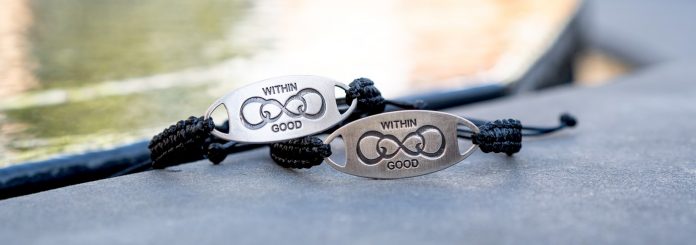
‘Within Good’ Bracelets From Muhammad Ali’s Daughter and GNN Co-Owner Are Back in Stock

Back by popular demand: The Within Good bracelets, which many of you have been asking for, are back in stock and ready to be shipped. And, the face has also been updated so the message will shine through more clearly and withstand daily wear.

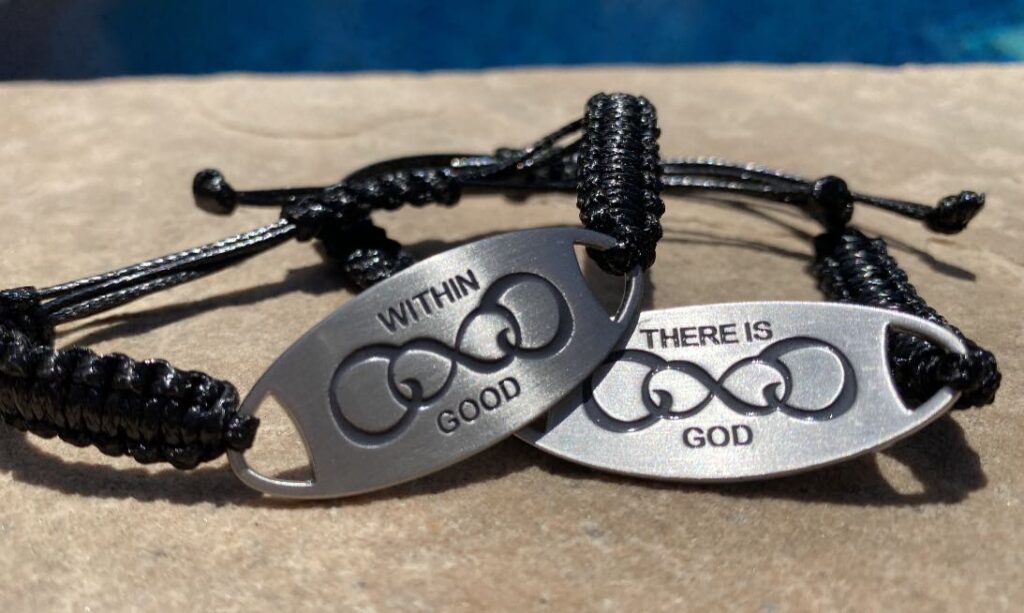
For those of you new to the brand, Within Good was started by GNN co-owner Anthony Samadani and Muhammad Ali’s eldest daughter, May May Ali. After staring at the word “Good” one night, Anthony kept seeing the word God become more pronounced. It was then that the phrase ‘Within Good, There is God’ was destined to be a wearable reminder.

The founders stress that it is not intended to be a religious bracelet. The concept was to go back to the basics of doing good for yourself and others, which connects us all. It is a universal message that can unite people of all faiths and backgrounds. This is why the second half of the statement, There is God, appears on the underside of the bracelet since the concept of God is personal to every wearer.

And, each bracelet comes in its own canvas pouch—ready to give as a gift without wrapping.

The logo evolved into an infinity symbol to spell the double “o” in Good, while interlocking the G and D. The rope symbolizes strength and the strong connection between Good and God that is within us all.

And, GNN readers get a 10% discount

The unisex bracelets feature a casual yet classy styling and are made of nylon wax rope and zinc alloy with silver plating. Each one will come in its own canvas pouch.

“At the end of the day, God symbolizes peace, love, harmony, perfection, happiness, serenity, connectedness, purpose and any other word or feeling that makes you feel Good.”

The retail price is $29.99 but our loyal GNN readers will receive a 10% discount (with only California residents paying tax). Simply add the code GNN10, into the discount box.

The handsome bracelets are a great gift for yourself and others, a wearable reminder that the more good we do, the more we connect with God and each other.

“At the end of the day, God symbolizes peace, love, harmony, perfection, happiness, serenity, connectedness, purpose, and any other word that makes you feel GOOD”.

The Within Good team has been overwhelmed by the positive response and personal stories from their customers.

“Within GOoD is my go-to accessory this summer… I absolutely love it.” – Marjie S

“I received my bracelet and couldn’t be happier with it! I absolutely love the message and plan on wearing it every day. Today was my first day and every time I looked at it, it was a reminder to me that there still is good in the world, and it inspires me to spread the goodness through my actions, as well.” – Mandy R.

Remember that you can also find the bracelet on our Good Gifts page in the top menu of our homepage.

SHARE the gift idea on Social Media, too…

Houston’s Mattress Mack and Lakewood Church Open Doors to Hurricane Ida Refugees, Send Truckloads of Supplies

test

In the wake of Hurricane Ida’s devastating toll on New Orleans, the people of Houston are opening their Texas-sized hearts and providing Texas-sized relief to refugees. Not only are they sending trucks full of supplies, they’re opening their doors to provide beds for the displaced, including inside the massive Lakewood Church.

Photo: Gallery Furniture/Facebook

And, once again, Gallery Furniture’s “Mattress Mack”—Jim McIngvale—legendary for his past storm relief efforts—is leading the charge, and initiating his own collection drive.

“We did it during Katrina and, you know, people need a place to stay. They’ve been disrupted from their homes by this terrible hurricane, so it’s the least we can do. We’ve got lots of mattresses, lots of sofas and anybody needs a place to stay, come out to Gallery Furniture,” McIngvale told KPRC News. “It’s just the right thing to do.”

Any evacuee with a Louisiana ID will be offered shelter in the store. And, while Houstonians arrive hourly with cars full of supplies to send to Louisiana, McIngvale is scouting a location for a distribution warehouse from which to disperse the truckloads of relief supplies once they arrive.

Donations can be dropped off at the Gallery Furniture 6006 N. Freeway location through Wednesday, September 1st until 5:30 p.m. The items most needed are:

Non-Perishable Food, Bottled Water, Diapers, Baby wipes, Pet Food, Soap, Toothpaste, Toothbrushes, Deodorant, Hairbrushes, Shampoo, Feminine care products, Socks, Books, games, puzzles, and activities for families with children.

Christian groups are galvanizing to help

Houston’s Lakewood Church was also holding a 2-day collection drive that ended today, and has opened its doors to offer shelter for those who fled the hurricane.

MORE: Man Opens Up His Home to Shelter 300 Dogs From a Hurricane: ‘It doesn’t matter if the house is dirty’

“We are preparing to help the people coming from New Orleans and Louisiana… We want them to know that Lakewood is open if they need a place to stay. We’ll accommodate as many as we can safely,” Pastor Joel Osteen told KPRC.

Free Astros Tickets

The Houston Astros Foundation is also hosting an emergency drive at Minute Maid Park from 8 a.m. to 2 p.m. on Wednesday and Thursday, with all donations being shipped directly to Louisiana communities impacted by the storm.

The drive is only accepting these specific items: Bottled water, Bug spray, Brooms, Garbage bags, Mops, Cleaning supplies, Laundry detergent and bleach, Hygiene products (toothpaste, shampoo, soap), Baby products (food, diapers and wipes), Paper products, Plastic cutlery, and Pet food.

Curbside donations can be dropped off at Crawford Street at the Union Street entrance. For each donation, fans will receive two free tickets to the September 6 Astros game versus the Seattle Mariners. (Two tickets per vehicle while supplies last!)

Don’t live in Texas, but want to help? McIngvale has set up a GoFundMe campaign.

(WATCH the KPRC kindness news coverage below…)

BE SURE to SHARE This Story to Help Hurricane Victims…

Baking Bad: Ex-Cons Are Mentored as Bakers and Now Their Bread is in the Best Restaurants

SWNS
SWNS

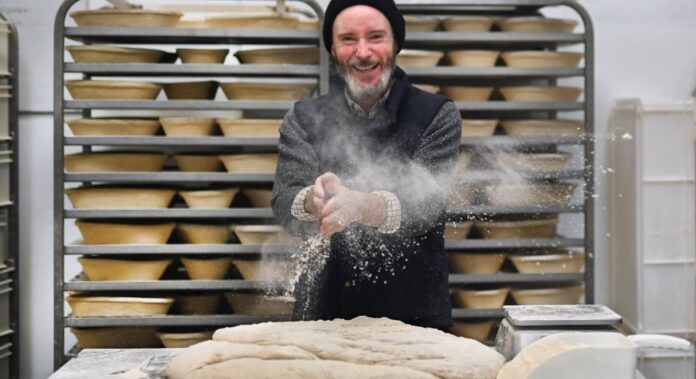
A bakery run by a Cambridge graduate is teaching ex-cons new skills, including providing bread to some of Scotland’s fanciest restaurants.

Freedom Bakery, in Glasgow’s East End, provides well-known eateries including Ubiquitous Chip with bread rolls.

The social enterprise was set up by Matt Fountain who grew up watching his stepfather struggle to establish a life after being released from jail in  Kent—and who he had visited in prison, aged 12, and begged never to go again.

Matt enrolled in university courses in Manchester, studied History of Art in London, spent a year in Glasgow, and attended Cambridge.

He returned to Glasgow and had the chance to do a PhD at Oxford, but opted not to.

Instead he decided to invest his time and energy into helping people, including convicted murderers, reintegrate into society.

In 2014, he was granted permission to use a small kitchen in HMP Low Moss, Glasgow.

SWNS

Matt planned to make and sell bread and at the same time put those prisoners through a recognized qualification for the baking industry, SVQ Level 2 in Craft Baking.

By 2017 he was working with prisoners in notorious Barlinnie, and pairing them with qualified bakers in order to help them obtain a qualification.

Trainee bakers have a broad variety of backgrounds, and Matt’s employees are given training in self-defence due to working with prisoners.

There are currently 16 employees and a third were recruited from jails.

Matt said: “It’s a mixture of long term and short term sentences including drugs-related offences, fraud, and I’m afraid to say manslaughter and murder.”

Matt felt out of place in Cambridge and failed to find enjoyment in it. “By the end of it I was pretty worn out and because of my background, I felt like I was living a bit of a fake life.

After struggling to get a job after graduating from Cambridge, he felt at a loose end. “I thought if I had an Oxbridge degree it would help me in life,” he said. “I didn’t really know what to do.

MORE: Waitress in Tears After Receiving Thank You Note From Widow Eating Alone

“I came to the conclusion that I should be doing something useful and I set upon this idea to raise money for the charity Shelter by cycling around the UK.”

That led to the idea of starting Freedom Bakery.

Matt said: “The only ideal was to make sure it was really good so it would leave a lasting impression on the person eating it, so they would understand where it came from and maybe think more positively about who made that bread.

SWNS

“It is important our bread tastes great and for us to be really successful, our people need to be cared for and paid fairly and if those things combine it means the bread we make is really doing good.”

He described prisons as “a microcosm of humanity with both good and evil.”

Matt said: “For some, the odds have been stacked against them from the beginning, so they never had a chance. An individual contacted us who has been in institutions from childhood.

RELATED: Youth Who Walks 17 Miles So He Can Work is Given New Bike and $52,000 From Good Samaritans

“He is completely institutionalized but he wants to get out and can imagine a life he can have that will be healthy and rewarding so that is what we are about.”

In October the bakery will move to a larger premises.

And it saw its sales increase by 12 per cent last year, despite lockdowns.

Matt added: “I really feel that it is important to help people, but at the end of the day they have to want to help themselves. In terms of the help we can offer, that goes quite far with us.”

LET Good News Rise High—Share This Story…

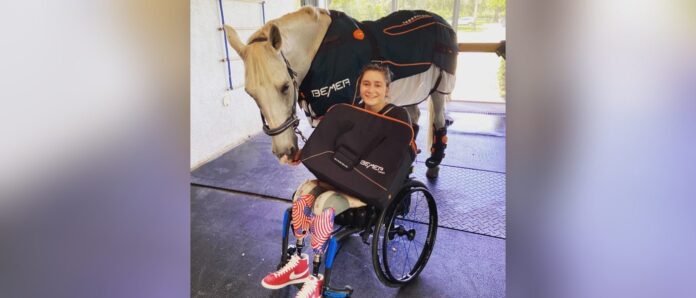
She Lost Both Her Legs in the Brussels Bombing And is Now Competing on Horseback in the Paralympics

It was the spring of 2016, and 17-year-old Beatrice de Lavalette was waiting for a flight when she got hit by the terrorist bombing at Brussels airport.

Along with serious burns and a spinal cord injury, De Lavalette lost both legs below the knee.

Yet she says she wouldn’t be the person she is today if weren’t for those events… and the person is she will be competing as part of the U.S. Para-Equestrian team at the Paralympic Games in Tokyo.

Riding is a passion not only for De Lavalette but for her family as well. She began riding at age 3 and by 12, she’d taken up dressage.

Getting back in the saddle was no easy feat in light of her injuries, but she was determined to do so as soon as she was able. Five months after the bombings, thanks to her grit, determination—and extensive regimens of rehab and retraining—that’s exactly where she was.

“I had no muscle, I was just skin and bones, so being back on the saddle with no sense of balance was really uncomfortable. But with time, I was able to build up the muscle and work on my balance, and it got easier with time,” she told CNN.

Of course, De Lavalette got a lot of help and encouragement along the way—from her family, her friends, the doctors and hospital staff—and from her beloved horse, DeeDee.

Unsurprisingly, De Lavalette was depressed as she tried to come to terms with her injuries. She admits to crying a lot in the hospital until an unexpected visitor turned things around for her.

“DeeDee saved my life,” De Lavalette said in an interview on The Doctors. “My mom had figured out a way to get … DeeDee into the hospital parking lot. I said, ‘Where’s my [wheel]chair?’”

“I went outside in the rain and as I got closer, she came towards me and put her head against my chest. That moment made me decide that I wasn’t going to give up on life.”

It’s taken a great deal of hard work for De Lavalette to get where she is today. Having to adjust to her body’s new normal was, in many ways, like having to learn to ride all over again.

MORE: An Archer With No Arms Aims to Win Gold at Summer Paralympic Games Joining Team USA – VIDEO

But as her efforts began to pay off, the Paralympics seemed the perfect outlet to showcase her hard-earned skills.

After making her first appearance as part of the U.S. Para-Dressage team in 2020, De Lavalette set her sights on Tokyo, where she’ll be riding an “awesome” 14-year-old Dutch Warmblood named Clarc.

“The reason I’ve gotten to this level of recovery is because of my horses,” De Lavalette told News 4 JAX.

RELATED: Limb-Different Gamer Wins Confidence—And Fans—With Bionic Arm, After a Rough Time in School

De Lavalette says, “I can’t change what happened, but I can succeed at being me. As I have said many times, I was in the wrong place at the wrong time. What else is there to say? There are no ‘What ifs.’ I have a new life in front of me,” she says on her website. “What’s important is that I’m alive and I feel that I will do something grand with my life.”

We’d say, she already has.

(WATCH The Doctors video about Beatrice’s story below.)

GALLOP the Good News Over to Those Social Feeds…

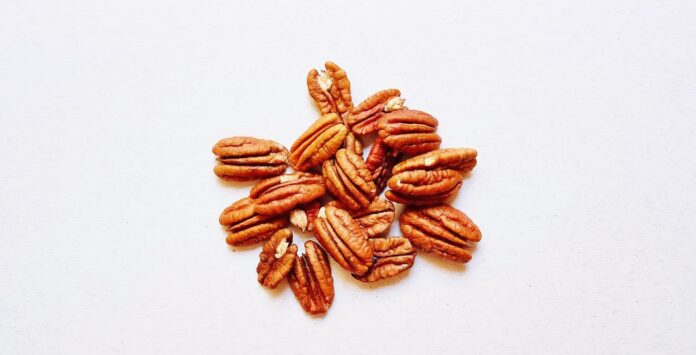
Pecan-Rich Diet Shown to Reduce Cholesterol in New Study

While the proper pronunciation of pecan remains a subject of debate, University of Georgia researchers have shown the tree nut can dramatically improve a person’s cholesterol levels.

Participants at risk for cardiovascular disease who ate pecans during an eight-week intervention showed significant improvements in total cholesterol, triglycerides and low-density lipoprotein (LDL), or “bad” cholesterol, in a study conducted by researchers in the UGA College of Family and Consumer Sciences.

“This dietary intervention, when put in the context of different intervention studies, was extremely successful,” said Jamie Cooper, a professor in the FACS department of nutritional sciences and one of the study’s authors. “We had some people who actually went from having high cholesterol at the start of the study to no longer being in that category after the intervention.”

Researchers saw an average drop of 5% in total cholesterol and between 6% and 9% in LDL among participants who consumed pecans.

For context, researchers referred to a previous meta-analysis of 51 exercise interventions designed to lower cholesterol that reported an average reduction of 1% in total cholesterol and 5% in LDL cholesterol.

“The addition of pecans to the diet not only produced a greater and more consistent reduction in total cholesterol and LDL compared to many other lifestyle interventions, but may also be a more sustainable approach for long-term health,” Cooper said.

“Some research shows that even a 1% reduction in LDL is associated with a small reduction of coronary artery disease risk, so these reductions are definitely clinically meaningful.”

Researchers assigned 52 adults between the ages of 30 and 75 who were at higher risk for cardiovascular disease to one of three groups.

One group consumed 68 grams or about 470 calories of pecans a day as part of their regular diet; a second group substituted pecans for a similar amount of calories from their habitual diet, and a control group did not consume pecans.

At eight weeks, participants consumed a high-fat meal to determine changes in blood lipids and the amount of glucose, or sugar, in the blood.

Fasted blood lipids showed similar improvements among the two pecan groups while post-meal triglycerides were reduced in the group that added pecans. Post-meal glucose was lowered in the group that substituted pecans.

“Whether people added them or substituted other foods in the diet for them, we still saw improvements and pretty similar responses in total cholesterol and LDL cholesterol in particular,” said Cooper, who also serves as director of the UGA Obesity Initiative.

Researchers—whose work was published this month in the The Journal of Nutrition—pointed to the known bioactive properties of pecans for possible mechanisms driving the improvements.

Pecans are high in healthy fatty acids and fiber, both of which have been linked to lower cholesterol.

Source: University of Georgia

“Hope is important because it can make the present moment less difficult to bear. If we believe that tomorrow will be better, we can bear a hardship today.” – Thich Nhat Hanh

Quote of the Day: “Hope is important because it can make the present moment less difficult to bear. If we believe that tomorrow will be better, we can bear a hardship today.” – Thich Nhat Hanh

Photo: Aziz Acharki

With a new inspirational quote every day, atop the perfect photo—collected and archived on our Quotes page—why not bookmark GNN.org for a daily uplift?