














59 years ago, the first episode of Star Trek, featuring “Space: the final frontier” and the USS Enterprise, began its three-year mission of exploration on TV screens across America. The science-fiction television show created by Gene Roddenberry was set in the 23rd century and starred William Shatner and Leonard Nimoy. The NBC show has since spawned multiple TV series, as well as comics, toys, and a movie empire. READ more about the show’s impact… (1966)
Descendants of Heroic WWII Flight Crew Surprised with Reunion After 80 Years
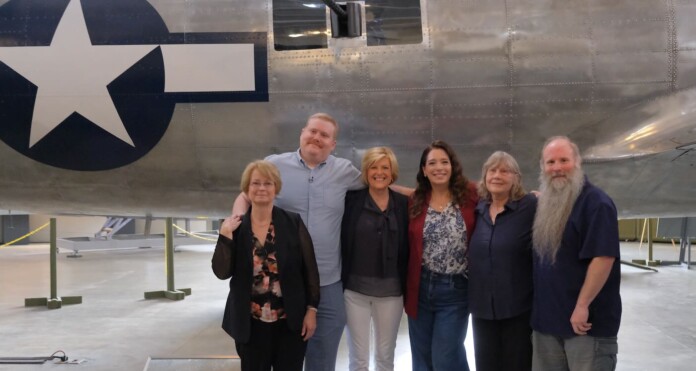
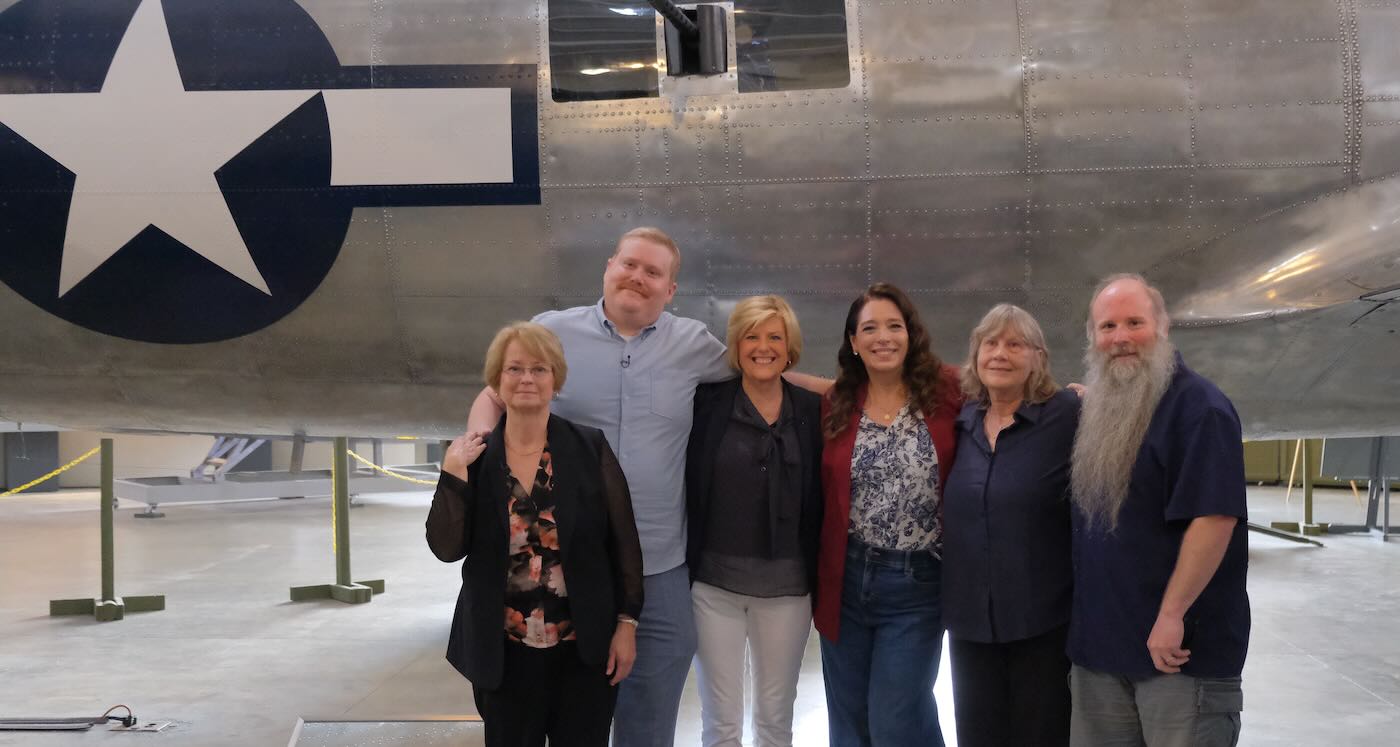
To commemorate the 80th anniversary of the end of WW II on September 2, Ancestry.com used its historical records and online family trees to uncover the remarkable story of a heroic B-17 crew.
Their modern-day descendants came together for the first time—like one final mission 80 years in the making.
“80% of Americans say they know very little about their personal connections to WWII,” said Ancestry Story Producer, Lisa Elzey. “I wanted to know more about my grandfather’s service, so I dove into the records to see what I might discover.”
Lisa came across an article that said her grandfather, Harold E. Lounsbury, Jr., was the ball turret gunner on a B-17 bomber that shot down three Nazi planes and was awarded the Distinguished Flying Cross.
She continued to dive into historical documents and discovered a photo of her grandfather with his fellow airmen alongside the story of a death-defying flight.
“I was so inspired by this incredible story of brotherhood these men must have experienced, that I wanted to connect with the descendants of these WWII veterans to see if they knew any more details of their ancestors’ heroism and bravery,” Lisa said.
An Emotional Reunion, Generations in the Making
Lisa then invited the descendants she uncovered to the National Museum of the Mighty Eighth Air Force to learn more about their family’s WWII stories. What they didn’t know was that they were also about to meet the other descendants of the B-17 crew for the very first time—and the TODAY Show filmed the reunion. (See the video at the bottom…)
After sharing heartwarming testimonies about why it’s important to preserve their family’s WWII legacy, Maribeth and Adam Taylor, Lesley Nall Oliverio, and Kris Olson were surprised when TODAY’s Anne Thompson revealed their connection to one another and to Lisa.
“In a tumultuous time these young men risked their lives. It’s meaningful to have us all here together—80 years later, as their living legacy.”
“I didn’t think I had anybody out there that knew anything about my father’s friends on the plane,” exclaimed Lesley. “I feel like I gained a new family.”
Adam echoed the sentiment, saying, “Your relatives are all people he loved…this means the world. This binds us together as humans. You guys are my family.”
The 20th century crew flew over 30 missions together, including one flight that earned them the Distinguished Flying Cross medal.
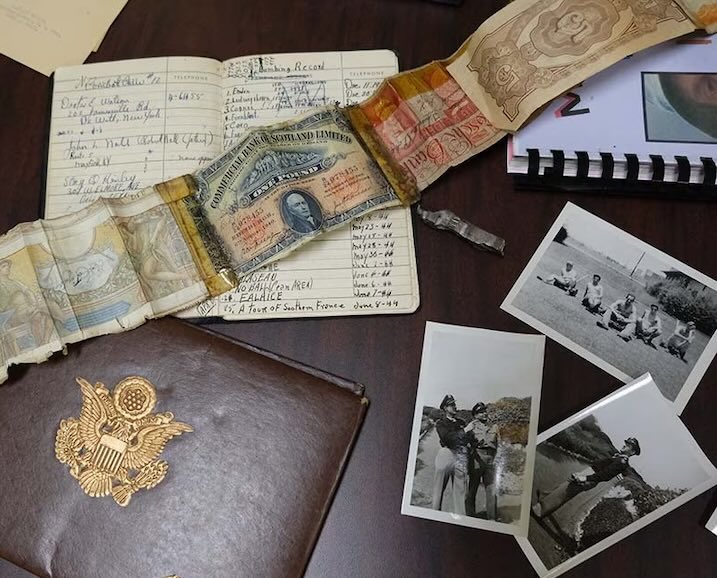
Their plane, the “Yankee Rebel,” was riddled with holes from enemy fire. The pilot was seriously injured and, even without landing gear, the flying fortress was brilliantly landed back in England safely by Lesley’s father, the co-pilot.
Adam even shared a piece of shrapnel from the plane, and read excerpts from his grandfather’s wartime journal, outlining a first-hand account of the mission.
“As survivors of WWII vets, learning about the rest of the crew and meeting their descendants was amazing—start to finish.
“This is one of the best days of my life,” said Kris.
HEARTWARMING WWII STORIES:
• Dog Tag of Fallen WW II Soldier is Returned to Family 80 Years After His Death
• Woman Discovers Exact Replica of Grandfather’s WWII Plane and Recreates 1942 Photo Before Getting a Special Ride
Ancestry is inviting everyone to learn more about their own family’s connection to WWII for free at Ancestry.com/WWII. The public can use the ‘Memories’ tool to attach their own wartime stories to their family tree, so generations to come can read them.
HONOR OUR WWII HEROES By Sharing This on Social Media…
Immune System Can Be Reprogrammed to Heal Body Faster–Jump-Starting it via Electrical Stimulation
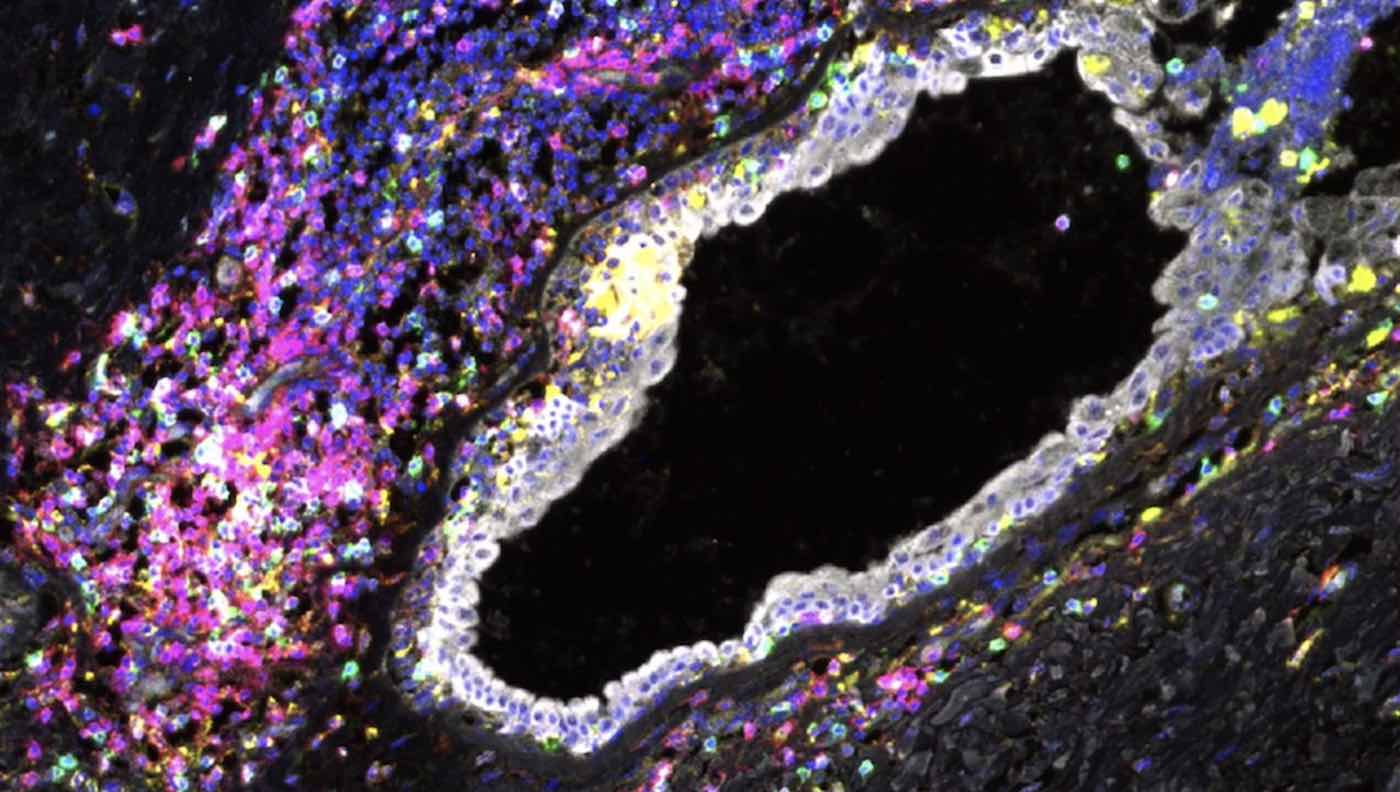
The immune system can be “reprogrammed” to repair the body faster using electrical stimulation to jump-start healing, according to new research
Irish scientists discovered that by electrically stimulating “macrophages” – one of the immune system’s key players – they can be reprogrammed in such a way to reduce inflammation and encourage faster, more effective healing from disease or injury.
The “exciting” breakthrough by a team at Trinity College Dublin has revealed a potentially powerful new therapeutic option—and work is continuing to improve the process.
Macrophages are a type of white blood cell with several high-profile roles in our immune system. They patrol around the body, looking for bugs or viruses, as well as disposing of dead and damaged cells, and stimulating other immune cells—kicking them into gear when and where they are needed.
But their actions can also drive “local inflammation” in the body, which can sometimes run amok and become problematic, causing more damage to the body than repair. In fact, it’s present in several different diseases, highlighting the need to regulate macrophages to improve patient recovery.
The Trinity team worked with human macrophages isolated from heathy donor blood samples provided through the Irish Blood Transfusion Board at St James’s Hospital.
They stimulated the cells using a custom bioreactor to apply electrical currents and measured what happened.
They discovered that the stimulation caused a shift of macrophages into an anti-inflammatory state that supports faster tissue repair, and a decrease in inflammatory marker activity.
It also triggered an increase in the expression of genes that promote the formation of new blood vessels—associated with tissue repair as new tissues form—and an increase in stem cell recruitment into wounds, which is also associated with tissue repair.
GOOD CANCER NEWS: Cancer Vaccine Triggers Fierce Immune Response to Fight Malignant Brain Tumors in Human Patients
The immune system is vital for repairing damage in our body and macrophages play a central role in fighting infection and guiding tissue repair.
“As a result, many scientists are exploring ways to ‘reprogram’ macrophages to encourage faster, more effective healing in disease and to limit the unwanted side-effects that come with overly aggressive inflammation,” said study first author Dr. Sinead O’Rourke.
“We are really excited by the findings,” added Dr. O’Rourke, a Research Fellow in Trinity’s School of Biochemistry and Immunology.
“While there is growing evidence that electrical stimulation may help control how different cells behave during wound healing, very little was known about how it affects human macrophages prior to this work.”
“Not only does this study show for the first time that electrical stimulation can shift human macrophages to suppress inflammation, we have also demonstrated increased ability of macrophages to repair tissue, supporting electrical stimulation as an exciting new therapy to boost the body’s own repair processes in a huge range of different injury and disease situations.”
The team says their findings, published in the journal Cell Reports Physical Science, are especially significant given that the work was performed with human blood cells—showing its effectiveness for real patients.
The researchers pointed out that electrical stimulation is relatively safe and easy in the scheme of therapeutic options, and the outcomes should be applicable to a wide range of scenarios.
FOOD FOR THE IMMUNE SYSTEM: Delicious Cancer Breakthrough: Pomegranates Found to Significantly Fuel Tumor-Fighting Immune Cells
Study co-leader Professor Michael Monaghan, from Trinity’s School of Engineering, said, “Among the future steps are to explore more advanced regimes of electrical stimulation to generate more precise and prolonged effects on inflammatory cells and to explore new materials and modalities of delivering electric fields.”
“This concept has yielded compelling effects in vitro and has huge potential in a wide range of inflammatory diseases.”
SHARE THE RESEARCH With Alternative Medicine Lovers on Social Media…
Cheerful Music Could Help People Get Over Car Sickness, New Study Shows
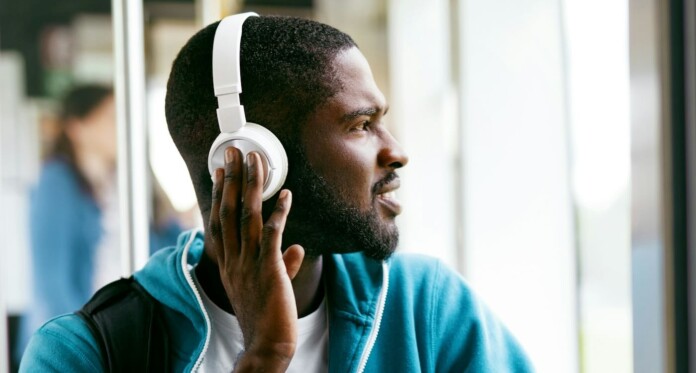

Listening to happy tunes helped study participants with motion sickness get over their predisposition and recover better, according to new research.
Motion sickness is a common condition that happens when you’re moving while sitting still, such as riding in a car. It occurs when our eyes, inner ear and body send conflicting messages to the brain, resulting in nausea, headaches, or breaking out in a cold sweat.
Now, Chinese scientists studying ways for improving the condition have published a study in the journal Frontiers in Human Neuroscience showing that playing different types of music may help people recover more effectively.
Using a specially calibrated driving simulator, they induced car sickness in participants and then played different types of music while they tried to recover. Soft and joyful music produced the best recovery effects, while sad tunes were even less effective than doing nothing at all.
“Motion sickness significantly impairs the travel experience for many individuals, and existing pharmacological interventions often carry side-effects such as drowsiness,” said study author Dr. Qizong Yue of Southwest University in China.
“Music represents a non-invasive, low-cost, and personalized intervention strategy.”
The researchers explained that feeling tense in anticipation of possible car sickness can trigger a physical reaction, bringing sickness on more quickly. Because music can be used to alleviate tension, Dr Yue and his team wondered if it could help people who get carsick.
The team began by developing a model to induce motion sickness. They recruited 40 participants to screen routes on a driving simulator and chose the most effective route for making people feel carsick.
30 people who reported moderate levels of previous carsickness then wore electroencephalogram (EEG) caps, to try to identify quantifiable signals of carsickness in the brain’s activity.
RELATED SCIENCE: Just 1-Minute Daily Exposure to Specific Sound Frequency Can Alleviate Motion Sickness: New Study
They were divided into six groups – four that received a music intervention, one that received no music, and one whose simulators were stopped when they started to report that they might feel slightly carsick.
The last group acted as a comparative sample for the EEG data. They had received the same stimuli as the other 25 participants, but weren’t allowed to become nauseous, so the difference between their brain activity and the other participants’ would help identify signals characteristic of carsickness.
To begin with, the participants sat still in the simulator for a few minutes to capture EEG signals from their brains. Then they performed a driving task and reported their level of carsickness to the research team. Once they stopped driving, the participants in the music groups were played tunes for 60 seconds, and then asked to report how sick they felt.
Joyful music alleviated carsickness by 57%
The scientists found that joyful music alleviated carsickness the most, reducing it by 57.3%—followed very closely by soft music, at 56.7%.
Passionate music reduced motion sickness by 48.3%, while playing sad music turned out to be slightly worse than doing nothing.
The control group reported a reduction of carsickness symptoms by 43.3% after their rest, while those who listened to sad music reported a reduction of just 40%.
HOLISTIC SOLUTION TO MOTION SICKNESS: Woman Makes Drug-free Patches That Treat Nausea, Cramps, Vertigo, Hangovers – And Even Car Sick Pets
The EEG data showed that participants’ brain activity in the occipital lobe changed when they reported carsickness, measureing less complex activity in this brain region when participants said they felt quite sick.
The better the said they felt as they recovered, the more the activity measured by the EEG returned to normal levels.
Joyful or soft music?
The researchers believe it’s possible that soft music relaxes people, relieving the tension that exacerbates carsickness, while joyful music might distract people by activating brain reward systems.
But sad music could have the opposite effect, by amplifying negative emotions and increasing overall discomfort.
KINDNESS IN THE END: Caring Ambulance Workers Take Detour to Grant Dying Man’s Simple Ice Cream Wish
The researchers say further work with a larger sample size is needed to confirm the results. They plan to follow up the experiments with investigations of different forms of travel-sickness and the role played by personal musical taste.
“Based on our conclusions, individuals experiencing motion sickness symptoms during travel can listen to cheerful or gentle music to achieve relief,” said Dr. Yue, who believes the findings of this study would “likely extend to motion sickness experienced during air or sea travel,” as well.
SHARE THIS GOOD NEWS TIP With Families Who Have Carsick Kids…
Boy With Cerebral Palsy Lights Up as Stranger Takes Him for Spin on the Ice (WATCH)


A video captured the moment a boy with cerebral palsy lit up when a stranger took him for a spin on the ice in his wheelchair.
Bleu Greenwood has a severe form of cerebral palsy—stage five quadriplegic—and relies on ventilation to keep his airways open.
After spending six months on such life support this year, his mom Rielle and her family decided to get out of the house in England to enjoy an outing, and they took Bleu along.
Last Sunday they drove to the National Ice Centre in Nottingham, and the 10-year-old boy was so excited as they arrived at the skating rink.
Suddenly, Bleu was approached by a stranger who offered to take him for a spin on the ice. He said he was a hockey player, so their son would be in good hands.
Tyler carefully guided Bleu’s wheelchair across the ice and the boy beamed with joy as his “overwhelmed” mum cheered from the sidelines. (See video at the bottom)
“Bleu was very excited to go ice skating,” Rielle told SWNS news. “It’s not something he gets to normally do in his life.”
“He gave the man a big smile when he grabbed his wheelchair to whizz him off.”
LOOK: He Crowdsurfed in a Wheelchair to the Stage and Coldplay Pulled Him Up to Play Harmonica (Watch)
“Tyler was able to whizz bleu around the ice making him laugh and so happy but also feeling safe and stable.
“It was special that Bleu was able to have all his close family in one place, all having fun together somewhere Bleu was able to be involved.
“As a mother I felt so happy to be able to watch my son smile and laugh with joy.
“All I have ever wanted for Bleu was for him to be included in fun activities for his age.”
WATCH the smiles below… (NOTE: Loud screaming from mom is heard in video)
SPREAD THE KINDNESS By Sharing This on Social Media…
“A lighthouse isn’t concerned with whether ships are watching it from a distance. It simply shines forth.” – Rob Brezsny

Quote of the Day: “A lighthouse isn’t concerned with whether ships are watching it from a distance. It simply shines forth.” – Rob Brezsny
Photo by: Ian Britton, CC license
With a new inspirational quote every day, atop the perfect photo—collected and archived on our Quote of the Day page—why not bookmark GNN.org for a daily uplift?

Good News in History, September 7
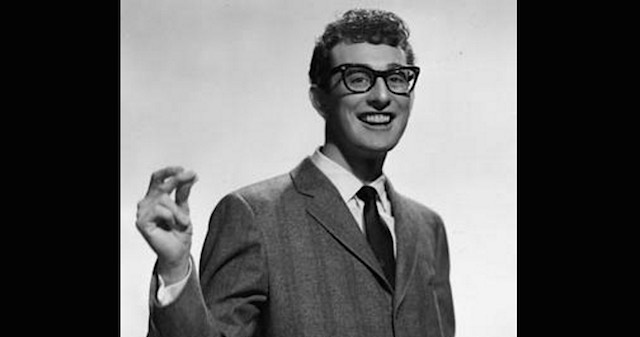
89 years ago today, Buddy Holly was born into poverty in a musical family in Lubbock, Texas. In just 18 months, from his first #1 hit song, That’ll Be The Day, to when he died in a tragic plane crash at age 22, the prolific singer-songwriter topped the charts with more than a dozen Top 40 hits worldwide. Unlike his hero, Elvis Presley, Holly was an innovator for writing his own material and experimenting with double tracking and orchestration. He also pioneered and popularized the now-standard use of two guitars, bass, and drums by rock bands. READ more, such as how he got his famous glasses… (1936)
3D-Printing ‘Glue Gun’ Can Repair Bone Fractures During Surgery Filling-in the Gaps Around Jagged Edges
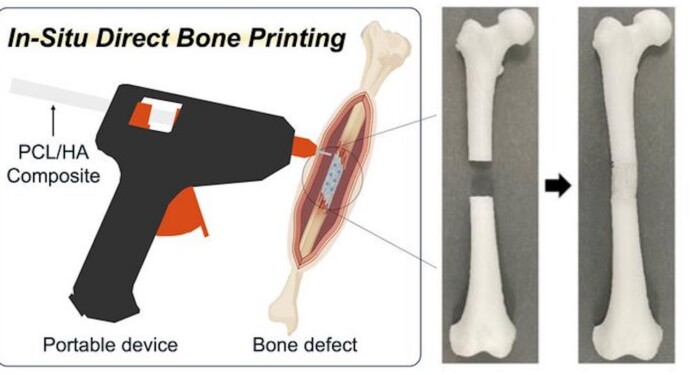

A new 3D printing “glue gun” can generate bone grafts directly onto fractures, using a revolutionary process that can fill-in the gaps around the site’s jagged edges.
Now, the researchers in South Korea are preparing for human trials, having developed a tool made from a modified glue gun that can 3D-print bone grafts to repair defects during surgery.
Essentially, it quickly creates bone implants on the spot, without the need for making them in advance.
The researchers “optimized” the 3D-printed grafts until they exhibited high structural flexibility while releasing anti-inflammatory antibiotics and promoting natural bone regrowth at the grafting site—conforming to the jagged edges of a fracture.
Bone implants have previously been made of metal or donor bone or, more recently, 3D-printed material. But in cases involving more complex fractures the implants must be designed and produced prior to surgery to allow for appropriate fitting.
So, the scientists developed a new technology that offers a distinct approach: a printing system for use directly at the surgical site, that enables a “real-time fabrication and application of a scaffold,” said study co-author Professor Jung Seung Lee, of Sungkyunkwan University in South Korea.
“This allows for highly accurate anatomical matching even in irregular or complex defects without the need for preoperative preparation such as imaging, modeling, and trimming processes.”
What’s in the ‘glue’?
He explained that the material fed into the glue gun is a filament comprised of two major components: a feature of natural bone known to promote healing called hydroxyapatite (HA) and a biocompatible thermoplastic called polycaprolactone (PCL).
PCL can liquify in temperatures as low as 60 Celsius, which when applied with a heat-modified glue gun, is cool enough to prevent tissue damage during surgical application while being able to conform to the jagged grooves of fractured bone.
BRILLIANT: Scientists Are 3D-Printing Stem Cells that Can Be Implanted as Brain Tissue
By adjusting the proportion of HA to PCL within the filament, the researchers can customize the hardness and strength of the grafts to fit different anatomical needs.
“Because the device is compact and manually operated, the surgeon can adjust the printing direction, angle, and depth during the procedure in real time,” said Prof. Lee.
“Also, we demonstrated that this process could be completed in a matter of minutes.
“This highlights a significant advantage in terms of reducing operative time and improving procedural efficiency under real surgical conditions.”
Since infection is a common concern with surgical implants, the researchers incorporated vancomycin and gentamicin, two anti-bacterial compounds, into the filament.
The research, published in the journal Device, showed, in both petri dish culture and liquid medium, the filament scaffold successfully inhibited the growth of E. coli and S. aureas, two common bacteria prone to cause post-surgery infections.
Due to physical properties of HA and PCL within the filament, the drugs are released slowly and are able to diffuse directly onto the surgical site over several weeks.
AMAZING! Woman Given New 3D-Printed Windpipe in World First
Prof Lee said: “This localized delivery approach offers meaningful clinical advantages over systemic antibiotic administration by potentially reducing side effects and limiting the development of antibiotic resistance, while still effectively protecting against postoperative infection.”
As a proof of concept, the device was tested on the severe femoral bone fractures in rabbits, with huge success.
Within 12 weeks of surgery, the team found no signs of infection or necrosis and greater bone regeneration when compared to rabbits grafted with bone cement—a sealing compound commonly used for treating defects.
“The scaffold was designed not only to integrate biologically with surrounding bone tissue but also to gradually degrade over time and be replaced by newly formed bone.
“The results showed that the printing group exhibited superior outcomes in key structural parameters such as bone surface area, cortical thickness, and polar moment of inertia, suggesting more effective bone healing and integration.”
RELATED GENIUS: New Tool Can 3D Bio-Print Inside Human Body to Construct Natural Tissue-Like Structures
The researchers have now set their sights on optimizing the anti-bacterial potential of the scaffold further, and preparing the procedure for human trials, believing that their approach can become a practical and immediate solution for bone repair directly in the operating room.
BRIDGE THE DISTANCE Between This And 3D-Printing Fans on Social Media…
Clearest Images Ever Taken of Solar Flare by World’s Largest Solar Telescope Reveal Unprecedented Detail


The clearest pictures ever taken of a solar flare have been captured by the world’s largest solar telescope in Hawaii.
The record-breaking images from the Daniel K. Inouye Solar Telescope are the highest-resolution ever attained, and they revealed astonishing details within a flare that was four times the diameter of Earth.
The coronal loops seen within the flare are very fine strands averaging about 48.2 kilometers (approximately 30 miles) wide, with some loops as narrow as 21 kilometers (about 13 miles), the smallest coronal loops ever imaged.
The observations could reshape how we understand the Sun’s magnetic architecture and improve space weather forecasting.
“This is the first time the Inouye Solar Telescope has ever observed an X-class flare,” says Cole Tamburri, the study’s lead author who is supported by the Inouye Solar Telescope Ambassador Program while studying at the University of Colorado Boulder.
“These flares are among the most energetic events our star produces, and we were fortunate to catch this one under perfect observing conditions.”
BRILLIANT: James Webb Telescope Debuts New Trick: Blocking Out Stars and Photographing Their Planets
Astronomers captured the dark coronal loop strands with unprecedented clarity during the decay phase of an X1.3-class flare.
Coronal loops are arches of plasma that follow the Sun’s magnetic field lines, often preceding solar flares that trigger sudden releases of energy associated with some of these magnetic field lines twisting and snapping. This burst of energy fuels solar storms that can impact Earth’s critical infrastructure.
“This marks a potential breakthrough in resolving the fundamental scale of solar coronal loops and pushing the limits of flare modeling into an entirely new realm,” according to the U.S. National Science Foundation, which operates the telescope.
The new findings could suggest that these loops might be elementary structures—the fundamental building blocks of flare architecture.
“If that’s the case, we’re not just resolving bundles of loops; we’re resolving individual loops for the first time,” Tamburri adds.
CHECK OUT THESE SPACE PICS:
• Telescopes Capture Black Hole in Unprecedented Color Photo Using Triple-Frequency
• X-rays and Webb Telescope Provide Dazzling Views of Space Invisible to the Unaided Eye
• Webb Telescope Reveals New Mysteries Hidden in Jupiter’s Own ‘Northern Lights’
“It’s like going from seeing a forest to suddenly seeing every single tree.”
SHINE A LIGHT On This Science Breakthrough By Sharing it on Social Media…
29-yo Becomes First Woman to Cross U.S. on a Skateboard–Honoring Stepfather Whose Ashes Were Carried in a Necklace

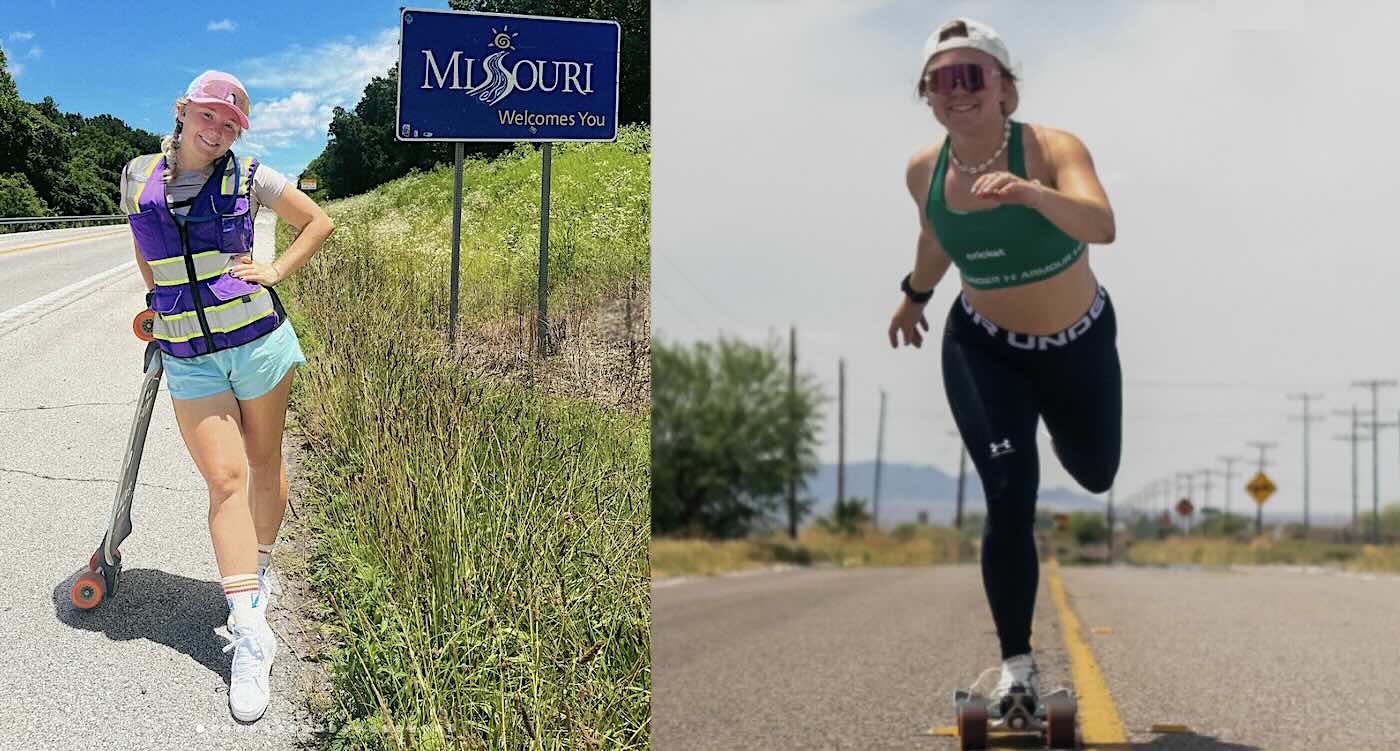
The stepfather who always believed in her was with her at the end, as his ashes rested inside her necklace while she crossed the finish line.
Brooke Johnson had just become the first woman to cross the United States on a skateboard—a record-setting 3,226-mile journey that began in Santa Monica, California and ended when she walked into the Atlantic Ocean at Virginia Beach after 119 days on the road.
The 29-year-old lifted her skateboard over her head and couldn’t help but think about Roger, the man who made it all happen—even though he was only there in spirit.
Late in his life, Brooke’s stepfather broke his C5 vertebrae and became a quadriplegic. His health continued to decline until he passed away last year.
As time was running out, stepfather and daughter often talked about Brooke’s dream of cross-country skateboarding, and she planned to push him across the finish line in a wheelchair.
Roger never once doubted that she’d make it.
“I was like, ‘Roger, it’s a really big country.’ And he was like, ‘Well, you can do it,’” Brooke told Kelly McCarthy of GMA.
When Roger passed away, Brooke had more motivation than she would ever need. She set out from Santa Monica about four months ago, with the goal of raising money for Wings for Life, a nonprofit dedicated to spinal cord research.
MORE GIRL POWER: Girlfriends Battle 40ft Waves in Fastest Row Across the Pacific by a Duo–Beating Men’s Record by 2 Days
She persisted through rough weather and mountainous terrain—even rolling through a tornado warning in Oklahoma.
Her team, which included an RV and video crew, ultimately raised $50,000 for Wings for Life—with Roger’s name written on her white shoes so she could see it on every single mile of the 3,226 she completed.
After stepping into the Atlantic Ocean, Brooke celebrated her triumph by sharing a video on social media highlighting her feat. The Instagram post included a voicemail from Roger that she randomly found on one of the toughest days of her journey.
“…Everything’s gonna be fine…We’ll get through it,” Roger said in the voicemail.
His voice and his advice became a beacon that guided Brooke across the country until she completed the goal her late step-father always knew she’d reach.
“It was one of those messages that felt like he left it for the present moment. That was a crazy feeling,” Brooke wrote on Instagram.
MORE SKATER NEWS: Archaeologists to Excavate Glasgow’s First Skatepark with the Help of Former Skateboarders
“If there’s one thing you take away from this trip, it’s that you can truly do anything you put your mind to.”
INSPIRE YOUR FRIENDS By Sharing This on Social Media…
Your Weekly Horoscope – ‘Free Will Astrology’ by Rob Brezsny

Our partner Rob Brezsny, who has a new book out, Astrology Is Real: Revelations from My Life as an Oracle, provides his weekly wisdom to enlighten our thinking and motivate our mood. Rob’s Free Will Astrology, is a syndicated weekly column appearing in over a hundred publications. He is also the author of Pronoia Is the Antidote for Paranoia: How All of Creation Is Conspiring To Shower You with Blessings. (A free preview of the book is available here.)
Here is your weekly horoscope…

FREE WILL ASTROLOGY – Week of September 6, 2025
Copyright by Rob Brezsny, FreeWillAstrology.com

VIRGO (Aug. 23-Sept. 22):
The Gross Domestic Product (GDP) is a standard of economic success by which countries gauge their wealth. But the Buddhist nation of Bhutan has a different accounting system: Gross National Happiness (GNH), which includes preservation of the country’s environment. Its scenic beauty could generate more tourism, but limits have been placed on the number of visitors, ensuring the land won’t be trampled. I would love to see you take a similar GNH inventory, Virgo. Tally how well you have loved and been loved. Acknowledge your victories and awakenings. Celebrate the beauty of your life.

LIBRA (Sept. 23-Oct. 22):
In Japanese haiku, poets may reference the lingering scent of flowers as a metaphor for a trace of something vivid that continues to be evocative after the event has passed. I suspect you understand this quite well right now. You are living in such an after-scent. A situation, encounter, or vision seems to have ended, but its echo is inviting you to remain attentive. Here’s my advice: Keep basking in the reverberations. Let your understandings and feelings continue to evolve. Your assignment is to allow the original experience to complete its transmission. The full blossoming needs more time to unfold.

SCORPIO (Oct. 23-Nov. 21):
In the Australian desert, there’s a phenomenon called desert varnish. It’s a thin, dark coating of clay, iron, and manganese oxides. It forms over rocks due to microbial activity and prolonged exposure to wind and sun. Over time, these surfaces become canvases for Indigenous artists to create images. I like to think of their work as storytelling etched into endurance. In the coming weeks, Scorpio, consider using this marvel as a metaphor. Be alert for the markings of your own epic myth as they appear on the surfaces of your life. Summon an intention to express the motifs of your heroic story in creative ways. Show the world the wisdom you have gathered during your long, strange wanderings.

SAGITTARIUS (Nov. 22-Dec. 21):
In Indigenous Australian lore, the Dreamtime is a parallel dimension overlapping the material world, always present and accessible through ritual and listening. Virtually all Indigenous cultures throughout history have conceived of and interacted with comparable realms. If you are open to the possibility, you now have an enhanced capacity to draw sustenance from this otherworld. I encourage you to go in quest of help and healing that may only be available there. Pay close attention to your dreams. Ask your meditations to give you long glimpses of the hidden magic.

CAPRICORN (Dec. 22-Jan. 19):
Saturn is your ruling planet and archetype. In the old myth of the god Saturn, he rules time, which is not an enemy but a harvester. He gathers what has ripened. I believe the coming weeks will feature his metaphorical presence, Capricorn. You are primed to benefit from ripening. You are due to collect the fruits of your labors. This process may not happen in loud or dramatic ways. A relationship may deepen. A skill may get fully integrated. A long-running effort may coalesce. I say it’s time to celebrate! Congratulate yourself for having built with patience and worked through the shadows. Fully register the fact that your labor is love in slow motion.

AQUARIUS (Jan. 20-Feb. 18):
In Greek mythology, the constellation Aquarius was linked to a heroic character named Ganymede. The great god Zeus made this beautiful man the cupbearer to the gods. And what drink did Ganymede serve? Ambrosia, the divine drink of immortality. In accordance with astrological omens, I’m inviting you to enjoy a Ganymede-like phase in the coming weeks. Please feel emboldened to dole out your gorgeous uniqueness and weirdness to all who would benefit from it. Let your singular authenticity pour out freely. Be an overflowing source of joie de vivre and the lust for life.

PISCES (Feb. 19-March 20):
In 1932, trailblazing aviator Amelia Earhart made a nonstop solo flight across the Atlantic, steering through icy winds and mechanical trouble. When she landed, she said she had been “too busy” to be scared. This is an excellent motto for you now, Pisces: “too busy to be scared.” Not because you should ignore your feelings, but because immersion in your good work, mission, and devotion will carry you through any momentary turbulence. You now have the power to throw yourself so completely into your purpose that fear becomes a background hum.

ARIES (March 21-April 19):
Austin Curtis was a Black scientist whose work had spectacularly practical applications. Among his successes: He developed many new uses for peanut byproducts, including rubbing oils for pain relief. His work exploited the untapped potential of materials that others neglected or discarded. I urge you to adopt a similar strategy in the coming weeks, Aries: Be imaginative as you repurpose scraps and leftovers. Convert afterthoughts into useful assets. Breakthroughs could come from compost heaps, forgotten files, or half-forgotten ideas. You have the power to find value where others see junk.

TAURUS (April 20-May 20):
In Polynesian navigation, sailors read the subtle rise and fall of ocean swells to find islands and chart their course. They also observe birds, winds, stars, and cloud formations. The technique is called wayfinding. I invite you to adopt your own version of that strategy, Taurus. Trust waves and weather rather than maps. Authorize your body to sense the future in ways that your brain can’t. Rely more fully on what you see and sense rather than what you think. Are you willing to dwell in the not-knowingness? Maybe go even further: Be excited about dwelling in the not-knowingness. Don’t get fixated on plotting the whole journey. Instead, assume that each day’s signs will bring you the information you need.

GEMINI (May 21-June 20):
The umbrella thorn acacia is an African tree whose roots grow up to 115 feet deep to tap hidden water beneath the desert floor. Above ground, it may look like a scraggly cluster of green, but underground it is a masterpiece of reach and survival. I see you as having resemblances to this tree these days, Gemini. Others may only see your surface gestures and your visible productivity. But you know how deep your roots run and how far you are reaching to nourish yourself. Don’t underestimate the power of your attunement to your core. Draw all you need from that primal reservoir.

CANCER (June 21-July 22):
To make a tabla drum sing, the artisan adds a black patch of iron filings and starch at the center of the drumhead. Called a syahi, it creates complex overtones and allows the musician to summon both pitch and rhythm from the same surface. Let’s imagine, Cancerian, that you will be like that drum in the coming weeks. A spot that superficially looks out of place may actually be what gives your life its music. Your unique resonance will come not in spite of your idiosyncratic pressure points, but because of them. So don’t aim for sterile perfection. Embrace the irregularity that sings.

LEO (July 23-Aug. 22):
There’s a Zen motto: “Before enlightenment, chop wood, carry water. After enlightenment, chop wood, carry water.” I hope you apply that wisdom in the coming weeks, Leo. Your breakthrough moments of insight have come or will come soon. But your next move should not consist of being self-satisfied or inert. Instead, I hope you seek integration. Translate your innovations into your daily rhythm. Turn the happy accidents into enduring improvements. The progress that comes next won’t be as flashy or visible, but it’ll be just as crucial.
WANT MORE? Listen to Rob’s EXPANDED AUDIO HOROSCOPES, 4-5 minute meditations on the current state of your destiny — or subscribe to his unique daily text message service at: RealAstrology.com
(Zodiac images by Numerologysign.com, CC license)
SHARE The Wisdom With Friends Who Are Stars in Your Life on Social Media…
“Trees love to toss and sway; they make such happy noises.” – Emily Carr

Quote of the Day: “Trees love to toss and sway; they make such happy noises.” – Emily Carr
Photo by: Rob Mulally (cropped)
With a new inspirational quote every day, atop the perfect photo—collected and archived on our Quote of the Day page—why not bookmark GNN.org for a daily uplift?

Good News in History, September 6

30 years ago today, Cal Ripken Jr. broke Lou Gehrig’s baseball record when he played in his 2,131st consecutive game. Once considered a near-impossible feat, “the streak,” which continued for 2,632 games, earned Cal the nickname, Iron Man. The televised game, between the Orioles and the California Angels, still ranks as one of the most watched baseball events, with Cal’s kids throwing out the first pitch. In the fifth inning, as it was tallied a full game, the crowds in the stands, the opposing players, and the four umpires gave Ripken a standing ovation lasting more than 22 minutes, one of the longest ovations for any athlete. WATCH a series of interviews throughout this long streak… (1995)
Deep Breathing Can Create Psychedelic Bliss in Your Brain, Study Shows


A study recently found that deep-breathing exercises induce similar patterns of blood flow to the brain seen in patients using psychedelic substances like psilocybin.
This altered state of consciousness matched one first described by Freud, and was characterized by blissful feelings, positively experienced depersonalization, and the sensation of unity.
Breathing exercises like high-ventilation breathing or holotropic breathing have been growing in popularity as forms of neuromodulation that can combat overactive feelings of fear, stress, anxiety, and helplessness.
Exactly why these exercises, known collectively as breathwork, have such a profound, almost psychedelic effect in the brain however, is not known.
To that end, Amy Amla Kartar from Brighton and Sussex Medical School in the UK, designed a trial to study blood flows in and out of the brain during 20 to 30 minute breathwork sessions accompanied by music.
“Conducting this research was a fantastic experience,” Kartar told PLOS, where the paper on her experiment was published.
“It was thrilling to explore such a novel area—while many people anecdotally recognize the health benefits of breathwork, this style of fast-paced breathing has received very little scientific attention. We are very grateful to our participants for making this work possible.”
Kartar and her team, which included Dr. Alessandro Colossanti, the director of the Colossanti Laboratory for Clinical Neuroscience, where the experiment took place, analyzed self-reported data from 15 individuals who participated online, 8 individuals who participated in the lab, and 19 individuals who underwent magnetic resonance imaging.
Relaxing music was played at baseline, while progressively evocative music was played during breathwork sessions.
The results showed that the intensity of blissful, psychedelic experiences brought on by breathwork were proportional to cardiovascular sympathetic activation, as indicated by a decrease in heart rate variability.
In addition, these states were associated with a “profound” decrease in blood flow to the left operculum and posterior insula: brain regions implicated in representing the internal state of the body, including breathing. Additionally, large reductions in blood flow to the brain were observed, but there was a progressive increase in blood flow to the right amygdala and anterior hippocampus, which are brain regions involved in the processing of emotional memories.
SIMILAR STORIES YOU MAY LIKE: These Schools Are Offering Yoga and Mindfulness Class as an Alternative to After-School Detention
These blood flow changes correlate with those seen in the brains of patients undergoing psychedelic experiences, demonstrating that these alterations may underlie the positive effects of this breathwork.
During all experimental sessions, participants reported a reduction in fear and negative emotions, with no adverse reactions. In general, the reports matched with something the father of psychoanalysis, Sigmund Freud, described as “Oceanic Boundlessness,” associated with a blissful feeling of oneness, detachment, and spirituality.
OTHER METHODS OF MINDFULNESS: Mindfulness Program Shown to Be as Effective as Antidepressant Drugs for Treating Anxiety Disorders
Music alone is not known to produce such profound states, and so the authors suggest that the findings be replicated with larger study groups with more focus into the musical content.
“Breathwork is a powerful yet natural tool for neuromodulation, working through the regulation of metabolism across the body and brain,” said Dr. Colossanti. “It holds tremendous promise as a transformative therapeutic intervention for conditions that are often both distressing and disabling.”
Not sure where to get started with breathwork? Popular health influencer Gray Brecka is something of a breathwork missionary, and this 9-minute excerpt from his podcast may be as good a place to start.
SHARE This Fascinating Therapeutic Insight With Your Friends On Social Media…
Beating Cancer Required Thousands for Parking: She Now Fundraises for Other Patients’ Parking
Given all the expenses and anxieties that come with battling cancer, one might think that parking fees really shouldn’t be among them.
Yet as wild as that may sound, some hospitals and cancer centers in Canada either charge for parking—as much as CAD$12 a day—or don’t have large enough on-site parking, forcing patients to park in private lots or on the street where the costs can be even higher.
A 6-month battle against cancer means those parking fees can breach the thousands column, but one cancer survivor is fundraising to pay for cancer patients’ parking, ensuring that in at least one sense they have no burden to bare.
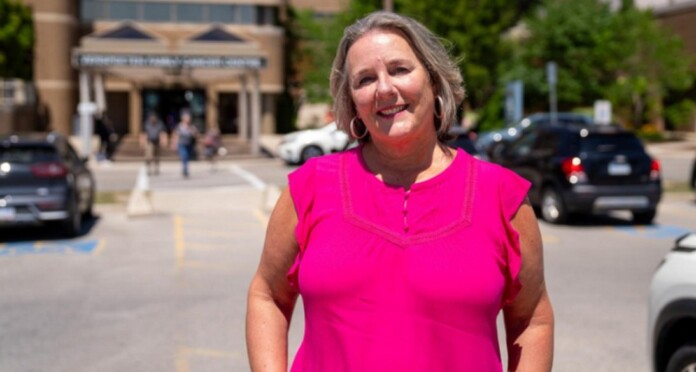
That’s the story of Krystyna Locke, who battled lymphoma for 20 years, and is now giving back in the weeks following her birthday to support those walking a similar path.
She’s raising funds to cover parking costs for patients and families visiting the Verspeeten Family Cancer Center (VFCC) at London Health Sciences Center in Ontario, where she received treatment for so long.
“The need is there,” Krystyna said in a statement. “Some people have to come in every day for treatment, and parking can feel like one more thing to deal with. I wanted to spark some joy in their day.”
Diagnosed with non-Hodgkin lymphoma in 2004, Locke visited the cancer clinic every 6 months for over 2 decades. In 2023, her illness transformed into a more aggressive form, but today, she is cancer-free and focused on giving back.
“When I was done my treatments, I just felt like I needed to do something more,” she told CBC News, adding that patients walking in for their first cancer treatment feel like the rug has been pulled out from under them and aren’t even sure how long they have to live: imagine paying—or even remembering to pay— the twenty bucks for parking under those circumstances.
Now, during the two weeks either side of her 63rd birthday, Locke waits at a booth with parking vouchers and a sign that reads “Happy Birthday to me, you’re parking is free.”
“Today, I received hugs. I received kisses on the cheek. I shared tears with people. I shared laughter. There was joking. It just completely lightens the mood,” Locke said.
“We are deeply grateful to Krystyna for her generosity and compassion toward patients at the Verspeeten Family Cancer Center,” said Carey Landry, director of the South West Regional Cancer Program. “Facing a cancer diagnosis is an emotional journey, and helping cover parking costs removes one worry for patients and their families. Krystyna’s kindness is a shining example of the difference one person can make in our community.”
Krystyna has a fund set up through the LHSF where she has raised over $5,000 to date. She plans to return each summer in honor of her birthday to continue giving back.
YOU WILL CERTAINLY LIKE: Chinese Couple Created ‘Cancer Kitchen’ in Their Alley to Let Family Members Cook for Loved Ones in Nearby Hospital
“This is also a part of my own healing process,” she said in the statement. “I want to show my children and grandkids how meaningful it can be to give to others.”
“Her gift lifts a weight off patients and families during one of the most difficult times of their lives. We’re proud to support her mission,” said John H. MacFarlane, president and CEO of LHSF.
MORE STORIES LIKE THIS: Woman Spontaneously Offers Homeless Man a Job on Her Farm Proving the Power of Kindness
When questioned by CBC reporters, an LHSF spokesperson acknowledged the cost of the parking and the burden it imposes, but said that it goes to pay for hospital operations—per a law passed in 2016 in the province of Ontario that requires them to do so. The law also offers patients, their family members and visitors 5-day, 10-day, and 30-day passes for half the normal daily rate.
The real challenge, the spokesperson said, is when there’s either no parking or not enough parking, and patients have to go off-campus to find some. As long as Locke has a say, though, they won’t have to.
SHARE This Woman’s Harrowing Journey To Health And Her Quest To Give Back…
Small Rabbit with a Black Tail Not Seen in 120 Years Found Hopping Around Mexican Mountains
A species of cottontail rabbit endemic to Mexico has been seen again for the first time in over 100 years following a committed search by biologists.
For more than 4 years, GNN has paid close attention to a special conservation mission called the “25 Most Wanted” list—a name that invokes bounty hunters and bandits, but which actually focuses on species lost to science.
Over those 4 years, the organization behind the list, called Re:Wild, has located 13 of those species, which range from funghi and insects to larger animals like deer.
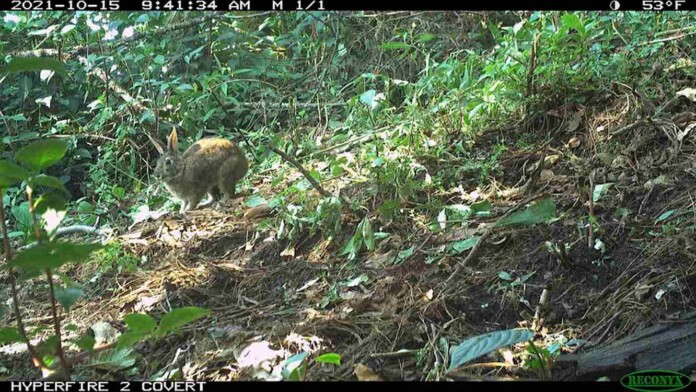
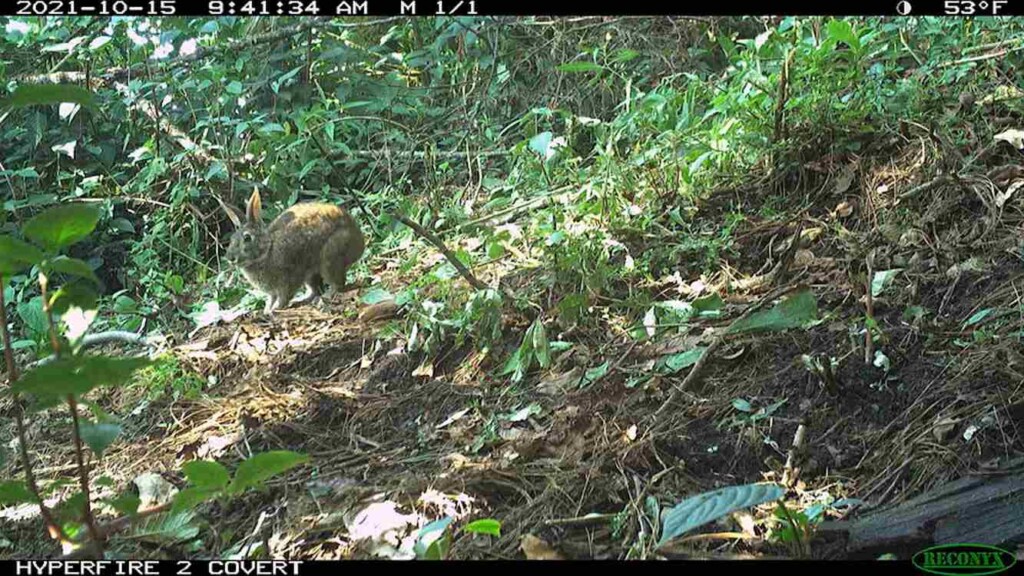
This most recent hit was the Omiltemi cottontail rabbit—unmistakable for its small and black puffball of a tail, so counterintuitive to the reference to “cotton” in its name. This enigmatic rabbit was last seen by scientists in 1904 and was feared extinct, but after a five-year search in the Sierra Madre del Sur mountain range of Mexico, it’s clear the little hopper is undoubtedly still among us.
“Just knowing that it had been 100 years, and no other scientist had seen a live [Omiltemi] rabbit is incredible,” said José Alberto Almazán-Catalán, a biologist who led the search. “It’s totally different from the regular cottontail, and I was completely amazed and very happy to have had that opportunity to see one.”
As with any decent search effort, Almazán began at the LKP, the last known position. Back in 1904 that was a very rural area, but it’s now a forest on the edge of Chilpancingo, the capital city of the state of Guerrero with a population of over 200,000 people.
Perhaps unsurprisingly, no trace of the Omiltemi rabbit was found, and so in 2020, the hunters switched their focus to conifer forests at higher elevations.
Once there, the hunters met another kind of hunter—subsistence hunters—who had in fact seen the rabbit very recently on their dinner plates. This is the sort of local knowledge that has been key to finding several of the other 12 lost species discovered by the initiative, not necessarily because they’re all hunted, but because small rural community members in places like Indonesia don’t publish in scientific papers, and may see animals daily that haven’t been seen by scientists in decades.
Fortunately the Omiltemi breeds, well, like a rabbit, and despite not being seen by scientists since 1904 and being an extremely range-restricted critter, the population has been able to replenish itself from late winter to late spring such that locals occasionally caught them for food.
It wasn’t long after the encounter with the hunters that live individuals were recorded—their little black tails giving them away immediately.
“Eighty percent of the objectives of this project have been achieved,” said Almázan. “However, we still need to learn more about the natural history of this species.”
During the interview with the hunters, virtually all locals agreed that if the rabbit species was at risk of disappearing from subsistence hunting, they would alter their hunting patterns according to scientific recommendations to ensure that didn’t happen.
According to a statement from Re:Wild, the Search for Lost Species has rediscovered 13 of its “Most Wanted” species: Jackson’s climbing salamander in Guatemala, Wallace’s giant bee in Indonesia, velvet pitcher plant in Indonesia, silver-backed chevrotain in Vietnam, Somali sengi in Djibouti, Voeltzkow’s chameleon in Madagascar, Sierra Leone Crab in Sierra Leone, Pernambuco holly in Brazil, De Winton’s golden mole in South Africa, Attenborough’s long-beaked echidna in Indonesia, Fagilde’s trapdoor spider in Portugal, big puma fungus in Chile, and the Omiltemi cottontail rabbit in Mexico.
SHARE The News Of This Great Rediscovery Down In Mexico With Your Friends…
Rescuers Form a Human Wall to Dam a River with Their Bodies to Save a Boy Trapped by the Current


From southwest China comes the story of a group of strangers who stopped at nothing to rescue a boy from a raging river.
While unable to literally move heaven and earth, their determination was such that they altered the flow of the river—with nothing less than their own bodies.
The story began in Guizhou province near a scenic riverway frequented by visiting nature lovers. A boy was playing in a creek where the water flow was quite strong and lost his footing.
Less than a foot of fast-flowing water is still enough to move a parked car, and the boy was at the mercy of the elements as he tumbled down the waterway before being stuck between two large stones with only his head sticking up above the torrent.
Good Samaritans, mostly tourists, rushed to the scene and plotted a rescue maneuver. They first tried throwing a rope down to the boy but it was not enough.
Shortly after, the largest and strongest of them waded out into the stream and literally created a human wall to break the flow of the river long enough that someone could help get the boy out safely.
One rescuer, Xiao Feng, scaled down one rock, and needed three attempts to dislodge the boy, the water making everything slippery and a solid grip unachievable. All the while the weather was turning, and the rescuers felt they needed to succeed immediately or rains might cause the river to rise even further.
Xiao, his daughter’s voice in his ear from where she watched on the bank above, eventually freed the boy who immediately cascaded down into the arms of another rescuer in the pool below.
MORE RESCUE STORIES:
- Trio of Neighbors Honored for Saving the Lives of Florida Plane Crash Survivors
- Courageous Hero Climbs to 6th Floor Ledge to Save Children and Mom Trapped By Flames in Paris (WATCH)
- Solitary Rescuer Leads 165 Children to Safety During Recent Texas Flooding–Hailed as a Hero
Going viral on Mainland social media, commenters remarked on how brave and selfless the rescuers were.
“The boy is so lucky to have so many uncles coming to his rescue,” said another, as Chinese etiquette often has the term aunt and uncle used as a way to formally address older acquaintances.
SHARE These Brave Rescuers Forming A Human Wall With Your Friends…
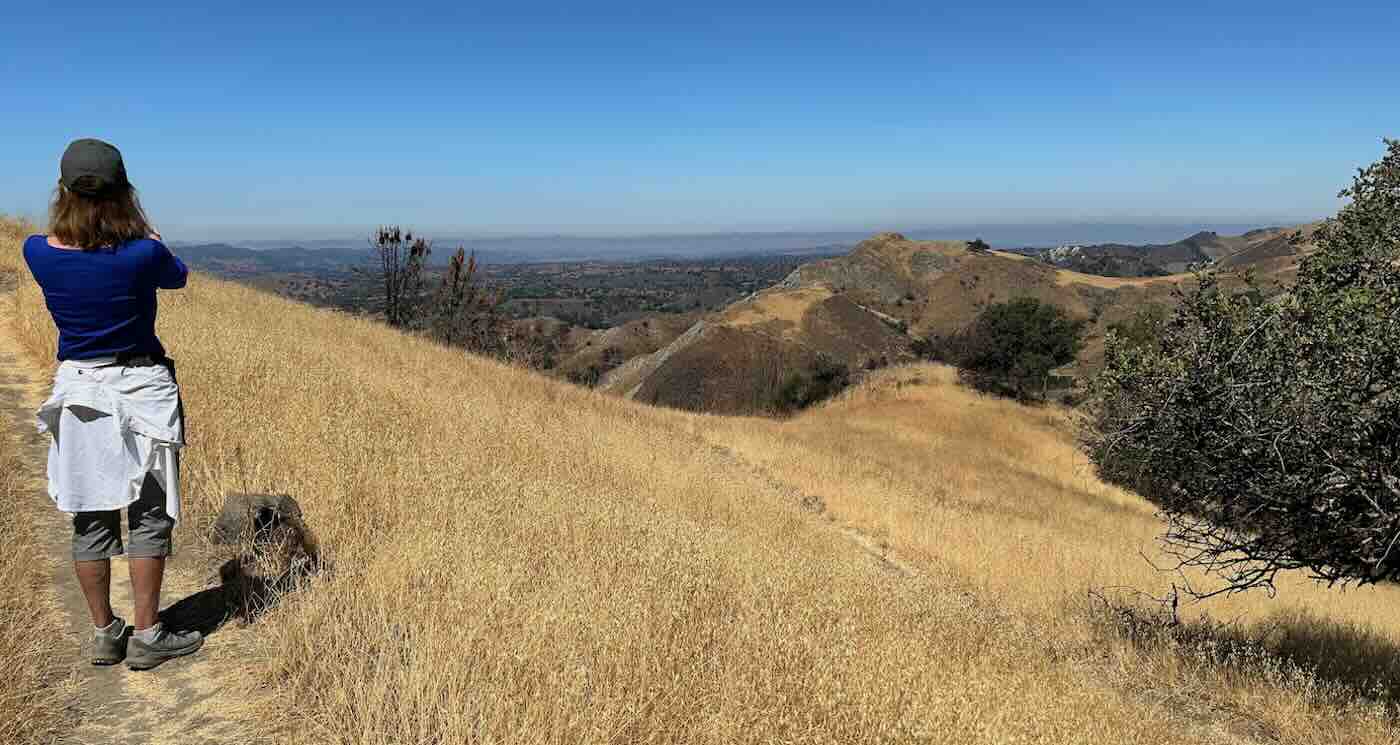
“Any landscape is a condition of the spirit.” – Henri Frederic Amiel
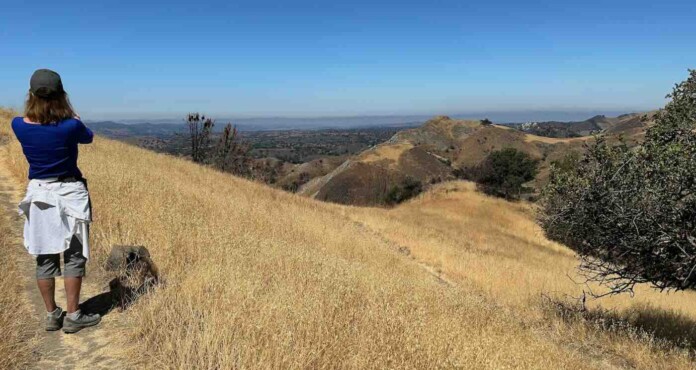
Quote of the Day: “Any landscape is a condition of the spirit.” – Henri Frederic Amiel
Photo: Lovers Loop hike in San Ynez, California, © GWC
With a new inspirational quote every day, atop the perfect photo—collected and archived on our Quote of the Day page—why not bookmark GNN.org for a daily uplift?
Good News in History, September 5

251 years ago today, the First Continental Congress was organized in Carpenter’s Hall, Philadelphia, after the British Navy implemented a blockade of Boston Harbor and the Parliament of Great Britain passed the punitive Intolerable Acts in response to the Boston Tea Party. The result of the Congress was the drawing up of the Continental Association, a proposal for an embargo on British trade. They also drew up a Petition to the King pleading for redress of their grievances and repeal of the Intolerable Acts. READ more about this milestone marker in our history… (1774)
Boy Follows Track in His Heart to Dream Job: ‘I’ve Always Loved trains–Now I’m Qualified to Drive One’
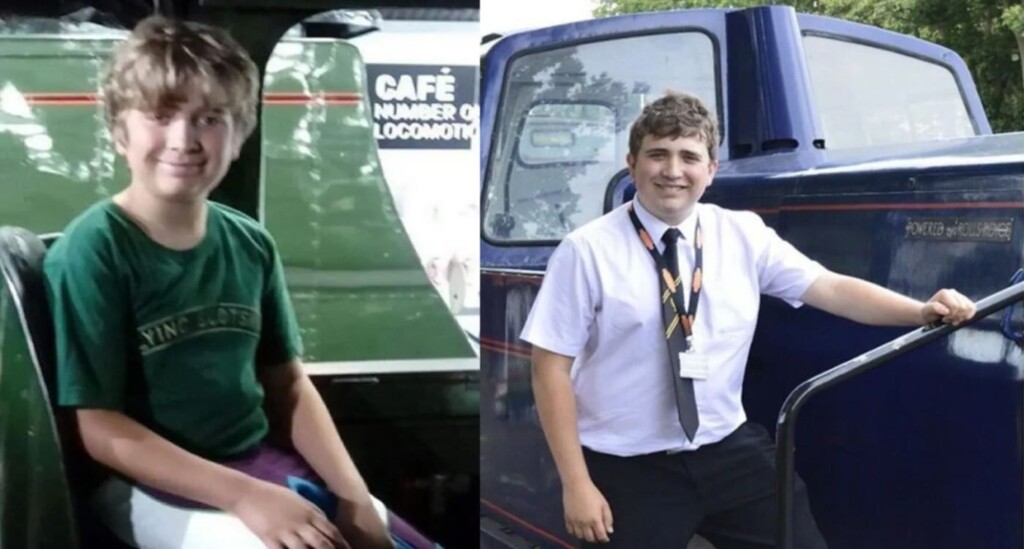
This is Logan. He loves trains, always has. And now, he’s one of the youngest licensed train drivers in the whole of the UK.
For some children, the question “what do you want to be when you grow up” is mulled over in a fit of anxious uncertainty. For others, it’s as easy as responding with their name and age. So it always was for Logan Smallwood.
Reported recently by the BBC, Smallwood’s journey from boyhood model train collector to heritage railway line driver is as straight as the standard-gauge cargo line through the Mojave.
“I’ve always loved trains… I’ve always said when I grow up, I want to be a train driver,” Smallwood told the BBC. “My great-grandad worked in the mines and he was always fascinated by trains. He gave me a coal model of a Silver Link [a kind of train] and I think that might have been what set me off.”
Born in Lanchester, County Durham in England’s far northeast, it’s the most typical thing to say that one’s grandfather worked in “the mines.” It’s somewhat quaint, somewhat depressing—reminiscent of a time when working conditions for the middle and lower classes were dirty and dangerous.
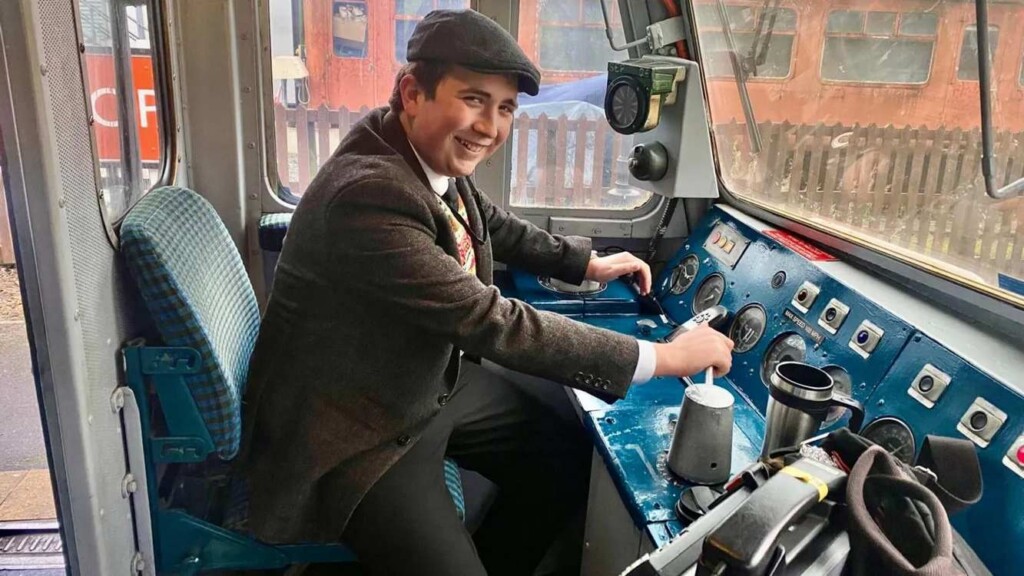
But Smallwood wears that quaintness and heritage well—as well as the tweed knit jacket he sports behind the controls of a Sentinel shunter, a 17-mph locomotive typically used to position cargo cars in train yards, but which also pulls pleasure carriages along the 18-mile Weardale Railway Line, a heritage train service that passes through an Area of Outstanding Natural Beauty, the near equivalent to a US National Monument.
Logan began working at the Weardale line as a volunteer last April, having graduated from Newcastle College Rail Academy with honors and with a diploma in Engineering Technologies. The BBC spoke to the young man after he completed his first solo shift behind the wheel.
“Weardale runs trains that I adore and it has got little steam locomotives for the bigger diesels, which is one of the attractions for me, I love working there,” he said.
BRITISH RAIL SYSTEM: Hitachi Rail Develops Battery Unit Set to Decarbonize Rail Travel on Retrofitted Trains
There’s a shortage of train drivers in the UK, and the transportation secretary recently lowered the required age from 20 to 18, legislation that Smallwood jumped at the opportunity to take advantage of.
His mother cried tears of pride when her son received the driver’s certificate on the Sentinel shunter, and believes he’s close to fulfilling his childhood dreams.
MORE IMPASSIONED YOUTH: Young Craftsman Resurrects ‘Extinct’ Musical Instrument by Consulting Ancient Literature (LISTEN)
When not driving trains, Smallwood, who’s always maintained a mountainous collection of model train sets, spends his free time at the Blackhill model club where he is one of the few members who designs the large wooden and aluminum railway layouts.
SHOW Some Love To The BBC And Logan And Share His Passion On Social Media…