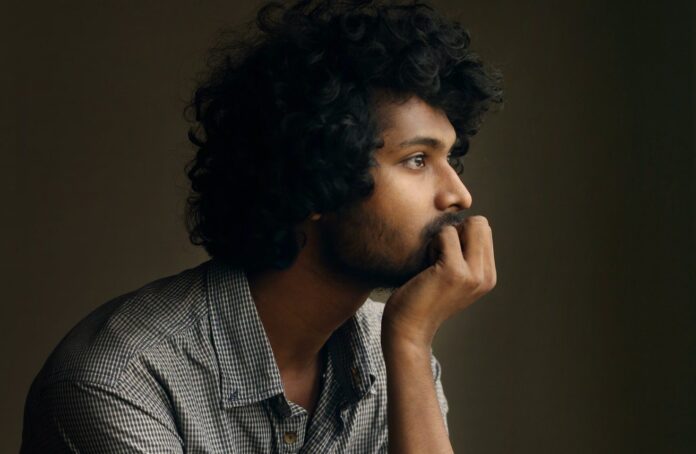
Quote of the Day: “Hope is independent of the apparatus of logic.” – Norman Cousins
Photo by: Joshua Earle for Unsplash+
With a new inspirational quote every day, atop the perfect photo—collected and archived on our Quote of the Day page—why not bookmark GNN.org for a daily uplift?
50 years ago today, the European Space Agency was founded by ten member states: Belgium, Denmark, France, West Germany, Italy, the Netherlands, Spain, Sweden, Switzerland, and the United Kingdom, that united two disparate space agencies into the one entity which today has been instrumental in several giant leaps for mankind. READ more… (1975)
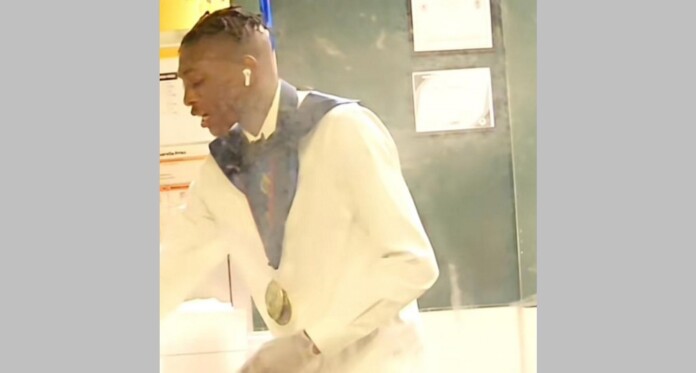
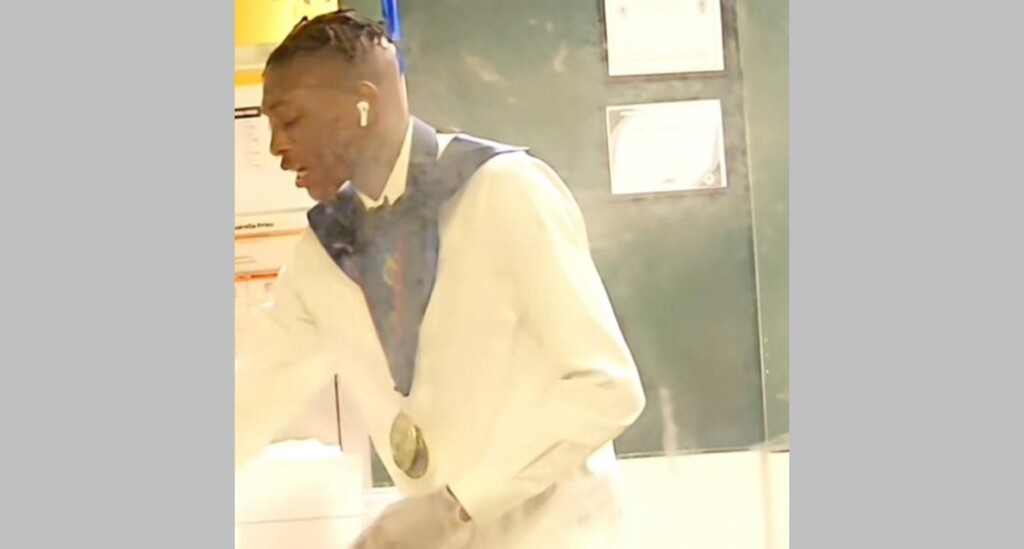
Mykale Baker working in his graduation outfit - credit, Maria Mendoza
Mykale Baker working in his graduation outfit – credit, Maria Mendoza
A Georgia woman was so blown away by the work ethic of a teen who clocked in for a late evening shift at Burger King just after graduating high school, she decided to help with his college tuition.
Setting up a GoFundMe to tell the youth’s story, it raised $20,000 in no time at all, and the woman returned to the Burger King shortly thereafter to surprise him.
Wearing a cap and a gown, Mykale Baker had just been handed his diploma and a medal to wear around his neck when he became aware that orders were piling up at the Burger King where he worked.
Still wearing the medals and the gown, Baker drove over and clocked in at the drive-thru window. While Baker’s friends celebrated into the night, Maria Mendoza, a mother who had just watched her daughter graduate, stopped by the same Burger King for a late dinner when she saw Baker at work.
“He was so kind, so polite,” she told 11 Alive News. “Radiating joy, even after such a big day. His dedication and quiet strength really moved me. I felt called to do something to recognize that.”
Without saying anything, Mendoza set up a GoFundMe to help pay for his college. And, the viral photo raised tens of thousands in a few days. 11 Alive News reports that Baker was considering enrolling in the military to help with school, but he might have had a second thought after Mendoza came back with the big news: he was the proud owner of a $100,000 college fund.
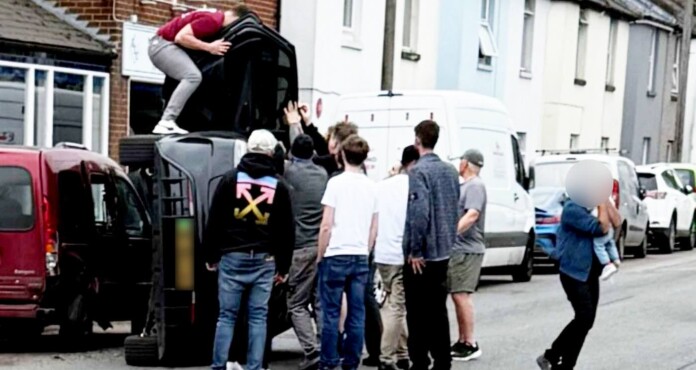
Bystander photo of teens pulling couple and baby from car (SWNS)
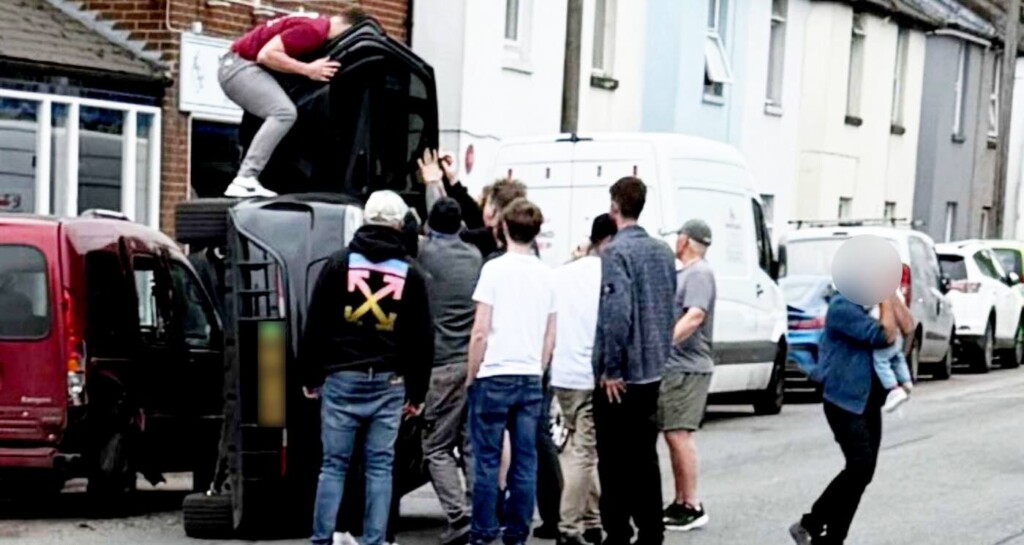
Bystander photo of teens pulling couple and baby from car (SWNS)
From the south of England comes the eyewitness account of a road rescue by a hoard of good, young, Samaritans.
A photograph taken by a bystander shows one of the rescuers on top of the vehicle after it crashed, as well as a man and his 11-month-old son, who had been dragged from the wreckage by those who rushed to help.
The baby’s mother, still trapped inside at the time, was soon helped out through a passenger-side window.
Robert Winstanley took the picture as he was walking to a supermarket at about 5pm yesterday.
“Just as I was coming to the Esso garage, I saw all of these youngsters, about 100 yards away, rush into the road.”
“As I got closer, I could see a car had flipped onto its side, and some of them were standing on the roof trying to reach those trapped inside.”
Mr. Winstanley says the group of teens pulled the father and baby from the car before rescuing the mother.
“I spoke to her while they were waiting for an ambulance to arrive,” he remembered. “She was understandably in shock and crying, but they were all unhurt.”
“It was really heartening to see, especially given what is often said about young people,” Winstanley said. “After everyone was out of the vehicle, they were all shaking each other’s hands and high-fiving each other.”
SHARE The Good News, Especially Given What Is Often Said About Young People…
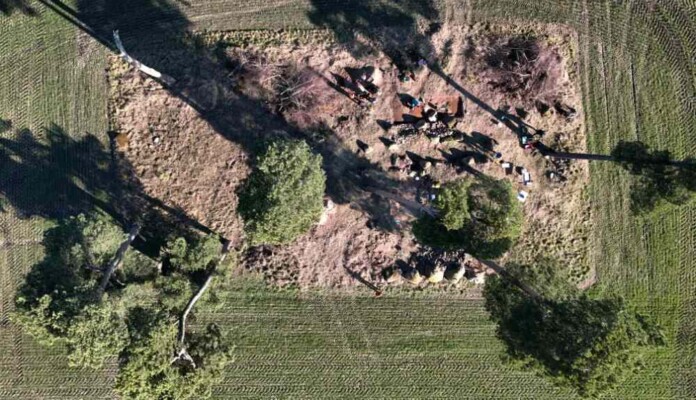
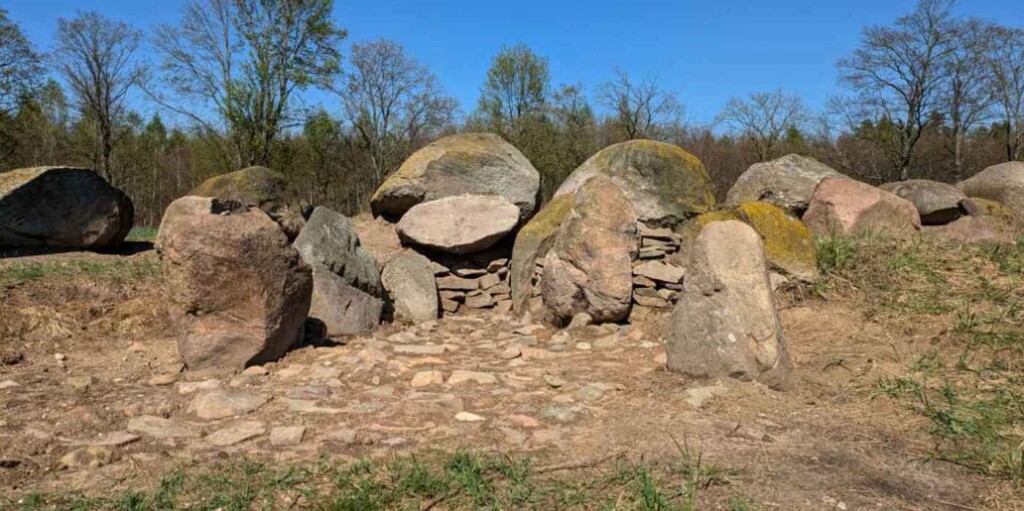
An aerial view of the reconstructed Küsterberg site - credit, Saxony-Anhalt State Office for Monument Preservation and Archaeology Barbara Fritsch
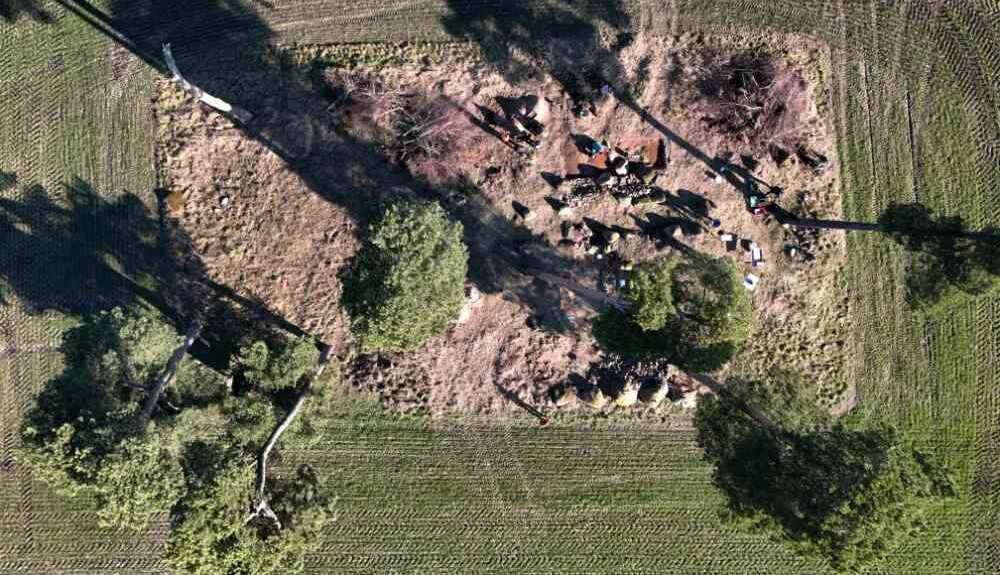
An aerial view of the reconstructed Küsterberg site – credit, Saxony-Anhalt State Office for Monument Preservation and Archaeology Barbara Fritsch
People find time to volunteer for all manner of projects, and in Germany, a community recently got together to pitch in for the sake of their local, 5,500-year history.
The Neolithic burial site of Küsterberg is located in the German state of Saxony-Anhalt’s Haldensleben forest, and dates back to the time of Stonehenge. It was first excavated between 2010 and 2013, during which archaeologists made a detailed map of the site’s original layout.
Based on archaeological finds, the excavation team was able to determine a first-use date of around 3,600 BCE. During the transition from the Bronze to the Iron age, around 1,000-600 BCE, however, some of the 19 large “orthostats” or standing stones were disturbed, leading to the structure’s partial dismantling.
Thousands of years passed and modern developments and land use further degraded the site, until a project was dreamed up by the Saxony-Anhalt State Office of Monument Preservation and Archaeology to rebuild the original structure to mark the European Day of Megalithic Culture, an annual holiday on the last Sunday of April.
With the help of locals from the town armed with an excavator, archaeologists directed the reassembly of the orthostats and the 13 tons worth of granite capstones which enclosed the burial bit.
16 megaliths ringed the burial chamber, spaced 6.5 feet apart. These were also returned, as were the shards of stone called graywicke which covered the burial chamber floor and the space between the megaliths.
The ensemble was ringed by an earthen mound, which archaeologists suspect was built with dirt taken from a nearby hill. Additional archaeological work in the forests of Haldensleben has identified ten settlements from the time, which may explain the monumentality of Küsterberg.
Küsterberg is aligned on an east to west line, consistent with many Neolithic sites around Europe to correspond to the rising and setting sun.
The reconstructed entry area of the “Küsterberg” megalithic tomb – credit, Saxony-Anhalt State Office for Monument Preservation and Archaeology Barbara Fritsch
The reconstructed Küsterberg megalithic tomb is intended to inspire visitors with enthusiasm for the region and its long history.
It will be added as an attraction to both the 24-mile long “4 million years of human history” circular route around Haldensleben, and the 48-miles long Aller-Elbe cycle path.
Additionally, the site has been added to a very cool travel idea known as the The European Route of Megalithic Culture, a network of linked sites and museums from Denmark, England, Germany, The Netherlands, Portugal, Spain and Sweden that highlight Europe’s incredible legacy of ancient stone-moving.
MOVE This Heavy Story Over To Your Friends’ Social Media…
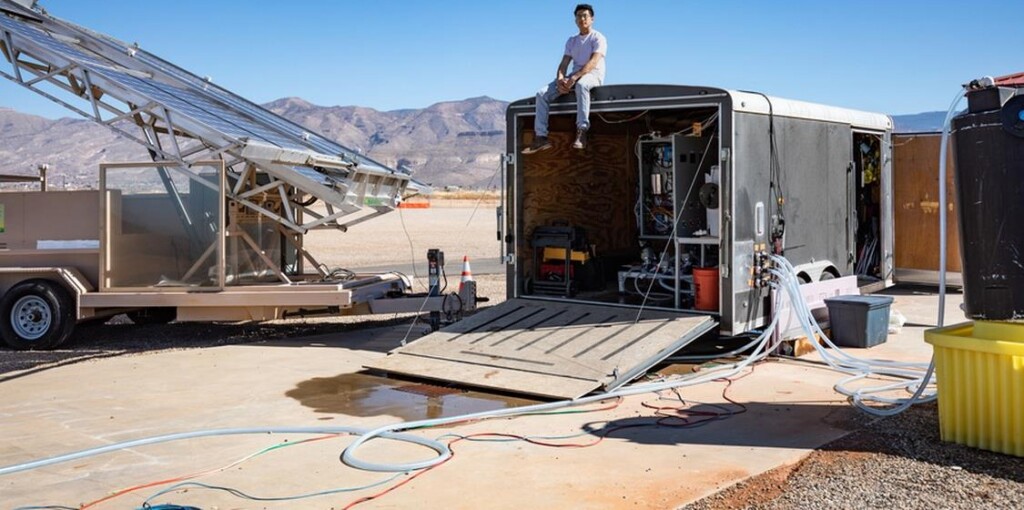
Co-inventor Jon Bessette sits atop a trailer housing the electrodialysis desalination system - credit Shane Pratt, via MIT Press
Co-inventor Jon Bessette sits atop a trailer housing the electrodialysis desalination system – credit Shane Pratt, via MIT Press
An engineering team from MIT have designed a solar-powered groundwater desalination device that could supply over 1,000 gallons per day and doesn’t require batteries.
Envisioned as a way to provide water to communities whose groundwater is too brackish to drink, the device’s real trick is that it adjusts its desalination activity in response to the amount of solar power it’s producing.
Multiple times every second, the central control module takes readings of the strength of the sunlight and pumps correspondingly more or less water through the electrodialysis membrane stack. This innovation allows the whole package to skip the necessity for battery storage for times when the panels are producing more energy than the system is using.
No batteries means much lower costs and shipping weight, making it ideal for rural communities in arid parts of the Global South or southern United States with ample yearly sunshine and brackish groundwater.
Electrodialysis is one of two methods for desalinating water, with the other being reverse osmosis. Both have drawbacks at both the micro and macro scale, and in the case of electrodialysis, it requires electricity which is typically produced by fossil fuels. Renewables have replaced them before, but challenges persist.
“The majority of the population actually lives far enough from the coast, that seawater desalination could never reach them. They consequently rely heavily on groundwater, especially in remote, low-income regions,” says Jonathan Bessette, MIT PhD student in mechanical engineering and co-author on the project.
“[U]nfortunately, this groundwater is becoming more and more saline due to climate change. This technology could bring sustainable, affordable clean water to underreached places around the world.”
For Bessette and the team behind the invention, their biggest challenge was establishing feedback mechanisms in the system that were sharp enough to detect minute changes in sunlight—for example if a whisp of cloud passes by.
Over months of testing and improvements, their “flow command-current control” module gradually reached the point at which 94% of the solar power generated by the panels was utilized immediately to pump water through the desalination system without any lag and any transfer of power to a battery.
During a 6-month field trial at the Brackish Groundwater National Desalination Research Facility in Alamogordo, New Mexico, the system produced 5,000 liters of water per day despite large swings in weather and available sunlight.
“Conventional desalination technologies require steady power and need battery storage to smooth out a variable power source like solar,” explains Amos Winter, a decorated professor of mechanical engineering at MIT. “Being able to make drinking water with renewables, without requiring battery storage, is a massive grand challenge. And we’ve done it.”
Amos and Bessette are now looking to form a company to develop the technology into a product to help water-stressed communities worldwide.
SHARE This Ingenious Advancement In Remote Desalination With Solar Power…
Quote of the Day: “When love is at its best, one loves so much that he cannot forget to do so.” – Helen Hunt Jackson
Photo by: Kurt Stocker (CC license)
With a new inspirational quote every day, atop the perfect photo—collected and archived on our Quote of the Day page—why not bookmark GNN.org for a daily uplift?
260 years ago today, former Virginia governor and revolutionary Patrick Henry was not only born, but used his 29th birthday as an occasion to deliver a rousing speech is response to the British Parliament passing the Stamp Act. In response, Henry introduced the Stamp Act Resolves to the House of Burgesses in Virgina. Though his speech is only quoted today from recollections decades later by men not present, the general conensus is that at a certain point, Henry suggested that King George III be killed, to which a cry rang out “Treason!” Henry is supposed to have said “If this be treason, make the most of it!” READ about the Stamp Act and Henry’s life in general… (1739, 1765)
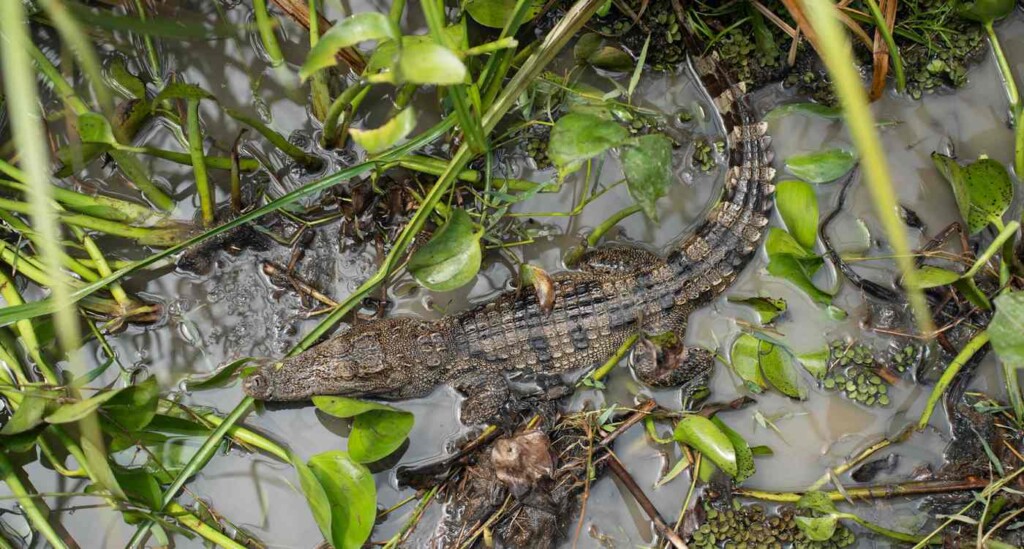
While less than 1,000 Siamese crocodiles remain in the wild, community members in Laos have released ten of the rare animals into a local wetlands to boost the population.
While crocodiles are not hunted, the species (Crocodylus siamensis) is ranked as Critically-Endangered by the International Union for Conservation of Nature because of the threats of entanglement in fishing nets, the clearance of wetlands, and seasonal draining of habitat to expand dry-season rice cultivation.
Unlike many of its other aggressive cousins, the Siamese crocodile is not a threat to humans. Communities that reside close to the species’ habitat hold the crocodiles in high regard spiritually—believing they bring good luck.
The Xe Champhone Wetland where they were released is located in the Savannakhet province which represents the larger of two ‘Ramsar sites’ (Wetland of International Importance).
It’s home to an abundance of aquatic biodiversity such as endangered turtle species and waterfowl.
A dedicated conservation program for the Siamese crocodile is in place in the four target districts where they’re found. Volunteers work with government officials and eggs are collected to be transported to the village administration office for incubation at ambient temperature for about two months.
Once hatched, the baby crocodiles will be raised for about 32 months—at which time they will exceed 3 feet in length—and then released back into the wetlands. 163 small crocodiles are currently being nursed by the crocodile conservation team at the village level.
Since the start of the program, a total of 183 crocodiles have been successfully released back into the wild. 6 to 8 nests are being found each year, and based on these nest counts, an estimated population of 200-250 Siamese crocodiles inhabit the Xe Champhone Wetlands.
A new visitor center boosts enthusiasm
The new visitors’ center offers an immersion in the incredible biodiversity of the Xe Champhone wetlands. With educational panels displayed all along the visitors’ path as well as wall murals on the crocodile’s life.
“I hope that the opening of the Xe Champhone Wetland and Crocodile Information Center, along with today’s release of the crocodiles, will bring lasting benefits to local communities as part of a long-term conservation effort,” said Mr. Khammone Thilavong, Deputy Director of Provincial Forestry and Agriculture Ministry, according to the Wildlife Conservation Society, which assisted in the reintroduction, and released a statement on the success.
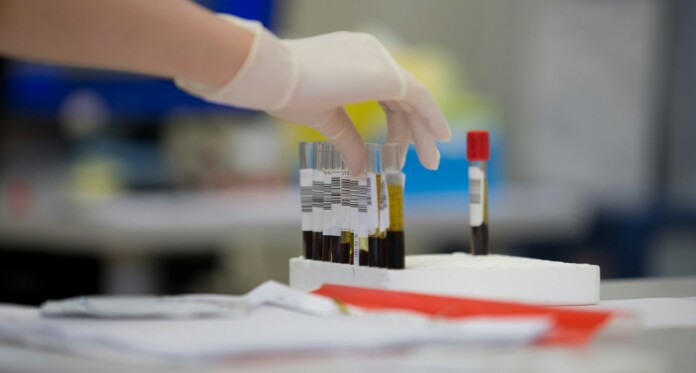
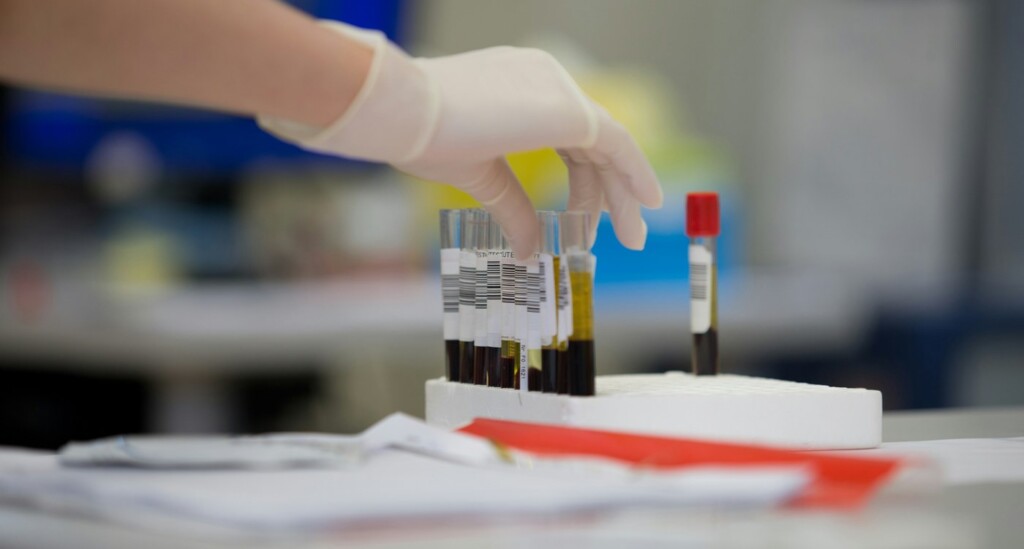
Japan is the first country to begin clinical trials of artificial blood, a medical innovation which if proven successful, would solve one of the largest hospital challenges of our age.
Beginning back in March, a clinical trial organized by Nara Medical University will look to build on the success of an early-stage trial in 2022 of hemoglobin vesicles, small artificial blood cells that were confirmed to be safe and capable of delivering oxygen as normal.
The trial will administer 100 to 400 milliliters of the artificial blood cells to further test safety before moving onto broader performance and efficacy targets, all in the hopes that by 2030, the artificial blood could enter clinical use.
Whether high-income or low-income, every country has challenges meeting the necessary amounts of stockpiled blood donations for emergency medical procedures.
In high-income countries where the 90% of blood stockpiles comes from voluntary donors, the challenge is getting enough of these donations, and crucially, enough from those with rare blood types.
In low-income countries where only 40% of needs are met with donations, the challenge lies in importation from abroad when donated blood packs are only safe for use for a few months. A useful proxy to understanding this shortfall is that of 175 countries included in a survey of blood donation and use practices by the World Health Organization, 106 countries report that all blood plasma-derived products are imported. These include things like immunoglobulins and coagulation factors which are needed to prevent and treat a variety of serious conditions.
Japan has a different challenge. The WHO found that the use of donated blood varied with income levels, reporting that high-income countries used more blood donations to treat those aged 65 and older, while lower-income countries used it to treat those aged 5 and under.
Japan has recognized that its long-since-collapsed replacement birth rate coupled with long life-expectancy will place a likely unsustainable burden of blood donation on a shrinking working-age population, making artificial blood a priority innovation.
Professor Hiromi Sakai at Nara Medical University has pioneered one method for its synthesis. Using hemoglobins—the oxygen-carrying molecule inside red blood cells—from expired donations and encasing them in protective shells, removes the need of matching blood types.
Another method comes from Chuo University where the hemoglobin is encased in an albumin-family protein, which has been used in animal studies to stabilize blood pressure and treat conditions like hemorrhage and stroke.
Either way, the necessity is there and it’s urgent for Japan and the world. If the country’s researchers succeed in this innovation, it will be a medical milestone of epic proportions.
SHARE This Encouraging Clinical Development On Route From Japan…
The walls of a New Kingdom tomb found in Luxor - credit, Ministry of Tourism and Antiquities, released
The walls of a New Kingdom tomb found in Luxor – credit, Ministry of Tourism and Antiquities, released
The tombs of three ancient Egyptian officials have been discovered in Luxor, the Egyptian government has stated, marking yet another discovery from the famous city on the Nile.
In February, the tomb of pharaoh Thutmose II was found not far from the Dra’Abu El Naga, an important non-royal necropolis where this new trio of discoveries was made.
Dating back to the era called the New Kingdom, starting from 1539 BCE and ending in 1077 BCE, the tombs belonged to several officials at the Temple of Amun, a deity worshiped as king of the gods at the time.
Inscriptions inside the tombs allowed the excavation team to identify the names and titles of their owners, said Mohamed Ismail Khaled, secretary-general of Egypt’s Supreme Council of Antiquities, in the statement.
The first was called Amun-em-Ipet, the second Baki, and the third Es. The three men held various positions, and their tombs were constructed in similar ways.
Es, the most important, was recorded as being a mayor of the northern oases, a scribe, and the supervisor of the Temple of Amun. Baki was a granary official charged with overseeing the collection and storing of the vast amount of grains and cereals produced from farming along the Nile.
Amun-em-Ipet by contrast is less known. He worked either in the temple or the estate of Amun.
According to Egypt’s Ministry of Tourism and Antiquities, the excavations that uncovered the tombs were conducted by an entirely-Egyptian team, and marked a “significant” discovery for the country’s archaeological record.
Amun-em-Ipet’s tomb consists of a courtyard, entrance portal, and long hall ending in a niche, but is in poor condition.
Baki’s tomb was larger, and consists of a long, corridor-like courtyard followed by another courtyard leading to its main entrance. Entering the interior, a rectangular hall leads to another of the same, wherein lies the official’s burial niche.
The tomb belonging to Es also has a small courtyard containing a well, followed by a main entrance, and a transverse hall leading to an incomplete hall longer than the first, CNN reports.
One wonders if we will ever run out of these discoveries, which if found in many other countries of the world would be labeled as monumental, but, since being from the time of ancient Egypt, are relegated to acknowledgment via a simple statement on the Antiquities Ministry Instagram page.
SHARE This Latest From The Land Of The Nile With Your Friends…
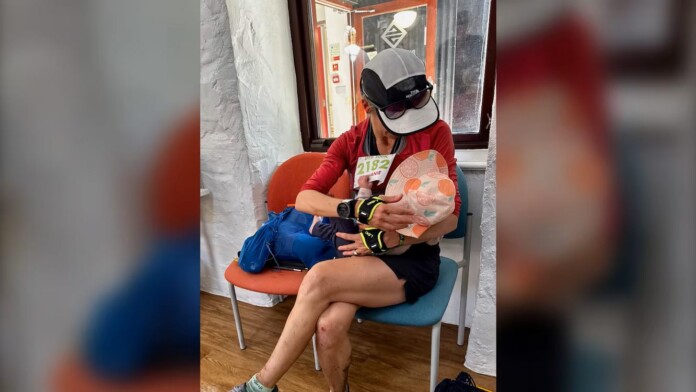
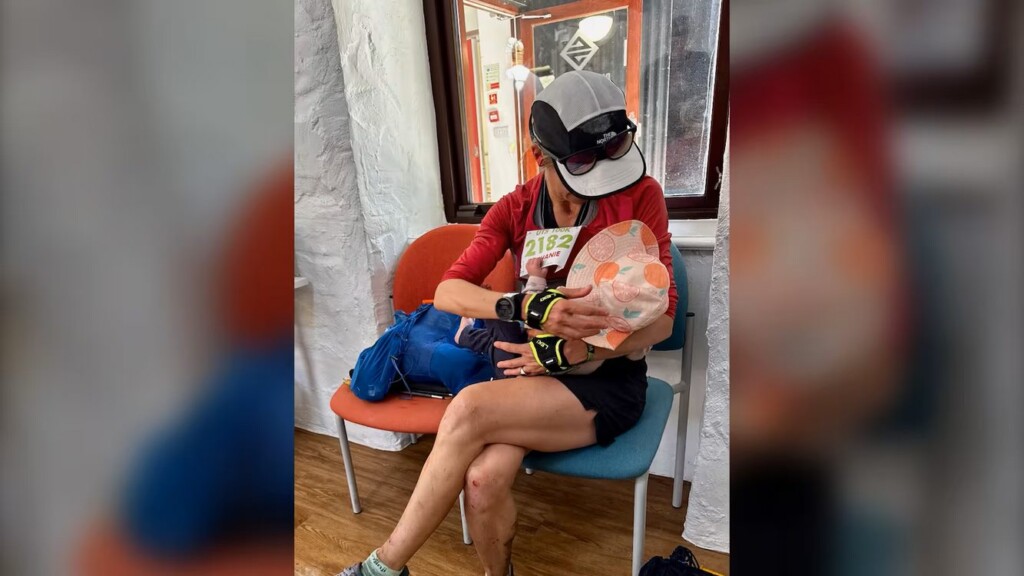
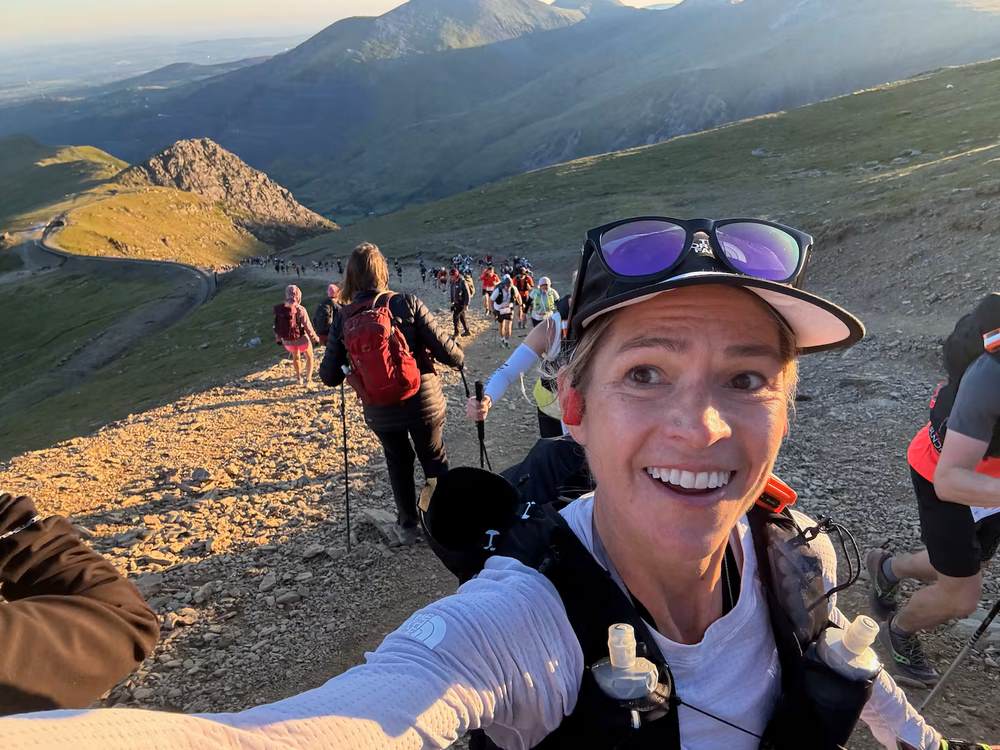
Case one one of her three stops to breastfeed her 6-month-old daughter, Pepper - credit Stephanie Case
Case one one of her three stops to breastfeed her 6-month-old daughter, Pepper – credit Stephanie Case
Hoping to get her “sanity and slight insanity” back after giving birth to her first child, a Canadian runner has completed a 60 mile run through Wales just 6 months postpartum.
It didn’t get in the way of her duties as a mother, however, and Stephanie Case was determined to breastfeed all along the way.
The Ultra-Trail Snowdonia race in Eryri, Wales, runs 100 kilometers through the region’s famous national park. Case had already signed up for it 6 months before her daughter Pepper was born.
Because it was her first ultramarathon since her pregnancy, she felt no pressure for any performance markers, she just wanted to get back out on the trails.
“I am scheduled to do a 100-mile race in Colorado in July, and because I haven’t raced in so many years, I thought I should do a practice run to shake out the cobwebs and make sure that I knew how to put one foot in front of the other and also practice doing the breastfeeding stops for my daughter midrace,” Case told CTV News Toronto.
She knew that would be a bit of a challenge, but as she started to run in preparation for the race, she could feel all the mental and physical benefits of running kick in again, and as race day approached, her mindset shifted.
“I realized that actually, yeah, I can set a higher goal for myself. Why not try to do well in these races? Why not try to shoot for something that seems impossible?”
Starting with the third and final wave of participant runners, Case used her two aid breaks to breastfeed Pepper, while the organizers granted her an additional third break purely for breastfeeding.
Stephanie Case at one of the highest points in the race – credit Stephanie Case
She finished the 60-mile Ultra-Trail Snowdonia race in 16 hours, 53 minutes, and 22 seconds.
Her story got featured in People Magazine, and she is eager not to reinforce the idea that moms have to be it all and do it all. Doing it all means staying happy and healthy for the sake of oneself and their child, and for Case, that means running ultramarathons.
SHARE This Woman’s Incredible Determination With Your Mom Friends…
Quote of the Day: “Challenging the meaning of life is the truest expression of the state of being human.” – Viktor Frankl
Photo by: Benjamin Voros
With a new inspirational quote every day, atop the perfect photo—collected and archived on our Quote of the Day page—why not bookmark GNN.org for a daily uplift?
93 years ago today, one of Europe’s greatest landscape engineering projects, the Afsuiltdijk, was completed in the Netherlands, proving that newly-mechanized Man could tame not only the land, but also the seas. The Afsuiltdijk closed off Zuiderzee (South Sea) Bay and converted it into a freshwater lake called IJsselmeer. In the previous 100 years, the Dutch had become experts at turning wetlands into polderland for farming, and armed with hydraulic machinery, they saw no reason why they couldn’t turn a sea into farmland either. READ how it happened… (1932)
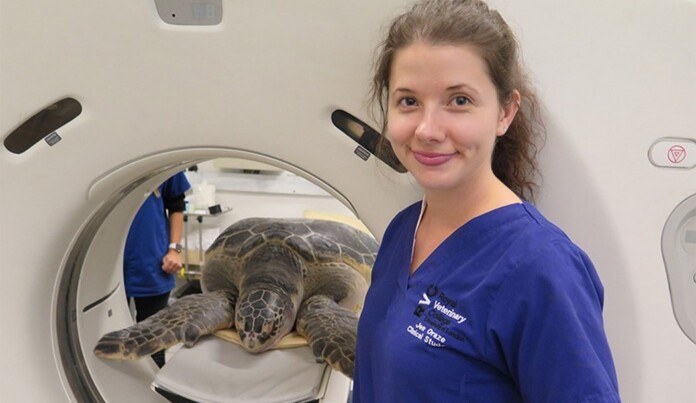
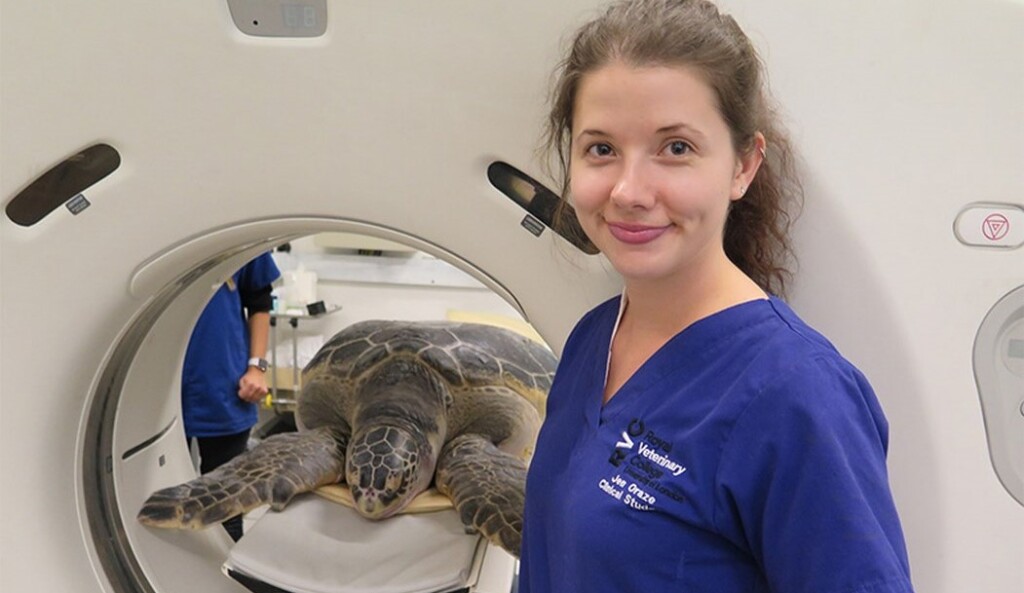
Royal Veterinary College London student Jen Oraze with a sea turtle her team is putting through a CT scanner - credit RVC press.
Royal Veterinary College London student Jen Oraze with a sea turtle her team is putting through a CT scanner – credit RVC press.
When a massive loggerhead sea turtle was hit by a boat and admitted to a Florida veterinary hospital, the doctors didn’t know what to do.
They needed to ascertain the extent of her injuries, but the CT scanner at the Loggerhead Marinelife Center in Juno Beach was too small.
‘Pennywise’ as they named her, was then lifted by the team onto a truck and taken to nearby Jupiter Medical Center to use the CT scanner for humans. But imagine their surprise when they arrived and found that it also was too small for the giant old female.
They needed to think: which animal in society is both larger than a human and commands enough veterinary attention to justify the financing of a super-sized CT scanner?
The team from Loggerhead Center next found themselves at Palm Beach Equine Clinic in Wellington, where they presumably asked a humored bunch of horse veterinaries if they could use their horse-sized CT scanner.
#A 302-pound loggerhead sea turtle injured by a boat required a horse-sized #CtScan, which revealed she is carrying eggs. Boaters are urged to slow down during nesting season to protect endangered turtles. https://t.co/DJOO5LRIS4
“And, luckily, the horse-sized machine was big enough to fit this lady through,” Heather Barron, the chief science officer and veterinarian at Loggerhead, told the Associated Press.
AP wasn’t informed over the extent of Pennywise’s wounds, but the CT scan did reveal that the ‘lady’ was carrying a clutch of eggs.
“We hope we’ll be able to get her back out there into the wild as soon as possible so that she can lay those eggs,” said Barron.
CT scans for turtles suffering from ship strikes are a recent veterinary innovation. The Royal Veterinary College (RVC) London helped pioneer the process under the direction of a Floridian student who was interested in using CT scans for diagnoses.
In 2016, marine biology graduate from the University of California, Santa Cruz, Jen Oraze, led a study team at the RVC to perform CT scans on 5 turtles with suspected spinal cord injuries.
Dozens of sea turtles are taken in by a Florida rescue centre every year after collisions with boats in the Florida Keys. A few suffer chronic spinal injuries and lose their ability to dive without the aid of special weights.
Hearing that a consultant vet at a marine life center from England’s southern coast was running a Florida sea turtle named Ali through a CT scanner, Oraze was fascinated. She then led a study to examine sea turtles from various other aquariums in England and Belgium, including on one that was 70-years-old.
She was eager to publish her findings in hopes that CT scanning of turtles could become standard in her home state of Florida as well as well.
SHARE This Larger-Than-Life Story Of A Turtle’s Journey To The Hospital…
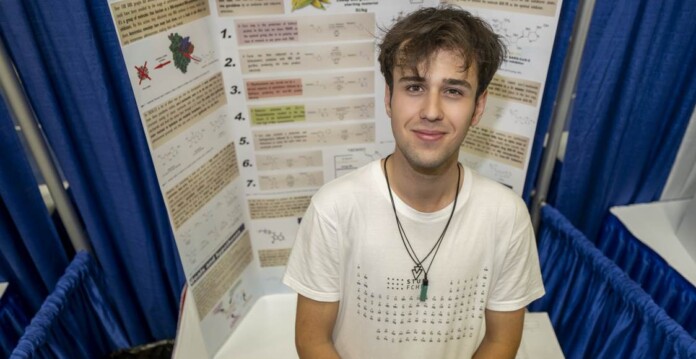
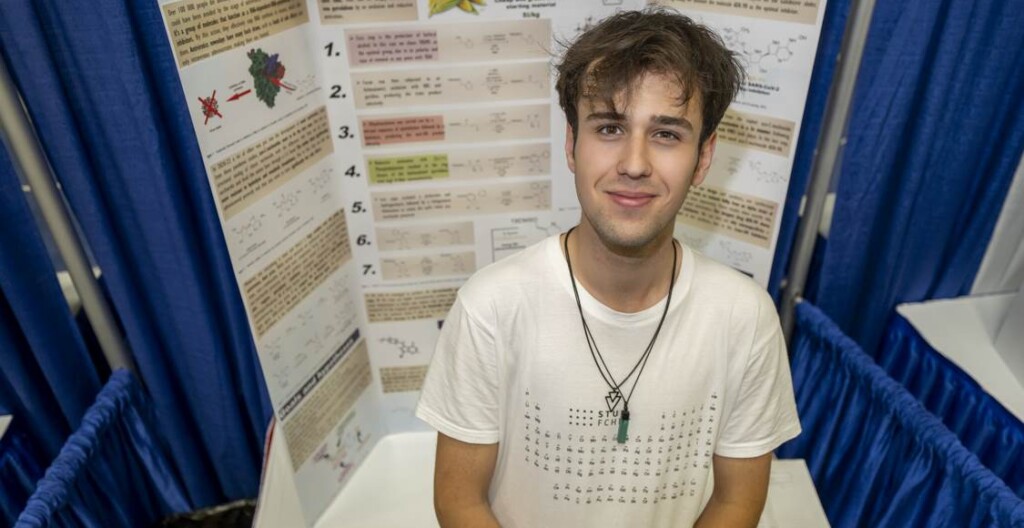
Adam Kovalcik from Slovakia - credit, Chris Ayers, licensed by the Society for Science
Adam Kovalcik from Slovakia – credit, Chris Ayers, licensed by the Society for Science
Self-described as merely “someone from a small village in a small European country” young Adam Kovalčík won the top prize in America’s most prestigious science fair with his invention of a quicker, cheaper method of making a popular antiviral drug out of corn husk.
Reducing the cost per gram from $75.00 to just $12.00, and the production time per batch from 9 days to just 5, it could dramatically increase the supply of galidesivir, used to treat RNA viruses ebola, Marburg, Zitka, and SARS CoV-2.
The 19-year-old from Dulovce, Slovakia, flew to Ohio to attend the Regeneron International Science and Engineering Fair, the world’s largest pre-college science and engineering competition, hosted by the Society for Science.
Kovalčík won the $100,000 George D. Yancopoulos Innovator Award, the highest honor available, for his presentation on the production of galidesivir from corn waste, which the judges described as a “bullet proof” presentation.
“I cannot describe this feeling,” Kovalčík told Business Insider. “I did not expect such a huge international competition to be won by someone from a small village in a small European country, so it was just pure shock.”
His innovation essentially arrives at the production of galidesivir via “another door,” one through which only 10 steps are needed rather than 15. The molecule at the heart of Kovalčík’s process is called furfuryl alcohol, distilled from corn husks.
One by one, a series of chemicals are added until the mixture obtains the composition of aza-saccheride, a sugar from which only three more changes are needed to get to galidesivir.
“He was able to shortcut this entire process,” Chris RoDee, a chemist and retired patent examiner who judged the competition, told Business Insider. “He basically halved the number of steps because he just went in through a different door.”
Kovalčík has already filed a preliminary patent for his production process, plans to work with a research group at the Slovak University of Technology in Bratislava to improve the process, and has concocted an idea to use his prize money to start a company that manufactures eco-friendly perfumes from corn.
CHEER On This Young Innovator By Sharing His Success On Social Media…
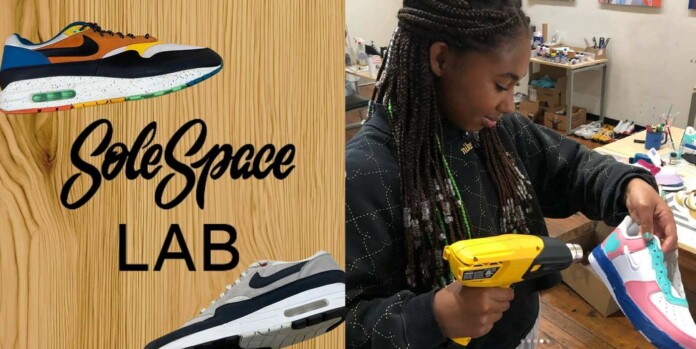
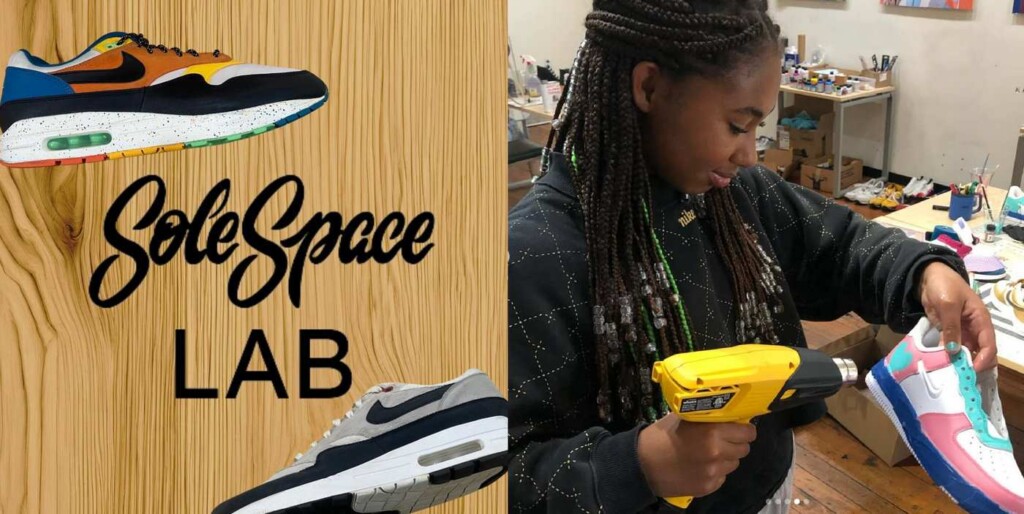
A San Francisco youth during a sneaker upcycle course - credit SoleSpace Lab
A San Francisco youth during a sneaker upcycle course – credit SoleSpace Lab
Educating and encouraging people to reduce their waste footprint doesn’t always have to be done through fear or social pressure, it can be fun and empowering as well.
That’s what the SoleSpace Lab in Oakland is doing—reducing the amount of waste from the footwear industry by teaching kids and teens how to level up their old kicks through cobbling and customization classes.
There are billions of shoes made around the world every year, and in another story on the topic, GNN recently reported that the average American will own around 250 pairs of shoes in a lifetime. That’s a lot of waste, but it doesn’t have to be this way.
Jeff Perlstein, founder of the SoleSpace Lab, is trying to help people see that, and believes that with a bit of vinyl, glue, paint, and a sewing machine, he can make a major difference in his community and the world.
“Lots of people are concerned about the future of our planet, our impact on it, but feel kind of helpless. So, this is a real opportunity for people to make a difference, to be very hands-on, and also express their creativity at the same time,” explained Perlstein.
A unique sneaker repair shop, the SoleSpace Lab teaches folks how to upcycle, refurbish, or customize their shoes. The resulting handicraft is pretty cool, and more often than not reflects the wearer’s personality and interests.
CBS News in the Bay Area saw some made in a Wu Tang Clan style, some repaired using cork wood, and others customized in the colors of the Golden State Valkyries.
But what’s cooler than the shoes are some of the people helping spread the word about the Lab’s mission. Former Golden State Warrior Adonal Foyle helped to give away some lightly worn, very cool sneakers in an event outside the Warrior’s home arena of the Chase Center called “Sustainable Sole.”
When he played for the Warriors, shoes came and went like Gatorade bottles.
“We pretty much used one sneaker a game,” Foyle told CBS, who donated some of his sneakers to the event where Perlstein and SoleSpace Lab hosted an outdoor workshop in the craft of refurbishing old sneakers.
Sometimes it’s just the case that a pair need new soles, but that’s rarely going to excite or interest someone raised in the modern consumer culture of fast fashion. By giving them the chance to express themselves, the attendees didn’t just get the opportunity to walk away with a fresher pair of kicks or an understanding in the cobbler’s craft, but a fresher perspective on what they can do to reduce landfill waste.
WATCH the story below from CBS…
SHARE This Awesome Way To Reset Your Shoes And Your Relationship With Waste…
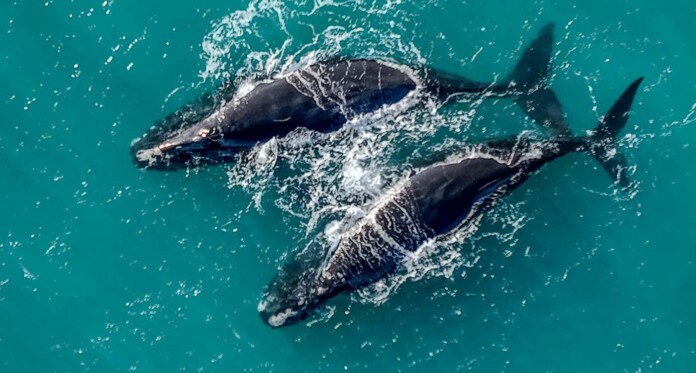
Right whales Curlew and Koala - credit Blue World Research Institute Joel Cohen (Copy)
Right whales Curlew and Koala – credit Blue World Research Institute Joel Cohen
Down near the Bahamas, a bizarre story is unfolding as two critically-endangered North Atlantic right whales continue a rebellious streak.
Maybe they’re fans of Bob Dylan or The Ramones, but the whales, named Curlew and Koala, have spent the last few months cruising down from the Mid-Atlantic coast to the tropical Caribbean seas, something described as a “once in a lifetime” event.
The sighting of the whales was made by a dolphin watching tour in Florida near Bimini, about 50 miles off the coast. The ship’s captain admitted it was something he had never seen before, and thought the whales were fake at first.
Right whales are extremely rare vagrants in the Gulf of Mexico, and there has never been a North Atlantic right whale sighting in Bahamian seas, where the pair are currently located. Typically this time of year sees these giant baleens going in the exact opposite direction—further north.
Dozens of boats in Massachusetts areas such as Martha’s Vineyard and Broad Sound have been ordered to slow down as dozens of right whales have recently been sighted heading north, a not uncommon migratory pattern that happened last year as well.
“It is fairly unusual for right whales to be seen in the Gulf of Mexico, and there are no recorded sightings of right whales in the Bahamas,” senior aquarium scientist at the New England Aquarium, Philip Hamilton, said in a statement. “What inspired them to make this journey will likely remain a mystery.”
In addition to the migratory enigma, CBS News reports that it’s extremely unusual for two right whales to stay together for more than a few days, unless it’s a mother with her calf.
There are only about 370 North Atlantic right whales left on earth. Extremely intelligent, there are no working hypotheses for why these relatively juvenile whales have paired up and gone so far out of their normal range.
Vagrancies are, however, fairly normal—especially with the eastern Atlantic population, which can end up in the Mediterranean, and along the coasts of England, Norway, and the Netherlands.
“Everything about this sighting is remarkable and exciting,” Hamilton said.
SHARE These Freewheelin’ Right Whales Going Where They Please…
GNN managing editor and lead writer Andy Corbley will be speaking at the Future of Humanity Experience in Basel, Switzerland, held between June 15th and June 22nd.
Andy will present the talk entitled ‘To Travel is to Live Intentionally, to Travel Intentionally is to Live Transcendentally’ which will follow on his decade of working to turn his favorite hobby and lifestyle into a modernist philosophy, line of work, and performance.
Event organizers Muriele Solange Bolay and Iwona Fluda wanted to create a forum where cutting-edge technology and artistic expression help interpret and expand the thoughts of a diverse and expansive group of talents and creators, creating a show and a dialogue about exactly what kind of world the future will hold, and how do we want to enter it.
Can humankind co-exist with intelligent machines, what responsibilities will humans born beyond Earth have to those on Earth, what ethical duties will a species that can increase its lifespan so substantially have to those unable to afford to do so, should we merge our biological bodies with robotic ones: these are all questions Solange and Iwona are eager to explore.
Andy has long espoused the value and necessity of living intentionally in both his personal life and professional work, and will now have the opportunity to present on just such a topic as Solange and Iwona hope to create an intentional vision of the future.
Andy has also been accorded the honor of leading a workshop at the experience that will help attendees crowdsource and build intentional and impactful travel experiences, as well as on how traveling intentionally can be a conduit for bringing out our deepest human potential.
The Future of Humanity Experience, taking place in concert with ArtBasel 2025, will also welcome dozens of talented artists from different schools of thought and background to explore art’s place in the future of our species, invaded as it has been by artificial intelligence and questions about true originality.
This is Andy’s first appointment as a public speaker, a position and honor he has worked very hard to arrive at.
Quote of the Day: “Words are often seen hunting for an idea, but ideas are never seen hunting for words.” – Josh Billings
Photo by: Kazi Mizan
With a new inspirational quote every day, atop the perfect photo—collected and archived on our Quote of the Day page—why not bookmark GNN.org for a daily uplift?