












Preparatory archaeology work at an English wind farm development site has turned up two incredible discoveries.
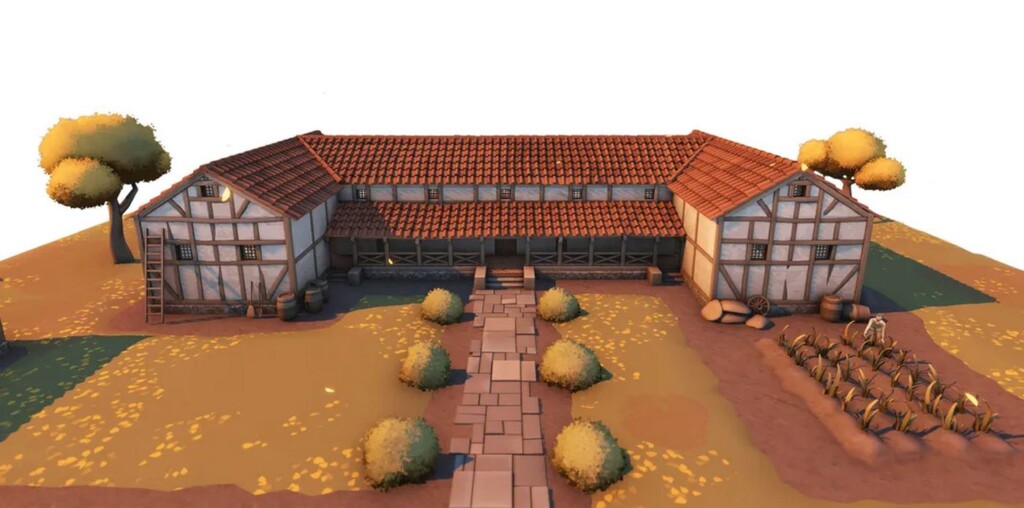
The first was a Roman villa and bathhouse, and the second was a Neolithic burial mound. These were discovered by a team of archaeologists who fully believed they weren’t going to find anything.
The team works for Headland Archaeology, which was employed to preform surveys along a 40-mile underground cable path for a new wind power project from RWE.
The team had consulted historical maps and records, and performed a magnetometry survey, with the end point being that they didn’t find anything of interest. Their ultimate surprise came during trench digging to examine large areas at once when they began to pull a lot of roof tiles out of the Norfolk earth.
This occurred back in 2021, and the subsequent excavations revealed a long-utilized farming estate that dates back to the local society of the Iron Age and forward to the Roman Empire.
“There’s a lot of evidence for growing and processing food,” Headland Archaeology’s Jessica Lowther told local news, “so we think it was quite a large farming estate.”
The walls and foundations of several additional structures, including a Roman road and a bathhouse were also uncovered. Many items reveal the daily life of the inhabitants: nail cleaners, hair pins, and jewelry, as well as a military belt and the bones of dogs and cats believed to have been kept as house pets.
Additionally, the handle of a bronze vessel molded into the shape of a strange creature was discovered, that somehow earned the nickname “Norfolk Nessie” referring to its appearance hearkening back to that famous photo of the Loch Ness Monster.
MORE BRITISH HISTORY: Ancient Stone-Lined Basin Discovered at Roman Town Reveals Engineering Brilliance Predating Concrete
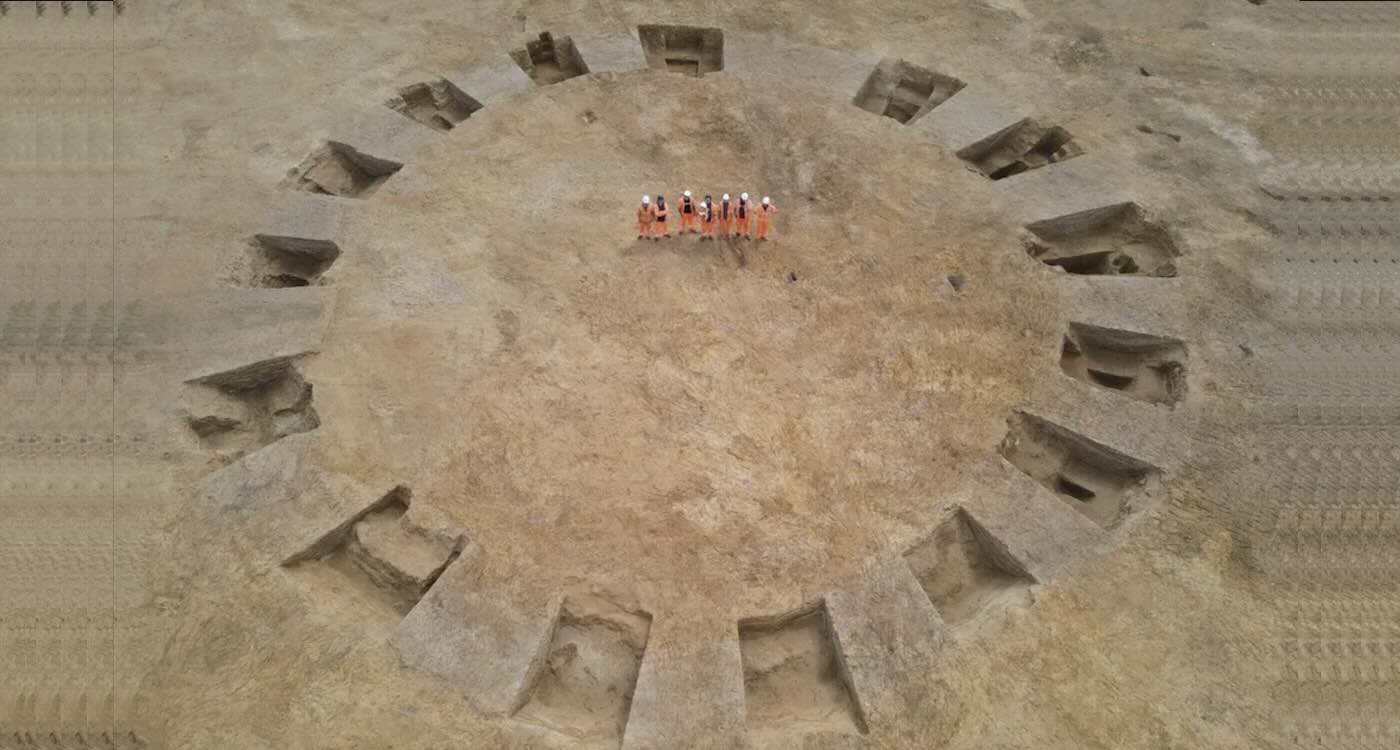
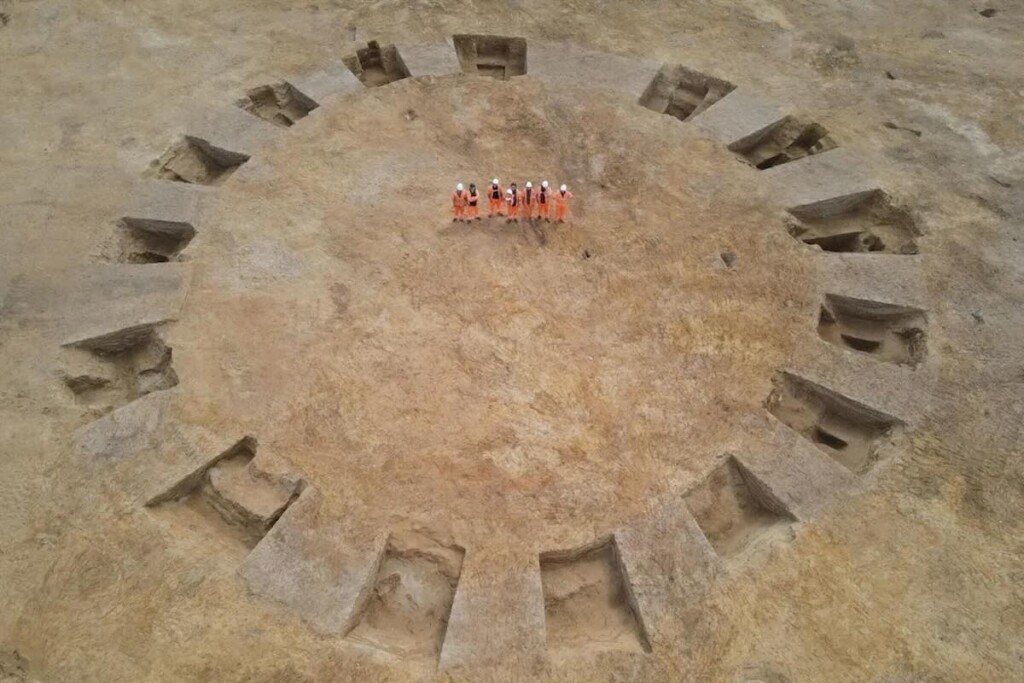
That wasn’t the last time the archaeologists’ assumptions about the cable route being clear was proven wrong. Further along they found a very large Neolithic burial mound with an underground chamber filled with pottery and stone tools.
Yet further, Smithsonian Magazine writes that they uncovered a burial site from the Bronze Age, and later the remains of a medieval village that they were able to confirm once stood there thanks to the Norman’s Domesday Book: a seminal, 11th century survey of land holdings carried out after the end of the Anglo Saxon period.
GREAT ARCHAEOLOGY STORIES: How a Chatty Motorist Led to One of the Biggest Finds in Greek Archaeology–the Lost 2,800-year-old Temple of Artemis
GNN once reported that when major underground discoveries are made in Greece, developers will often obscure them to prevent interruption of the project. Not RWE, which seems to have become very involved in the discoveries genesised by their wind project.
“The archaeological campaign has revealed a remarkable story about how this landscape has changed over time,” project director Jon Darling says in a RWE statement. “Careful archaeological work sits alongside responsible infrastructure development, helping to protect and record Norfolk’s heritage while supporting the transition to renewable energy.”
SHARE This Sequence Of Amazing Finds All Because Of A Power Cable…